
Travel
Bermuda: The perfect island getaway
Complete with historic towns, picturesque beaches and breathtaking scenery, Bermuda is the perfect escape with plenty to do and an endless amount to see
- 1593 words
- 7 minutes
Travel
Shipwrecks, limestone caves and living reefs reveal the island’s lesser-known history, shaped as much by the ocean as by the land
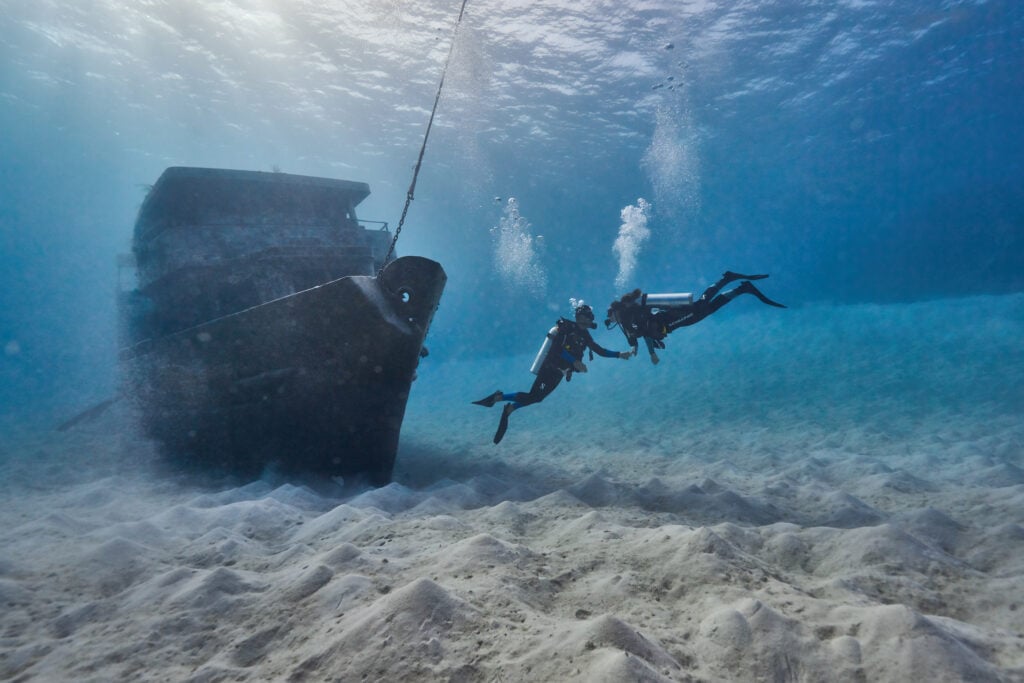
Moments after slipping beneath the sun-dappled Atlantic off Bermuda’s north coast, all thoughts of pastel cottages and pink-sand beaches drift away. Through my dive mask, the ghostly hull of the Cristóbal Colón materializes, its steel bones softened by time. Sea fans ripple beside the sunken Spanish liner’s upright boilers, now encrusted with coral, binding marine life to metal. Though the wreck lies just five metres beneath the surface, it opens onto a world that feels timeless and heavy with secrets.
This is Bermuda stripped of its postcard veneer. Forget the pink sand beaches for a moment, though they’re undeniably gorgeous. I’m here to discover 400 years of hidden history, starting with the island’s astonishing concentration of shipwrecks. More than 390 known vessels encircle Bermuda, casualties of hazardous reefs so dangerous that every arriving cruise ship is escorted into port by a Bermudian pilot.
That legacy of wrecks also shaped Bermuda’s early identity. The island is believed to be the birthplace of privateers.
“St. David’s had boats waiting to help ships navigate through those rough waters, but the captains wouldn’t want to pay,” says Sam Bennett, a local history buff and dive instructor. “The locals would return and double the price. They also might want the ship’s cargo then, too. When the Crown realized what was happening, they offered to pay Bermudians to ensure British ships got through safely, while turning a blind eye to others.”
History’s irony is that Bermuda exists because of a shipwreck. In 1609, English privateer and sea captain, Admiral Sir George Somers, captained the Sea Venture, part of a large fleet bound from Britain to Virginia. A hurricane intervened. The ship struck a reef, but everyone reached shore safely.
“That was the first time Bermuda was inhabited,” says Alison Outerbridge, a guide with Bermuda Heritage Tours. “There’s no such thing as a native Bermudian.”
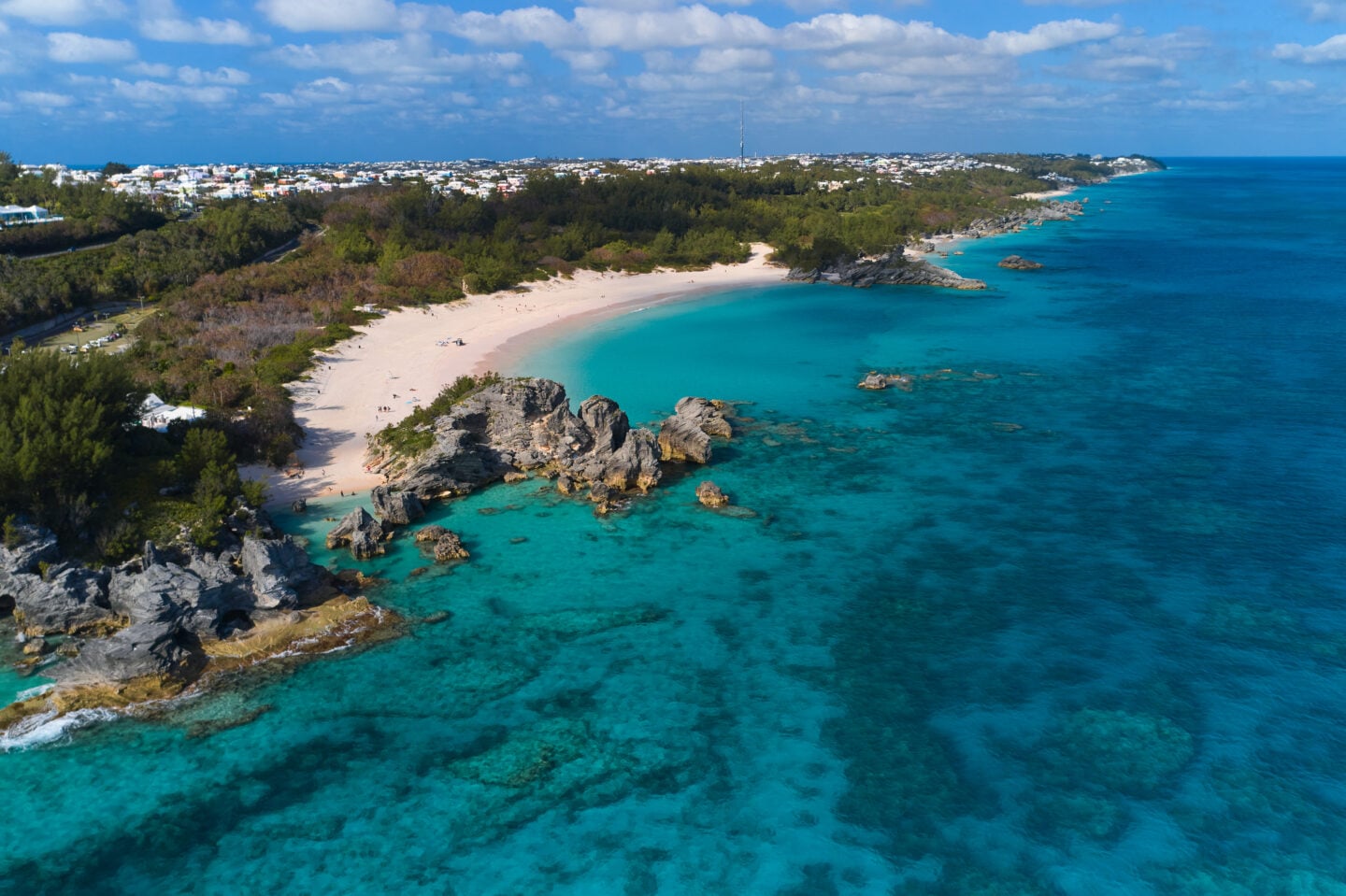
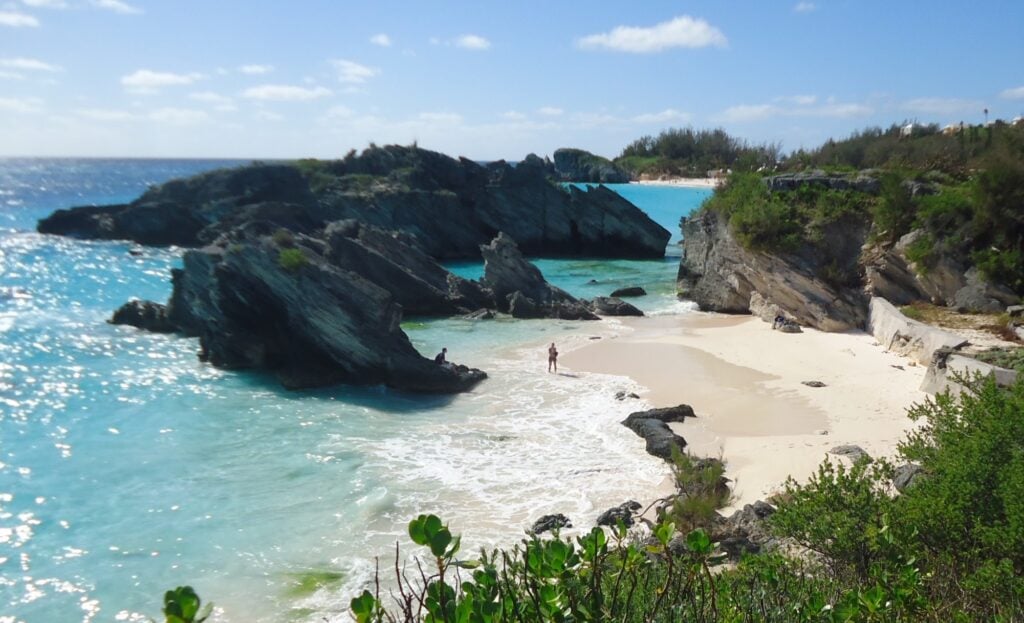
Bermuda rises from the ocean as the summit of an extinct volcano, its shores formed from crushed coral mixed with sand blown over from the Sahara. The island’s famous pink beaches owe their blush to foraminifera — tiny marine organisms that lived, died and were ground into that famous rosy hue.
Turns out, Bermuda was a fortunate place to be shipwrecked. “There was so much food,” says Outerbridge, with hogs running wild (likely left by Spanish explorers a century prior), birds so tame they could easily be caught, plus turtles and their eggs.”
Some crew members built smaller vessels from Bermudian cedar and sailed on to Virginia. Others stayed, becoming skilled shipbuilders. Bermudian sloops sailed as far as India, prized for their speed and ahead-of-their-time design. Built from that valuable cedar, their raked masts and triangular mainsails later influenced the shape of most modern sailboats. The island’s maritime legacy runs through its limestone bones — something apparent above and below the surface.
During my dive to the Cristóbal Colón wreck site, I’m surprised by how eerily well-preserved it remains. We dart between boilers, peep into portholes and hover beside an overturned bathtub in the sand. From below, the upturned hull could be mistaken for a roof shingled with lavender and sage-coloured tiles.
“Coraline algae acts like glue,” explains my divemaster, Britney Ireland of Dive Bermuda, when we surface 40 minutes later. “On a reef, it’ll grow on top of other corals, making a big patch. It does the same with the wreck, making it one big unit so it doesn’t move.”
Bermuda’s crystal-clear waters and protective reef make it one of the world’s top dive destinations, with healthy reefs that shelter abundant parrotfish populations. These tropical fish, known for their beak-like teeth, help keep the ecosystem thriving by cleaning parasites from coral, which they ingest, grind down and excrete as fine white sand.
All Bermuda’s dive sites sit within accessible limits of 21 metres or less. Wrecks range from 17th-century vessels to a ferry and an abandoned casino ship deliberately sunk in 2017 to create an artificial reef, complete with submerged slot machines.
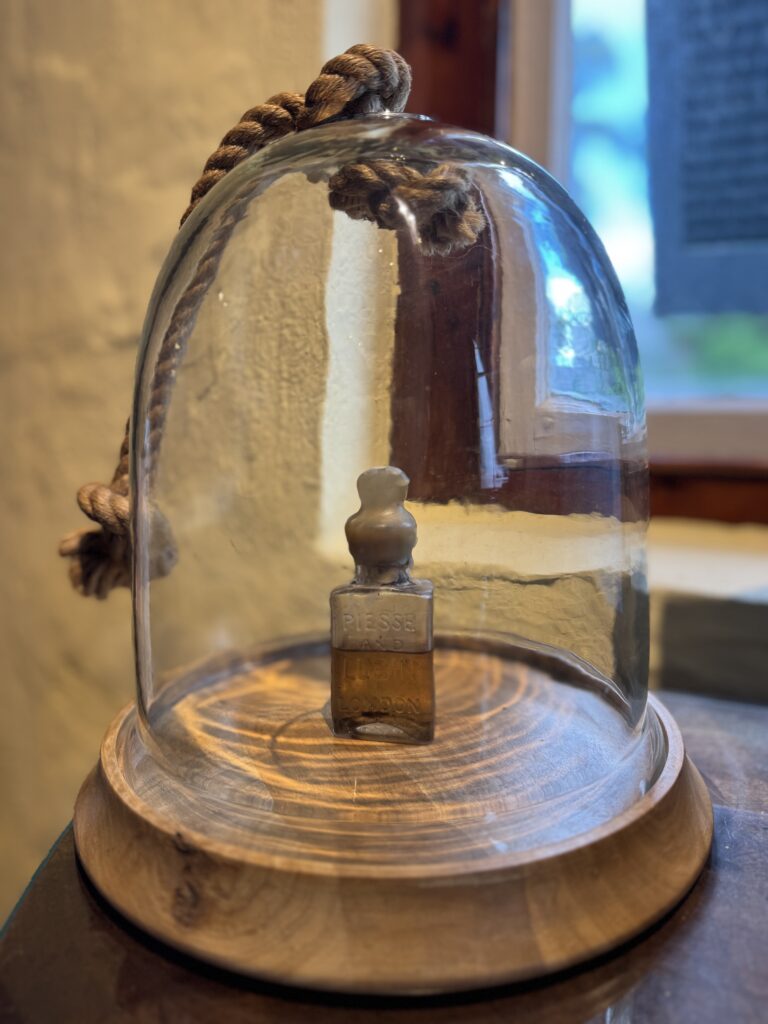
The ghosts of wrecks past even waft through everyday life. At Lili Bermuda, a perfumery in St. George’s, the territory’s first English settlement and a UNESCO World Heritage site, Canadian Consul General Isabelle Ramsay-Brackstone runs a fragrance house with a rare artifact: perfume recovered from a shipwreck.
The Mary Celestia, a Civil War blockade runner carrying illegal goods, sank off the south shore in 1864. It wasn’t until a hurricane in 2011 shifted the sands and exposed its cargo.
“We had ghosts coming out of the bottle,” laughs Ramsay-Brackstone. “We all have those romantic ideas of things smelling good, but this had seen better years.” Through reverse engineering, they recovered the scent’s original notes of grapefruit, rose and neroli. New bottles, inspired by the shipwrecked version, are packaged in locally made cedar boxes to keep this treasure safe.
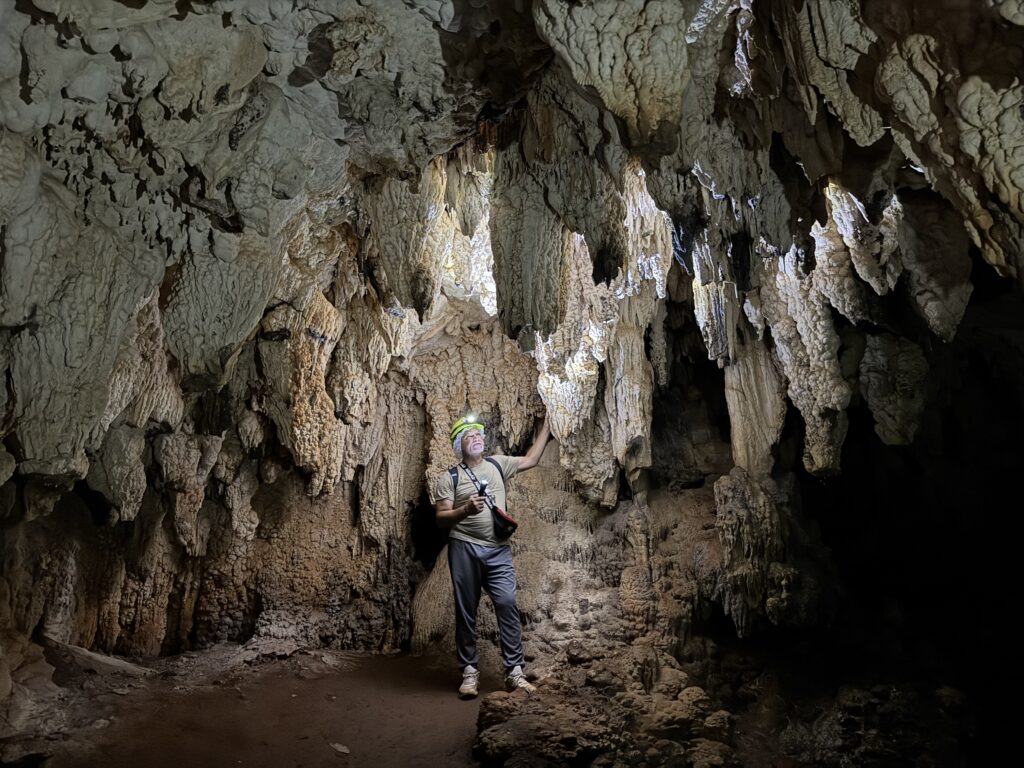
Above ground, there’s more to uncover. I join guide Dale Burgess of Hidden Gems of Bermuda for a trek through Tom Moore’s Jungle, sauntering beneath a canopy of Surinam cherry trees whose leaves act as natural bug repellent. “Stuff a branch in your hair or tuck it inside your ankle socks to ward off bites,” advises Burgess.
With leaves stuffed in socks, we walk mosquito-free through reddish-brown soil, tinted by iron ferrite carried from the Sahara during hurricanes and blown across the Atlantic. Beneath us lies a hidden world of ancient limestone chambers once used by smugglers and as refuge for escaped enslaved people. We slip off the trail and into a natural cave, resplendent with ivory stalagmites and drip-by-drip stalactites that have formed over millions of years.
“They grow an inch per hundred years,” says Burgess. “If water dripping from a stalactite hits you, it’s called a cave kiss.”
Kisses aside, we weave past rust-coloured flowstones spread across the floor like mushrooms, venturing deeper. The cave feels clammy, and we don’t linger after admiring the ivory spears piercing the cave. A two-minute walk farther brings us to Walsingham Cave, famous for its underground swimming hole.
At 12 metres, the water is dark and deep, offering immediate relief. Wearing my swimsuit under my hiking gear pays off as I slip in and float effortlessly, thanks to the high salinity.
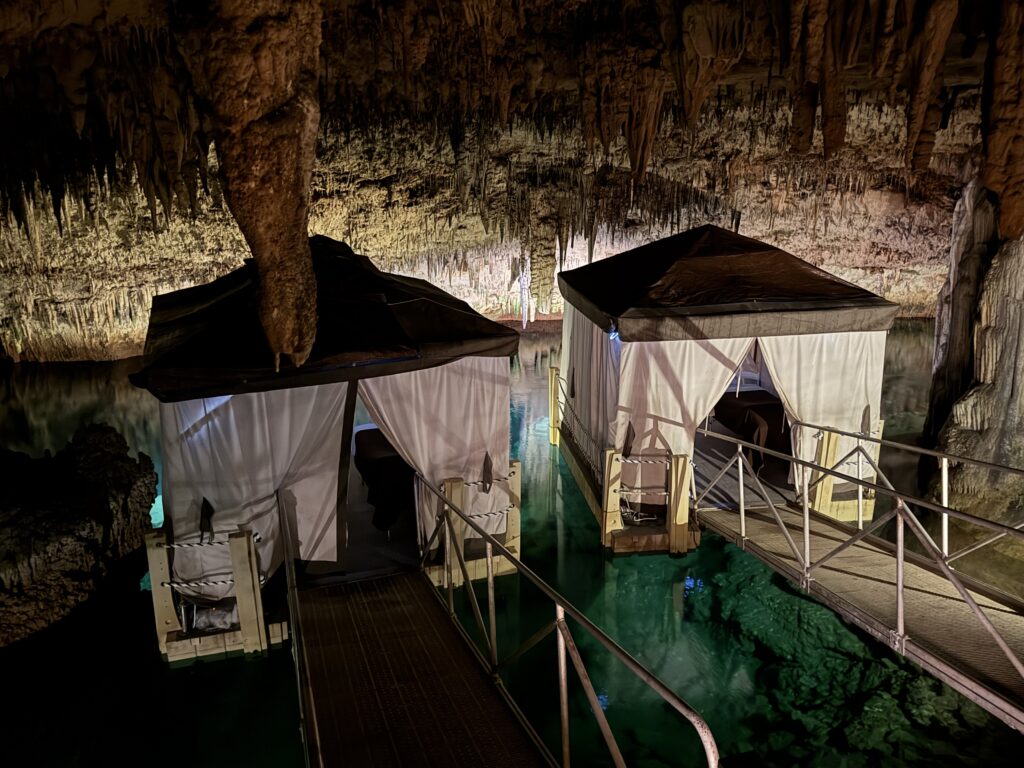
For a zero-effort cave experience, I book a massage at the Cave Spa at Grotto Bay Beach Resort. Only guests of the resort and spa can access Cathedral Cave, where a nine-metre-deep underground lake awaits. The water is cool and clear, a quiet retreat from the heat above. Though others swim nearby, it feels like a private escape.
Massages take place in Prospero’s Cave, said to be discovered by Sir George Somers after the Sea Venture wreck. Tables perch on platforms above still water, and I drift in and out of sleep to the steady drip of water from stalactite columns and the subtle sway of the platform as the therapist coaxes knots from my muscles. Emerging into daylight, I feel renewed.
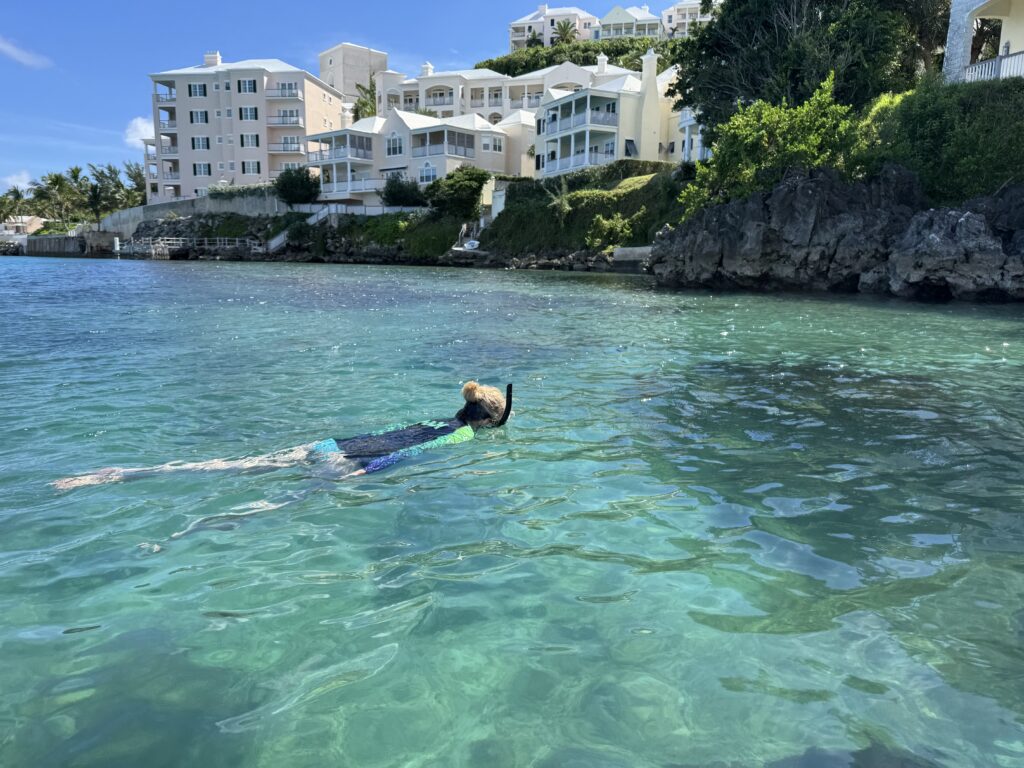
The next day, I return to the water on a guided snorkel tour with the Living Reef Foundation, partnered with Rosewood Bermuda. The foundation grows and tests techniques to propagate coral, relocating mature corals to ocean-based nurseries to protect key island infrastructure.
After an educational seaside chat about Bermuda’s coral reef system (decimated by post-Second World War construction), we embark on a leisurely snorkel to Coral Gardens in Castle Harbour. Floating above the underwater gardens, I spot pyramid-shaped frames tiled with the hatched coral. Older frames show colonies merging and spreading.
“Each week when temperatures are high,” says our guide and foundation head, Samia Sarkis, “we snorkel in with a toothbrush and tweezers to remove algae so these young corals can grow and survive.”
Though I didn’t help grow the coral myself, simply joining the tour to support the effort feels meaningful. Visitors can also adopt a coral garden.
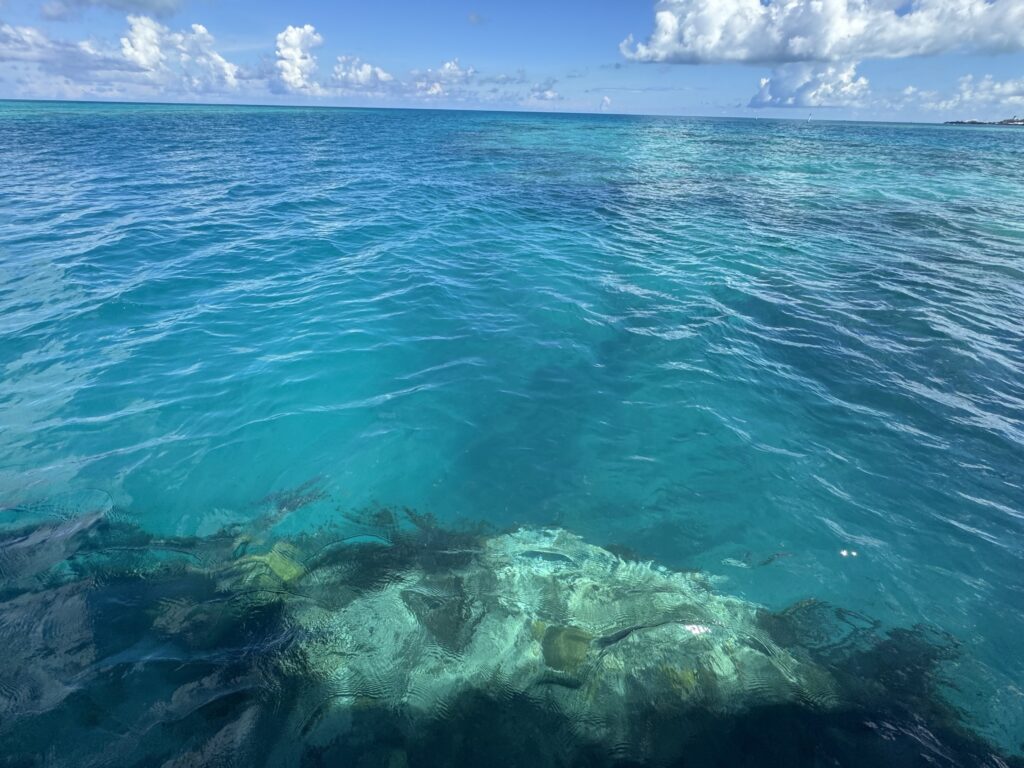
But connecting with Bermuda’s submerged stories didn’t always require plunging in. On a glass-bottom boat tour from the Royal Naval Dockyard, passengers cruise over one of the world’s northernmost coral reef systems before idling over HMS Vixen. Deliberately sunk in 1896 to protect the Dockyard from potential torpedo attacks, the British navy ship now serves as an underwater speed bump.
Even from the surface, I sensed the stillness of time underwater. Peering through the glass panels at the odd tilt of the wreckage, it’s easy to see how this quiet living reef has appropriated iron and steel, as schools of fish shimmer past the ghostly frame resting just below the surface.
Bermuda rewards anyone willing to look past the beach. Shipwrecks, hidden caves and ongoing efforts to protect its reefs reveal an island shaped as much by its stories as its shores. However you explore it, Bermuda’s quieter, mysterious side lingers long after you return home.
Travel
Complete with historic towns, picturesque beaches and breathtaking scenery, Bermuda is the perfect escape with plenty to do and an endless amount to see
Travel
Taking a closer look at Kingston’s museums below the surface
Travel
Founded as a fishing club in the 1950s, Pompano Beach Club epitomizes casual elegance
Travel
A slow, sun-soaked journey through this tropical island’s famed beaches, eclectic food scene and pristine landscapes, where luxury is understated and tranquillity is the norm