Places

At just 21 hectares, Nova Scotia’s Country Island plays an outsized role in bird conservation

This small rocky island was designated a national wildlife area in 2025 in recognition of its importance for a wide range of birds, including the graceful roseate tern, which is endangered in Canada

  • Apr 30, 2026
  • 1,188 words
  • 5 minutes
[ Disponible en français ]
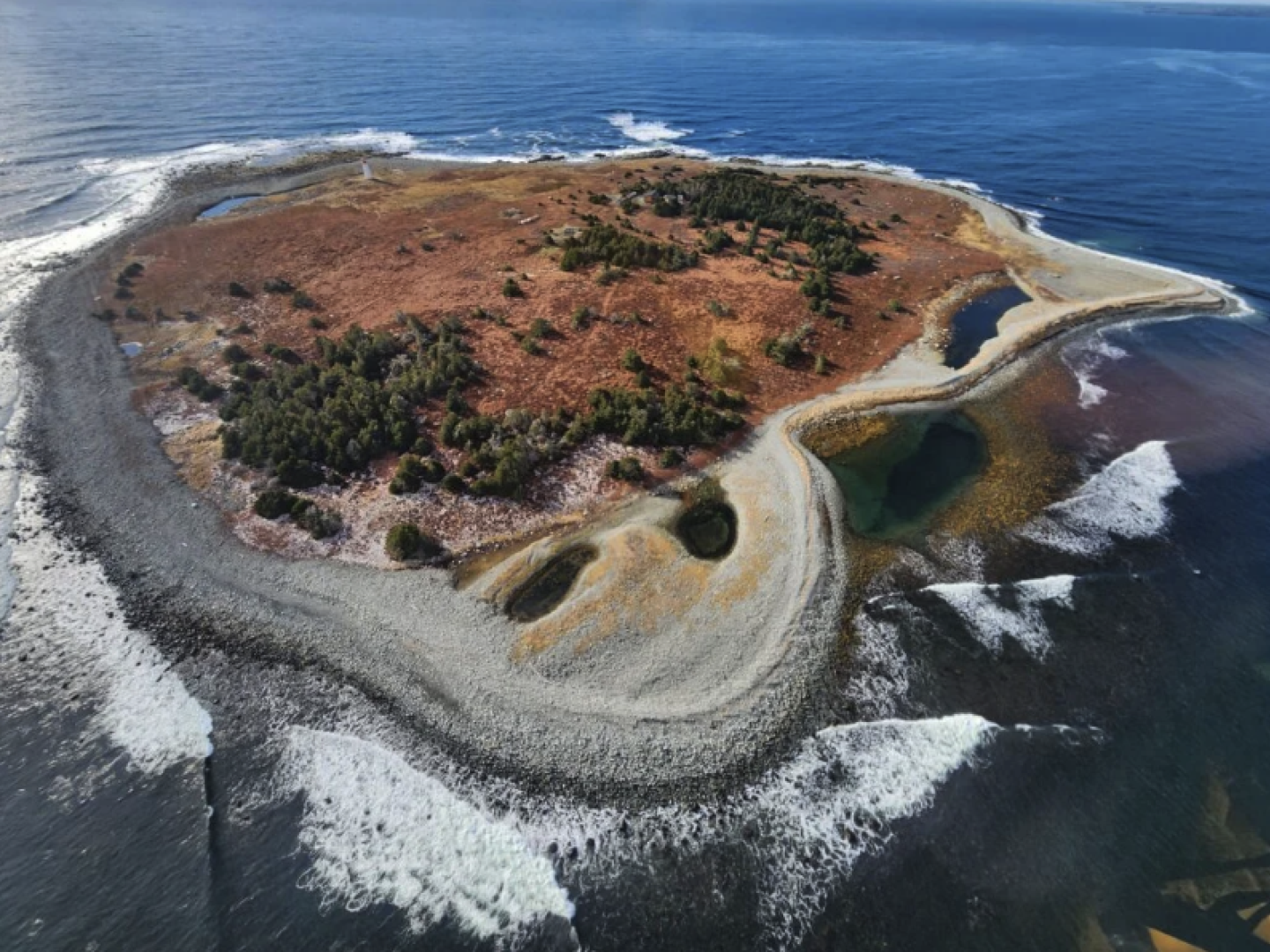
Country Island, which was designated a national wildlife area in 2025, offers a refuge for migrating birds on their journey and is also one of the few places in Canada that hosts a breeding colony of roseate terns. (Photo: Jen Rock)
Expand Image
Advertisement
Advertisement
Advertisement

At first glance, Country Island, a small, rocky island dotted with patches of forest and shrubs, ringed with cobble beaches, is as nondescript a place as they come. Yet when you take a closer look, this small island off Nova Scotia’s eastern shore is revealed to be a truly marvellous avian safe haven.

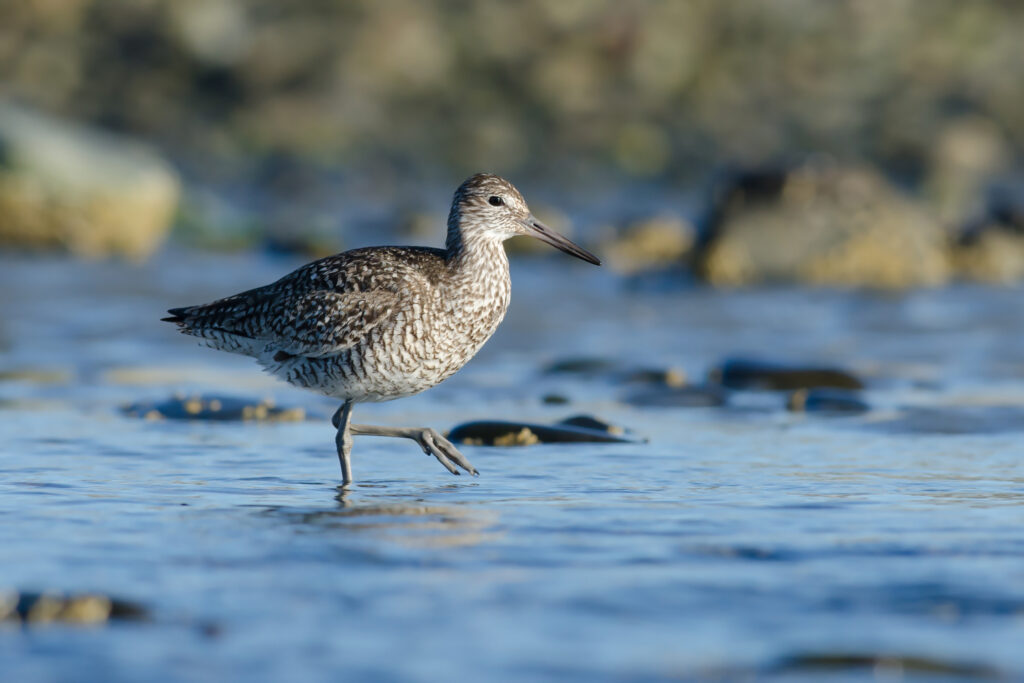
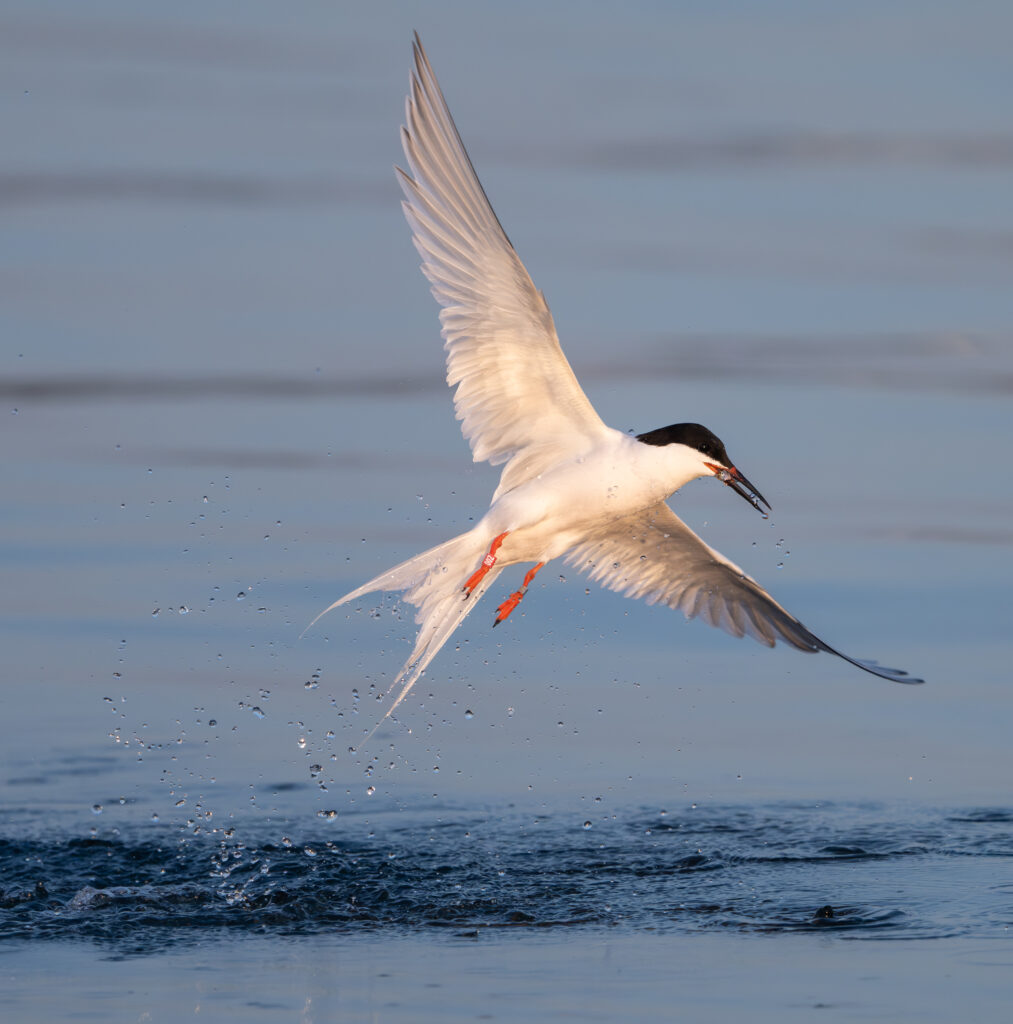
As a patch of habitat punctuating the Atlantic flyway — an important avian transit corridor running north to south across the planet — this 21-hectare island offers a refuge for migrating birds on their journey. It’s also one of the few places in the country that hosts a breeding colony of roseate terns, graceful seabirds with a black cap and arcing tailfeathers. These terns are endangered in Canada, currently numbering less than 100 breeding pairs. The island hosts other species at risk as well, including over 30,000 pairs of threatened Leach’s storm-petrels, small, dusky birds that nest in underground burrows. There are also colonies of common and Arctic terns, herring and great black-backed gulls, black guillemots, common eiders, and nesting willets.

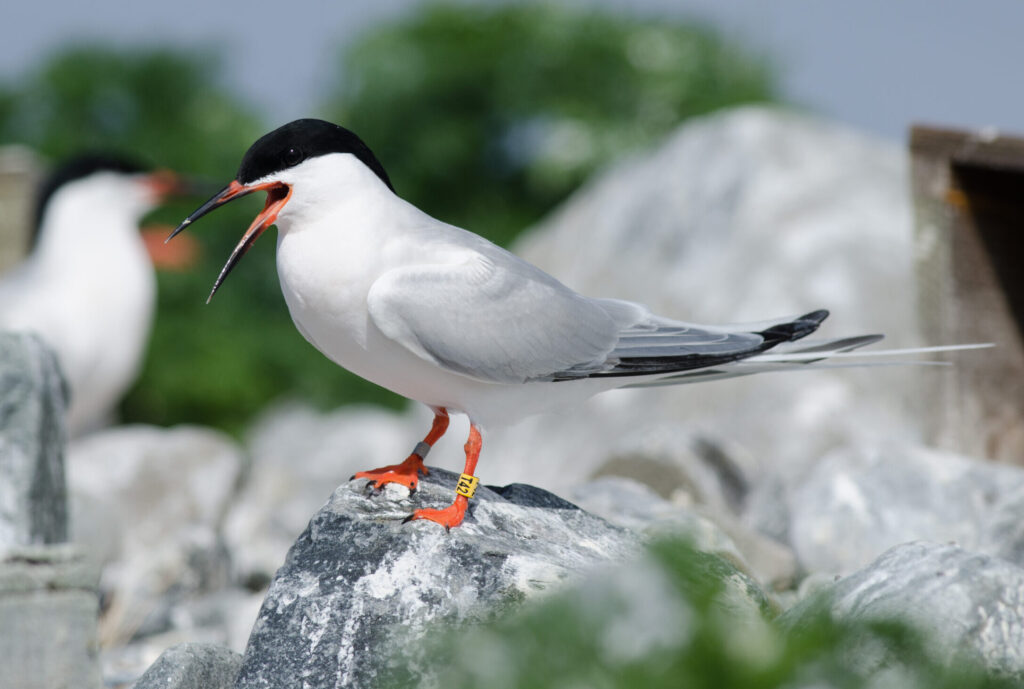
The roseate tern, a graceful seabird with a black cap and arcing tailfeathers, is endangered in Canada. There are currently fewer than 100 breeding pairs. (Photo: Alix d'Entremont)
Expand Image

For ground-nesting seabirds, Country Island, which was designated a National Wildlife Area in 2025, offers something special: an environment largely free from mammalian predators. The occasional mink or river otter does make its way to the island, where it can wreak havoc, says Karel Allard, protected areas coordinator with Environment and Climate Change Canada’s Canadian Wildlife Service, but “they do so less frequently than in similar habitat on the mainland.”

And by packing a wide array of habitat types into a small footprint — from cobble beaches and other open habitat for nesting terns and black guillemot, to spaces between tree roots for burrowing petrels — the island can support a diversity of breeding birds, an array of migratory species and a number of winter residents that seek refuge in its sheltered water. “The island is used year-round, but for different reasons by different birds,” says Allard.

That diversity makes Country Island National Wildlife Area a perfect place to study a variety of birds and inform efforts to support their recovery. Research on the island by Acadia University and the Canadian Wildlife Service has granted crucial insight into the movement patterns for many birds, including the roseate tern. “Without Country Island, we would have a much, much more limited understanding,” says Allard.

Indeed, Country Island’s most important role might be helping to prepare conservationists — and seabirds — for a changing world.  “Coastlines, islands…are changing before our very eyes and certain areas that we have believed to be reliably suitable for nesting and finding critical food resources are turning out not to be as reliable,” says Allard. “What this means is that we and our partners in conservation need to continue to work together to do the best we can to ensure that this precious island nesting habitat and associated prey base in surrounding marine areas remain available.”

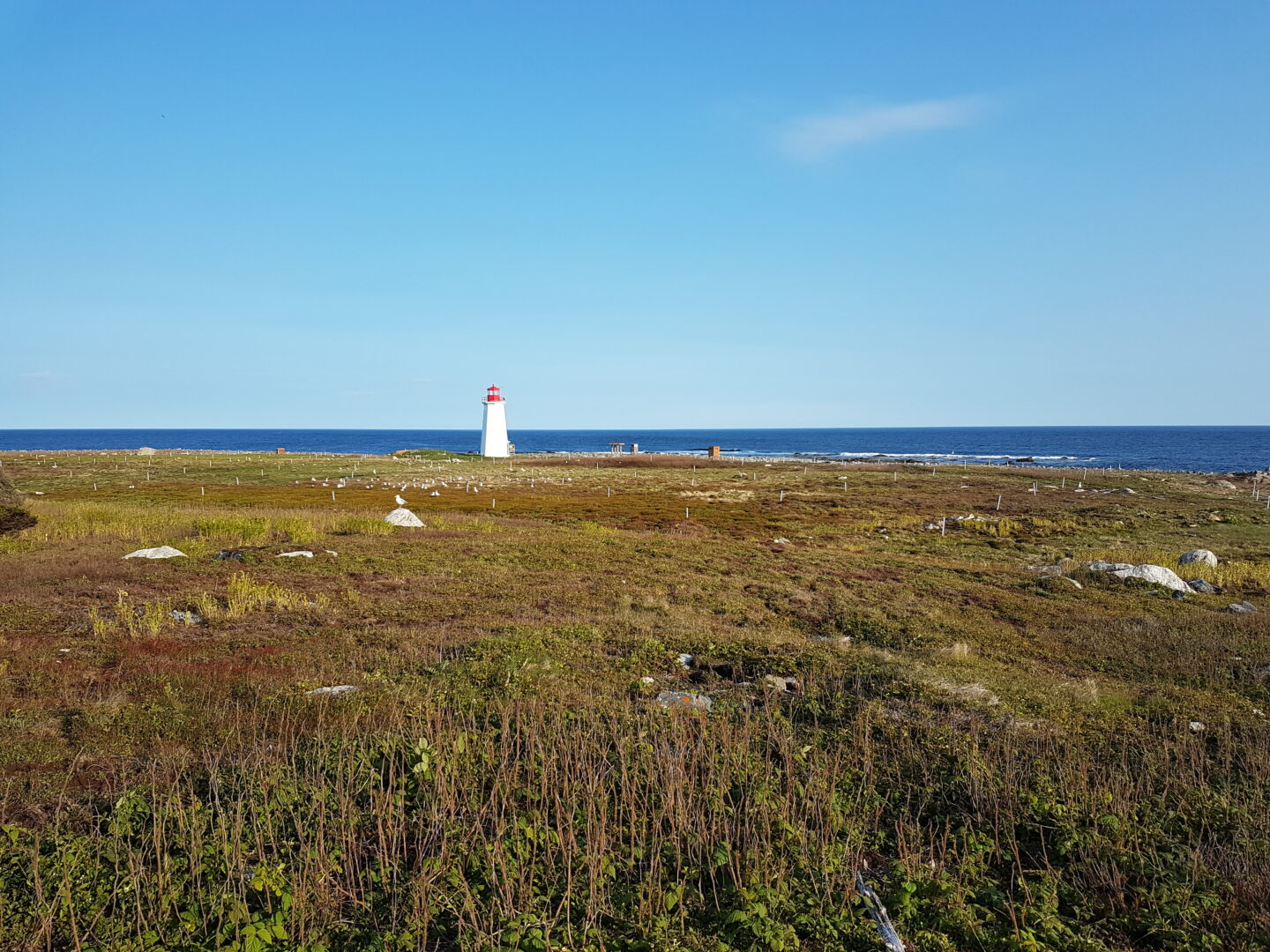
A view across Country Island. Researchers have used white sticks to mark the boundaries of nest plots they are monitoring. The nests include those of roseate terns, common terns, Arctic terns and a few herring gulls. (Photo: Mark Mallory)
Expand Image
Country Island NWA contains critical habitat for the roseate tern and is used as a research area to study these birds, which are listed as endangered under the Species at Risk Act. (Photo: Alix d'Entremont)
Expand Image
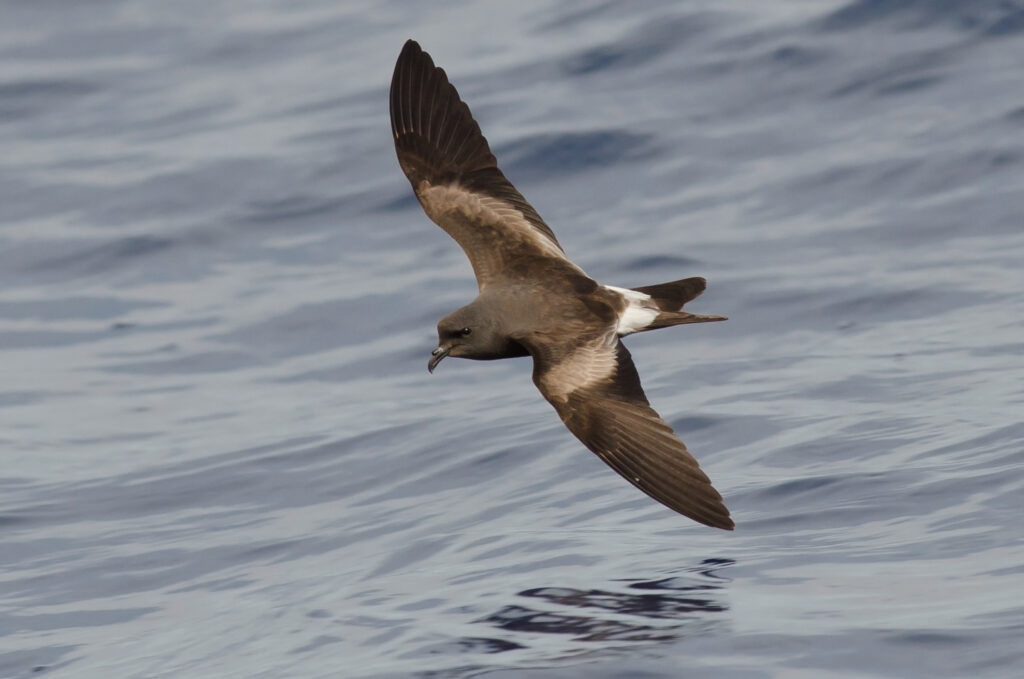
Country Island supports over 30,000 Leach’s storm-petrel (approximately two per cent of the western Atlantic population). (Photo: Alix d'Entremont)
Expand Image
Advertisement

Allard says this requires creating what Environment and Climate Change Canada’s Canadian Wildlife Service and others call an effective network: in this case, a web of protected islands with different habitat types of the right size and location, with multiple examples of each type of island spread out along the coast. This ensures birds have access to multiple options for breeding, migrating and overwintering, even as the climate changes. 

“Birds will need that room to move,” says Allard. “So that’s where we and partners … are directing our gaze more broadly, to other islands that may not have been used in the past.”

Country Island National Wildlife Area is both an existing part of this network and a site to gather knowledge on how birds are responding to changing conditions, allowing people working in conservation to plan for where birds may go in the future. 

This small island off the coast of Nova Scotia is carving out space for nature.

THE VULNERABILITY OF BIRDLIFE in the region is exemplified by the endangered roseate tern, the species most closely associated with Country Island. Up to 25 per cent of the total Canadian population of roseate terns nests here, prompting Environment and Climate Change Canada to designate it critical habitat in 2016.

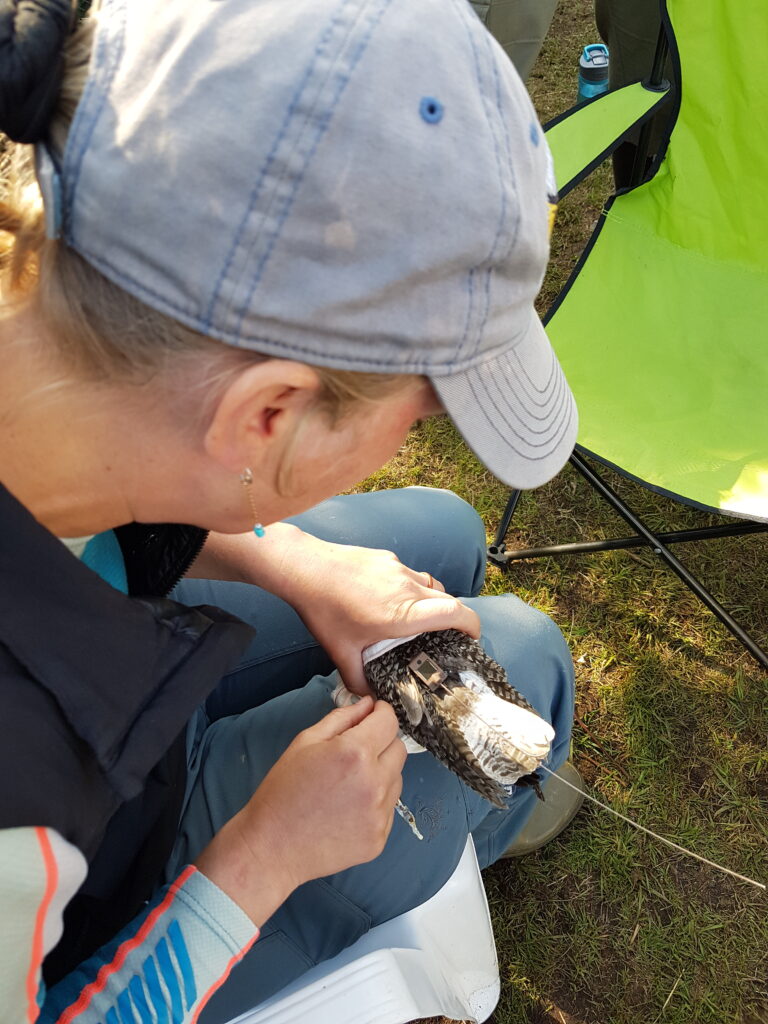
Biologist Sarah Gutowsky attaches a satellite transmitter to track a willet. Eastern willets breed in coastal salt marshes and on barrier beaches and islands. (Photo: Mark Mallory)
Expand Image

Shawn Craik, a professor of biology at Université Sainte-Anne, who’s studied roseate terns on Canada’s other significant colony — on the North Brother and South Brother islands, in southwest Nova Scotia — points out that roseate terns have specific habitat requirements. They tend to rely on the presence of large colonies of common terns, of which there are not many in the region, “so right off the bat, we limit the number of sites that might be potentially interesting for roseate terns in Canada.” Common terns are more aggressive than roseate terns, which rely on their larger, noisier tern “cousins” to protect them from predators such as gulls.

Roseate terns also seek out sites that offer materials to conceal their nests — they often hide their nests under the edges of boulders or driftwood — “and it’s not every island that has that sort of substrate.”

Finally, Roseate terns are picky eaters; typically, they consume small, nutrient-dense fish, specifically herring and sand lance, which they like to pluck from shallow waters and where currents make them more accessible closer to the surface.

As climate change intensifies, Craik says rising sea levels and increasing storms are damaging tern habitat. North Brother, the largest Canadian colony, has experienced severe erosion in the last decade, and there may be no viable nesting habitat there in another 10 years. But Craik says that roseate terns are flexible in one important way: when needed, they’ll pack up and move if they can find a new site that meets their habitat requirements. 

To give roseate terns — as well as Arctic and common terns — a better chance at thriving, they need to have alternate places to go if one island becomes unsuitable. “We help ensure the sustainability of these regional tern populations by having multiple habitats that are protected,” Craik says.
Willets use their sensitive bill tips to grab up worms, snails and insects from the water's surface, and will also prey on small shellfish and crabs. (Photo: Alix d'Entremont)
Expand Image

Taylor Creaser, conservation campaigner with the Nova Scotia Chapter of the Canadian Parks and Wilderness Society, agrees that Country Island National Wildlife Area boasts an outsized role in supporting bird biodiversity that belies its modest size, adding that he is pleased that it has been designated a national wildlife area.

“Country Island is an excellent example of applying an ecosystem-based lens to conservation,” she says. “We look at any of the examples of roseate terns, sparrows, shorebirds — they’re making migrations of sometimes thousands of kilometres between their summering grounds and their breeding habitat. And it’s really great that Country Island was designated with that international significance and that ecosystem-based lens [in mind].”

In this way, a small island off the coast of Nova Scotia is carving out space for nature, making a key contribution to an evolving network of protected islands and providing a rare refuge for breeding bird species and others making their way through the world.

This story was created in partnership with Environment and Climate Change Canada.

Advertisement

Help us tell Canada’s story

You can support Canadian Geographic in 3 ways:

Related Content

Mapping

For the birds! Mapping Canada’s 92 migratory bird sanctuaries

These federally protected areas are located along avian superhighways — also known as flyways — traversed by millions of birds on their annual migrations. They provide vital stopover sites and breeding grounds.

  • 1962 words
  • 8 minutes
A man stands at the edge of a lake during sunset

People & Culture

The biggest year in Canadian birds

A tale of joy and persistence: Logging Bruce Di Labio’s birding “big years” almost 50 years apart

  • 4123 words
  • 17 minutes
roseate tern endangered nova scotia protected habitat

Wildlife

Four Nova Scotia islands protected for endangered roseate tern

Environment and Climate Change Canada applied a critical-habitat protection order to Country Island, Sable Island and North Brother and South Brother islands

  • 360 words
  • 2 minutes

Wildlife

By the numbers: Protected landscapes and the birds that live there

National wildlife areas and migratory bird sanctuaries form a vast conservation network across the country. Here are a few surprising facts about these protected landscapes and the bird species that live there

  • 1087 words
  • 5 minutes
Advertisement
Advertisement