People & Culture

After the fire: How Fort McMurray changed Canada’s relationship with wildfire

Five western journalists who cover or have been personally affected by wildfires discuss how the 2016 Fort McMurray fire continues to shape the stories we tell about fire today

  • Published May 06, 2026
  • Updated May 07
  • 2,763 words
  • 12 minutes
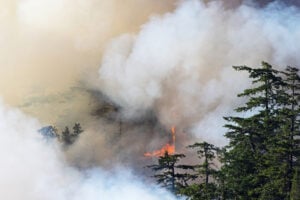
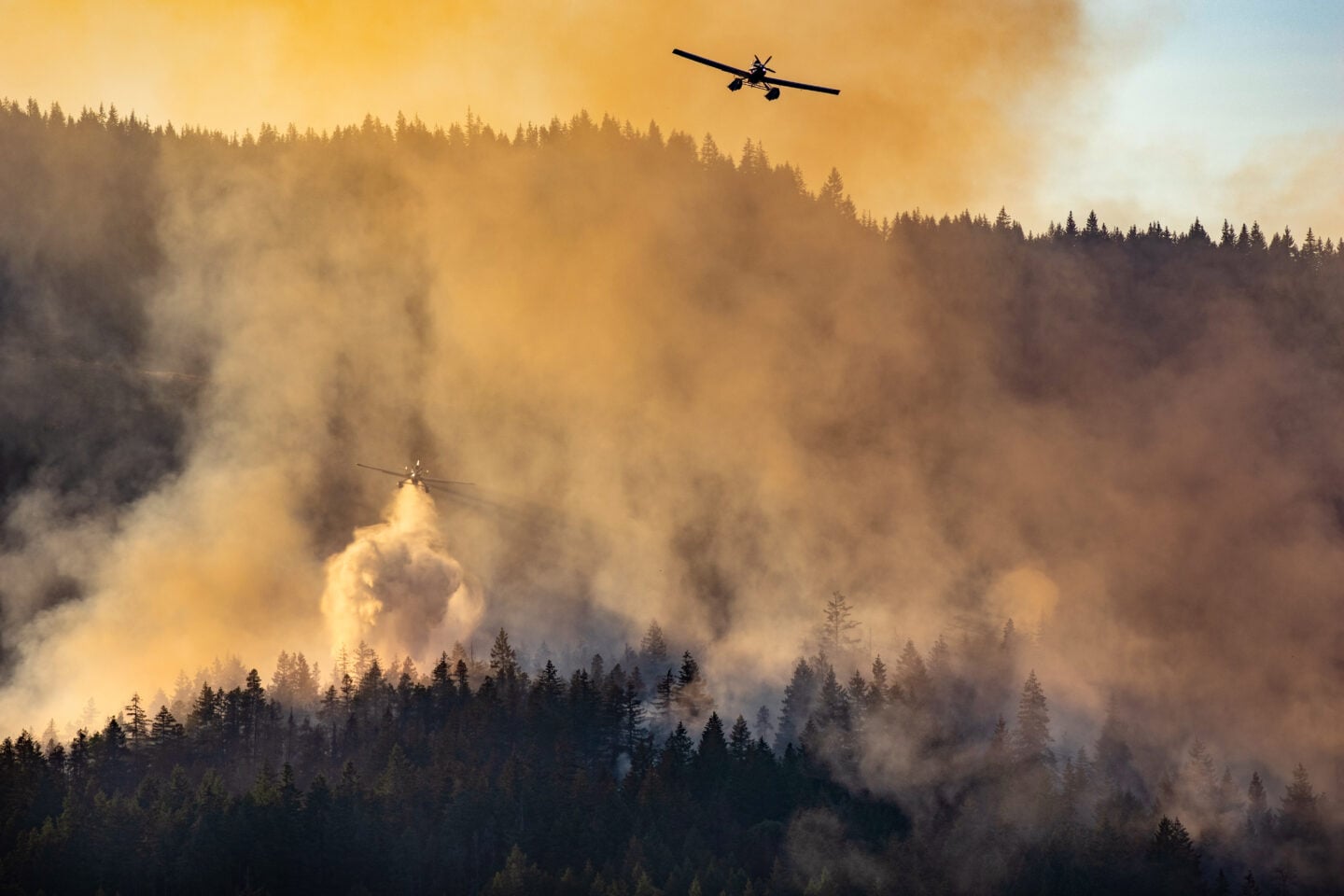
Water bombers fly over a wildfire near Comox Lake on Vancouver Island, B.C. (Photo: Arriana Gibson/Can Geo Photo Club)
Expand Image
Advertisement
Advertisement

Ten years ago this week, tens of thousands of residents fled Fort McMurray as the northern Alberta city burned. It was a then-unprecedented evacuation and a turning point in Canada’s relationship with wildfire. 

To mark the anniversary of the disaster, Canadian Geographic gathered a panel of veteran western journalists for a video discussion about the power of storytelling amid a fire season that’s growing more fraught every year.

Trina Moyles is an author, journalist, and creative producer. She’s written for outlets including Canadian Geographic, The Globe and Mail, and The Narwhal, and her second book, Lookout, is a memoir about her seven seasons as a fire tower lookout in Alberta. Her latest book is Black Bear: A Story of Siblinghood and Survival. Based just outside Whitehorse, Y.T., Moyles recently joined The Walrus as the regional northern correspondent. 

Lawrence Nayally is the host of Trails End, the afternoon show on CBC Radio One in the Northwest Territories. He’s based in Yellowknife, N.W.T.

John Vaillant is an author and journalist based in Vancouver. His most recent book, Fire Weather, about the 2016 Fort McMurray fire, was a #1 national bestseller and won several Canadian book awards, and was a finalist stateside for the Pulitzer Prize and the National Book Award. 

Niki Wilson is a writer based in Jasper, Alta. She’s a frequent contributor to Canadian Geographic, and she has also written for outlets including BBC Earth, Canadian Wildlife Magazine, and Nature. Last year, she wrote a feature essay for Canadian Geographic about Jasper’s evacuation, partial destruction, and ongoing recovery.

*This conversation has been condensed from its original version, which can be viewed below, and edited for length and clarity.

On the changing face of wildfire

Eva Holland (host): How have you noticed Canada’s wildfire reality, and public understanding of it, shift since 2016, as large fires and evacuations have become more common in the West?

In 2025, more than 70,000 people were forced to evacuate their homes due to wildfires across Canada. (Photo: Niki Wilson)
Expand Image

Niki Wilson: Ten years ago, we might not have talked about the summer as being “fire season.” I have a friend who says her daughter, several years ago, came outside and there was a lot of smoke in the air, and she went, [inhales deeply], “Ahhh, summer!” And she was so devastated because this is what her daughter thinks summer is now. And so I think that’s really changed, that summer is now fire season, it’s smoke season.

Lawrence Nayally: When I was a kid, wildfires were kind of a normal thing to experience every now and again. I remember our own community, Pehdzeh Ki, Wrigley, was evacuated, it was so long ago, I think it must have been 1994, 1995, around that time. There was a big wildfire in Tulita [N.W.T], so all of that smoke and the fire nearby kind of forced us out of the community. 

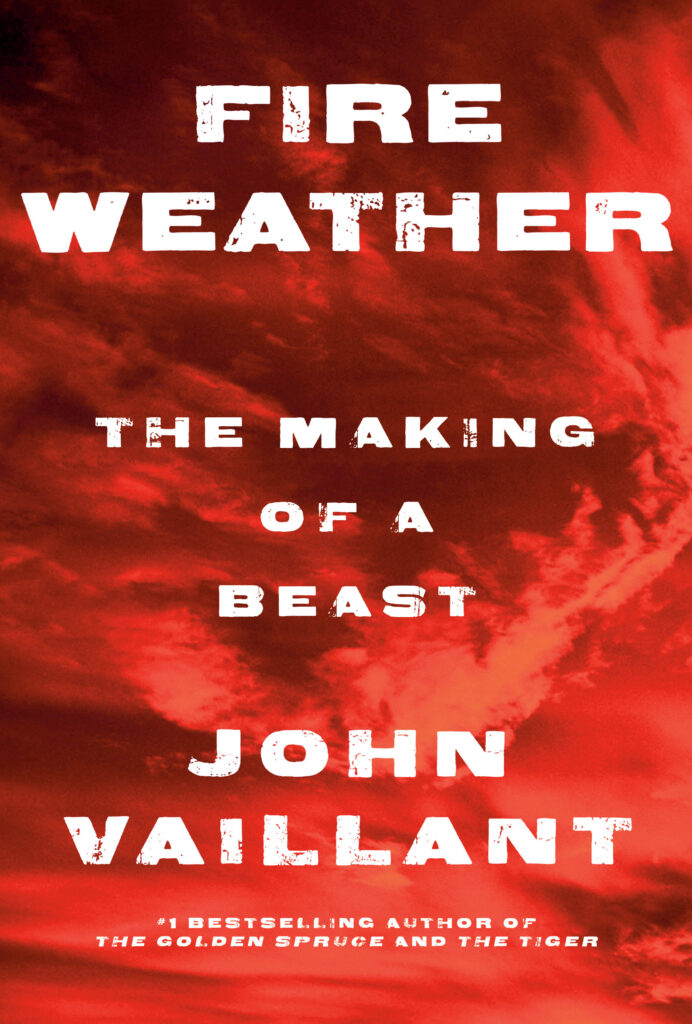
John Vaillant's book, Fire Weather, about the 2016 Fort McMurray wildfire. (Book jacket courtesy John Vaillant)
Expand Image

2023 was massive. That was a shift that we had seen up here in the North: a turning point. We experienced mass evacuations. Hay River was evacuated, Fort Smith was evacuated, Yellowknife was evacuated. Enterprise, the entire community burned down. Wildfire grew in its intensity, is what we noticed. They’re behaving in a way that even longtime firefighters and Elders have never seen before. Longer seasons, we’re seeing more overwintered fires. For us, it’s becoming a new normal, shaped by climate change. It’s really changed since I was a kid.

John Vaillant: I think heat and drought is going to be a theme all across the Canadian West. Texas and Australia are ways of measuring our future. You see it in Southern California, too. These are all warning signs of what’s to come. Water is something we take for granted in Canada. In many ways, Canada is the richest country in the world, in terms of raw resources, and we’re going to find out the hard way how precious those really are. They’re not as abundant as we might have thought.

Trina Moyles: I grew up with fire, so I feel like I entered into this conversation with a greater comfort with the idea of fire and its place on the landscape. Of course, we are in a different situation now. I’ve seen a lot change in the last decade. People in cities are more aware than ever of fire season, as Niki was saying. I think people in rural landscapes — we were always close to that story of fire. 

There’s been great storytelling efforts both around the experiences of frontline wildfire workers and also in the role of Indigenous fire, and good fire. I think we’re seeing more stories than ever, looking at how First Nations communities used fire as a tool on the landscape.

“In many ways, Canada is the richest country in the world, in terms of raw resources, and we’re going to find out the hard way how precious those really are.”

John Vaillant

On the power of stories

EH: In our current changing landscape, what is the power of stories? Can people like us make a positive change?

LN: There were some really tough stories [in the summer of 2023]. We talked to people who had lost their homes. We interviewed one Elder, and he said he might no longer be able to hunt moose [because of the large burn scars covering the land around his community]. You hear these stories, and your mind instantly goes to: “What can we do better?” “What do we need to do?” I feel like we’ve been reactive, and people are starting to realize we need to be more proactive.

We talk to former forestry crews. When the new training regimen came up, a lot of the Elders that knew the land really well were forced out of service, because they couldn’t physically meet the requirements. A lot of them still want to contribute. And as a result of them being pushed out of the picture, new fire crews were entering that had barely any experience in the North. Storytelling like that, for me, is important.

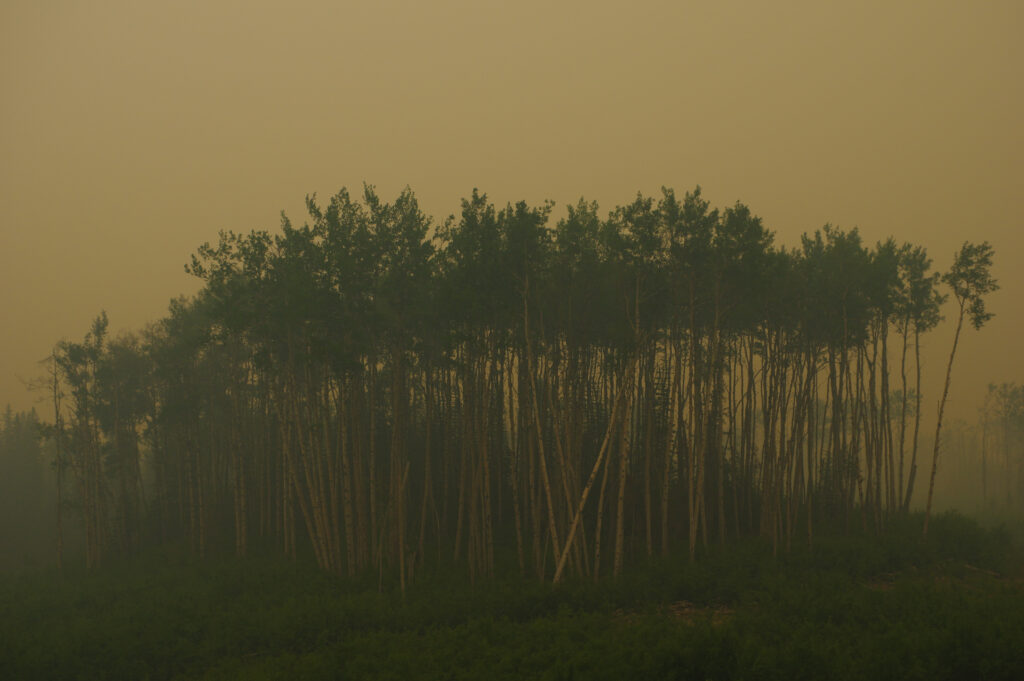
Smoke from wildfires can cloud landscapes for weeks at a time. (Photo: Trina Moyles)
Expand Image

EH: Niki, you wrote about your experience having to flee Jasper. But you also addressed people who are going to be in this situation in the future, and said, “This is what I can tell you about what it’s like when your town burns down.” What was that like, to create almost a service piece out of this very personal, harrowing experience?

NW: It was difficult, but I also had a lot of questions. The way I was feeling, was everyone feeling that way in the community? Because the thing about wildfire is it just keeps happening to the community long after the flames are out. It really tears at the fabric of the community. We live in a really ragebait-y, polarized time. There was a lot of conspiracy theory — still is. There’s a lot of grief, there’s a lot of loss. And some really amazing work being done in the community for healing, too. So I really wanted to explore that, and it felt like a really big responsibility to be telling stories about my neighbours. I felt honoured to be able to put a human face on some of these things.

JV: I wrote [Fire Weather] because it feels urgent. What happened in Fort McMurray was so traumatic — I was really resonating to what Niki was saying about the impact on the community and how it keeps rippling through. That event was such a signal to all of us, and most of the people who read that book or learned about it had never heard of Fort McMurray. To try to make that relevant or personal, that was a heavy lift. In terms of the power of story, you try to write something that is riveting and compelling and that will go beyond its natural borders. Fire Weather did that, and it did it partly because of the trust that residents put in me to accurately report what they went through.

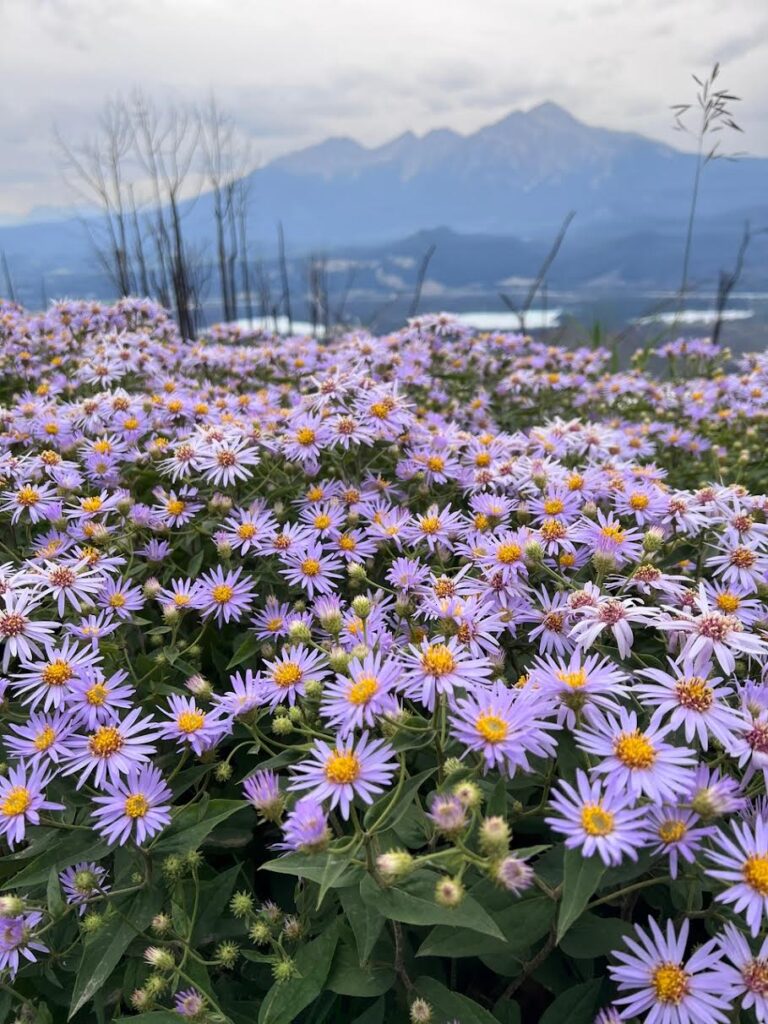
Wildflowers bloom in late summer 2025 amid a landscape recovering from wildfire. (Photo: Niki Wilson)
Expand Image

Unlike Niki, I was spared the actual experience of being in the fire, but I tried to tell it from the point of view of people who were impacted grievously, and really try to put you in their shoes so that you’re feeling all the feelings they’re feeling. And then in the midst of that, there’s a huge amount of practical information about fire behaviour, about the vulnerability of your own home, about things you can do for your own home. I wrote Fire Weather as a public service announcement: Folks, you may have never heard of Fort McMurray, but what happened to it has heard of you.

There are whole segments of the population that will have nothing to do with Fire Weather even though it’s true and fair and accurate. I gave the keynote at the Canadian Association of Fire Chiefs, and the guy who is now the president of that, he’s from Red Deer, and he’s not allowed to talk about climate change in his town. And he’s a very sensible, excellent guy, and the association of fire chiefs is lucky to have him as a leader. Yet, there are these limitations on what you can discuss that are basically fascist. And that’s because it’s captive to the petroleum industry. And that’s really the elephant in the living room.

Every single Canadian government, including the NDP in B.C., is captive to the petroleum industry. I feel like all of us who are in the business of communication, we really have to bear down on that connection. When you look at parts per million of CO2 in the atmosphere just kind of marching upwards steadily, and then track that with area burned, track that with temperature, track that with a shift in the dates of fire season, they all follow each other very closely. Connecting those dots — they’re unignorable, undeniable — I think it’s incumbent upon us to keep saying it.

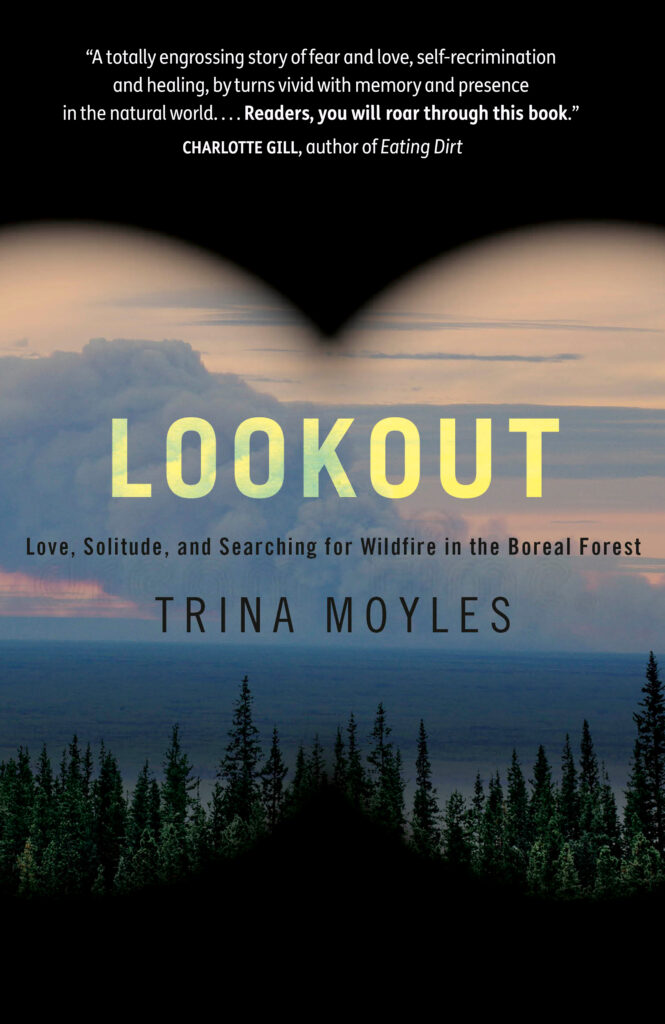
Lookout, by Trina Moyles, documents her time working as a fire lookout in Alberta’s forest, observing and reporting wildfires from a remote tower. (Book jacket courtesy Trina Moyles)
Expand Image

And also to keep in mind that every person is at a different stage of awakening. A lot of people had a brutal awakening in Fort McMurray. That fire was for many a fundamental betrayal of so much of what they believed: about their companies, about their industry, about the safety and security of the place they lived, it was all turned upside down. And so you can see the appeal, perhaps, of a conspiracy theory there. You can see the appeal of, I’m just going to get really, really angry. Those are defensive positions. [But we] can attempt to bridge those gaps in a humane and inclusive way.

EH: Trina, what has it been like to move from the front lines to communicating with a broader public that may be divided or not fully receptive?

TM: There’s real insider-outsider access with wildland fire agencies. The biggest misunderstanding about my job as a fire tower lookout is that I was just this loner in the bush. In fact, no, I had all the intel, I was listening to the radios constantly, there’s this constant communication between aircraft, the fire attack crews, the initial attack crews that are first on the scene… so my first season, I was like, wow, I’m getting this crash course in this incredible organization.

I was initiated into this world for seven years, which really became my life. You’re bound to these fires, you’re bound to the people that you know are on the front lines of these fires. You know what they know, and there are constraints. There are so many constraints on these individuals and what they’re allowed to share with people. And this is to me a real sadness, because we need to be having a real conversation about wildfire right now, and people are having the conversation. Unfortunately, some of the most brilliant minds aren’t allowed to speak.

The way I see it now is that I have access to people on the fire line and these people aren’t allowed to go on the record for fear of losing their job, but my ability as a storyteller is to surface some of these things, expose some of these things as John was mentioning, and Niki was talking about putting the face on fire — I think that’s something we’re all trying to do, is really humanize this experience.
The thing about wildfire is it just keeps happening to the community long after the flames are out. It really tears at the fabric of the community.

Niki Wilson

On the future of fire stories

NW: One of the things that I think would be appealing to a broad audience is: What is happening with insurance? Maybe these companies could absorb one or two disasters, but at the rate we’re going, it just doesn’t seem sustainable to me. And how is that going to affect people who live in fire-affected or fire-vulnerable communities? Can they still get insurance? How is that going to affect everyone else, when the same big companies are insuring them for other things, like their cars? We need to understand so much about what’s happening there and where we’re going.

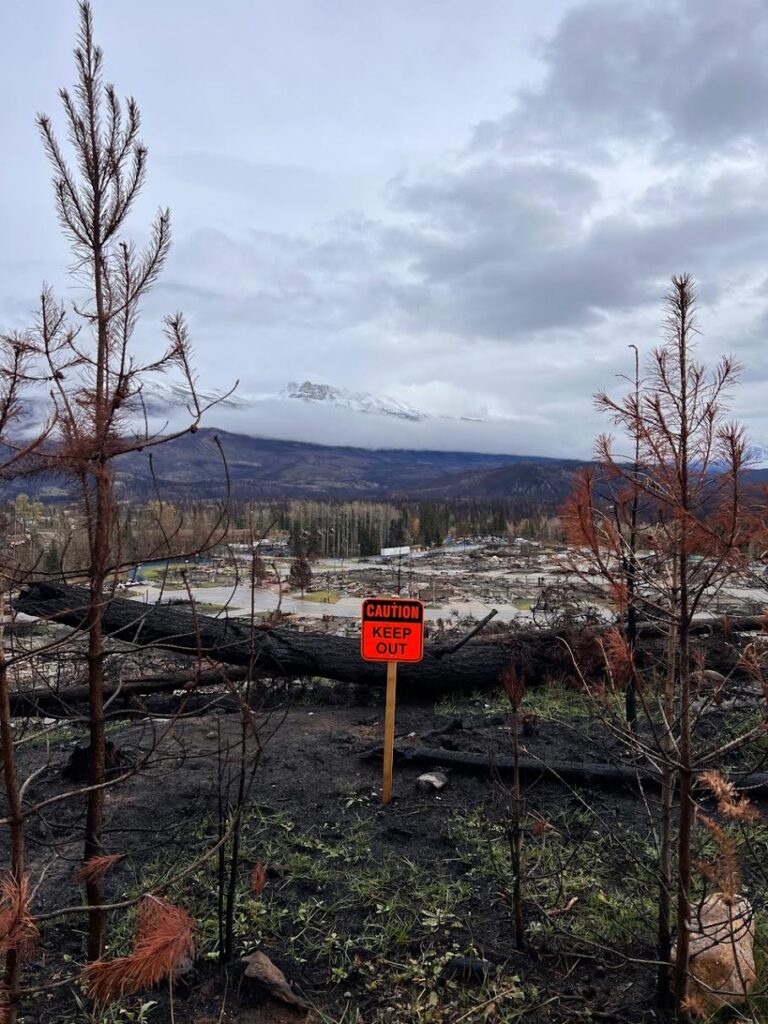
A sign warns of an area impacted by a wildfire. (Photo: Niki Wilson)
Expand Image

LN: The insurance thing, if you’re a First Nations or Indigenous person in the North – yeah, there’s no chance. I’ve heard stories of people trying to get their house insured in these remote communities, and it’s hard.

Going back to what John was saying about fossil fuels, that got me fired up, too. This shift needs to happen globally, where we need to start getting off of fossil fuels. The North is heating up faster than anywhere else across the planet, and the policy, the infrastructure, the funding has a very hard time catching up with these changes. And so that conversation also needs to happen.

There are definitely more conversations that need to be had on how to integrate our own Indigenous knowledge into official policy, not just consultation.

TM: There’s a lot of attention right now on prescribed burns, and I think we really do need to center those First Nations experiences. And, like Lawrence was talking about, knowledge from Elders — as storytellers, I think it’s our responsibility to centre those stories on First Nations communities and perspectives, because that has been left out of the conversation for so long now. Not only that, but fire on the landscape was criminalized earlier on. 

There is a disparity in the number of communities impacted by fire, and we know that First Nations communities tend to be more affected. There is a disparity in reporting on wildfires: we look at places that do get a lot of attention, and they’re not those First Nations communities often.

The other thing I’m passionate about is wildlife. I think wildlife gets left out of the conversation about wildfire often. 

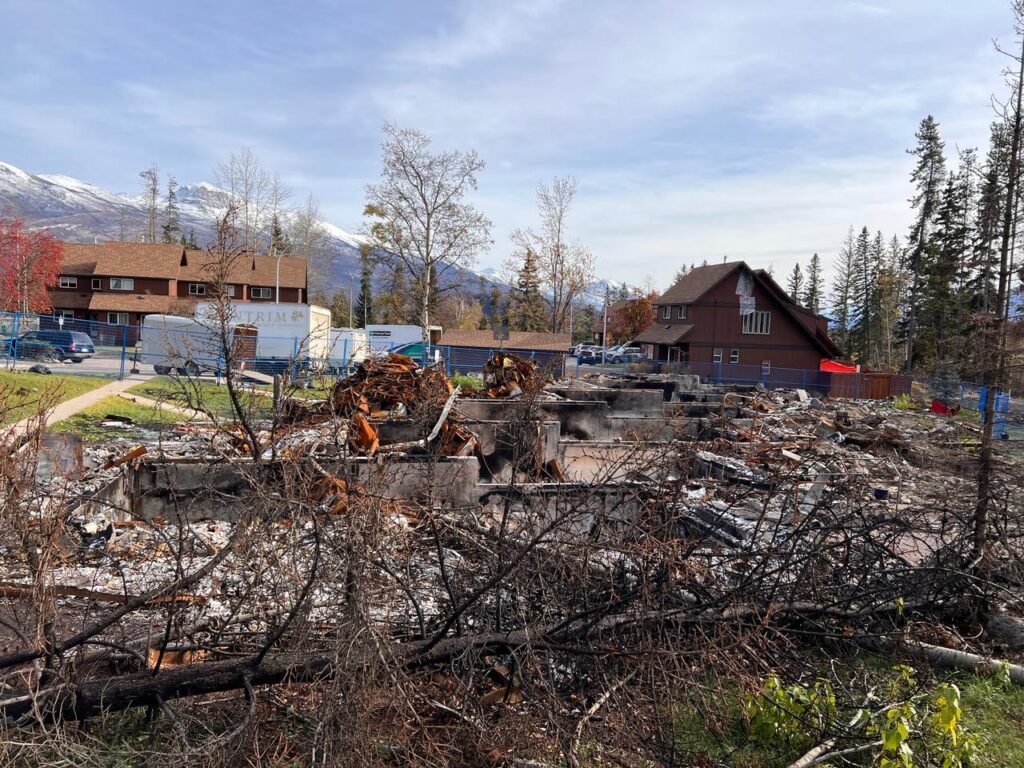
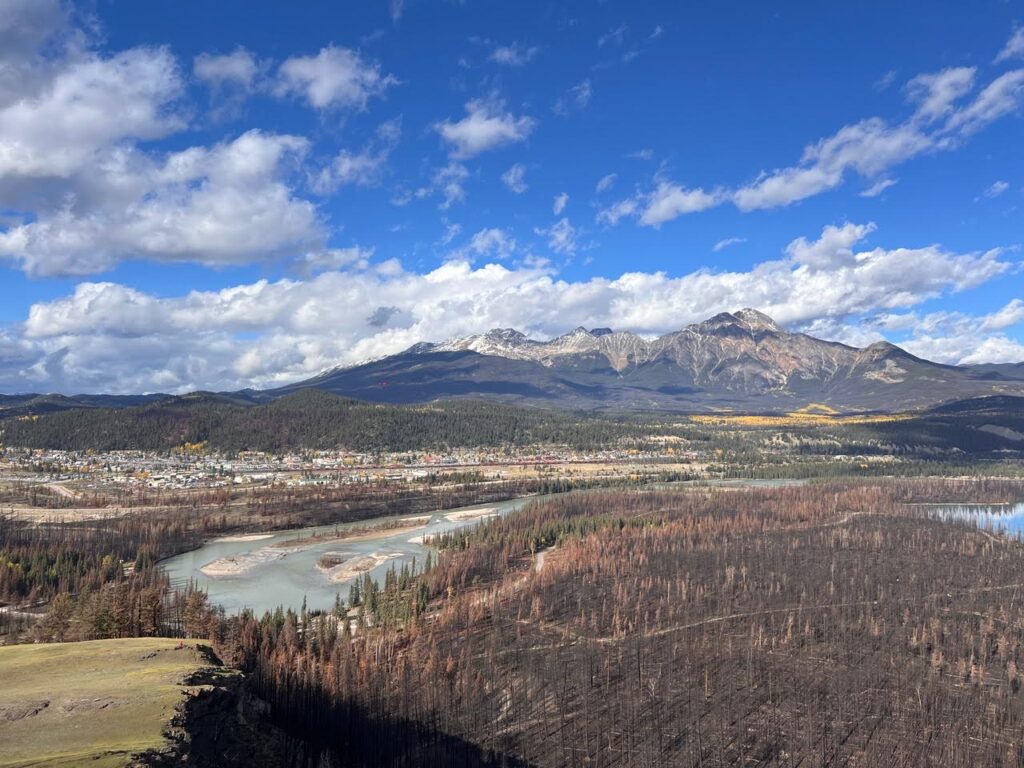
The town of Jasper following a significant wildfire. (Photo: Niki Wilson)
Expand Image

JV: I really want to see an expose on why Canada’s dragging its feet on making the transition to renewable energy. If you think about it, Canada is the wealthiest nation in the world per capita in terms of renewable energy potential. Infinite sun, infinite wind, infinite geothermal, three oceans of potential tidal, not to mention all the hydro. And the unwholesome influence of the petroleum industry has really slowed that down, to the point where even Texas — Alberta’s twin sister, a very, very conservative state, with an official policy of climate denial — is leading the continent in renewable energy development.

We don’t have to agree on everything to move in the right direction. So that’s one thing I really want to hear more about, and hold some Canadian politicians’ feet to the fire, because they know better. Carney knows the science. These are really smart, well-informed people who know what’s at stake.

Climate change imperils the whole mechanism of our society. And so you would think that people who are excited about capitalism, who are motivated by money and profit, would be really interested in creating and maintaining conditions where they could keep doing that. Climate change is the enemy of that. Climate change will undermine that in profound ways, and it already is. We’ve had these safety mechanisms in place, and they are collapsing. That needs to be better understood and better explained.

Advertisement

Help us tell Canada’s story

You can support Canadian Geographic in 3 ways:

Related Content

People & Culture

The cowboy exclaims: The ballad of an ageing vaquero and his troubled horse, Bunny

The ultimate goal of vaquero horsemanship is to produce a “finished” horse: an exceptionally responsive animal that is a true partner to its rider

  • 2524 words
  • 11 minutes

People & Culture

Rekindling hope: Kanaka Bar’s climate evacuees

As wildfire seasons worsen, residents of British Columbia’s southern interior have been repeatedly evacuated. They may be climate evacuees, but this hasn’t stopped them finding solutions, Canadian Geographic writer David Geselbracht reports in his new book Climate Hope.

  • 6869 words
  • 28 minutes

Travel

A first-timer’s journey through Banff and Jasper

In the aftermath of the Jasper Wildfires, this five-day journey through iconic Alberta towns reveals a region rebuilding and ready to welcome back travellers

  • 2430 words
  • 10 minutes

Mapping

Digital map shows Alberta wildfires in near real-time

An interactive map released by Esri Canada allows users to track wildfires and see where they are most active

  • 584 words
  • 3 minutes
Advertisement
Advertisement