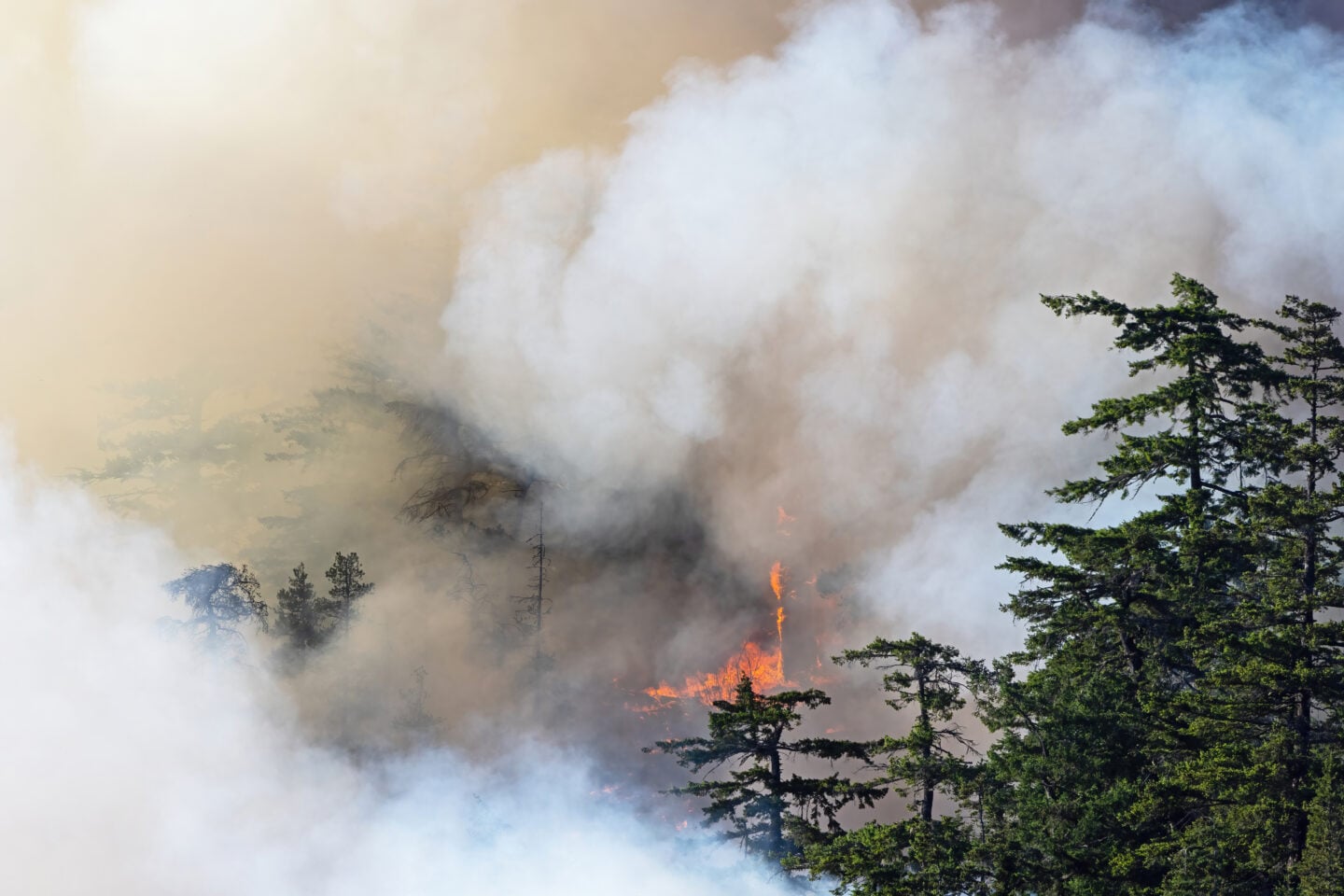
The year before the Jasper fire, 2023, was the worst wildfire season ever recorded in Canada as measured by area burned, with 15 million hectares consumed. British Columbia sat under a provincial state of emergency for 28 days, with campground closures and tens of thousands of people forced to leave, upending travel plans across the province. In 2025, the country recorded its second-worst season, with more than 8 million hectares burned and fires affecting nearly every province and territory.
Even as wildfire risk grows, millions of Canadians and international visitors head into our forests, mountains and grasslands each summer without knowing whether smoke, road closures or an evacuation order might be waiting for them.
From May to October, wildfires now erupt with growing unpredictability across Canada. Their effects extend far beyond the fire line. Cancelled flights, closed highways and air quality warnings can reshape travel plans, even for those nowhere near an active burn.
How wildfires start and move quickly
Just over half of all wildfires in Canada are ignited by people, as reported by Canada Wildfire, one of the country’s leading coalitions of wildland fire experts.
“Recreation-caused fires are one of the larger human-caused issues that we have,” says Kevin Hunt, a wildfire prevention officer with Alberta Wildfire.
Campfires left smouldering are among the most common culprits. Cigarettes, chainsaw sparks, and even hot mufflers brushing dry grass can all spark a blaze, as can downed power lines.
Lightning accounts for just under half of all ignitions but drives more than 81 per cent of the total area burned in Canada, according to Canada Wildfire. Many of these fires begin in remote areas where they can burn undetected. When storms roll through, multiple strikes can ignite several fires at once, stretching response efforts.
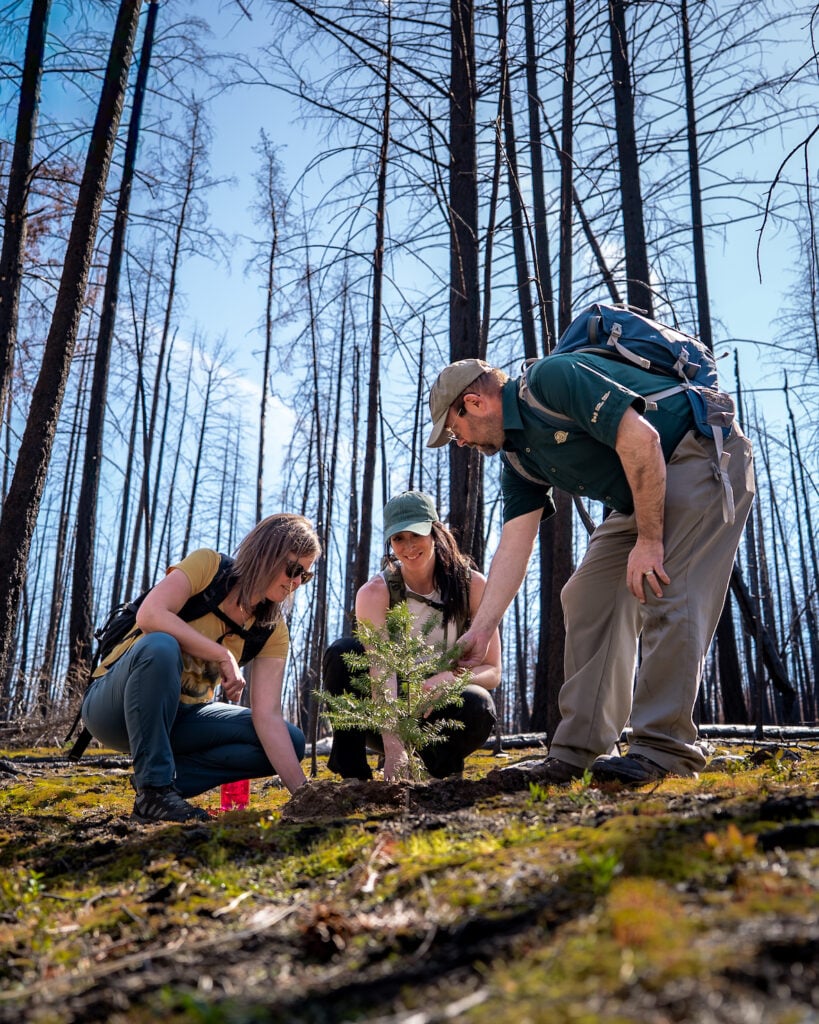
Fire has long been a natural force in many Canadian ecosystems, and for generations, Indigenous communities have used it to tend the land, support plant growth and improve forage for wildlife.
Fire clears dense growth and creates space for new life, renewing habitat for plants, animals and insects. Canada’s boreal forests, which cover more of the country than any other biome, have evolved alongside fire and in many cases depend on it to release nutrients into the soil.