Environment
How does your garden grow?
As cities and towns continue to expand into our wild landscapes, conservation gardens can provide refuge for Canada’s plummeting biodiversity
- 3586 words
- 15 minutes
Travel
Rosewood Baha Mar’s Ocean Guardian Experience takes snorkellers through an underwater sculpture garden, helping to restore endangered corals
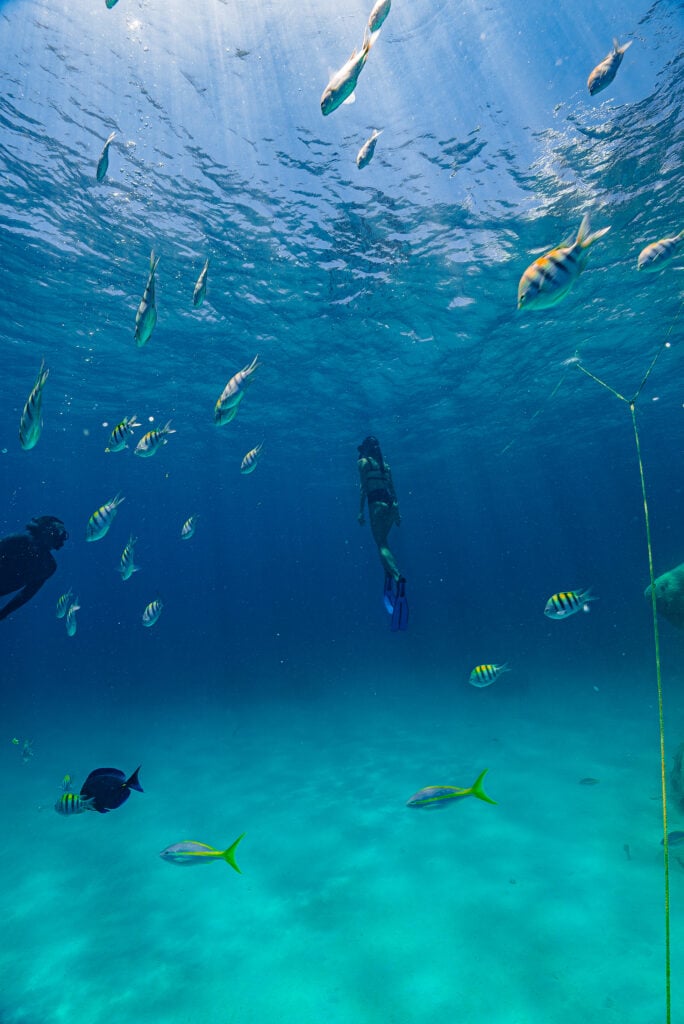
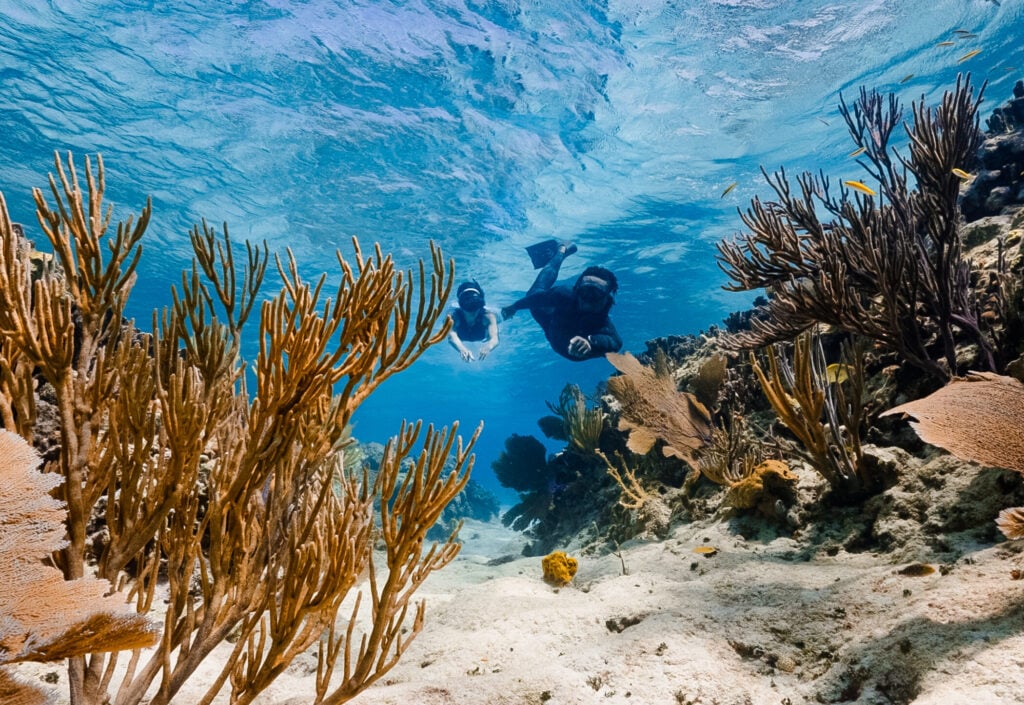
Bobbing in slightly choppy seas, I peer down at a gathering of approximately 50 fish around the feet of a giant sunken statue. I recognize sergeant majors and the ubiquitous yellowtail snapper — I can tell the others are parrotfish, but what kind?
“Looks like stoplight parrotfish,” says Kate Harrison, dive program manager at the Perry Institute for Marine Science, a non-profit organization in the Bahamas that focuses on ocean research and conservation. Parrotfish species, which undergo multiple colour phases over their lifetimes, can be difficult to differentiate.
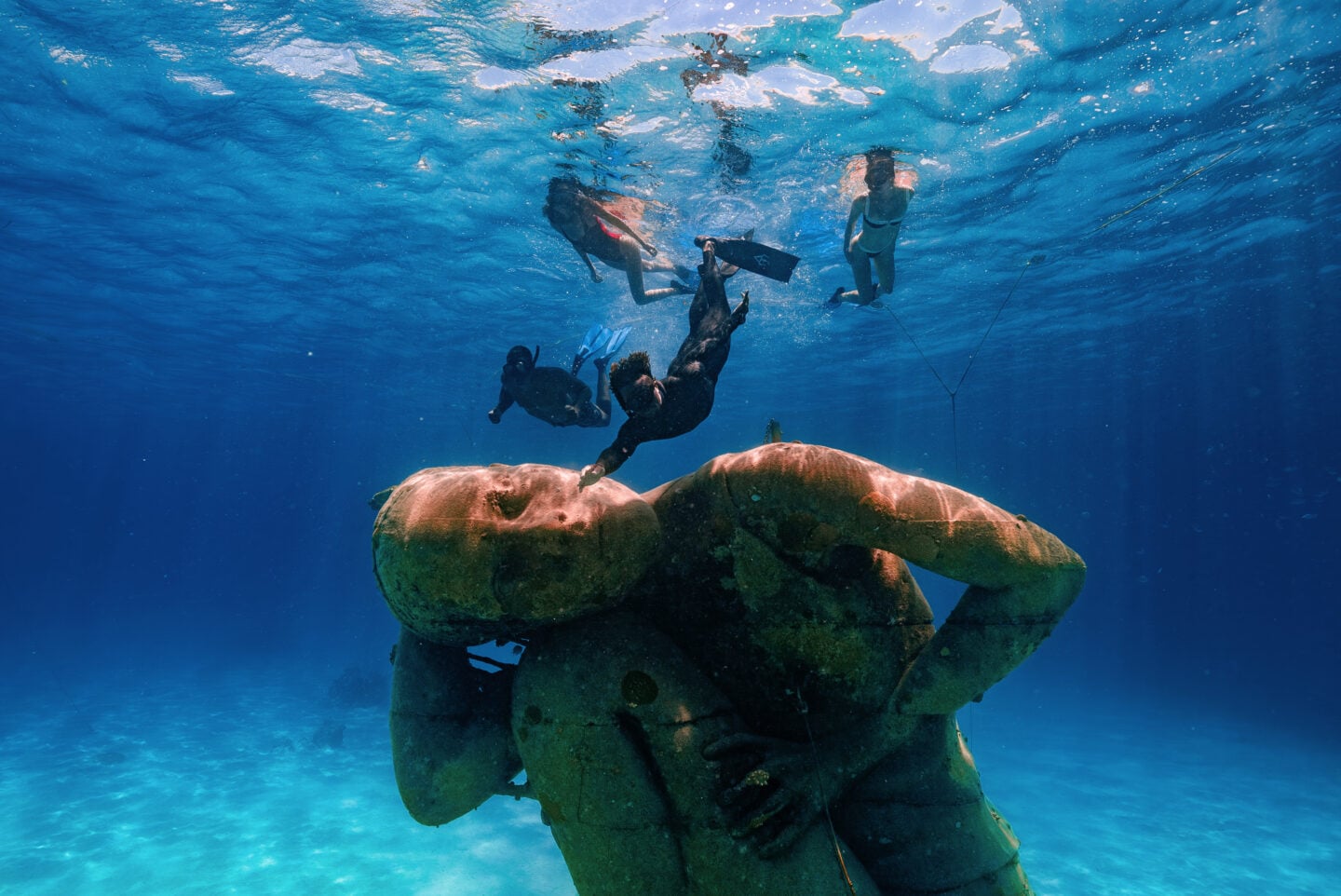
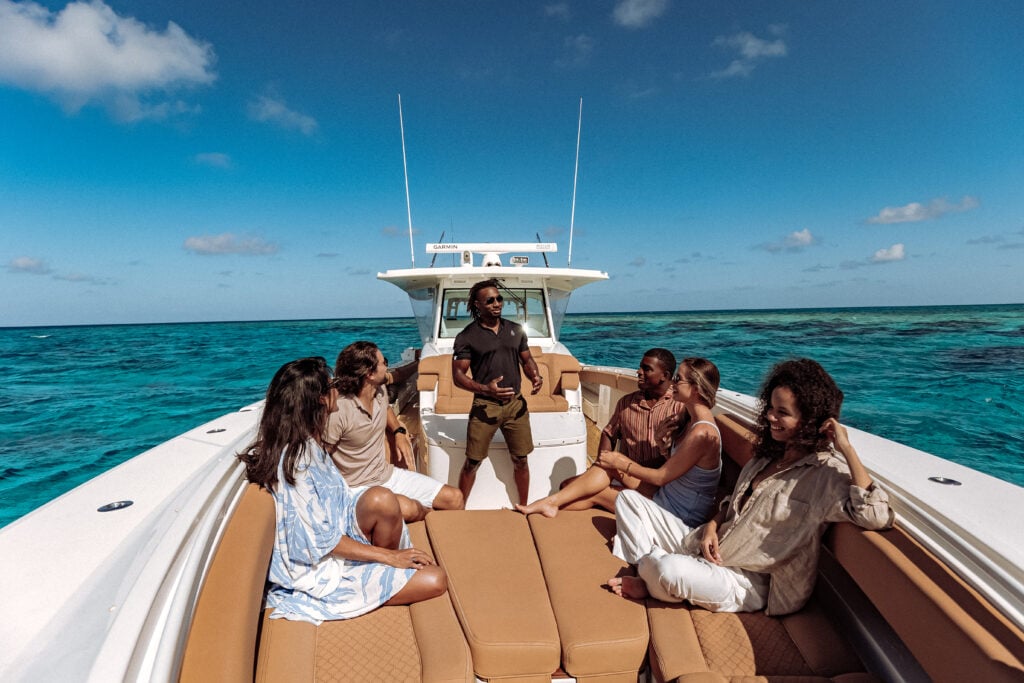
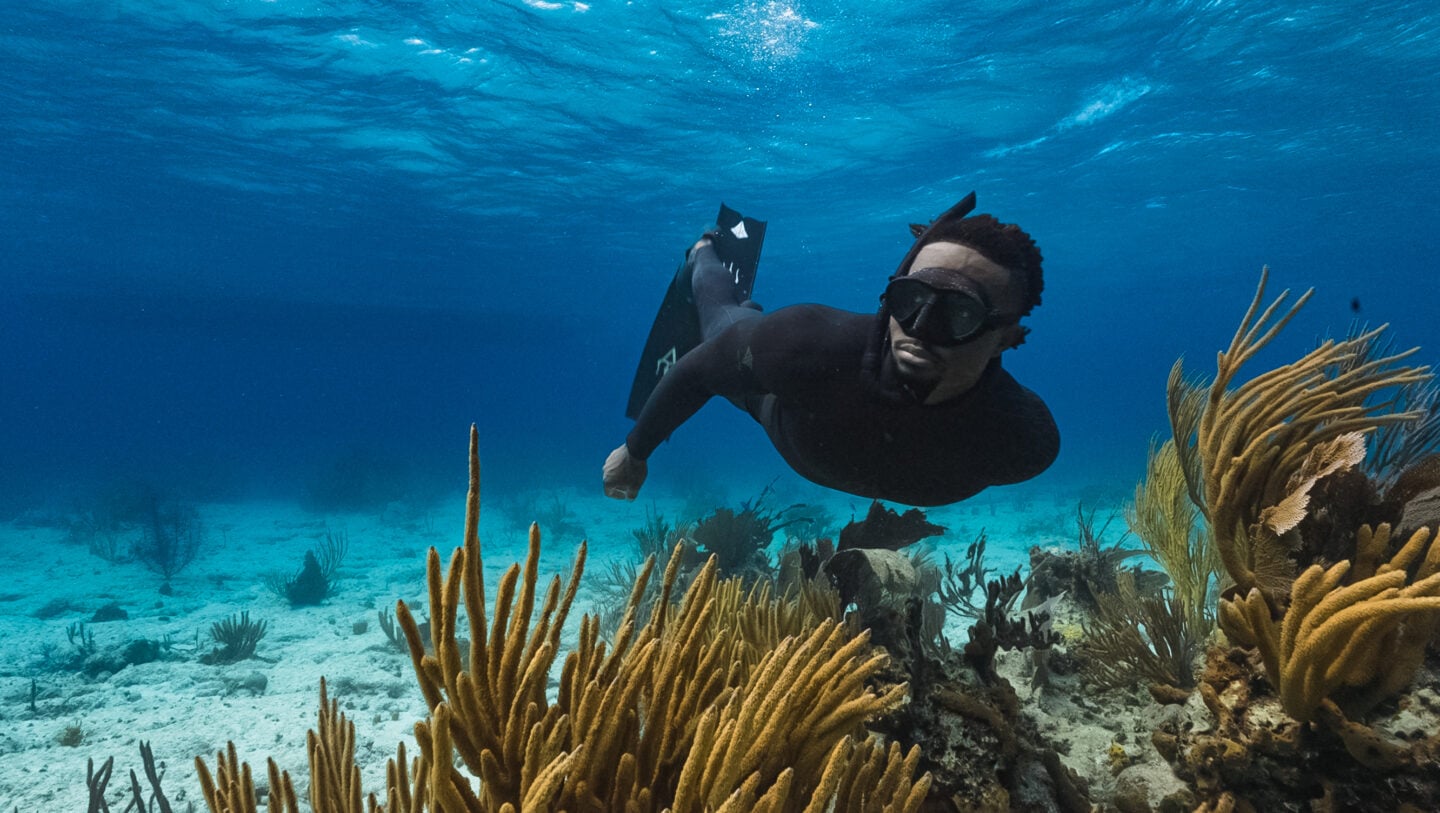
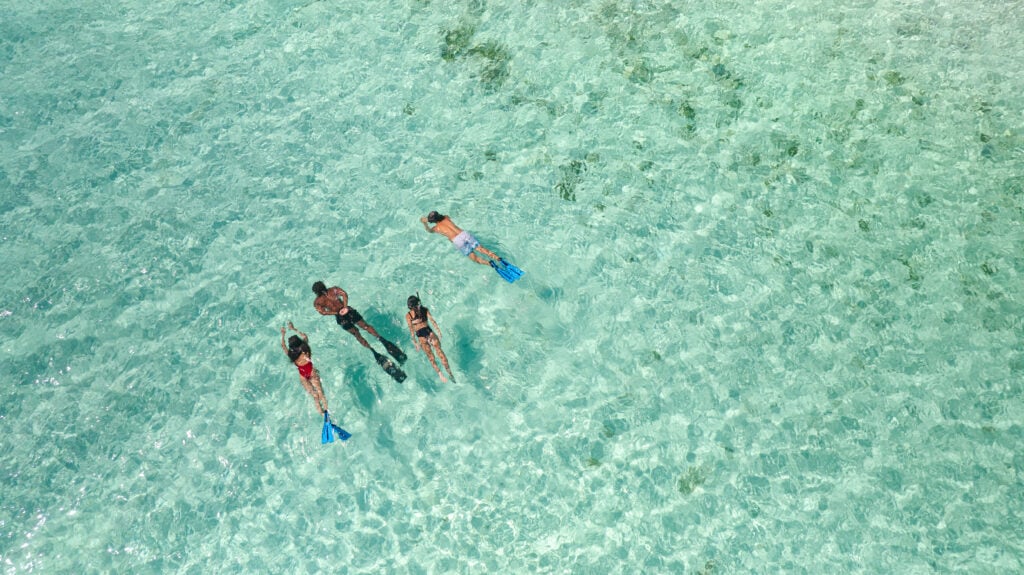
Harrison is shepherding our small herd of journos on a snorkel through the Sir Nicholas Nuttall Coral Reef Sculpture Garden and Coral Nursery, about 100 metres offshore at the southwestern corner of The Bahamas’ New Providence Island. The Bahamas Reef Environment Educational Foundation established the garden and nursery to protect the island nation’s endangered corals while providing a stunning location for visitors and locals alike to view them. Harrison is joined by André Musgrove, a Bahamas-based underwater photographer and filmmaker born and raised in New Providence, who leads the Ocean Guardian Experience, a monthly snorkelling tour for guests of Rosewood Baha Mar.
The fish may have caught my eye, but the showstopper on this tour is the immense sculpture lying just below the surface. Standing five metres tall and weighing more than 60 tonnes, Ocean Atlas is the world’s largest underwater sculpture, according to its creator, Jason deCaires Taylor. In 2014, the sculpture was lowered into the ocean in pieces by crane and assembled by divers. Ocean Atlas retells the Greek mythological figure Atlas, condemned by Zeus to hold the heavens above his head for eternity. In this new version, a Bahamian girl carries the weight of the ocean on her shoulders. It’s a heavy lift, for sure, as the climate crisis continues to threaten our imperilled oceans.
In 2023, coral reefs throughout The Bahamas suffered extensive bleaching after summer ocean temperatures rose as high as 33 C. In extreme temperatures, corals lose the symbiotic zooxanthellae algae living in their tissues, which give corals their vibrant colours. The algae are also the corals’ main food source. When the algae disappear, corals not only turn white, but also lose this important food source. The 2023 heat wave lasted for months and severely impacted several rare coral species, such as the impressive but critically endangered elkhorn – an important reef-building species.
A few metres from Ocean Atlas is a coral tree on which Perry Institute staff have anchored 50 pieces of staghorn coral (also critically endangered). Somewhat resembling an old-school TV antenna, the tree holds coral fragments hung like Christmas ornaments. Eventually, Perry Institute staff will move these critically endangered branching corals to an “outplant site,” hoping they will establish themselves among the surrounding reefs to bolster coral populations and genotypes, Harrison says.
“If we don’t do this work … unfortunately, they will die out, and we’ll lose this type of coral forever,” says Harrison. “We’ve had successes, and of course, we’ve had setbacks, like with the bleaching event that we had in 2023. But after 2023, we have been very successful in our outplanting.”
It’s a roughly 20-kilometre boat ride from Rosewood Baha Mar on the north side of the island to the garden. An ordinarily pleasant jaunt to the island’s southwest corner, the ride was bumpy on this particular day, with whitecaps visible on the open sea. Fortunately, the garden is comfortably tucked away from the building east wind in a cove south of Clifton Bluff.
Musgrove, busy showing the sights but also keeping us out of trouble, leads our group to the newest addition to the neighbourhood – Lady of Coral, another statue by Taylor dropped below the waves in December 2025 and seeded with corals by team members from the Bahamas Reef Environment Educational Foundation to give the imperilled invertebrates another place to blossom.
“He has a few unworldly statues around the world, some special ones,” Musgrove later tells me. Rosewood Baha Mar donates a portion of proceeds from the Ocean Guardian Experience to the Perry Institute’s Reef Rescue Network, which is dedicated to coral restoration throughout the Caribbean.
A sister statue of the Lady of Coral was placed in a yet-unnamed location on the other side of the Atlantic Ocean, this one seeded with flowering plants.
“The sculptures are living art, changing as corals and other marine life grow over their surfaces, and vulnerable to threats such as pollution and warming waters,” says Casuarina McKinney-Lambert, executive director of the Bahamas Reef Environment Educational Foundation, in a statement announcing the new statue. “We are excited to see how this new sculpture transforms in the coming years.”
Joining the two Taylor statues in the garden are other sculptures by Bahamian artists Willicey Tynes and Andret John. Tynes’ Virtuoso Man, holding a staff and peering upward to the ocean surface, was envisioned to provide a “role of the more insightful, wiser, older generation while paying homage to the role of Atlas,” he told a Bahamian newspaper at the garden’s founding in 2014. The garden is Tyne’s brainchild. He took his inspiration from Taylor’s first underwater sculpture garden at Molinere Bay Underwater Sculpture Park in Grenada, installed in 2006. John’s seven-foot Lucayan Mask, meanwhile, presents as a face looking up from the sandy ocean floor, in a distinctively Bahamian Junkanoo art style in honour of the country’s first inhabitants.
Musgrove says the garden is more than just a great place to go for a snorkel. It is a crucial meeting place of conservation and art.
“The idea for the [statues] is that [they will], over time, become an artificial coral reef that coral can grow on; animals can live in the nooks and crevices on the reef, which will eventually help the entire area there and promote more healthy fisheries, a healthier ocean in general,” says Musgrove.
“People get to experience it so they get to learn more about the location and hopefully they’ll come to protect things that they love.”
The Ocean Guardian Experience runs once a month out of Rosewood Baha Mar and lasts approximately five hours. The experience closes a week prior, and spaces are limited. For those interested, visit rosewoodhotels.com/the-ocean-guardian-experience
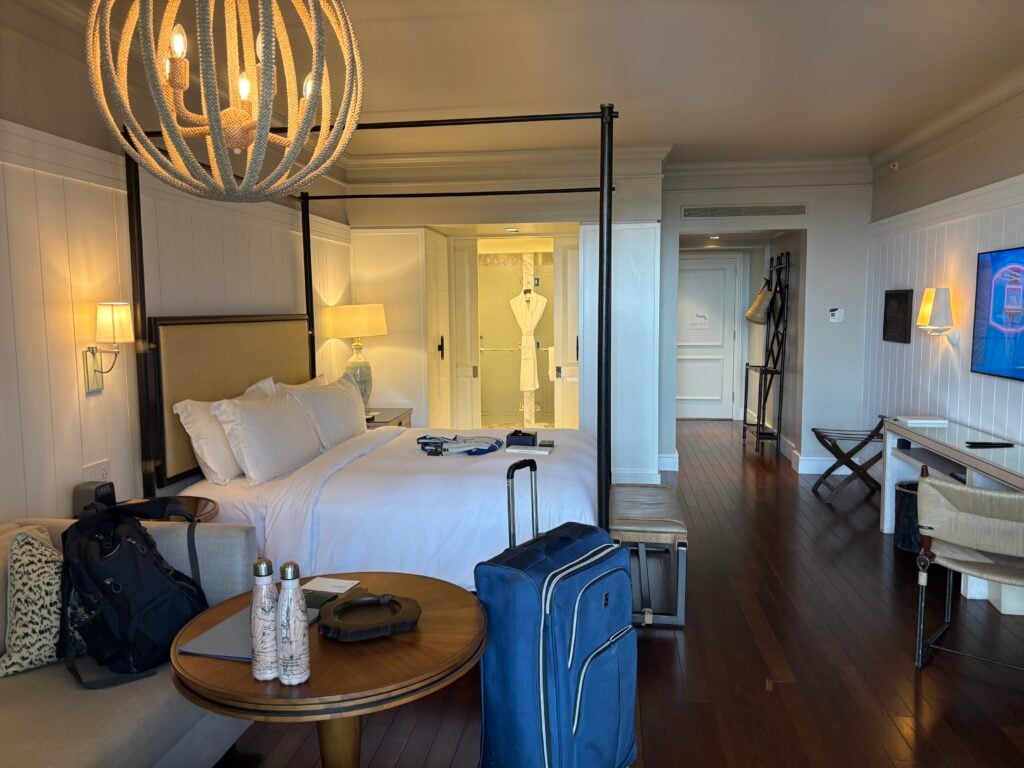
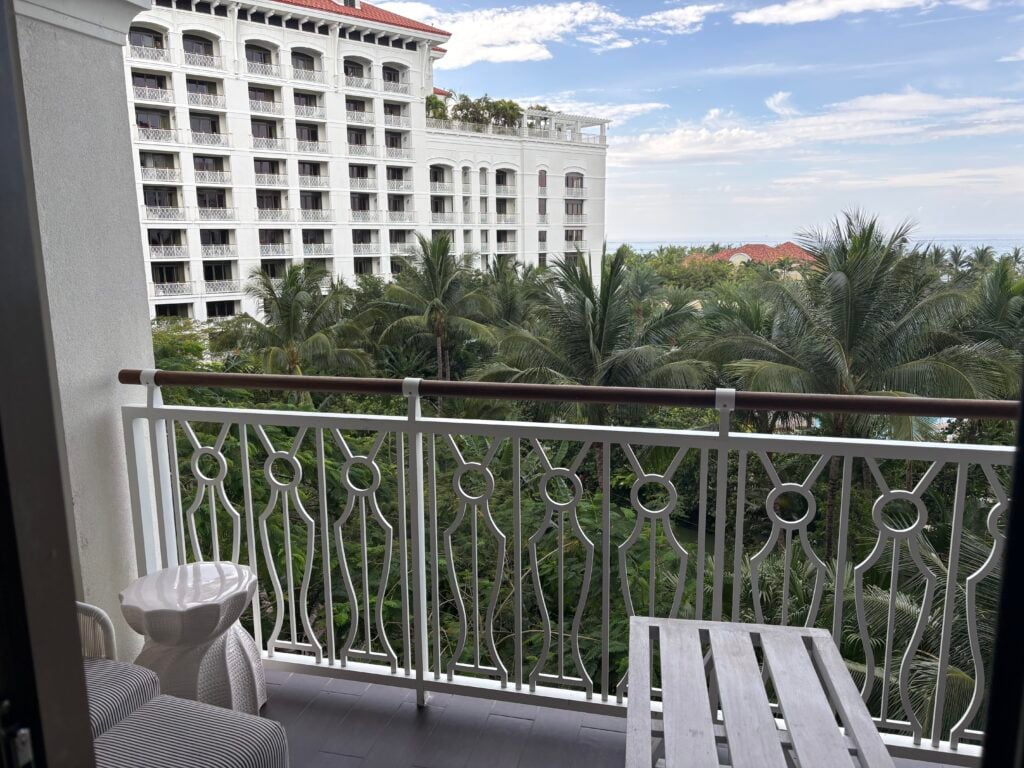
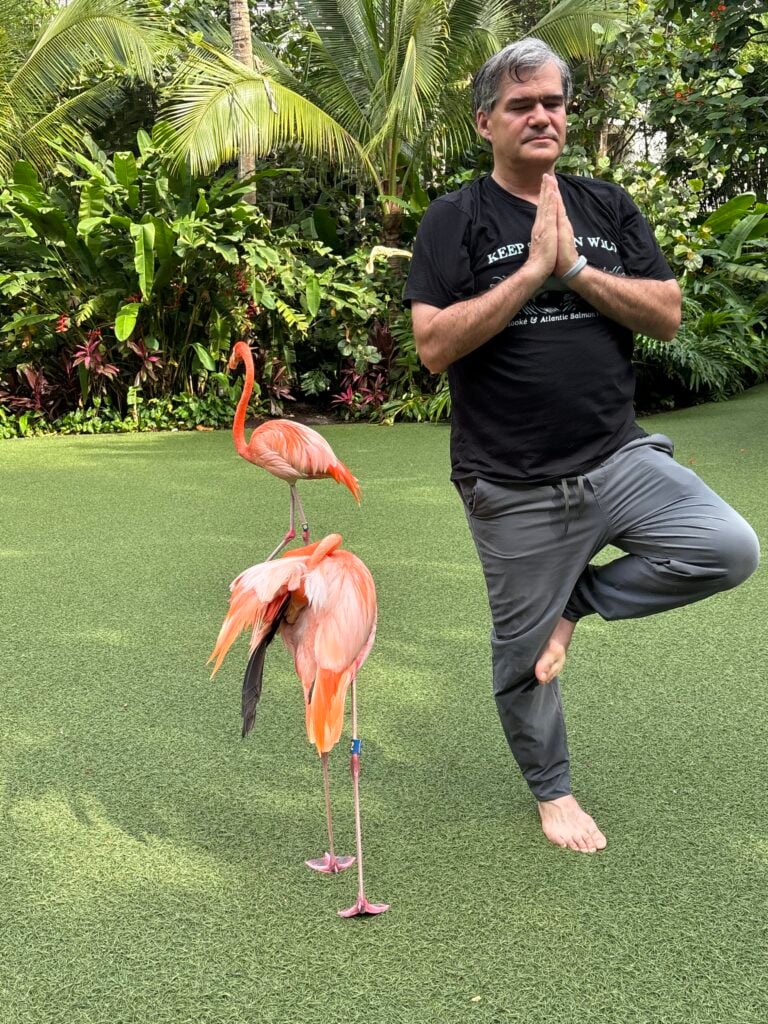
A yoga session surrounded by pink flamingos (the national bird of the Bahamas) is one way to start your day at Rosewood Baha Mar. A Bahamian Slam Bam Egg Sand-Vich from the on-property Breakfast Café is another. Fortunately, you can enjoy both at the luxury hotel, a short shuttle ride from either downtown Nassau or Lynden Pindling International Airport.
Renowned for its private beach, natural beauty, and relaxed sophistication, the five-star beachfront resort is more than a simple getaway. Attention to detail makes each stay unique, with a variety of activities and experiences to bring travellers closer to the region. In addition to the Ocean Guardian Experience, Rosewood offers excursions to the local distillery, iconic landmarks like the Queen’s Staircase and visits to the stores along Bay Street, the main downtown thoroughfare, and more.
The hotel takes special pride in its collection of Bahamian art — much of it crafted in homage to the country’s distinctive Junkanoo culture – that adorns the walls throughout the property.
And then, of course, there’s the dining. At Cafe Boulud, where renowned chef Daniel Boulud’s French culinary roots meet local seafood and seasonal Caribbean ingredients: shrimp and lobster rigatoni, Red Snapper “Moutarde a L’anciennne’”, and conch “Louie” are just a few examples. Costa also serves Mexican-inspired dishes, and Tingum on the Sand for a beachside meal.
Rosewood features about 221 rooms, suites and villas (with plunge pools), all with access to the private Cable Beach, spa, pools, and 24-hour fitness center. For families, Rosewood Explorers (for children ages 4 to 12) offers daily activities year-round.
Environment
As cities and towns continue to expand into our wild landscapes, conservation gardens can provide refuge for Canada’s plummeting biodiversity
Environment
As cities and towns continue to expand into our wild landscapes, conservation gardens can provide refuge for Canada’s plummeting biodiversity
Travel
A Bahamian archipelago of 365 sun-drenched cays offers iconic wildlife and bucket-list beaches

People & Culture
Gardeners dig into a history of resilience to feed people during COVID-19