
Wildlife
Wings over Niagara: the gulls of the falls
During the winter, it’s not only humans that flock to the iconic falls; Niagara Falls is known as the gull capital of the world
- 1313 words
- 6 minutes
Mapping
Trump can sign a presidential decree renaming Lake Ontario, but the process is much different in Canada
This story has been fact checked
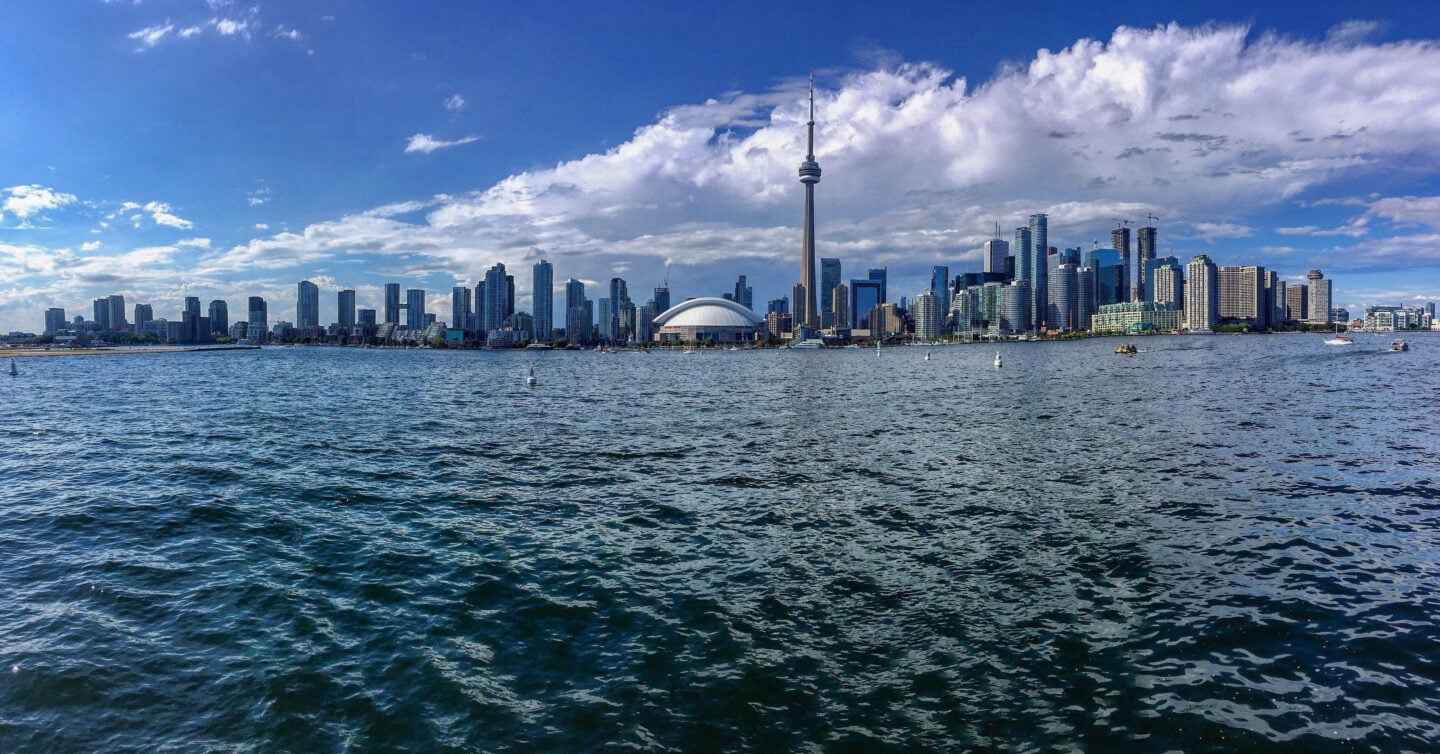
President Donald Trump’s shockingly high-handed decision to change the name of Lake Ontario to Lake America, made after the collapse of last summer’s trade talks, roiled all sorts of emotions on both sides of the border. But beyond all the hot takes and outrage, his petulant gesture raised a couple of intriguing questions most of us rarely consider: how do geographic places get named? And how do we know if “toponyms” are, in fact, permanent?
Across Canada, hundreds of places — rivers, lakes, streams, bays, etc. — are renamed each year, following a painstaking review process overseen by the Geographical Names Board of Canada. The 129-year-old body includes federal, provincial and territorial delegates, as well as Indigenous advisors and representatives from various federal agencies, like Canada Post and the Department of National Defence. Municipal naming decisions are not part of the the board’s remit. (The U.S. counterpart includes, tellingly, representatives from agencies such as the CIA, Homeland Security and the Department of War, which currently supplies the chair, someone listed on the committee’s website only as “Marilyn W.”).
In Canada, the Geographical Names Board’s quarterly report from June 2026 shows more than 300 changes made by provinces and territories across the country, says geographer Steve Westley, who manages the 27-member board’s secretariat. Each province and territory manages its own official procedures. He adds that the process for naming or renaming a geographical feature, which can be initiated by anyone, is not quick, and it is certainly not unilateral.
“A lot of [the name changes] are very dependent on getting feedback from people who live in the area, and great care is taken by the provinces and territories to engage with local residents to ask the questions: Does the naming make sense? Is it valid? Is it offensive or controversial in any way?” says Westley.
A few years ago, the board published an interactive map showing about a century’s worth of renamings, categorized by reason: societal or administrative factors, environmental factors, removal of derogatory terms and, in particular, the restoration of Indigenous place names.
The visual presentation supplements the board’s meticulous guidelines, a 41-page document that lays out all the various parameters for toponyms, among them: conforming with statutory naming rules (i.e., for places established by legislation, like a municipality or a reserve), identifying the geographical extent of a named place, the use of personal names (which, these days, boils down to: avoid them), adhering to detailed spelling and usage protocols, and following procedures for how to deal with pejorative names. In fact, the interactive map identifies numerous places that once included a previously common but now widely condemned term for an Indigenous woman.
The abandonment of Indigenous place names was part and parcel of Eurocentric colonialism. A growing number of geographical places, as well as First Nations reserves, have been renamed in recent years, drawing on local languages and historically acknowledged monikers. In fact, Vancouver lawyer Christina Gray, a Ts’msyen citizen from Lax Kw’alaams in northern B.C. and a Łutsël K’é Dene from the Northwest Territories, co-authored a report earlier this year on the “rematriation” of Indigenous place names for the Yellowhead Institute at Toronto Metropolitan University.
One of the conclusions of the paper is that this ongoing renaming process “enables an appreciation for the deeply legal and political implications of deciding to reawaken Indigenous languages on Indigenous lands.” Rematriation, it continues, “inscribes practices of recovery and return to the relationships between Indigenous lands, laws, governance, values, and cultures.”
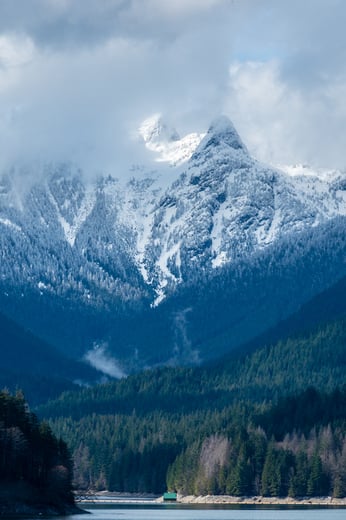
These efforts also recover important stories and mythologies. Gray recalls growing up in an East Vancouver home, where her bedroom windows opened up onto a magnificent view of the North Shore mountains. “I always looked at the mountains and thought, ‘Oh, they’re so beautiful!’” But when she was about 12 or 13, an aunt from Squamish First Nation told her a story about the two sisters of the North Shore mountains, a traditional name that is quite different than “the Lions,” as they’ve been known in B.C. for years.
The Squamish name refers to the tale of how two sisters reconciled a pair of rival clans over a potlatch. “I started to think about how we conceive of places based on the stories that are embedded in their histories,” says Gray. Notably, such evocative imagery can also be found at the root of the word Ontario, an Iroquois term for sparkling water that began to appear on European maps as early as 1641.
However, in many places across Canada, European names replaced Indigenous ones, often to commemorate a settler or an explorer. Case in point: Lake Superior was dubbed Lac supérieur by French explorers, although it was long known to the Ojibwe as gichigaaming, or “big lake.”
“It almost erases the First Peoples who lived there and continue to live there, or lived there in the past,” as Gray says.
To rectify centuries of erasure, some cities have Indigenized street names or public spaces, using words from local languages. A major new waterfront green space in Toronto, known as Biidaasige Park, draws its name from Anishinaabemowin and means “sun shining towards us.” Westley points out that while non-Indigenous residents may propose the renaming of a place using a traditional Indigenous word, the Geographical Names Board of Canada would recommend extensive research and look for a First Nations group to formally initiate the process.
If there’s a silver lining to Trump’s preposterous executive order, the ensuing controversy shone a light on Ontario’s Indigenous origins — a detail as easily forgotten as the roots of all the other Indigenous names (Michigan, Huron, Pontiac, etc.) that are so familiar most of us long ago stopped thinking about where they came from. Indeed, the suppression of Indigenous culture for much of Canada’s history served to sever these names from their origins in public consciousness.
Westley, by way of a personal example, mentions Niagara. Although he grew up in southern Ontario, it never occurred to him why the honeymoon falls had that name. Then, when he went to work for the Geographical Names Board about a decade ago, all those toponyms began to reveal their backstories. (Niagara derives from the Neutral Nation Iroquois word “onguiaahra,” which means “the strait” or “thundering water.”)
These backstories, of course, are critical in a country built on lands that were used and owned by Indigenous peoples for thousands of years before European colonialists turned up with their own place markers — a dynamic of conquest we’re now seeing play out again in this era of geopolitical jockeying.
All the officially retrieved Indigenous names approved by the Geographical Names Board of Canada represent “a pre-existing general use by the people who occupied these lands from coast to coast to coast for many, many, many years prior to settlers,” says Westley. “I think it’s only respectful to recognize that.”
Wildlife
During the winter, it’s not only humans that flock to the iconic falls; Niagara Falls is known as the gull capital of the world
Science & Tech
How a giant hole will help Ontario’s shift away from fossil fuels

History
A book by environmental historian Daniel Macfarlane reveals the decades of technological feats and cross-border politics that went into “fixing” one of North America’s most important natural sites
Places
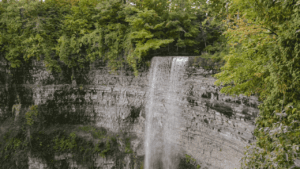
Hamilton has one of the world’s highest concentrations of waterfalls per capita. A new strategy aims to combat overtourism at some of its most popular sites.