Environment
Inside the fight to protect the Arctic’s “Water Heart”
How the Sahtuto’ine Dene of Délı̨nę created the Tsá Tué Biosphere Reserve, the world’s first such UNESCO site managed by an Indigenous community
- 1663 words
- 7 minutes
People & Culture
How my Tłı̨ chǫ grandfather learned Dene Zhatıé for love
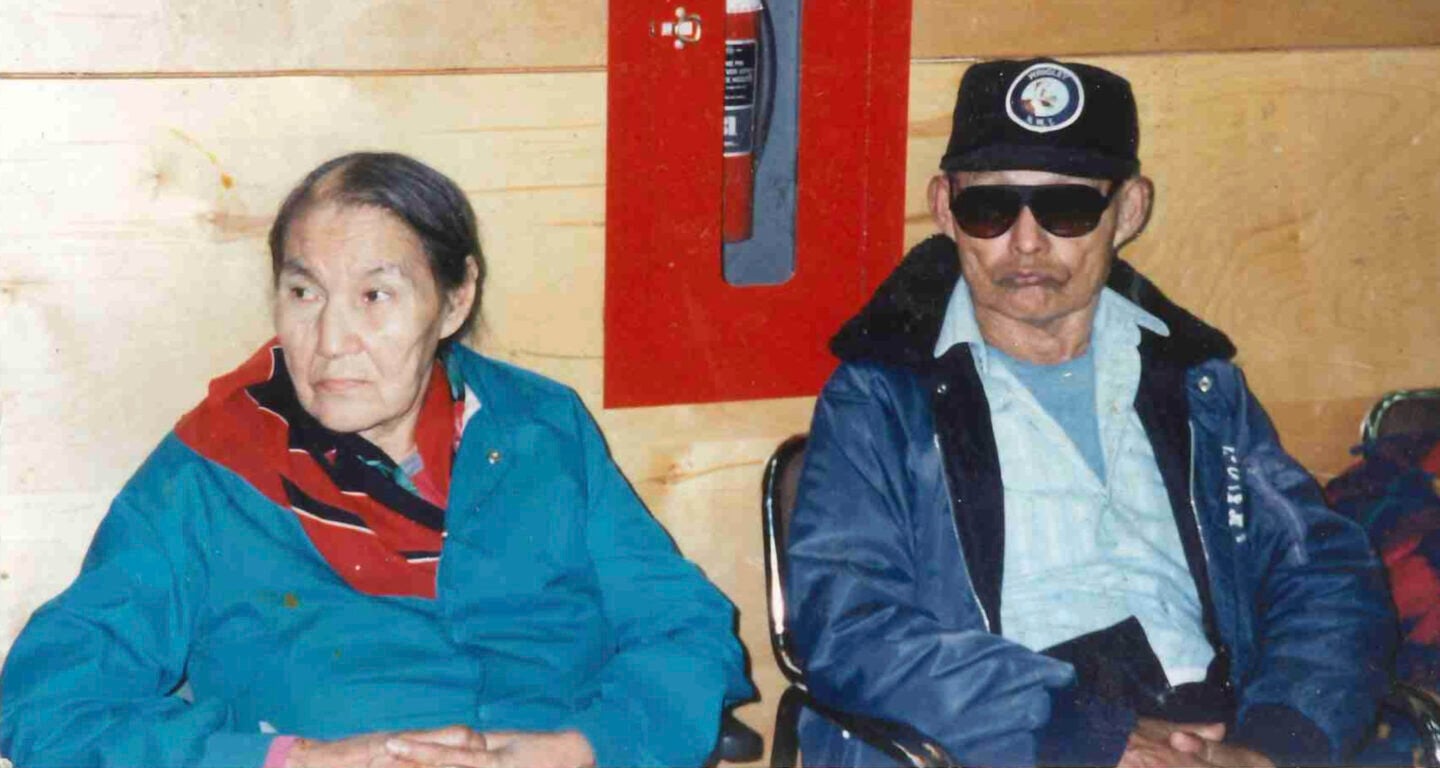
MY GRANDFATHER, Andrew Klugie, was a Tłı̨chǫ Dene man from the community of Behchokǫ ̀ in Dënéndeh, N.W.T. He was a medicine man who could see the future in his dreams. I wonder if he dreamt of my grandmother before he fell in love with her.
As a young man, he left his home to explore the vast wilderness of Dënéndeh along the Dehcho, or Mackenzie River. But that is not the only reason he left. He had an arranged marriage to a woman he didn’t love and set out in search of freedom and true love. He left in winter and travelled across an area now known as Edéhzhíe, a national wildlife area in the Dehcho region.
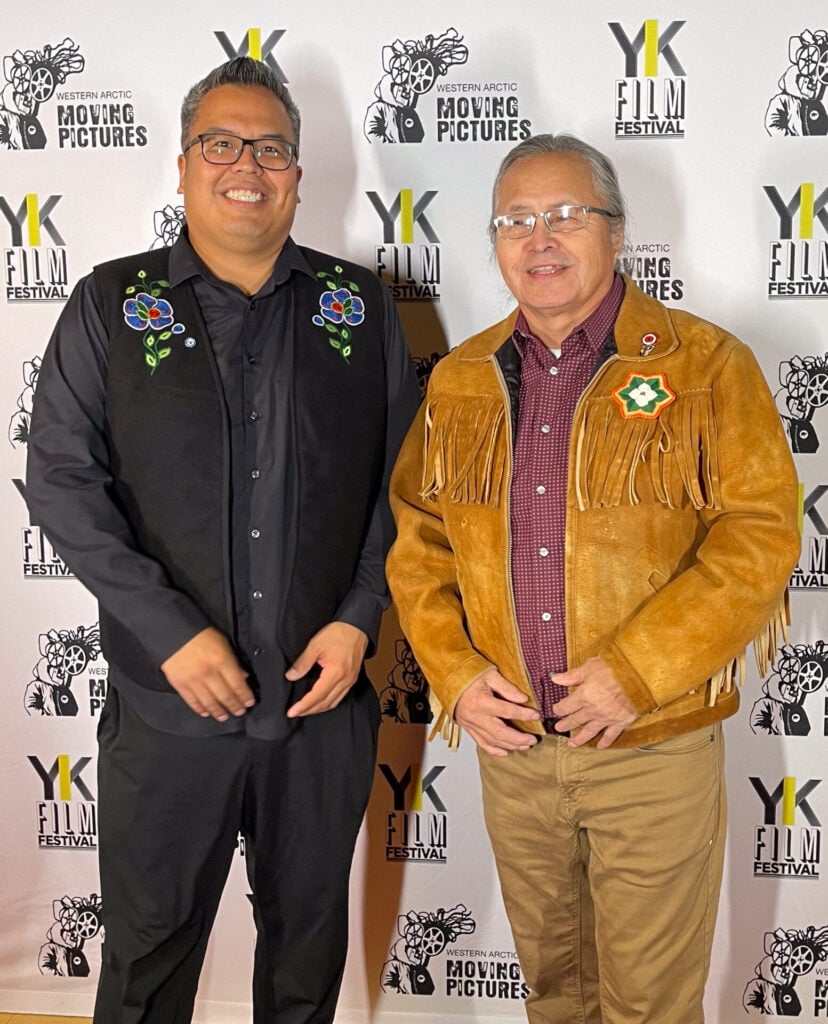
Meanwhile, my grandmother, Bella Yendi, was living in her home community as a Shúhta Got’ine (Mountain Dene) in the Mackenzie Mountains, in a place called Pehdzeh Ki, also known as Wrigley, along the banks of the Dehcho. She was a young woman, waiting for someone to walk this Earth with.
With his dogs leading the way, Andrew followed a pre-existing trail to a good hunting area near Fish Lake. It was there he saw a new trail. He veered left and unknowingly followed the path that would lead him to the woman he would fall in love with.
When he approached the community, he met with the chief and was welcomed by members of the community. They fed him and allowed him to set up camp for a few days.
That is when he met Bella. It was love at first sight.
When it was time for my grandfather to leave Pehdzeh Ki and continue north to Tulita, he felt a pull to stay. His dog team set off but soon after, he felt them wanting to stop and turn around. He listened, turned back and followed his heart.
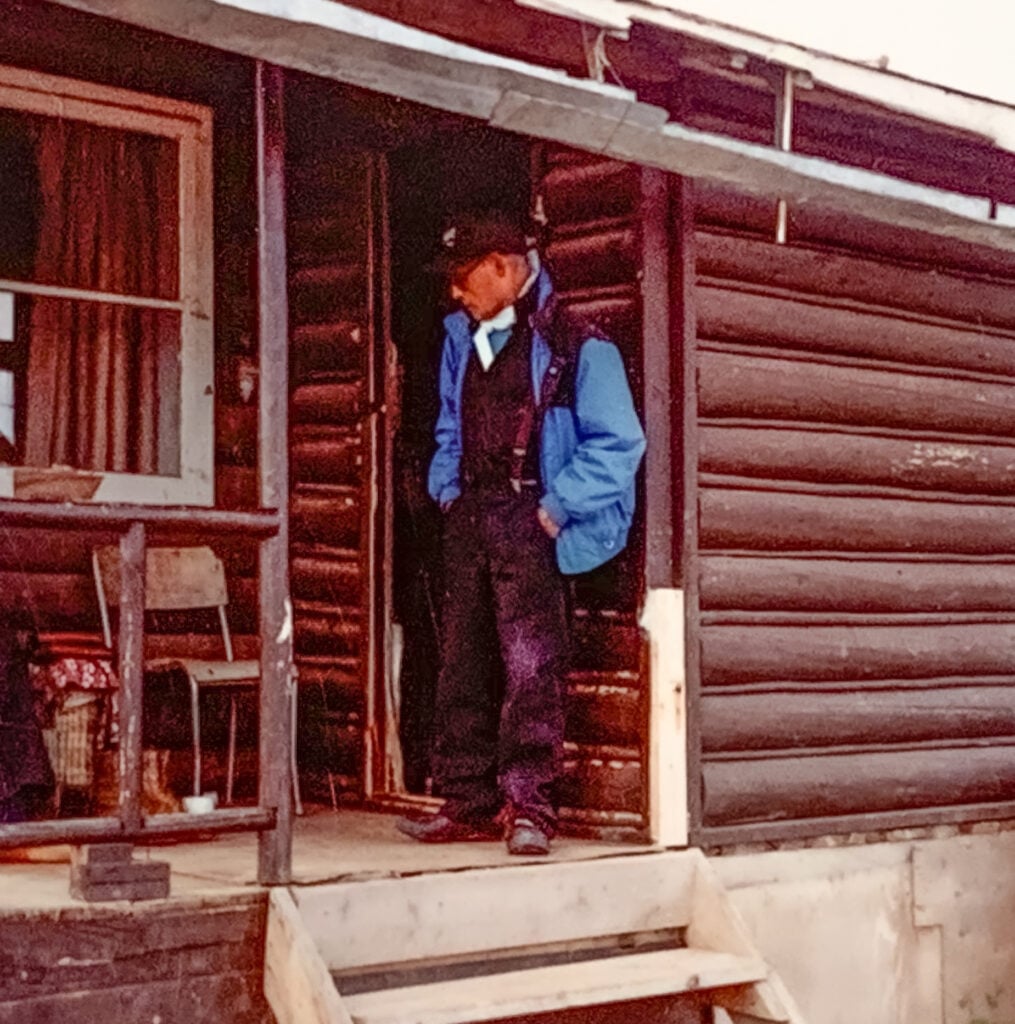
That is how my grandparents fell in love. But they had one small problem — they didn’t speak the same language.
My grandfather spoke Tłı̨chǫ, while my grandmother spoke Dene Zhatıé, or South Slavey. They are very different languages, though both are part of the Dene Athabaskan language family spoken across the Northwest Territories.
Despite this barrier, my grandfather would not let it stop them from being together. He took it upon himself to learn my grandmother’s language. It did not take him long to speak it fluently. Bella taught him the words he needed, and through immersion and living in the community, Dene Zhatıé became his primary language.
Along with learning her language, he learned her Dehcho way of life, which differed slightly from his own in Tłı̨chǫ territory. At the same time, he brought his own cultural teachings to her community.
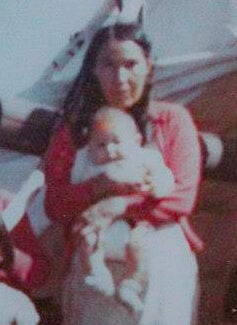
From the beginning, my grandfather was fully embraced by my grandmother’s community. In those days, it was common for people to be welcomed into other communities to continue family lines. Languages were deliberately blended to keep lineages strong. Dene people seeking to start families would look for partners who spoke different dialects, as this indicated they were not related.
Had my grandmother moved to my grandfather’s community, she would have had to learn his language. That was the way it was. You spoke the language of the place you lived. That was one way our languages survived.
My grandfather was highly respected in my grandmother’s community because he took the time to learn her language. In his later years, he was often asked to lead opening and closing ceremonies at community gatherings. Throughout their lives, my grandparents spoke only Dene. Together, they had 14 children. All of their children spoke Dene Zhatıé fluently.
We are shaped by the environments we grow up in. Our surroundings influence the languages we speak. That is why it is important to speak our Indigenous languages often. Our Dene languages are still at risk, even with language programs, because we are not fully immersed. Language learning needs to be intensive. Our languages should not be optional or secondary to English.
My grandparents were together for more than half a lifetime. They lived off the land in a log house that still stands today. They lived the life they chose — rich in language, rich in culture, rich in family and rich in love.
Discovery Language is supported by the Office of the Commissioner of Indigenous Languages.
This story is from the July/August 2026 Issue
Environment
How the Sahtuto’ine Dene of Délı̨nę created the Tsá Tué Biosphere Reserve, the world’s first such UNESCO site managed by an Indigenous community
People & Culture
The story of how a critically endangered Indigenous language can be saved
People & Culture
Plains Indian Sign Language was used by generations of Indigenous Peoples to communicate across languages and landscapes. Now, it’s being reclaimed.
Places
The new Thaidene Nëné National Park Reserve in the Northwest Territories is the heart of sacred Denesǫłiné homeland and a prophesied final refuge of clean water and ecological integrity in North America