Exploration
Updates from the 2026 Heroic Age Expedition
Follow along as an international team led by the Royal Canadian Geographical Society surveys the wrecks of Quest and Terra Nova in the Labrador Sea
- 5021 words
- 21 minutes
Exploration
In 1858, John Hanning Speke claimed to have found the source of the world’s longest river, an assertion that created one of the great myths and legacies of Victorian-era exploration
Editor's note
“The caravan, after quitting Isamiro, began winding up a long but gradually inclined hill … until it reached its summit, when the vast expanse of the pale-blue waters of the Nyanza burst suddenly upon my gaze … I no longer felt any doubt that the lake at my feet gave birth to that interesting river, the source of which has been the subject of so much speculation, and the object of so many explorers.”
— John Hanning Speke, “Captain J.H. Speke’s Discovery of the Victoria Nyanza Lake, the supposed source of the Nile. From his journal,” Blackwood’s Edinburgh Magazine, October 1859.
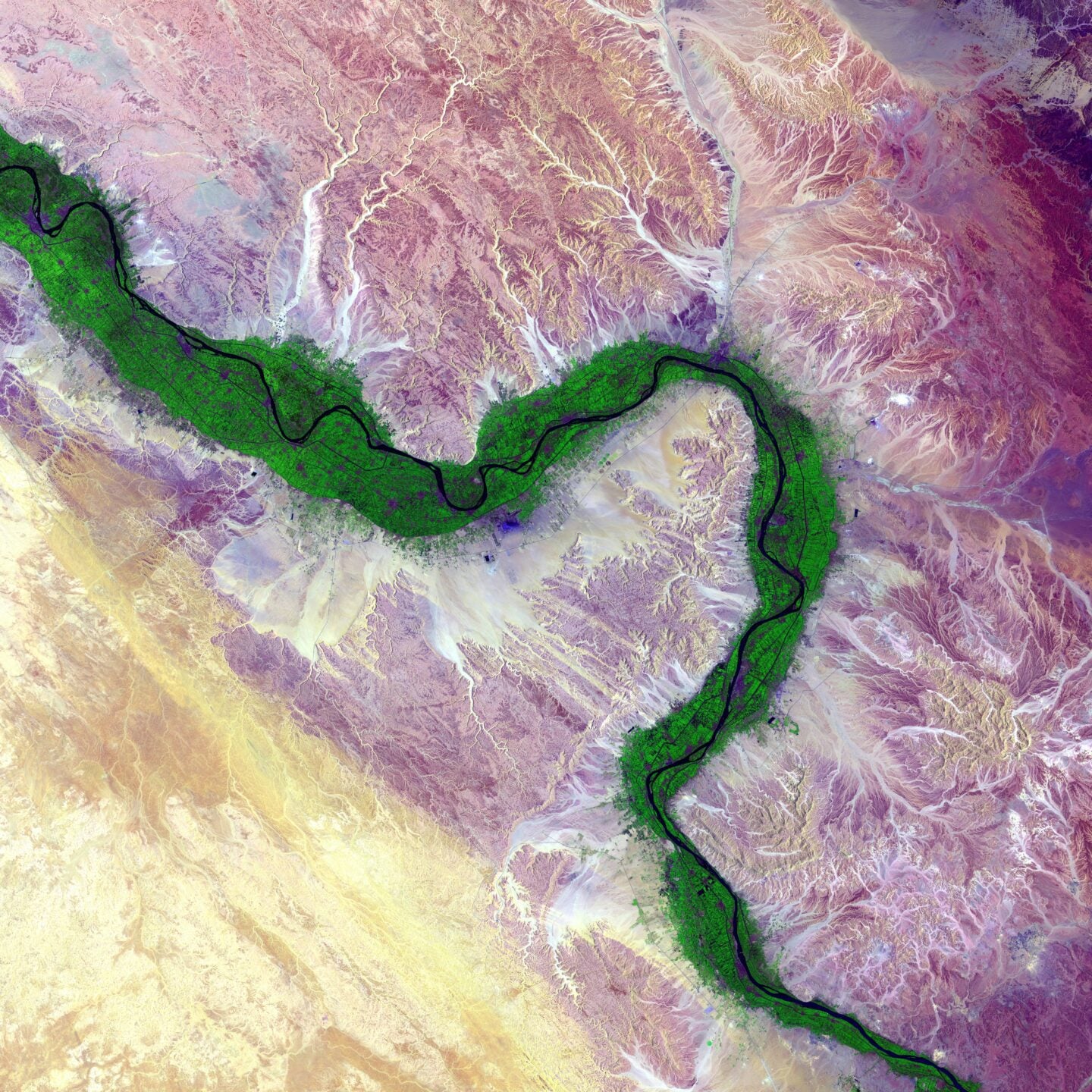
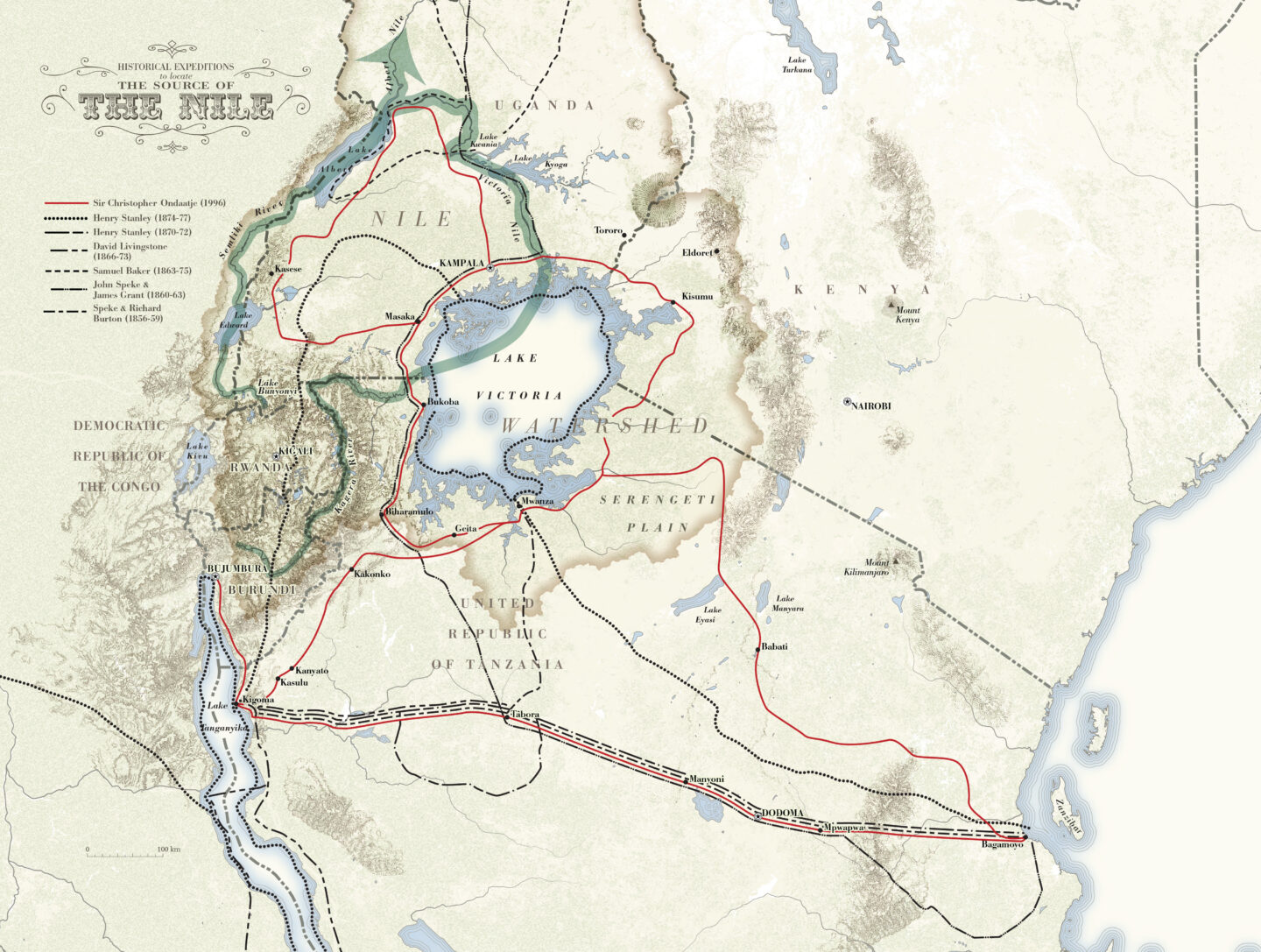
Did John Hanning Speke, the English explorer who claimed to have discovered the source of the Nile just 15 months before the words above were published, actually do so? I and others before me have long believed he did not, a conclusion borne out by my expedition to Africa to follow in the footsteps of explorers such as Speke, Richard Burton, James Grant, Samuel Baker, David Livingstone and Henry Stanley, a story I told in my 1998 book Journey to the Source of the Nile. As is now widely acknowledged, the Nile is sourced by not one lake, as Speke claimed, but two — Lake Victoria (the aforementioned Victoria Nyanza Lake) and Lake Albert, which are in turn fed by two mighty rivers, the Kagera and the Semliki.
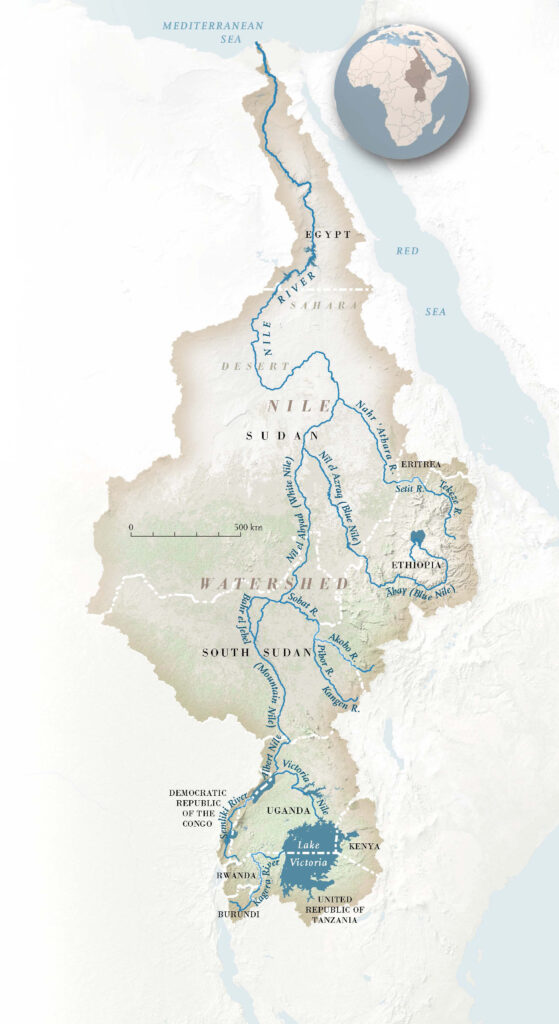
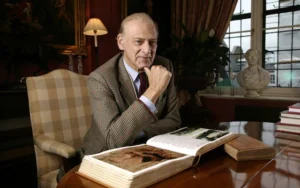
Before I made my Nile trip in 1996, I’d read Speke and the Discovery of the Source of the Nile, Alexander Maitland’s gripping 1971 official biography of Speke, which had made me want to meet Maitland and discuss Speke’s source-of-the-Nile claim and its legacy. When I finally had the chance to do so at length last summer, Maitland told me that, “In the 1960s, Speke’s claim to discovering the source of the Nile was still accepted without question. It never occurred to me at that time that the hydrography of the White Nile [a tributary of the Nile proper] and its sources needed to be re-investigated.”
At approximately 6,700 kilometres, the Nile is the longest river in the world, but before 1858 the great geographical question wasn’t “How long is it?” but “Where does all its water come from?” In the course of centuries, Roman legionaries, Portuguese Jesuits, adventurous Scots and erudite Frenchmen all tried to solve this riddle. Herodotus quoted a story that the Nile rose from two great equatorial lakes that in turn were fed by two snowcapped mountains. Thus, following the European discovery of two snow-capped mountains — Mount Kilimanjaro in 1848 and Mount Kenya in 1849 — the Royal Geographical Society chose Burton and Speke to lead an expedition to find the Nile’s source.
Their journey is the stuff of Victorian-era exploration legend — a caravan of about 20 porters and an escort of local soldiers, plus sickness, desertion, arguments and seemingly petty impositions by chiefs — but it did result in Speke becoming the first European to reach Lake Victoria and making his claim, which many of his peers disputed, Burton ridiculed and the Royal Geographical Society eventually accepted.
But nearly 50 years after his biography of Speke was published, Maitland wonders whether the explorer had private doubts about his own claim. “Today, technology and satellite photography enable us to view the region in great detail. Obviously, these weren’t available to Speke in the 1860s, nor to me in 1965, when I began my research for his biography. Only some years later was my attention drawn to an intriguing note, one of 78 handwritten corrections in Speke’s own copy of his book What Led to the Discovery of the Source of the Nile.
“It revealed that he had wondered about the significance of the Kagera River. Perhaps with all the knowledge available to me today, I should rewrite Speke’s biography — it would be a fascinating experience.”
I urge Maitland to do this. It would allow him to present a complete biography of one of the Victorian era’s greatest explorers and explain to a whole new generation of geographers and historians the true mystery of the source of the Nile.
This story is from the March/April 2018 Issue
Exploration
Follow along as an international team led by the Royal Canadian Geographical Society surveys the wrecks of Quest and Terra Nova in the Labrador Sea
Exploration
For 97 days, this team of six paddled 1,200 kilometres in hand-built canoes from Tadoussac to Waskaganish, Que. while tracing a historic fur trade route

People & Culture
In this exclusive excerpt from his new book Disappointment River: Finding and Losing the Northwest Passage, author Brian Castner recounts a part of his 2016 journey retracing Alexander Mackenzie's 1789 expedition of the Mackenzie River

Exploration
Cousins David McGuffin and Terry Camsell relive their ancestor Charles Camsell’s first formal mapping expedition on the Peel River