Travel
Galicia uncovered: Exploring Spain’s secret green corner
Wild landscapes, Celtic traditions and quiet villages reveal a lesser-known side of Spain
- 2986 words
- 12 minutes
Travel
Journey beyond the cities to discover white villages, ancient traditions and some of Spain’s most celebrated culinary experiences
While most people know Andalucía for the sun-drenched beaches of the Costa del Sol, there are many other adventures to be had in the hills.
In Spain’s southernmost autonomous community, each destination reveals a new chapter: cities shaped by centuries of Moorish rule, landscapes defined by whitewashed villages and, of course, the olive groves, where life moves at a gentle pace.
When I land in Málaga, a vibrant coastal town, I leave the beach-bound crowds behind and drive 100 kilometres inland to Ronda. The road winds steadily upward, past vineyards and almond orchards, windmills and solar farms, with panoramic mountain views in the distance.
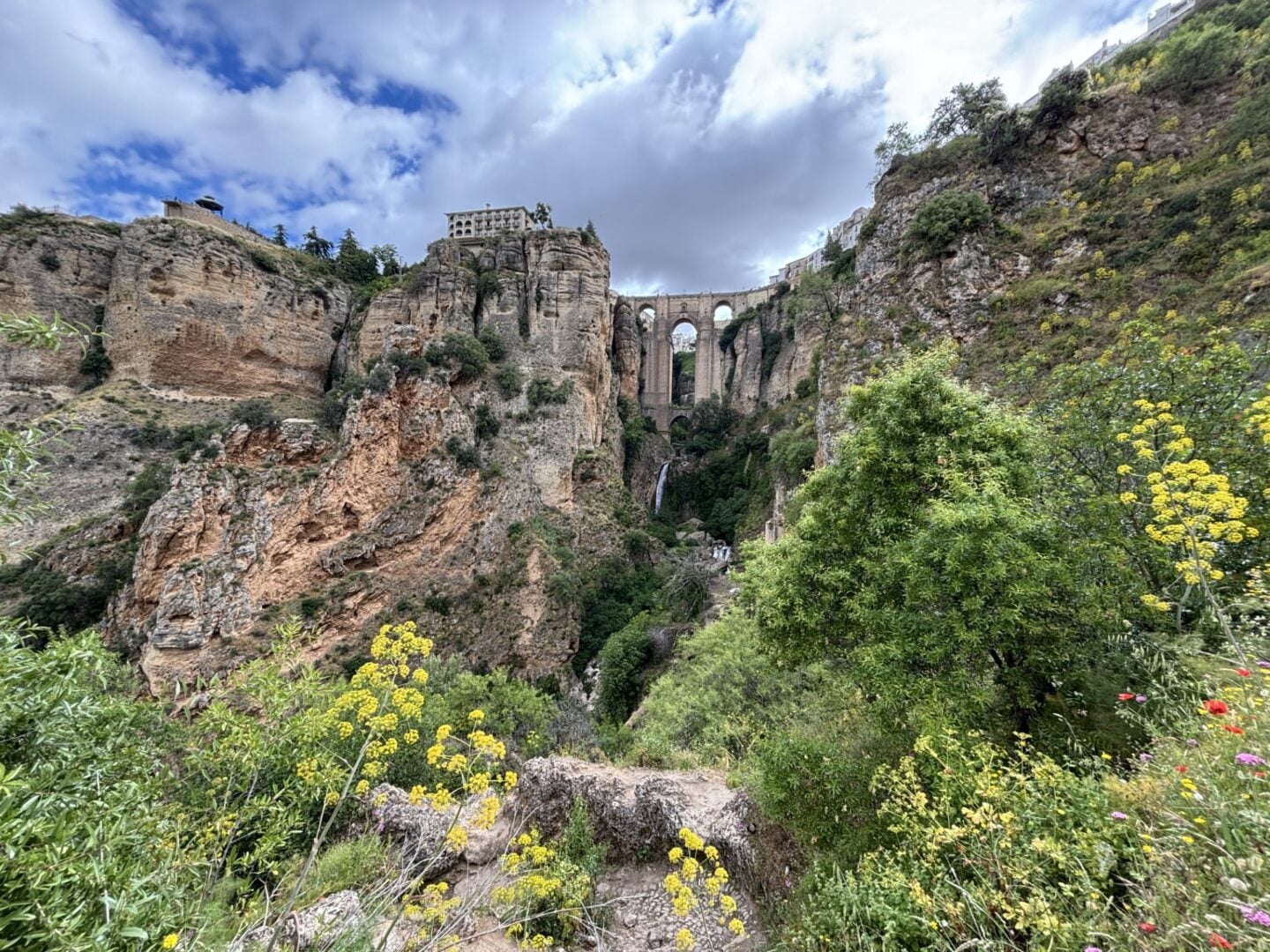
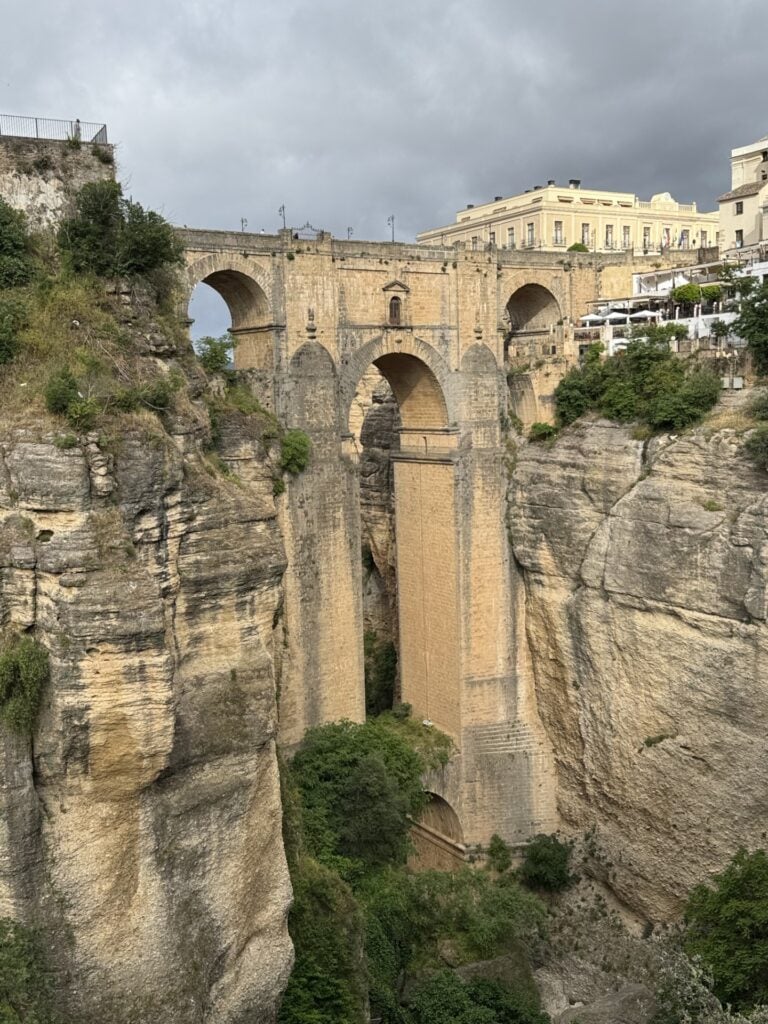
Upon arrival, I’m immediately captivated by El Tajo, the dramatic gorge that plunges 120 metres to the Guadalavin River, carving a breathtaking divide through the heart of Ronda. Spanning the chasm is the magnificent Puente Nuevo, an extraordinary feat of 18th-century engineering. Completed in 1793, the bridge not only unites the city’s historic Moorish quarter with its newer district but has also become one of Spain’s most iconic landmarks.
Beyond the bridge, the old city unfolds as a labyrinth of narrow cobblestone lanes, homes adorned with delicate ironwork, hidden courtyards fragrant with jasmine, and graceful horseshoe arches that bear the unmistakable imprint of centuries of Moorish rule.
“We are at a real crossroads of so many different cultures,” says our guide, Trinidad Blanco, pointing to a section in the old quarter that shows stones from Roman times and the Moorish era (711- 1492). “We have not just the Moors but underneath the walls here, we have the remains of the Romans.”
A hidden chamber above the bridge’s central arch used to be a jail, Blanco adds. During the Spanish Civil War, prisoners were thrown into the churning waters below.
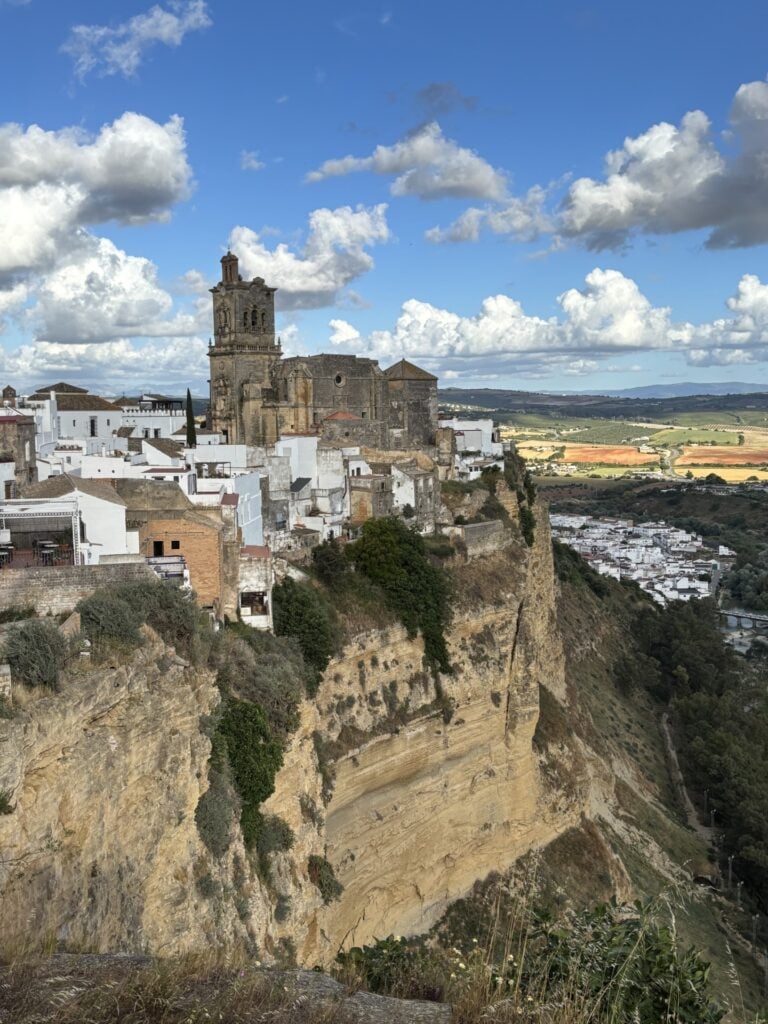
Although Moorish rule in Andalucía came to an end in 1492, after nearly eight centuries, its legacy endures in the region’s architecture, language and identity. “You can even hear it in our accent,” says Blanco, a native of the region.
“We have about 4,000 Arabic words in Spanish, including el Andaluz – the Arabic name for Andalucía,” she explains. “Words such as aceite (olive oil), azucar (sugar), alfombra (carpet), azulejo (tile), Alhambra (palace).”
With 33,000 residents, Ronda is larger than most of the pueblo blancos, the medieval white villages scattered across the provinces of Málaga and Cádiz, but shares the same defining character.
The white homes reflect the fierce summer heat, winding streets maximize shade, and geometric tiles and hidden courtyards reveal the influence of Moorish design.
As evening falls, I descend the steep path to the bottom of El Tajo Gorge. The path itself was built by the Moors to bring water up to the hills, but now it’s a stream of hardy visitors. From below, the chasm and its span are as spectacular as the panoramic view from above.
In the new town of Ronda, the Real Maestranza, built in 1785, is considered the birthplace of modern bullfighting. While the tradition remains controversial, many Spaniards still consider bullfighting a form of art.
For hungry travellers who can’t wait until the typical 10 p.m. to eat dinner (we are in Spain, of course), head to one of Ronda’s many tapas cafes, where standing bars offer glasses of tinto (red wine) and snacks of olives, Manchego cheese, jamon iberico, asparagus, spicy pulled pork, chorizo and so much more.
Wrapped in history, Arcos de la Frontera is a former Moorish fortress renowned for its dramatic location. Considered the gateway to the white villages scattered across the mountains of Cadiz and Malaga, Arcos offers a sense of tranquillity and timelessness that will soothe a weary traveller’s soul. But first, you have to get there.
Travellers can either arrive on foot, huffing 20 minutes uphill from the new town, or opt for a public bus. I choose the latter, and am jostled in my seat as the bus twists up steep cobblestone streets so narrow I can see vehicle scuff marks on the side of buildings.
At the top, I am rewarded with a view of the reddish sandstone cliff and the Guadalete River valley 500 feet below. The fertile river valley, orderly orange groves and greenhouses, sprawling plains and rugged mountains soothe my rattled mind — a stark contrast to the bustling city streets I am accustomed to.
Charming and quiet, Arcos is filled with historic sites and ancient houses painted white, with shaded doorways, ceramic tile work, exquisite wrought-ironwork, and terracotta flower pots brimming with violet bougainvillea.
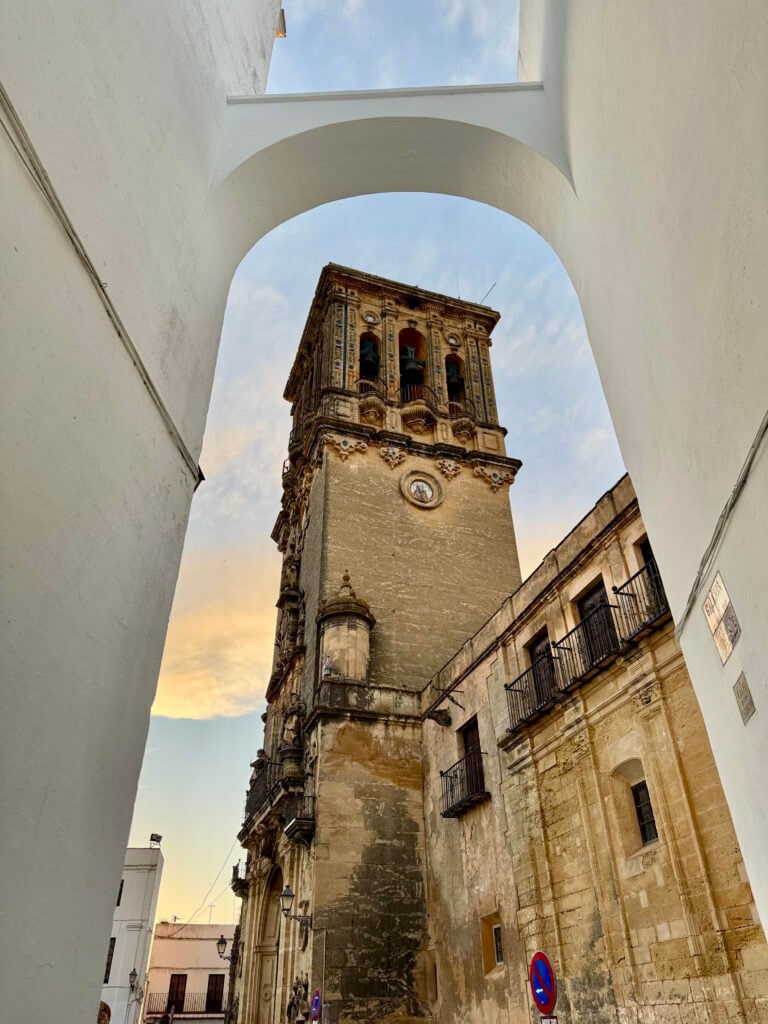
While some tourists visit this pueblo during the day, the once-mighty fortress is as quiet as a church pew at night. I pass locals walking their dogs, housewives putting out garbage for collection, old men enjoying a final copa. Antique lanterns twinkle at twilight as swallows swirl overhead.
The following day, I visit the Basilica of Santa María de la Asunción, built in the 14th and 15th centuries on the site of a former mosque, and the nearby Comunidad de Mercedarias Descalzas, a cloistered convent built in 1642 and home to an order of nuns. Visitors cannot enter the convent, but they can purchase the nuns’ homemade sweets. I step into the foyer and ring a bell. Behind a wooden wall fitted with a torno (a revolving Lazy Susan), a nun asks what I’d like.
“Pastas de chocolate,” I call out, placing eight euros on the torno. The nun rotates it to collect payment, then turns it back to deliver a box of chocolate cookies.
More magic awaits as you meander down the winding streets, where ancient landmarks include the Mayorazgo Palace, with its beautiful façade, and San Agustin Church. The Antiguo Palacio Marqués de Torresoto features 18th-century tiles, revealing that the owners were participants in the Spanish Inquisition, which, of course, nobody expects.
Farther along at La Puerta Matrera, I catch sight of the city’s only original gate, the Matrera Gate, which dates back to its days as a walled Moorish enclosure.
As I glimpse the remains of the old Arab walls, boxed in between the houses, I can imagine the sound of the muezzin filling the streets, calling for evening prayers, where now church bells toll the passing hours.
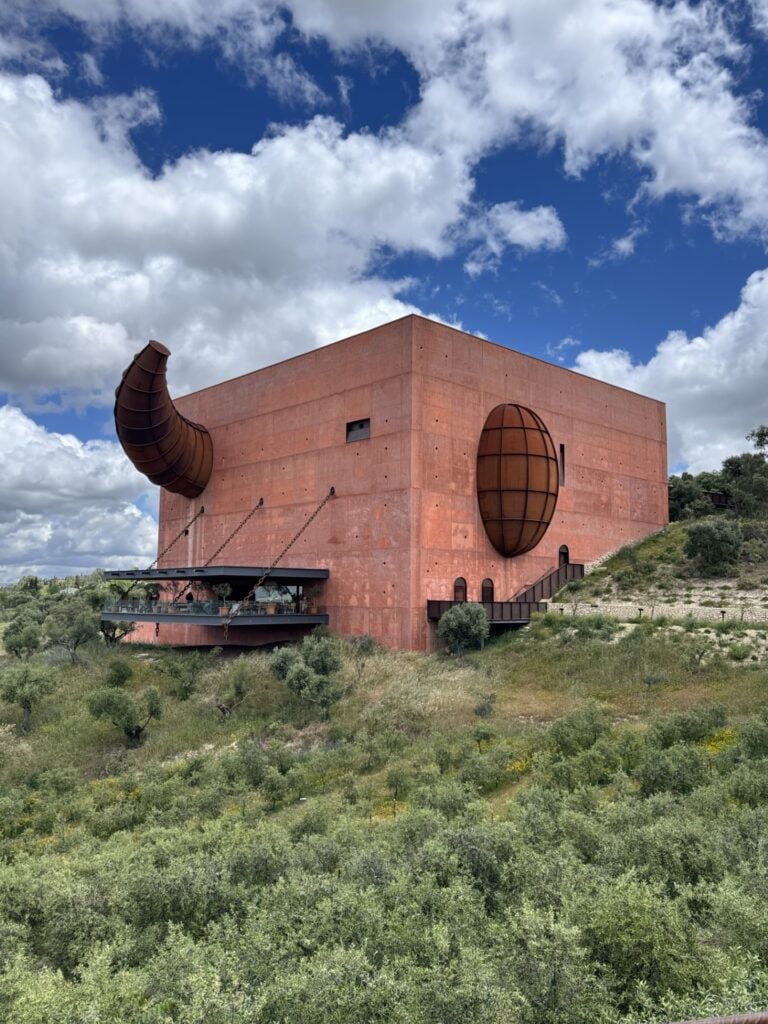
Just 2.5 kilometres from Ronda, LA Almazara El Toro is a paean to surrealist storytelling and minimalist architecture.
Shaped like a cube in tribute to Málaga-born painter Pablo Picasso, this building was designed by architect Philippe Starck as a love letter to olive oil and bullfighting culture.
A massive steel horn juts out from one side of the facade, while a terrace suspended by metal chains forms the bull’s mouth. A half olive becomes its ear, the conveyor belt carrying olives into the mill is its tail, and a Phoenician-style eye is cast in concrete on the façade. When the mill is running, smoke billows from the building, bringing the surreal vision to life.
Everything is deliberately built out of scale to stimulate your senses, our tour guide Lucia says, and to reflect the outsized personality and beauty of Andalucía.
After the tour, I settle into the garden, surrounded by olive groves, pine and orange trees, lavender plants, and yellow margaritas, to sample several extra-virgin olive oils and other fragrant delicacies. The tomatoes are aromatic and fresh, seasoned with oregano and parsley, while the freshly homemade Spanish tortilla proves that the simplest dishes are often the most memorable. A light, fruity regional white wine, La Encina del Ingles, completes the meal. With striking architecture, views and exceptional food, it’s little wonder Time magazine named LA Almazara one of The World’s Greatest Places in 2025.
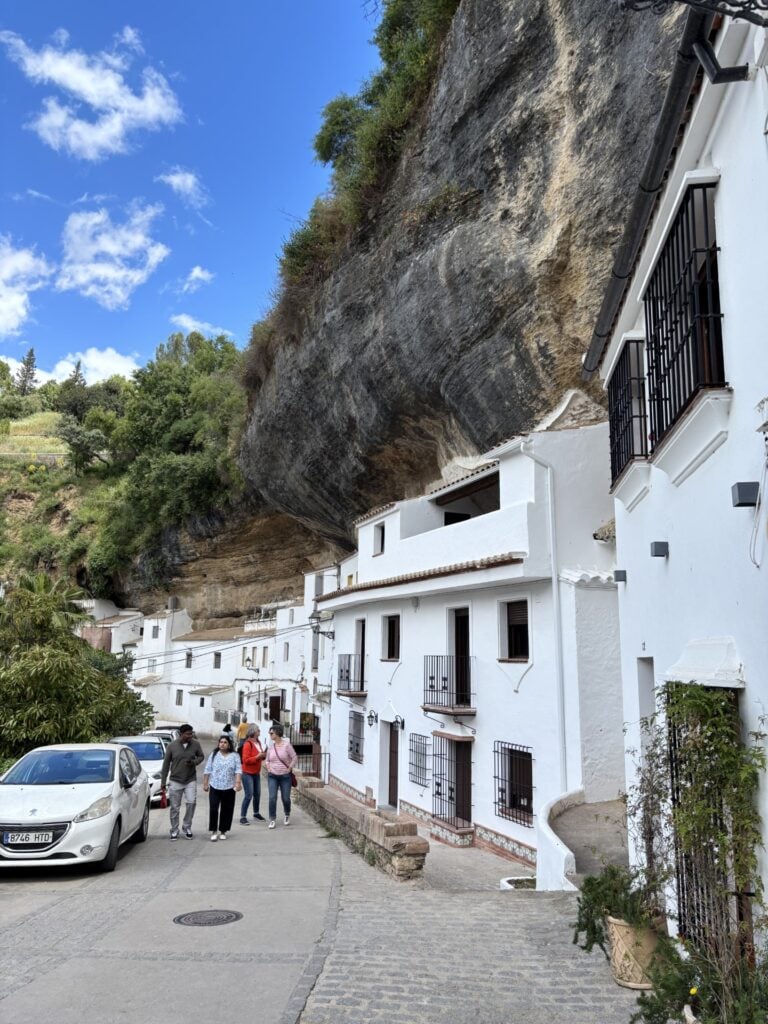
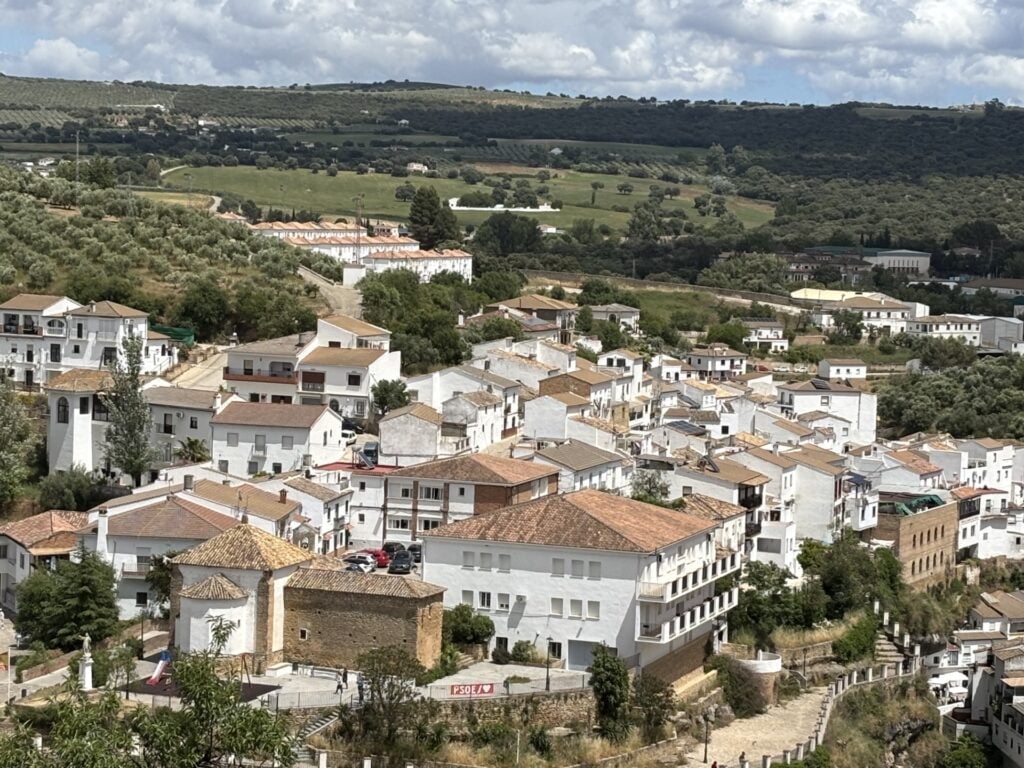
Small but mighty, Sentenil de las Bodegas is another white village worth a visit, mainly for its extraordinary architecture. The whitewashed houses are built into the natural rock formations along both banks of the Trejo River. Two parallel streets — Calle Cuevas del Sol and Calle Cuevas de la Sombra — host many bars and shops and are also home to dwellings carved into the limestone.
Many of the 3,000 inhabitants literally reside beneath the rocks in townhouses known as “abrigos bajo las rocas” or shelters beneath the rocks. There is free parking at the top of the town, and then you can wind your way into the town down a steep flight of steps off Calle San Sebastian towards Calle Cadiz. Look out for the famous Torre del Homenaje, the remains of a 14th-century Moorish castle.
Spain’s 3,000-year-old sherry heritage is centred in Andalusia’s “Sherry Triangle” in Cádiz province. The iconic fortified wine, known to Spaniards as vino generoso, is defined by a unique aging process under a yeast layer called flor and a special system of blending.
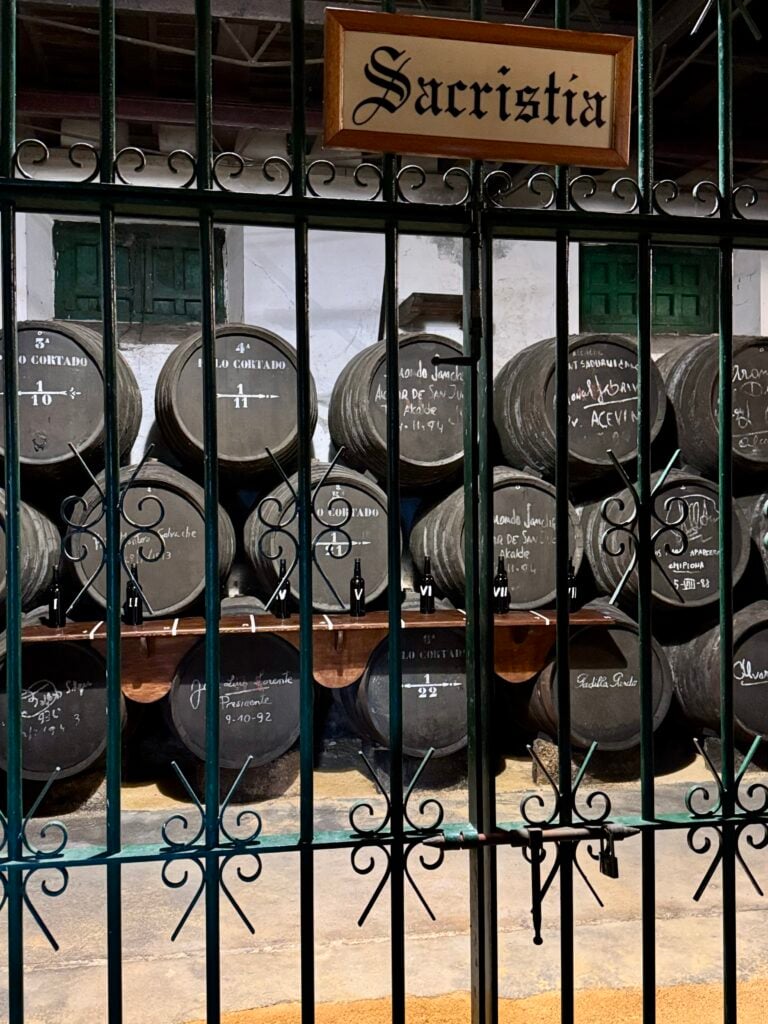
Few places offer a better introduction than Bodegas Barbadillo. Founded in 1821, it is one of Spain’s oldest wineries and the birthplace of Manzanilla Fina, a delicate ocean-influenced style of sherry found only here. The town’s cool, humid coastal climate sustains the flor year-round, giving Manzanilla its distinctive character, explains my guide Alvaro Alés, who notes that it has become Spain’s number one sherry.
“There is no other wine as dependent on geography as sherry,” says Alés. The two winds — poniente (west) and levante (east) — create unique conditions that allow yeast to grow differently than anywhere else on Earth.
Manzanilla is a great companion to classic snacks such as almonds, anchovies, olives and Iberico ham. Plus, it goes down well with seafood, says Alés. The bodega also produces Oloroso, a rich, dark, fortified sherry with notes of dried fruit and walnuts, as well as Palo Cortado, and cream, which is sweet.
Bodegas Barbadillo recently reopened its historic Despacho de Vinos, where visitors can taste Manzanilla and other sherries, poured directly from the bottle. A nod to the past: for generations, locals walked to the bodega with empty garrafas to buy wine straight from the cask. And casks abound, with one special one marked for Spain’s King Felipe VI.
Though I am no connoisseur, I gamely join the tasting. “We all begin as babies, needing sweet drinks,” says Alés. “Eventually our palates progress.”
Located at the mouth of the 657-kilometre-long Guadalquivir River, which winds through much of Andalucía before meeting the Atlantic, Sanlúcar de Barrameda has long been a place of departures.
In 1519, Portuguese explorer Ferdinand Magellan set sail from here on the first circumnavigation of the globe.
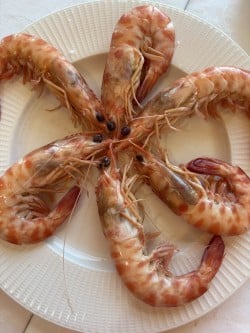
Today, however, the town moves at a slower pace. Beachside restaurants offer exceptional fish and shellfish, fresh king prawns, and, of course, Manzanilla sherry. Sanlúcar is also the primary gateway to Doñana National Park, a UNESCO World Heritage Site renowned for diverse birdlife, including pink flamingos, trees filled with stork nests, and unspoiled dunes.
Those visiting in August can witness one of Andalusia’s most distinctive traditions: thoroughbreds racing along the shoreline at sunset, a spectacle that has unfolded for centuries.
For me, however, the simple pleasures lingered the longest as I strolled down Playa de la Calzada, a boardwalk on the beach lined with palm trees and chiringuitos (beach bars) offering cold cerveza and seafood. No wonder the town was named Spain’s capital of gastronomy in 2022.
TIP: Poma restaurant has excellent seafood, including shrimp in tomato sauce, the obligatory King prawns, swordfish prepared with Manzanilla sherry, and delicately delicious grilled sole.
When I think of olive oil, I inevitably think of Italy. Or, at least, I did.
But to my surprise, I learned that Spain is the largest producer of olive oil in the world, accounting for 45 per cent of the global supply. Italy produces approximately 10 per cent, and also routinely imports large quantities of Spanish olive oil, blends it, and bottles it under famous “Made in Italy” brands.
Spaniards also consume 45 per cent of the total global supply of olive oil, and three-quarters of the output is concentrated in Andalusia in Cordoba, Jaen, Malaga, Sevilla and Granada.
“Liquid gold” is a foundational pillar of Spanish identity, with many people beginning their days with pan con tomate — toasted bread rubbed with fresh garlic and tomato, then drenched in extra-virgin olive oil.
“We consider extra virgin olive oil as part of our diet, culture and even our idiosyncrasies,” explains Pilar Castineira, head of the International Department at Hacienda Guzman, an olive oil estate located just outside Sevilla in La Rinconada.
“It is part of our daily life, and the health benefits are a source of pride for us,” he says. “Italy may outmarket us, but we really are the number one in the world for extra virgin olive oil.”
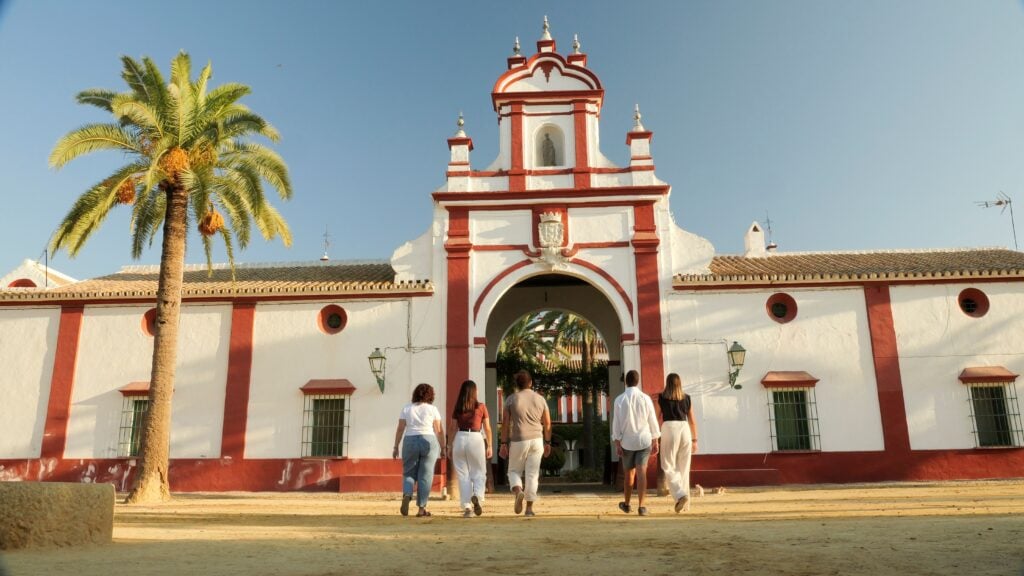
Owned by Hernando Colón, the son of Christopher Columbus, in the 16th century, Hacienda Guzmán boasts 340 hectares of organic olive groves, a historic 17th-century mill, and an Olivoteca with more than 150 olive varieties from 14 countries — the perfect place to learn about oleotourism (olive oil tourism).
Castineira sits down with me and shares tips for identifying the quality, flavour profiles, and flaws in EVOO. I try their signature varieties: single-variety arbequina, hojiblanca, and manzanilla, as well as two blends.
Hojiblanca, with a tomato fragrance and a pleasantly spicy aftertaste, is my favourite. Delicious on bread, salads and meat as well as fresh oranges.
“We only use olives harvested at their optimal point of ripeness to ensure an unparalleled flavour. And we transfer the olives from the field to the mill immediately,” explains Castineira.
I am ashamed to think of all the cheap olive oil I have purchased in my life. Now that I know EVOO should taste fruity, peppery, even bitter, not flat and greasy, I am a convert for life.
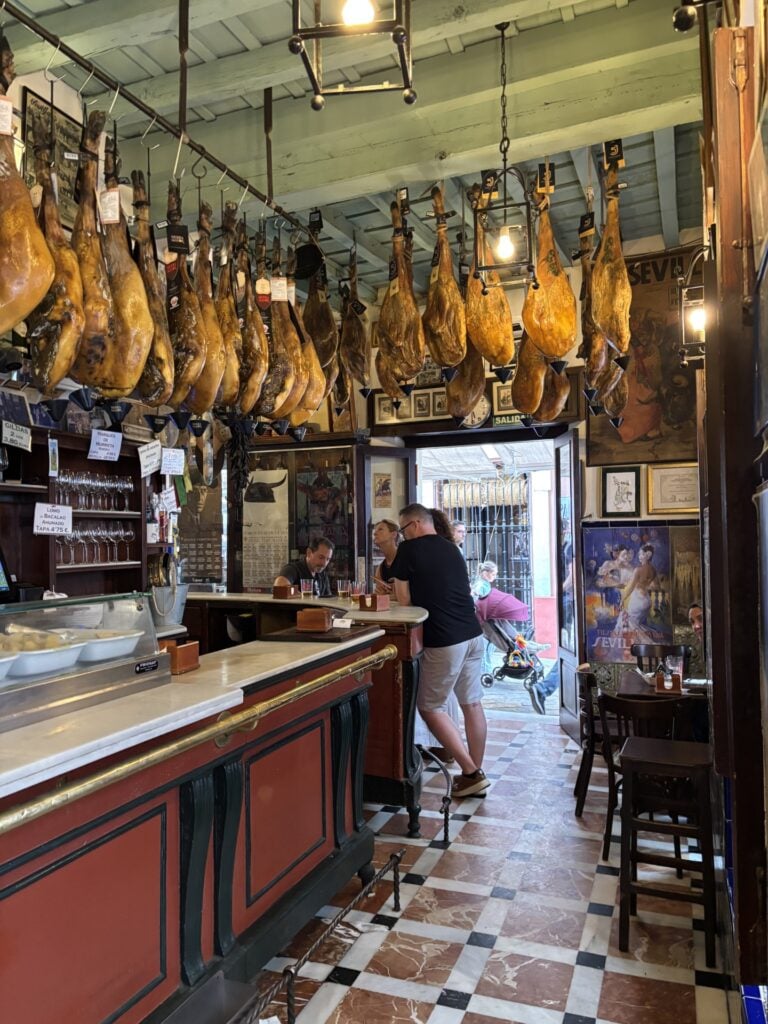
Growing up with a Spanish father, Jamón Ibérico was a Christmas tradition in our home. An indulgence, it was sliced paper-thin with a special knife, savoured one delicate piece at a time.
Back then, I didn’t realize it was the world’s most expensive cured ham — and that its production is carefully regulated to maintain the melt-in-your-mouth taste.
Like wine, Spain’s finest hams are protected by designated denominations of origin, with strict rules governing where and how they’re produced.
Ham from Jabugo, a forested region in Huelva in the heart of the Sierra de Aracena and Picos de Aroche Nature Reserve, is considered among the very best.
During a visit to Cinco Jotas factory, founded in 1879, I learned why. Jamón Ibérico de Bellota comes from purebred Iberian pigs with distinctive black hooves that roam freely through oak forests, feasting primarily on acorns, which give the meat its rich marbling and nutty flavour. Regulations require at least one hectare of woodland per animal, and during acorn season, they can eat up to 10kg of acorns a day.
The hams are then cured for three years. Master artisans salt the meat before hanging it to air-dry in a careful aging process. The result: a consistently delicious treat like no other. Next door, at Mesón Las Bellotas, I continue the feast with chorizo and platters of grilled Iberian pork.
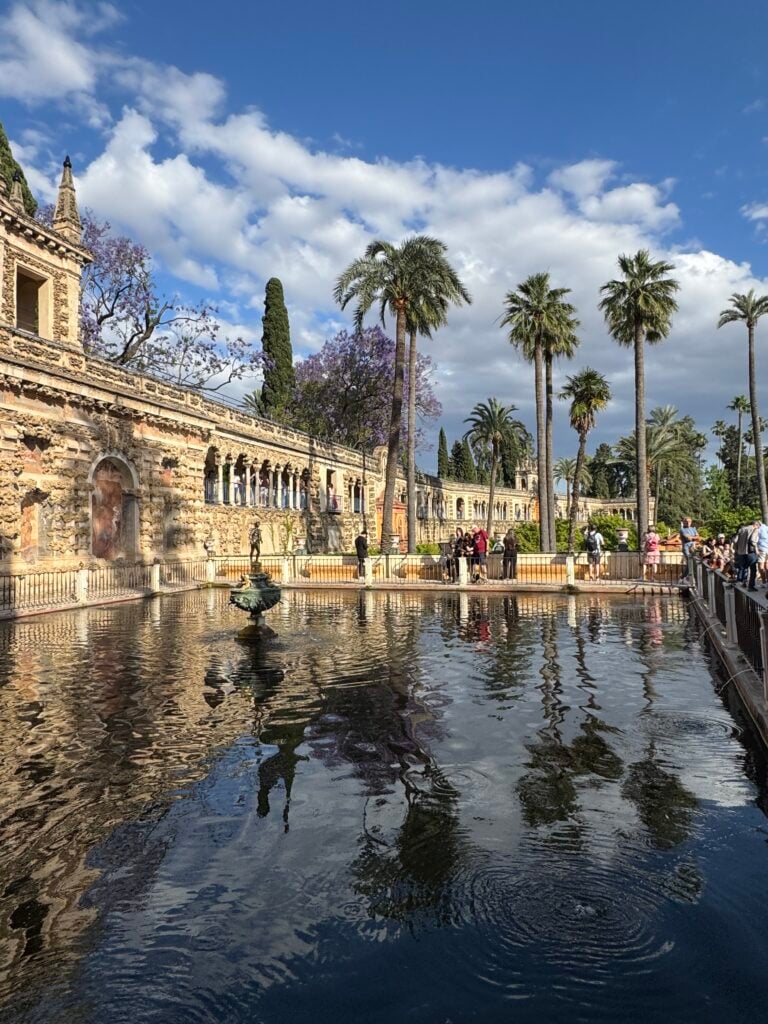
No visit to Andalucía is complete without a visit to its capital, largest city, and one of Spain’s jewels. Boasting three designated UNESCO World Heritage Sites, Sevilla is renowned for its architecture and history, and, after a few days in the countryside, I was ready for the urban splendour.
Beyond its history, architecture, tapas, forests of bitter orange trees, and flamenco, it will surely draw travellers in.
The Real Alcázar is a royal palace blending Moorish and Renaissance architecture, still used by Spain’s King. It also served as a set for Game of Thrones; this sprawling landmark surrounded by exquisite gardens is filled with the perfume of innumerable flowers and fragrant orange blossoms. Sevilla also has an embarrassment of other ancient riches, including the Cathedral, built over the remains of the city’s grand 12th-century mosque, which houses the remains of Christopher Columbus and features the famous Giralda, a bell tower of Moorish origin. A short stroll away is the Torre del Oro (Tower of Gold), which once served as part of the Moorish fortifications, together with its lesser-known sister, the Torre de la Plata (Tower of Silver).
The General Archive of the Indies houses the vast and priceless archives of Spain’s colonial activities in the Americas. At the centre of the vibrant district is a public square that continues to host political rallies, with bright banners and impassioned speeches. An ancient city, but also a thoroughly modern one, it springs to life.
TIP: (Where to eat) A short walk from the Sevilla Cathedral, Casa Robles is a historic, family-run restaurant focused on fresh seafood, a traditional oxtail stew and delectable homemade desserts. I sat at a table on the street, with flamenco guitarists entertaining me as I devoured creamy croquettes, tuna belly on toasted bread, sea bass ceviche and apple crunch with almond cream.
Travel
Wild landscapes, Celtic traditions and quiet villages reveal a lesser-known side of Spain
Travel
When you visit Madrid and Valencia, you won’t just see Spain — you’ll feel it

People & Culture
Built to fuel Canada’s petroleum industry, communities like Swan Hills and Fox Creek are balancing today’s livelihoods with the uncertainty of tomorrow.

History
The first floating of the recreated 16th-century Basque whaling ship brings a little-known chapter of Spanish and Canadian history full circle