
People & Culture
Remembering Selma Barkham, who revealed the history of Basque whaling in Canada
The historian and geographer filled in “a great gap” in Canadian history, from the time of Cartier to the arrival of Champlain
- 759 words
- 4 minutes
History
The first floating of the recreated 16th-century Basque whaling ship brings a little-known chapter of Spanish and Canadian history full circle

This story has been fact checked
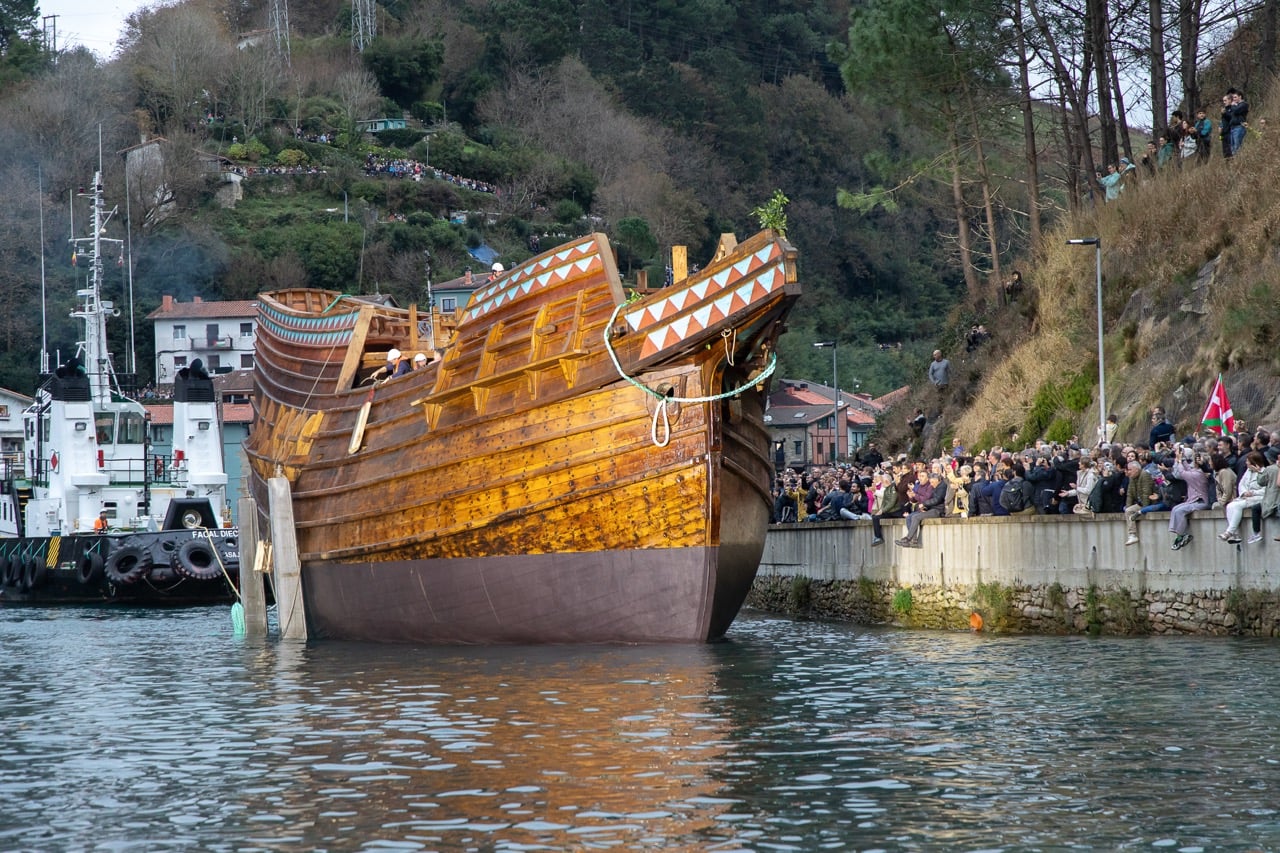
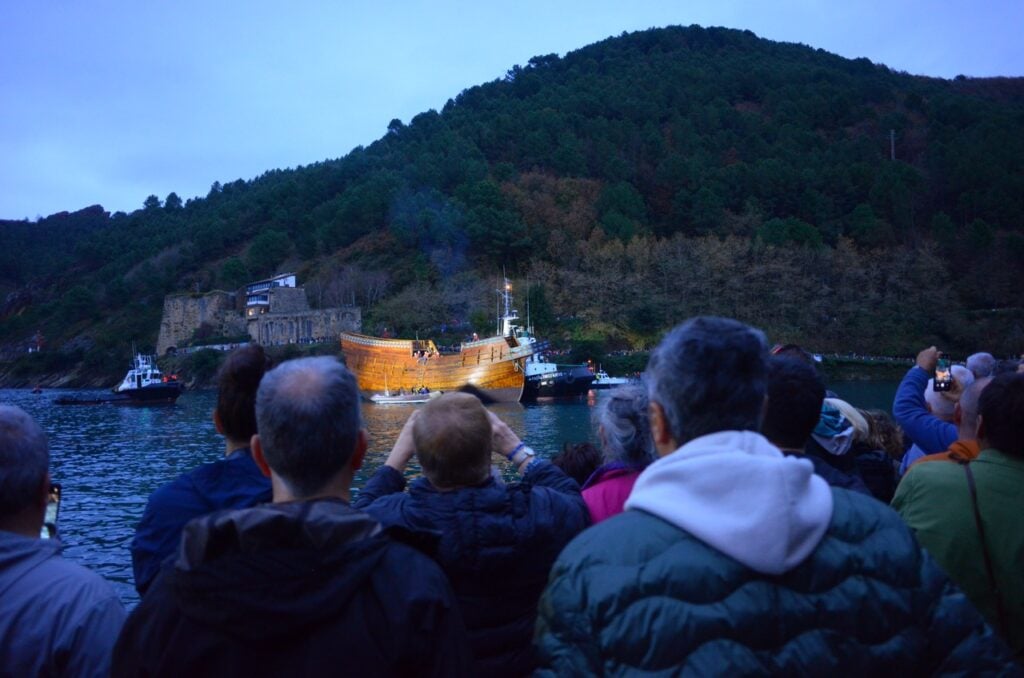
By the time a rising tide swept the San Juan into the Bay of Biscay on a cold day last November, the rain was pelting down in sheets.
Hundreds of people, some holding aloft smartphone cameras, stood shoulder to shoulder along a low concrete wall bordering an inlet that connects the small northern Spanish town of Pasaia to the bay. Others clung to trees along the edge of the cliffs that rise steeply above the inlet. From their vantage points, the drenched revelers watched as the carved oak hull of the San Juan — an exact replica of a 16th century Basque whaling ship that sank off the coast of Labrador in 1565 — was drawn into the water by the tide.
Still missing masts, sails, ropes and anchors, she was nonetheless a marvel of craftsmanship, a testament to the singular, obsessive vision of Basque shipwright Xabier Agote and the expert team of historians and boatbuilders who painstakingly brought her to life over the span of a decade. Eventually, the San Juan will journey across the Atlantic and arrive at the rocky bays of southern Labrador where its namesake sank, shining a light on a little-known chapter of history that spans the waters between Spain and the east coast of Canada.
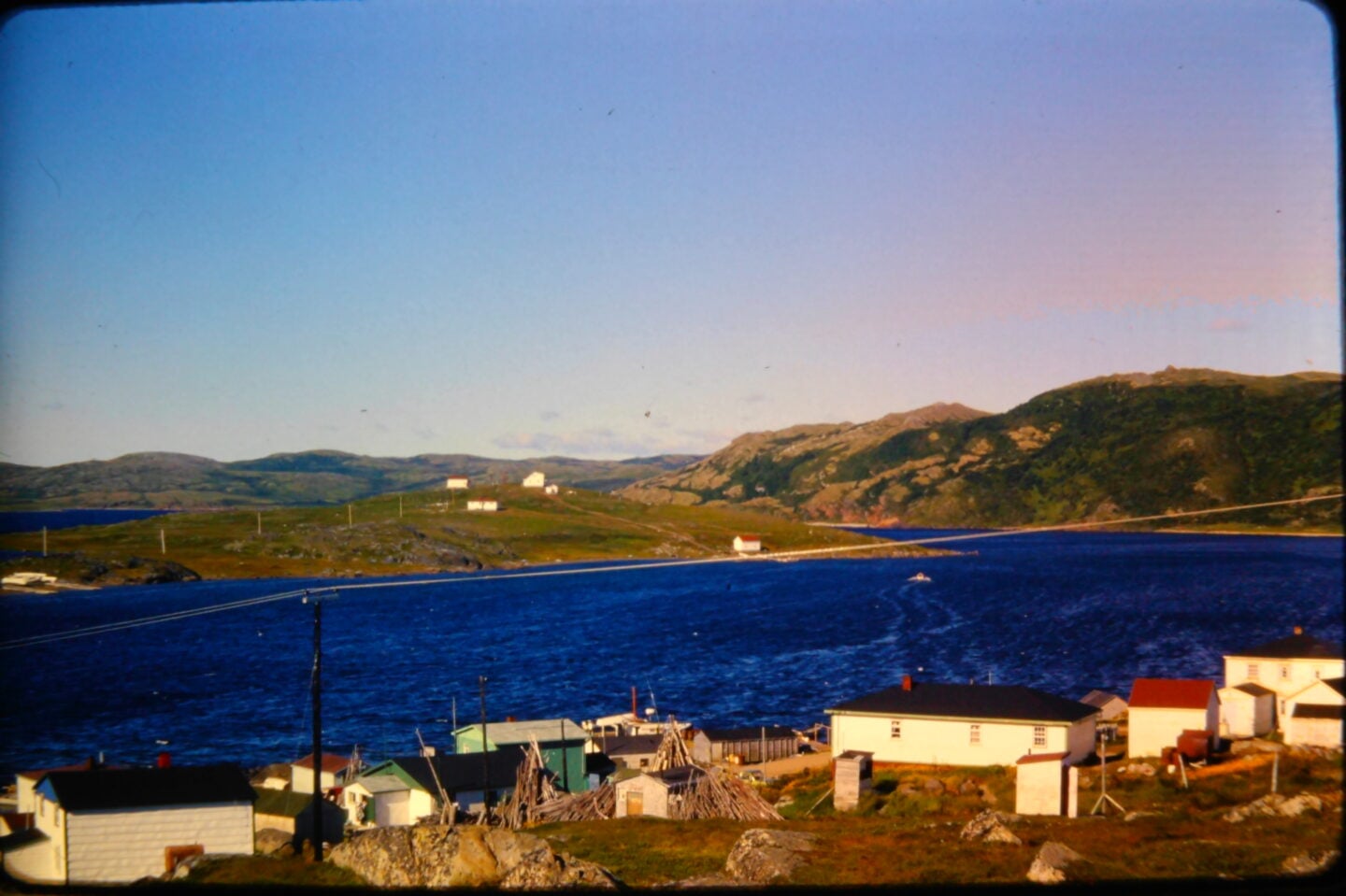
The original San Juan lies buried in silt beneath around 25 feet of water, just off the shore of Red Bay, Labrador. Her discovery — and our current understanding of the whaling industry that thrived in Red Bay 60 years before French explorer Samuel de Champlain founded Quebec City — were made possible by the work of a British-Canadian archivist, historian and geographer, Selma Huxley Barkham.
Born in England into a family of intellectual heavy hitters that included Michael Huxley, founder-editor of Geographical magazine, and his cousin, the writer Aldous Huxley, Barkham studied Russian at the Sorbonne in Paris before settling in Canada. In her twenties, she was the librarian at McGill University’s Arctic Institute of North America, where her Russian fluency was strategically useful. There, she met an architecture student, Brian Barkham, who set up a firm in Ottawa. The couple had four children before Brian died of cancer in 1964 in his early 30s.
Barkham was left to support the family on her own. “But,” she would later say, “I also wanted to do something interesting for the children and me.”
Years earlier, while travelling in the Basque Country with Brian, Barkham learned of references to “Terra Nova” — present-day Atlantic Canada — in archives related to centuries-old Basque sea voyages. While researching the settlement of Louisbourg, N.S. for Historic Sites Canada, she realized little had been documented about the history of contact in what is now Canada prior to Champlain’s arrival.
She would work to fill that gap. In 1969, Barkham towed her brood to Guadalajara, Mexico, where she taught English and learned Spanish over the span of three years. She applied for funding from the Canadian government to support research in Basque archives and moved her young family to Spain. The funding request was denied, but Barkham eventually received a private grant of $1,000 from an unknown benefactor.
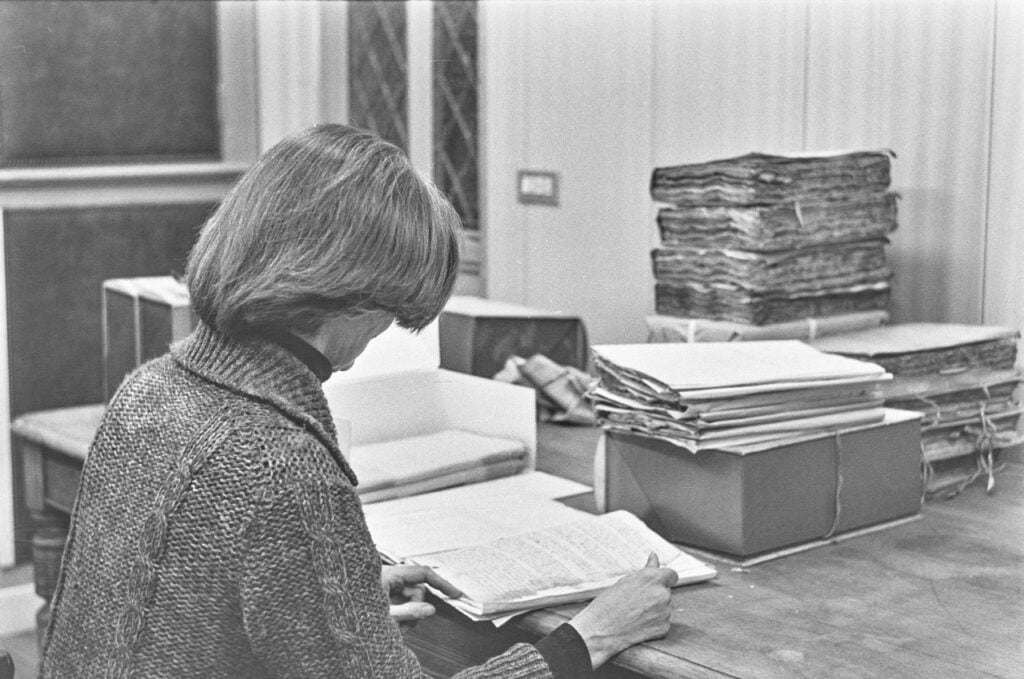
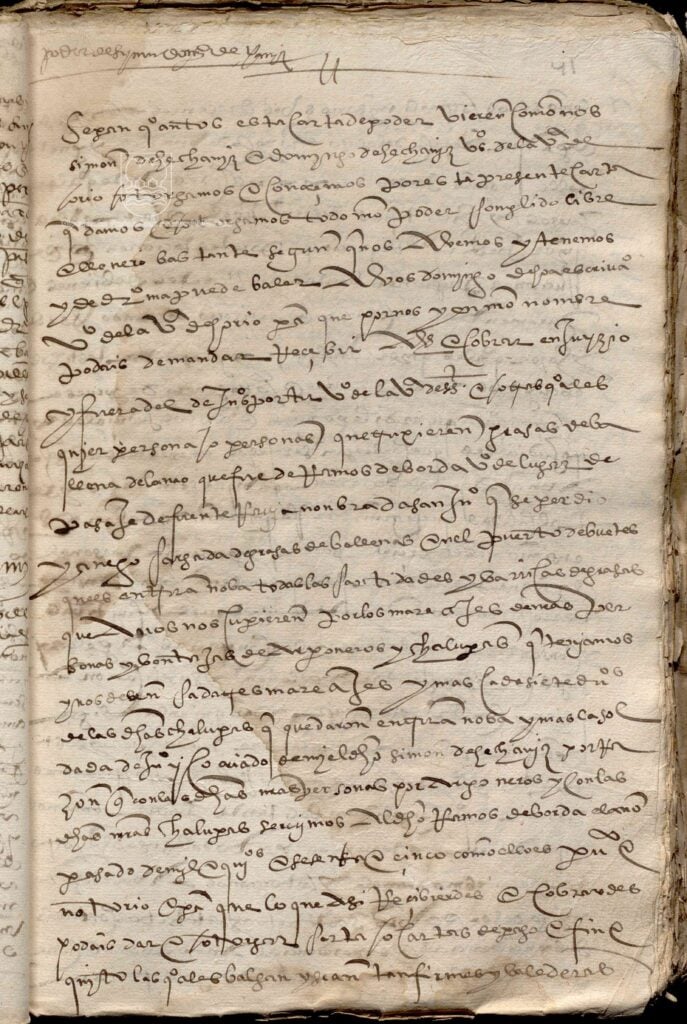
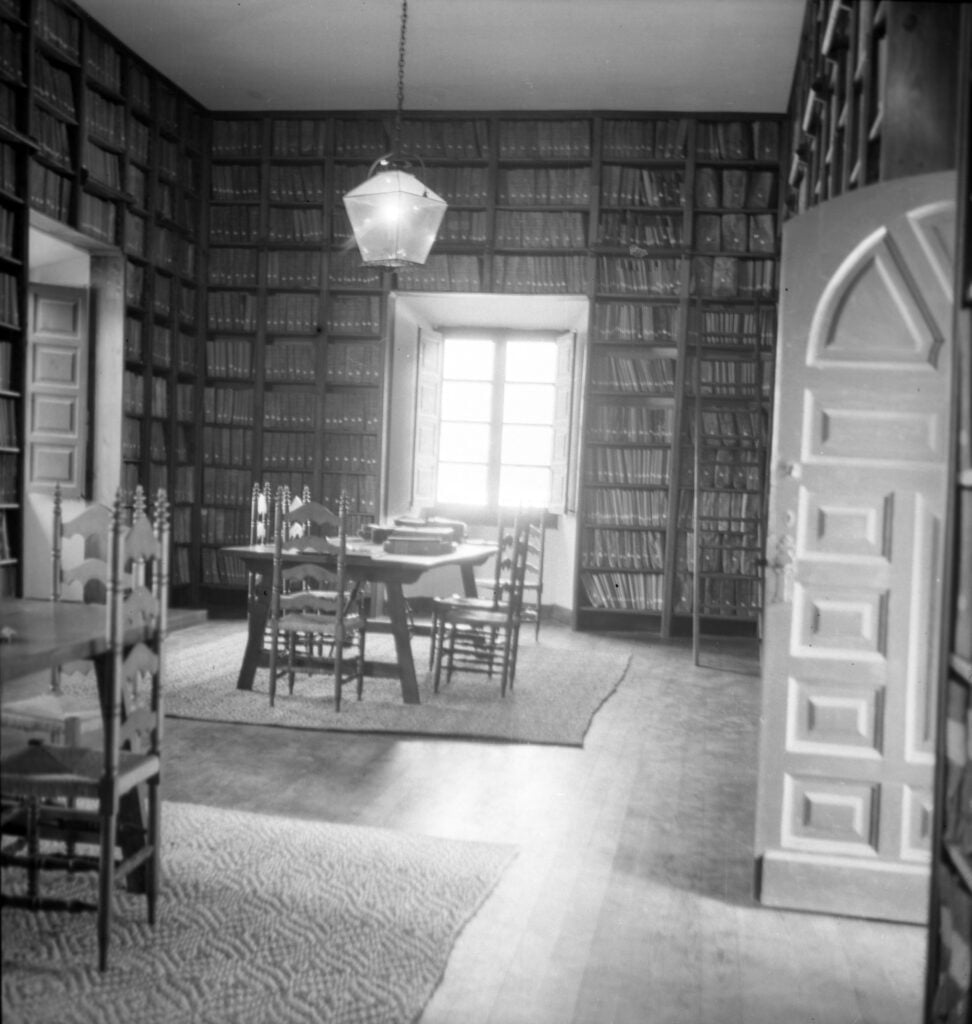
In Spain, she visited archives, churches and town halls, where she found rooms filled with ancient, handwritten papers. Most hadn’t been touched for hundreds of years, and even then, they were primarily used for genealogical work. “There were kilometres of pages,” says her son Michael, who helped her comb through the records throughout his adolescence.
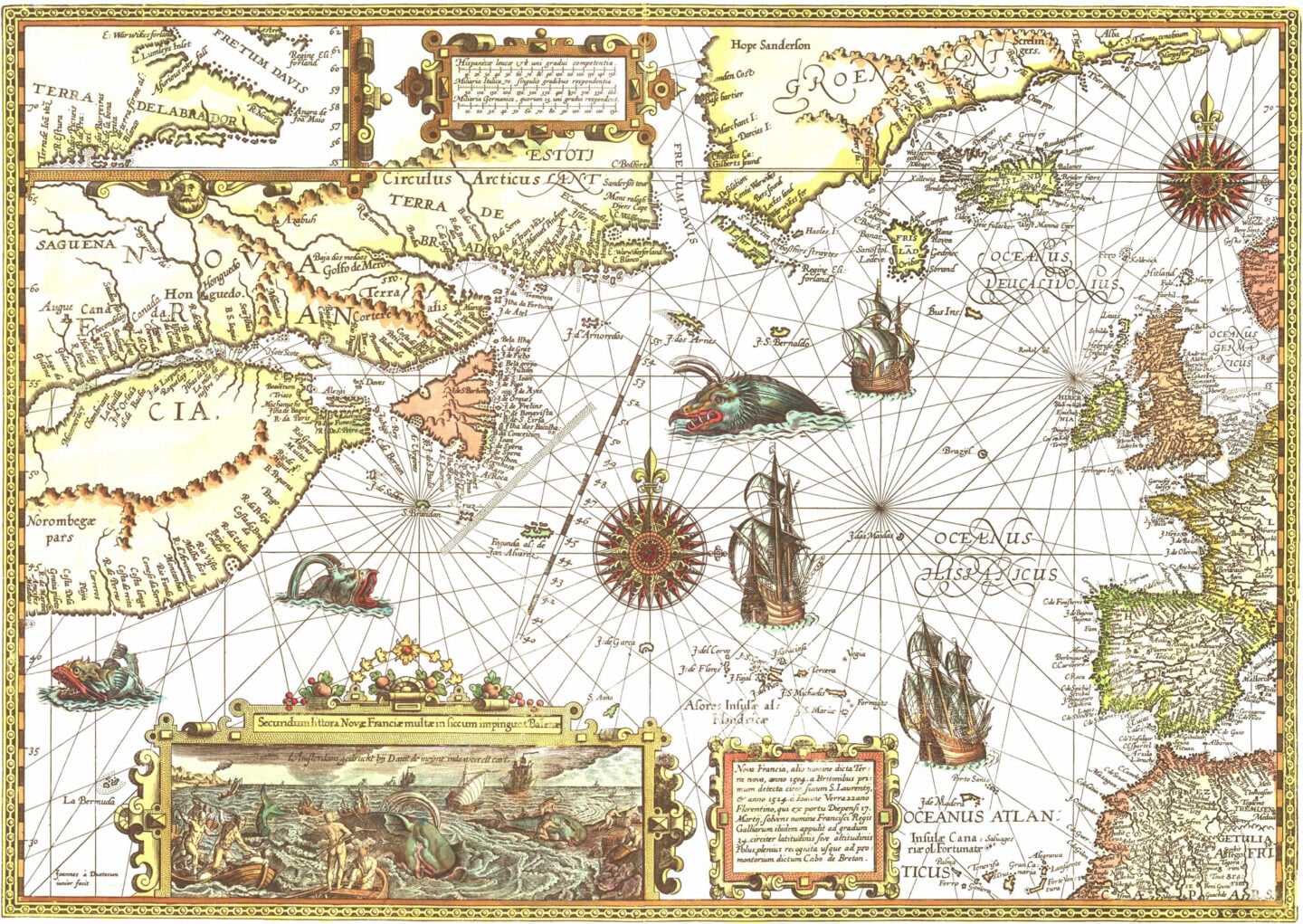
For years, Barkham travelled from town to town, piecing together a history of the Basque presence in Atlantic Canada dating back to the early 1500s and establishing the location of a dozen whaling stations along the Labrador coast of the Strait of Belle Isle. The strait was a key migration route for right and bowhead whales, and those whales were in demand throughout Europe. Oil from their blubber was used to heat and light homes and to soften jute and hemp for rope-making. Their bones were used in clothing and accessories. The Basques had developed an unparalleled skill in rendering and manufacturing the whales, and by the time the San Juan sailed across the Atlantic for the last time, some 2,000 men were spending their summers working off the coast of Labrador.
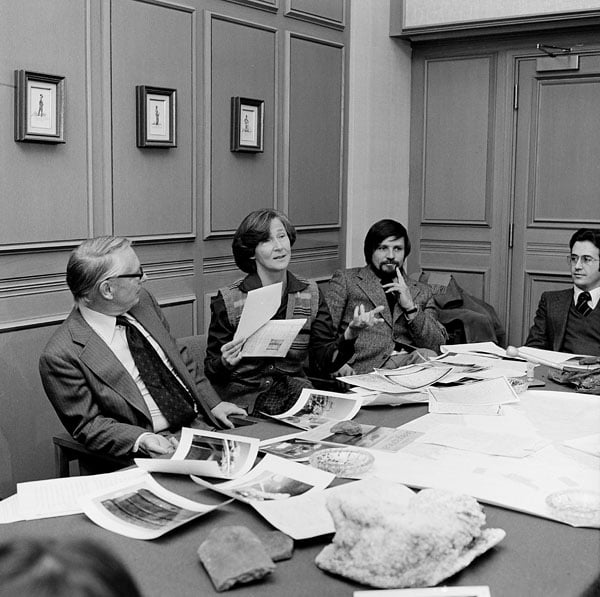
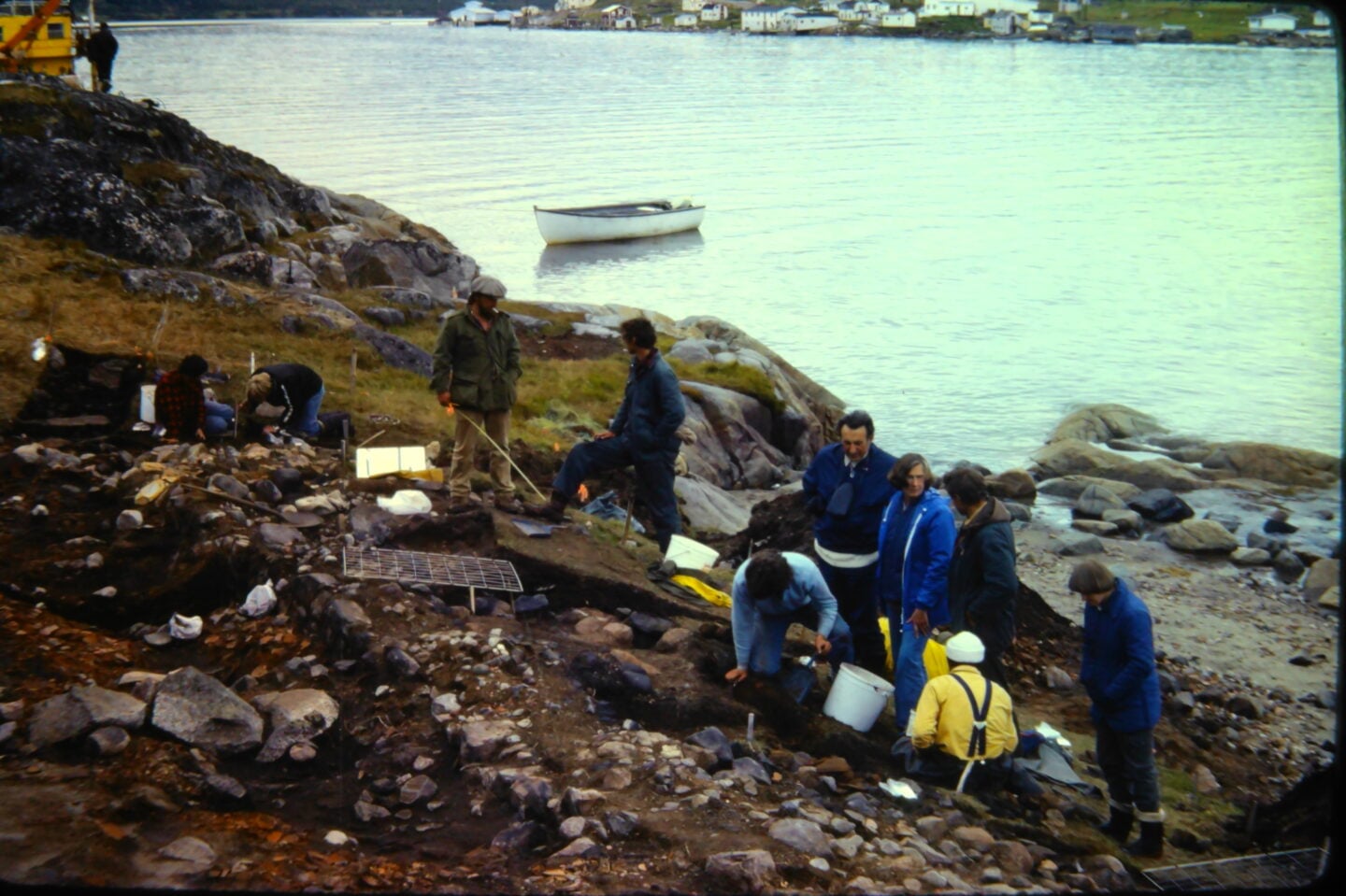
In 1977, Barkham decided it was time to try and unearth physical proof of what the archives showed and, with the support of the Royal Canadian Geographical Society, made her first trip to Labrador with a small team consisting of two of her teenage children and an archaeologist friend and his family. There, she explored several harbours, including Red Bay. Later, she invited Memorial University archaeologist James Tuck and his colleagues to Labrador, leading them to the sites. The group confirmed the location of several shore stations that had been used to render whale blubber and to process the rest of the animal. They found large quantities of whale bone still on the area’s beaches, alongside shards of red clay roof tiles that were ubiquitous in the Basque Country.
Further land excavations between 1978 and 1992 turned up barrel-marking tools, evidence of seasonal dwellings, and even a cemetery. “It was just proof of what [she] had already documented,” Michael says.
In 1978, divers with Parks Canada, under the supervision of marine archaeologist Robert Grenier, began excavating what Barkham believed to be the sunken San Juan. Barkham had read about the San Juan in the archive of the town of Oñati. Records elsewhere referred to insurance for the voyage and included testimony about the circumstances of the sinking and the 1,000 barrels of whale oil that went down with the ship.
Divers were able to discern timbers sticking up through a forest of kelp, and eventually located barrel staves and the ribs of the ship’s hull. To their amazement, the remains of the San Juan were practically pristine; sealed beneath the mud, she’d been spared from scouring waves and icebergs, mollusks and fungi. She remains the oldest European wreck ever found and excavated north of Florida.
The cover of the July 1985 issue of National Geographic featured a photo of a diver in full scuba apparatus, hoisting part of the ship’s hull off the ocean floor. Some 17,000 kilometres away, in Australia, the image and its intriguing cover line, “16th-century Basque whaling in America,” caught the attention of a young Basque man on a gap year: Xabier Agote.
Pasaia, on the southeast corner of the Bay of Biscay, is a city of red-tiled roofs that curve along the shore and butt up against Mount Ulia. It’s a fishing community as well as a commercial port, and when San Juan sailed the region was home to more than thirty shipyards.
Agote — Xabi to his family and friends — grew up watching ships in the port of San Sebastian, not far from Pasaia. He remembers the Ozentziyo, a wooden boat that fished tuna off Spain’s shores that was the last surviving traditional tuna boat built in the region. He was surrounded by wooden rowing boats — a sport deeply rooted in the history of whaling — but he noticed that the tradition of building those wooden boats in his region had almost entirely disappeared. The fishing boats around him were primarily made of fibreglass.
“I decided to devote my life to the mission of recovering that maritime memory,” Agote says.
In his 20s, Agote applied to and was waitlisted for a boatbuilding program at the Maine Maritime Museum. In the meantime, he moved to Australia to learn English. While he was there, a friend handed him the National Geographic issue with the San Juan discovery on its cover. “For me, it was like a holy sign or something,” he says. “It reinforced my decision to become a boat builder.” The following year, he was accepted into the program in Maine.
There, Agote says, he combined his interest in boatbuilding with Maine’s strong tradition of wood craftsmanship. Over the next 20 years, he built a series of Basque rowboats (called chalupas) and smaller boats. In 2013, he began planning his “destiny” project: to build a replica of the San Juan. He founded Albaola Itsas Kultur Faktoria, a museum and workshop in Pasaia in which he would build and ultimately launch the ship.
Agote committed to recreating the ship following strict, self-imposed rules: every aspect of the process, from the materials used to the way they’re harvested to the construction of the vessel would be historically accurate. “What I’m looking for is authenticity,” he explains. “We have been showing to the world how our ancestors used to face the challenge of the ocean.”
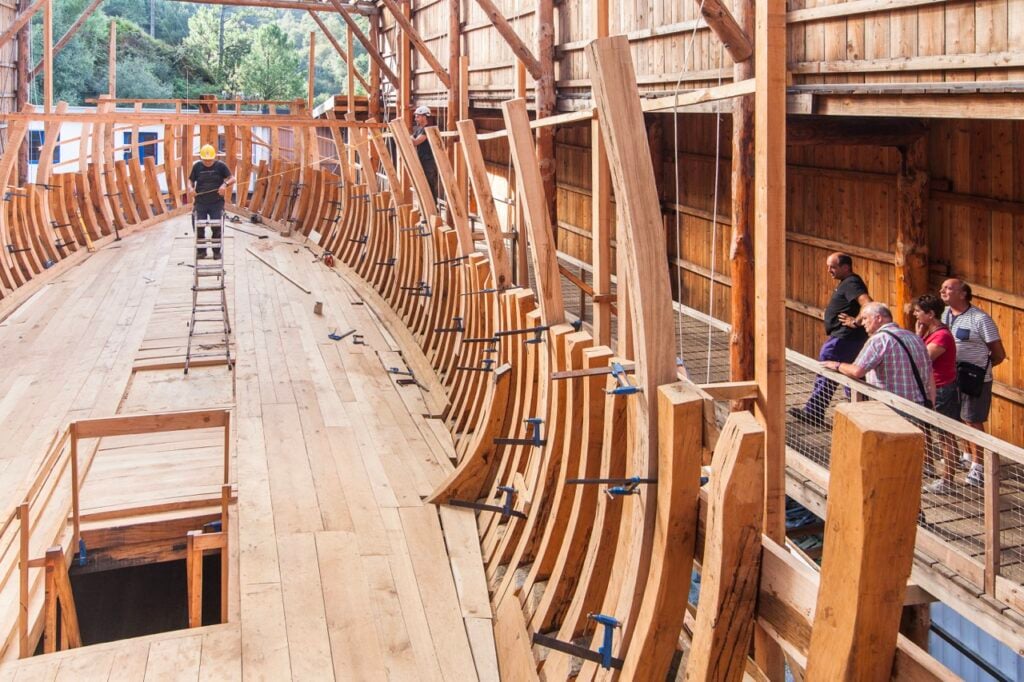
The faithfulness of the reproduction is made possible by detailed plans and reports created by Parks Canada’s archeologists as they excavated the shipwreck. Over the course of thousands of hours underwater, Grenier’s team systematically disassembled San Juan’s wreck, measuring and documenting every component — more than 3,000 individual timbers and several thousand more wood fragments — before carefully replacing it on the seafloor.
“We were very grateful to Robert Grenier, because he decided to undertake research that nobody had done before,” says Agote.
“We learned everything from them,” he adds. “We lost completely all the knowledge of how these ships were built 500 years ago… so that was an extraordinary opportunity to understand the science behind transoceanic crossing.”
The Albaola team — which operates with a bare-bones staff and relies on expert craftspeople to volunteer their time — traced scale templates of each of the ship’s component parts onto cardboard laid on the workshop floor. Agote then took those templates into the woods of the Sakana Valley, where, working alongside forest wardens, he measured them against oak tree trunks to determine which trees would provide the best planks, beams, and structural timbers. Following his commitment to complete historical accuracy, trees were harvested following Basque tradition: in winter, during the waning moon, because of how their energy is stored.
In 2015, UNESCO recognized the rigour of the reconstruction, and provided Albaola’s work patronage. The San Juan is now immortalized within the agency’s logo for underwater archaeology work, which shows the curved hull of the ship amongst the rippling lines of ocean waves.
Surrounding the growing boat in the Albaola shipyard were viewing stands from which museum visitors watched in real time as each nail was driven, each board secured. Chief Stephen Augustine, a hereditary chief of the Mi’kmaw Grand Council and former curator at the Canadian Museum of History, was there the day the first board was placed. And he was there last November, when the San Juan hit the water.
Augustine first heard of the San Juan reconstruction from Robert Grenier, who was supportive of the project until his death earlier this year. Augustine was interested in Agote’s commitment to accurate reenactment, which extends to the clothing he and his fellow sailors will wear on their eventual crossing of the Atlantic — traditional deer hides. For Basque whalers in Terra Nova, says Agote, those hides “would have been one of the first trade items for our people.”
Augustine has visited Albaola numerous times, often staying with Agote or other members of the Albaola team. He travelled with them into the woods to harvest oak, then watched them shape the boat’s ribs. And he has done research with the Albaola team in Newfoundland, where they’ve discovered similarities between traditional Basque and Mi’kmaq methods of harvesting fish and eels, as well as parallels in language.
“The Basque word for a shirt is atorra,” Augustine says, “and the Mi’kmaq word for shirt is a’tlai… I mean, it was an item of really great value to our people.”
The day of the floating began with an event in the main hall of the Albaola Museum. Beneath colourful wooden rowing boats hung from the cavernous ceiling, a Basque choir sang “O Bone Jesu,” written by Basque composer Juan de Anchieta. Dignitaries including Jeffrey Marder, Canada’s ambassador to Spain, diplomat Stéphane Dion, and Augustine spoke of the ties between Spain and Canada. A ballet specially composed for the event was performed by Basque dancer Lucia Lacarra and her husband, Canadian dancer Matthew Golding. Agote spoke briefly before the crowd rushed outside toward a ramp where the restrained San Juan waited for high tide.
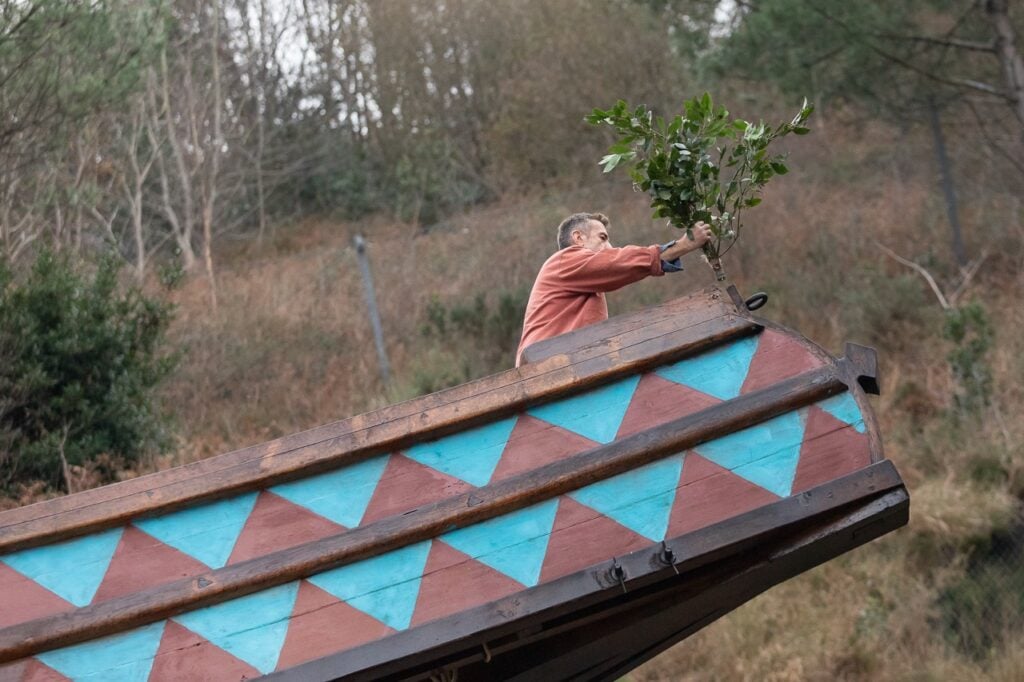
Suddenly, Agote appeared at the bow of the ship. He wore a faded red canvas smock and watched from above as volunteers sent up branches of laurel that he then tied to the prow — a traditional good luck gesture. Caroline Marchand represented her husband, Robert Grenier, who could no longer travel, blessing the boat with a bottle of Basque cider instead of champagne. Then, Agote faced the bay.
Floating is a slow process. As the tide rose beneath the ship, chains connecting her to shore were thrown off at last, freeing her completely.
On shore, spectators held torches aflame. A man blew into a conch shell over the rhythmic hum of waves. In the water, local rowers sat in wooden boats, also holding lit torches aloft as the sun set into the bay. Across the bay in the neighbouring village of Donibane, people lined the streets up into the hills.
“I had goose pimples all over the back of my neck,” says Augustine, who smudged the ship prior to the launch.
From the crowd, a man yelled “Eskerrik asko Xabi! Mila esker! (Thank you Xabi! Thank you very much!)”
And everyone cheered as the rain started to fall.
People & Culture
The historian and geographer filled in “a great gap” in Canadian history, from the time of Cartier to the arrival of Champlain
Travel
Wild landscapes, Celtic traditions and quiet villages reveal a lesser-known side of Spain
Travel
Journey beyond the cities to discover white villages, ancient traditions and some of Spain’s most celebrated culinary experiences
History
The symbolism of the iconic Canadian fishing and racing schooner Bluenose may be as relevant today as it was 100 years ago when the ship first hit the water