History
La naissance de Bytown: Entre réflexion, mémoire et réconciliation, Ottawa célèbre son bicentenaire
« Cela faisait passer le Far West pour une terre paisible » : Retour sur la naissance de la capitale du Canada
- 916 words
- 4 minutes
History
Traffic boxes in Canada’s capital tell forgotten stories about the city’s past

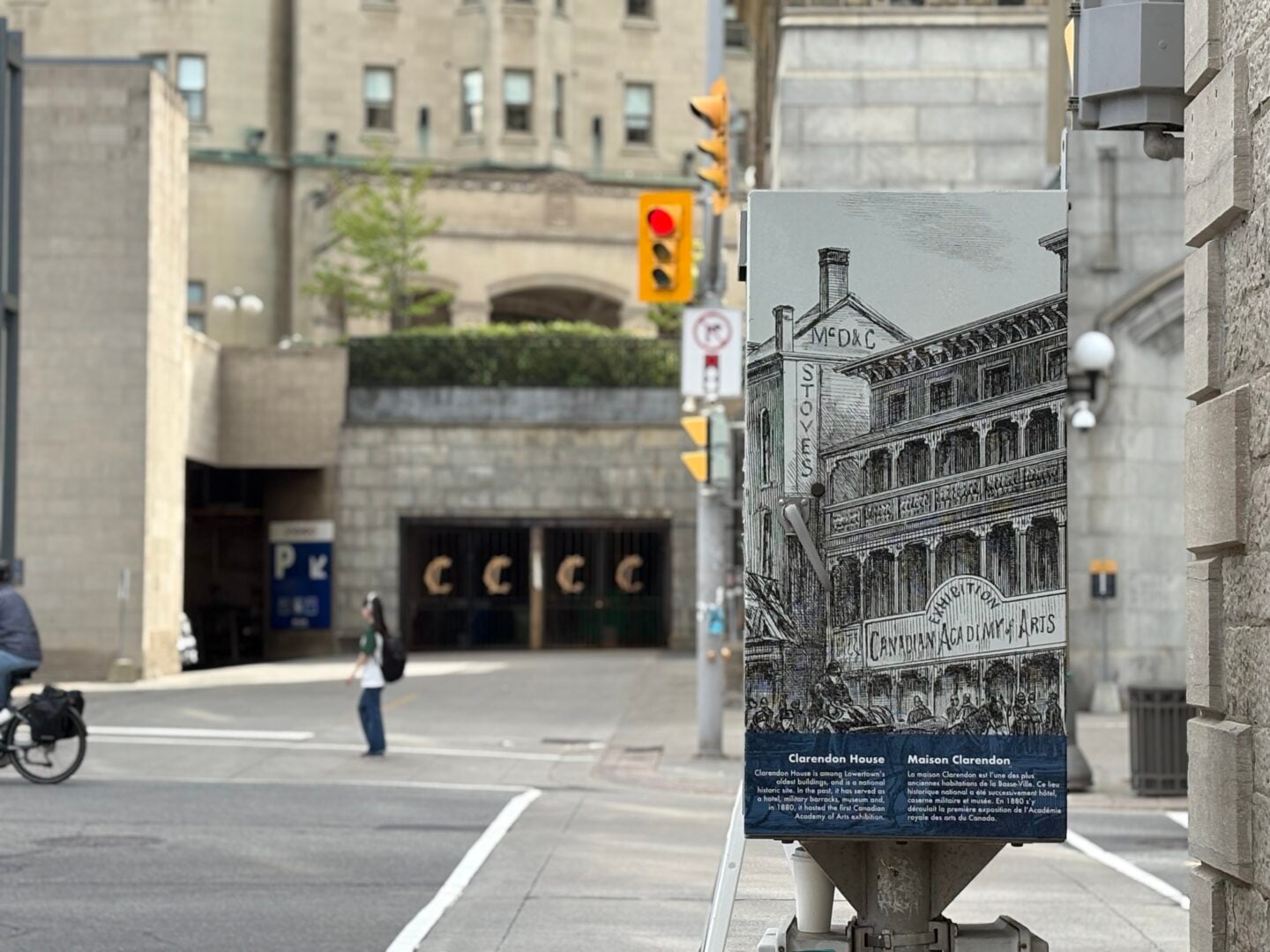
As Ottawa’s 200th birthday approaches, learning about the city’s history is just a street corner away.
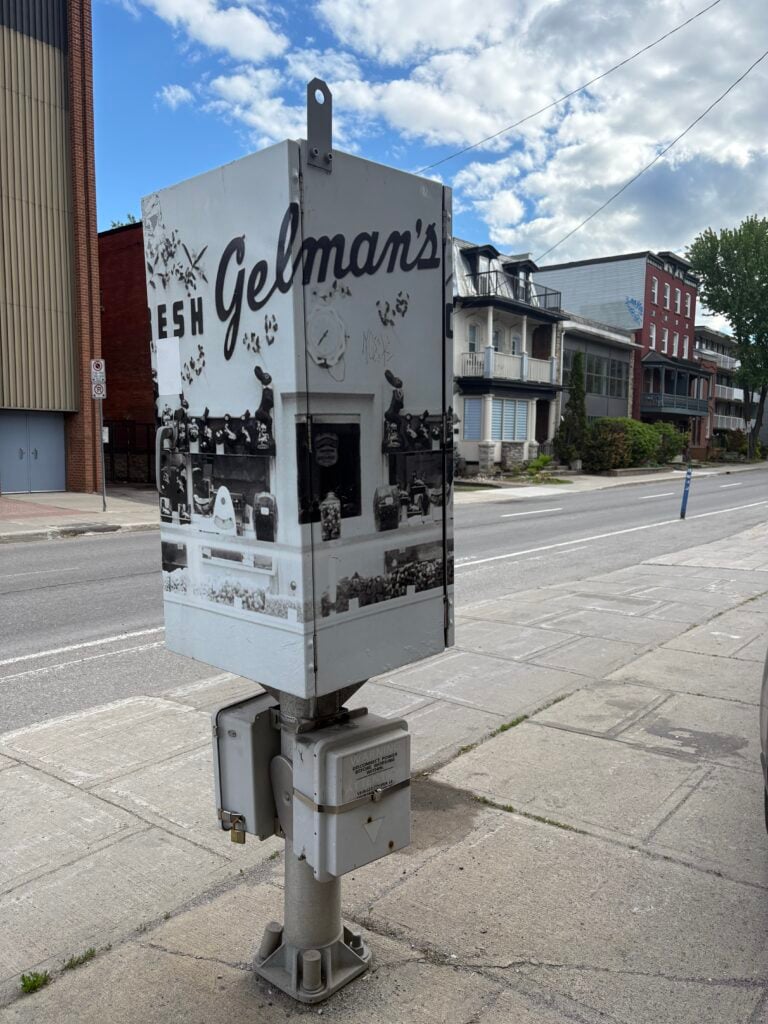
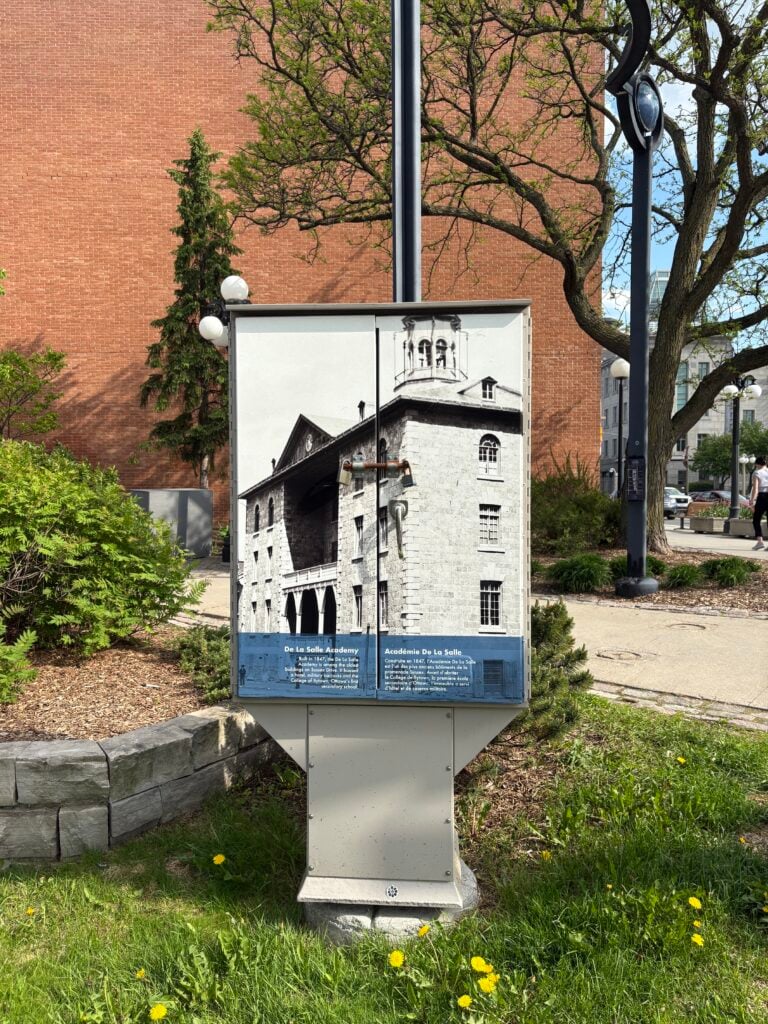
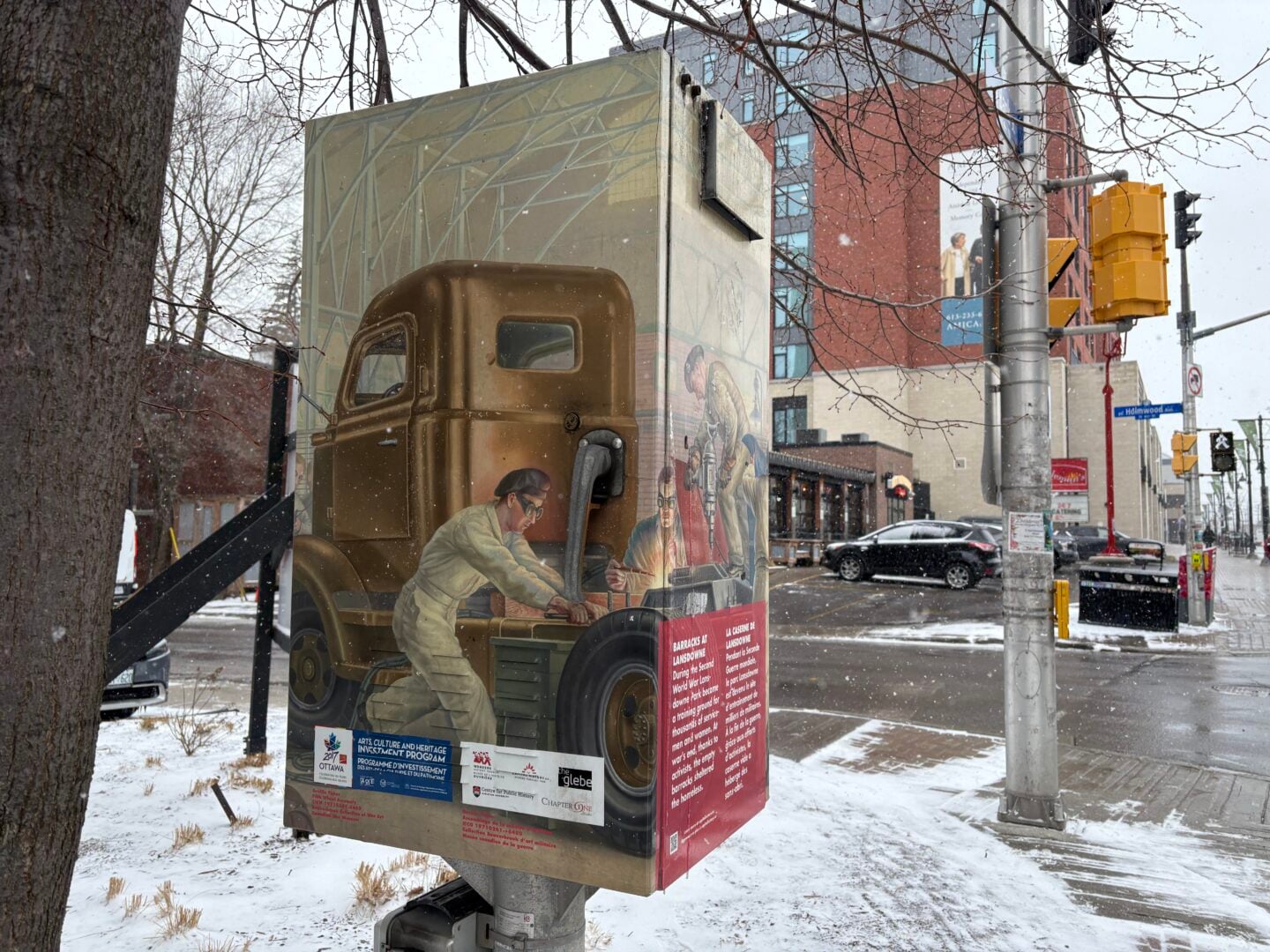
On intersections around Canada’s capital city, there are 60 traffic boxes wrapped with archival images or artwork from local artists that tell lesser-known stories from Ottawa’s past. QR codes on the boxes take passersby to a page with a short write up, in English and French, about the story behind the box they’re looking at.
The boxes are part of the Capital History project, started in 2017 by David Dean, a retired Carleton professor of public history — meaning he studies how the public understands and interacts with history. “I think Ottawa is changing and, as a historian, I recognize the value of the past but also the way we’ve changed in the present,” Dean says. He explained that some stories have a way of getting lost in archives, but, “We can give voice to a few of those experiences by recreating something, by hiring an artist or by digging out archival images that haven’t been seen.”
Capital History was first conceived for Canada 150. At the time, Dean noticed that while national stories — like the Battle of Vimy Ridge — were being celebrated with events and recognition, local history was mostly left out of coverage. So, when funding was up for grabs to support projects for the nation’s milestone anniversary, Dean put together a proposal. “We wanted to tell stories about everyday people, working people, and their contributions to making Canada what it was.”
The boxes cover a wide range of stories. Some highlight the city’s sports history, like one showing the Ottawa Alerts women’s hockey team from the 1910s and another showcasing Ottawa’s St. Anthony Italia Soccer Club. Others feature figures like Filip Konowal, the only Ukrainian Canadian who has been awarded the Victoria Cross, and places like the Senate of Canada building, back when it used to be a train station.
After 17 initial boxes in 2017, four more waves of the project brought the total to 60 across the city, with the highest concentrations on Elgin Street and around Byward Market. The boxes come from many collaborations, such as with the Worker’s History Museum, the city, several of Ottawa’s business improvement associations and the National Capital Commission. Some partnerships involved graduate and undergraduate university students from Dean’s classes at Carleton back when he was still teaching. “They loved it because they were doing projects, and their essay became a traffic control box as opposed to something that goes in my filing cabinet and then gets destroyed (after retirement),” Dean says.
Students were given the locations of boxes and then went and found stories to go with them through archives, interviews and spending time in the neighbourhood. “It was a very unorthodox way of doing class. We didn’t have readings or a lecture, we were just let loose to go into the archives and look at stuff,” says Tia Wong, a local artist and former student of Dean’s.
Wong says the project had a lasting impact on her. She’s used the method of looking through archives as inspiration for artwork in her current practice, like the mural she painted last year in Ottawa’s Glebe neighbourhood featuring a Chinese hockey team in 1930s Ottawa, titled “Chinese Aces Skate the Canal.”
As for the illustrated traffic boxes, rising costs means there won’t be any new ones coming in the future. Most will stay up indefinitely, although Dean says a few will come down to make room for new projects, or because of damage. For the traffic boxes that last, he says he’s happy people seem to be enjoying them. He doesn’t have data for how many people scan the QR codes and visit the Capital History website, but even if people aren’t interacting with them constantly, thousands of people walk or drive past the boxes every day. In Byward Market, as many as 50,000 people visit on weekends during peak season, leaving lots of opportunities for people to notice and appreciate these reminders of history.
As Ottawa celebrates 200 years since its founding in 1826, these boxes remind people of the small stories that make up the patchwork of the city’s past — like when Landsdowne was used as military barracks, or when you could ride down Sussex Drive in a horse drawn streetcar. Whatever the story, Dean is pleased that they will be visible amid the city’s celebrations.
“These are small stories about everyday people and everyday life in our city, and that’s where the real richness is for me,” Dean says. “I think it’s really important to tell those stories of everyday lives in those moments of big commemorations and big celebrations, which gets people to think about who really made the city — which is all of us.”
History
« Cela faisait passer le Far West pour une terre paisible » : Retour sur la naissance de la capitale du Canada
History
Balancing reflection, remembrance and reconciliation as Ottawa commemorates its bicentennial

People & Culture
In the April issue of Canadian Geographic I wrote about Stratford, Ont.'s three decade struggle to repurpose the giant, neglected railway…

Wildlife
Jill Heinerth explores what can we learn from the lifecycle of freshwater mussels