Environment
The great turning
Another reckoning is coming with climate change. How do we deal with our mental health — and ultimately find hope?
- 3646 words
- 15 minutes
Exploration
While sailing around “the Rock” with Adventure Canada, one traveller finds comfort and healing in the province’s famously welcoming communities

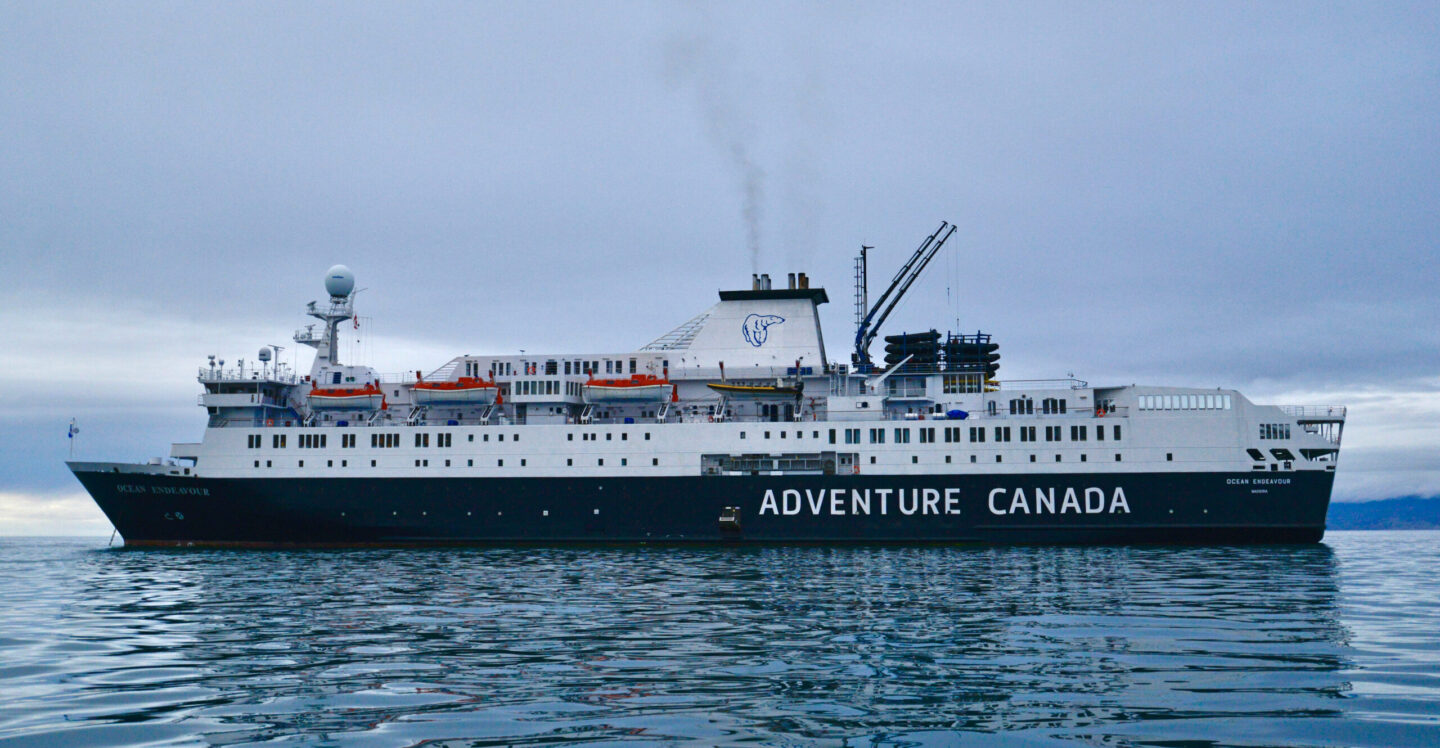
I was standing at the bow of the Ocean Endeavour when I learned the news about my mother’s death. Between us lay an ocean, a country, and all the other distances that aren’t measured by a map. Part of me knew the precise moment she died, but it would be several days before she visited me in my sleep within a dream, put a hand on my forearm and let me know she was safe.
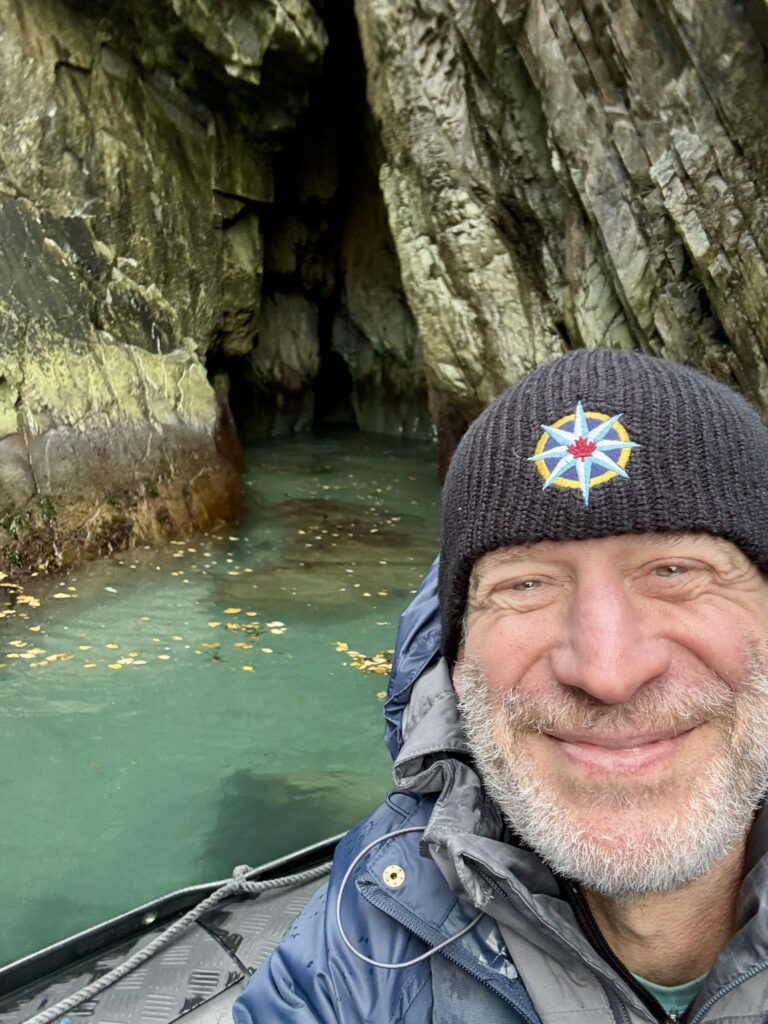
I woke in my cabin on the Ocean Endeavour at three a.m., realising it was no normal night’s slumber. But this interaction was more than a dream; it was something paranormal, a sense that those who’ve died linger in transitions. What I felt was a connection, similar to when my dad died — a brief reunion, a moment when loved ones return to offer comfort, passing a baton of solace.
Being at sea, off Canada’s east coast, added its own narrative layer. Beyond sight of land at the whim of the water, the weather echoed my emotions: restless wind, sudden storms, then brief spells of warm sun and blue sky. Seabirds, whales and the froth of our wake kept me company, along with the familiar ocean themes of solitude, quiet death and perpetual life. Yet in all that blue-gray, I found myself mostly content.
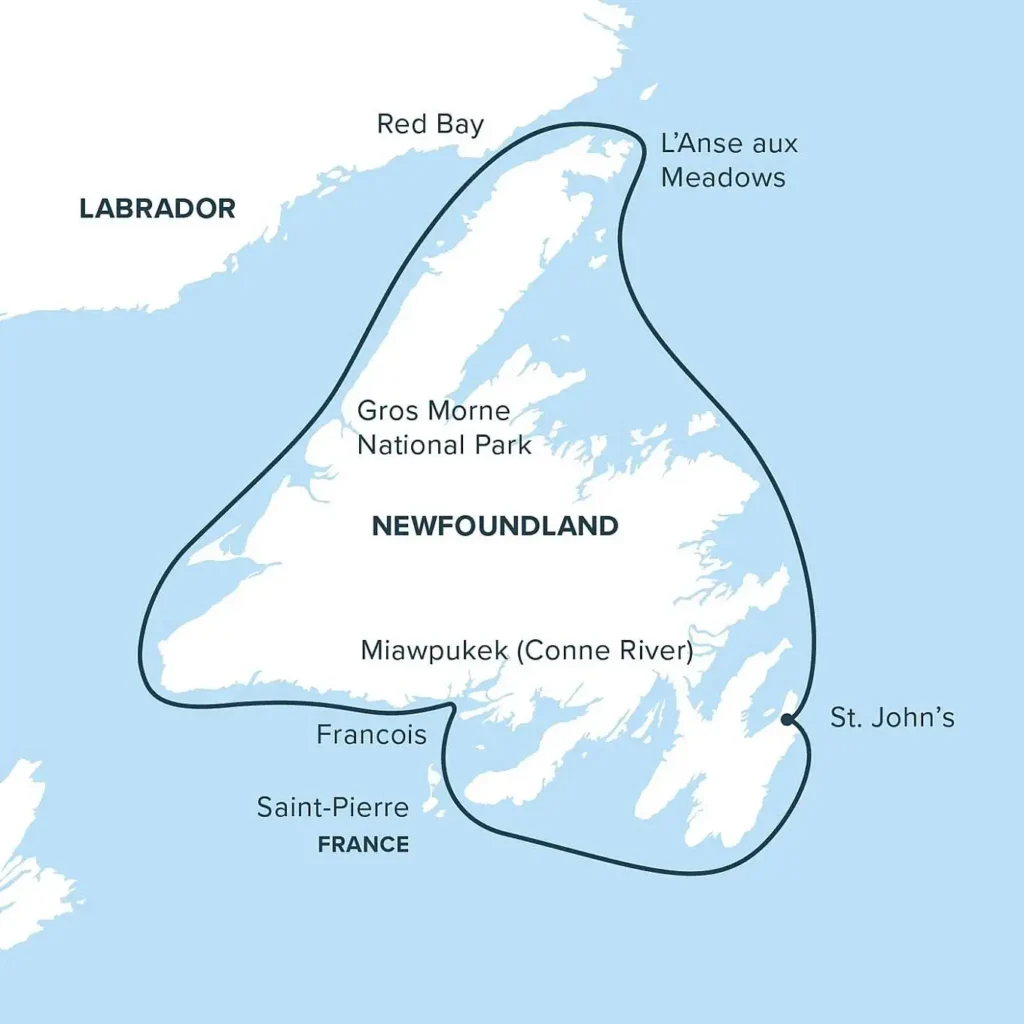
My role on this specific voyage is as an ambassador for the Royal Canadian Geographical Society, sailing in Newfoundland aboard Adventure Canada’s Ocean Endeavour. This excursion is a clockwise loop around Newfoundland, touching on the French outpost of St. Pierre and Miquelon, visiting northern Labrador, skirting L’Anse aux Meadows and returning down the east side of the province to conclude our journey in the port of St. John’s.
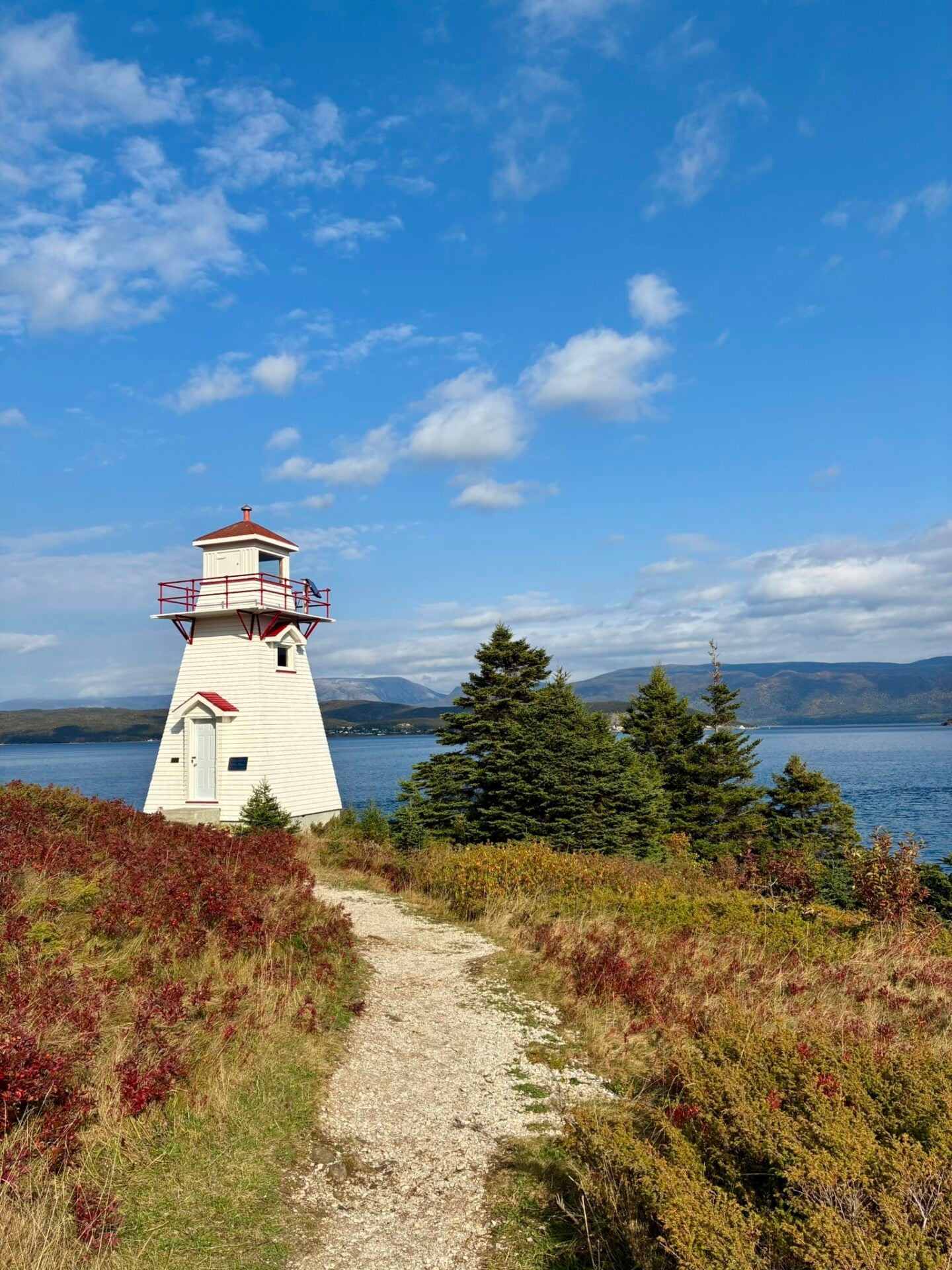
If I were to delineate the trek like a journal-style map, my expedition would unfold in four parts: St. John’s to Quidi Vidi and the Avalon Peninsula, which I explored before boarding the ship, then on the water to St. Pierre and Miquelon, followed by the south side of “the Rock” to the UNESCO-protected landscapes of Gros Morne, concluding with the top of the province (from Labrador to Trinity) before reaching St. John’s once again.
It was icy and dark as I exited St. John’s airport into a Newfoundland autumn. A damp cold bit at my hands, prompting me to pull a toque and gloves from my pack before finding my small SUV in the rental car lot.
I had a few days until I needed to be on the Ocean Endeavour, giving me time to connect with the land before seeing it from the sea. So I turned the car south toward the Avalon Peninsula, starting with the small port of Quidi Vidi, effectively a suburb of St. John’s. Parking the vehicle, I traipsed a multi-use trail along Quidi Vidi Lake and then into the village and harbour. Following a pier, I came to a slightly skewed building where a chimney puffed fragrant wood smoke and a sign welcomed everyone.
Inside, I meet Randy and Mike, Quidi Vidi locals drinking coffee by a wood-burning stove. The two live nearby, cobbling together work as many locals do — fishing, tourism, and assorted odd jobs. They ask where I’m from, and I describe my sojourn, at the moment a somewhat directionless roam. They nod and smile.
“We call that a swarve,” explains Mike. “You’re swarving.”
Randy points me to a table of scattered photos and old albums. “Take a look through these. Great shots in there, all around here. Some go back over a hundred years.”
I sift through the sepia-toned vintage collection of Quidi Vidi history. Anywhere else, this would be a museum exhibit, but here it’s just new friends sharing their story.
Eventually, I drag myself from the warmth of the stove. Outside, the day is a surreal display of low cumulus layered on blue, the harbour dotted with tiny splashes of herring or smelt in a rise.
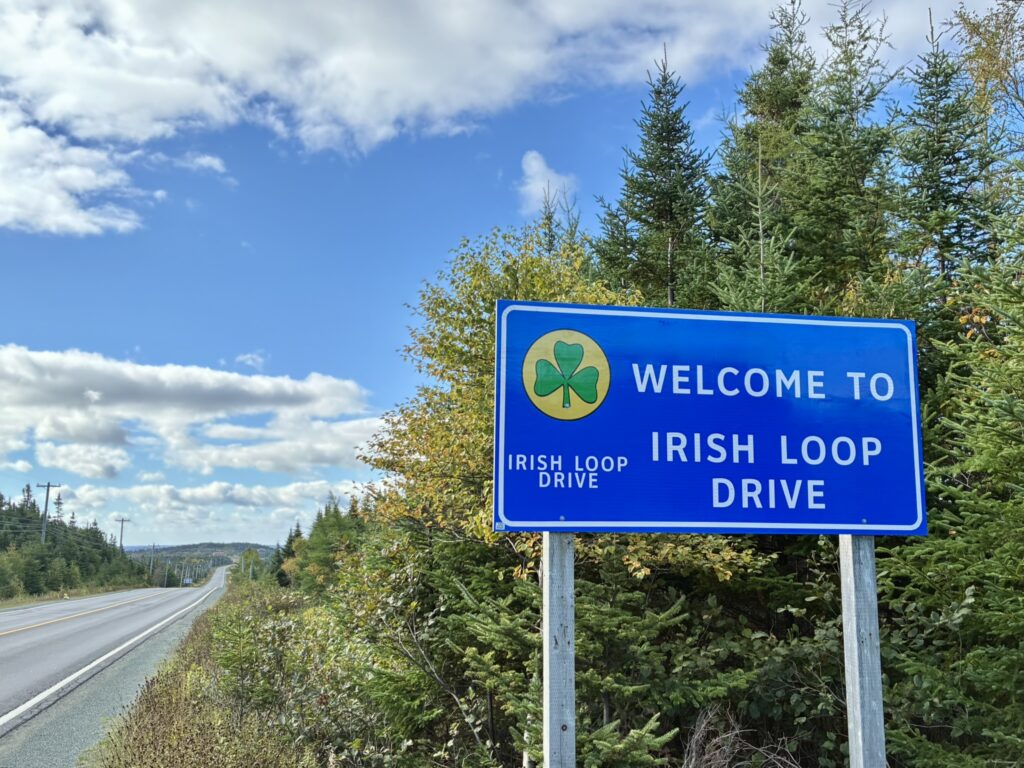
I return to the car and follow the Irish Loop Drive, stopping at Witless Bay, famous for migrating puffins and whales. Then to Ferryland, considered the Irish heart of the region. Nearby, the 1621 Colony of Avalon is a reminder of how long people have looked to this coastline for shelter and promise.
Farther south, at the UNESCO World Heritage Site of Mistaken Point, I fuel up on chowder, heavy with scallops and cream. Beneath me lie the planet’s oldest fossils, an outcrop of 565-million-year-old rock that preserves the remnants of the first complex life on Earth: marine animals known as Ediacaran biota.
At Mistaken Point, I fight violent gales atop cliffs where waves pummel granite. A rough gravel road carries me to Cape Race, Canada’s edge, its lighthouse still marking a primary North American landfall.
Back in Portugal Cove South, an archaeologist guides me through half a billion years of local history, reminding me that this coastline was once joined to Australia as part of the ancient continent of Avalonia. I ask if Newfoundland’s thrombolites match Australia’s stromatolites, “breathing” rocks that first oxygenated the Earth. The archaeologist grins. “Exactly,” she says. Proving I did learn something from that geology course that I failed.
That night, in Trepassey, where Amelia Earhart began her transatlantic flight, I prepared to complete the Irish Loop Drive. One more day at the wheel, a walk into Holyrood, a stroll on Conception Bay’s shoreline, more chowder, then I return to St. John’s. At the harbour, the Ocean Endeavour awaits, ready to circumnavigate Newfoundland.
We launch from St. John’s and begin the waterborne part of the journey. Adventure Canada is known for its small-ship expeditions and opportunities to create meaningful connections to people and place. I reflect on this part of Canada: icebergs and seastacks, rugged capes with fjords and sand beaches, seabirds, cetaceans, and what may be the friendliest people I’ve met — this is Newfoundland. These observations bring to mind a time when my mother visited, a bus trip with friends, one of her favourite excursions. That’s what came to mind when I learned of her death, which arrived in a text from my family. Simply hearing the ping of my phone had surprised me, as cell service had been spotty while I travelled. It felt like a bridging of space and time (both my mother and I having been here), another connection.
Beyond the nebulous links, this journey offers a rare way to experience the province: an opportunity to reach lesser-visited coves and outports accessible only by sea. As an RCGS Ambassador travelling with Adventure Canada, my voyage will include sailing around the island, hiking through ancient geology, learning the hidden stories of Basque whalers, Mi’kmaw culture, and unexpected moments of wonder along the way. But first, following a short overnight sail, a day trip in France.
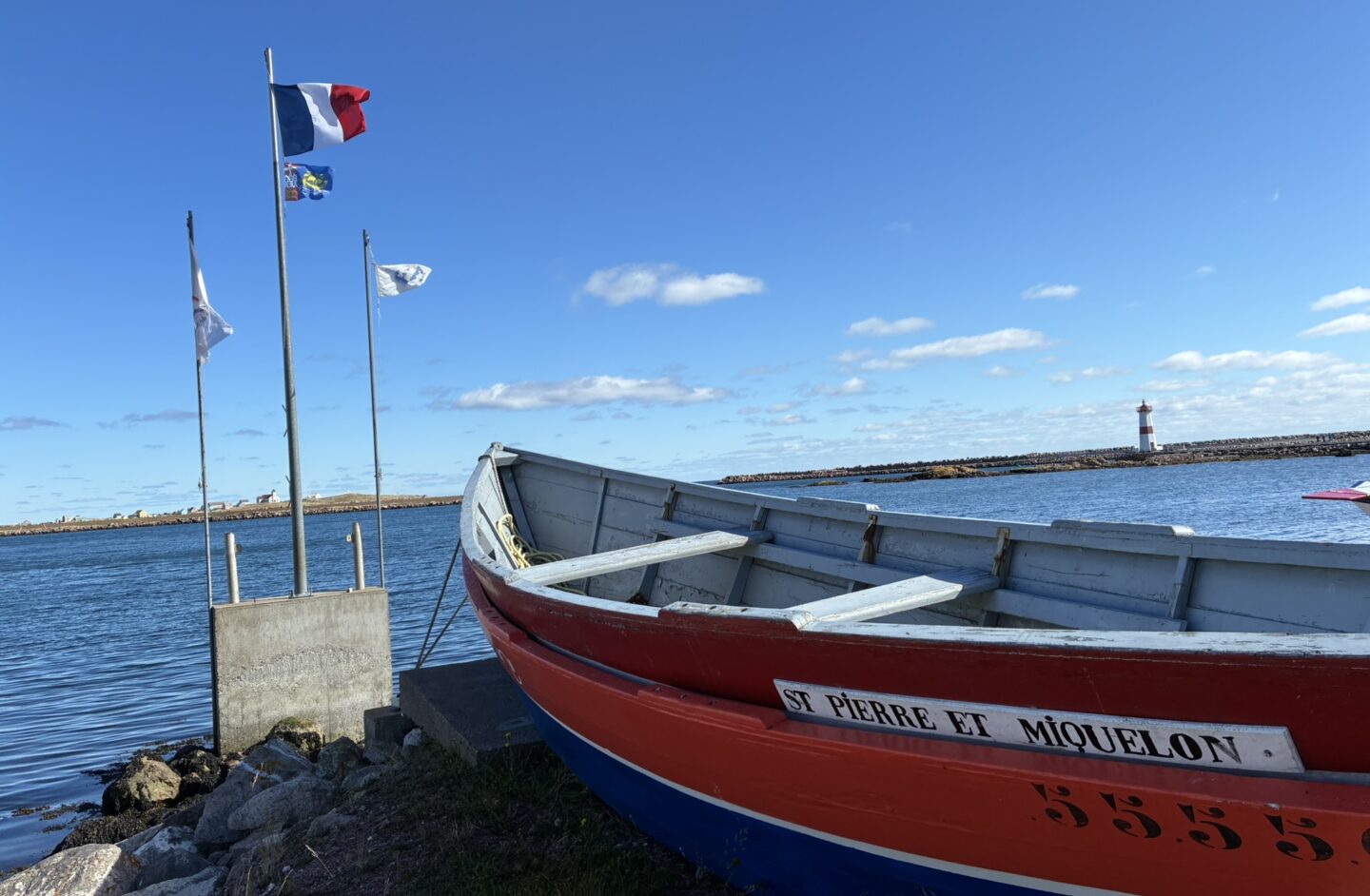
Directly off the south coast of Newfoundland lie the French Islands of Saint Pierre and Miquelon, a maritime outpost linked to the Britons, Normans, and Basques. All three cultures are represented on the flag, creating a true Atlantic mosaic.
We reach the shore by Zodiac and wander through narrow European streets. Far from traffic or tourists, I find a minuscule place serving drinks; in fact, it’s someone’s home, with a small sign hanging outside in X-heavy Basque. With my rudimentary French, I order a beer and ask for some food. S’il vous plaît, avez-vous quelque chose à manger? The proprietor vanishes, and I wonder if I’ve offended him. I have a dusty pack, my clothes worn and muddy, and it occurs to me I might look as though I live rough in the wild. It’s only then that I realize this isn’t really a restaurant. It’s barely a pub.
The proprietor bangs around in the back of the house, and I worry he’s waiting for me to move on. But several moments later, he returns with a platter of fried cod and a baguette, which he slaps on the bar with a thwap. He still hasn’t spoken. I eat everything. It’s exceptional. Then he disappears again and comes back with a wedge of creamy gateau, one of the finest pastries I’ve ever consumed. I stammer my thanks, pull some Euros from a pocket, but he waves my offer away. “Voyages en toute sécurité,” he says with a nod (safe travels), then gets back to his brandy and the Barcelona match on TV.
I leave marvelling at the kindness of strangers, the sorts of moments you “swarve” into memories you never forget.
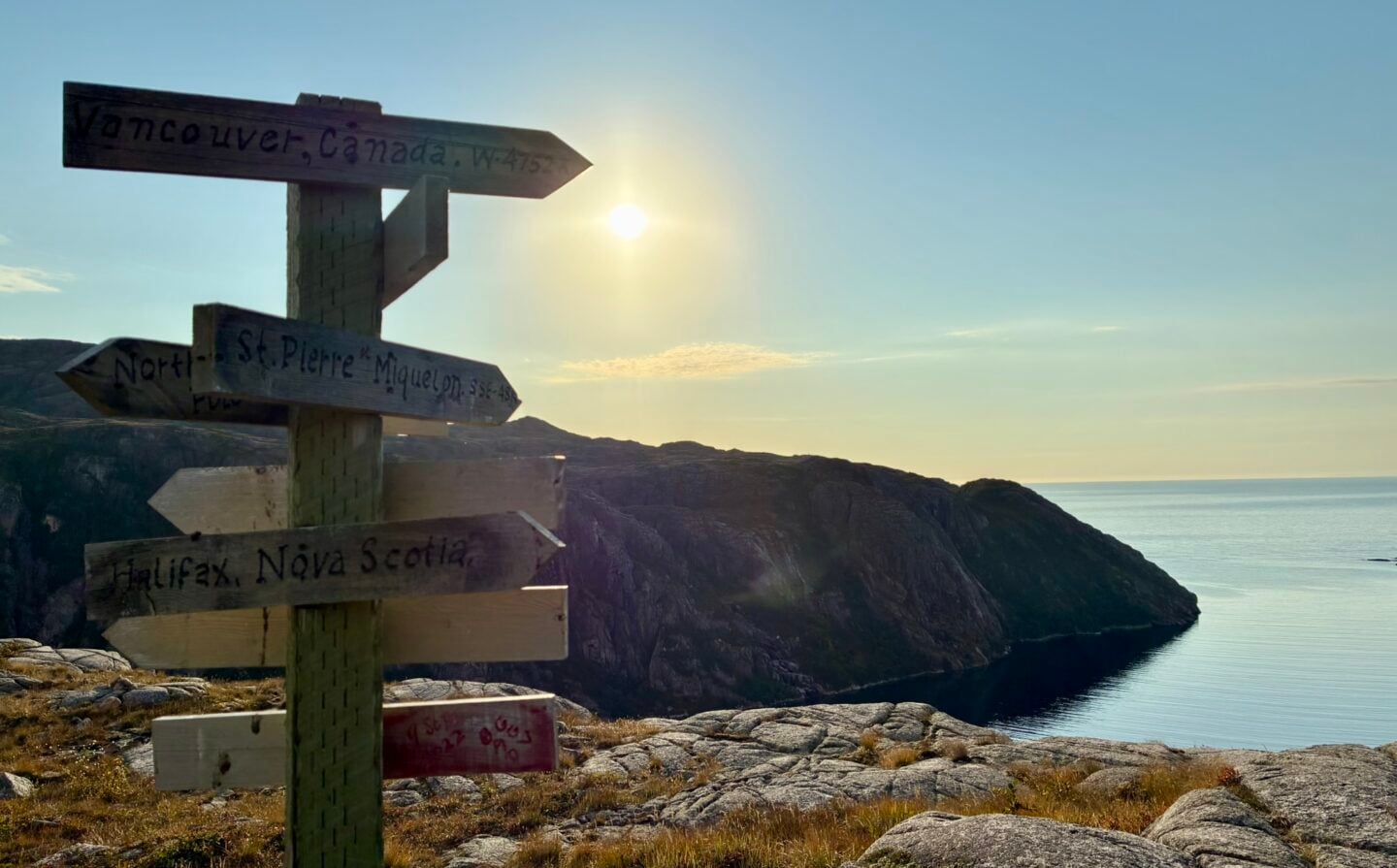
The next two weeks pass in a blur of briny air and shifting seascapes. Memories surface, triggered by current experiences. The meal at the Basque home on Saint Pierre — food providing a welcome — was the same way my mother lived her life, a love language of sorts. From my little perch at the bow of the ship, vistas of billion-year-old rock, with a transient sea, help soothe moments of grief as I heal from the loss of my family. Some days are calm, with gentle one-metre waves; others pitch to 40-knot winds on three-metre swells. At several stops, the captain avoids anchoring, enabling a rapid departure if needed to stay ahead of the weather. Instead, we idle under power in the shelter of fjords, Zodiacs shuttling us ashore with the caveat we remain alert for three short blasts of the ship’s horn — our signal to leave, and leave now!
On Newfoundland’s southern shore, at Conne River, we join a powwow in the Mi’kmaq First Nations village of Miawpukek, followed by moose stew. Bearing west, we disembark at Francois for independent hikes to a bluff, a trout-jumping lake, a high cave and a bridal-veil waterfall, all surrounded by autumn red-gold. With Adventure Canada, shore landings are a frequent highlight, an opportunity to further explore the terrain.
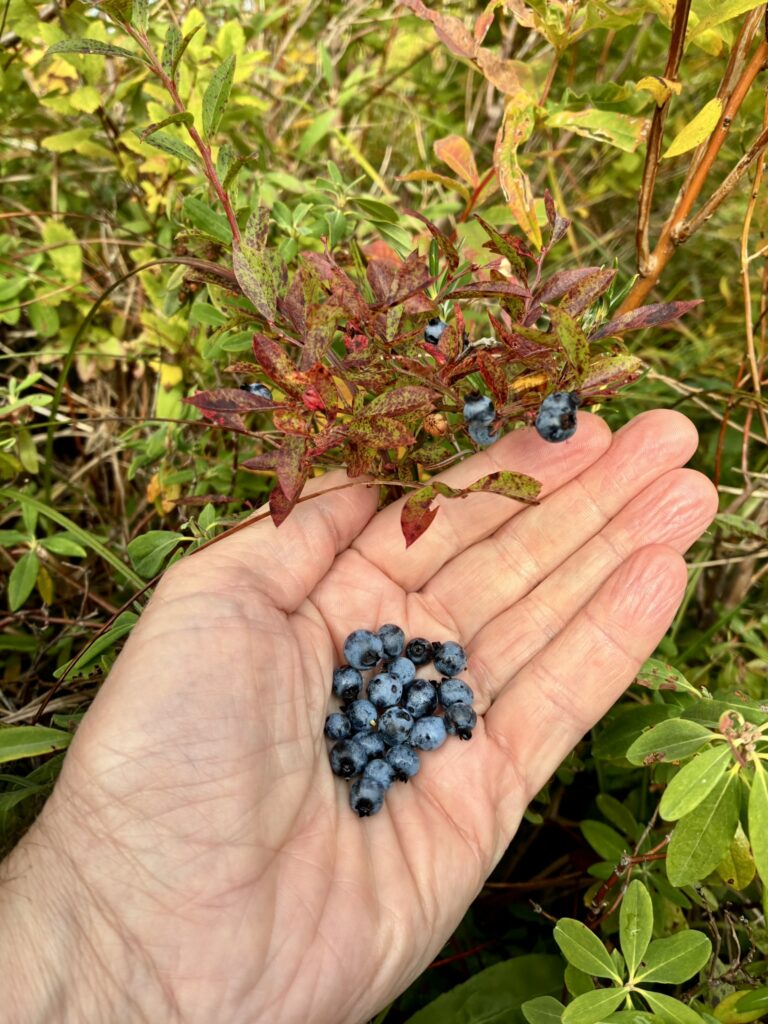
In Garia Bay, low hills are quilted in wild blueberries, and I graze my way along the trail. I remember stories of Mom doing the same, gathering berries when she was a child. She would fill a glass jar with the fruit, a small treasure she’d carry home to share at the family table.
The weather has turned in our favour. Calm seas carry us to Woody Point for two nights, a chance to explore Gros Morne National Park, the second UNESCO site on our journey.
Under a pewter-grey sky, I hike into the Tablelands, leaning into 100-km/h gusts. This is one of the few places on Earth where the mantle rises through the crust, a valley split between two layers of the planet, carved by ocean, glacier, river, and wind.
Then a light-switch new day: a warm, sunny trek on the Green Gardens Trail to a pebbly beach with a vista of seastacks. Afterward, a post-hike lobster roll, boots thrown aside, my feet dangling in the frigid Atlantic.
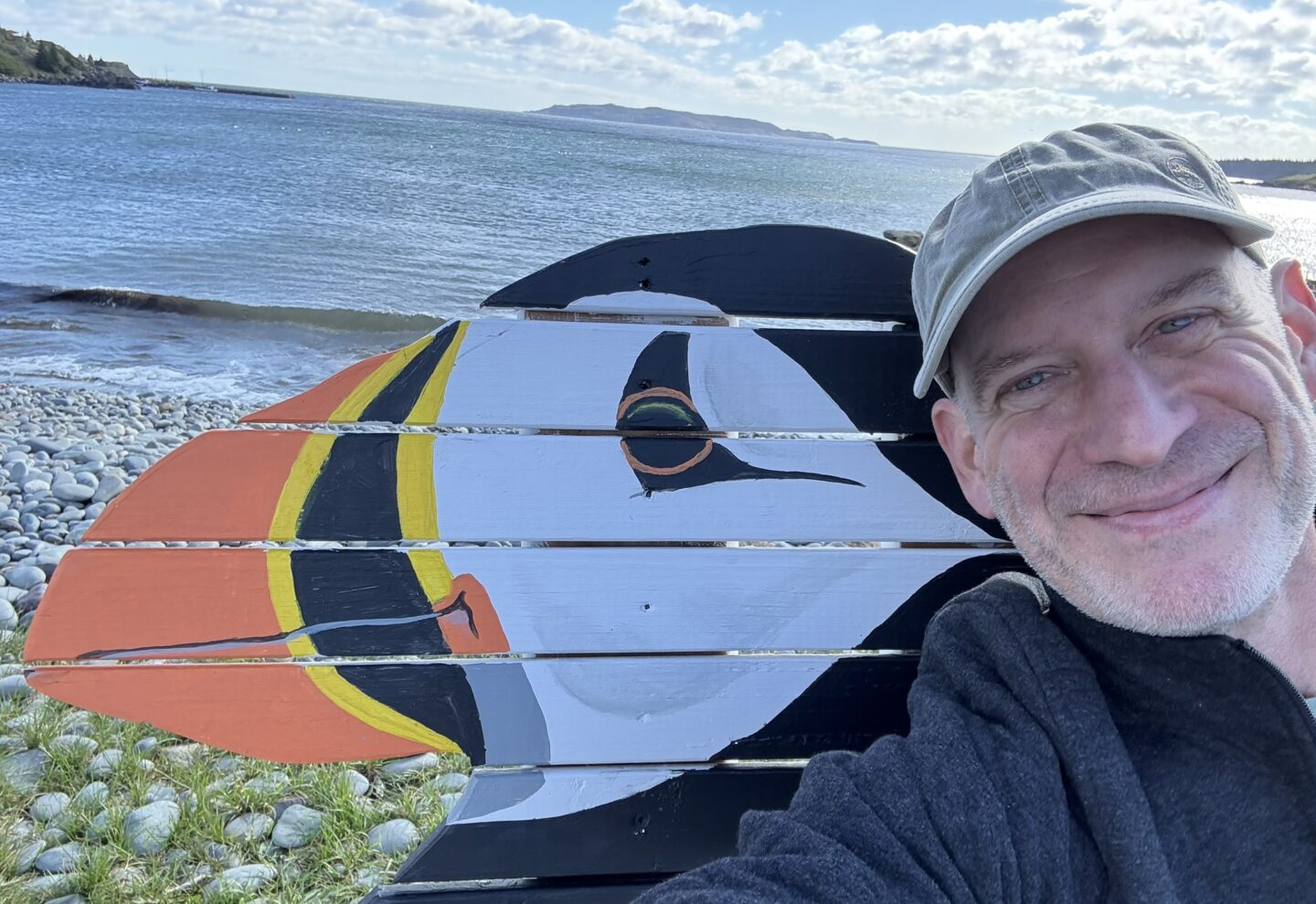
A storm ensues as we make our way up the Gulf of St. Lawrence to the Strait of Belle Isle, followed by a rollercoaster Zodiac landing at Red Bay, Labrador (UNESCO site number three on this journey). Here, you can experience 400 years of Basque whaling history through a 16th-century shipwreck and museum exhibit, which I complete with an exquisite meal of fish and chips served on an oilskin tablecloth.
We intended to round the top of the Great Northern Peninsula, anchor at Port Anthony, and explore L’Anse aux Meadows, but sea conditions had other plans. Winds surpass 40 knots, making any landing unsafe. Instead, we tack down the coast, south and east, doing our best to stay ahead of the storm. The fierce weather isn’t surprising. I recall a previous visit here when the entire harbour was frozen – sheets of sea-ice sealing the shore with angular bergs on the edges – and that was the middle of June. When I shared that story with my mother, I remember her looking at my photos and putting herself in my shoes. Then she smiled, shook her head, and shrugged, a wordless reminder that things are often beyond our control. All we can do is accept what ensues and, hopefully, find beauty where it isn’t expected.
A turbulent night of outrunning the storm now gives way to a morning of relative calm. As if on cue, there’s surprising beauty in the new day: glassy water and sun, as we shelter the ship at the abandoned hamlet of British Harbour— well, almost abandoned. A couple is holed up in a house, and their boat’s engine is in trouble. Eight Zodiacs from our ship go ashore — 100 passengers’ worth. Among our ensemble of passengers and crew, a few skilled individuals can jerry-rig the couple’s damaged boat motor to allow them to return to a proper marina for further repairs. No longer stranded, the grateful pair invite us all in for biscuits and tea. One hundred house guests! With laughter and thanks, 90 of us move on, while the remainder linger and visit.
I break from the crowd and scamper into hills dense with alder and birch, where I startle a lone moose from the undergrowth. All I hear is the snapping of branches and a long-legged gallop.
One final stop, in bright sun outside Trinity. Another Zodiac ride and a hike to Gun Hill, followed by a savoury breakfast of fish-and-brewis — a mixture of salt cod, hard tack, onion and scrunchion (fried pork crackling). The mixture blends seamlessly with the mouthfeel of warm chicken salad, served with a lingonberry relish locals call partridgeberry pickle.
This is essentially the end of our ocean trek, but I have one more night here at sea. I share the news of my loss, my Mom’s passing, with a new friend that I’ve made on the ship. He pours me a very large whisky and hugs me. I cling for a short while. We nod to each other, and I go out on deck. Everyone aboard is busy with inside activities — music, socializing and food — while I stand on my own at the bow of the ship to reflect on this journey. I think of my mother, ponder life, all in the midst of deep sensory engagement: ancient yet impermanent land, ephemeral cultures, the blur of seascape horizons.
I watch the sea roll away, feather folds of white foam. A gull calls as ducks script the sky in a cursive. There’s healing here, to be sure. And I find myself overwhelmed by the kindness and camaraderie I’ve experienced and been part of. All in the undulating roll of a ship on the sea. On a vessel aptly named Ocean Endeavour.
Environment
Another reckoning is coming with climate change. How do we deal with our mental health — and ultimately find hope?
Travel
Immerse yourself in Viking archaeology and Basque whaling history while taking in Newfoundland’s scenic coastline and incredible geology
People & Culture
How a journey through the Great Lakes helped reshape my relationship with water after the loss of my father
People & Culture
For centuries, Inuit hunters in Canada’s north have co-existed with Arctic wildlife. Sharing their generational knowledge with visitors to the region is one way they are helping protect it.