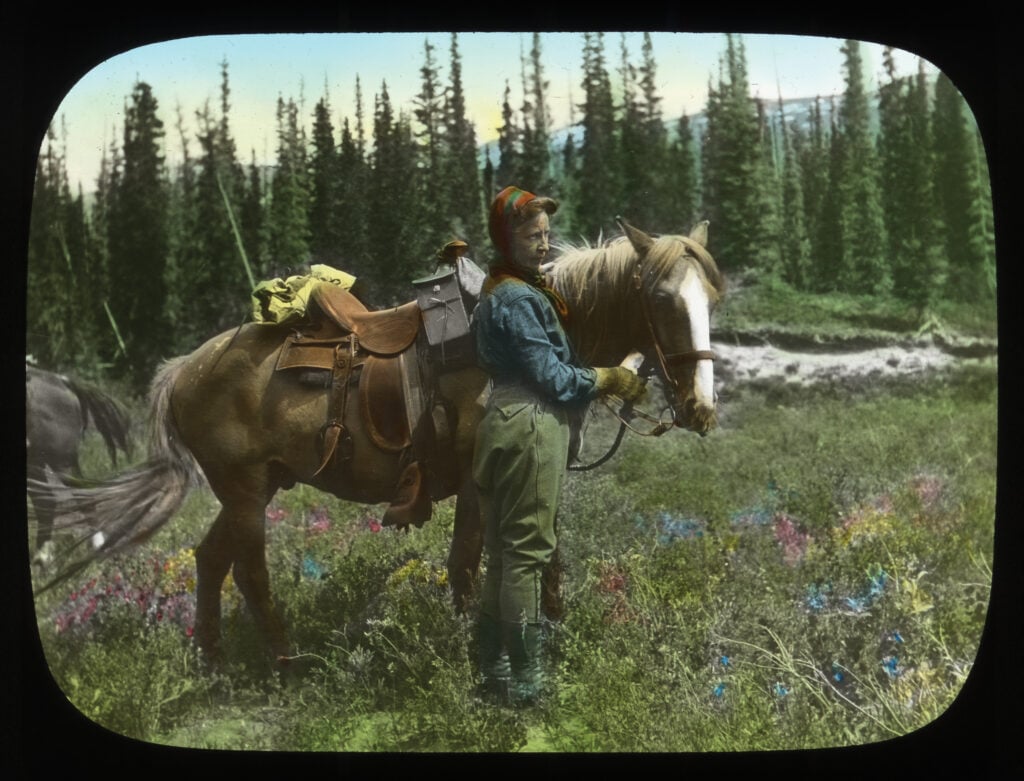
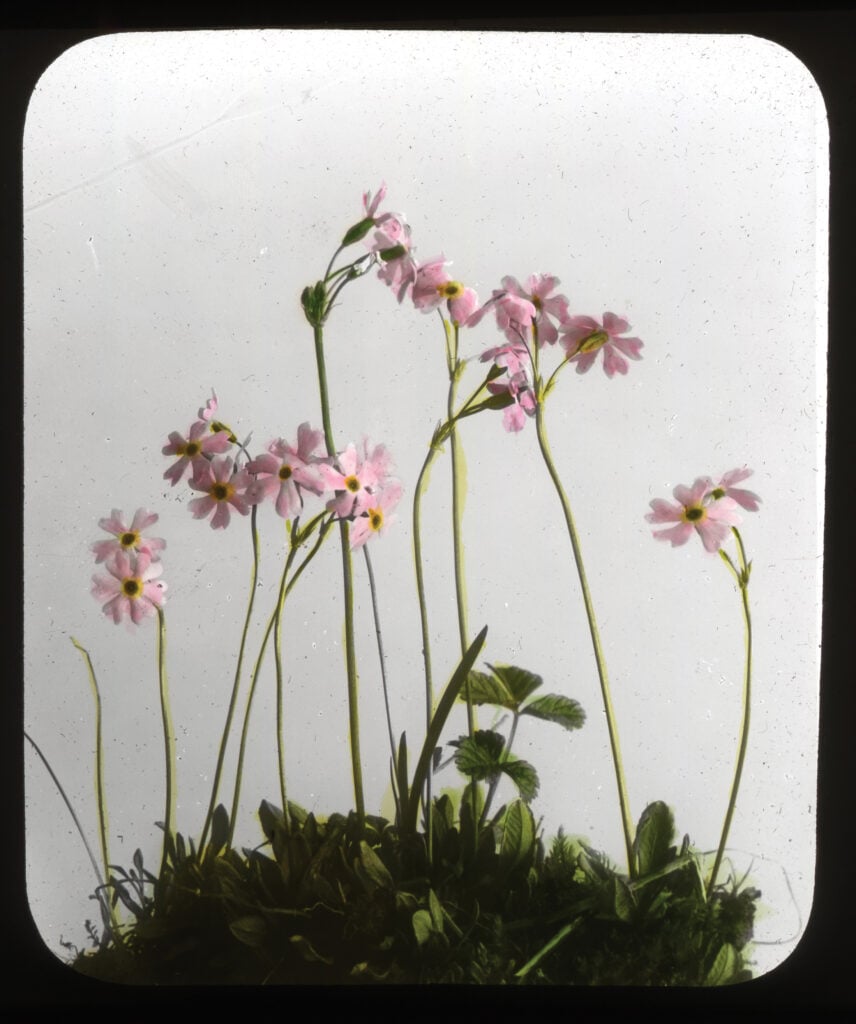
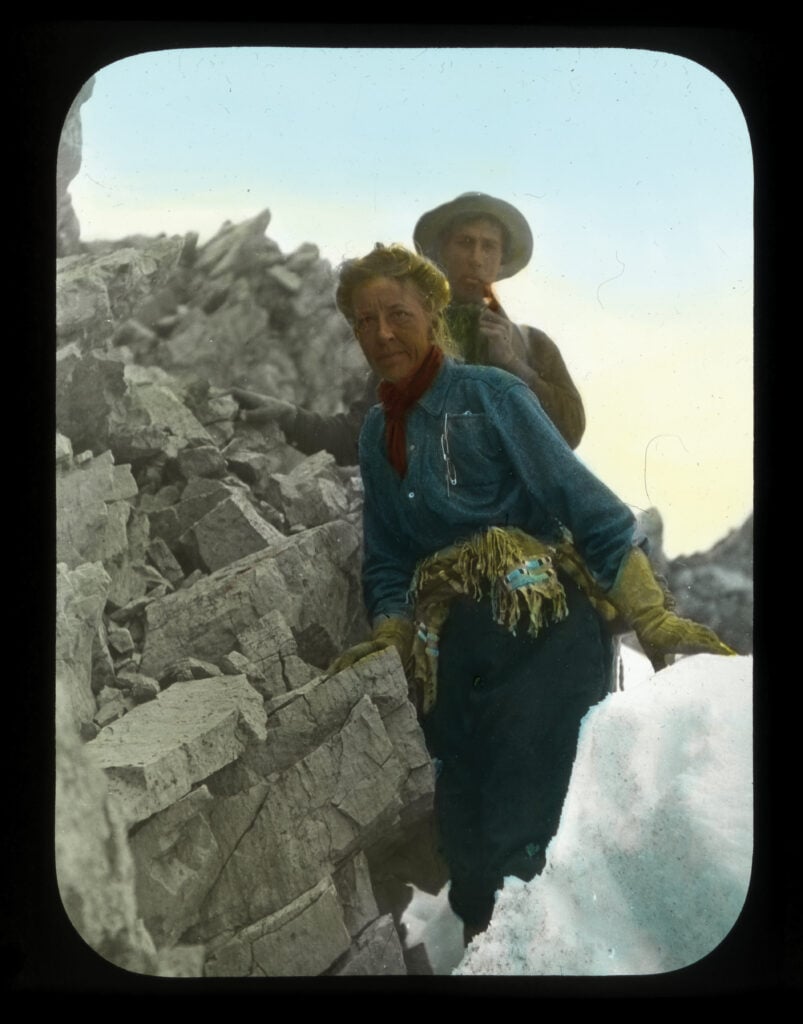
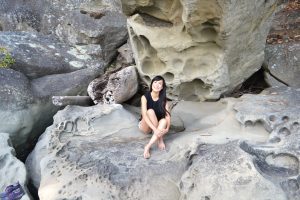
In addition to sharing Mary’s interest in botany and photography, Mollie was willing to go the distance, no matter the discomforts. Born in 1868 in Ridgefield, Connecticut, Mollie was a passionate geologist, experienced outdoorswoman and world traveller. She was unmarried, financially independent and had little interest in the activities and trappings of urban high society.
It’s difficult to understand the exact nature of the friendship between the two women. Old Indian Trails is a travel book meant for entertainment in which it’s possible Mary embellished and fictionalized some aspects, including the ease of her relationship with Mollie. Mollie’s expedition diaries and letters paint a different picture, suggesting that, like any friendship, the pair had their squabbles and personality clashes. Nonetheless, it’s clear they had a rare compatibility and could withstand weeks of rigorous travel together.
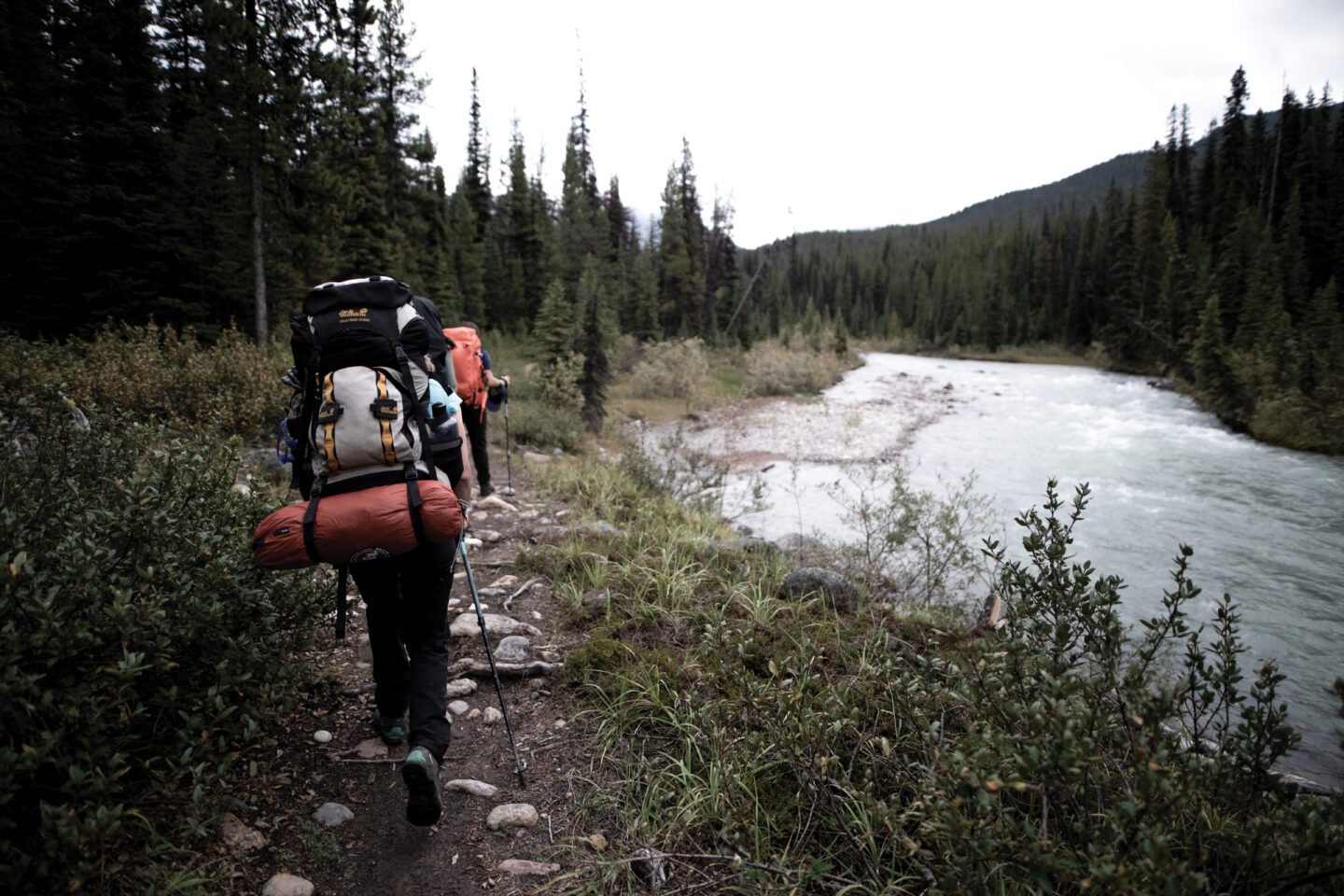
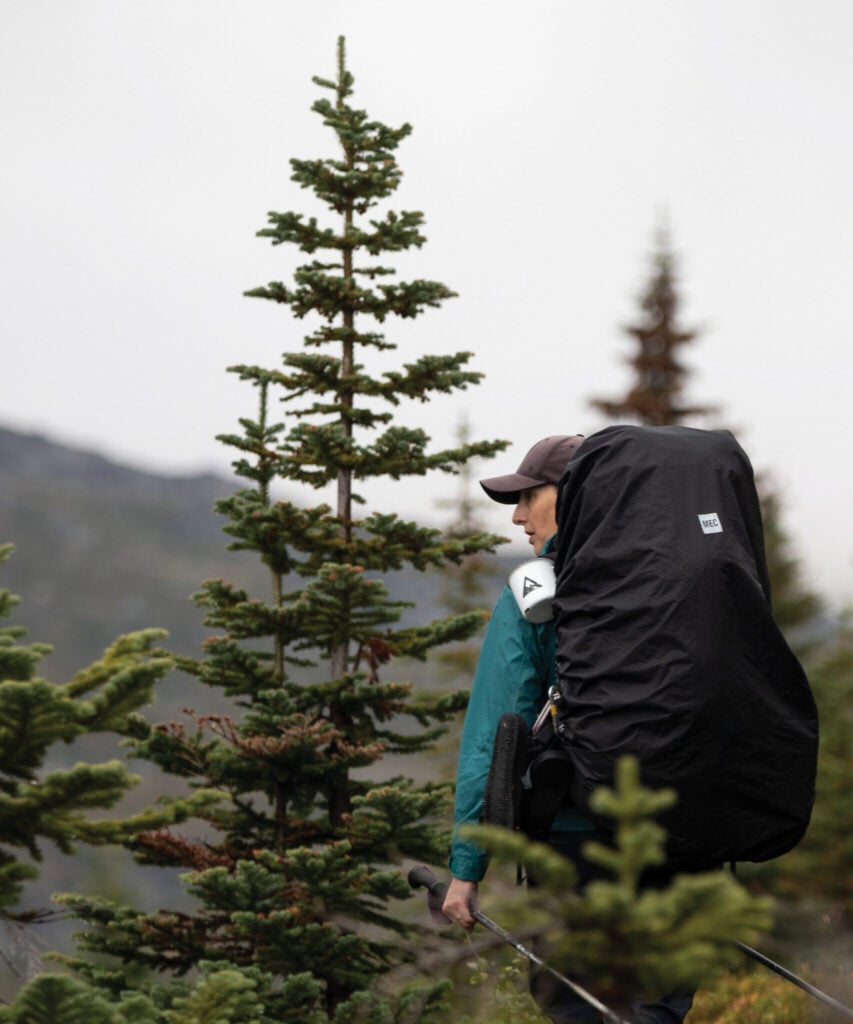
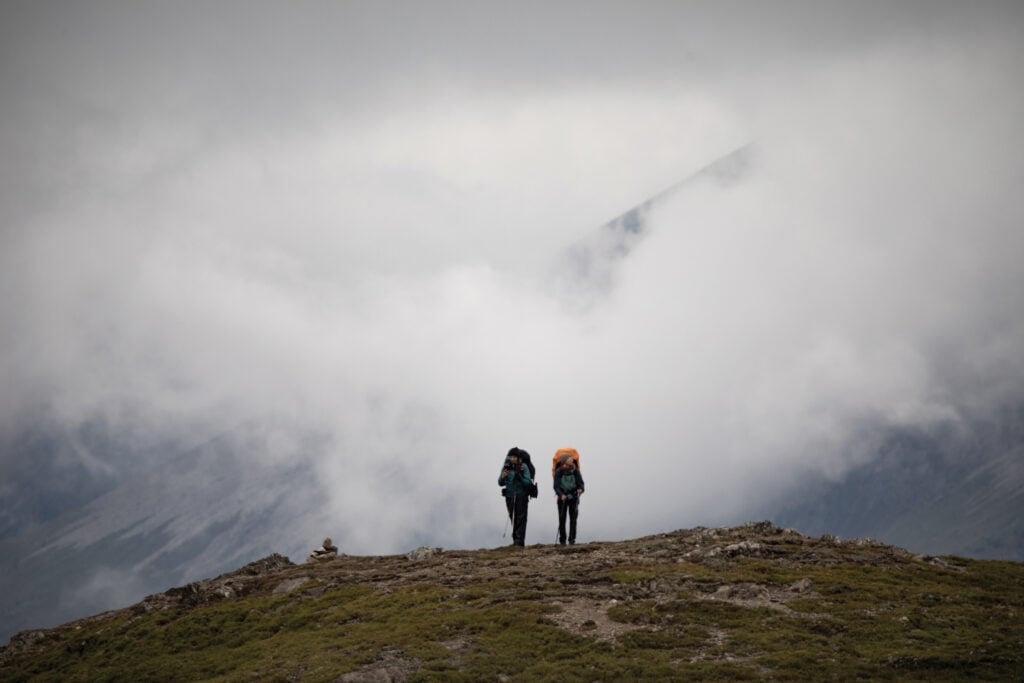
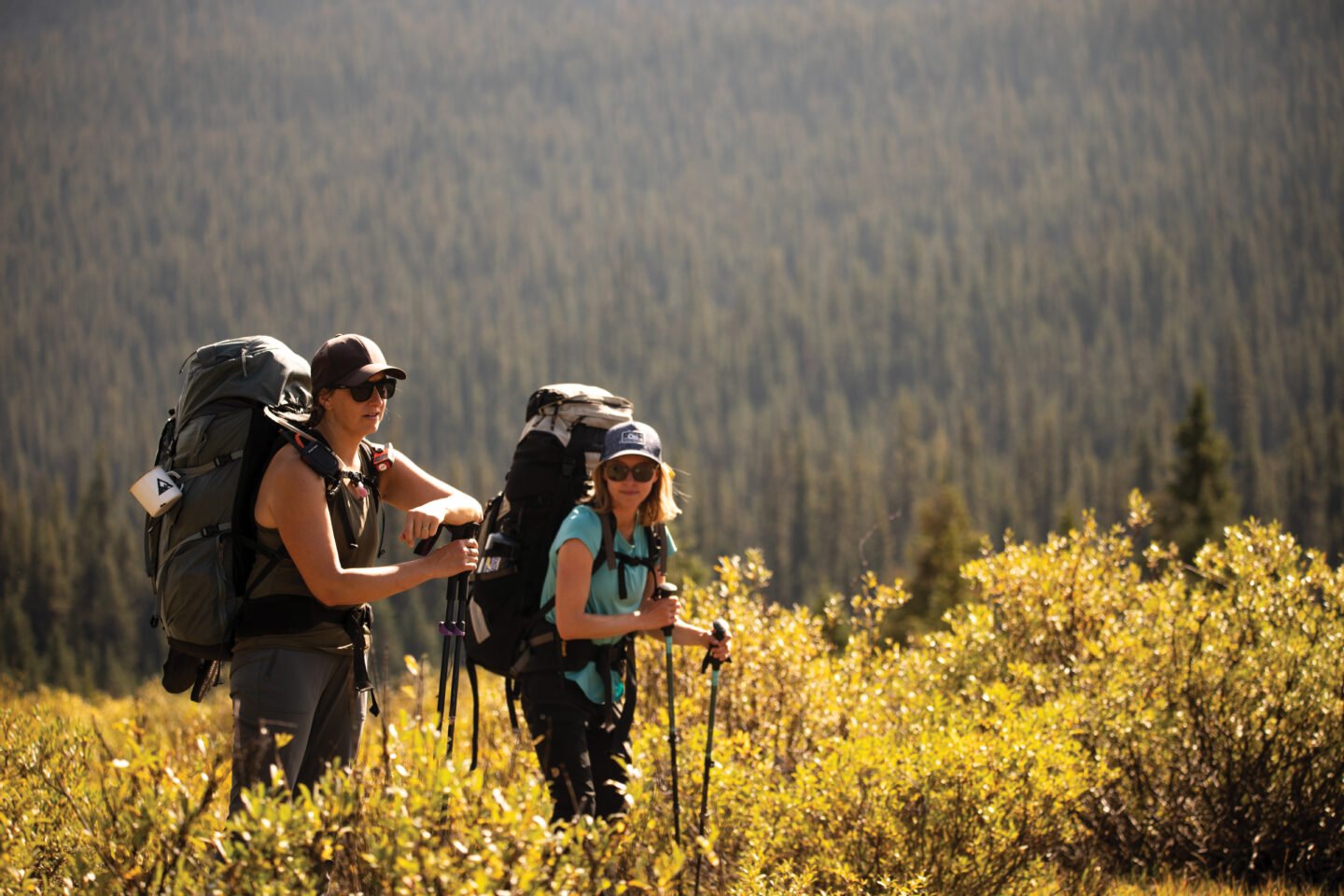
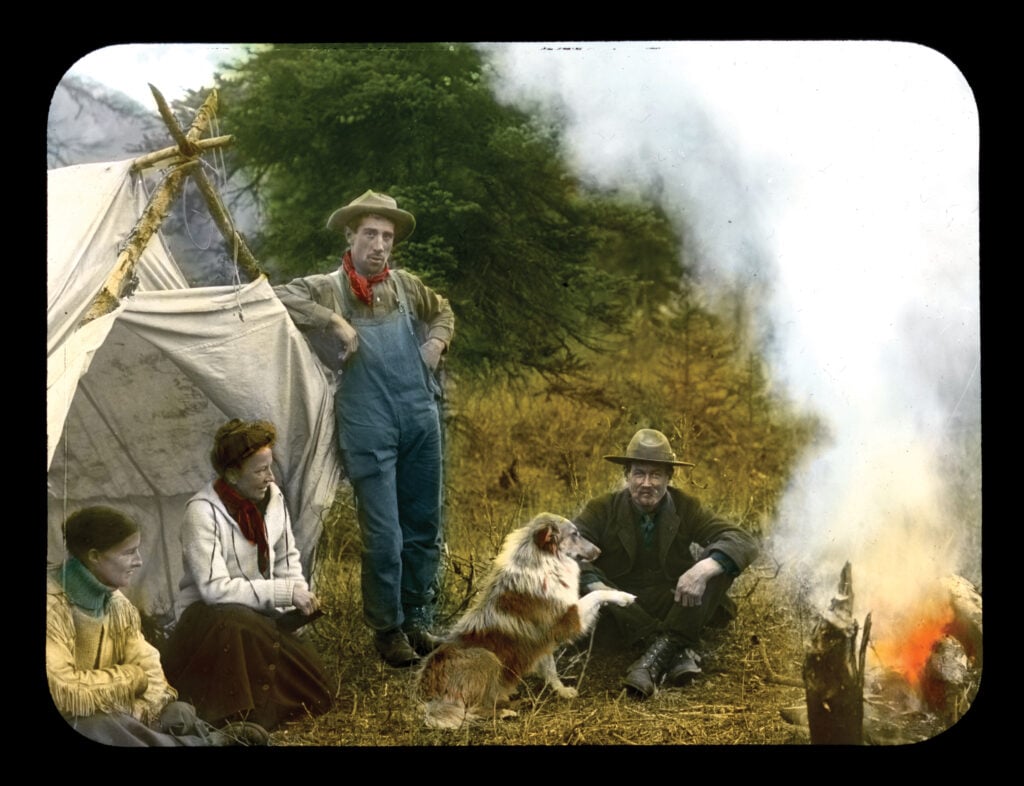
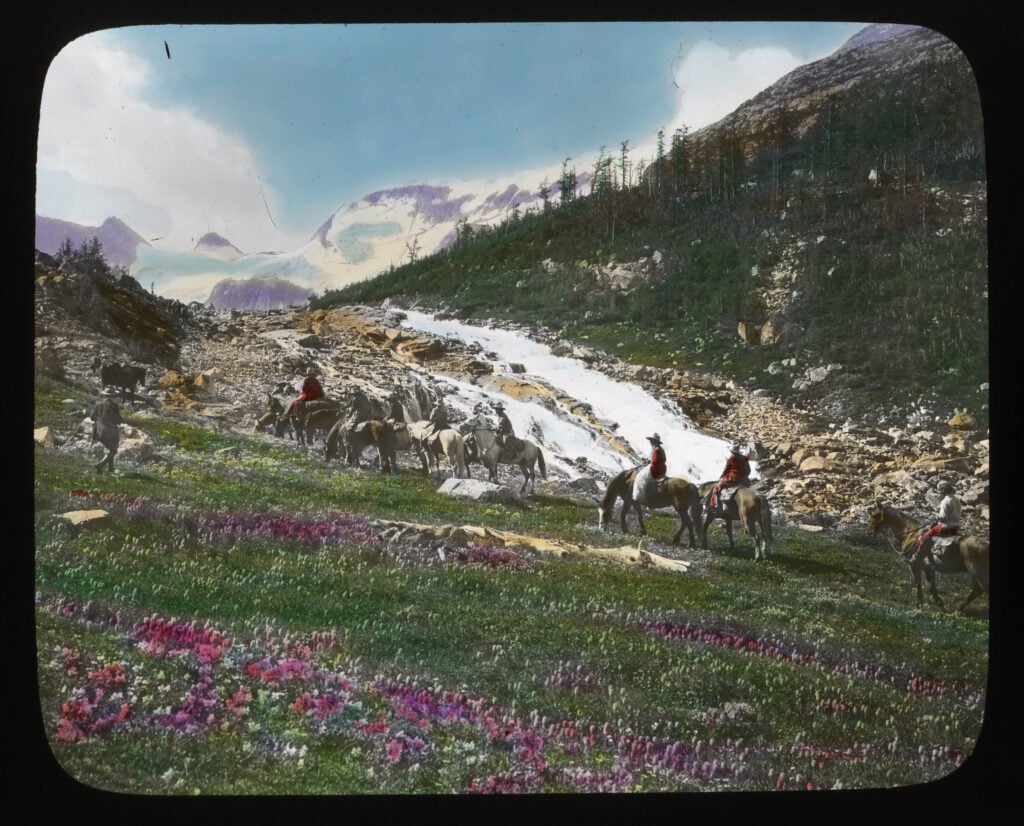
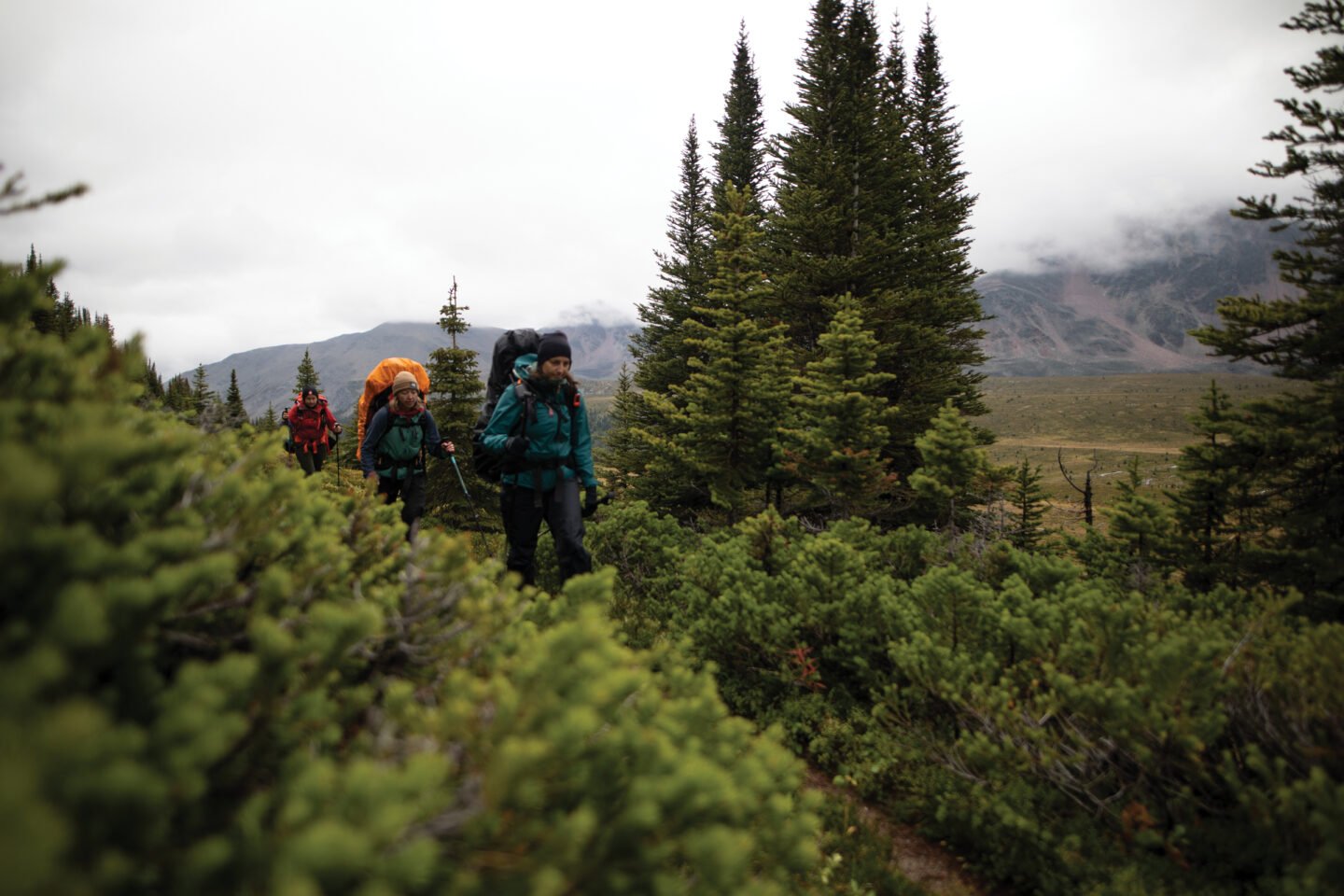
For the eight-week expedition of 1908, they had 22 horses hauling all manner of supplies, including a stove for baking bread, photographic plates, geological equipment and air mattresses. The luxury of four-legged porters wouldn’t ease every difficulty, however. In Old Indian Trails, Mary describes swarms of mosquitoes, treacherous river crossings, cold nights and long days on the trail — made longer when her chronic nerve pain flared up.
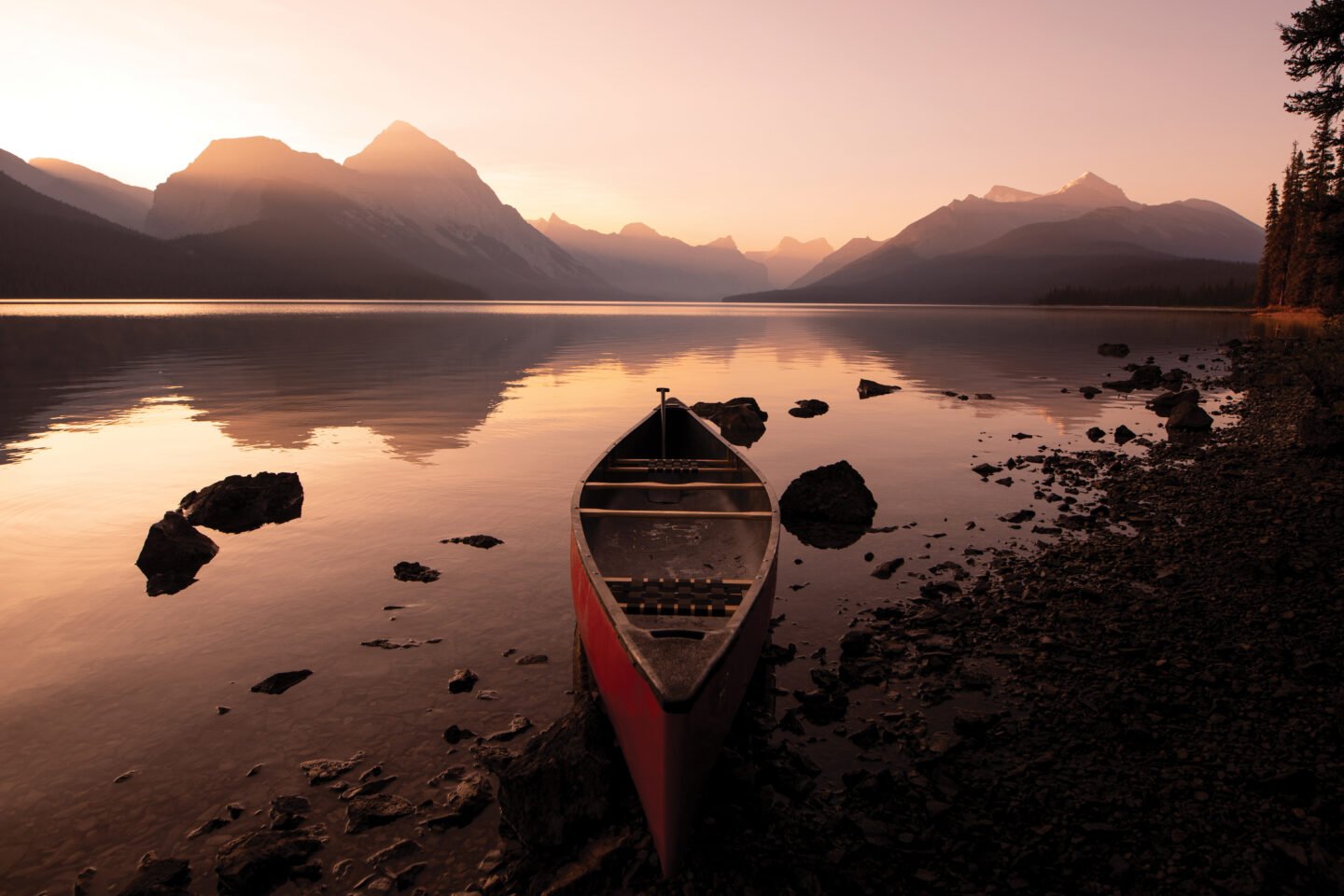
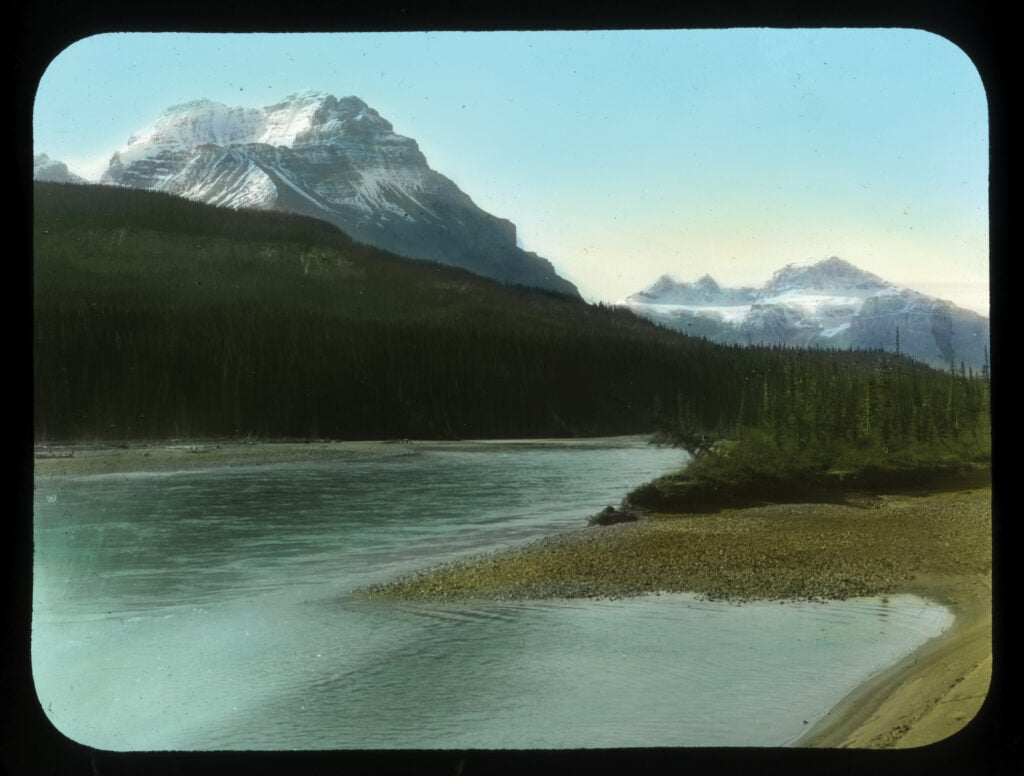
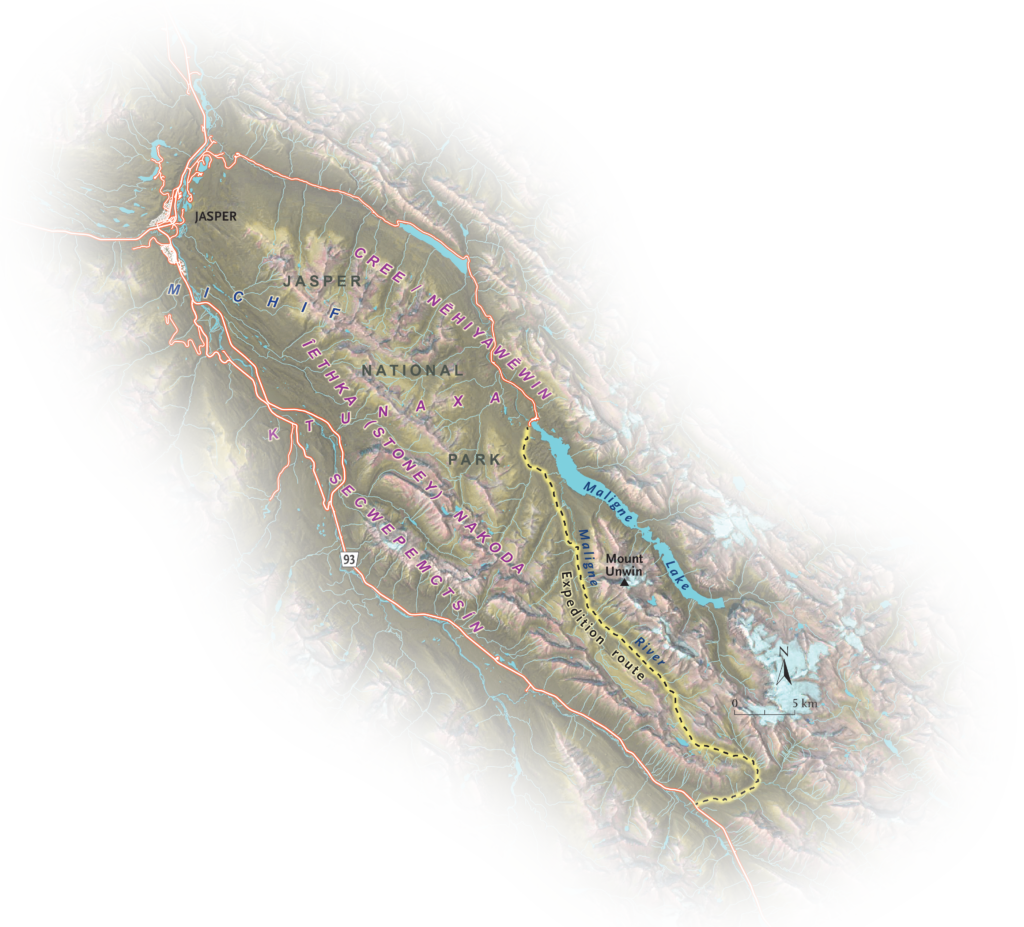
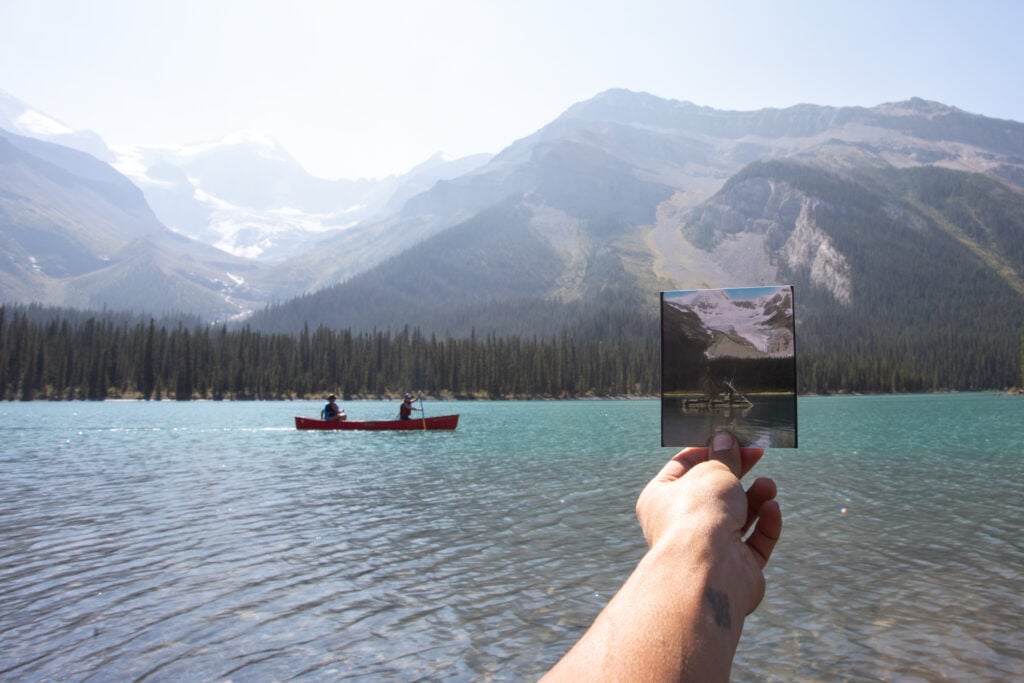
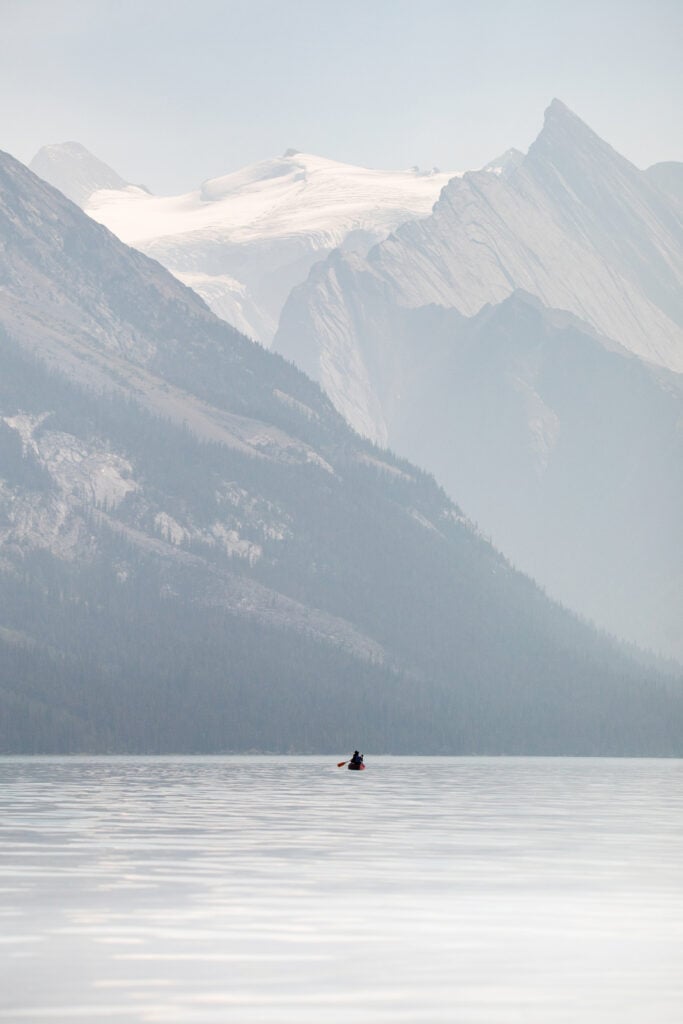
Mary and Mollie became the first recorded non-Indigenous women to visit Maligne Lake and many areas of present-day Banff and Jasper national parks. The 1908 expedition would be Mollie’s last great mountain adventure. On January 23, 1909, at 41, she died of pneumonia while travelling in Japan with Mary. She is buried in Kobe.
Mary’s 1911 book is thus dedicated to her friend: “Who with me followed the ‘Old Indian Trails,’ but who has now gone on the long trail alone.”