People & Culture
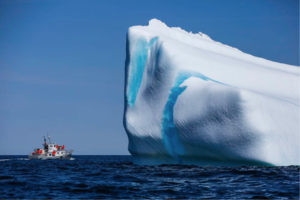
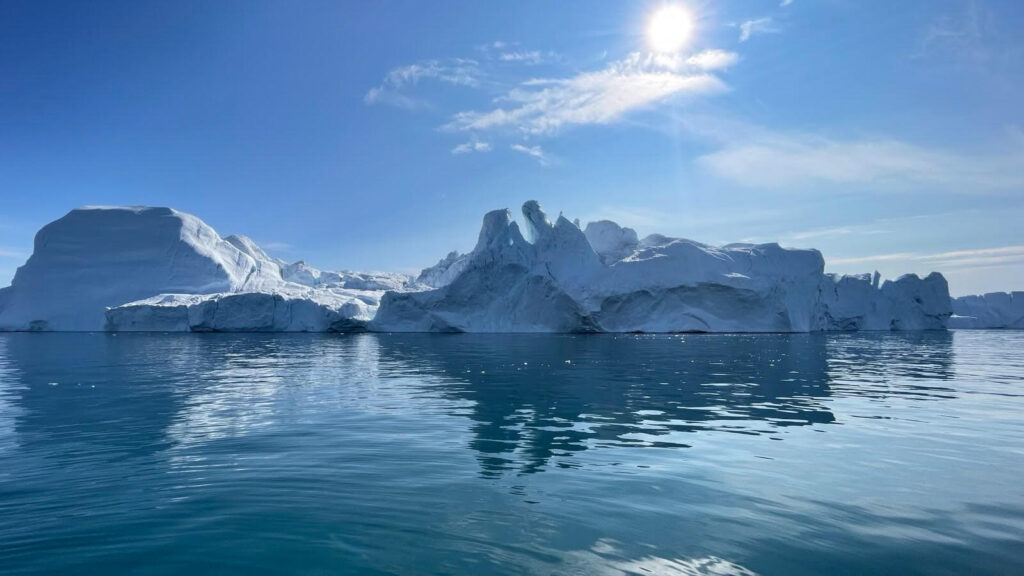
The cowboys of Iceberg Alley
Gawking tourists, idealistic humanitarians and the discerningly thirsty all want a piece, but the question remains: who owns the icebergs?
- 2825 words
- 12 minutes
Exploration
Ahead of her the new documentary The Berg, underwater explorer and RCGS Explorer-in-Residence Jill Heinerth reflects on diving beneath icebergs, working with James Cameron, and the science of exploration
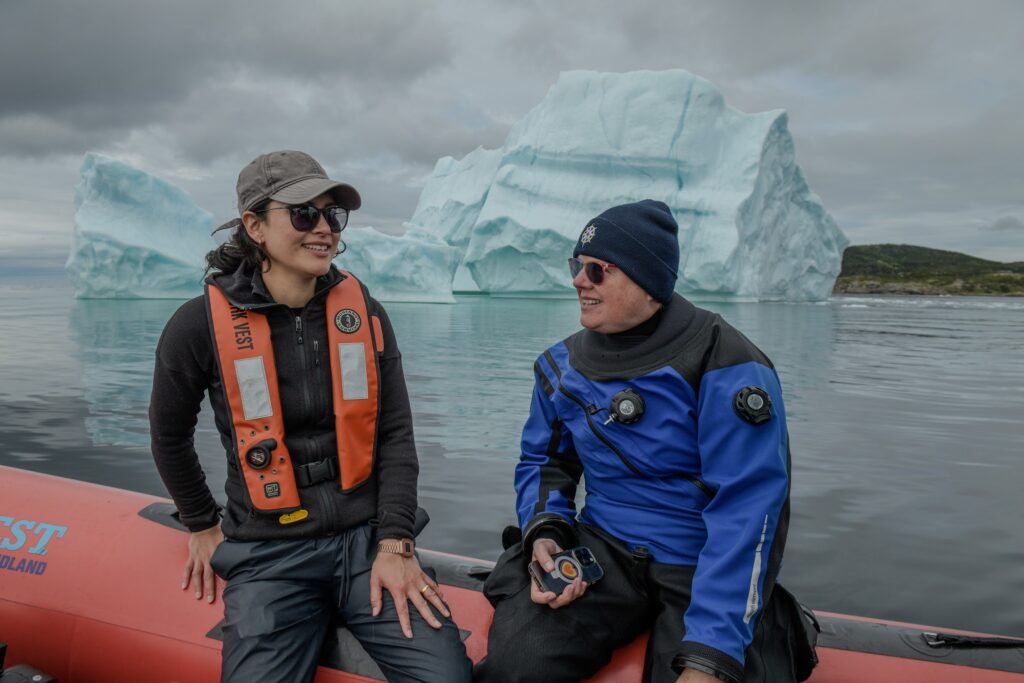
“You see these massive calving fronts breaking off icebergs… you hear it, you feel the vibrations… everything is just absolutely magical.”
In this episode of Explore, podcast host David McGuffin welcomes back legendary underwater explorer Jill Heinerth to talk about her powerful new documentary, The Berg, airing on CBC’s The Nature of Things and streaming on CBC Gem.
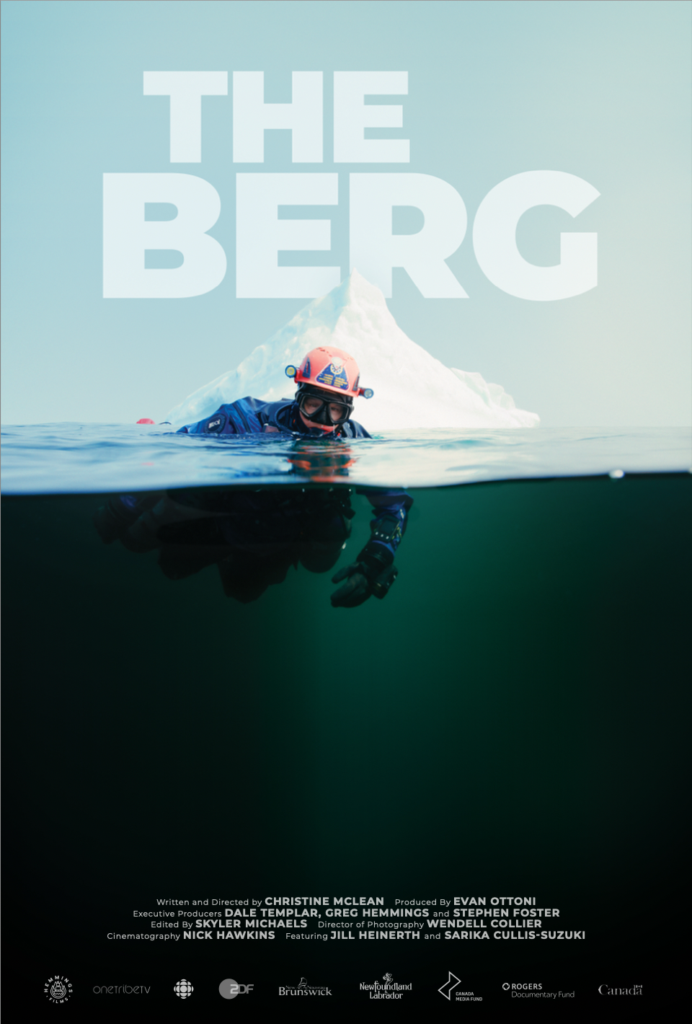
For years, Heinerth dreamed of following the full lifecycle of an iceberg — from the calving glaciers of Greenland and around the Davis Strait to Newfoundland’s Iceberg Alley. In The Berg, she traces that journey, revealing how ice seeds the ocean with nutrients, supports entire food chains and acts as a critical carbon sink for the planet.
But the making of this film carried a deeply personal dimension. Heinerth shot portions of The Berg just one week before undergoing cancer surgery. The documentary now bookends a transformative chapter in her life, framing both the vulnerability and resilience she experienced during treatment.
In our conversation, Heinerth shares how her “explorer mindset” helped her navigate cancer, just as she approaches diving beneath unstable ice: prepare, visualize, understand the risks, and lean on her team. As her great uncle once told her: “You alone can do it, but you cannot do it alone.” That philosophy of courage and community guided her through radiation therapy and recovery.
We also dive into what it’s like swimming beside and beneath an iceberg, the physics of mixing fresh and saltwater, the explosive (and dramatic) end of an iceberg’s life, microscopic extremophiles and what they might teach us about medicine, and the new, under-ice research happening across Canada’s waterways.
Heinerth also reflects on working with filmmaker James Cameron, whose relentless drive to explore the oceans has deeply inspired her. And when asked about her favourite exploration film, she points to the book Touching the Void, the harrowing true story of climber Joe Simpson. For Heinerth, it captures the raw psychology of survival: determination, dark humour, impossible odds, and the thin line between life and death that explorers understand all too well.
Can Geo Polar Plunge 2026
Be BOLD. Go COLD.
The RCGS and Canadian Geographic are thrilled to announce the 5th annual Polar Plunge peer-to-peer fundraising event, set to take place across the country on Sunday, March 8, 2026.
Each donation helps support education, storytelling, exploration, and understanding of Canada — benefiting students, educators, researchers, photographers, and explorers.
People & Culture
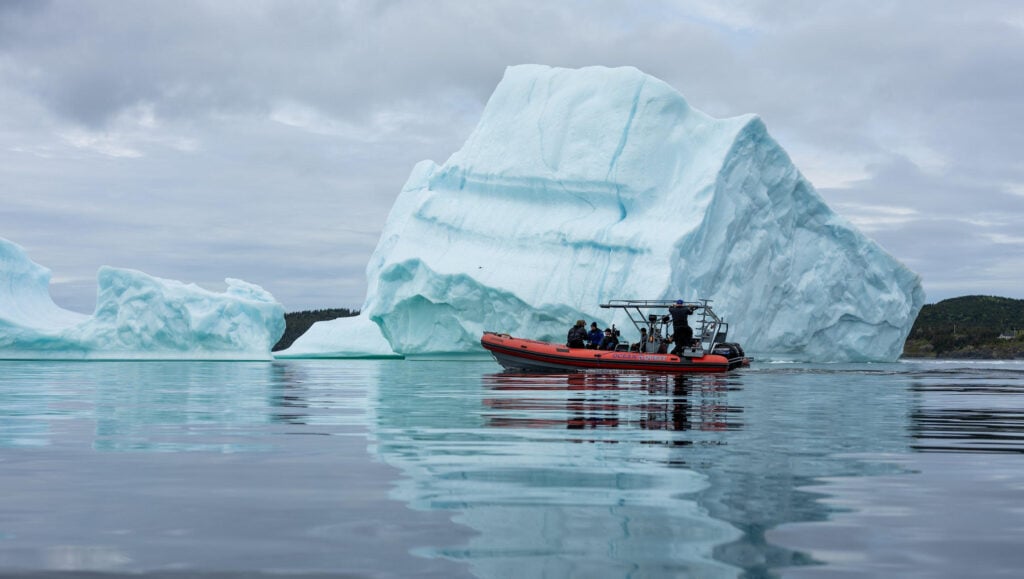
Gawking tourists, idealistic humanitarians and the discerningly thirsty all want a piece, but the question remains: who owns the icebergs?
Exploration
A breathtaking conversation with the world-renowned explorer, from the making of her award-winning documentary and diving in the Antarctic to facing life-threatening situations and the impact of climate change on diving

Exploration
RCGS Explorer-in-Residence Jill Heinerth discusses the discovery of a Second World War-era bomber 50 metres below the surface in Gander Lake, Newfoundland
People & Culture
The RCGS Explorer-in-Residence discusses the underwater world of cave diving, the risks involved, pushing boundaries and more