Science & Tech
New space mission to Venus could reveal signs of alien life
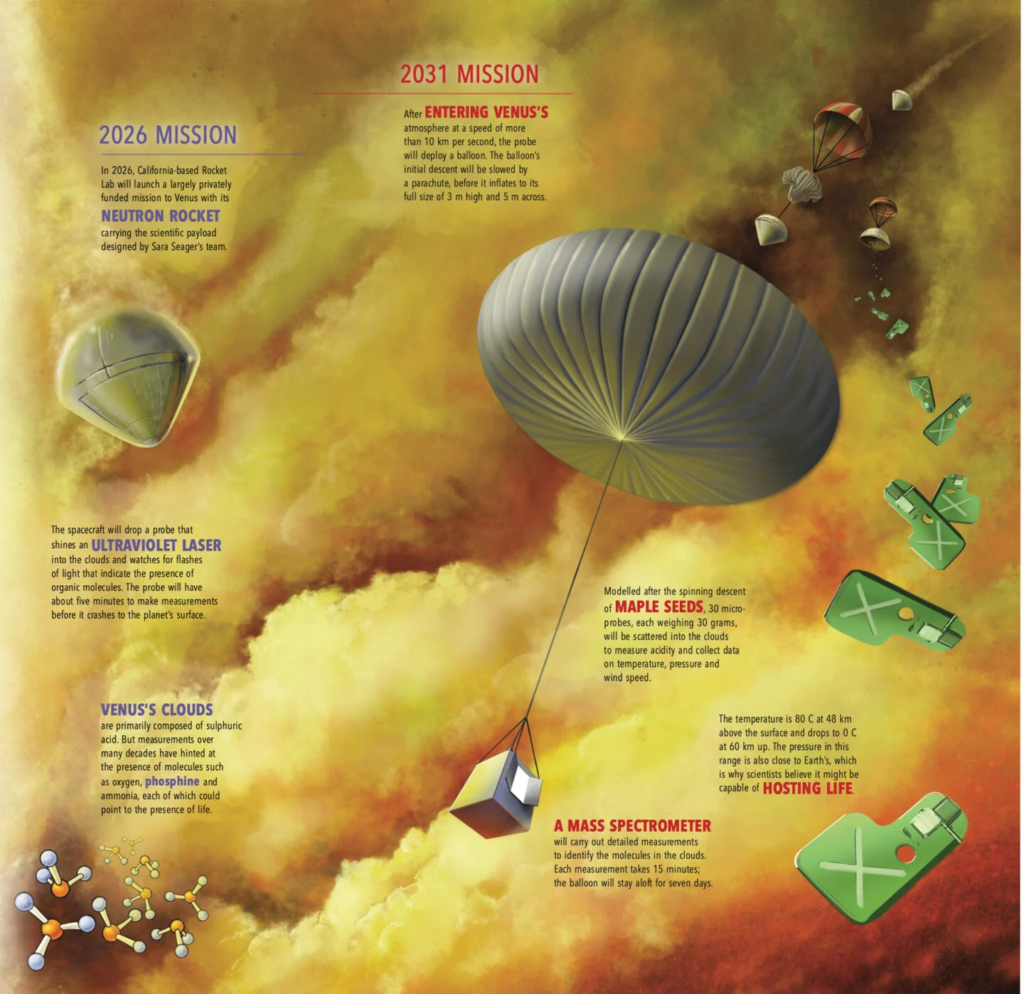
An ambitious, multi-stage mission seeks to find life in the acidic clouds of Venus
- 400 words
- 2 minutes
People & Culture
The Toronto-born astrophysicist and MIT planetary scientist shares her thoughts on deep space, leading robot missions to Venus and more
What if life isn’t just “out there”, but closer than we think?
For the first time in more than 50 years, humans have left Earth’s orbit, marking a significant point in history. And as NASA’s Artemis II mission makes its historic journey around the moon, we explore the thought-provoking question driving this return to space: are we alone?
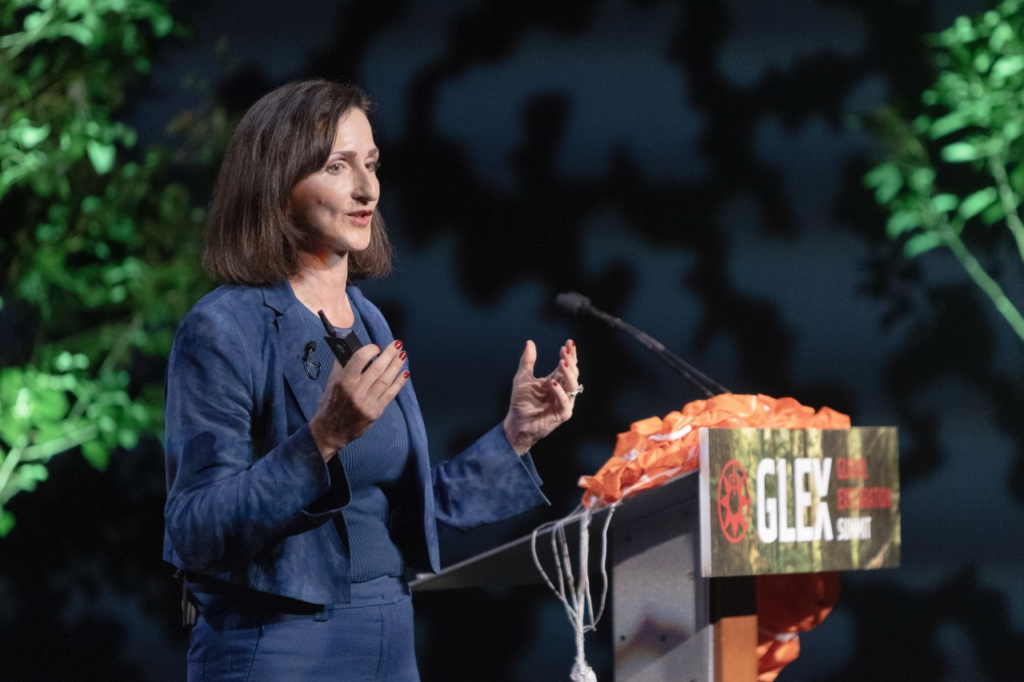
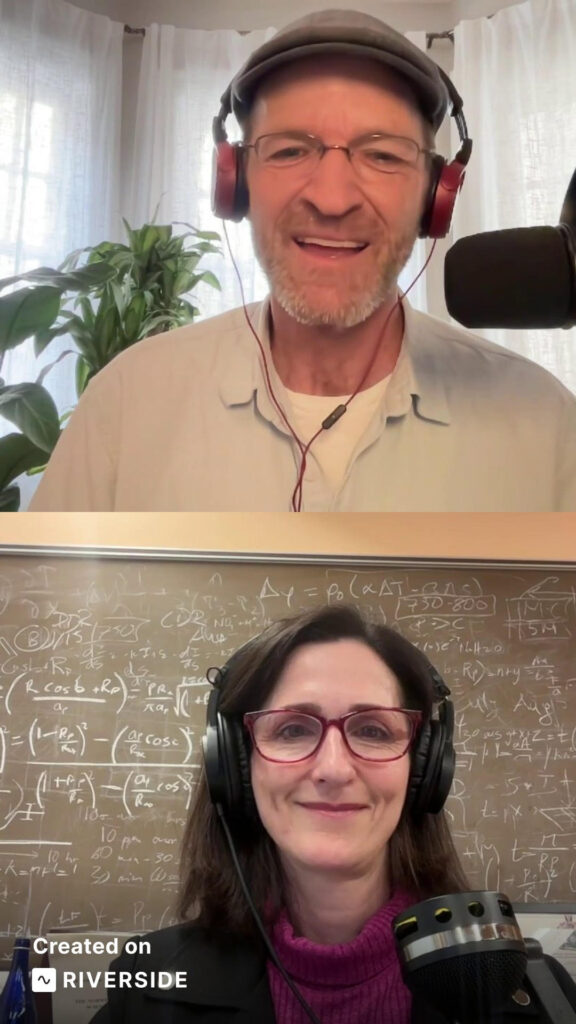
From pioneering techniques to study distant worlds to leading bold robot missions to Venus, Toronto-born Sara Seager is helping redefine how (and where) we look for life in the universe. Alongside podcast host David McGuffin, this episode featuring Seager is all about space: exoplanets, phosphine gas, future space missions and, of course, life beyond Earth.
As a global leader in exoplanet science, Seager shares the story behind the controversial detection of phosphine gas in Venus’s clouds, a potential biosignature (a substance or phenomenon that provides evidence of past or present life) that sparked global debate, and why our neighbouring planet may hold surprising clues to alien life.
A Canadian astronomer and professor at MIT, Seager is widely recognized for her work on exoplanets and planetary atmospheres. She is a recipient of a MacArthur Genius Grant, is a Companion of the Order of Canada and a Fellow of the Royal Canadian Geographical Society. Her research has helped transform exoplanets into one of the most dynamic fields in astronomy. More recently, she has led innovative efforts to explore Venus’s clouds for possible signs of microbial life. Her award-winning memoir, published in 2020, is called The Smallest Lights in the Universe.
Science & Tech
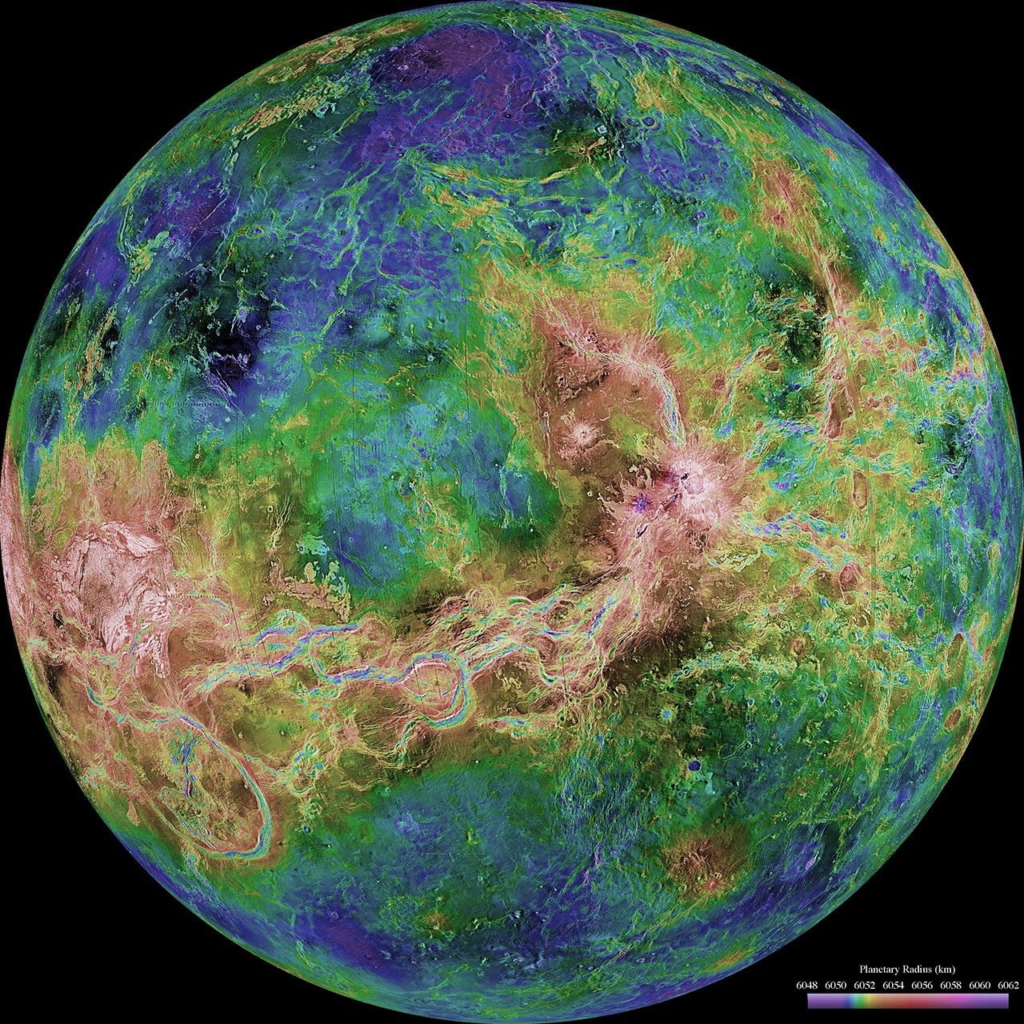
An ambitious, multi-stage mission seeks to find life in the acidic clouds of Venus
Science & Tech
The last megathrust earthquake to strike Canada was in 1700, and the clock is ticking. How we’re preparing for the impact.

People & Culture
The Royal Canadian Geographical Society’s 95th annual Geographica dinner celebrated the impact of geography and exploration and the achievements of the past year
People & Culture
Indigenous journalists are creating spaces to investigate the crimes committed at Indian residential schools, grappling with unresolved histories and a reckoning that still has a long way to go