Wildlife
What’s in a name? New documentary explores the history of bird names
Documentary film producer Aliza Sovani discusses her latest film Bird Names and the importance of changing bird names associated with harmful legacies
- 987 words
- 4 minutes
People & Culture
Ethnographers Phillip and April Vannini discuss their film Inhabited, an exploration of the perspectives of people who live in Canada’s UNESCO Natural World Heritage sites
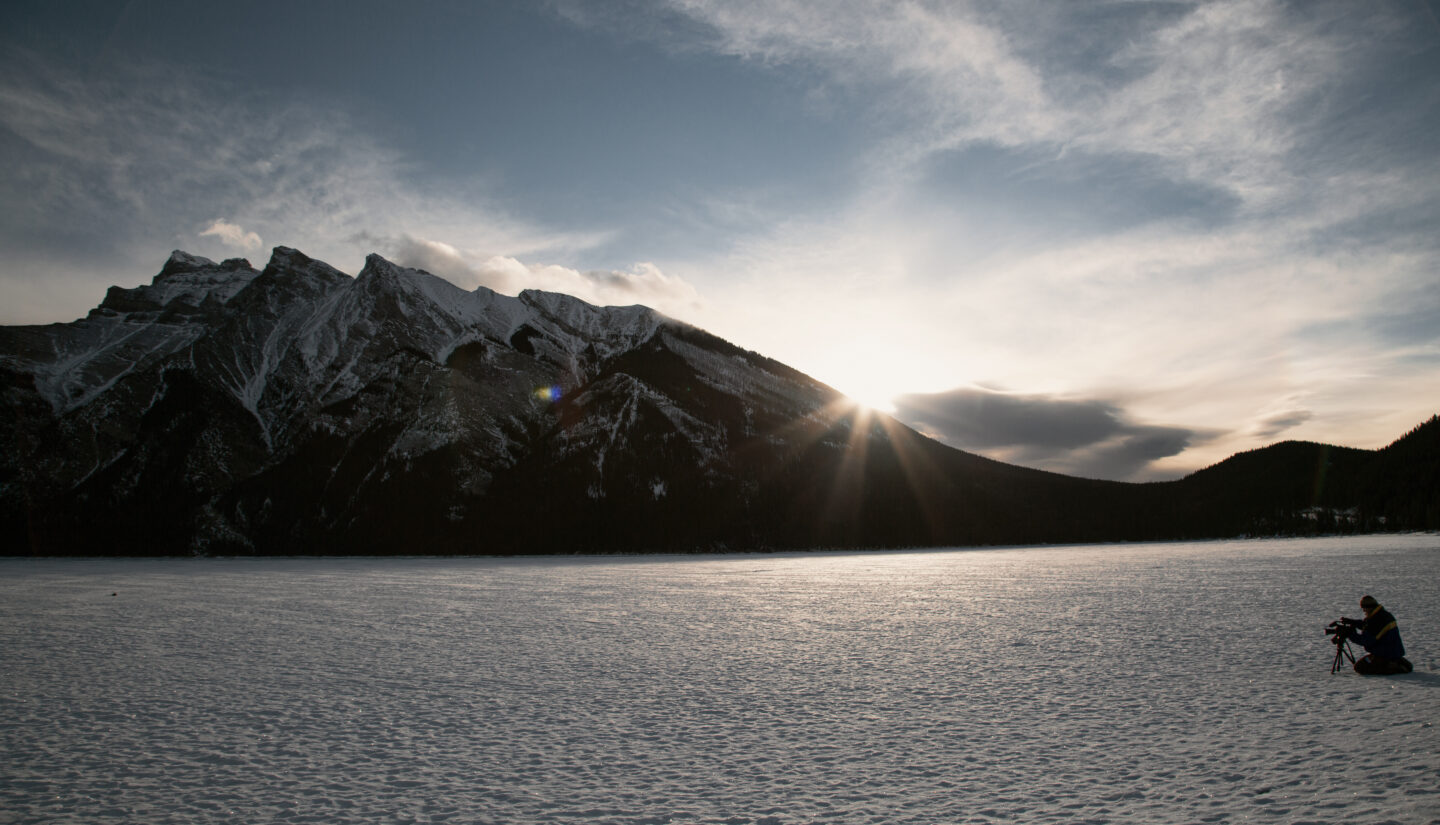
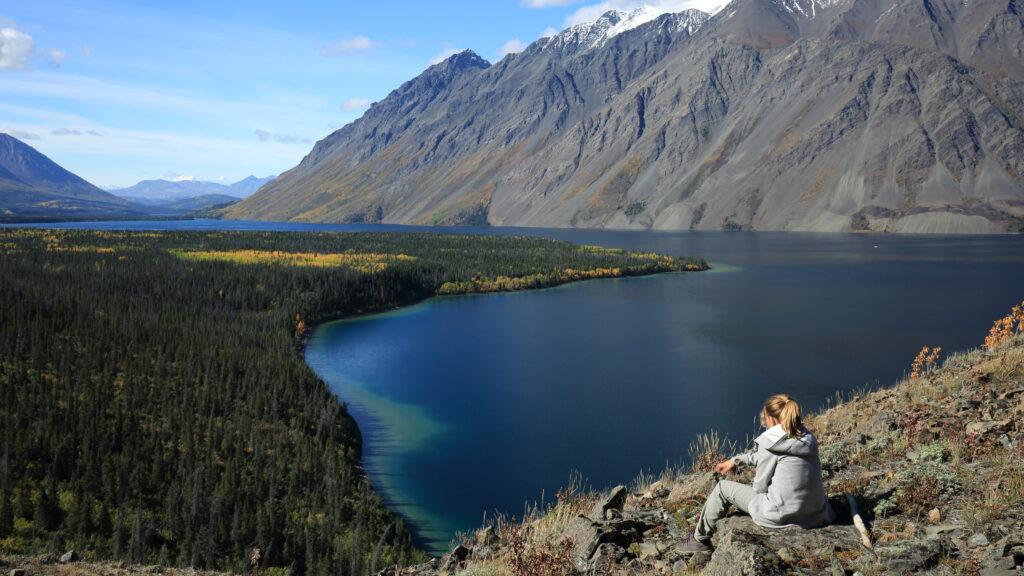
What is wilderness? Natural heritage? What does “wild” mean to different people? Ethnographers, and husband and wife duo, Phillip and April Vannini spent three years exploring these questions in Canada’s UNESCO Natural World Heritage sites, from Kluane National Park, Yukon, to Dinosaur Provincial Park, Alta., to Mistaken Point Ecological Reserve, N.L. Together with their daughter, Autumn, they visited ten of these sites, gleaning the perspectives of the people who inhabit them.
The project, the Canadian portion of a global sister-project called In the Name of Wild, led to multiple academic publications as well as a book and a film with the same name: Inhabited.
Originally released in 2022, the film takes on renewed importance today, says Phillip Vannini, as threats to our sovereignty cause Canadians across the country to reflect on the places they call home. The film demonstrates how places that we might have once thought of as empty are actually filled with rich stories and people who have deep connections to the land.
Inhabited is now available to watch on Amazon Prime. Watch the trailer here.
On where the idea to create Inhabited stemmed from
April: We’re from Canada. When we go to a wild space, it typically is away from people. One time, we were in Costa Rica, we were at a park, and we were just amongst hoards and hoards of people all looking at sloths. But then we started looking around us and we’re like “Huh. This is really interesting. We’ve never experienced a wilderness place, like a park, in this fashion before.”
Phillip: It just led us to ask ourselves what that word meant, “wild”, “wilderness”, and all the connotations that it had in places other than Anglophone countries, where that notion has a different history. We asked ourselves, what does “wild” mean in Japan, in South America? And we started mapping out a few destinations where we would ask those questions to people who live there.
April: But also in Canada, and to different demographics in Canada, because what “wild” means to some Canadians is quite different from other people who live in Canada who have lived here since time immemorial, right? And so we really started trying to unravel the complexity of this word “wild” and “wilderness”.
On why they chose UNESCO Natural World Heritage Sites to visit
April: We were finding it very difficult to choose sites [to visit]. UNESCO already had a really nice definition of “wilderness” and what “wild” is and “natural heritage”. They’ve already defined what “natural heritage” is—so let’s use that as a way to decide what places to go to.
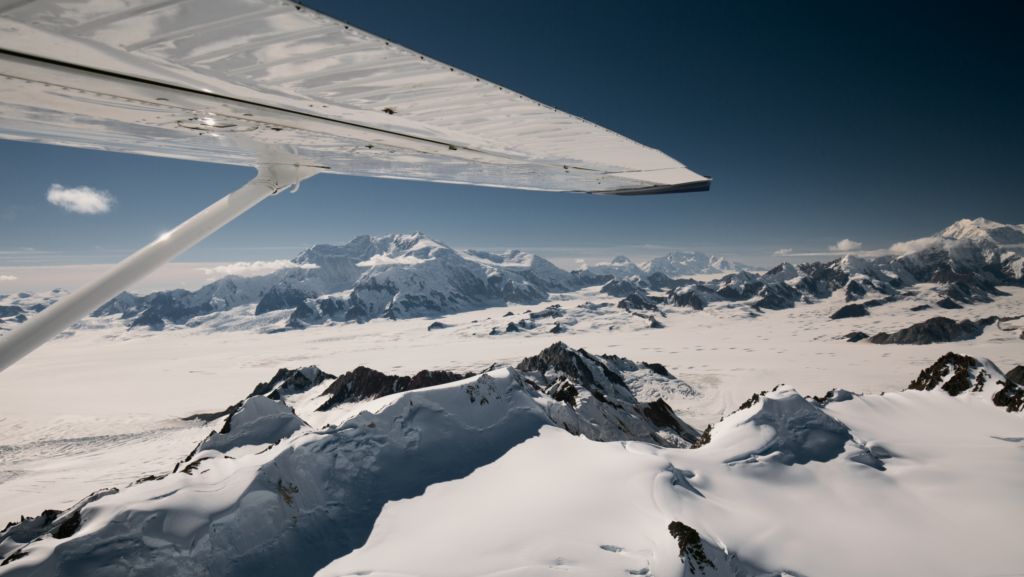
On focusing in on the Canadian stories
Phillip: We figured Canada deserves its own story. We all need to do a better job at telling Canadian stories for Canadian audiences.
April: Also, because the literature in Canada to do with Canadian wilderness is very sparse compared to American [and Australian] research and literature on wilderness.
On whether it was straightforward to ask what “wild” meant to people in Canada
Phillip: It depends on what language you used. In French, there is really no word for it. You have to use a couple of different words. In English there is. But what was more revealing was when we went to First Nation communities where that conversation became very challenging. […] When we used translators to ask that question in Cree, we were typically met with stares. There is no word in Cree for that. When we spoke to First Nations in Alberta or in the Yukon, the closest word we could have used was “home” or “peace” or many of the other words that were explained to us that fulfilled the same idea that “wild” does in English. Only, of course, completely different because whereas “wild” in English creates a separation between society and nature, in Indigenous languages that separation is of course non-existent and so it had to be a completely different worldview to arrive at the same idea.
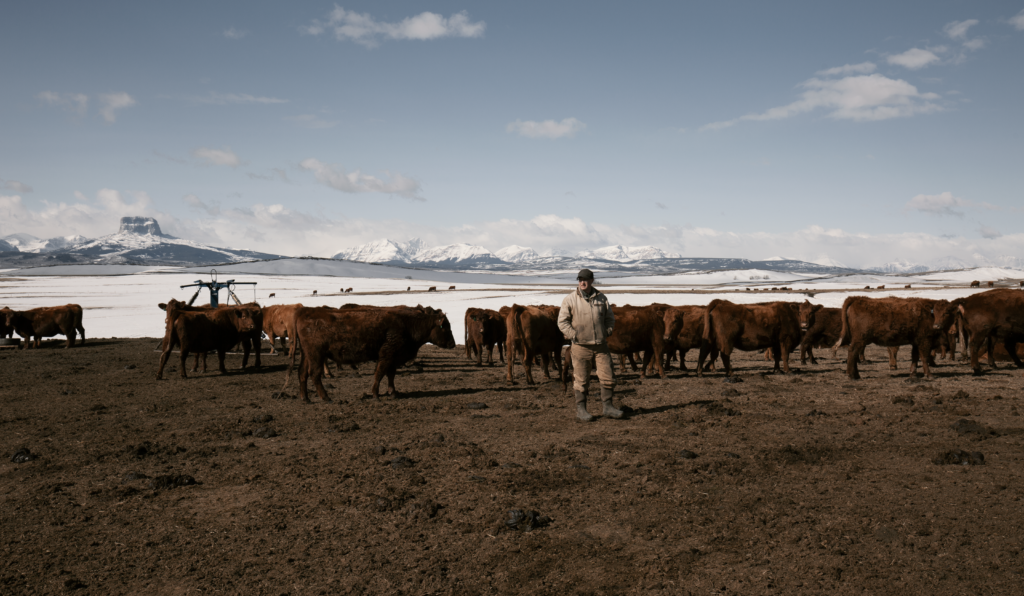
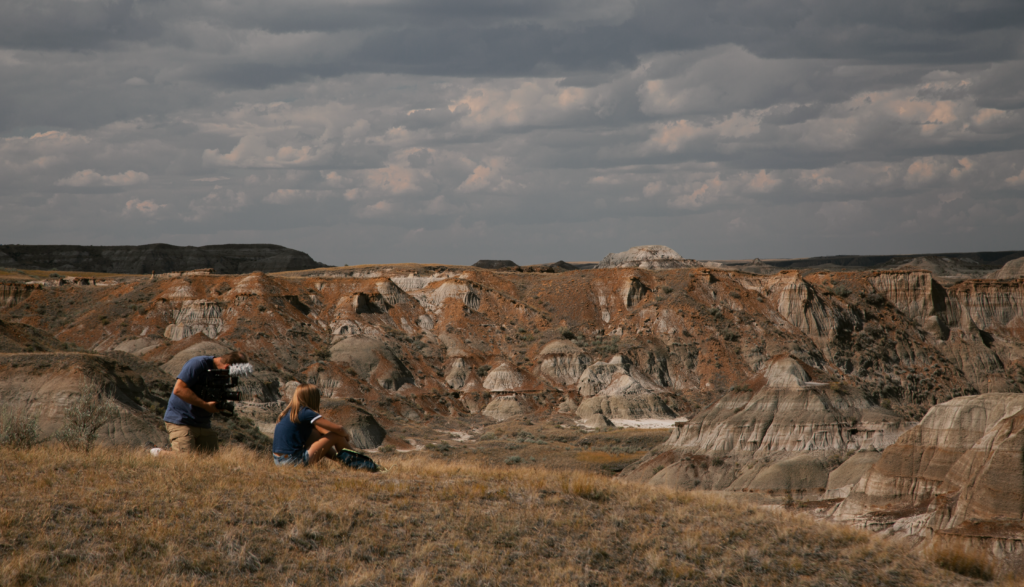
On featuring their daughter, Autumn Vannini, in the film
Phillip: She started [traveling with us] when she was nine. When you hear “wilderness”, typically you see a white young man who is going out there to conquer it. We wanted to avoid that overly masculine, overly dominant way of conquering the wild. We wanted to travel as a family because we realized that a lot of people that experience these places do so in similar ways to us. And so from the very beginning, Autumn was part and parcel of what we wanted to do. So much so that when the project was finished, we actually asked her to do voiceover for In the Name of Wild. We decided that we would do it from her perspective.
April: Kids are very insightful in ways that, as adults, we often miss things that children or young adults see. And so she was always very willing to share her insights with us, which were really interesting from her perspective, right? […] She inspires some of our own thinking about things or made us think differently about some things.
On who they interviewed for Inhabited
Phillip: We wanted to cast a wide net. Because if we went to places and talked to only, say, ecologists or conservation agents, well, you sort of hear the same story over and over again. And we wanted to talk to anyone that would show us, from their perspective, what the place meant to them. Because the group was very diverse, the perspectives were also really diverse.
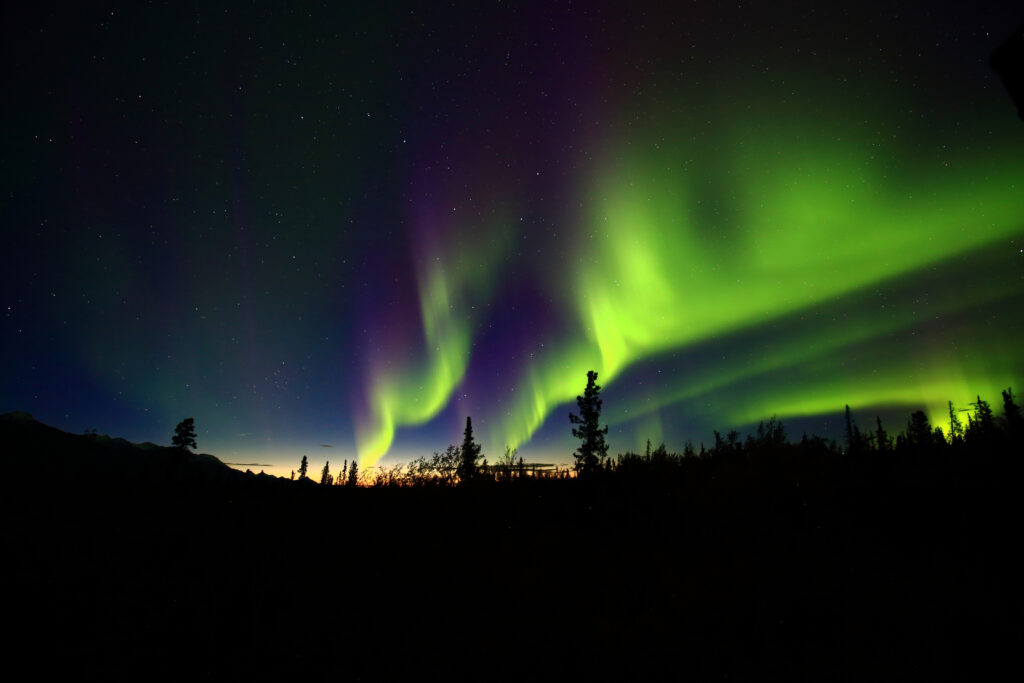
On surprises while filming Inhabited
Phillip: There were moments when the responses were so candid that we were almost unprepared. For example, in Kluane National Park, we arranged an interview with a couple of members of two First Nations. They told us the notion of “wilderness” was, in their words, complete nonsense because that idea was the outcome of colonial relations. What that place meant to them was “home”. And the way they phrased it was so powerful that we were taken aback. And of course, we’re settlers, colonials ourselves. We were aware of being guests on those lands. And there was a feeling that at the end of the day, no matter how much research you can do on a subject, you can never understand it from the same situated perspective that they did.
April: Yeah, even the question, what does “wild” mean? [One interviewee] went on to talk a lot about how Canada was colonized with this idea that it was an empty space when it wasn’t, right? The oldest park in Canada, Banff and the Rocky Mountain Park, you know that that was their home and they were kicked out. It’s still their home, but they were no longer allowed to be in the park.
Phillip: To make it look empty so that it could fit within the notion of “wilderness”.
April: Those kinds of stories we often forget, right? “Parks” are not empty spaces [devoid] of people. Those people were kicked out. We call that “fortress conservation.”
On what they hope viewers take away from watching Inhabited
Phillip: The notion has always been that society and nature are separate and this separation is most vivid in wild environments. But this is a really problematic notion because if we continue to think of ourselves as separate and distinct from nature, then our attitude is always inevitably that of an exploitative one, or a colonial one, or one of superiority where nature is “the other”. […] We hope that by reminding ourselves that these places are inhabited, we realize that we have to find ways to live with them better because they are part of who we are: they’re part of everyday ways of life and they’re part of, in Canada, our cultural heritage, not just our natural heritage.
Wildlife
Documentary film producer Aliza Sovani discusses her latest film Bird Names and the importance of changing bird names associated with harmful legacies
Travel
Kingfisher Wilderness Adventures brings you face-to-face with the wildlife in one of North America's most biodiverse marine areas
Wildlife
Korean-Canadian filmmaker Sonya Lee dives deep into the world of great white sharks for the latest documentary from CBC’s The Nature of Things

Wildlife
Birds have long been considered the heralds of change: of the weather, of the seasons and even of impending disasters.A