Travel
Galicia uncovered: Exploring Spain’s secret green corner
Wild landscapes, Celtic traditions and quiet villages reveal a lesser-known side of Spain
- 2986 words
- 12 minutes
Travel
Switchbacks and scabbardfish: Seven must-dos on the island of Madeira
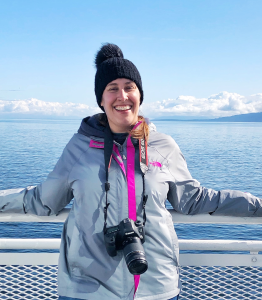
“Ready? Here we go again!”
Hugo Vasconcellos, my guide with Adventureland Madeira, throws his Land Rover into second gear and lets out a whoop of joy as we begin to cruise down a steeply pitched road hugging the edge of a verdant cliff. All that separates us from the valley bottom hundreds of metres below is a low concrete wall. Across the cleft, created by volcanic uplift hundreds of thousands of years ago, banana plants sprout from terraces cut into the mineral-rich rock between proud stands of subtropical forest.
“Like the Aerosmith song — ‘Livin’ on the Edge,’” quips Vasconcellos.
A few more switchbacks and the seaside town of Porto Moniz comes into view: a collection of clay-roofed villas and hotels protected from the Atlantic Ocean’s fury by a natural barrier of lava rock. The porous, twisted forms surround a series of natural pools that attract bathers by the hundreds — myself included. But, no sooner have I paid my three Euros to access the pools than the lifeguards raise red flags and begin ushering guests out of the water. As if to underscore their point, a massive wave crashes over the lip of the largest pool and snatches a pair of Chanel loafers left unattended on the concrete sun deck.
This is Madeira: sunny, sophisticated and incredibly fun to explore by car. With scarcely a flat road to be found on the entire 740-square-kilometre island (which is closer to Morocco than Portugal, of which it’s an autonomous region), the only way to explore is to “ride the Madeira rollercoaster,” as Vasconcellos puts it.
A word to the wise: roads are narrow, and parking is limited. For a stress-free experience, book a guided tour with a company like Adventureland or take transit or Uber to spend the day in your preferred locale. Here are some highlights.
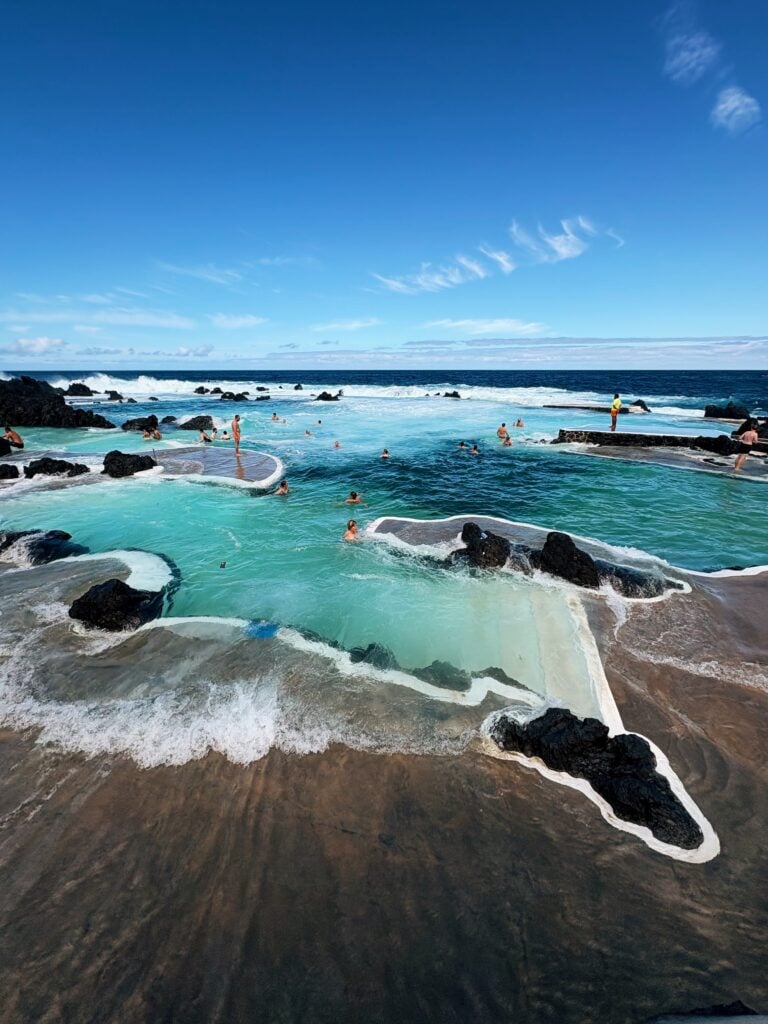
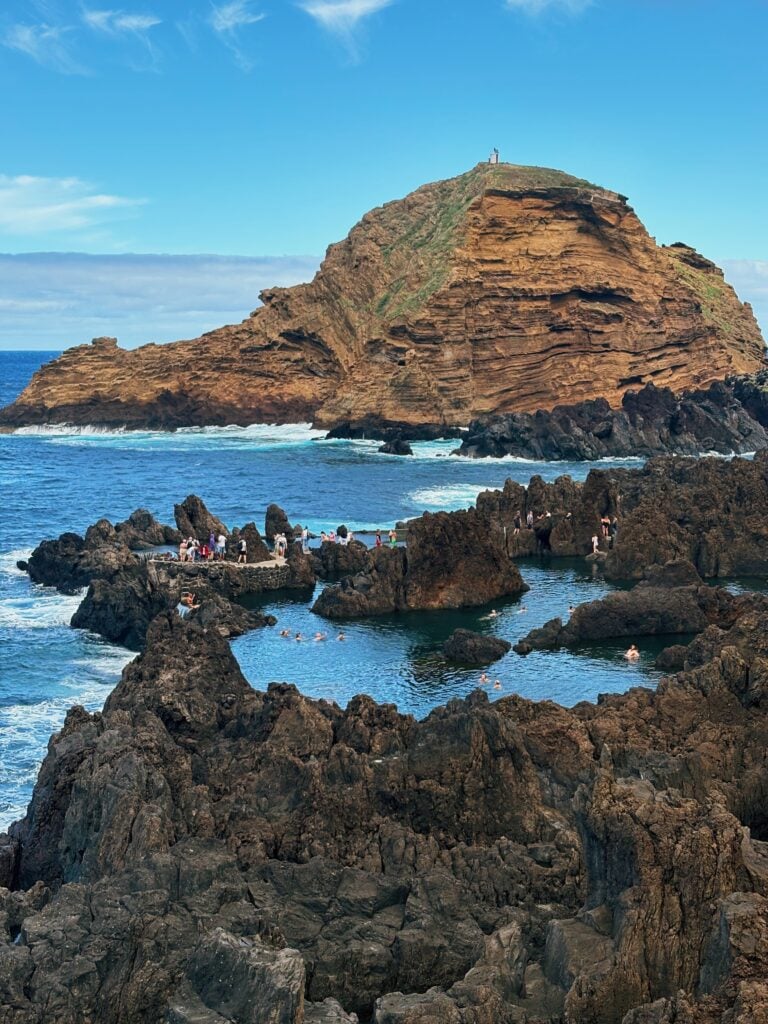
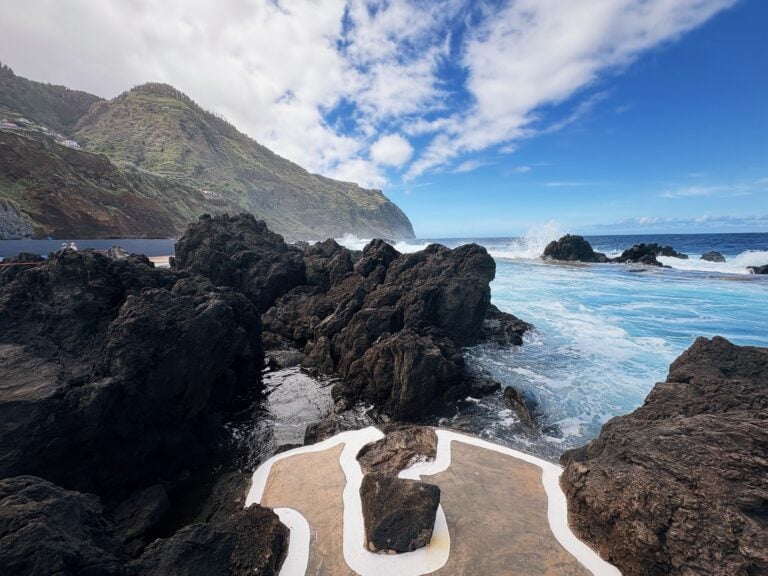
There are two ways to experience the natural pools of Porto Moniz, and both have their charms. For the aforementioned three Euros, you can access change rooms with lockers, the sun deck and paved ramps into the water — a good option for those travelling with small children or with limited mobility. Free pools can be accessed within a five-minute walk down the waterfront, but swimming here is very much at your own risk. Be prepared to clamber over sharp and slippery rocks, and leave your valuables in your vehicle. For lunch, the Natural Pools Beer House serves up seafood and craft beer with a great view of the ocean.
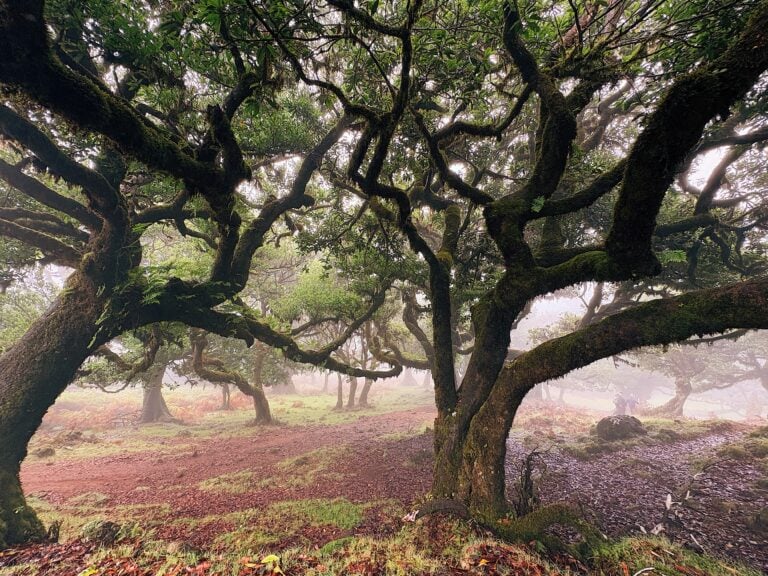
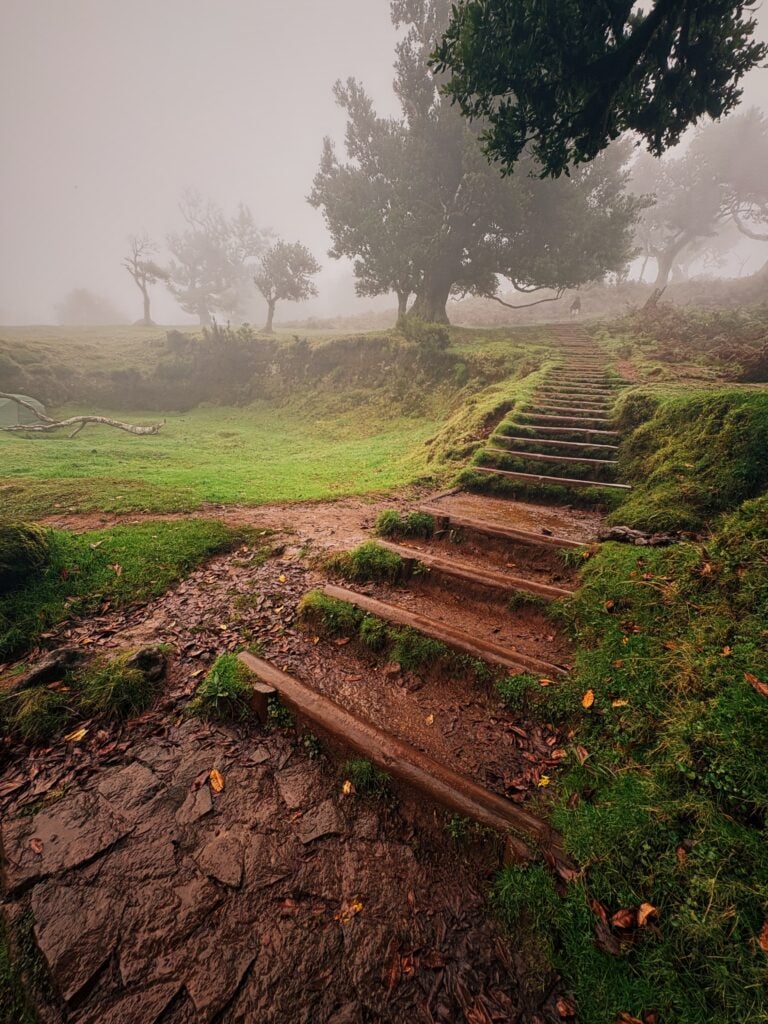
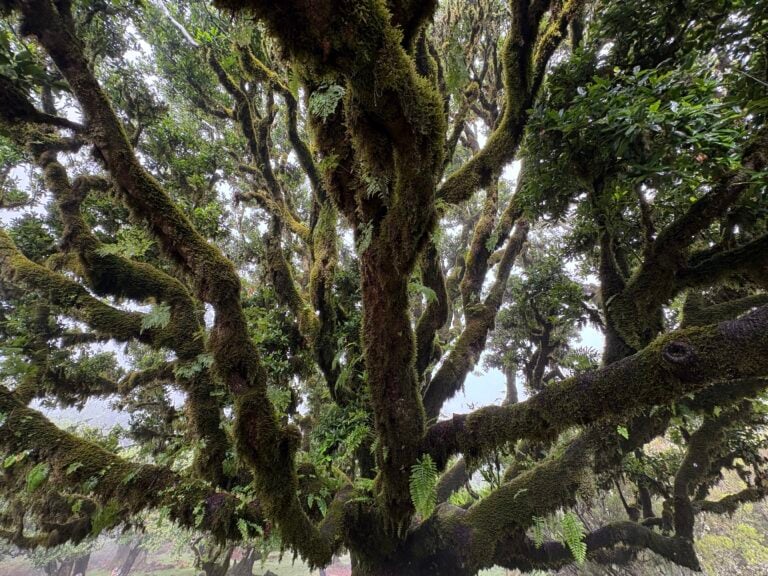
Awaken your inner druid with a visit to this centuries-old grove of laurel trees, part of the globally rare laurisilva forest. Situated on a plateau at 1,200 metres above sea level, the Fanal Forest is often enveloped in clouds, lending it a palpable air of magic. Most island tours stop here, so it can get busy. But the sound of the rain dripping from the thick, moss-covered branches makes it easy to tune out the traffic and commune with the laurel trees, some of which are believed to be an astounding 800 years old.
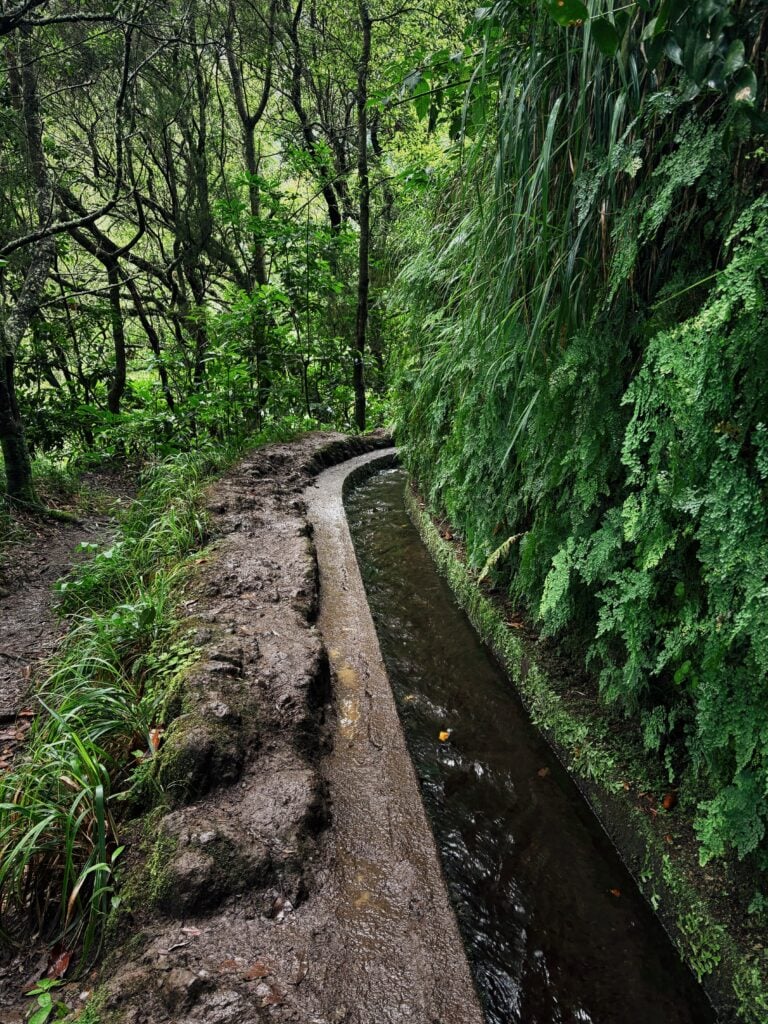
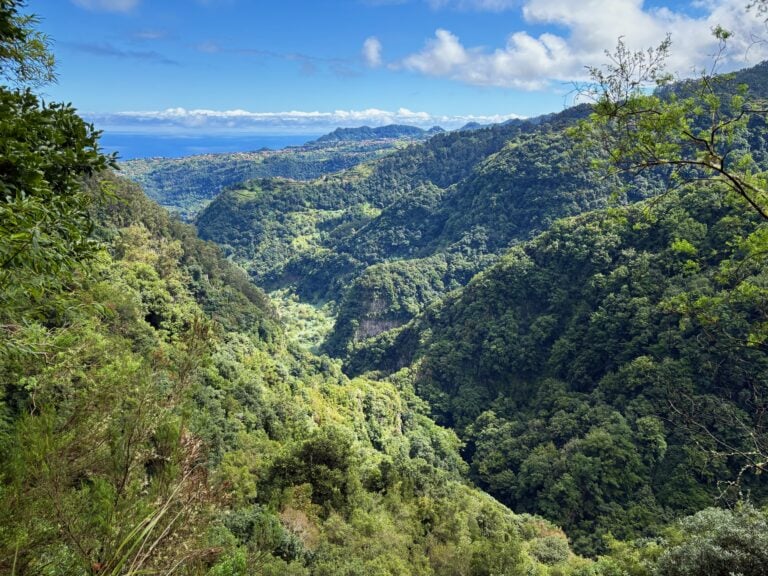
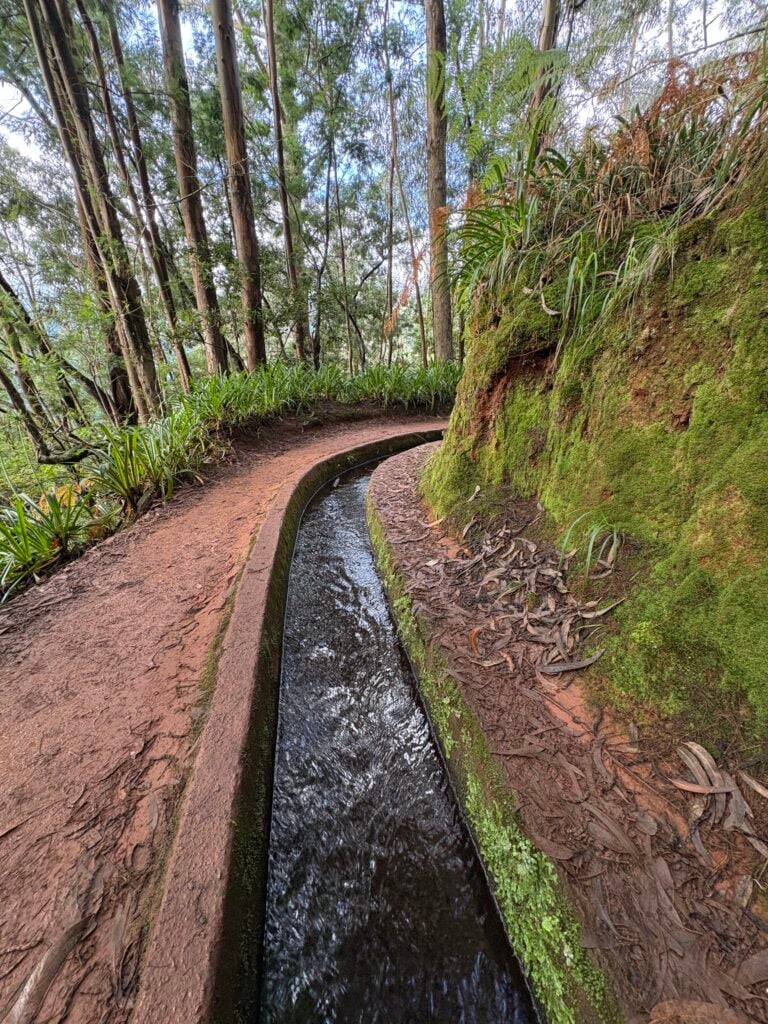
The Portuguese began settling Madeira, then uninhabited, in the early 15th century, originally subsisting on fishing and some limited agriculture. Before long, they discovered that just about any crop could be grown in the island’s volcanic soil. They just needed a way to funnel water from the wet northern elevations to the sunny, populous south. Beginning in the 16th century, Madeirans began constructing a vast network of irrigation channels called levadas.
“Levadas are like the heart pumping blood to all parts of the body,” explains Vasconcellos, “but diverting water from the mountaintops all over the island.”
The levadas still provide water for drinking and agriculture to the entire island, and many are bordered by scenic trails that take hikers deep into the mountain forests. Most hikes range from three to 10 kilometres and are considered moderately difficult. Plan to wear comfortable shoes and — I cannot stress this enough — clothes you don’t mind getting muddy. When I take on Levada do Rei, a popular six-kilometre out-and-back hike on the island’s north coast, I find myself dodging mud puddles every few steps until Paulo, my guide with Explore Nature, shouts, “You’re going to get wet anyway! Don’t fight it!”
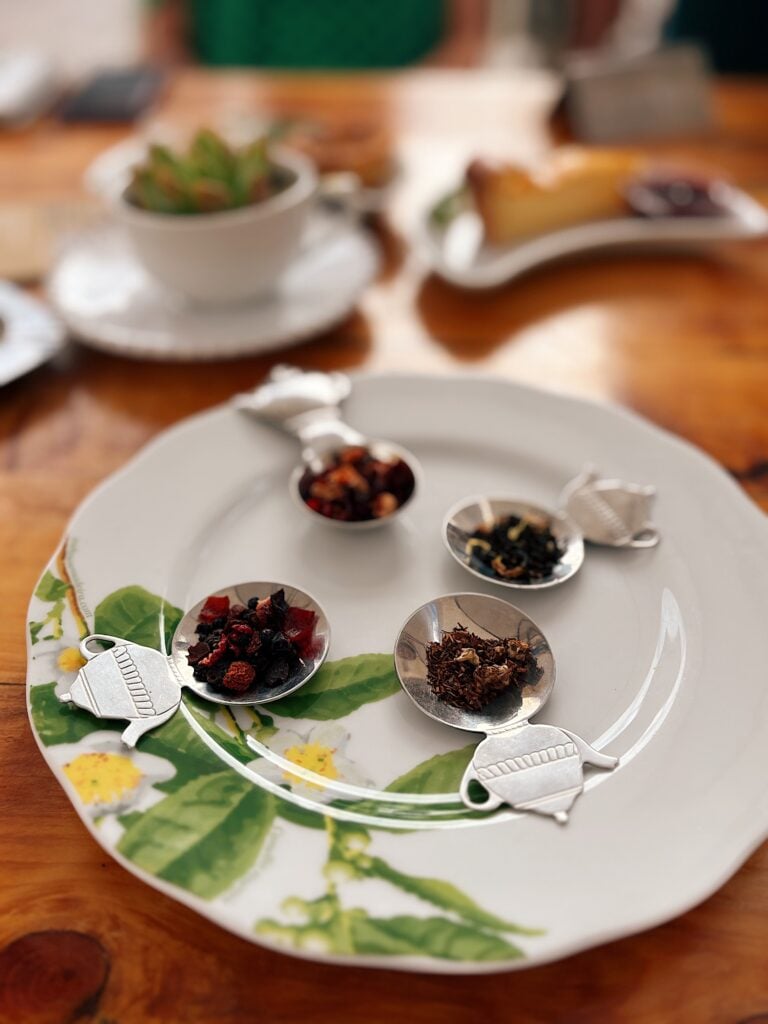
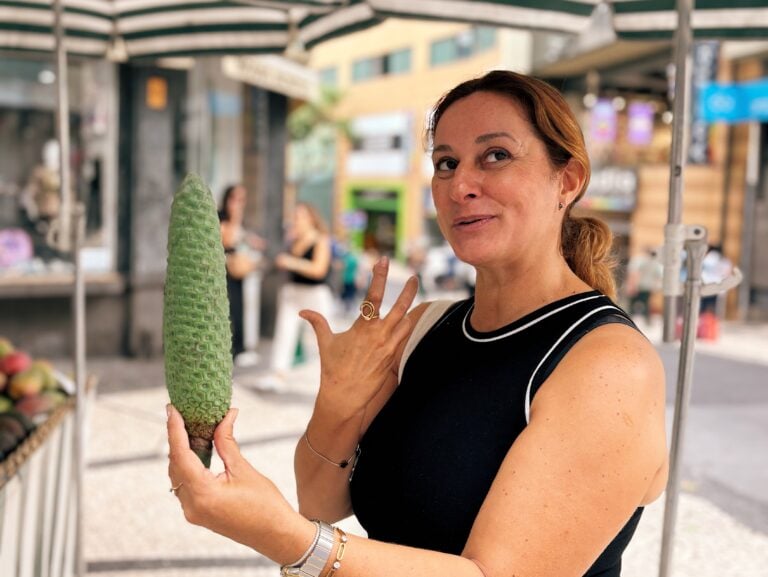
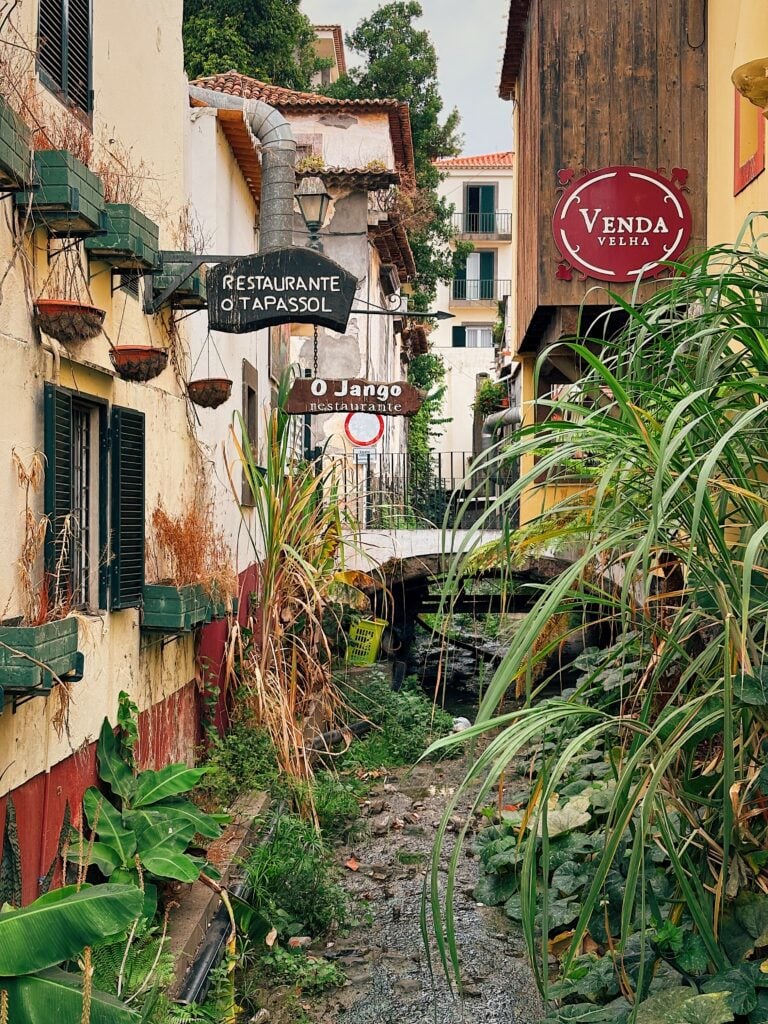
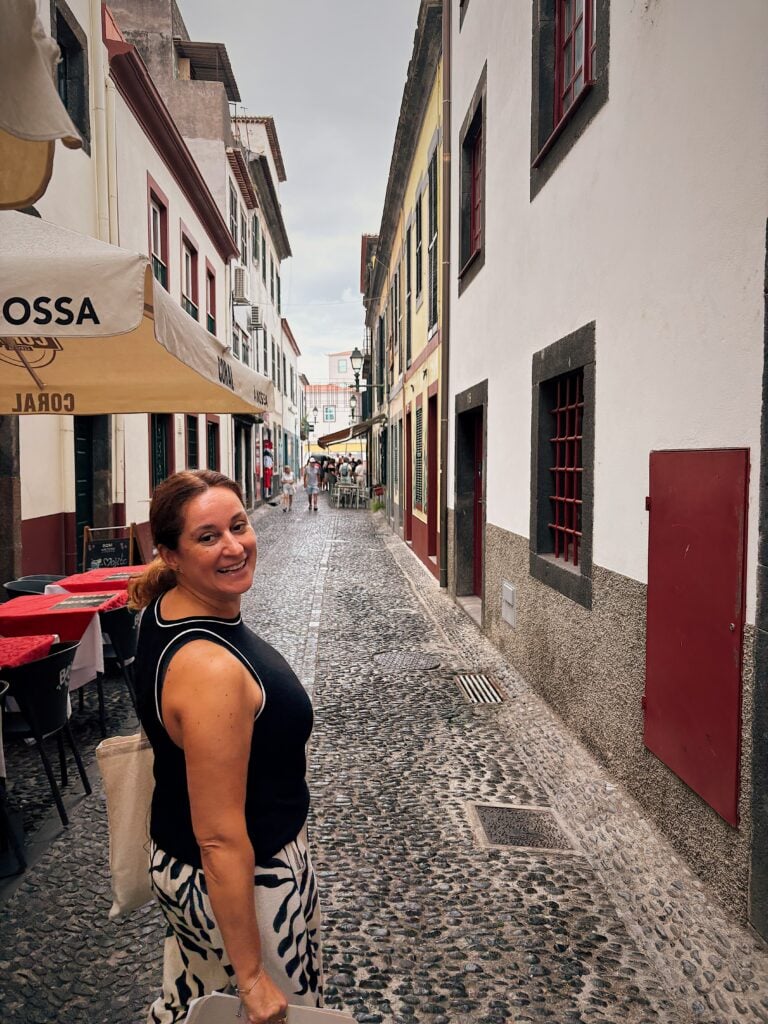
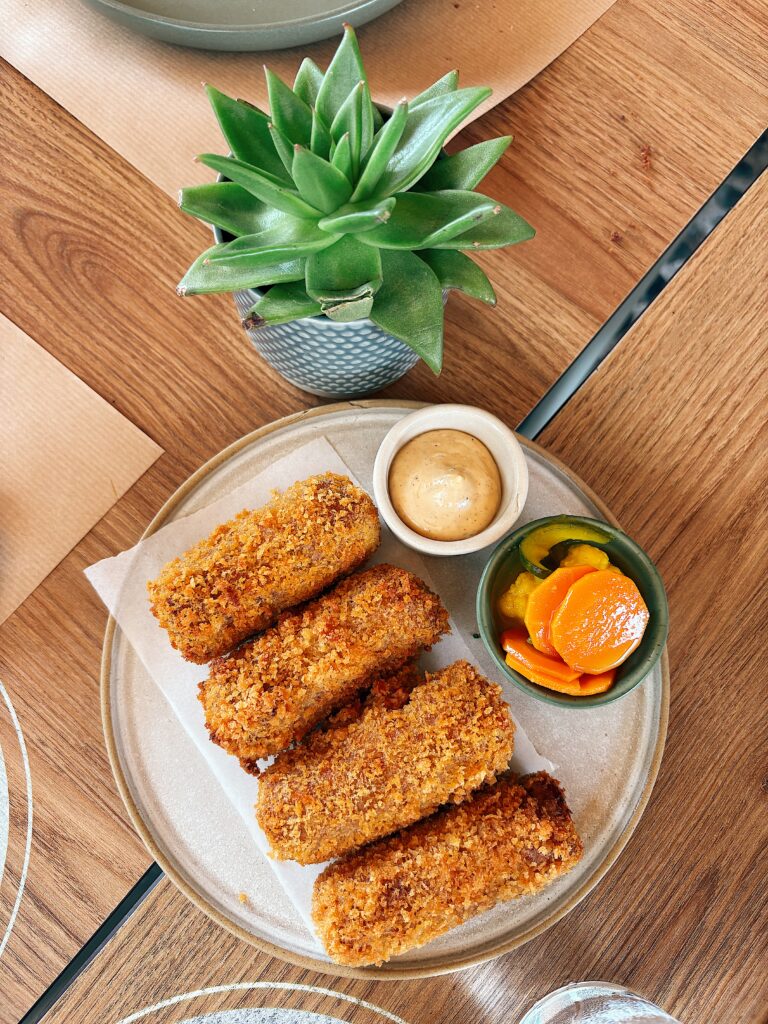
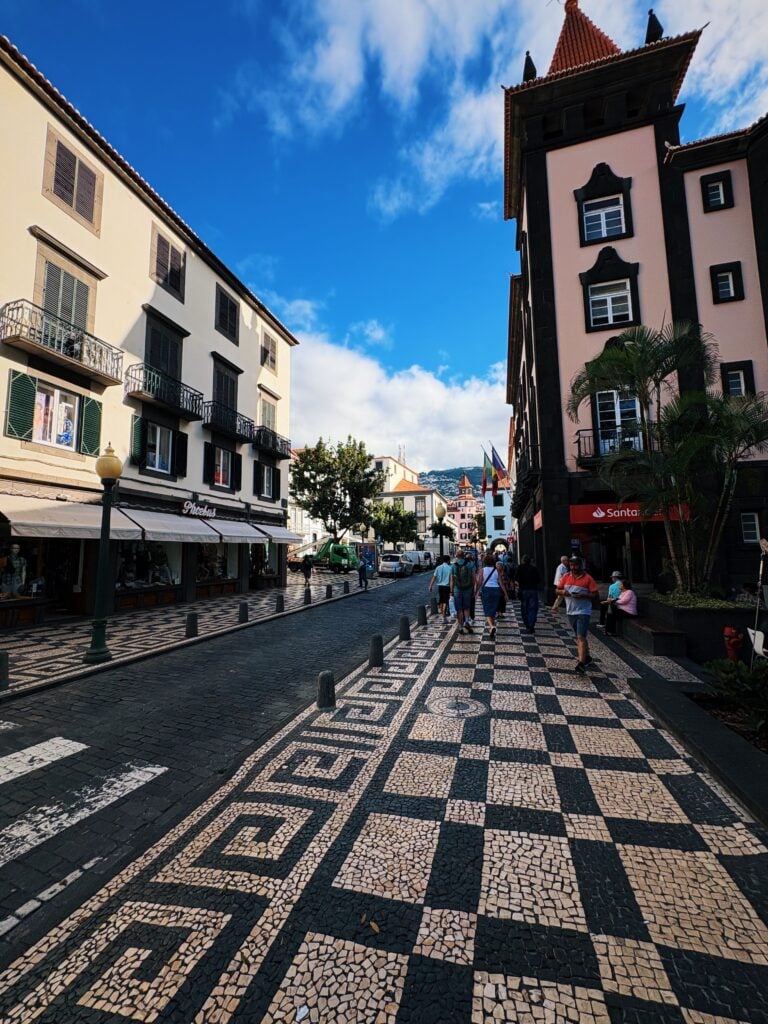
“I’m Portuguese; I love bread!” laughs Jacqueline Freitas, owner of Madeira Food on Foot tours. We’re seated at a small table outside Jaket Restaurante on historic Santa Maria Street in Funchal, Madeira’s capital and largest population centre. An overhead awning protects us from light rain, which makes the black cobblestones glisten. Our tasting plates have just arrived: croquettes stuffed with cabbage, potatoes and beef, pork marinated in wine and garlic — a traditional Madeiran Christmas treat — beer-battered black scabbardfish* with lime rice, and of course, sourdough bread with chorizo-dusted butter. Jaket is the newest project by chef Julio Pereira, known for his modern takes on traditional Portuguese fare. This is comfort food, elevated, says Freitas. “I’m looking at that [garlic pork] and my mouth is already watering because it reminds me of home.”
Freitas founded Food on Foot tours nearly a decade ago to spotlight the best of the island’s bounty. Her full-day tour of Funchal includes stops at Loja do Chá, a teahouse crafting unique blends using tea from the Azores and herbs and fruit from Madeira; Fabrica Santo Antonio, the island’s oldest cookie and Christmas cake factory, operating continuously since 1893; and the Mercado dos Lavradores, a sprawling farmers market patronized by locals and restaurateurs alike.
*When in Madeira, sampling black scabbardfish, or espada as it’s locally known, is a must. A member of the eel family, the fish lives at depths between 800 and 1,500 metres, mostly around volcanic islands. Madeira is one of the only places in the world where black scabbardfish is commercially fished. Its flesh is tender and flaky, with a mild flavour that is equally delicious deep-fried and beer-battered or baked in a traditional Madeiran sauce.
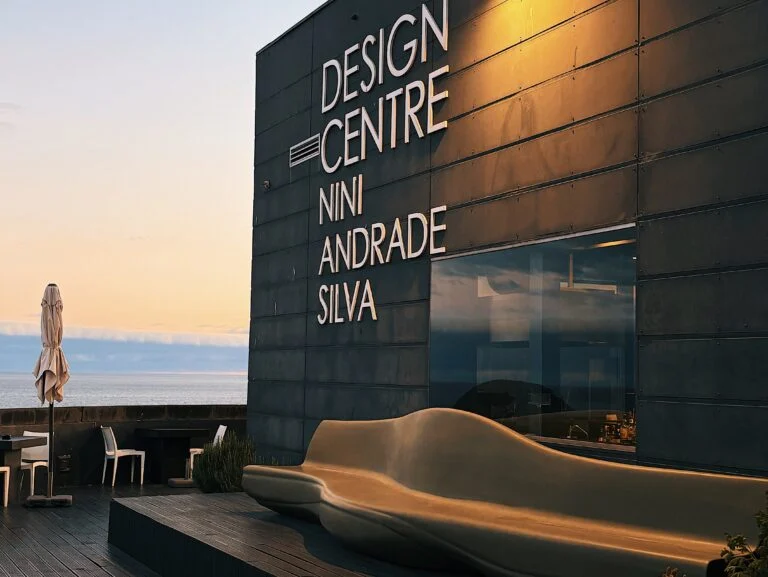
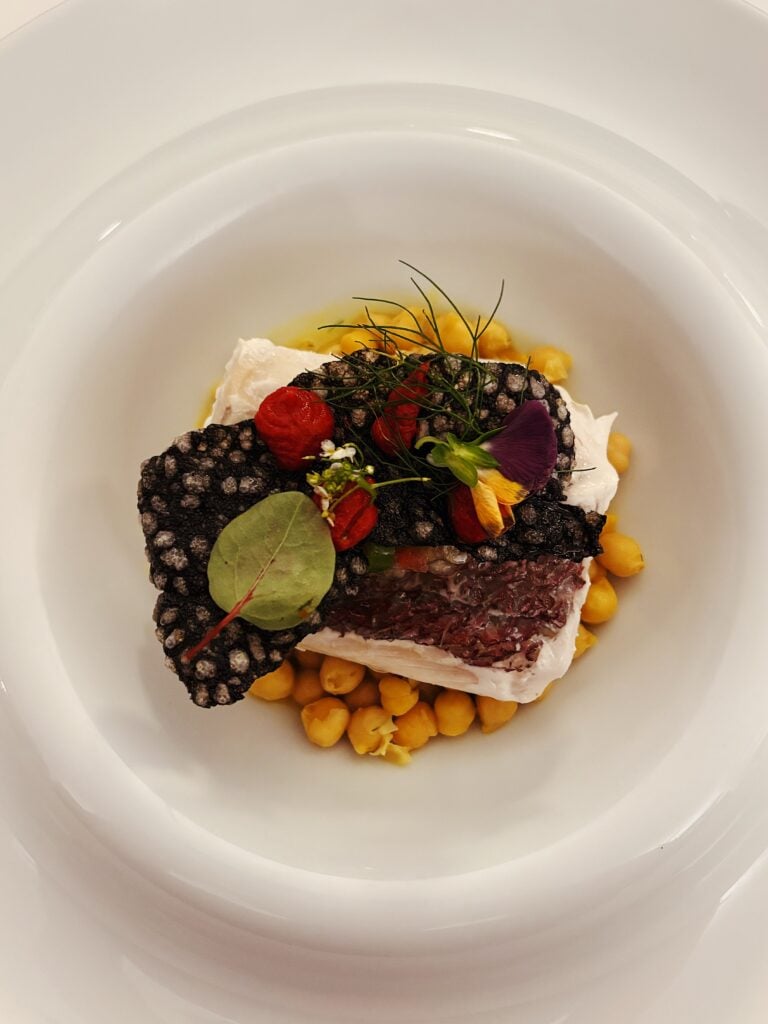
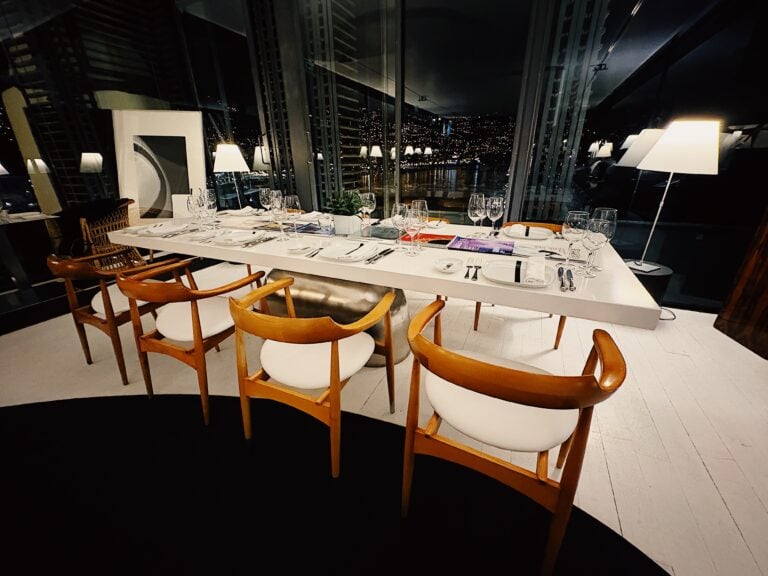
Given Madeira’s vertiginous terrain, most meals on the island come with a side of breathtaking views. This is especially true of Nini Design Centre, an exclusive glass-walled restaurant perched atop the walls of a waterfront fortress dating to the mid-1600s. The space also contains a permanent exhibition showcasing the private art and memorabilia collection of renowned interior designer Nini Andrade Silva, who was born in Funchal. Andrade Silva’s iconic pebble sculptures (Garouta do Calhau) are inspired by Madeira’s natural beauty, and the space itself feels like being inside a vision board.
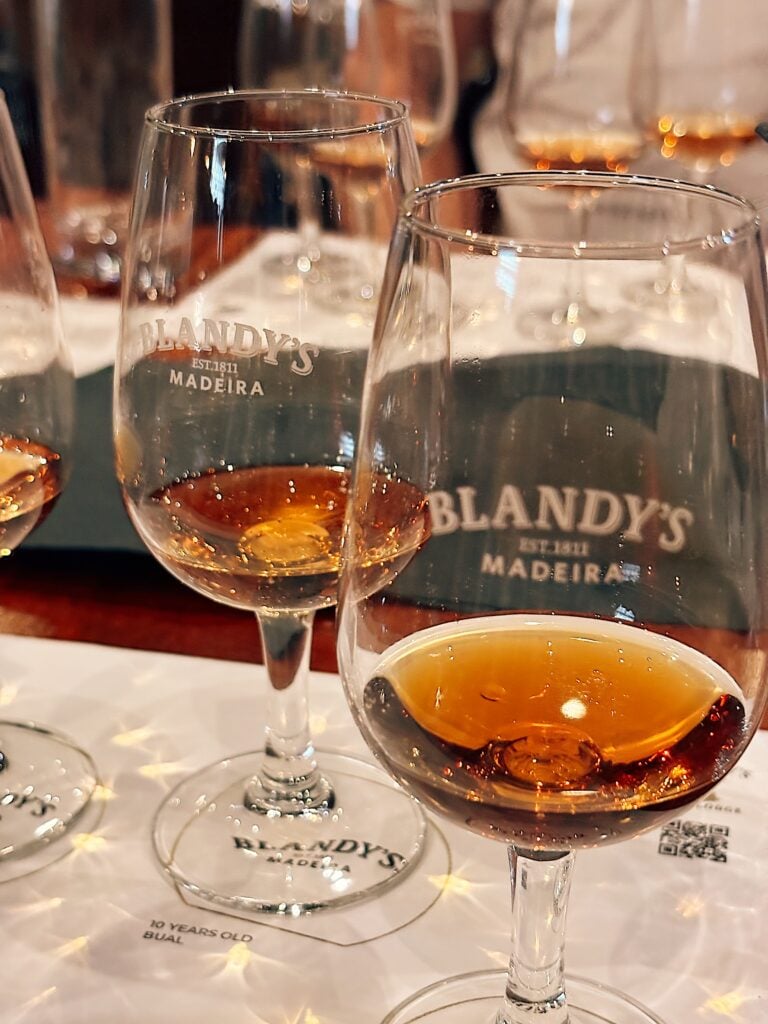

Of course, no visit to Madeira would be complete without sampling its most famous export: Madeira wine. Madeira wine originated with the Portuguese sailors who plied the Atlantic during the Age of Exploration. They found that adding neutral spirits to their barrels of wine prevented it from going sour on long sea voyages, and further, that the subtropical heat actually made it taste better over time.
Today, heat remains the secret ingredient that gives Madeira wine its signature rich flavour and velvety mouthfeel. At Blandy’s, one of the oldest producers of Madeira on the island, young wines are heated at temperatures around 45 degrees C for four months, then aged in American oak barrels for anywhere from six to 18 years. Depending on the blend of grapes used, the finished product can be dry or sweet. Dry Madeira is best enjoyed as an apéritif with cheese and nuts, while sweet Madeira is typically served with dessert.
Expert tip: Store your bottles of Madeira upright, as the wine’s acidity will eat away at the cork. Once opened, it should be enjoyed within one year.
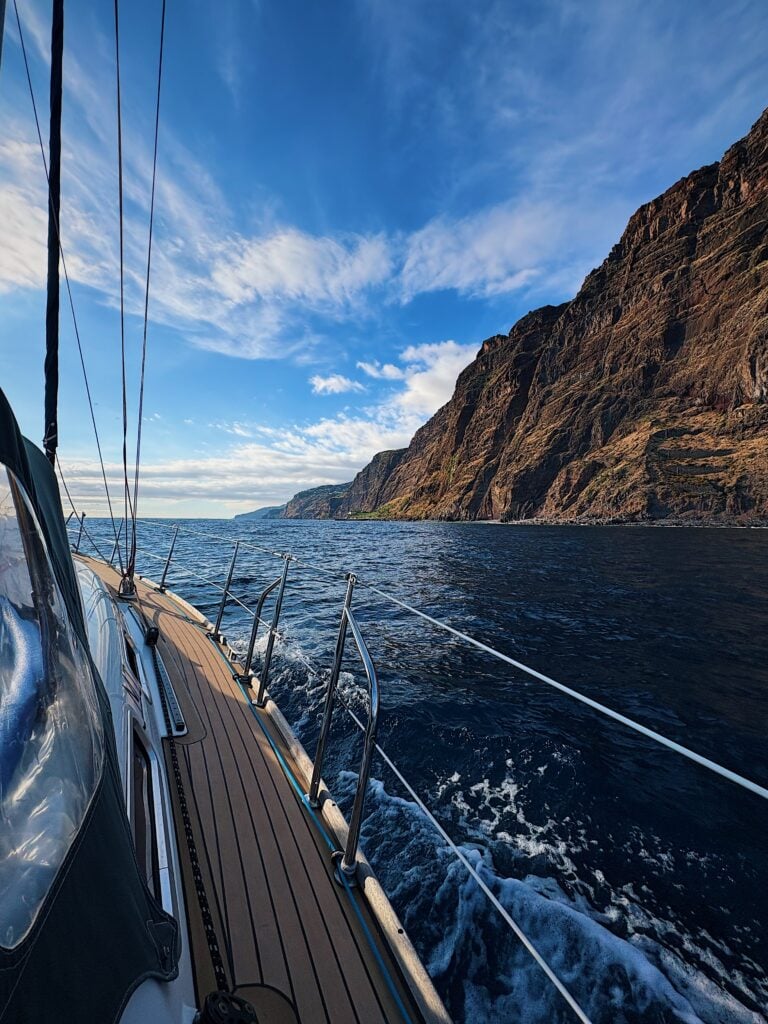
Life on Madeira is influenced as much by the sea as it is by the mountains — a sunset cruise along the coast west of Funchal with Happy Hour sailing yachts offers the best of both worlds.
“You can never describe our water as ‘cold’ or ‘freezing,’” teases guide Pedro Teixeira as I prepare to jump into the Atlantic beneath the shadow of Cabo Girão, one of the tallest sea cliffs in all of Europe at 580 metres. “You can use ‘fresh,’ ‘brisk,’ or ‘refreshing.’ If I hear any of those [bad] words, we’ll start returning early. I’ll close up the bar!”
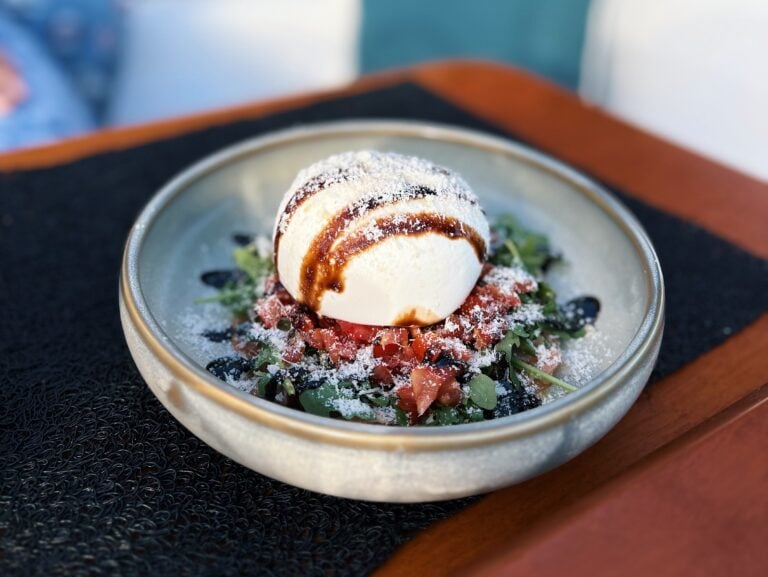
Fortunately, the word that pops into my head as I surface is “brisk,” and I gratefully accept a second glass of prosecco as I clamber back on board. Teixeira brings out a plate of fresh fruit, and the most delectable burrata I’ve ever tasted in my life, and the sun tints the sea cliffs gold as it slips below the horizon: proof positive that Madeira is, as Teixeira proudly declares, “the whole package.”
This story is from the May/June 2026 Issue
Travel
Wild landscapes, Celtic traditions and quiet villages reveal a lesser-known side of Spain
People & Culture
Naming leads to knowing, which leads to understanding. Residents of a small British Columbia island take to the forests and beaches to connect with their nonhuman neighbours

Travel
Travel columnist Robin Esrock (finally) ticks a European river cruise off the bucket list
Travel
Hard to reach but easy to love, Loreto is the ultimate base for exploring land and sea on the Baja California peninsula