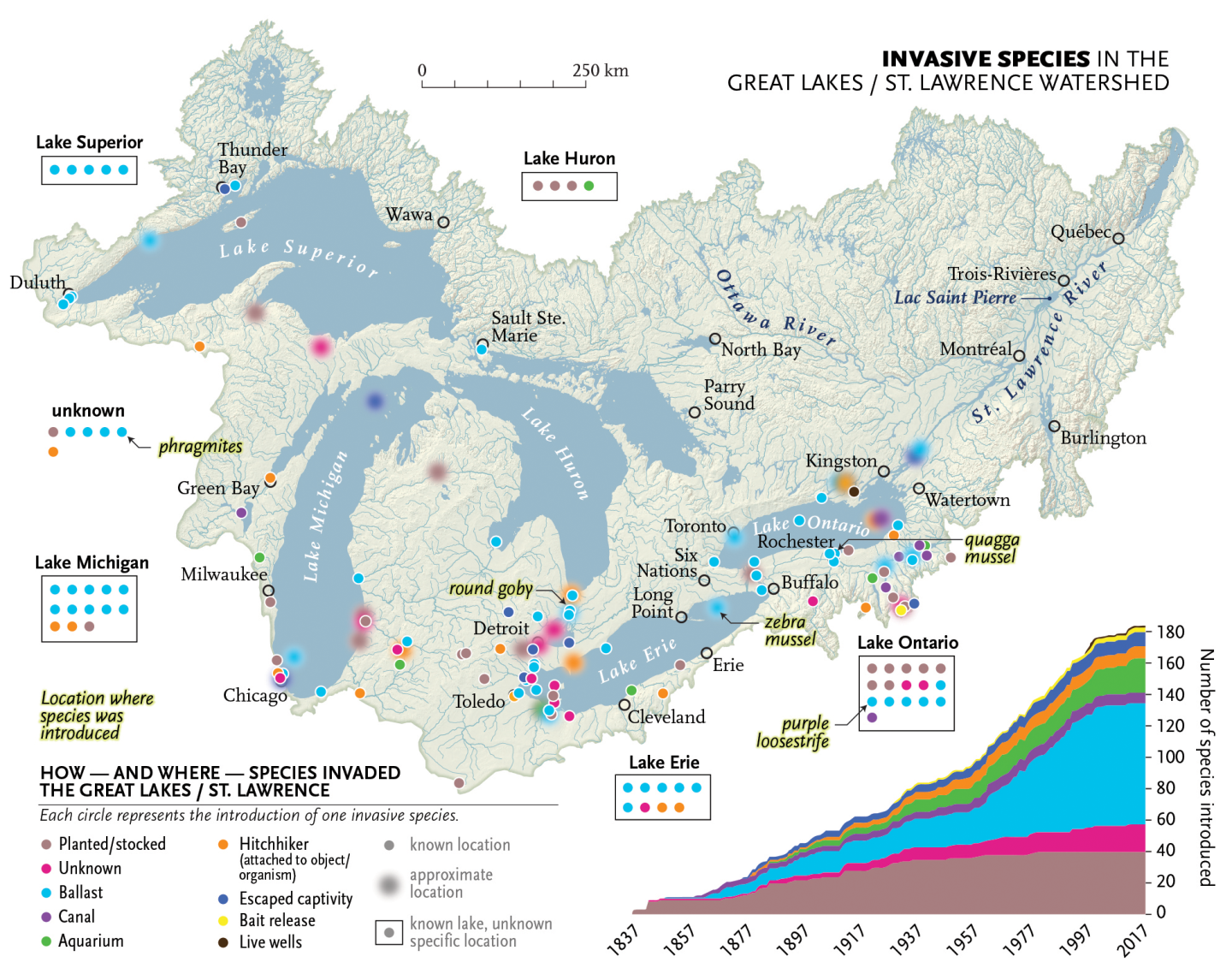
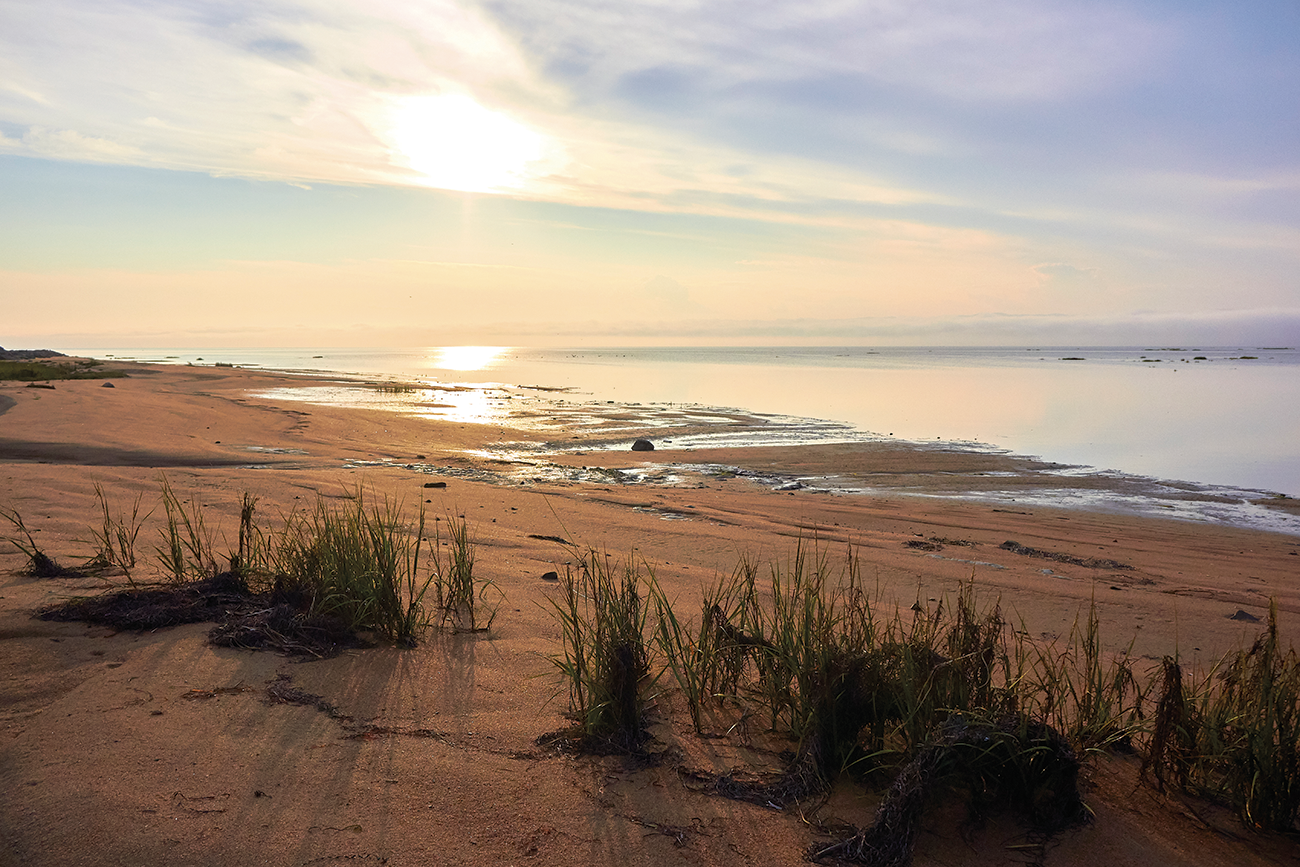
In 1986, a Canadian businessperson illegally transported tench from Germany to his fish farm in southern Quebec. A few years later, some of the invasive sport fish escaped into the Richelieu River, a tributary of the St. Lawrence. Those tench have thrived in Lac-Saint-Pierre, a fluvial lake in the St. Lawrence just east of Montreal and one of the most important wetland areas in North America. They are now poised to invade the Great Lakes en masse — some have already been caught as far west as Lake Ontario’s Bay of Quinte.
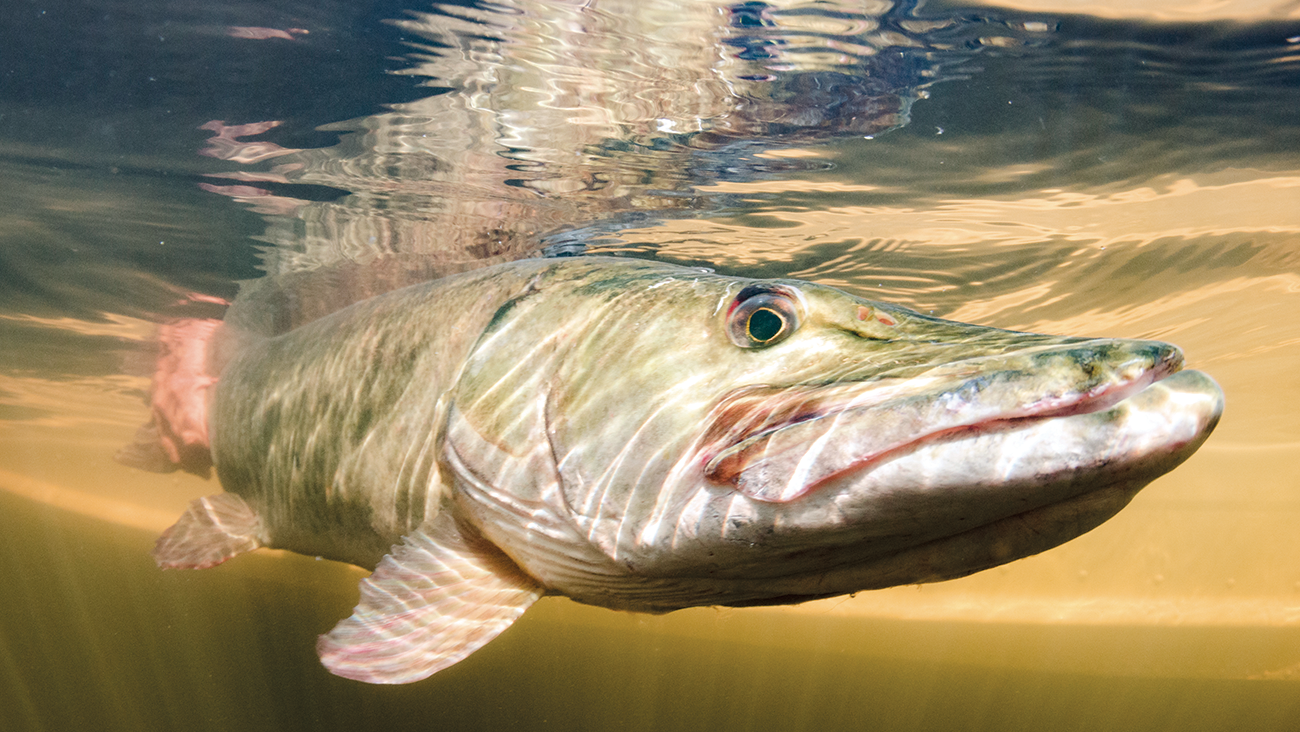
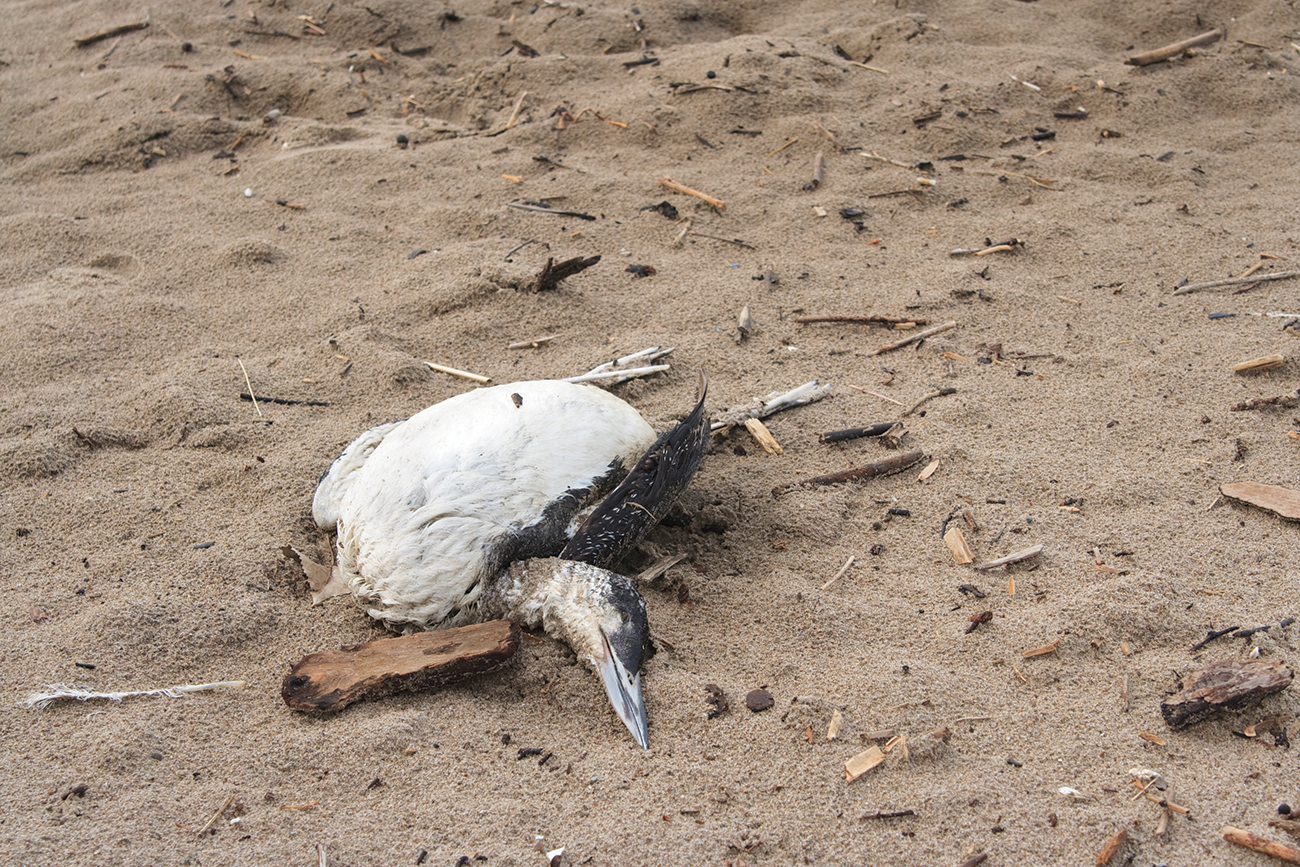
In the early 2000s, fish started showing up dead due to the invasive pathogen known as viral hemorrhagic septicemia, which is believed to have hitchhiked to the St. Lawrence via ballast water. It is thought to have killed nearly half of the adult muskellunge in the upper St. Lawrence River, and caused large-scale die-offs of northern pike, yellow perch and walleye.
The list goes on and on and on, each biological invasion further altering a system already under siege.
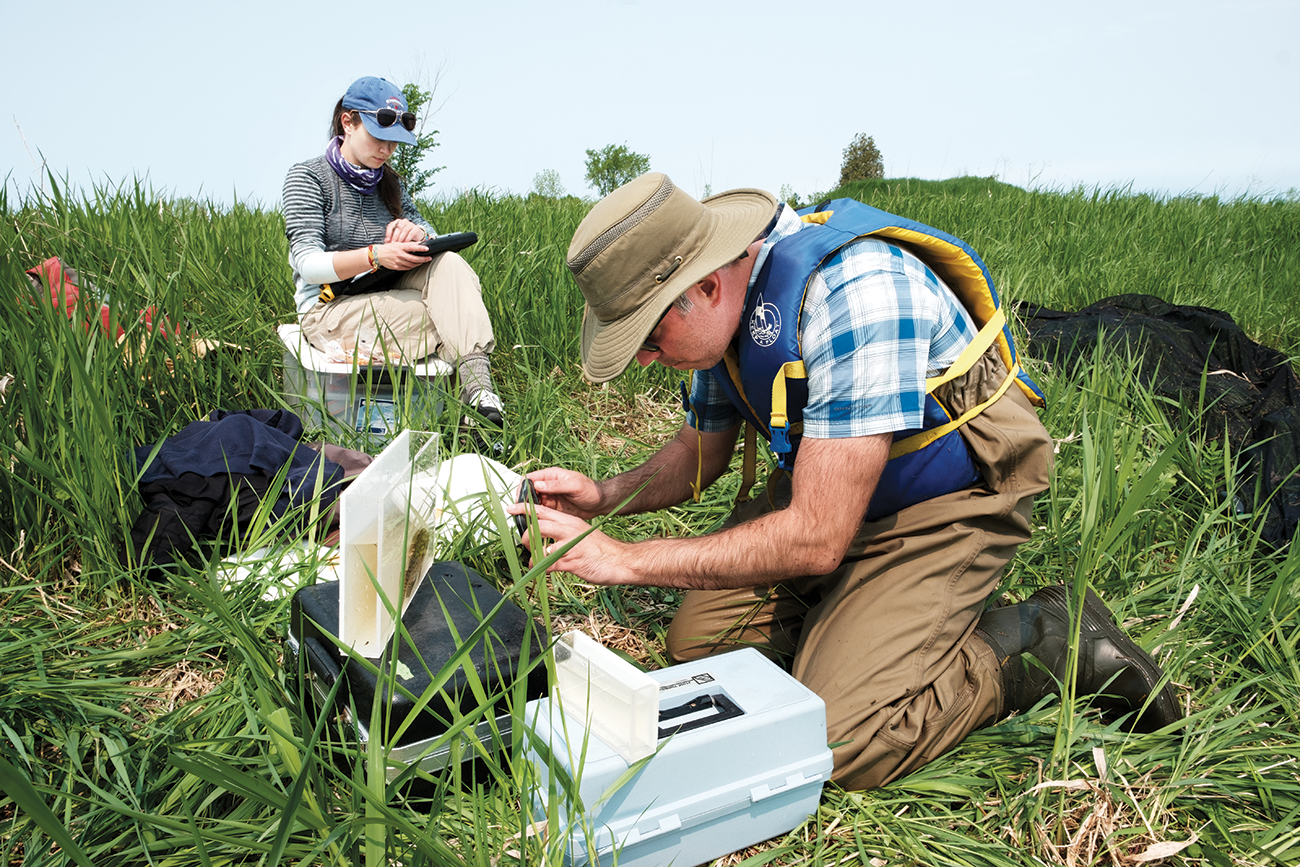
“Invasive species are often incredibly aggressive,” says Sarah Rang, executive director of the Invasive Species Centre, a not-for-profit based in Sault Ste. Marie, Ont., that’s working to prevent and reduce the spread of invasive species. “They come to an area, they reproduce really quickly, they grow really quickly, and they have no natural predators. So, they just boom.”
It becomes a race against time as we try to cope with — or mitigate the effects of — a range of aquatic invaders. Between them, they damage water quality, render spaces less suitable for recreation, ruin infrastructure, and carry parasites and diseases harmful to human health. Each year, Canada spends an astonishing $7 billion on its aquatic invasive species response.