Travel
Photos: Across the Arctic with Canadian astronaut Chris Hadfield
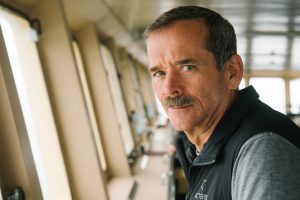
Paul Colangelo shares images from his time exploring the North with the first Canadian to walk in space
- 857 words
- 4 minutes
Travel
Polar bears, majestic icebergs, rich culture and breathtaking landscapes — this is what travellers can expect on a small-ship expedition with Adventure Canada

On a rainy August day, my flight touched down in Iqaluit, the smallest of Canada’s capital cities, on the southern coast of Baffin Island. It was cold and breezy, but this arrival marked the start of an epic 12-day adventure through some of the world’s most beautiful landscapes.
Aboard Adventure Canada’s Ocean Endeavour, a 198-passenger ice-class expedition ship, we would sail to Pangnirtung, around the Cumberland Peninsula, across the Davis Strait, along Western Greenland and ending in Kangerlussuaq. It was a journey that showcased the rugged beauty, lively communities, vibrant cultures, and iconic wildlife, leaving me in awe.
After a tour around Iqaluit, we set off on a short zodiac ride to Ocean Endeavour, the start of our Arctic adventure. Renowned for their small-ship expedition cruises to the Canadian High Arctic, Greenland, Scotland, the Faroe Islands and Iceland, Adventure Canada has been taking travellers to seldom-visited coastlines for more than 35 years.
Our first landing was Ikirasaujaq Killiq (Jackman Sound), which we reached after sailing through Frobisher Bay. Before any passengers set foot on shore, the expedition team carefully surveyed the terrain and established a safety perimeter. This consisted of several highly trained personnel, equipped with radios, binoculars and firearms to ensure our safety.
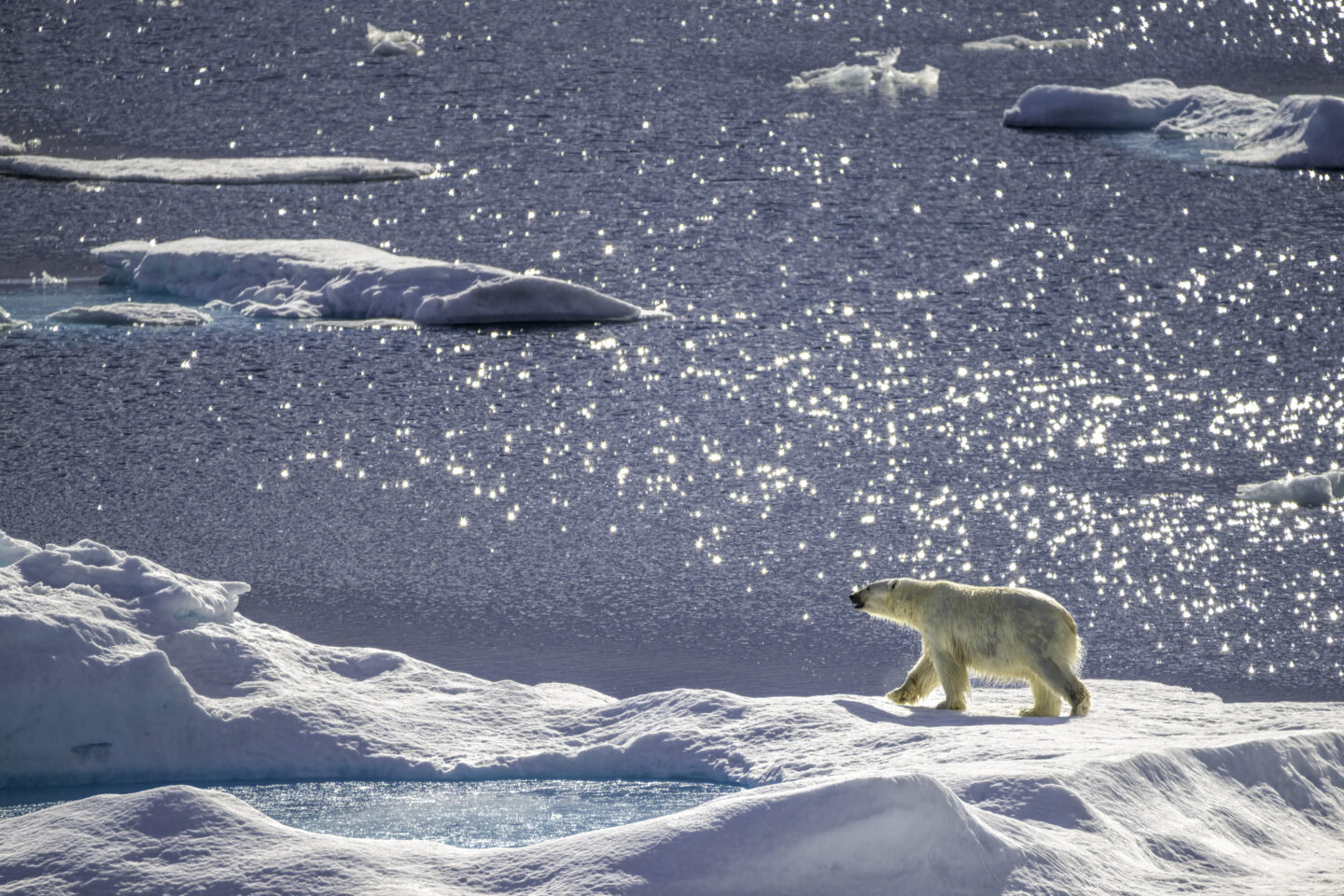
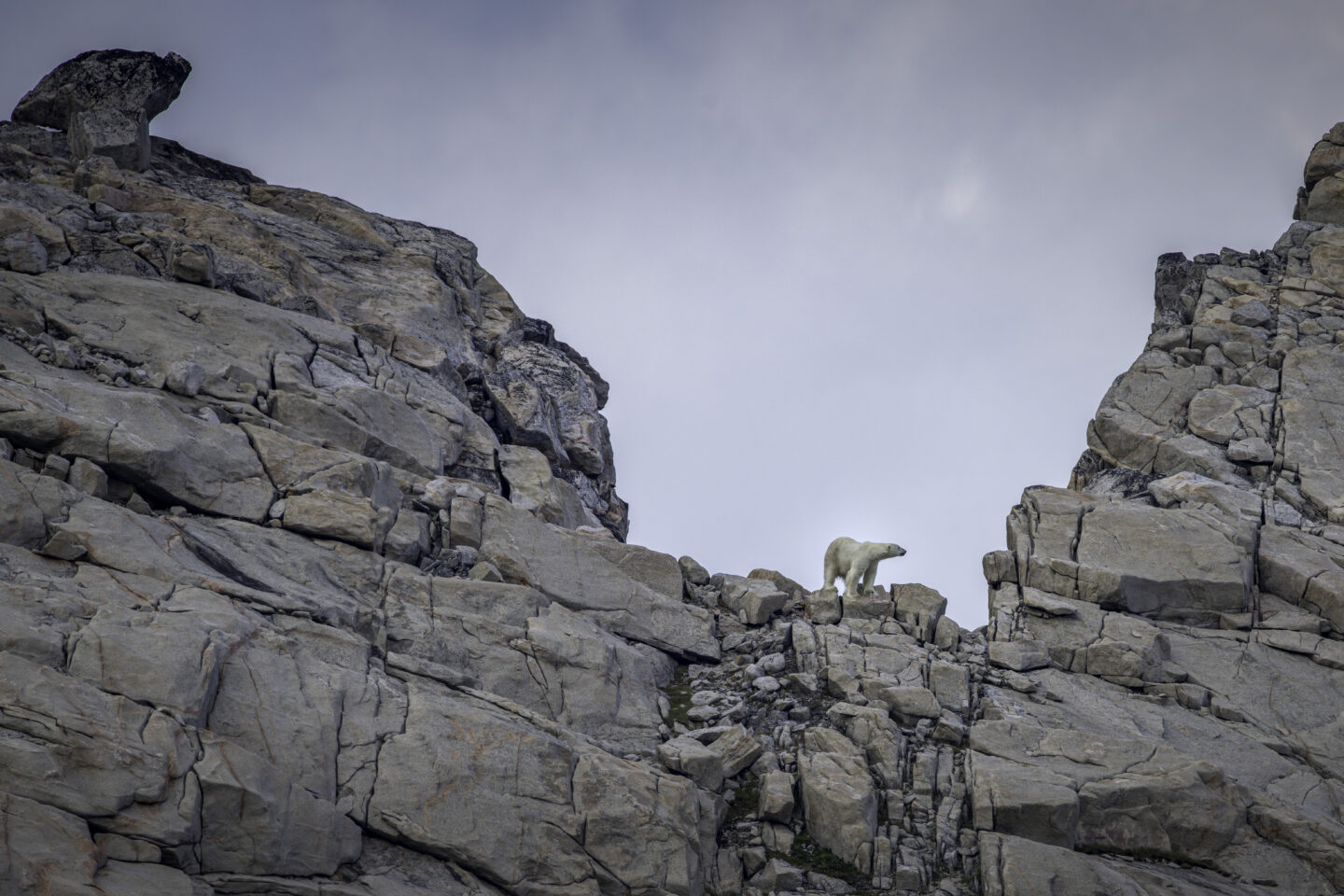
Over the following days, as we explored the east side of Baffin, we visited Qikiqtarjuaq (Brevoort Island), where we spotted a bearded seal gliding through the water and our first polar bear on a clifftop above the sea. Seeing these iconic Arctic mammals in real life was both humbling and exhilarating, a moment that grounded me in the vastness of the North. We also landed at Qikiqtat (Kekerten Island), nestled in the waters of Cumberland Sound, a 19th-century Arctic whaling station steeped in history. Here, the remnants of old buildings still mark the shoreline, offering a glimpse into the era when European and American whalers converged here and Inuit became integral to the industry’s survival.
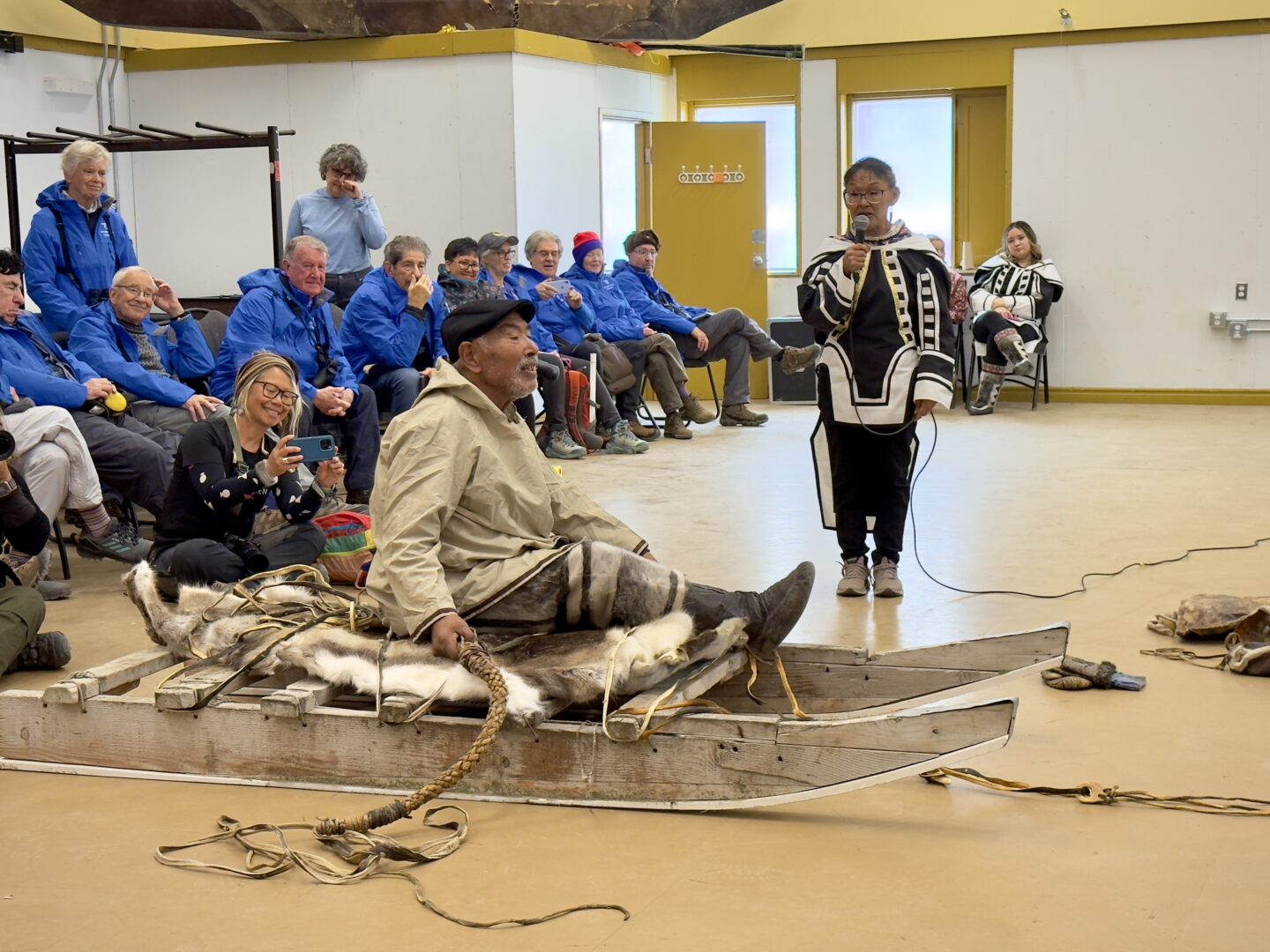
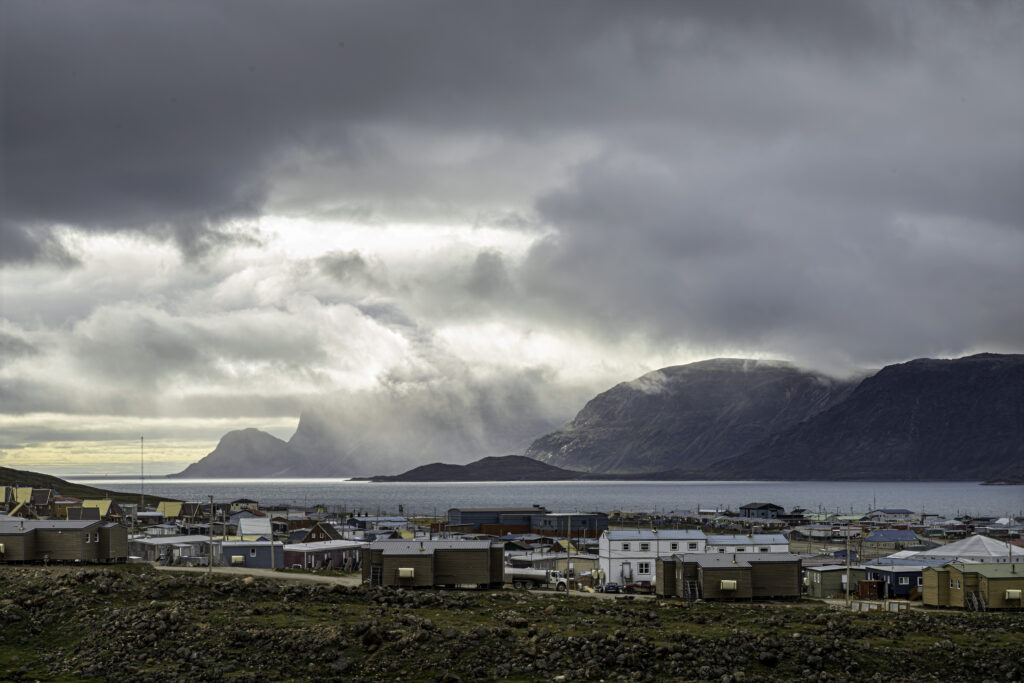
Continuing north through Cumberland Sound, we reached Pangnirtung (or “Pang,” as locals affectionately call it), a picturesque community renowned for its vibrant arts scene and dramatic mountain backdrop. At the Angmarlik Visitor Centre, a local elder shared traditional Inuit dog-sledding techniques, and visitors were invited to sample country food, from fresh Arctic char to bowhead whale.
Exploring the Arctic often requires adapting to the elements, and this voyage was no exception. After visiting Pangnirtung, strong winds made it impossible to round the Cumberland Peninsula, prompting our expedition leader, John Blythe, and the ship’s captain to chart a new course north..
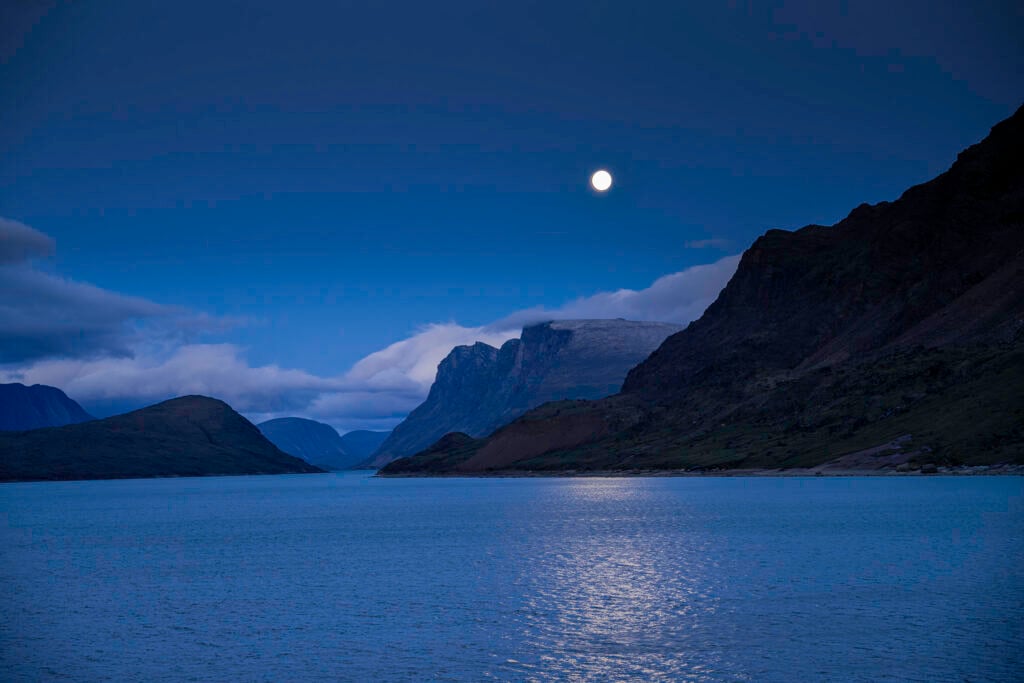
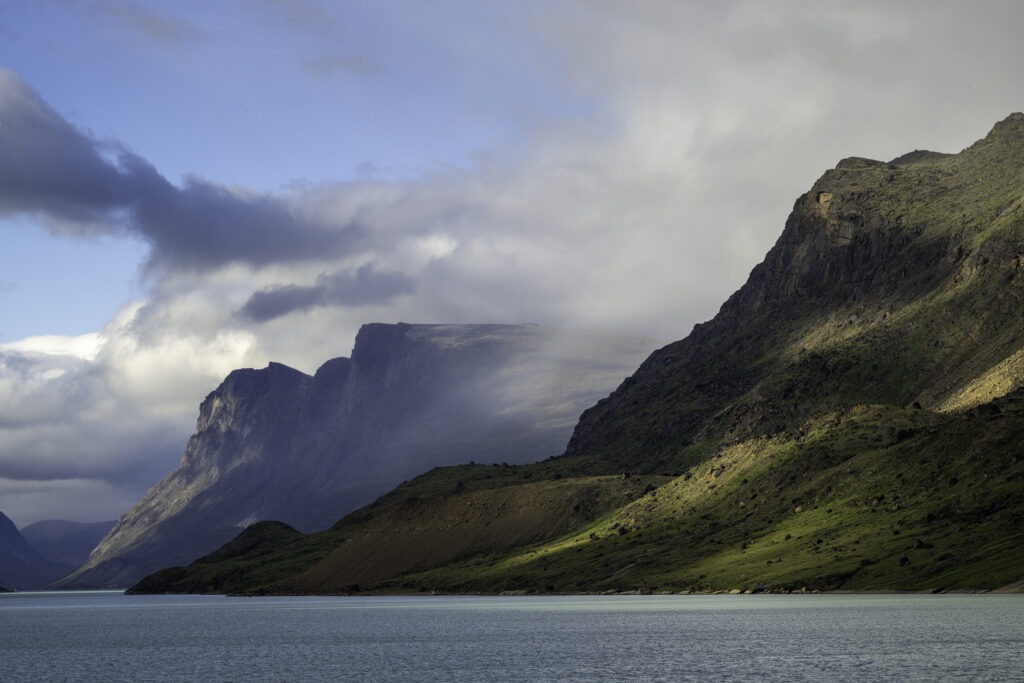
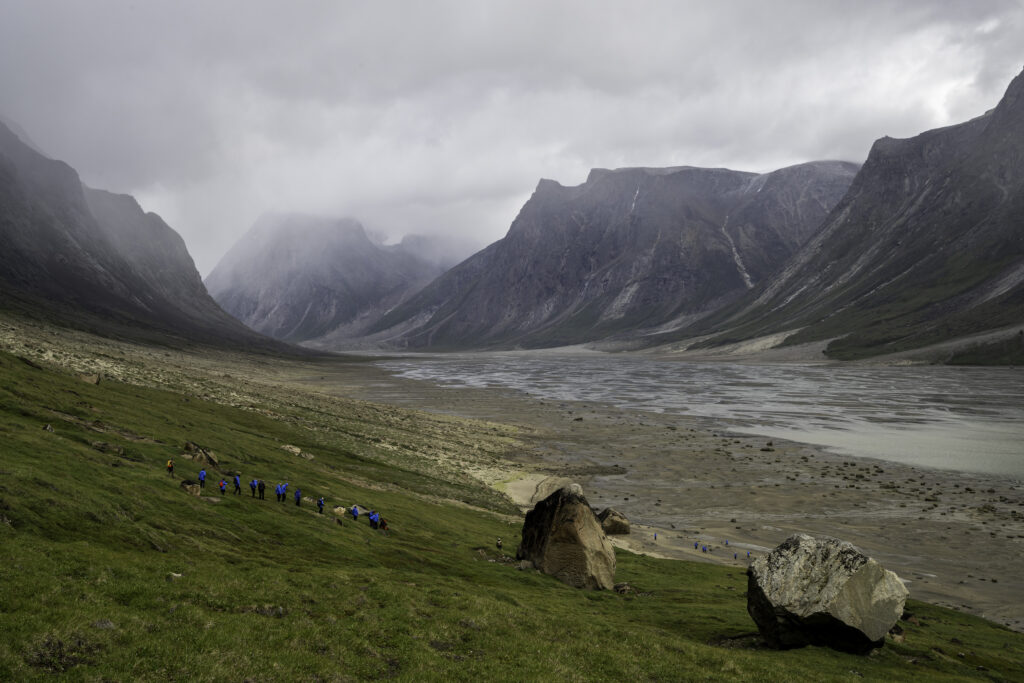
By the next morning, we were deep within the breathtaking Panniqtuq Fjord, encircled by towering mountains. The landscape felt cinematic: vast stretches of tundra giving way to jagged, snow-dusted mountains rising dramatically from the water.
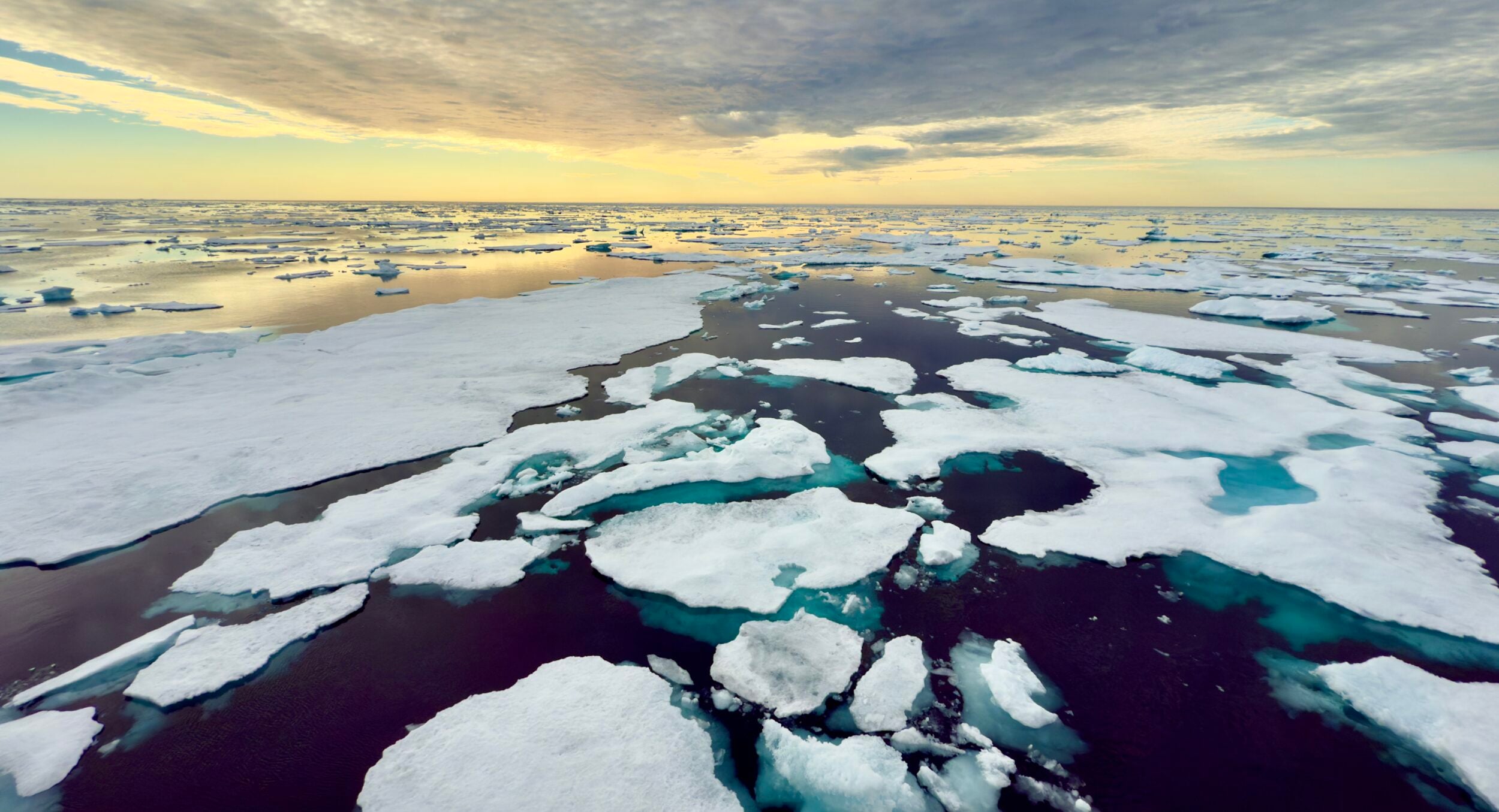
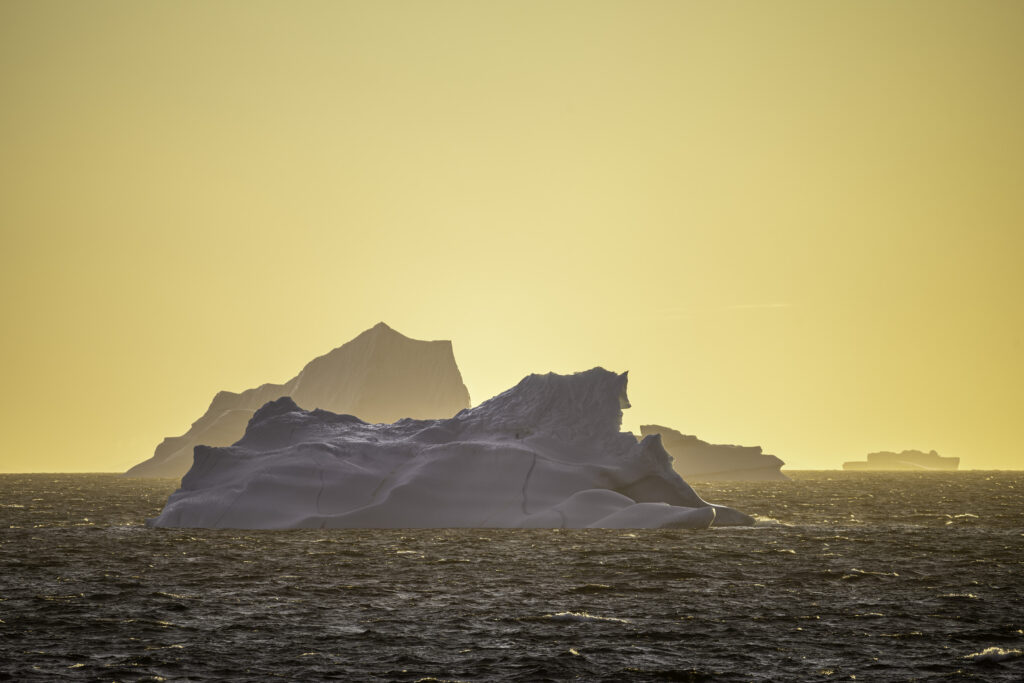
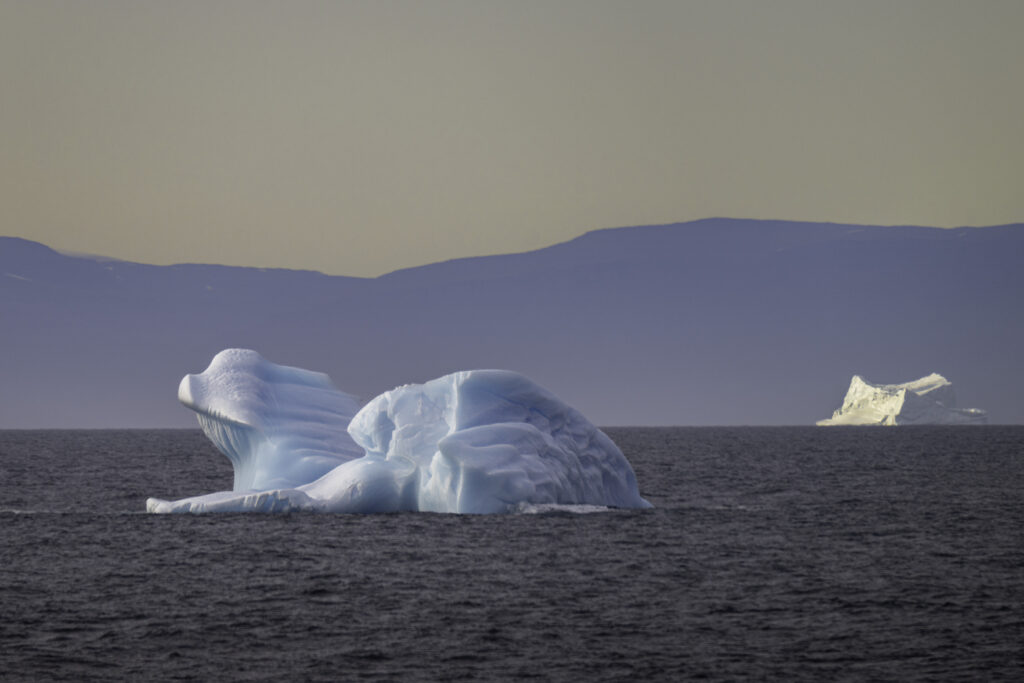
Off the coast of Baffin Island, en route to Greenland, we encountered expansive stretches of sea ice, a striking contrast to the rugged terrain we had explored the previous day. The seascape, scattered with ice in every shape and size, was breathtaking. In that moment, I was reminded of how deeply connected our oceans are and of the urgent need to protect them.
“Polar bear on the port side at 10 o’clock!” The announcement from the bridge sent a ripple of excitement through the ship. Onboard presentations paused as passengers hurried to the outer decks, eager to catch a glimpse of the distant bear resting on an ice floe. Ocean Endeavour slowly adjusted course, edging closer while maintaining a respectful distance so as not to disturb the animal. Capturing photographs in this raw and unforgiving wilderness felt like a once-in-a-lifetime gift. It was an encounter so powerful and humbling that I knew it would stay with me forever.
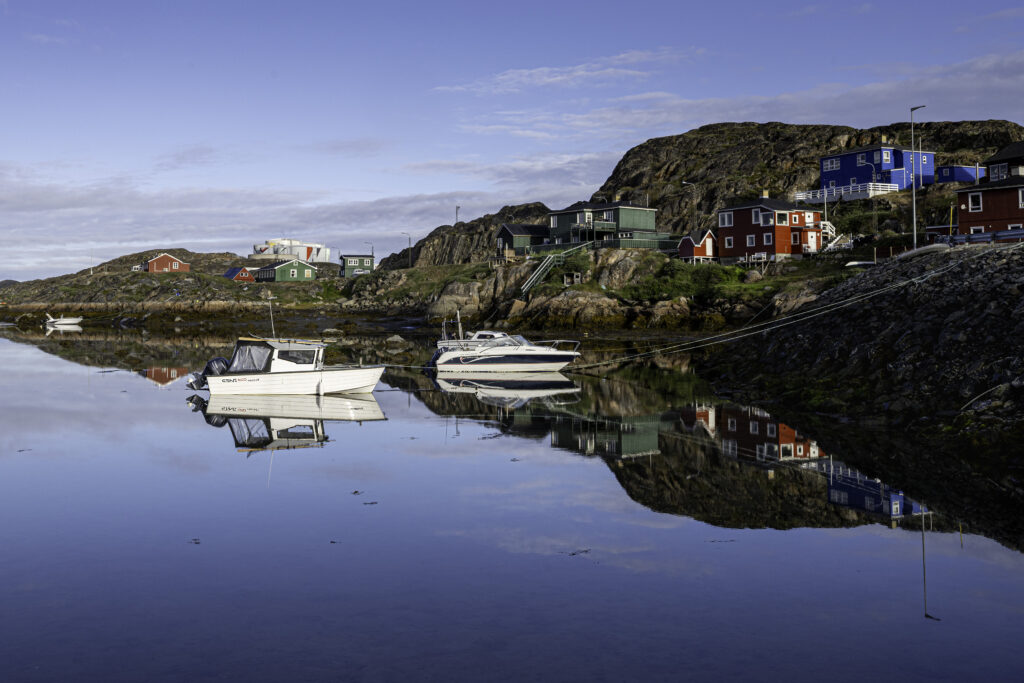
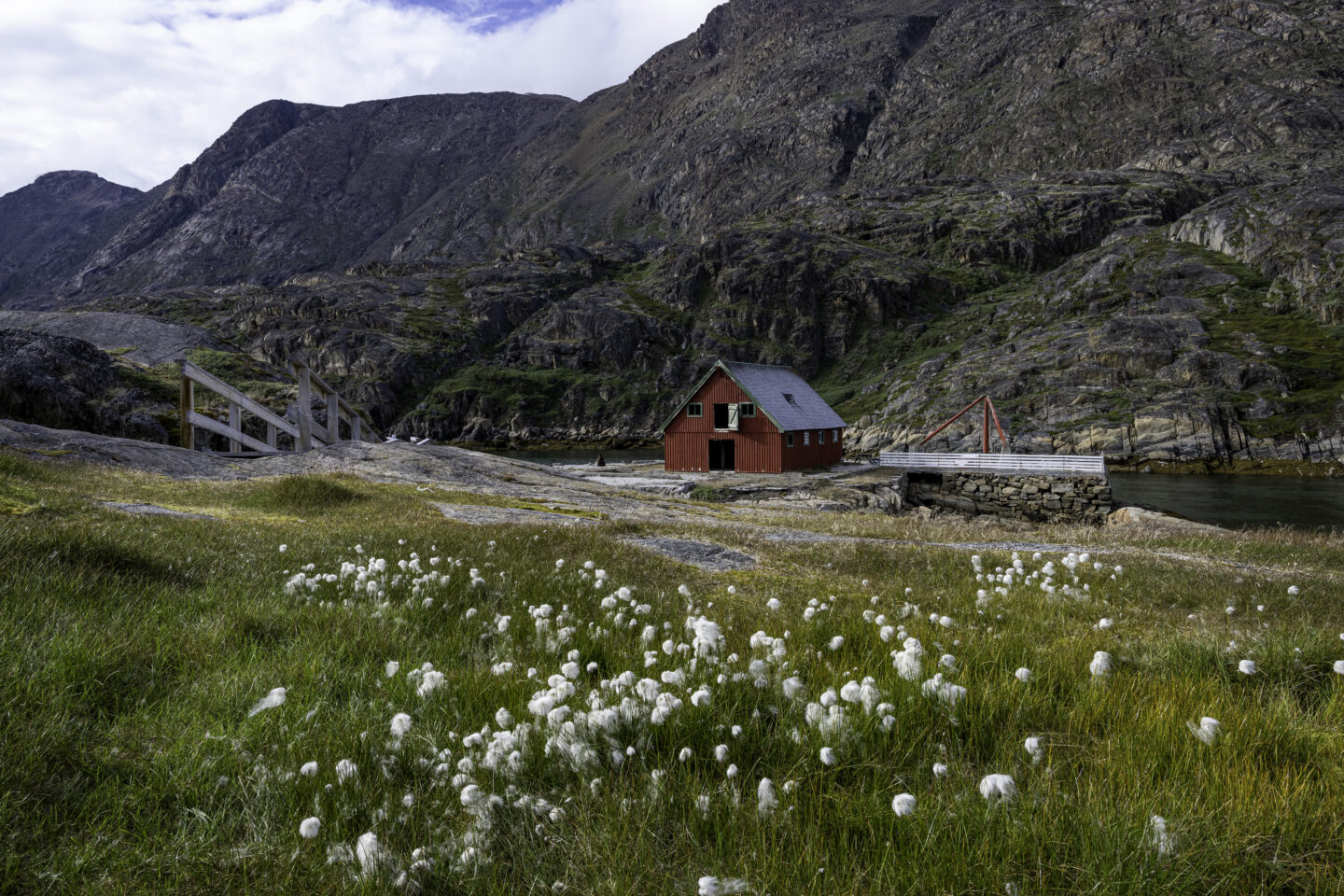
After crossing the Davis Strait, we arrived at Assaqutaq, Greenland, a former fishing village now used as a summer camp for local schools. Wandering through the quiet settlement, we could almost feel the life that once thrived there. Later that day, we continued to Sisimiut, Greenland’s second-largest city, home to just under 6,000 residents. This colourful town offered a glimpse of modern Greenlandic life, with its schools, the Taseralik Culture Centre, a museum, shops and lively streets set against a stunning Arctic backdrop..
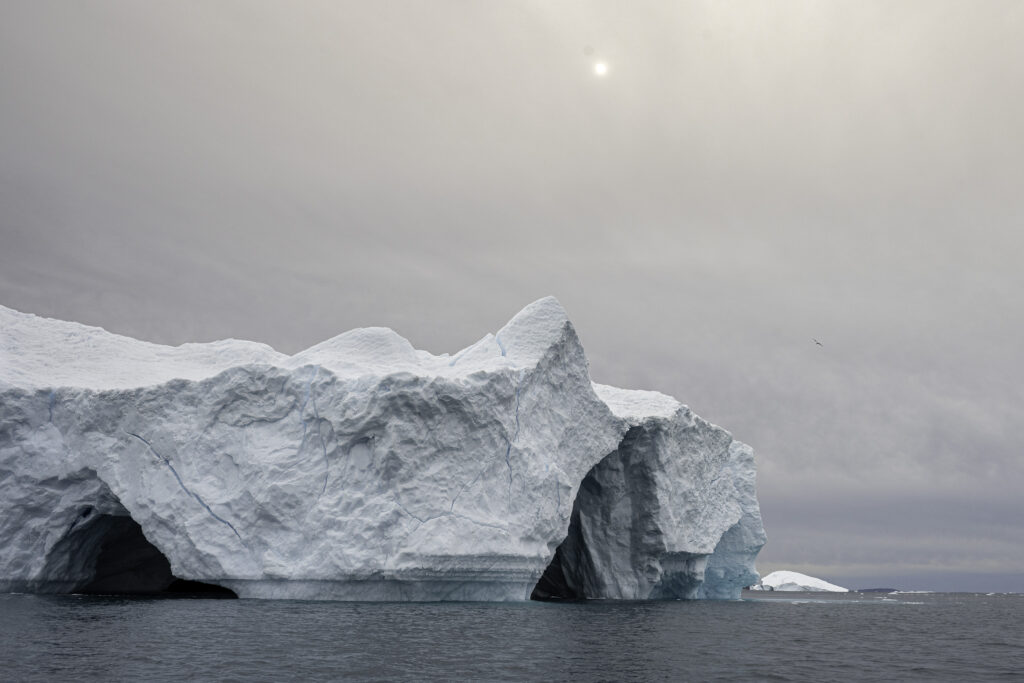
Our final adventure brought us to Ilulissat Icefjord, a UNESCO World Heritage site and home to the fastest-calving glacier on Earth, a vital location for studying climate change and the power of glaciers. That day, high winds and a sea full of icebergs kept Ocean Endeavour at a distance, but Blythe, our expedition leader, secured special permission from the port authorities for a zodiac cruise. As we glided through the icy waters, surrounded by towering icebergs in every shape and shade of blue, the scale and majesty of the landscape left us speechless.
This voyage was a reminder of nature’s immense power and fragility, and truly transformative. “A journey that will resonate with me for years to come.”
Most travel requires meticulous planning, especially when it comes to photography. Ensuring you have the right gear is essential to staying comfortable while chasing the perfect shot.
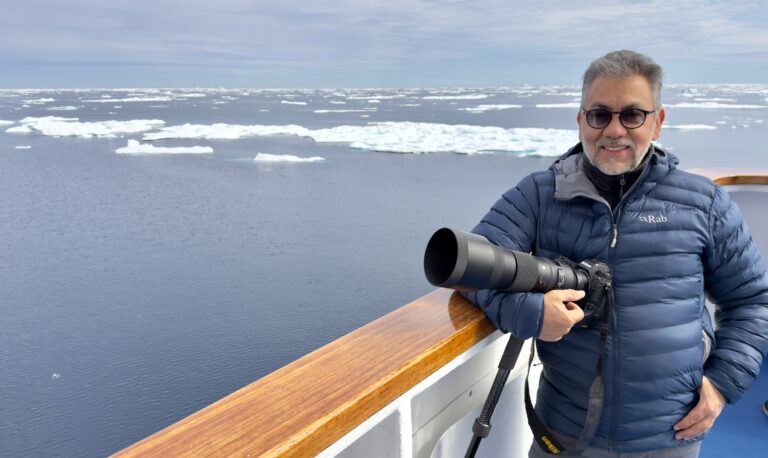
A versatile kit is key for any photographer. To capture sweeping landscapes, a wide-angle lens is the perfect choice. In contrast, a zoom lens is ideal for capturing images of distant wildlife, such as polar bears, seals and seabirds. Alongside your zoom lens, a tripod or mounting a monopod to a heavy lens can improve stability and reduce fatigue during long shoots.
In areas like the Arctic, cold weather can quickly drain batteries, so be sure to pack extras with you. Another invaluable item is an external hard drive to save and back up your photos at the end of each day.
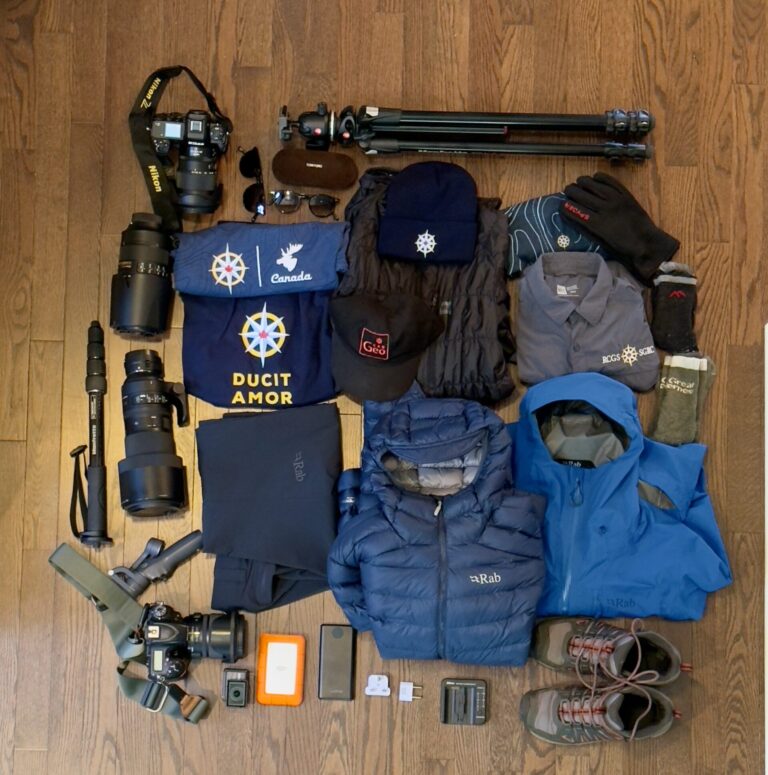
In the Arctic, where high levels of UV radiation are reflected by the snow and ice, good sunglasses are essential. I chose to bring a pair of Tom Ford by SmartBuyGlasses; the gradient shade was ideal, blocking the glare of the bright sun while remaining clear at the bottom, perfect for looking through the camera. For clothing, I wore Rab Incline hiking pants paired with a waterproof “Downpour Jacket” and a lightweight Cirrus Alpine Jacket, also from Rab. I loved the comfort, performance and packability of this gear; it kept me ready for whatever the Arctic weather threw my way.
Travel
Paul Colangelo shares images from his time exploring the North with the first Canadian to walk in space
People & Culture
A group of students from around the world who embark on an unforgettable journey of Arctic education wind up discovering something about themselves in the process
People & Culture
Indigenous Greenlanders, who endured centuries of colonialism from Denmark, now face a new threat from Donald Trump’s United States
Wildlife
Using cameras baited with squid, researchers were able to gather information about these ancient Arctic fish without taking any out of the water