Travel
Why Viking’s Ancient Mediterranean Treasures cruise is perfect for history lovers
Aboard Viking Vesta, ancient Mediterranean worlds take shape through legendary ports, historic ruins and sweeping coastal landscapes
- 1896 words
- 8 minutes
Travel
The limestone cities and harbours of Malta are layered with fortifications, underground wartime shelters, and centuries of conflict that continue to define everyday life
There’s a secret to Malta’s midday boom: wheat flour.
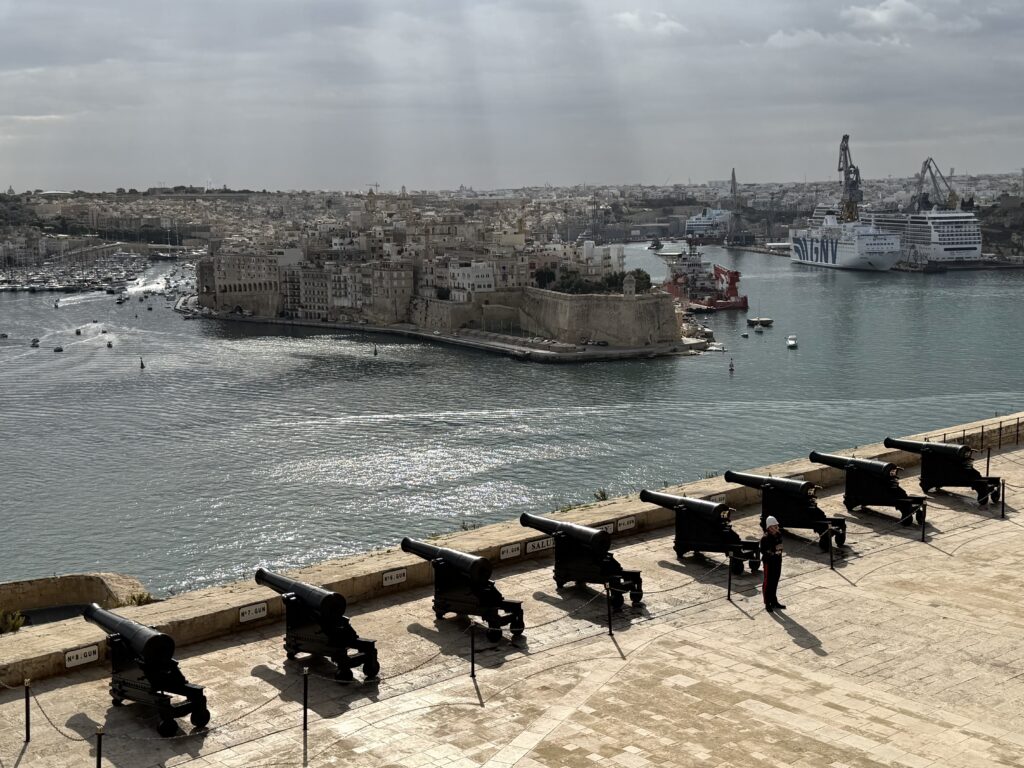
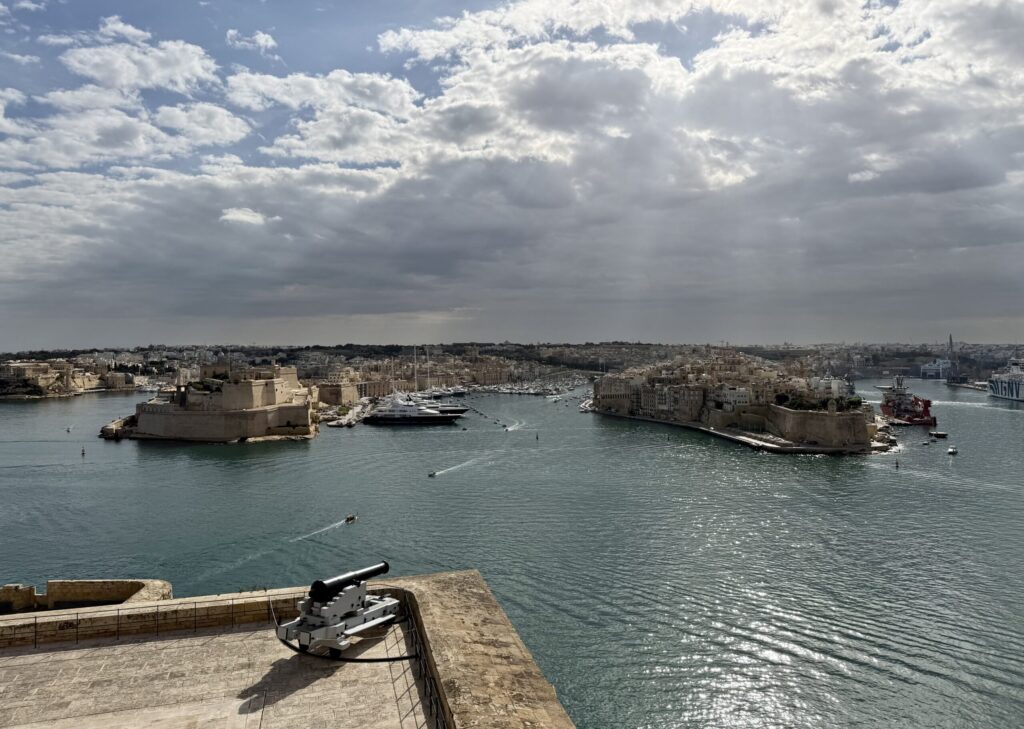
As the clock approaches 12 p.m., a small crowd of lunchtime visitors gathers along Valletta’s Upper Barakka Gardens — the best vantage point to observe the capital city’s historic Saluting Battery, where cannons are fired at noon and 4 p.m, Monday to Saturday. Below, gunners in 19th-century British artillery uniforms tend the replica ordnance, loosing their salvoes across the vast sweep of the UNESCO World Heritage city’s Grand Harbour.
During my week on the Mediterranean archipelago, on each visit to watch the spectacle, I’m as charmed (and as slightly alarmed) as anyone: the reports that echo across the Grand Harbour are loud and convincing.
It’s my garrulous guide, Vincent Zammit, an irrepressible fount of local fact and insight, who explains the trick: the cannon charges are dosed with flour to achieve the bright flash that augments the smoke when the cannons fire.
With a total area of just over 300 square kilometres, Malta comprises the islands of Malta, Gozo and Comino. It’s one of the world’s most diminutive countries, smaller than the island of Montreal. And there are numerous reasons to visit.
Beaches on Gozo beckon, and the diving at Merkati Reef comes highly recommended. In Valletta, MUŻA, the National Museum of Art, contains multitudes, including (for attentive Canadians) a 1925 plaster statue of Prime Minister Sir Wilfrid Laurier.
A glass of robust Maltese red (and maybe even a refill) is reason enough to pass by the Tà Betta Wine Estates in Siġġiewi.
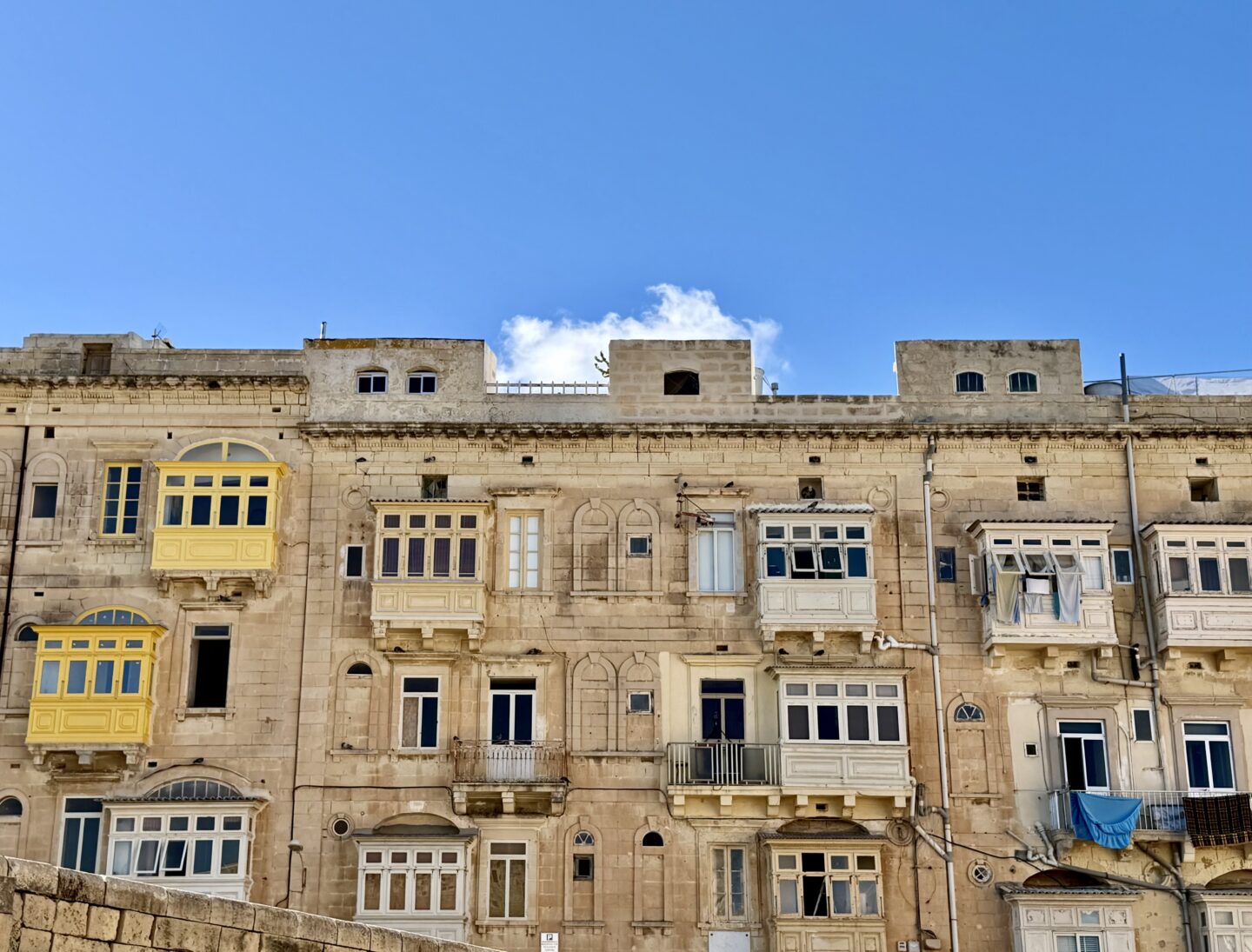
If you’re here for the history, you don’t have to do much more than wander to get started. Simply strolling down the street in Valletta feels like an act of archeology: wherever you go, you’re sifting shards of the island’s storied past.
The built forms of churches, auberges, and citadels, as well as the treasures held within Malta’s museums, are the legacy of the Knights Hospitaller of the Order of St. John of Jerusalem. From 1530 to 1798, they ruled Malta and fought their epic battles with the Ottoman Empire.
With devastating modern-day wars underway to the north and east, Malta’s long history of struggle and loss is as resonant today in its own grim way as the bells’ strike from the tower of St. John’s Co-Cathedral.
Approaching the cathedral, you pass the preserved ruins of the Royal Opera House, razed by German bombs in 1942 — a solemn reminder that during the Second World War, as a key British bastion, Malta was among the most bombed places in the world.
Turning into the ordinary disorder of Republic Street (Triq Il-Republika, in Maltese) in the vibrant city centre, and moving through the throng of selfie-stalled tourists, one of several iconic red telephone booths, a staple of London’s streets, comes into view, a remnant of both bygone technology and empire.
The riches within St. John’s include Caravaggio’s remarkable Beheading of Saint John the Baptist, painted in 1608. The monument that rises in the square outside was built in 1927 to commemorate victims of the Great Siege of 1565 and doubles as a shrine to Daphne Caruana Galizia, the Maltese journalist murdered in 2017 for her reporting on crime and corruption.
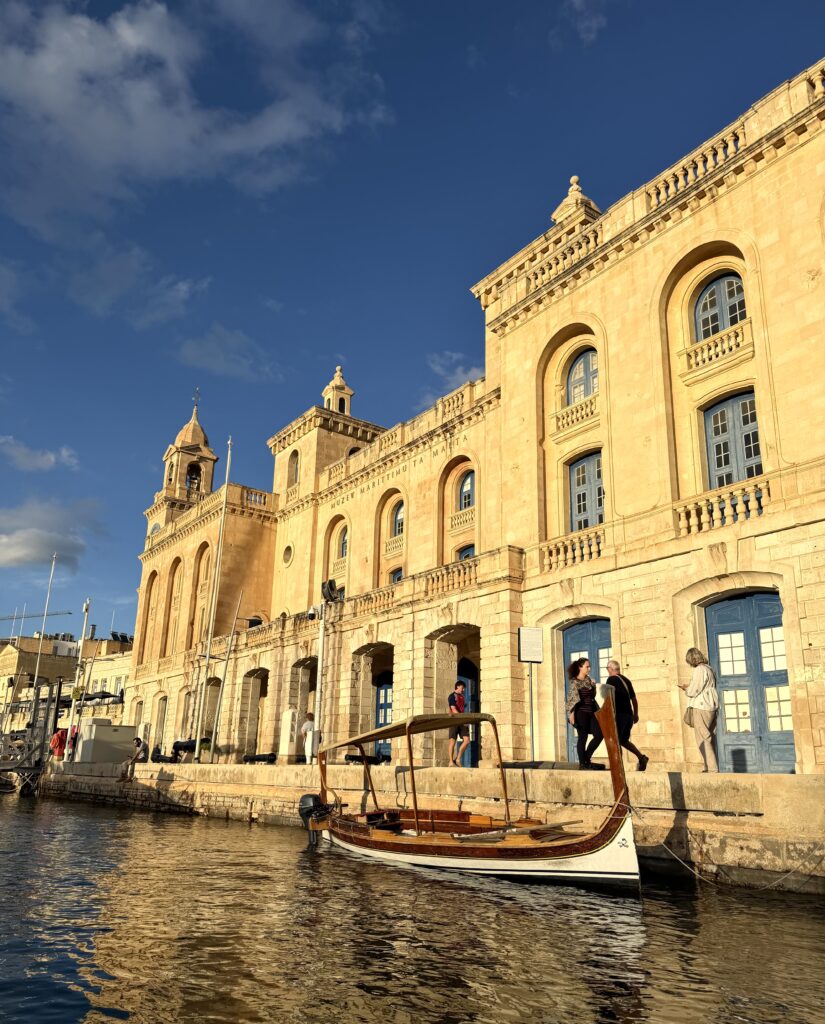
Back at the Barrakka Gardens, where the gunsmoke has dispersed into the blue afternoon, a baking theme begins to emerge. Across the rippled, silken blue of the port to Vittoriosa, one of Malta’s famed Three Cities, Zammit points out the National Maritime Museum, housed in the 1845 complex from which the Royal Navy once supplied bread and biscuits for the hundreds of ships of its vast Mediterranean fleet.
“And just there,” says Zammit, pointing at Marsa, past the modern dockyards and moored cruise ships: that’s the former marshland where the Knights of Malta sited their bakeries, with the sensible idea that smoke from the ovens would drive off the resident mosquitoes.
I squint to see into that distance, and past.
I’m here for the history.
Through centuries of conquest and colonization, of resistance and resilience, Phoenicians and Carthaginians made their mark on Malta, along with Greeks, Romans, Byzantines, Arabs, Normans, and Aragonese. It was King Carlos V of Spain who granted Malta to the Knights of St. John. That was 1530, when the Knights agreed to pay rent in the form of a peregrine falcon a year.
The Knights had a long history of irking Suleiman the Magnificent, sultan of the Ottoman Empire, attacking his North African outposts and looting his ships. So, in 1565, he sent an armada to oust the Knights from Malta. The ensuing Great Siege was a ferocious campaign, the outcome of which was seen as determining the future of Christian Europe.
After the Knights, the French arrived in 1798 (Napoleon himself stopped by), but with British help, the Maltese soon drove them out. The British imperial reign lasted until 1964, when Malta gained independence; British military forces remained until 1979.
The Canadians arrived in 1942.
The unavoidable first stop for visitors like me to modern-day Malta is the international airport. During the Second World War, this was the site of RAF Luqa, the principal Allied airfield. A 20-minute drive northwest from the airport lands visitors at Ta’Qali, where the Malta Aviation Museum’s hangars are housed. A sizable Canadian contingent that was based there with the Spitfires of the RAF’s 249 Squadron included Buzz Beurling, from Verdun, Quebec, who in 1942 shot down 27 enemy aircraft in two weeks. Beurling famously ended the war as Canada’s most effective fighter pilot.
The Spitfires helped save Malta, a strategic linchpin in the Second World War dubbed by Winston Churchill “Great Britain’s unsinkable aircraft carrier in the Mediterranean.”
Nowadays, the hangars at Ta’ Qali house the Malta Aviation Museum, a meticulously curated collection that includes the remains of a German Messerschmitt Bf 109 and a restored Spitfire IX. In a roomy on-site workshop, revival of the past is an everyday endeavour as volunteers work under an aeronautic engineer to return historical aircraft (some of which arrive as wrecks) to the skies.
We spend the rest of the day zig-zagging across landscape and historical eras, reaching, mid-island, the fortified city of Mdina, Malta’s capital before the Knights arrived. It owes its nickname of “The Silent City” to its timeless atmosphere, as well as the prohibition on cars and, just perhaps, a lack of noontime artillery.
It was during the 1429 Moorish siege of Mdina that St. Paul is said to have appeared on horseback to reverse the flight of the attackers’ arrows and assure a Maltese victory.
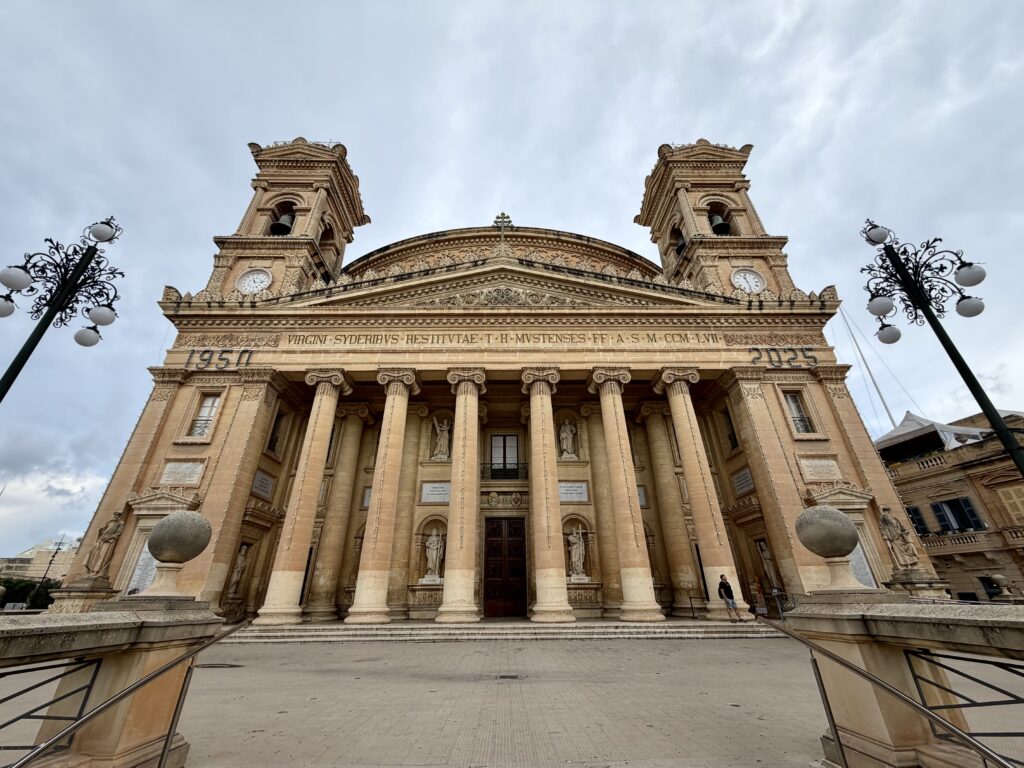
In nearby Mosta, beneath the magnificent dome of the Rotunda, Zammit describes the circumstances surrounding what he calls “another one of the miracles of Malta.”
During a Luftwaffe raid in 1942, while 300 parishioners worshipped in the basilica, a 500-kilogram bomb crashed through the roof. It damaged a painting of Christ and the Apostles, hit the floor, and rolled towards the pulpit — without exploding. It was defused by Royal Engineers and dumped into the sea. Today, a decommissioned British bomb is on display in a church vestry.
If Buzz Beurling and his fellow pilots fought their wars at 20,000 feet, much more of Malta’s experience under siege happened underground. Visiting these sites offers a glimpse of the desperation that defined that hidden war.
In Valletta, the immense limestone ramparts of Fort St. Elmo command the sea-facing tip of the city. This was the scene of savage fighting during the Ottoman onslaught. In the Second World War, these same bastions were fundamental to the defence of the city.
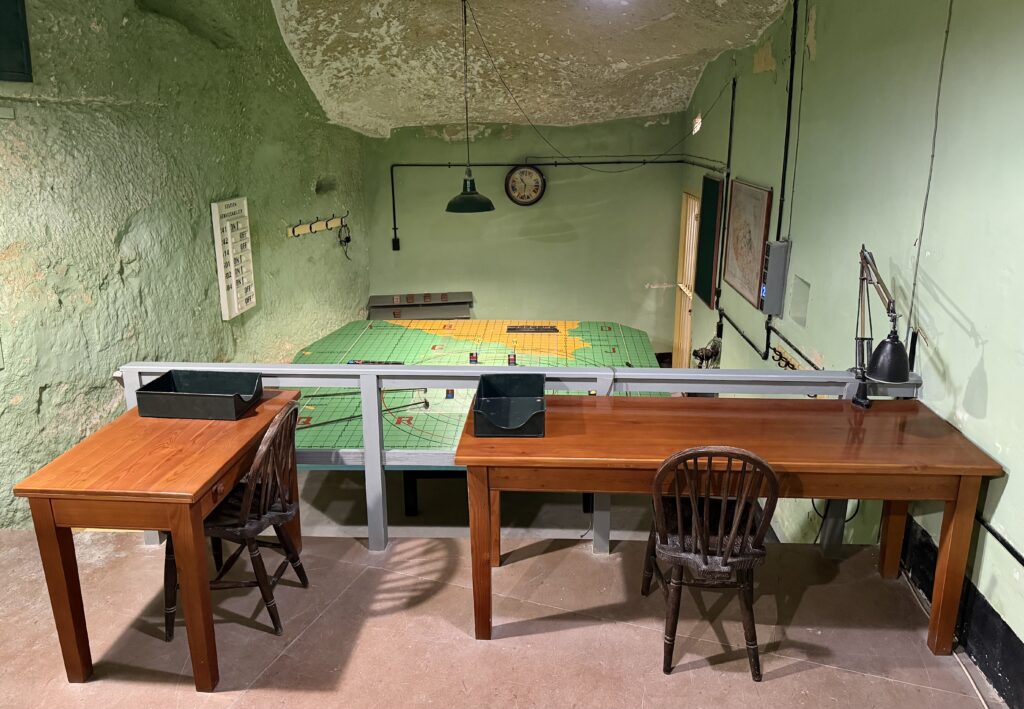
Beneath the Saluting Battery, a hive of Second World War military quarters and command centres is dug deep into the rock. All told, by 1942, Allied engineers had carved out some 125 cubic kilometres underground, sufficient to shelter every person in Malta, including troops.
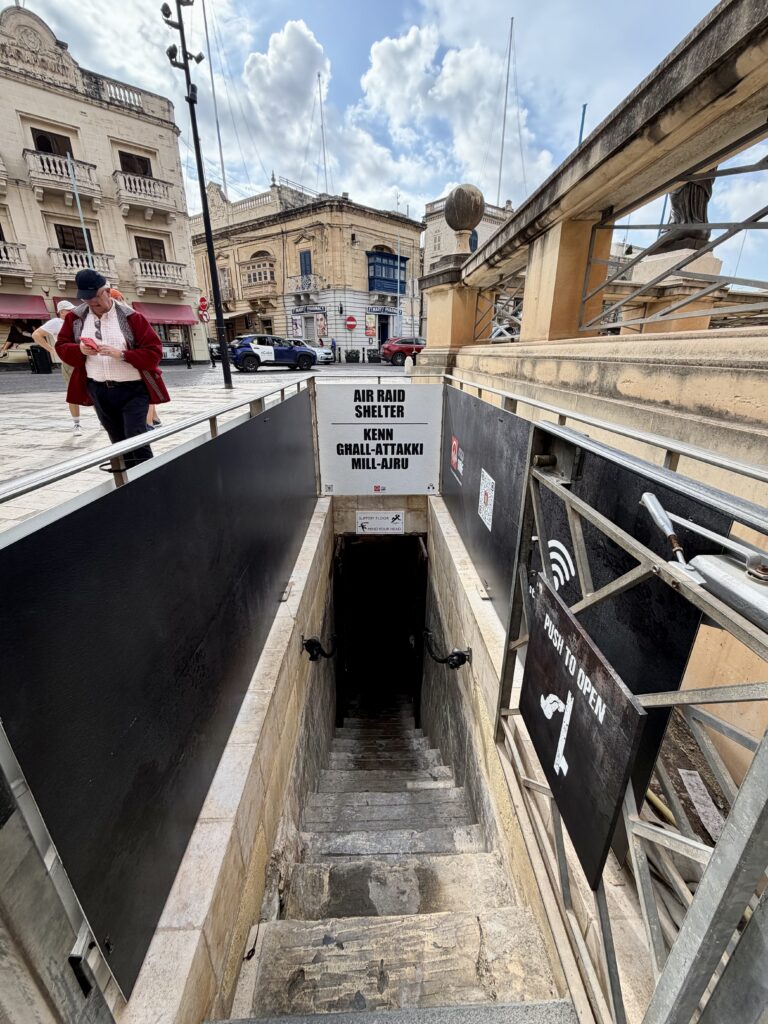
On St. John Street (Triq San Gwann), amid sidewalk cafés, travellers can slip down a stairway with a guide on a poignant detour to discover some of that. It’s close and claustrophobic in the tunnels where, 80 years ago, the population sought refuge from enemy attack in this second, damp, and gloomy subterranean city.
Stooping your way through the low-ceilinged catacombs, it’s easy to lose your bearings down here where a city huddled and endured.
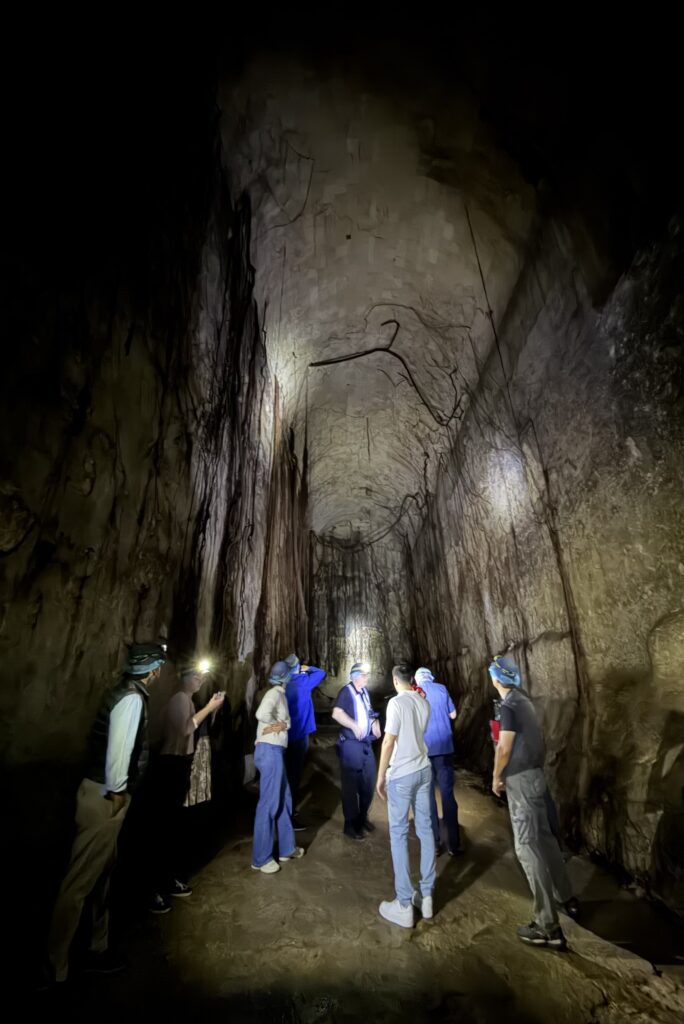
Eventually, the narrow passages give way to a new wonder: a series of soaring subterranean vaults, like some strange, inadvertently sunken cathedral. Empty now, the vaults were dug as cisterns by the Knights of Malta to keep the city well-watered.
A steep steel staircase leads to the exit by way of a small utility hole in the pavement in front of St. John’s Co-Cathedral. If, still blinking in the sunlight, you raise your gaze to the arch high overhead, the words inscribed up there truly do feel like they’re part of the experience: SALVA NOS, they say — save us.
Buzz Beurling published a book about his exploits, Malta Spitfire, which appeared in 1943. Filled with aerial combat (“scrambles and scraps”), warrior camaraderie, along with several near-misses, crashes, and a queasy bout of dysentery, it’s a bracing read. But for those reasons and more, it’s not recommended as a guidebook for sightseers. Busy with battles, Beurling sees the island itself as “a small ledge of rock” and “a hunk of bald rock.”
He does pay tribute to the spirit of the Maltese during those calamitous days. “What made the defence of Malta possible, the way I’ve always seen it, was the people”, he writes.
In 1942, Britain’s King George VI recognized Malta’s heroism and fortitude with the George Cross — the civilian equivalent of the Victoria Cross. It was the first time that the medal was awarded to an entire population. Today, it’s proudly preserved in the National War Museum at Valletta’s Fort St. Elmo.
There are other ways of seeing Malta, of course through the eyes of its many visitors.
Seventeenth-century Ottoman epithets for the island (uttered, again, in the fervour of battle) include “headquarters for infidels” and, from Suleiman himself, “this cursed island.”
Napoleon, by contrast, decided that Malta boasted the “best harbour in the Mediterranean.”
Samuel Taylor Coleridge arrived in Malta in 1804 as a bureaucrat (and, reportedly, in search of a cure for his opium addiction). “The Sky, the Sea, the Bays, the Buildings are all beautiful,” he wrote, “but no Rivers, no brooks, no Hedges, no green fields, almost no Trees & the few that are unlovely.” (He also found Valletta noisy.)
To Edward Lear, the English poet and artist, the glory of Malta demanded a whole new adjective, which he was pleased to invent: the place was purely “pomskizillious.”
It works.
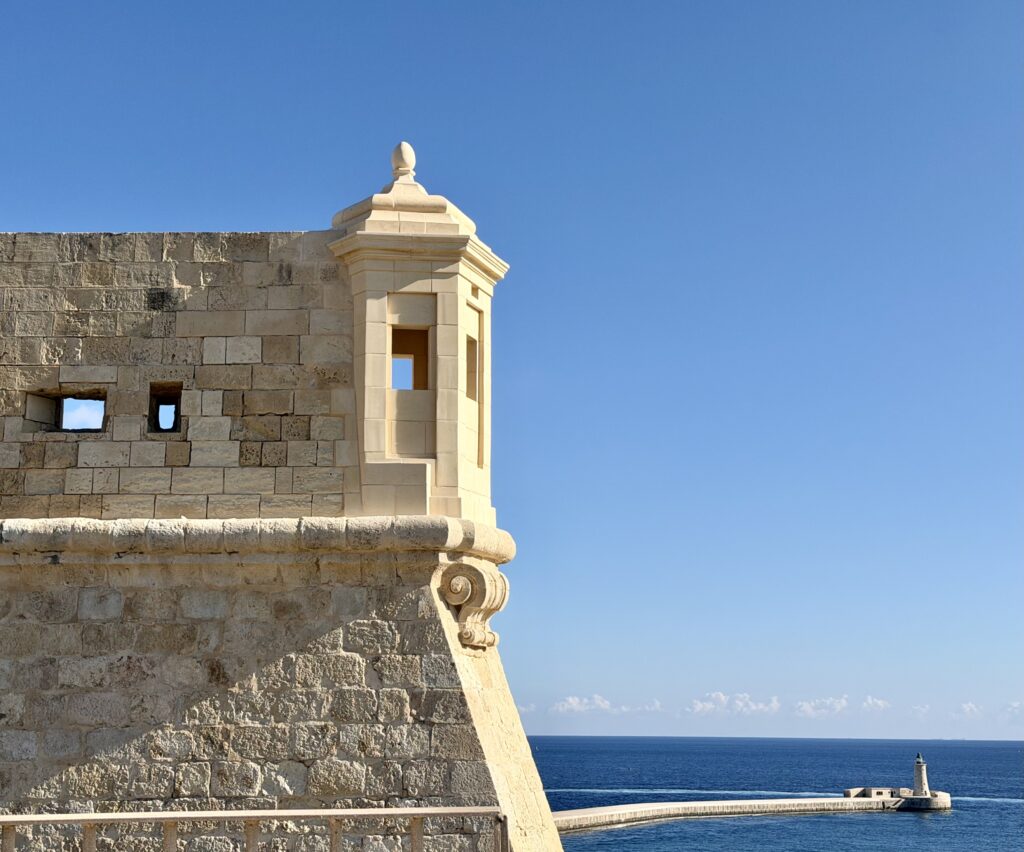
On a sunny afternoon, one of my last in Malta, I’m hard-pressed to summon shorter, more conventional words to do justice to the majesty of the place.
Crossing to Vittorioso, and after a visit to the Collegiate Church of Saint Lawrence, I climb to the heights of Fort St. Angelo. A dry wind twists the red-and-white national flags flying overhead — Zammit identifies it as “a young scirocco,” from North Africa. It was here, in 1565, that some of the fiercest fighting of the Great Siege took place as Ottoman attackers almost (but not quite) overran the Knights and their Maltese allies.
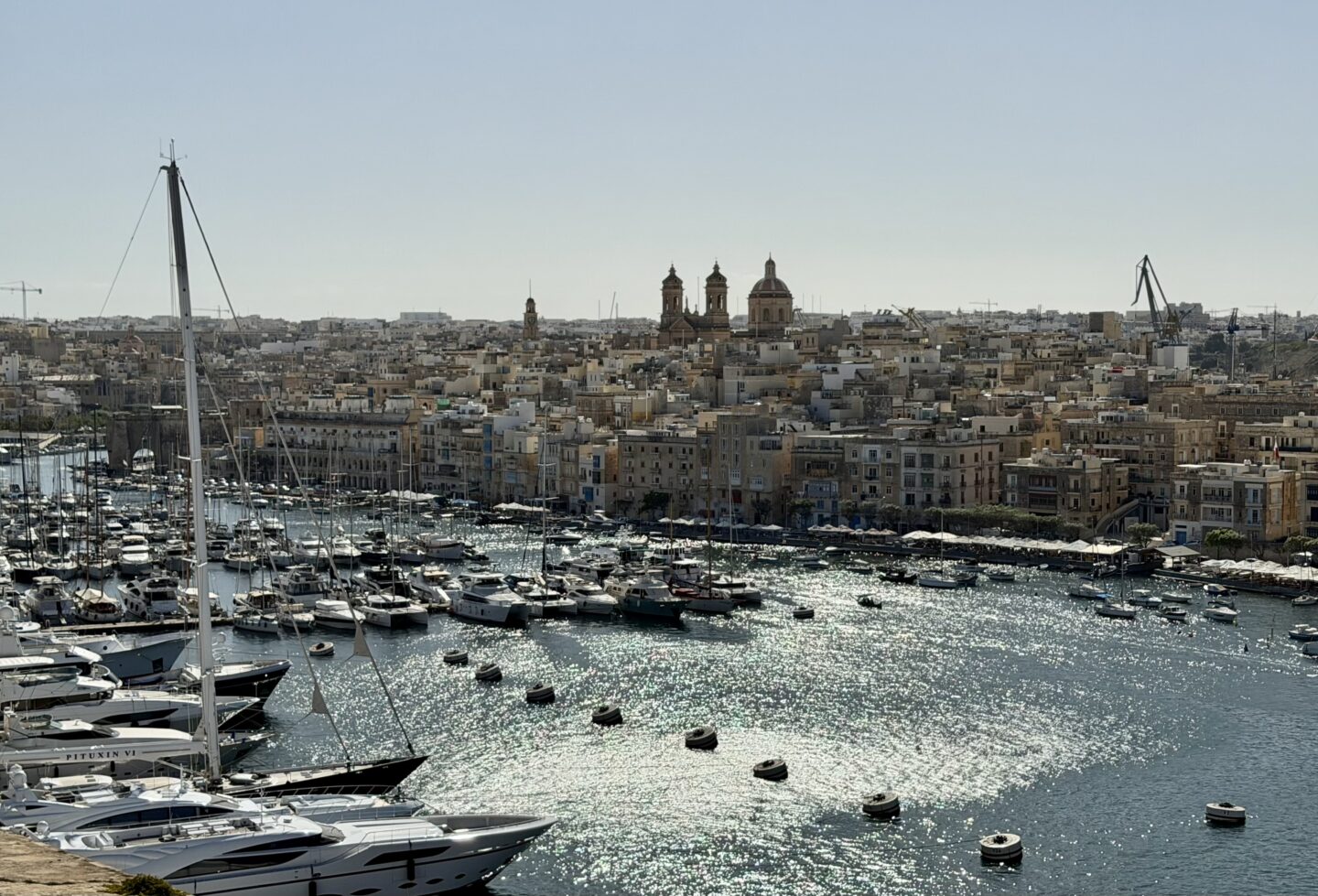
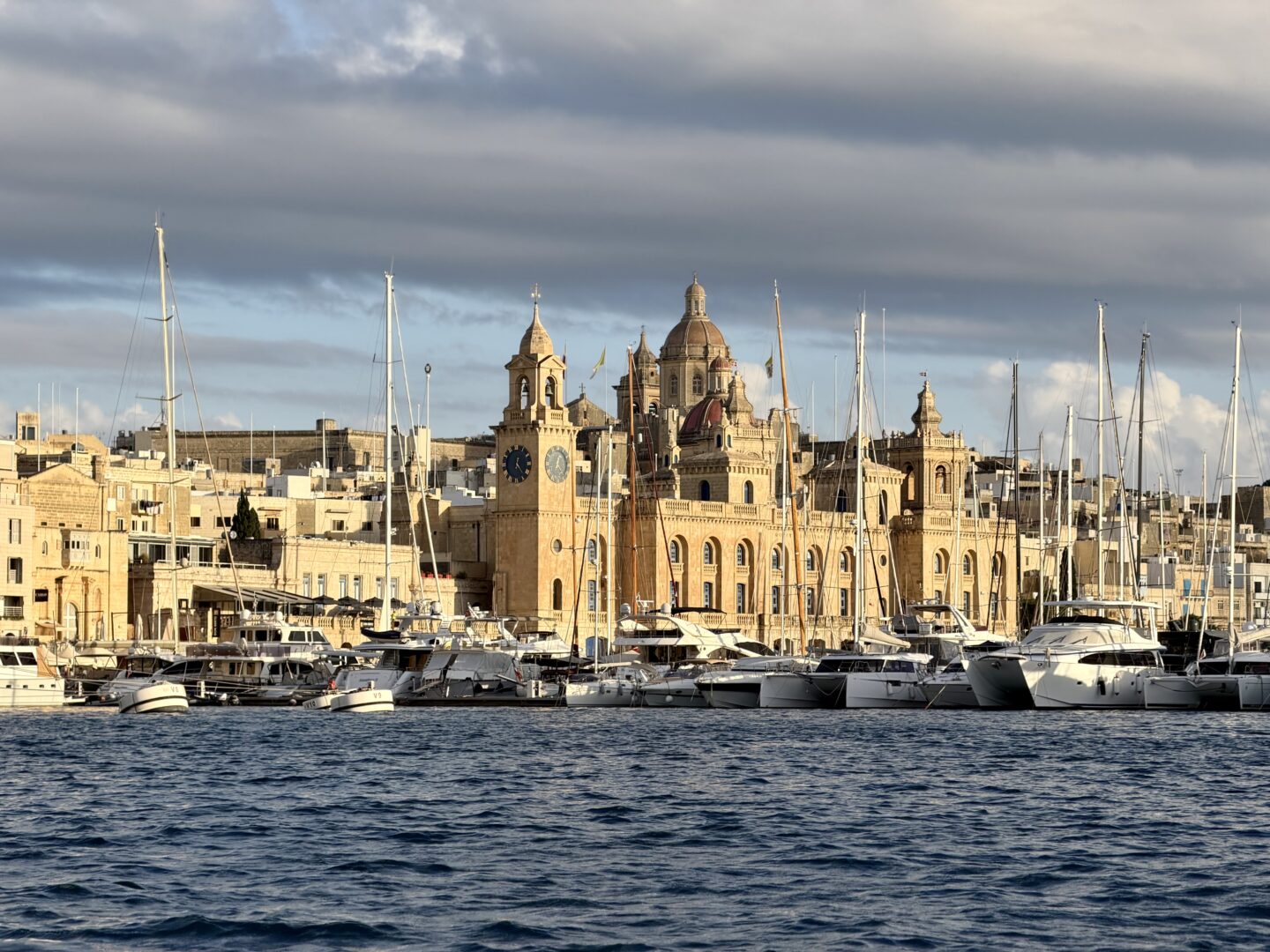
Down we go to the harbour’s edge, the domain nowadays of moored superyachts alongside mere yachts. We subside into lunch under the battlements.
As the afternoon stretches on and out, it’s time to wander the Birgu quay. Zammit manages to hail one of the traditional Maltese boats that ply these waters. The dgħajsa (pronounced “djay-sa”) is a Venetian-gondola-looking craft, with a spry pilot at the oar and outboard, and room for six passengers or so. Once these boats dotted the harbour, indispensable ferries for people and goods; today, the Grand Harbour is simply to take it all in.
Out towards the breakwater, the imposing façade of the Villa Bighi comes into view, once the Royal Navy’s main Mediterranean hospital, and Fort Ricasoli, another former Knight citadel now given over to movie-making: scenes from Gladiator, Troy, Napoleon, and Game of Thrones were all shot here.
Looking back to the opposite shore as the boat putters on through the waning afternoon, Valletta’s landmarks come into focus. Up at the Saluting Battery, I can see the shift of the crowd and the tiny scurry of gunners.
Time for another boom, and its floury flash. Another day on Malta is history.
Travel
Aboard Viking Vesta, ancient Mediterranean worlds take shape through legendary ports, historic ruins and sweeping coastal landscapes

Travel
An inside look at Good Knights medieval-themed glamping experience — complete with sword fighting, axe throwing, archery and more

People & Culture
Armour, on now at the Canadian War Museum in Ottawa, is a fascinating display of protective gear used by knights, soldiers, athletes and actors through time
Travel
When you visit Madrid and Valencia, you won’t just see Spain — you’ll feel it