
Environment
Canada’s greenest prof
Vancouver might just be home to the greenest building in the world. Meet the geography professor who brought it to life.
- 2598 words
- 11 minutes
Travel
Robin Esrock steps aboard The World, a luxury residential cruise ship where multimillion-dollar apartments, extraordinary amenities and a passion for travel come together

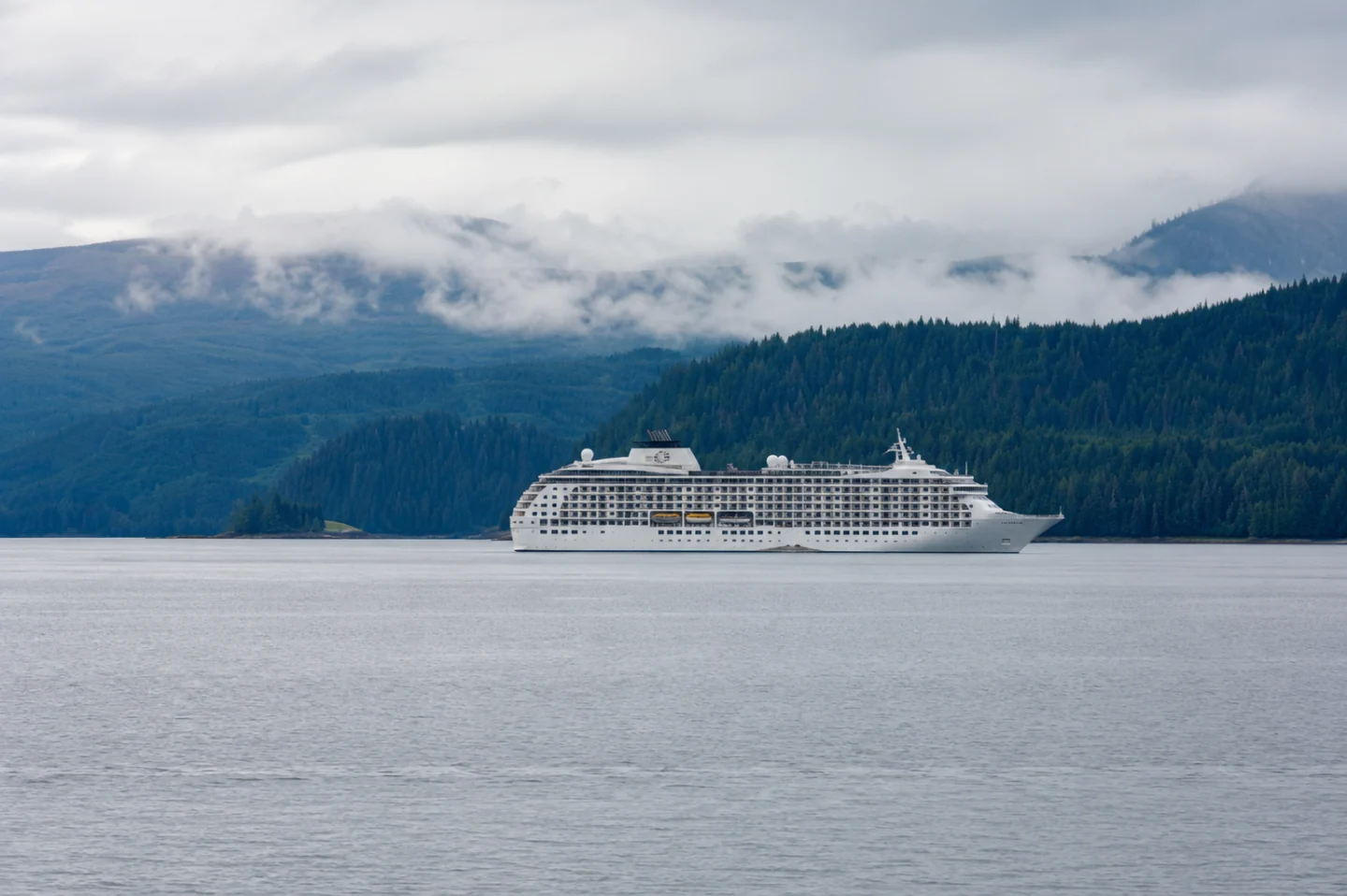
When I first heard about The World, it sounded like an elitist ark, a White Lotus-meets-Snowpiercer mash-up of maritime privilege. Safely adrift from the issues of landlubbers, the very concept of a luxury residential cruise ship tends to evoke all sorts of reactions, from anger and disdain to curiosity and envy. With the ship docked in Vancouver on its way up to Alaska, I received a rare invite to hop on board, chat to some residents, and fathom it out.
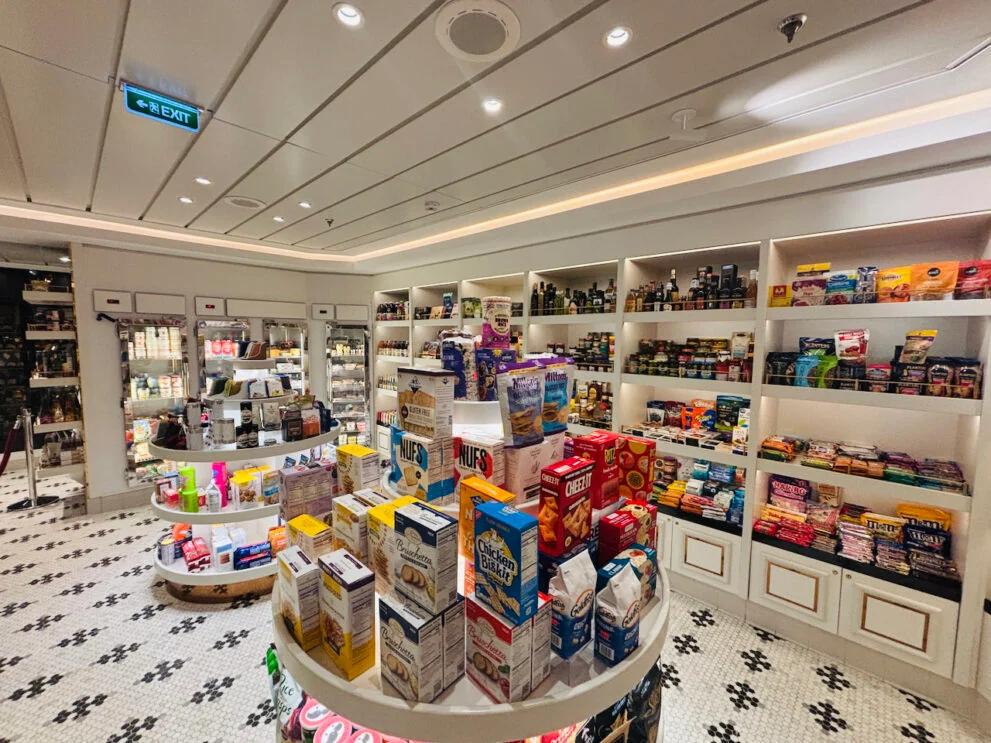
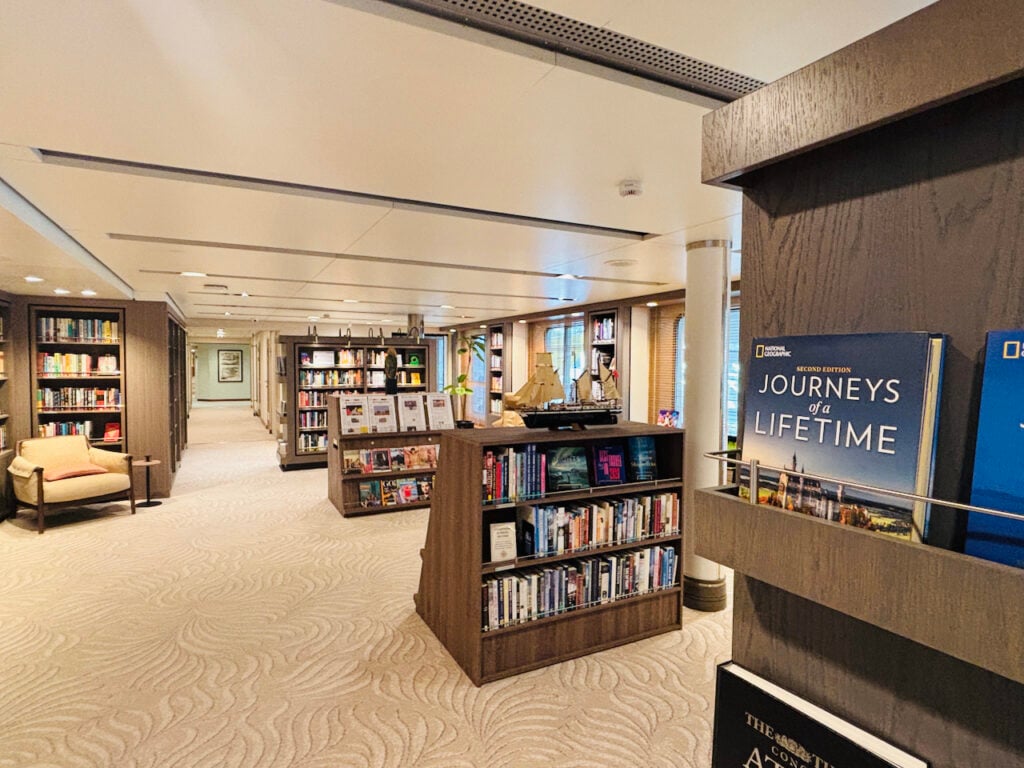
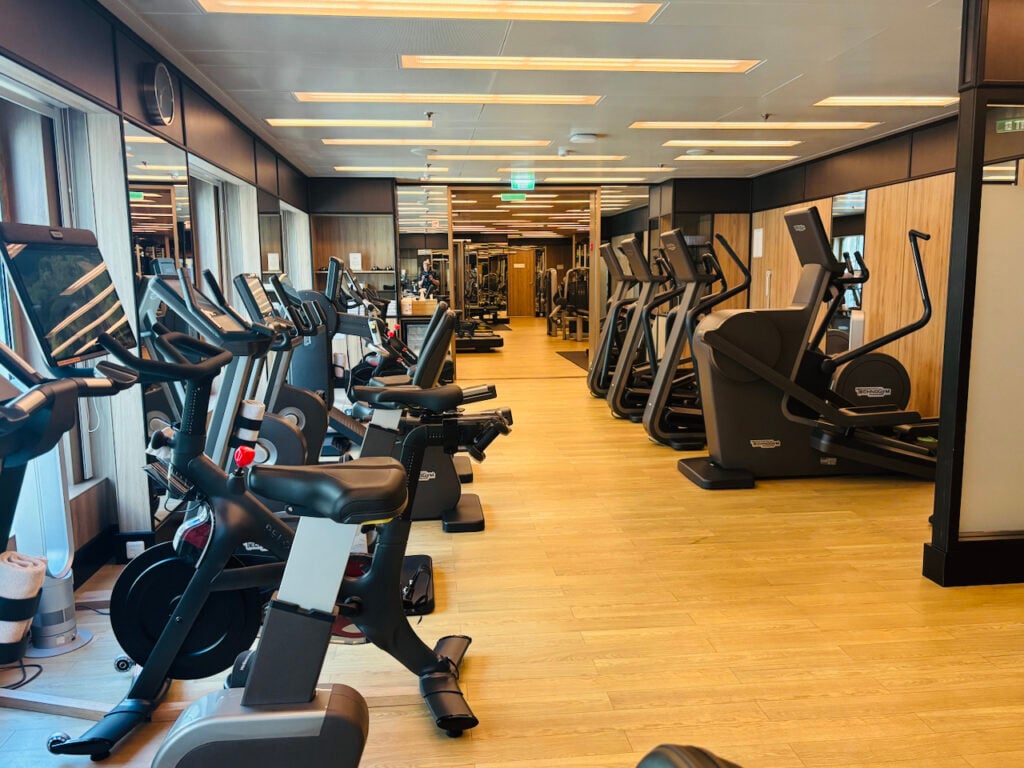
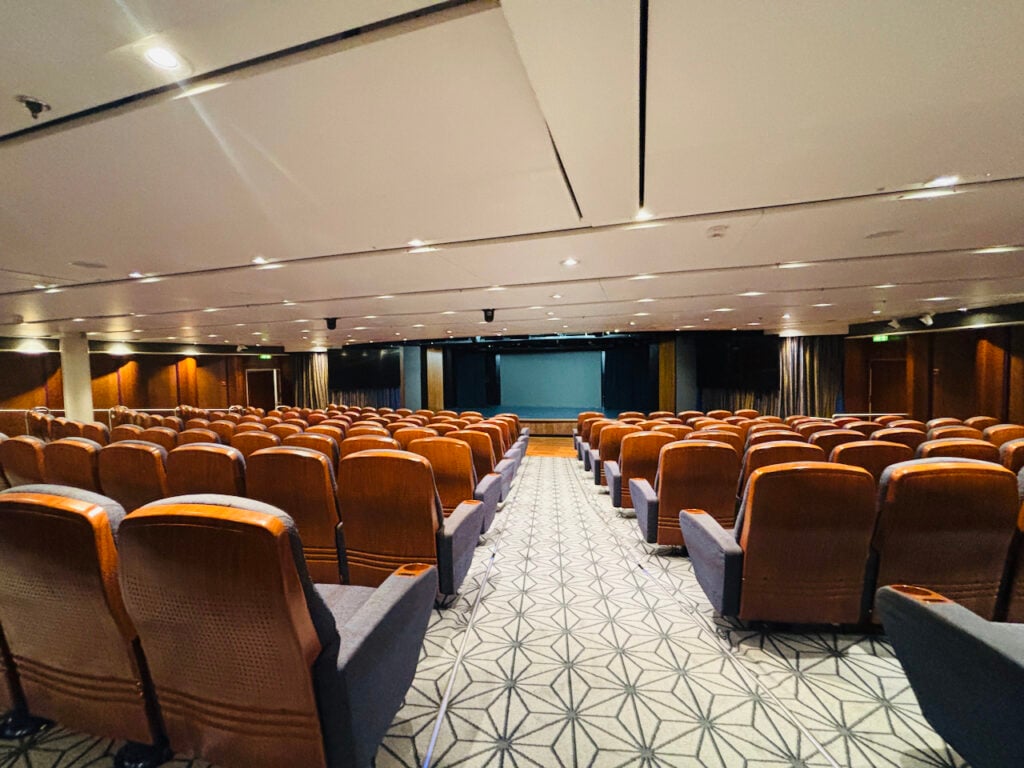
The World offers all the perks of a top luxury cruise line, except residents own their private suites. Think of it as a community at sea, with restaurants, bars, swimming pools, a gym, spa, theatre, grocery store, common lounges and library. The community includes hundreds of doting international staff, a medical team, personal trainers, housekeepers and chefs. Together, residents share an award-winning 15,000-bottle wine collection, daily activity programs, and an insatiable thirst for global discovery.
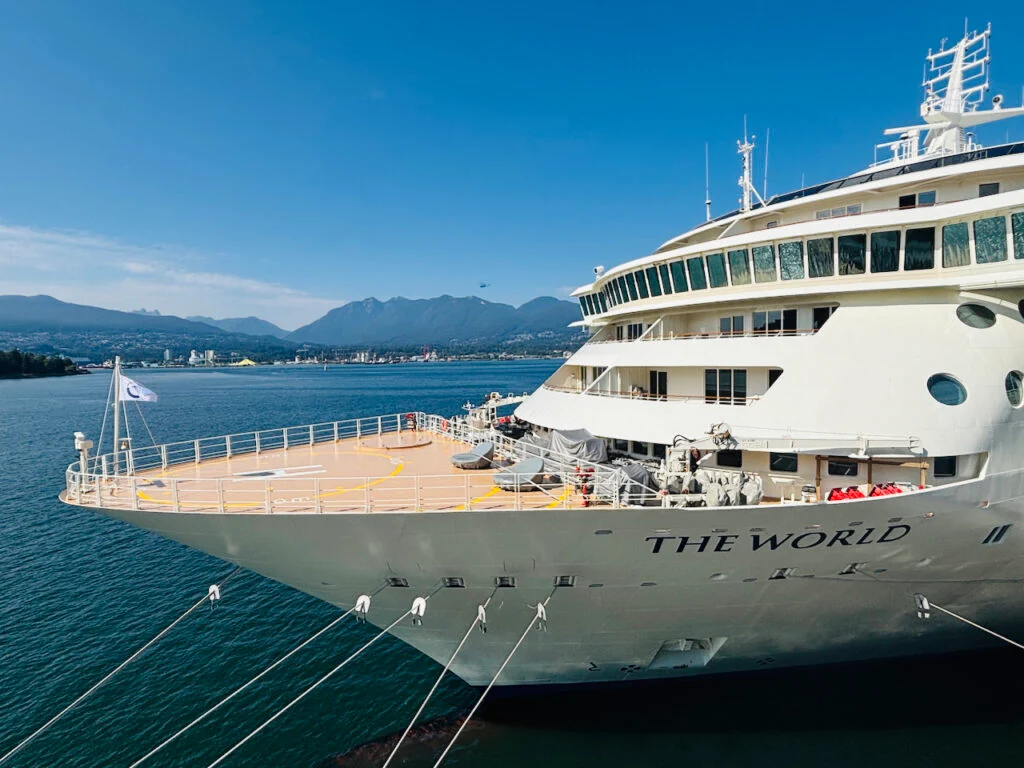
Essentially an expensive gated community on water, The World has visited ports in more than 150 countries on all seven continents. Residents work thanks to reliable high-speed satellite internet, boardrooms and private offices, while families entertain kids with stocked game rooms or live-in nannies and tutors. The lifestyle, amenities, and ownership model are truly unique, which explains why the ship has long been shrouded in all the misconceptions and hearsay of a maritime myth.
I’ve cruised on several dreamy luxury small ships around the world. Once on board, every conceivable pain-in-the-ass chore or stress is elegantly removed. All one has to do is show up, feast, relax, explore, and pay the eye-watering bill.
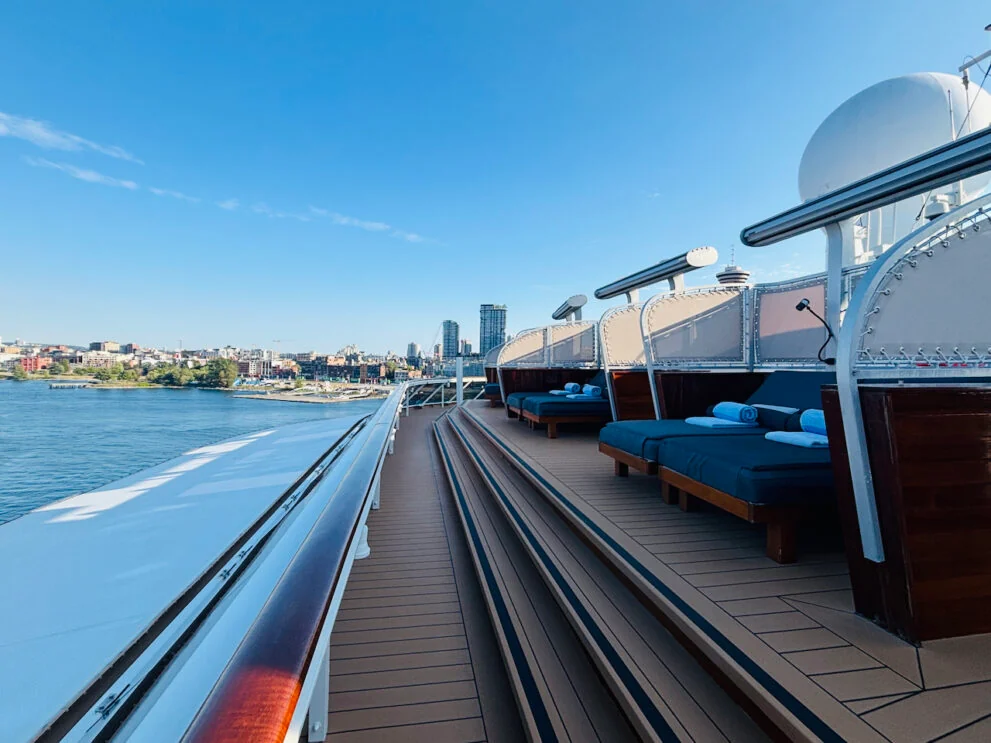
On first impression, The World feels somewhat familiar. It has four restaurants offering fine dining, Asian fusion, and Mediterranean cuisine, plus two casual bars. There’s an outdoor pool with water toys, Bali beds on the outer deck, a gift shop, a lovely spa, beauty salon and the spotless, stylish interiors feature thick carpeting and polished brass railings. There’s also the only full-size tennis court at sea and the large exercise and pilates studios are a nice touch. The interfaith chapel, expansive library, and original artwork by the likes of Damien Hirst and 80s pop star Morten Harket (from the band a-ha) are also found onboard.
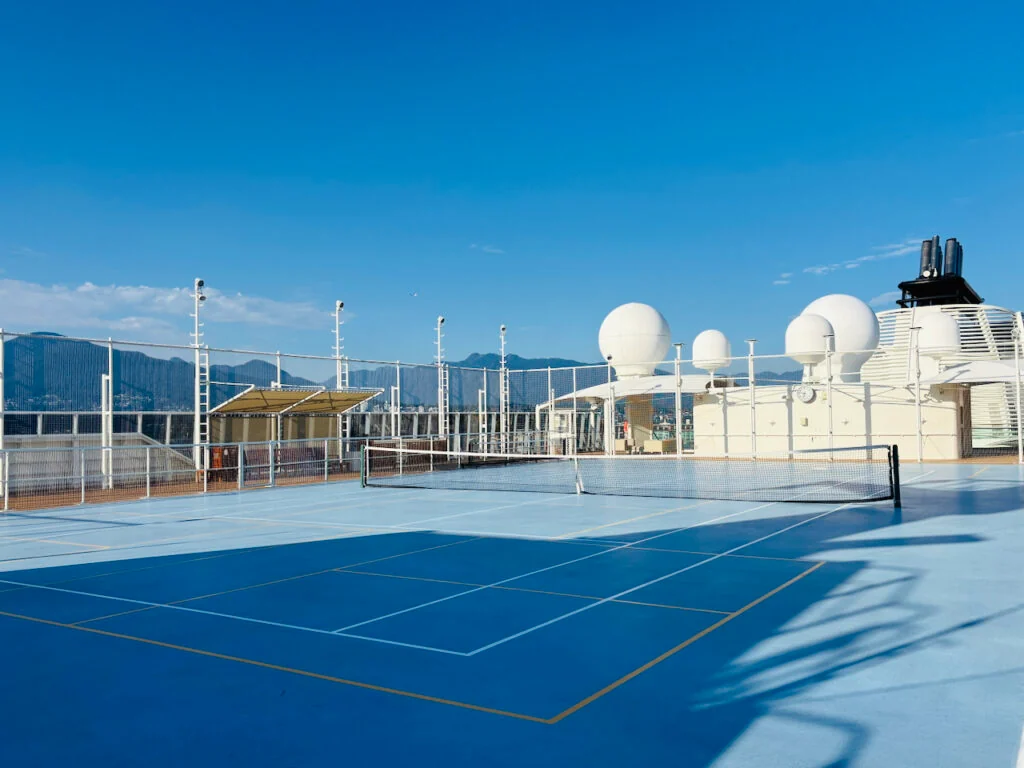
With state-of-the-art navigation, stabilizers and an ice-strengthened hull, The World can take on just about any maritime adventure, and it can certainly ‘Take on Me.’ Yes, folks, I’ve won writing awards.
So far, so good, but this is where comparisons to the luxury small ships of Scenic, Crystal, Ritz-Carlton, Silversea, and Seabourn end. Anyone with a credit card can book a berth on a high-end cruise ship, but buying into a private one is far more exclusive, especially when it’s the only one of its kind. Not that others haven’t tried: Villa Vie Odyssey, a cruise ship marketing a similar residential concept with a different ownership model, evicted passengers in Cambodia after running out of money in late October 2026. In 2023, Türkiye’s Life at Sea Cruises offered a three-year cruise to 135 countries and 375 ports, with the whole idea collapsing days before departure, sinking the dreams of would-be passengers along with their expensive tickets.
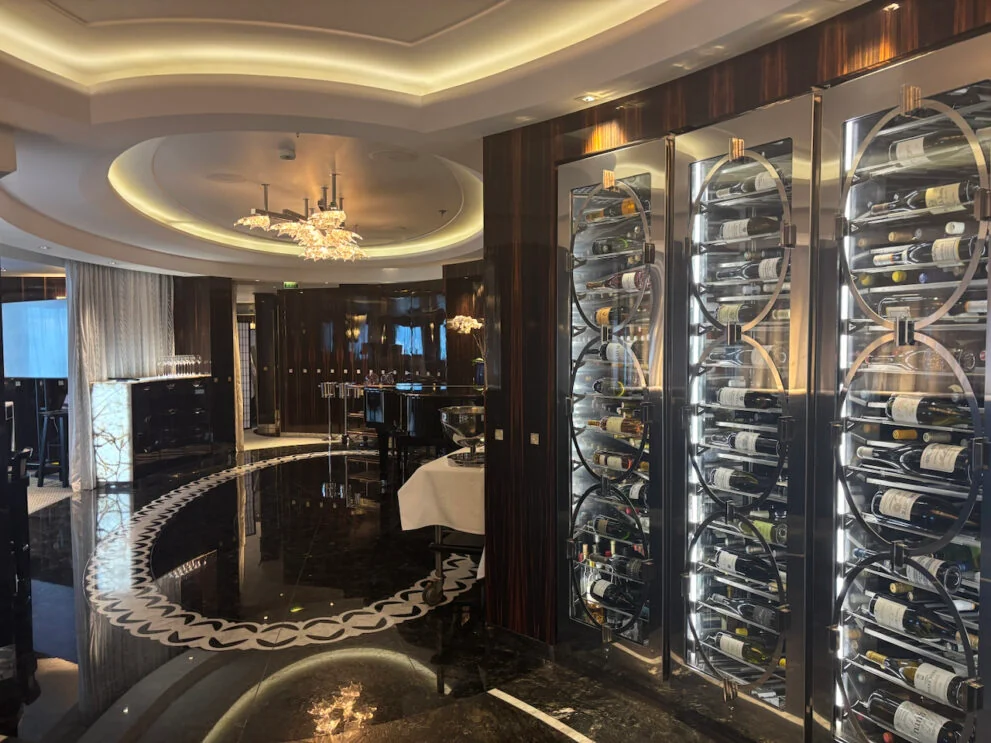
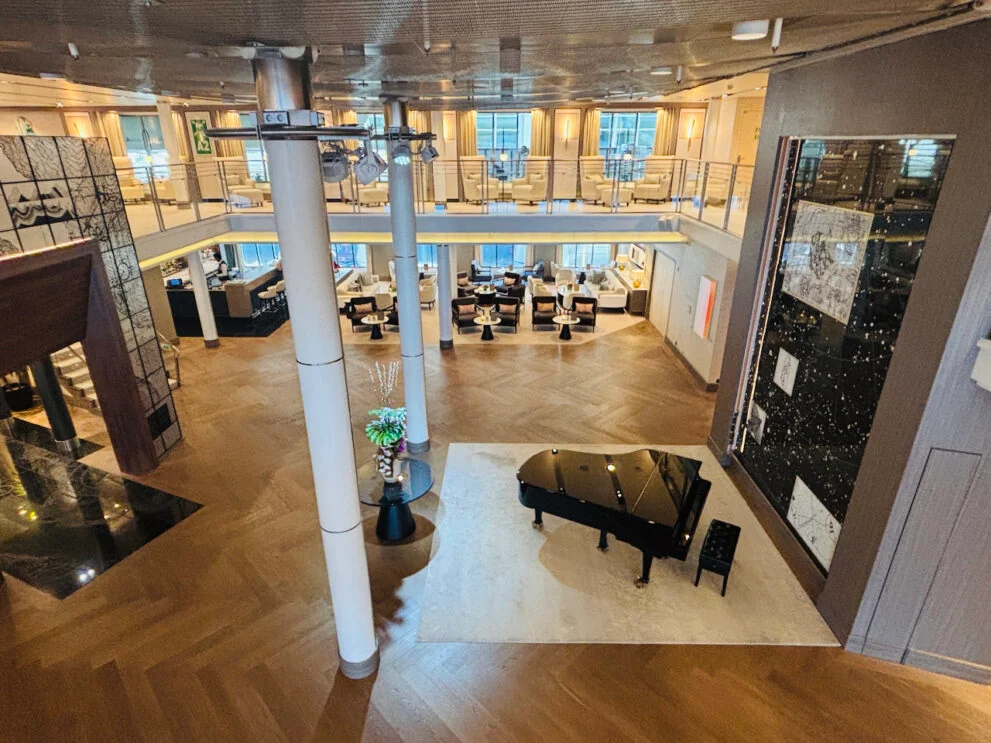
As such, The World remains the only successful ship of its kind, owned entirely by its residential owners, and operating like a non-profit housing co-operative. Residents get voting rights based on the square footage of their apartments, vote for a volunteer management board (much like a strata committee), and sit on various committees responsible for upkeep, staffing and recreation. The ship’s itinerary is determined by a resident vote three years in advance.
Owners can choose to come and go as they please, and most spend an average of four to six months onboard each year. They can invite family and friends to join them at any time, renting out the vacant apartments of other residents if additional accommodation is needed.
At any one time, there are about 150 residents or guests on board, attended by 300 crew. The restaurants, spa, delicatessen, bars and other services operate at cost for residents, who also receive a $35,000 US annual onboard credit for food and incidentals. Their guests pay what you’d expect to pay on a high-end luxury cruise. Staff appear well treated and are paid above industry standards, with annual profits funnelled back into the ship’s maintenance, services, entertainment, and itineraries. So, who actually buys into this maritime dream?

A couple has just returned to the ship from a quick visit to Banff. The ship’s activities team arranged for resident golfers to fly over the Rockies to play a round at the Fairmont Banff Springs Golf Course, overseen by The World’s onboard PGA professional.
We meet in one of the restaurants over delectable bluefin sashimi, facing a dazzling view of Vancouver’s Coast Mountains. I can’t help peppering them with questions: How does one choose this lifestyle? What do their friends back home think of it? Don’t they ever get tired of cruising? Doesn’t it get political with the other residents? What are the personalities like? With food this good, do they ever cook at home? Doesn’t it simply get…too much?
The couple, who requested anonymity, hail from the Pacific Northwest and have been residents for a decade. They first learned of The World from a travel show shortly after Norwegian cruise magnate Knut Kloster Jr. launched the ship in 2003. Built in Scandinavia but currently flagged in The Bahamas, The World initially struggled financially. Residents took over ownership, adopted a new financial model, and it has been sustainable ever since.
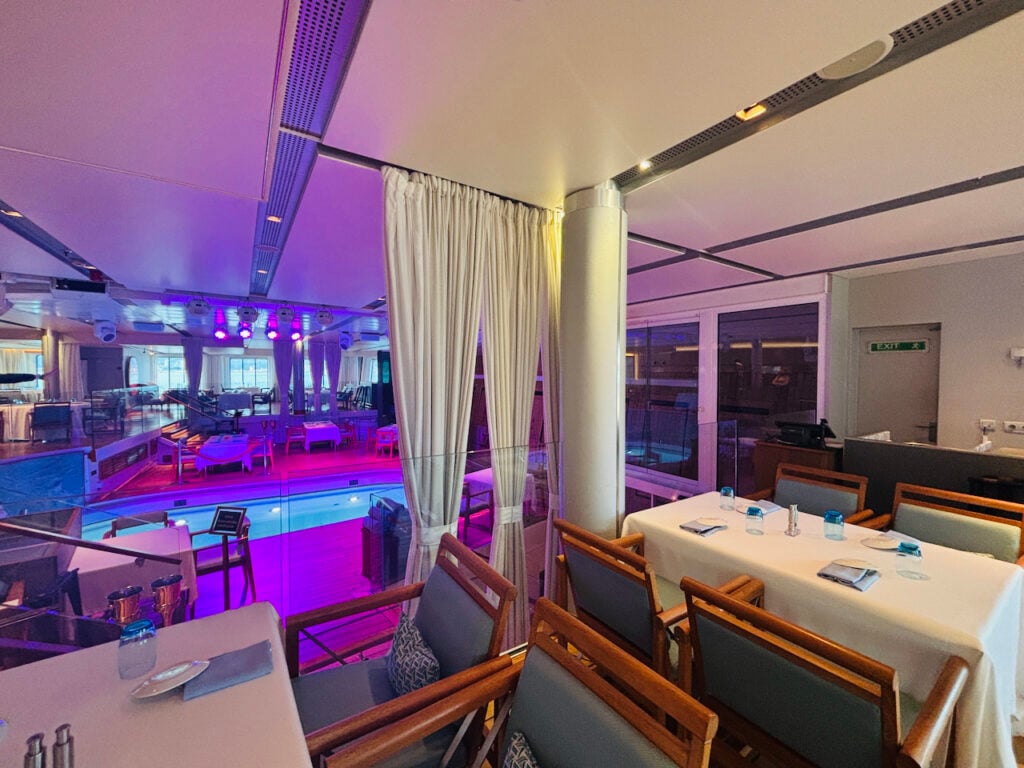
Operated by a management company out of Fort Lauderdale, the ship typically spends more time in each port (about three days compared to the overnight visits of most cruise ships), visits more remote destinations, and invites top experts on board to enhance education and exploration. Fellow residents include entrepreneurs, retired Fortune 500 executives, financiers, physicians, industrialists and tech innovators, with the majority hailing from the U.S., Canada and Australia.
After dinner, I’m shown around a few vacant apartments, where the difference from other cruise ships is abundantly clear. Each resident custom-designs their own living space with their preferred layout and furniture. En-suite bedrooms are spacious — there’s in-suite laundry, walk-in closets, home offices, sprawling living rooms, and balconies with views that literally don’t quit. Apartments range from smaller 290–846 square foot Ocean Studios to 1,666–3,242 square foot three-bedroom units. As to how much they cost, well, you might want to sit down.
Residences run between $3.5 million US and $15 million US, with exceptional or more desirable residences commanding higher prices. The ship has 40 studios, 19 one- and two-bedroom studios, and 106 two- and three-bedroom residences. This cost does not include an up to 10 per cent annual fee on the apartment value to cover operational costs, administration, fuel, crew compensation, and other expenses. Doing the math, a $3.5 million US residence would cost around $350,000 US annually, and a $ 15 million US residence would cost upwards of $1.5 million US.
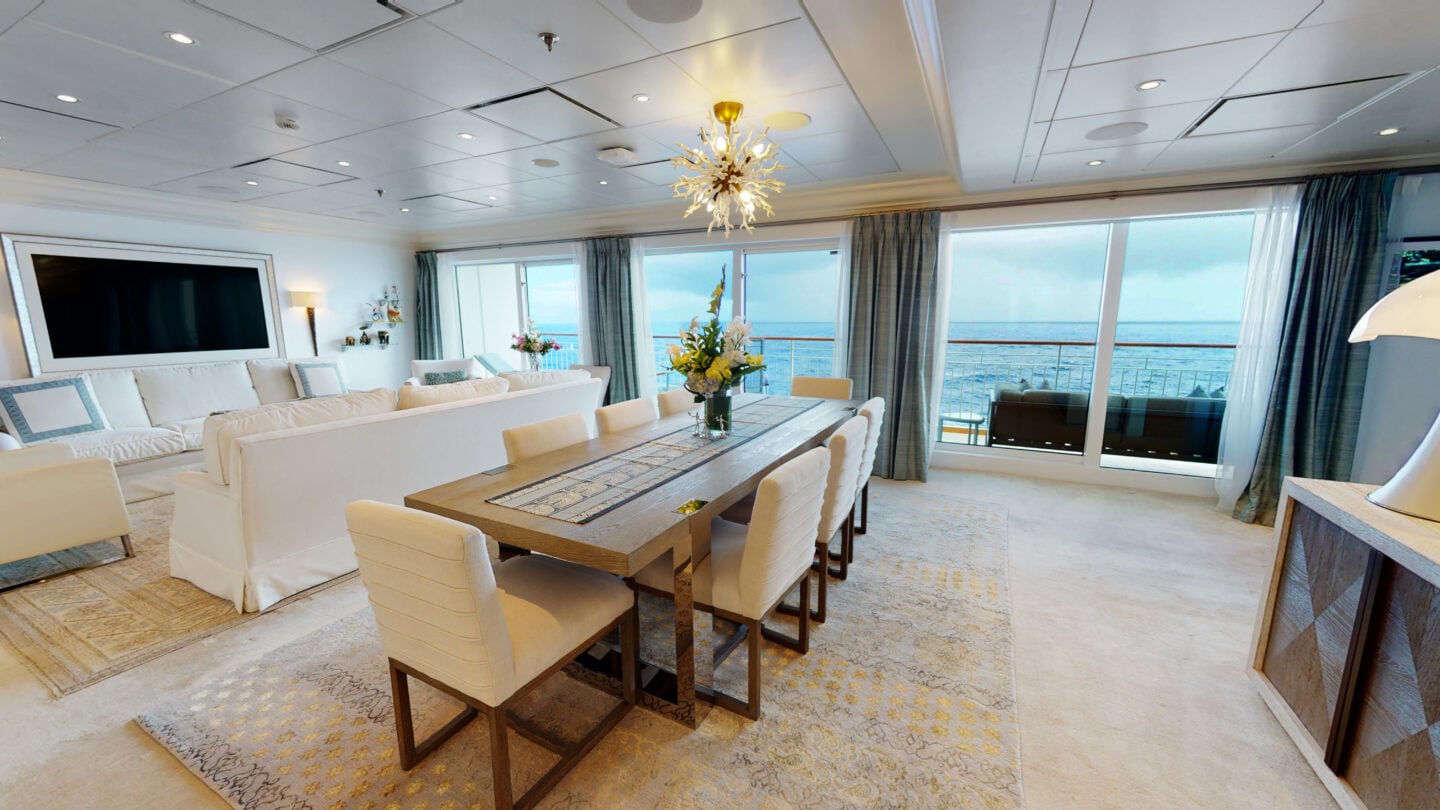
With a waiting list, apartments appreciate and can be sold like any property. Much like other exclusive social or country clubs, prospects must be recommended by two owners and go through an extensive vetting process. There’s no hoi polloi here; according to The World’s website: “Prospective Residents must have a net worth of $10million US or a net income after taxes of $1million US for each of the most recent two years and reasonably foreseeable future years.” In case you’re wondering, there are no tax benefits with ownership.
Despite the ship’s size and amenities, think billionaire private yacht more than commercial cruise ship. Residents tell me they are fully aware of the optics of their unusual lifestyle choice, but find deep meaning in the journey and itineraries. I also learn that residents tend to be highly successful, type-A personalities.
When I ask the couple if that leads to personal conflict, they admit not everybody gets along, but there’s ample space to find your tribe, including onboard clubs for poker, investing, sport, sailing, photography, golf, and other interests. I’m also surprised to learn the average resident age is just 61, aided by two resident families cruising with their young kids.
I’m told that staff are treated like family, which explains the genuine smiles I receive from the crew and the ship’s low staff turnover. I observe the residential director warmly embrace both passengers and crew after returning from his 10-week break. The fact that residents engage and interact with the crew daily, often for years, changes a cruise ship’s typical upstairs/downstairs dynamic. Residents also invest in three crew funds to enhance personal enrichment, education, and offer support during personal hardship. Tellingly, everyone kept their jobs during the pandemic shutdown.
I wonder if all the fine dining gets tiring after a while, which is where private kitchens come in. Residents can shop for groceries at port, and if they feel like a home-cooked meal but don’t want the effort, the culinary team will happily send a chef to prepare it in their kitchen. Residents host dinner parties and houseguests, while a steady stream of guests, entertainers, and experts constantly brings new energy onboard. They really light up when discussing shore excursions and inland trips, arranged through The World’s travel planners, and led by local guides. I peruse several self-published books in the library capturing these spectacular journeys in words and photography.
Papua New Guinea, Mongolia, Croatia, Antarctica, the Northwest Passage, Bordeaux, South Africa — it’s hard to imagine a pampered life of constant motion and permanent discovery. An unusual life choice, certainly, but one that is steeped in community and learning. Some of you might find the idea of living on a cruise ship dreamy, and others might see it as a nightmare. Even if one could afford it, the lifestyle is certainly not for everyone.
When the couple I dine with return to their other home in Washington, they explain it takes some adjustment. There’s no magic button to push to solve any maintenance issues, or fulfill an activity or dining request. On board, cooking, washing dishes, and doing laundry are entirely optional, and between the onshore programs, social clubs, and amenities, boredom feels optional too. For all my initial cynicism entering The World, it’s a life that could seduce anyone, especially a travel writer constantly seeking new adventures. I’d better start working on that bank account.
For more information about The World, visit: https://aboardtheworld.com/
Environment
Vancouver might just be home to the greenest building in the world. Meet the geography professor who brought it to life.
Travel
Canadian Geographic’s Bucket Listed columnist Robin Esrock explores domestic tourism, national pride and the evolution of Canadian travel in the third edition of his bestselling book, The Great Canadian Bucket List

Travel
Two award-winning travel journalists discuss why family travel, even the kind that pushes us outside our comfort zones, is one of the most powerful investments we can make
Travel
Twenty years after his first hike, Bucket List columnist Robin Esrock walks the Inca Trail again. This time, with his daughter.