Travel
Spending the night in Ottawa’s Jail Hostel
Bucket List columnist Robin Esrock checks into the capital’s strangest accommodation, tours Death Row and locks in for the night
- 1238 words
- 5 minutes
Travel
Do your time in these revamped prisons, from refined rooms and luxury spas to former Soviet military lockups and the site of Canada’s last public execution

During a recent trip to Switzerland, my daughter and I stayed in seven hotels, ranging from luxury to budget, boutique to home-style. On our flight home, I asked her which one she liked best.
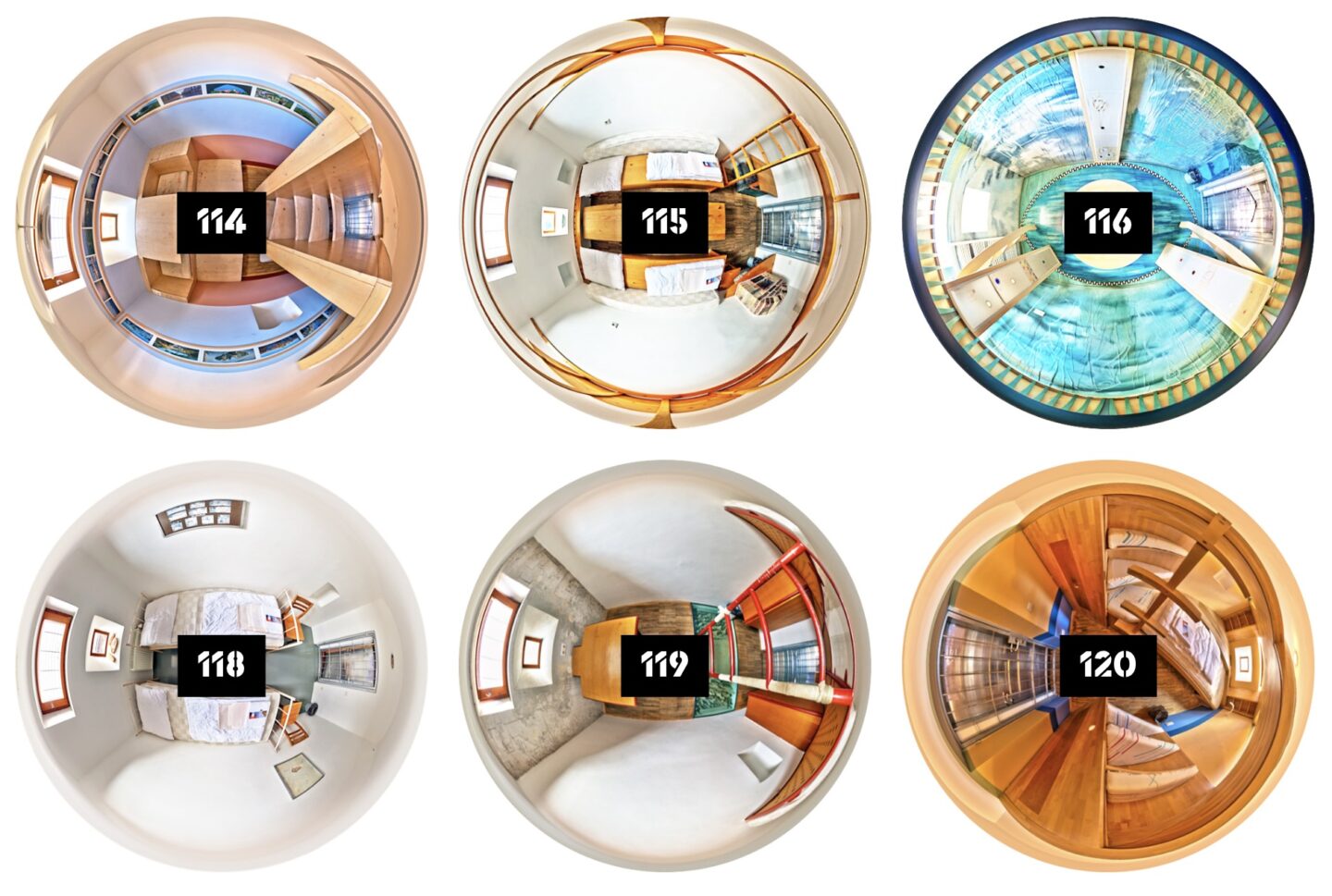
Was it that modern one in Zermatt, with the LED fireplace and fancy spa pool? The grand farmhouse outside St. Moritz, overlooking mountains and a field of cows? The trendy Lugano hotel, with its strange décor and art? No, her favourite hotel room was tiny and pink, with a small barred window set opposite a heavy, bolted wooden door.
“I loved spending time in jail” are not words any parent expects, or wants, to hear. But after our stay in a former prison in Lucerne, this statement was curiously acceptable. Inspired by that experience, here’s a round-up of the world’s best prison hotels.
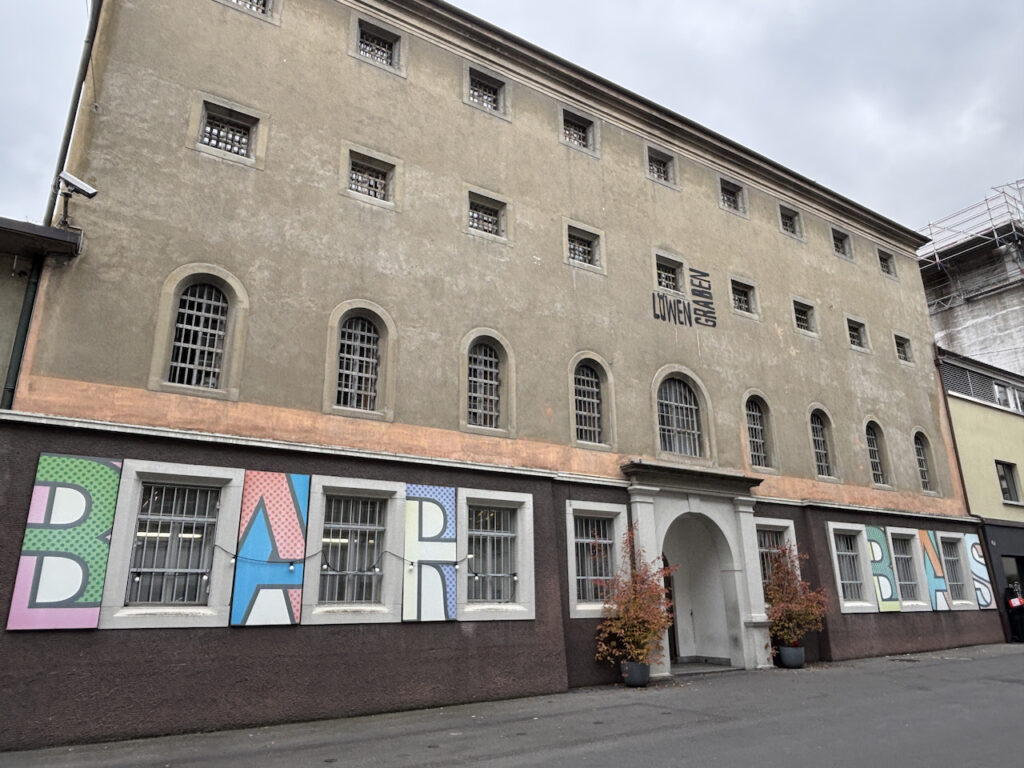
Lucerne is a handsome city where everything works like clockwork. Medieval buildings sport colourful frescoes in the old centre, overlooking a maze of cobblestone passages. The exterior of the Barabas Hotel clearly reveals its original purpose, though the block building is not adorned with bright colours, while a trendy Japanese Izakaya occupies the ground floor.
Built in 1862, Barabas was the city’s only prison, decommissioned in 1998, and converted into a hotel with 60 cells, including dorms, doubles, and family rooms, each with its own tiny ensuite bathroom. The Central Prison was renamed the Barabas Hotel after a former prisoner named Barabas. During his imprisonment, Barabas painted a colourful mural in his cell depicting the wildlife he imagined and missed. The mural is still there in a recreational cell, complete with tigers, scantily clad women, and fast cars.
With bright paint dispelling any trace of skid row, the hotel offers a library stocked with crime books, a sheltered courtyard, a lounge, and complimentary breakfast. Our cell was narrow, but the single beds were comfortable, and we slept exceptionally well in our dark, quiet and secure cell. Each floor contains an exhibit detailing the prison’s history with artifacts and press clippings. As a budget and family-friendly hotel close to old town action, you can confidently lock yourself up for the night.
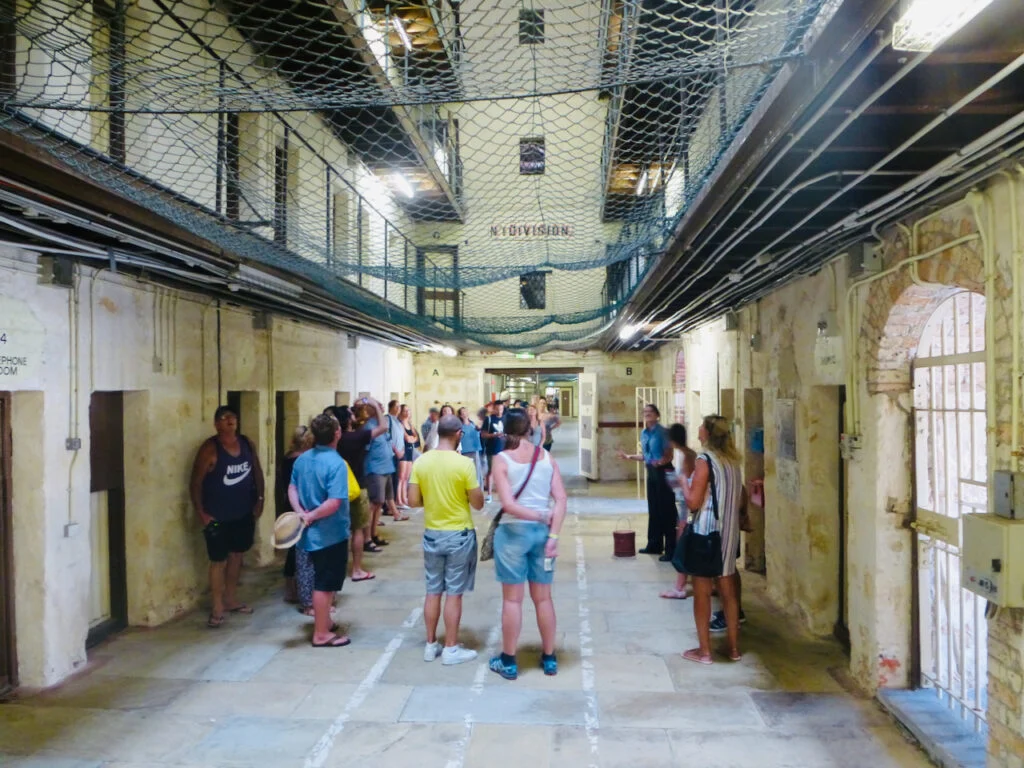
When the first convict transports arrived in Western Australia aboard the Scindian in 1850, they were forced into hard labour to build their own prison. Housing nearly 10,000 men by 1868, Fremantle Prison grew into the largest convict-constructed building in the southern hemisphere. It was used as a maximum-security prison until 1991, when it was decommissioned, repurposed, and converted into one of 11 museums that make up the Australian Convict Sites, collectively a UNESCO World Heritage Site. Daily tours focus on Fremantle’s convict past, modern penal history, the transport era, and a torchlit visit to water tunnels dug beneath. Visitors can also tour the gloomy gallows and learn about the 1988 prison riot that ultimately led to the prison’s closure in 1991. The adjacent women’s barracks have since been converted into a backpacker hostel, with dorms and private rooms, free Wi-Fi, a lounge, a communal kitchen, and other amenities. Since the small, two-bunk cells are a little too crowded for families, we did our time in the adjacent colonial cottages, built by prisoners for the wardens. It’s an ideal spot to lock in a little shut-eye before exploring the trendy neighbourhood of Fremantle.
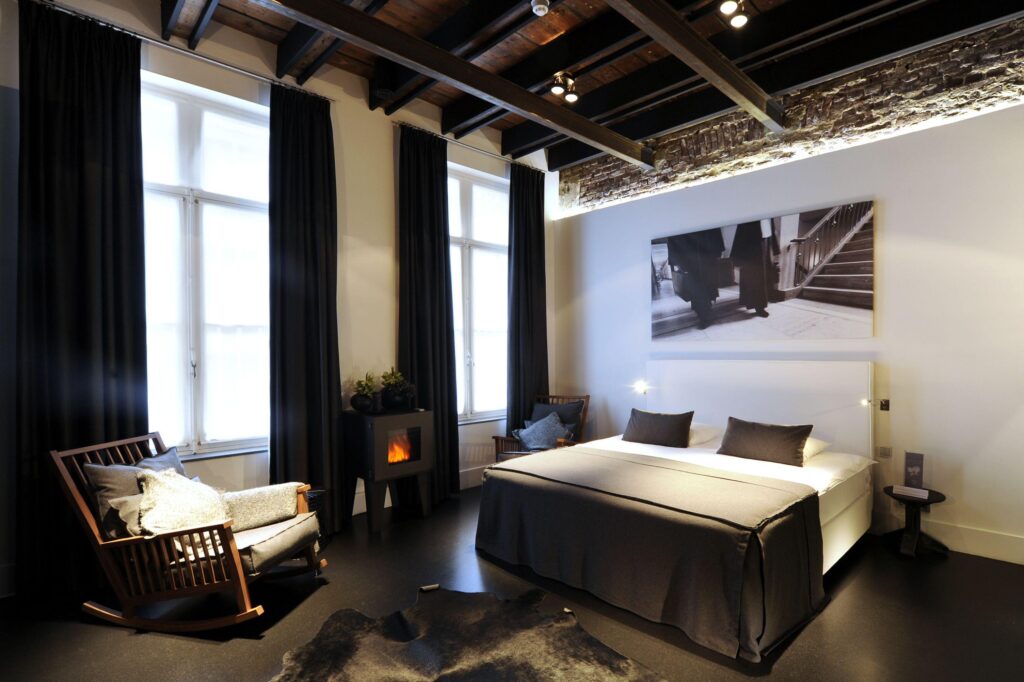
In the Dutch city of Roermond, former prison cells have been converted into stylish rooms, along with four luxury, mood-lit suites, cheekily named The Jailer, The Lawyer, The Director, and The Judge. Dating back to 1863, the prison’s design allowed a single guard to monitor more than 100 cell doors, arranged in tight and narrow rows. In 2002, the prison was repurposed to house drug smugglers arrested at Amsterdam’s airport before it was purchased by developers in 2008. One hundred and forty-five years of criminal energy was banished with a big party the day before extensive renovations began. Breaking down walls between the cells, the 108 cells became 36 luxury hotel suites, with architects preserving cast-iron stairs, walkways, truss structures, and cell doors. Graffiti was painted over, although some pieces were photographed for use as artwork and in archives. A fine dining restaurant was built on the main floor. Het Arresthuis (literally “the prison house”) opened in 2011 and became a five-star establishment in 2018. Unlike prisoners of the past, you can sink into plush bathrobes, soak in bathtubs or beneath rain showers, or snuggle up by a fireplace. Freedom, after all, is bliss.
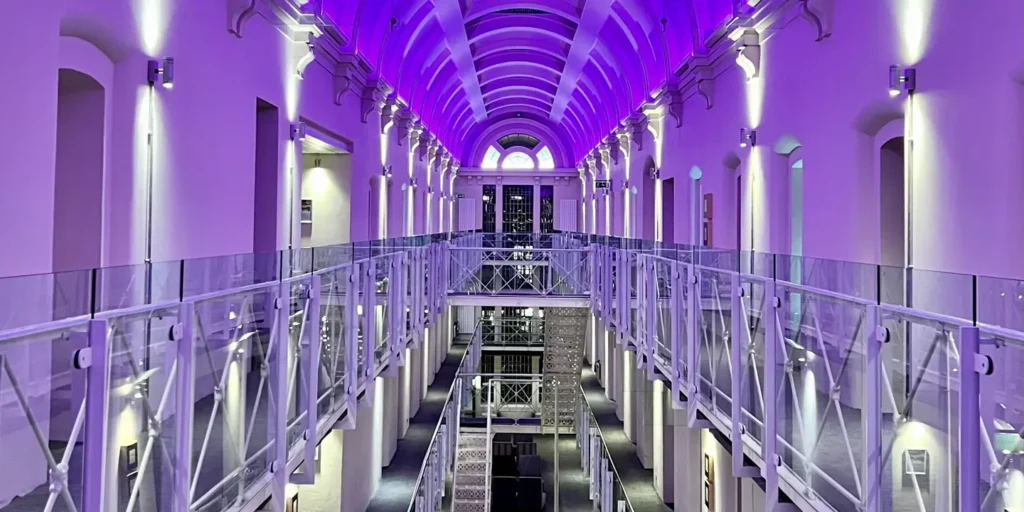
“Better than your average prison,” jokes the website of this boutique hotel in the heart of Oxford. It also promises a sentence of “comfort and contemporary charm.” With an imposing stone building dating back to William the Conqueror in 1107 (and the actual gaol to the 12th century), the prison housed thieves, political prisoners, and debtors shackled by their debts. It was decommissioned in 1996, refurbished and reopened in 2005 as a 95-bedroom hotel with duplex and circular suites. Located within the grounds of Oxford Castle, the site offers visitors access through an imposing gate and includes three zones: the original main building, a modern extension known as the House of Corrections, and cells converted into premium hotel rooms. Narrow corridors still feel like cellblocks, but the ambiance is warm and classy, with staff offering glasses of prosecco instead of cell beatings.
With so much history to work with, designers have gone to town with the metal galleries, glass walkways, prison-themed cabinets, a mood-lit central atrium, and cells named after notorious inmates and wardens. It’s been more than 70 years since the jail hosted an execution, but you don’t have to worry about sleeping with that psychic energy, as the hanging cell is in today’s staff area. There’s a courtyard, restaurant, bar and adjacent castle to explore on-site, and you’re just a five-minute walk to Oxford’s town centre. The old prison has also been used as a location for classic British TV crime shows like The Bill and Inspector Morse.
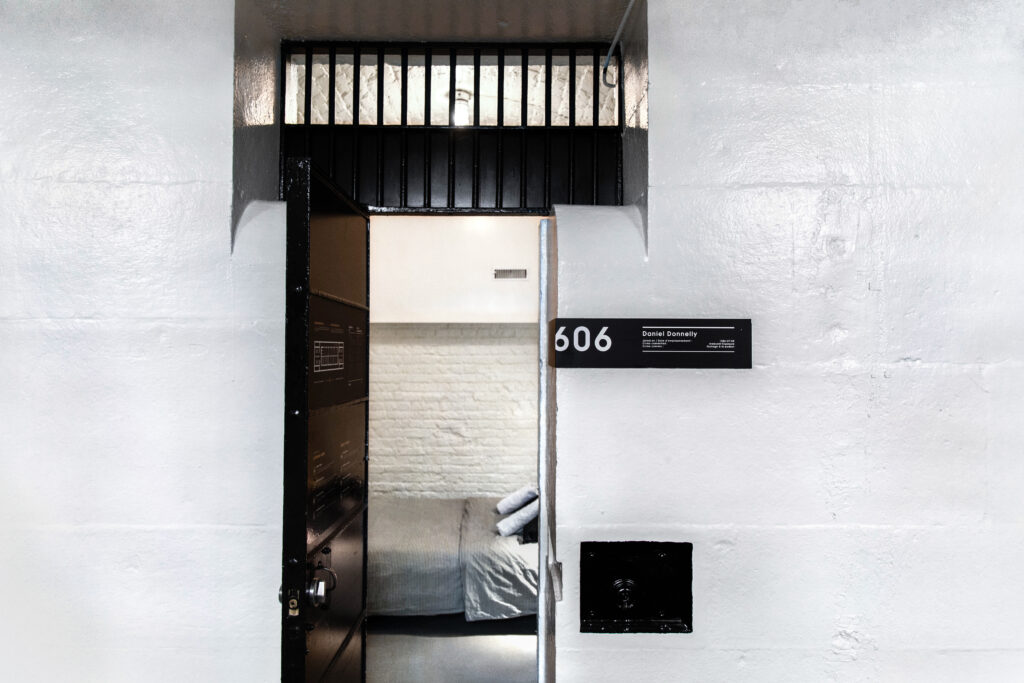
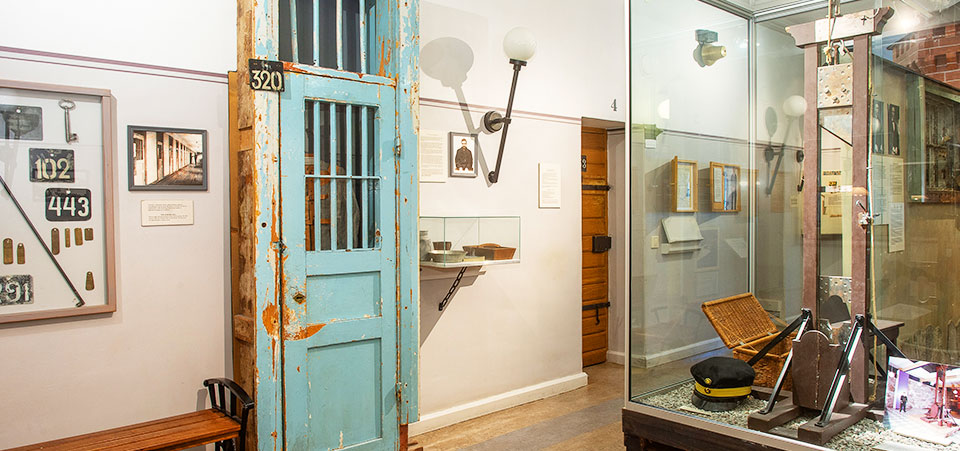
Canada’s entry on this unlawful list towers over Ottawa’s Nicolas Street near Parliament Hill. For 110 years, the Carleton County Gaol (now the Saintlo Ottawa Jail Hostel) housed notorious offenders before shutting down in 1972 after complaints about its inhumane living conditions. The building opened the following year as a youth hostel and, after a few changes of ownership, continues to welcome guests to this day. Dorm beds or private rooms are accessed through the original cell doors, beneath vaulted ceilings that let sound travel so guards might catch hushed whispers of escape plans. Life in this prison was cold, brutal, and punishing, aligning with Victorian attitudes towards incarceration. It was the site of the last public execution in Canada, and you’ll learn all about it and other notorious inmates on a nightly tour (free for guests, but open to the public for a fee).
Hearing these and other sordid stories before locking myself up for the night did not make for a peaceful night’s sleep, though I took comfort in knowing the staff had reported seeing no ghosts. You definitely can’t fault the location: Ottawa’s Jail Hostel is located just a short walk from the city’s most popular attractions, like the ByWard Market and the Rideau Canal.
The aforementioned prison hotels have softened their hard edges with warm lighting, comfortable beds, soft linen, and en suite bathrooms. Karosta Prison Hotel slams the cell door on that idea. This bleak, former-Soviet-military lockup is proudly and unapologetically harsh. It wants you to learn and experience that Tsarist, Nazi, and Soviet jail time was no fun at all. Built in 1900 as part of the Karosta military base, it is Europe’s only former military prison open to tourists.
The last convicts left their scratchings and scribbles on the walls in 1997, and according to prison records, not a single prisoner ever managed to escape. It is open for daily history tours, or you can stay the night in a single, double, or triple cell. If you’re feeling romantic, sign up for the Soviet Romantic Package to spend the night in a cell straight out of the 1960’s, with authentic Soviet-era furniture. There was a time when former guards would role-play with unnerving authenticity, confiscating your passport to make you scrub toilets, but there’s only so much a budget traveller can take. These days, there’s an Escape Room to solve puzzles, overcome challenges, and do what no inmate managed to do: get the hell out of there.
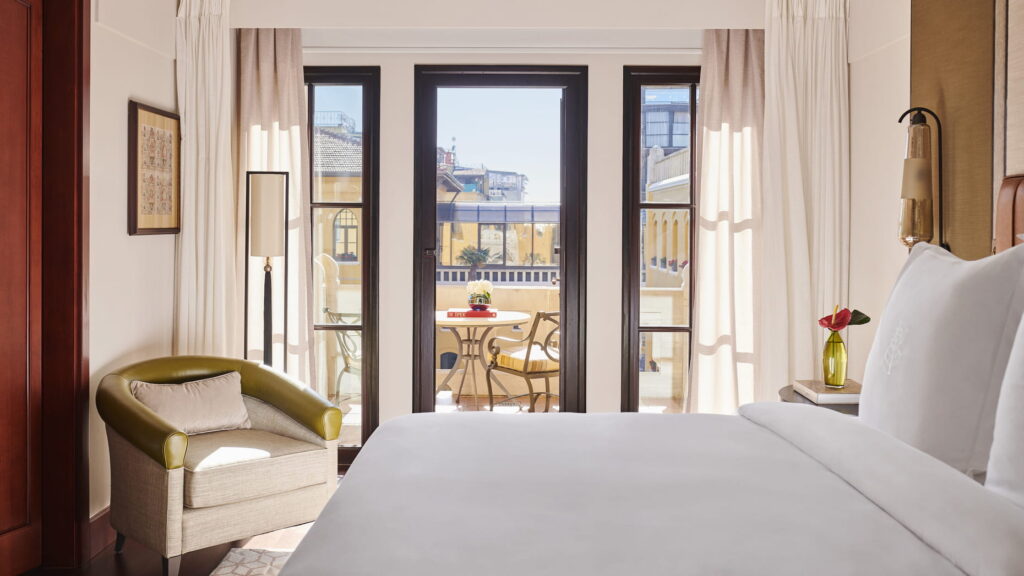
Istanbul’s Sultanahmet district is one of my favourite places on the planet. Sitting on benches between the Blue Mosque and the Hagia Sophia, expect goosebumps at sunset when the minarets light up, the Call to Prayer echoes, and history sneaks up and whacks you over the head. The Four Seasons nearby is regarded as one of the world’s best urban hotels, and while you might think it was an opulent palace for the sultans, the origins of the manicured lawns and marble floors were actually a prison. It was constructed in 1918 to be the first jail in the capital of the Ottoman Empire, incarcerating the most heinous prisoners (women and children included) as they awaited trial in the courthouse next door.
During its transformation from a prison to a luxury hotel and spa, some of the original marble and stone were reused to add a touch of history to the jasmine- and bougainvillea-lined courtyards. You can also spot architectural clues in the long hallways, arched windows, and quadrangle layout typical of the era’s penal facilities. The cells have long made way for refined rooms with handwoven carpets, soaker tubs, and views of the gardens and mosques. The Grand Bazaar, Topkapi Palace, and the Bosphorus are just a few minutes away, too.
Stockholm is a city of islands, and on the lush, leafy, and narrow Långholmen, we find another historical prison, now a budget-friendly accommodation. Acquired from a brewing baron in 1724, a mansion was turned into a women’s penitentiary for the next 250 years. The prison was closed in 1975 and later converted into an inn and conference space in 1989. Attracting visitors with surrounding parkland, green spaces, and beaches, the property features an on-site museum detailing life in the prison over the centuries. It offers overnight stays in compact ensuite cells, as well as twin- and four-bed cells with shared bathrooms. Given its history, the prison hotel is bright and welcoming, with sunlight streaming through tall windows.
Scandinavian minimalism keeps the décor functional and spotless, while preserving the narrow wooden doors, metal bars, framed artifacts, and cell-block architecture. Enjoy your freedom on a sandy beach just a few minutes’ walk from the hotel, and order classic Swedish dishes at the on-site restaurant and bar.
Celica is what happens when a crumbling Yugoslav military prison is re-designed by local artists with a splash of social activism and bohemian spirit. Formerly bleak cells are now colourful expressions of accommodation, fitting seamlessly into the city’s lively Metelkova arts district. Once a symbol of state authority during the communist years, the army abandoned the prison in 1990, after which it was occupied by squatters, artists and local organizations. Aside from occasional bars on the windows, each room reflects a different creative vision. You might have mosaic floors, carved wooden furniture, murals on the walls, or a bed suspended from the ceiling.
A large portion of the hotel is dedicated to common areas for community events and socializing, including cafes, courtyards, and galleries. It all flows into the surrounding artsy neighbourhood, and the kind of spontaneous cultural mashups that make Ljubljana one of Europe’s most underrated capitals.
Travel
Bucket List columnist Robin Esrock checks into the capital’s strangest accommodation, tours Death Row and locks in for the night

Environment
Vancouver might just be home to the greenest building in the world. Meet the geography professor who brought it to life.

Travel
Twenty years after his first hike, Bucket List columnist Robin Esrock walks the Inca Trail again. This time, with his daughter.
Travel
Canadian Geographic’s Bucket Listed columnist Robin Esrock explores domestic tourism, national pride and the evolution of Canadian travel in the third edition of his bestselling book, The Great Canadian Bucket List