Environment
Canada’s greenest prof
Vancouver might just be home to the greenest building in the world. Meet the geography professor who brought it to life.
- 2598 words
- 11 minutes
If there’s one thing you have to do in Switzerland, you’ll need to do… about 39 things. As a landlocked nation squeezed by mighty neighbours (Germany, Austria, Italy and France), the Swiss have always punched high. They’ve given the world aluminum foil, the Red Cross, coffee capsules, ski chairs, muesli, Valium, the WHO, milk chocolate, fondue, the Large Hadron Collider, and the elegance of Roger Federer. The list goes on…
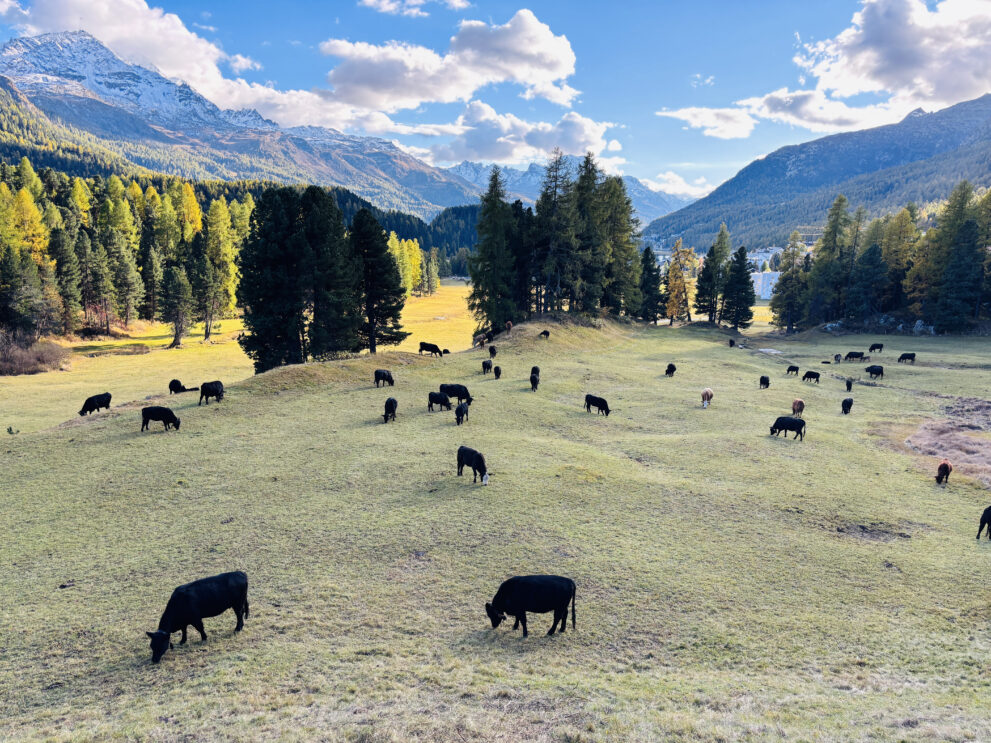
I tell my daughter that the word “Swiss” is basically a euphemism for efficiency, quality, taste, health, order and alpine beauty. “And don’t forget the happy cows,” she adds, observing herds grazing in the lush valleys. My daughter is staring out a train window at a moving vista of snow-capped peaks, wooden chalets, sharp church steeples, blue lakes, fairy-tale castles, looming glaciers and fairway-like farmland. It’s enough to make us want to yodel ‘bucket list’ at the top of our lungs.
Our ticket to all this is the Swiss Travel Pass, which offers unlimited travel across the country by rail, boat or bus. This also includes 90 cities and towns, discounts on activities and free admission to 500 museums and attractions. I’ve brought my daughter along because:
A: Kids under 16 get a free travel pass when accompanied by at least one parent
B: My daughter loves chocolate, cheese and cows
C: My wife was unavailable
Granted, my wife would object if I made her run off a mountain, while my daughter complained the mountain wasn’t high enough. If there’s one thing to do in Switzerland, it’s run off a mountain, but we’ll get to that.
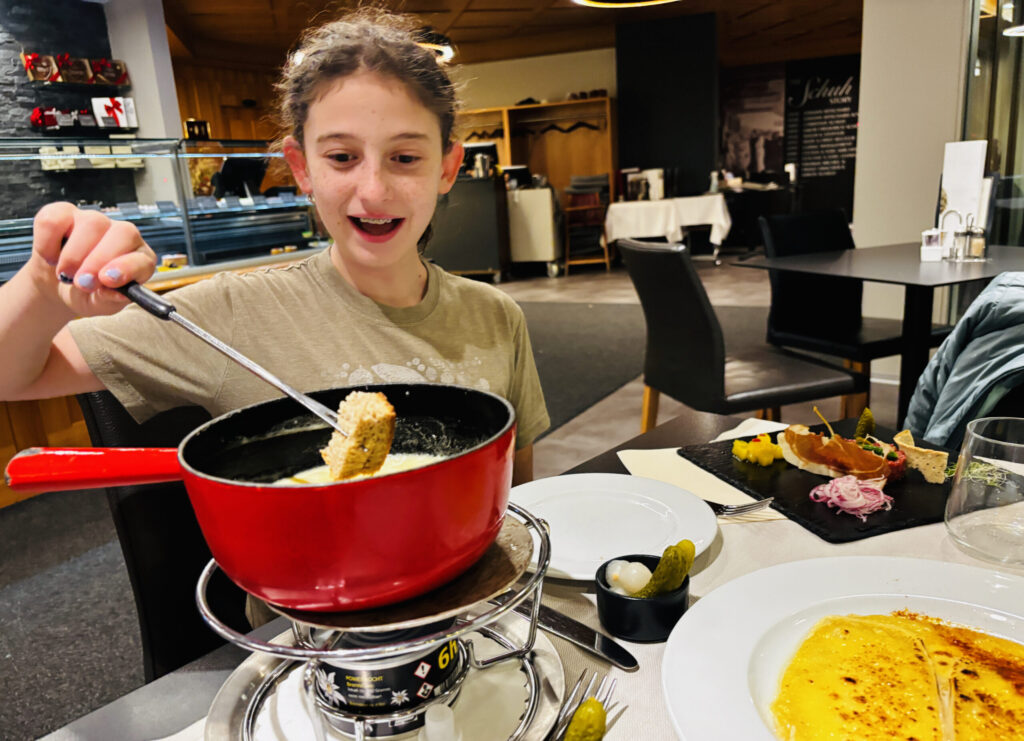
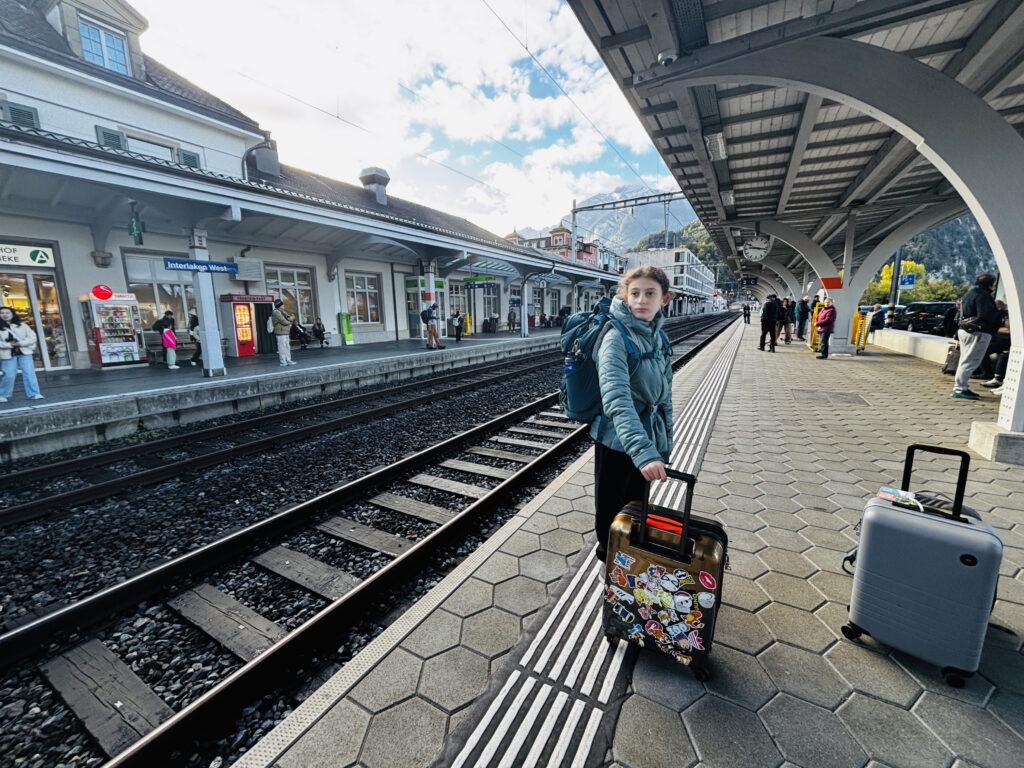
We board a convenient Edelweiss flight from Vancouver to Zurich, and connect onto a regional train to the mountain playground of Interlaken. Trains depart across the country from the airport; it’s very Swiss and therefore runs like clockwork. We arrive in Interlaken and head straight for our first fondue and raclette, doubling up on the melted cheese because nobody warned us to pace ourselves. A week later, when I tell a Swiss friend that I’ve put on six pounds, she assures me the “cheese fat” will dissipate when I get home. I sure hope so.
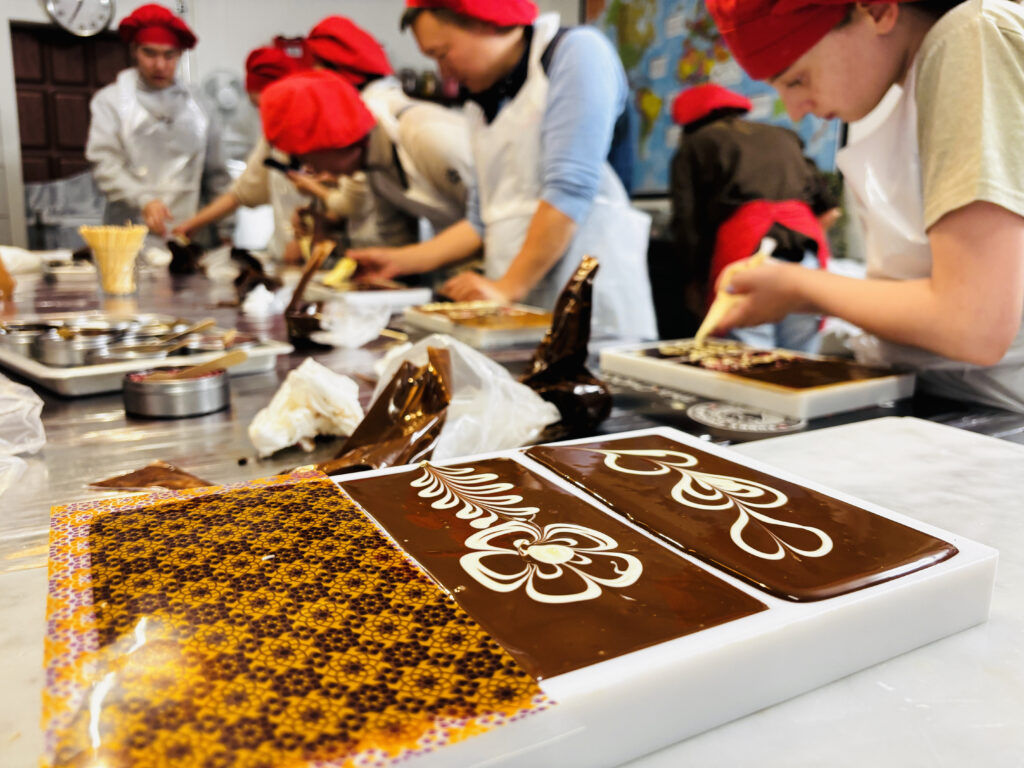
My waistline has no chance against a chocolate workshop that evening with the Funky Chocolate Club, where we learn how the Swiss invented modern chocolate manufacturing, consume more of it than anyone else, and make the world’s best (although the Belgians might want a word). Whipping up our own chocolate bars kicks off a week-long, decadent, cocoa-drenched adventure enthusiastically endorsed by my sugar-toothed tween. At least I can exercise my eyes on the train.
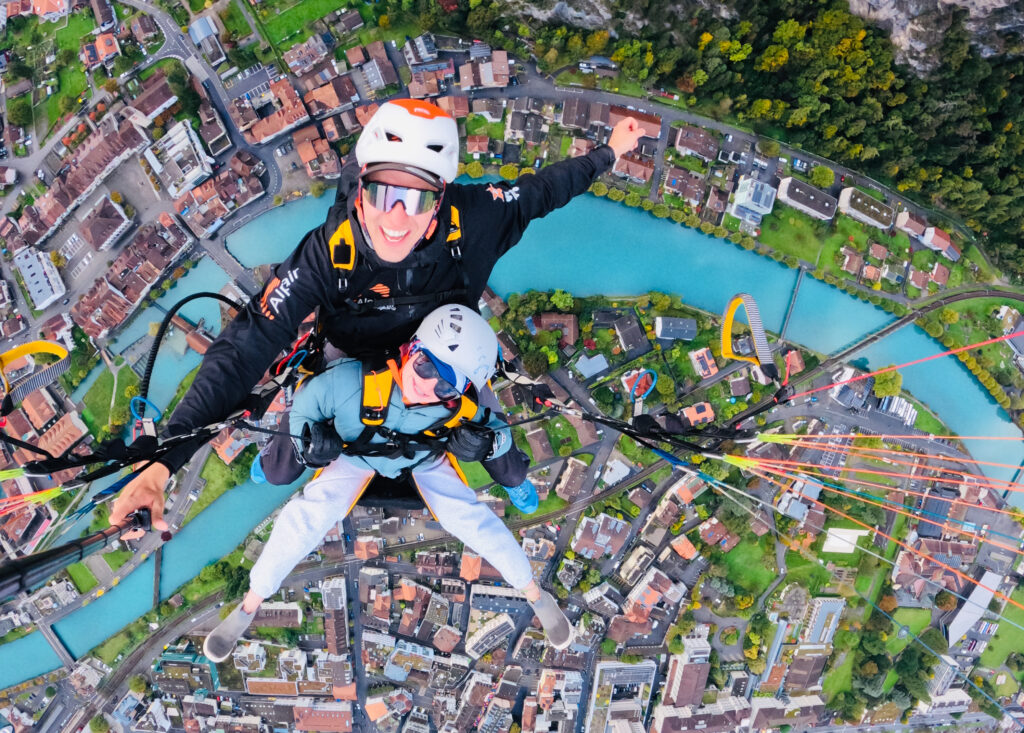
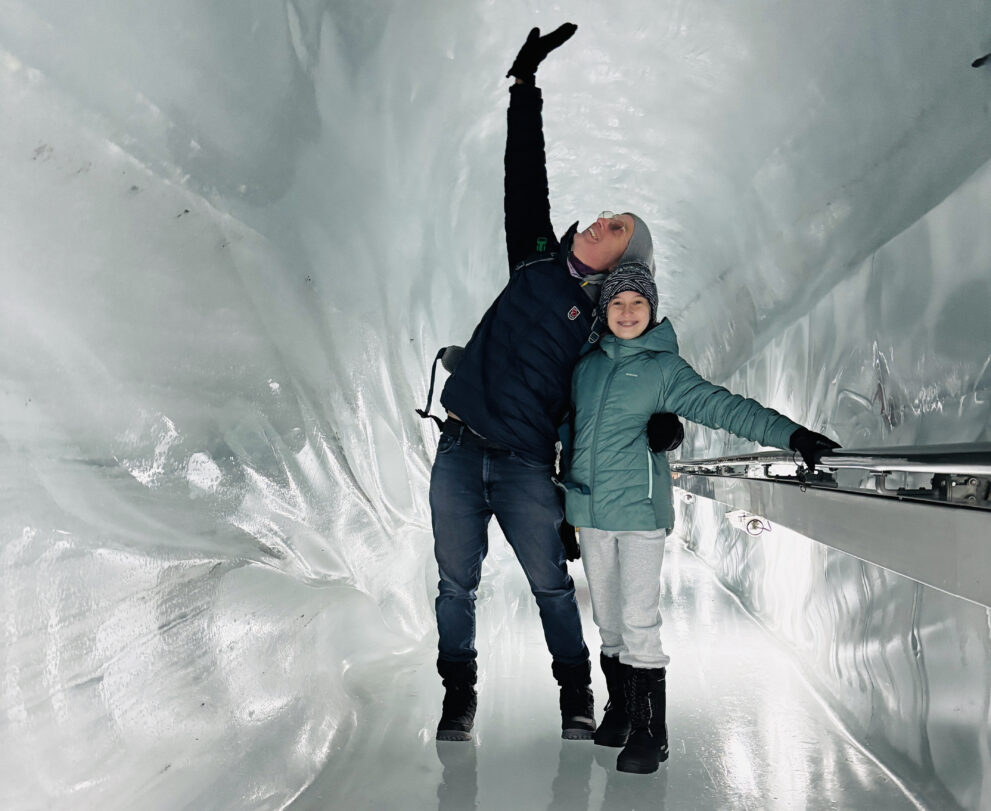
If you think you will only do one thing in Switzerland…you’ll end up doing about 42 more things. Take the scenic Eiger Express cable car to the top of Jungfraujoch and explore a magical ice palace built into a glacier. Then have lunch at the top of the Alps, and admire 360-degree views of 4000 metre-plus peaks from a viewing deck. Back in Interlaken, sign up for a tandem paragliding flight with Alpinair to run off a mountain, add scenes to your lifetime highlight reel, and land gently on your feet in the centre of town.
Leaving Interlaken, we board the first of several express panorama trains, and I find it somewhat heartening that the GoldenPass Express to Montreux is late and then gets cancelled altogether shortly after we board. Turns out the Swiss are human after all, and while you can usually tell the time by the train schedule, hiccups occur here like everywhere else. Of course, being in Switzerland, we were simply directed onto a regional train, which crossed the same stunning territory and added a mere 40-minute delay. When trains break down elsewhere, you can get stranded for days.
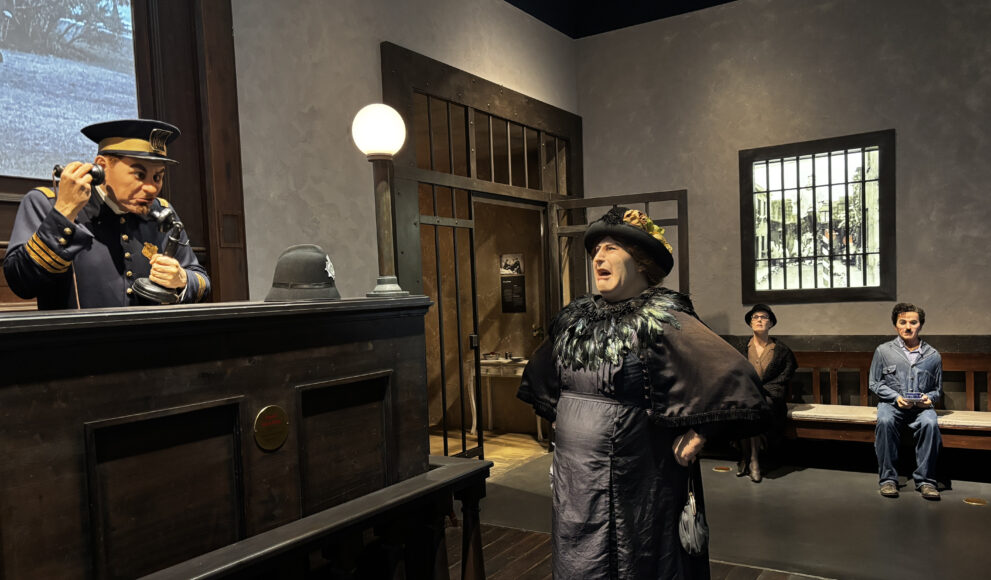
Now we’re in Montreux, buttressing the shores of deep-blue Lake Geneva, replacing Swiss-German accents with Swiss-French. From the station, it’s a bus ride to our hotel, and we can see why Switzerland enjoys one of the highest public transport commuter rates in Europe. The network is efficient, clean, and safe. The region’s most famous icon was the American film star Charlie Chaplin, who was kicked out of the U.S. during McCarthyism and retired to the neighbouring town of Vevey with his glamorous wife and eight children.
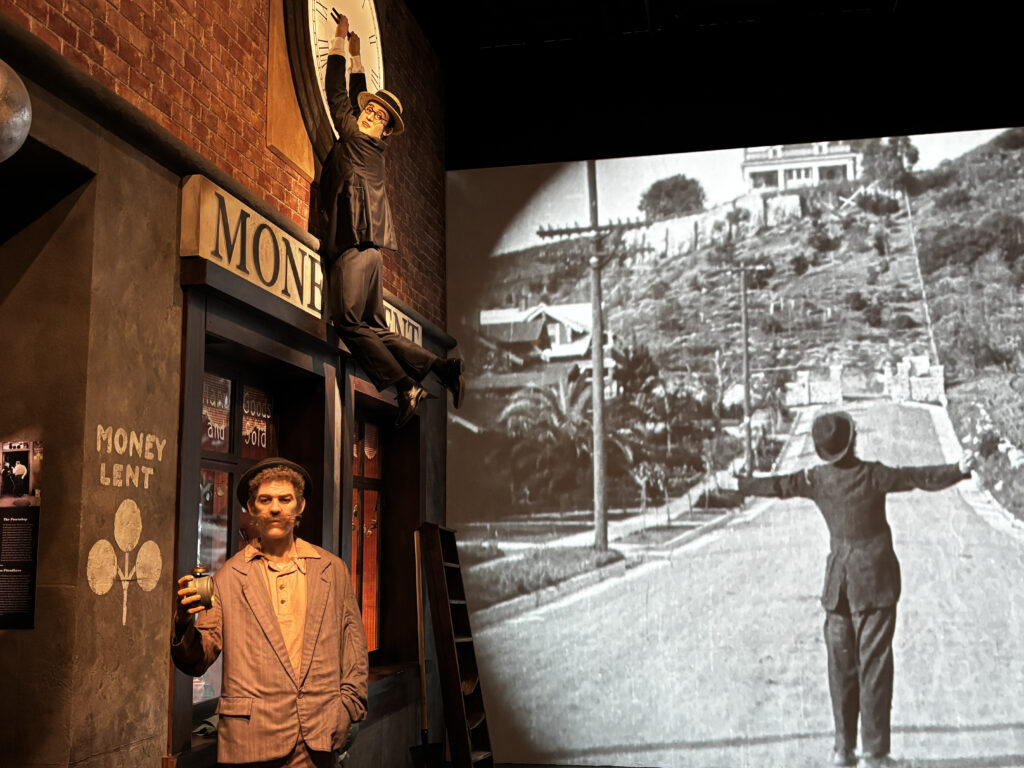
Located within the family property, Chaplin’s World is an interactive museum that celebrates his boundless artistic legacy in immaculate detail. Chaplin’s century-old cinema continues to transcend generations with slapstick humour, modern parables and biting satire. Lifelike models, costumes, sound stages and original props bring it all to life, in full colour. If you have to do just one thing in Switzerland, it’s now 43 things.
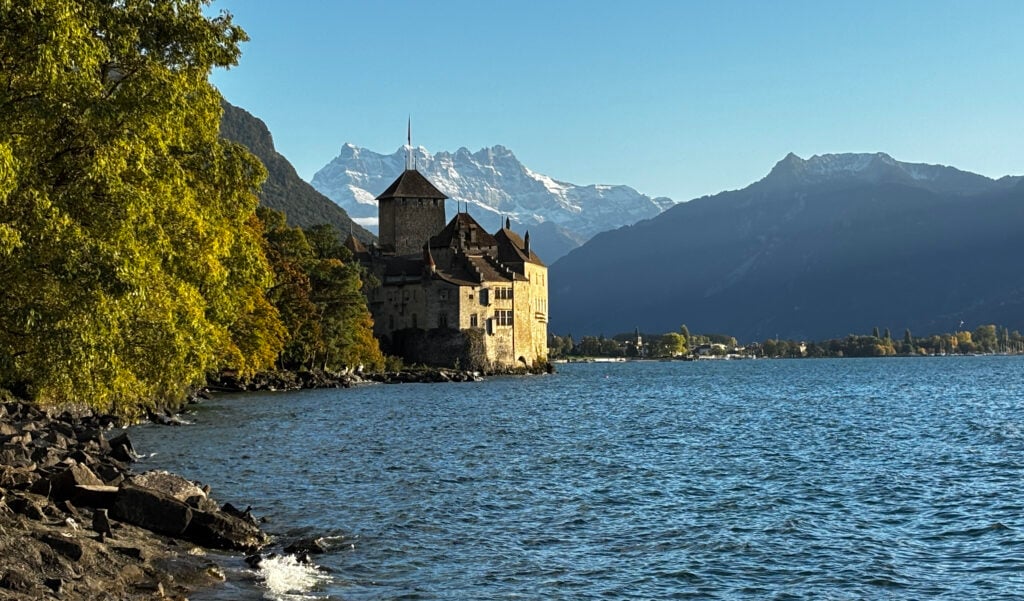
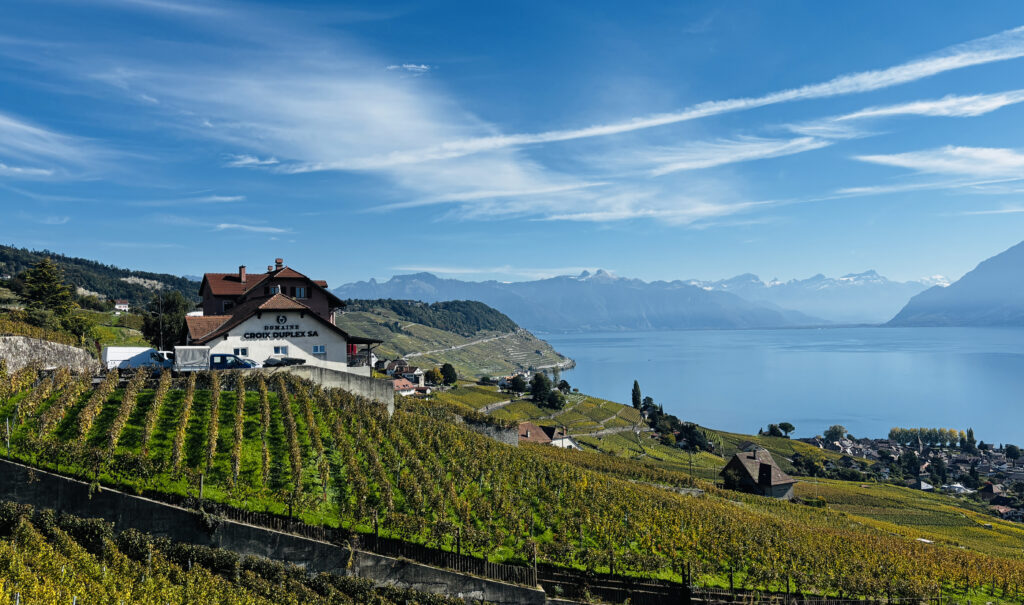
I should also add an essential visit to Château de Chillon, a striking medieval water castle with 600-year-old graffiti in the dungeon, and the vibe of a real-life Game of Thrones. We bump into the castle’s friendly guide the next morning outside a fromagerie in Vevey, because it’s a small country and these things happen in Switzerland. We’re on our way to the UNESCO World Heritage Lavaux Wine Region for a tour with sommelier, wine author, guide and Kiwi transplant Marc Checkley. We meet Checkley for lunch at a local restaurant over a delectable steak tartare and a sprightly bottle of Plant Robert, which he compares to dipping one’s toes in the lake with a nice baguette. Checkley explains how this peculiarly-named grape varietal has nothing to do with Led Zeppelin, then moves on to Swiss wine in general, and why UNESCO recognized the cultural value of the region’s stone terraces, built by monks more than 800 years ago.
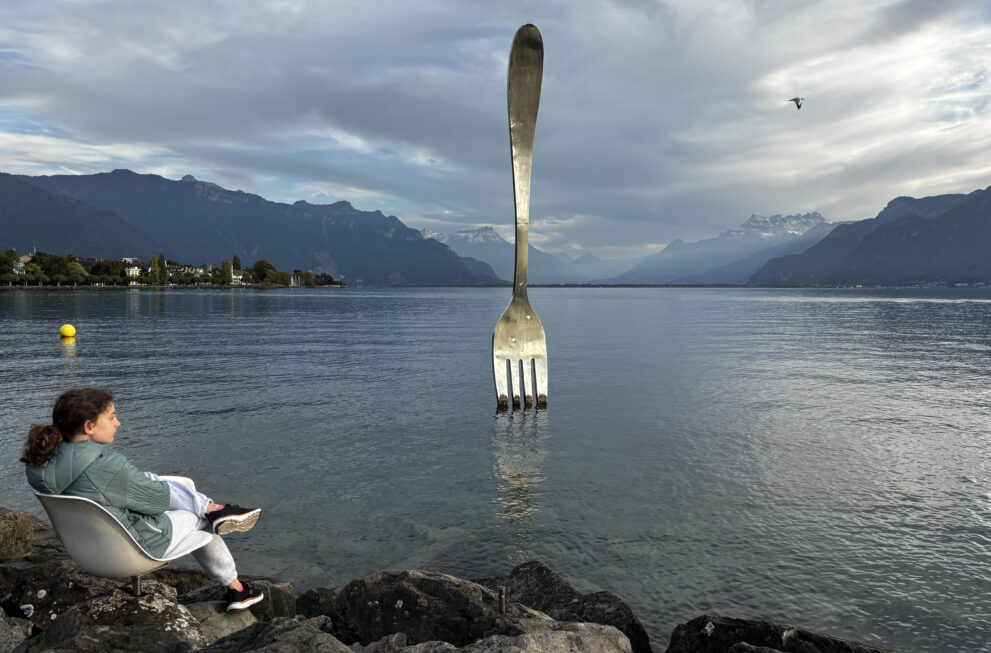
Overlooking Lake Geneva under a sunny autumn sky, he guides us down steep, sun-drenched vineyards to Domaine Croix Duplex, where we sample the quality results of the microclimate for the wine, and for my daughter, the grape juice. Next, we pop into an unattended honour wine store where you can select local bottles with an IOU, because once again, these things happen in Switzerland. Fine chocolate is paired with wine at a tour of the production facility in Cully, and then we train back to Vevey for a memorable lakeside dinner by a giant fork protruding out of the lake. “I could live here,” says my daughter on the bus back to Montreux, which gets no argument from me.
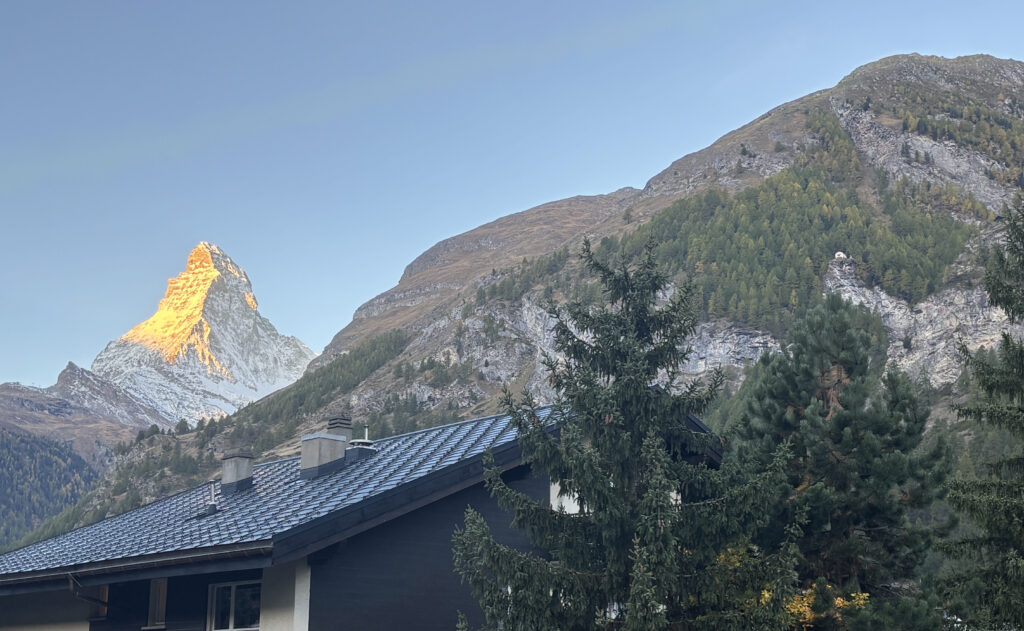
It’s a two-and-a-half-hour train ride to Zermatt, a global destination for climbing, skiing and hiking that sits in the shadow of the most famous of all Swiss peaks, the Matterhorn. We instantly recognize its distinctive shark-fin shape, having long enjoyed tucking into a bar of Toblerone (the Matterhorn’s peak is on all the packaging, and it also inspired the chocolate’s distinctive triangular shape).
Zermatt is bustling, with odd narrow vehicles shuttling tourists, supplies and construction material about town. If there’s one thing you have to do in Switzerland, take the showpiece Matterhorn Glacier Paradise to the highest cable-car station in Europe (3883 metres). At the top, my daughter beelines for another ice palace built into another glacier with ice sculptures, but this one has an ice slide for an extra thrill in the chill. We devour traditional rosti (Swiss hashbrowns) in a restaurant at the top of the world, take a return ride on Europe’s highest peak-to-peak cable car across the valley to Italy and return to soak in the jacuzzi pool of our hotel. Although fall is shoulder season, Zermatt is buzzing with tourists, and ritzy boutiques are busy. If there’s one thing you need to do in Switzerland and you’re chasing the glitz, then catch the Glacier Express to St Moritz.
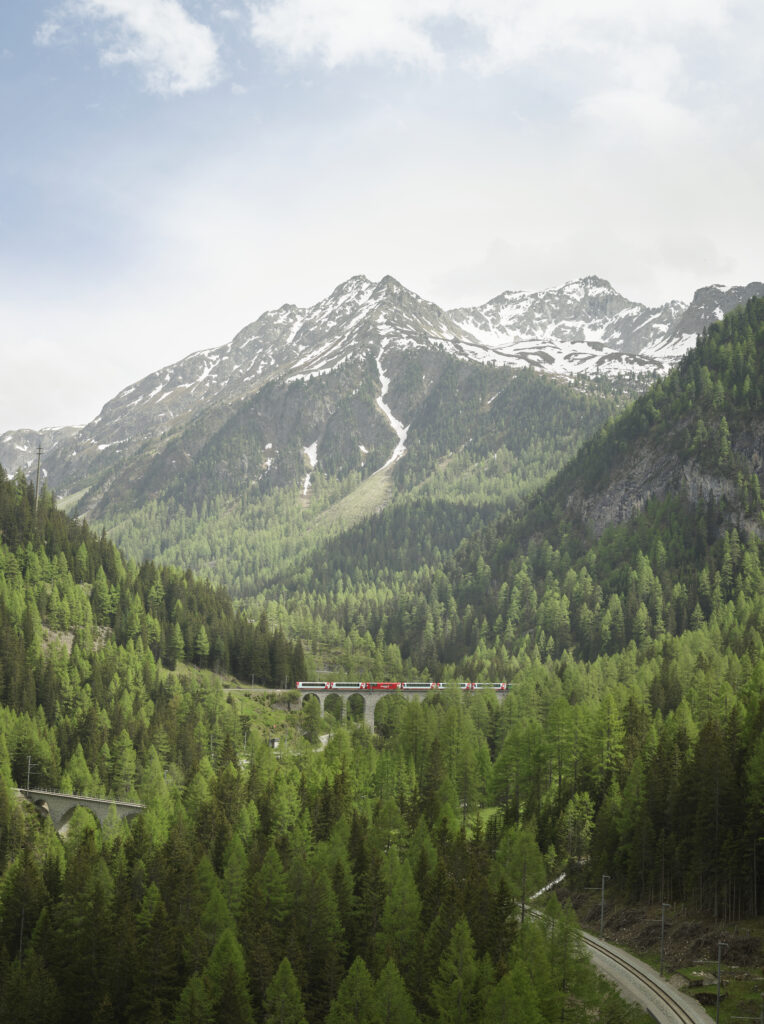
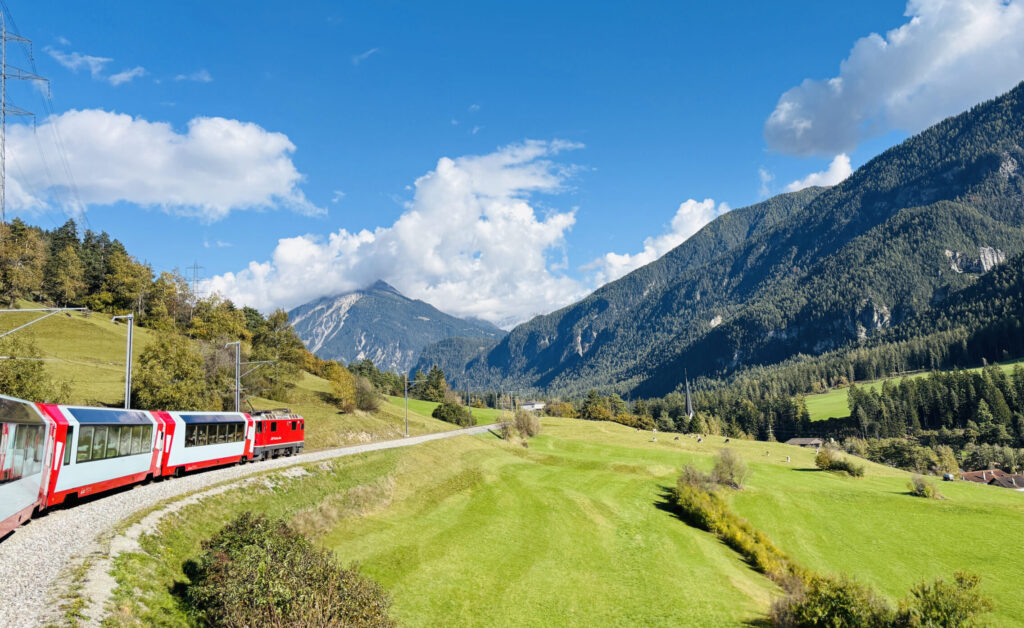
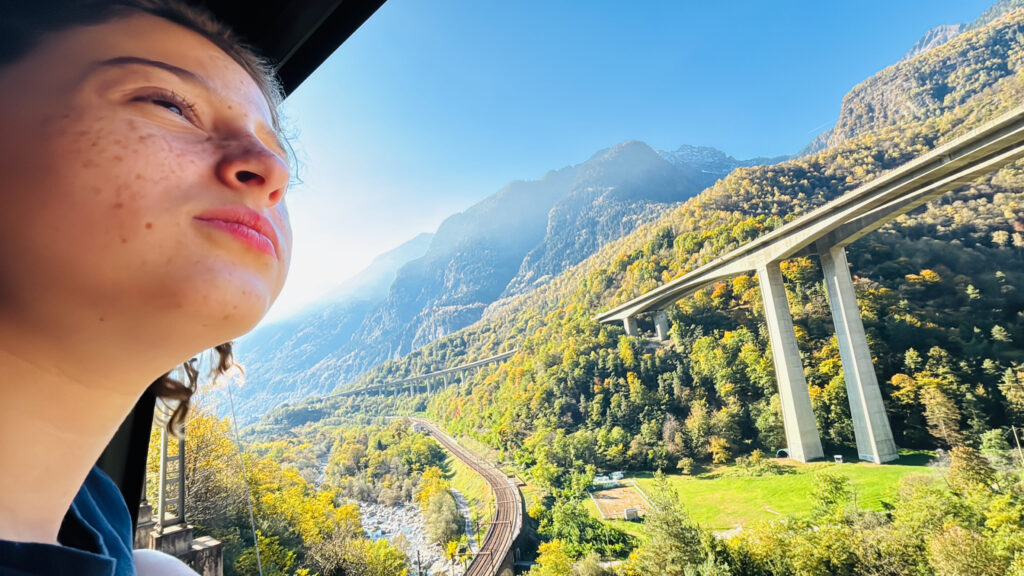
The eight-and-a-half-hour Glacier Express connects Zermatt to St. Moritz, rolling through 91 tunnels, 291 bridges and unfiltered alpine scenic bliss. Anticipating a long day on a train, I expect my daughter will catch up on her schoolwork while I get some reading in. The Glacier Express has other ideas. We travel across wild loop tunnels, dramatic peaks and waterfalls, a barrage of medieval villages, forests exploding with fall foliage, and the deep-ravined Rhine Gorge. We make friends with fellow passengers, have a three-course lunch, and next thing we know, we’ve arrived at the St. Moritz Station, school pages lightly dusted and my book unopened.
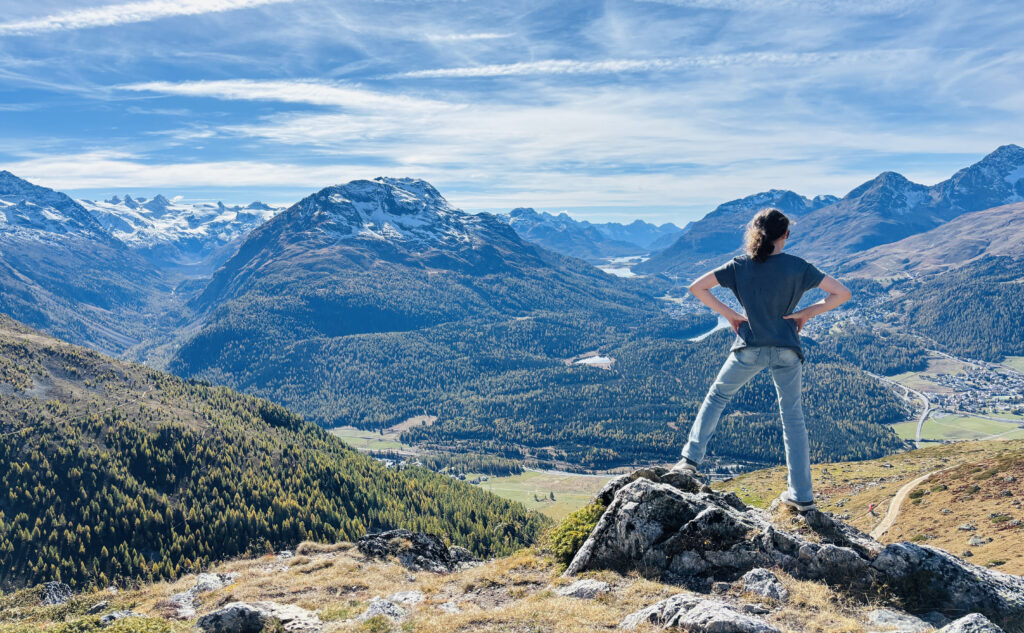
Welcome to the ritzy town that gave birth to alpine winter tourism back in 1864. St. Moritz’s pedestrian-only old town is lined with stores for the rich, royal and famous, along with seasonal five-star hotels that only open for peak winter and summer seasons. If you want to escape the feeling that your net worth just won’t cut it, take a walking tour, stroll along the lake, hike into the forests, stay in a family-friendly villa surrounded by nature (see TEXT BOX), or, if there’s one thing you have to do, get above the tree line with a cogwheel funicular up to Muottas Muragl.
Here you’ll find benches lined with sheepskin and blankets, a playground for kids, clearly marked walking routes for all levels, an excellent restaurant, art exhibits, view swings and a hotel should you wish to spend the night. The views are simply extraordinary, which warrant a celebration on the restaurant patio with a chilled glass of Chasselas and a plate of the region’s prosciutto-like bündnerfleisch.
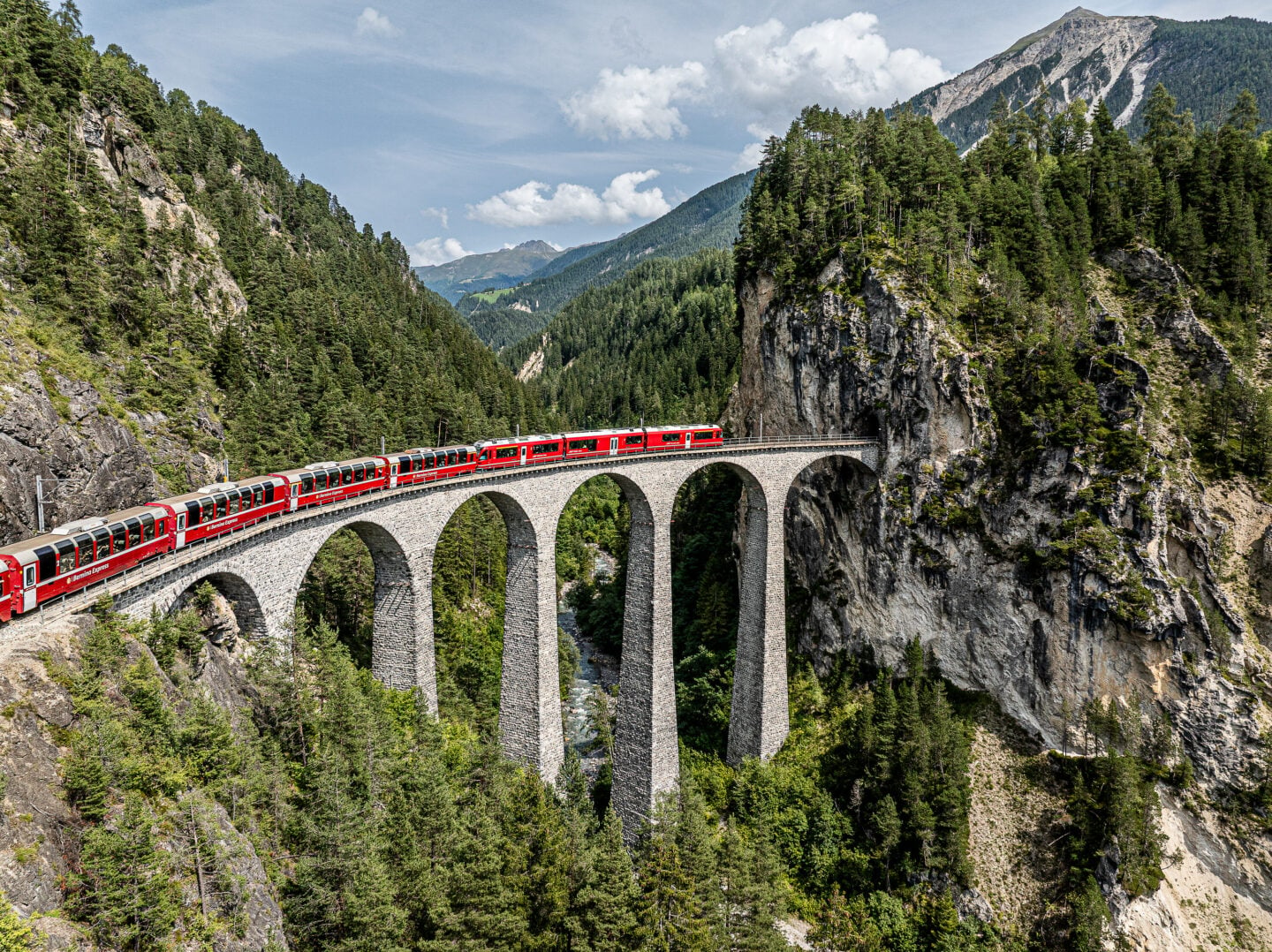
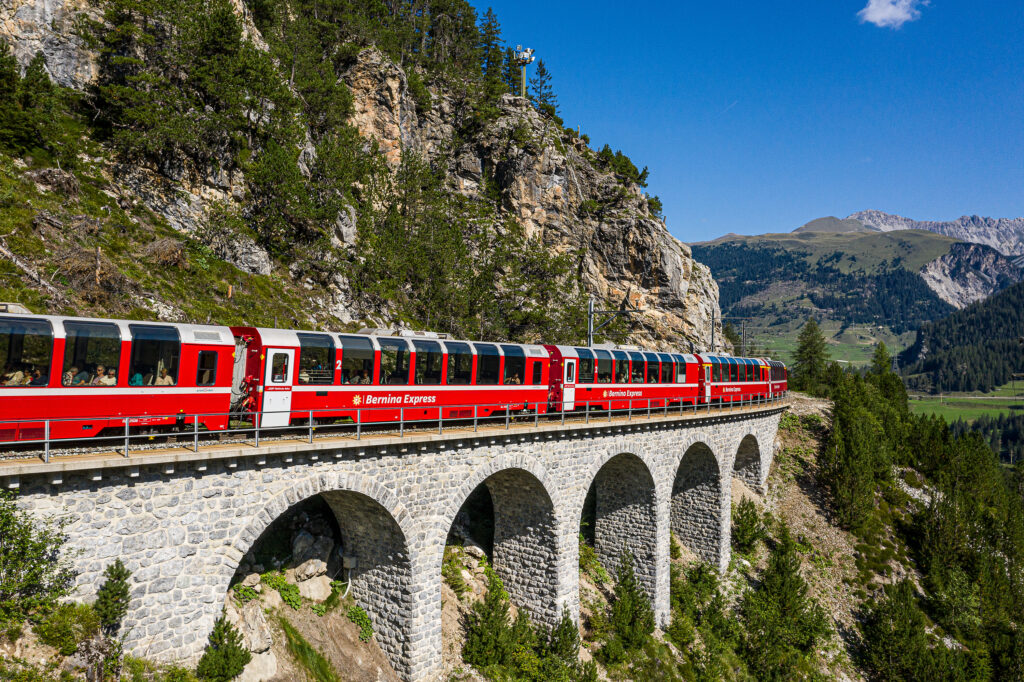
On the UNESCO World Heritage Rhaetian Railway route, the Bernina Express takes us from St. Moritz into Tirano, Italy, where passengers are coached along the shores of Lake Como to Switzerland’s Lugano. The Bernina climbs up a mountain so steep it feels more like a funicular than a railway. We roll along the gem-coloured Lake Poschiavo and then down into the treeline of farmland and valleys, and across the 65-metre-high Brusio Viaduct. Leaving the train in Tirano, we order pizza for lunch during our brief foray into Italy, and hop on the three-hour scenic bus connection to Lugano. “How the heck did they build that church/monastery/castle way up there?” is a common question along the way.
We’ve been fortunate with the crisp October sunshine all week, but the days are cooling fast and the fog is settling in. Now we’re in Swiss-Italian territory, where we pick up cultural differences from the German and French regions. Switzerland has four official languages: German, French, Italian and Romansh (a minority language descended from Roman Latin). As you would expect, the French region felt more laid back than the German regions, and the Italian region even more so than the French. If there’s one thing you have to do in Lugano, it’s wander about old town, dine in an excellent Italian restaurant and rue the fact you didn’t plan to spend more time here.
Heading north, the Gotthard Panorama Express is an engineering marvel, ascending into high mountain tunnels above the Gotthard Base Tunnel, which is 57 kilometres long and is currently the world’s longest railway tunnel. We’re taking the slower, scenic route because we’re here for an experience, which includes on-board guides, photography coaches and a wild looping mountain tunnel that allows us to capture the Baroque church of Wassen from three different angles.
Throughout our journey, with all the castles, villages, towns and monasteries, we have seldom left human settlement behind. People have settled in these mountains and valleys over millennia, manicuring a postcard-like landscape of what has come to define alpine beauty. Canada’s rugged and remote Rockies offer a different alpine value proposition, although there’s an undeniable Swiss influence in our own Rocky Mountaineer.
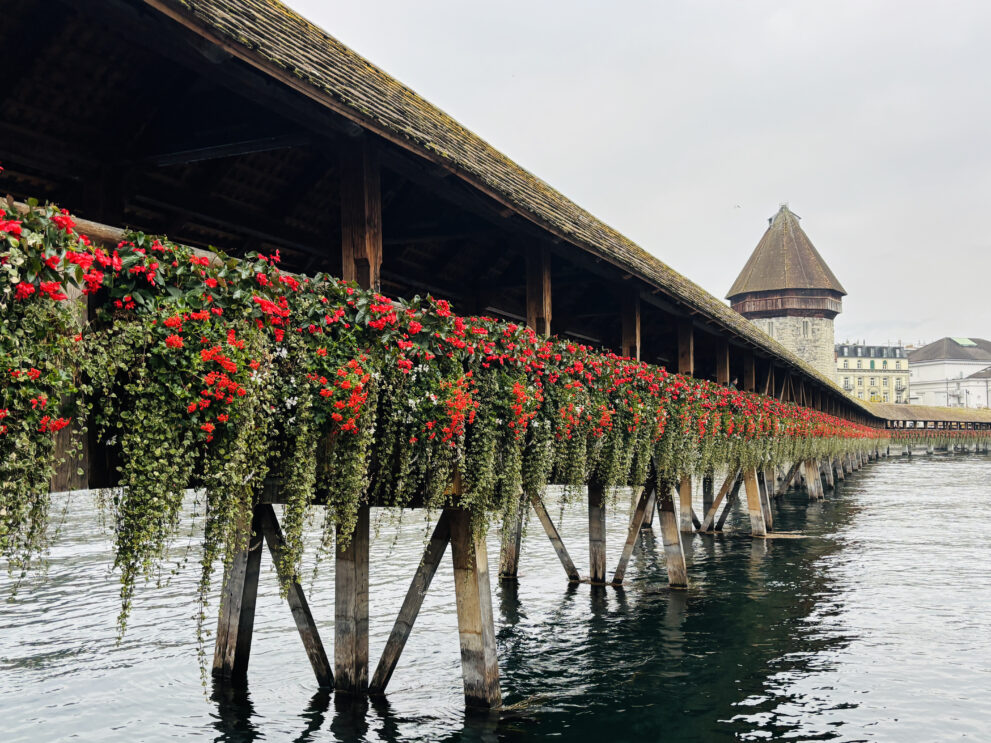
If there are 53 things you have to do in Switzerland, several of them have to be in Lucerne. The Gotthard Panorama Express deposits us on the shores of Lake Lucerne, where passengers transfer to a steamboat, stopping at scenic lakeside ports on our way to the city. Our travel pass has worked seamlessly on the trains, buses and now a boat. We disembark at the railway station and walk through Old Town to the most unique accommodation of our journey, a prison hotel (See TEXT BOX). Lucerne offers the perfect blend of everything we’ve encountered so far: the mountains of Interlaken and Zermatt, the lake beauty of Montreux, the shopping of St. Moritz, and striking medieval walls, building facades and bridges.
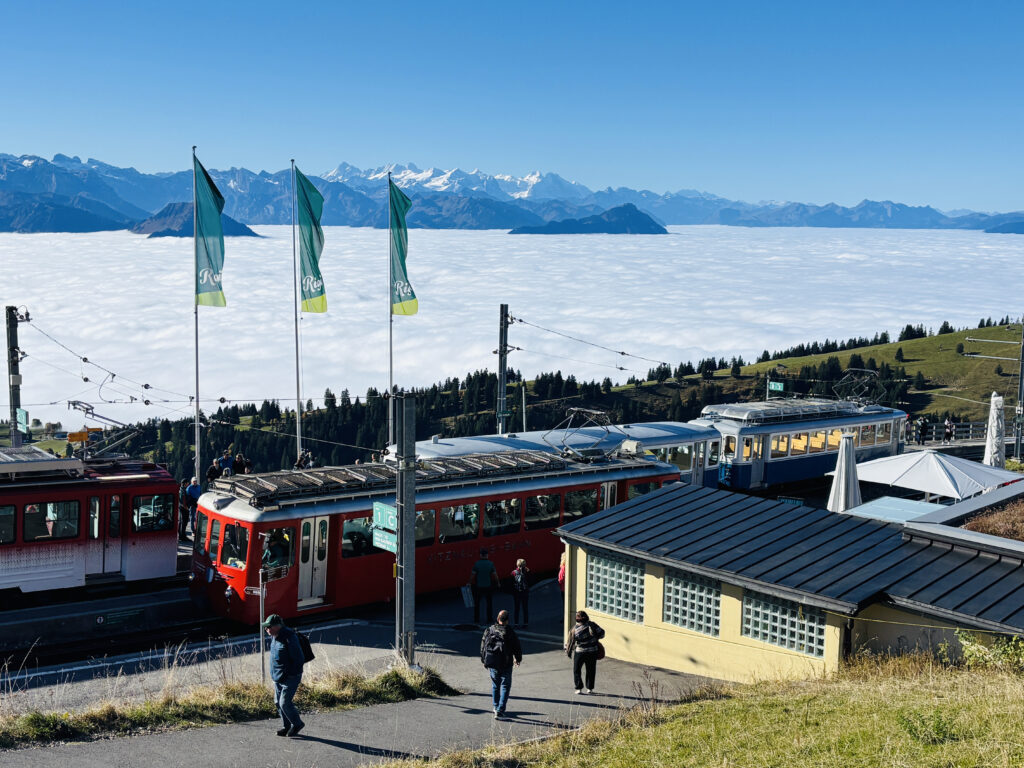
If there are 54 things you have to do in Switzerland, take the cogwheel railway up to Mount Rigi high above the clouds. We take a local train to Arth-Goldau and connect onto Europe’s first mountain railway, breaking through the fog to find glorious sunshine and a lake of pillowy white clouds, washing up against a floating archipelago of rocky peaks. Taking it all in, we enjoy the best meal of our trip on a patio overlooking the mountains and railway. Descending on a different track to Vitznau, we hop on the passenger ferry for a fun afternoon at the Swiss Museum of Transport, which is, dare I say it, the one thing you need to do in Switzerland, especially if you’re with kids, or love trains, planes, boats and automobiles. While you’re there, visit the Lindt Swiss Chocolate Adventure to get your daily recommended allowance of chocolate. Why are Swiss cheese and chocolate so delicious? Because the cows are so happy, happy cows make happy milk, and you taste that happiness all the way to your expanding waistline.
Yes, there’s a lot to do and see in this gorgeous country. This explains why my short companion video is longer than usual, and we never even got to St. Gallen. The Swiss Travel Pass is undoubtedly the best way to see the country, and the Swiss Family Card is a no-brainer if you’re travelling with kids. In the end, if there’s one thing you need to do in Switzerland, it’s about 63 things (or more), but the most important is simply this: stop dreaming and book your own self-guided railway adventure.

Environment
Vancouver might just be home to the greenest building in the world. Meet the geography professor who brought it to life.
People & Culture
What does it mean for Canada if we continue to pull up train tracks?
Travel
Two award-winning travel journalists discuss why family travel, even the kind that pushes us outside our comfort zones, is one of the most powerful investments we can make
Travel
Canadian Geographic’s Bucket Listed columnist Robin Esrock explores domestic tourism, national pride and the evolution of Canadian travel in the third edition of his bestselling book, The Great Canadian Bucket List