Bárbara Neves, a coral biologist at DFO in St. John’s, says these early samples, now lodged in museum collections, still offer insight. “My favourite moments are when I have a jar with a specimen that came from the Challenger, for example, and then you look at the specimen and then you look at the little sketch that somebody did, and it’s exactly the same…. It’s just so precise.”
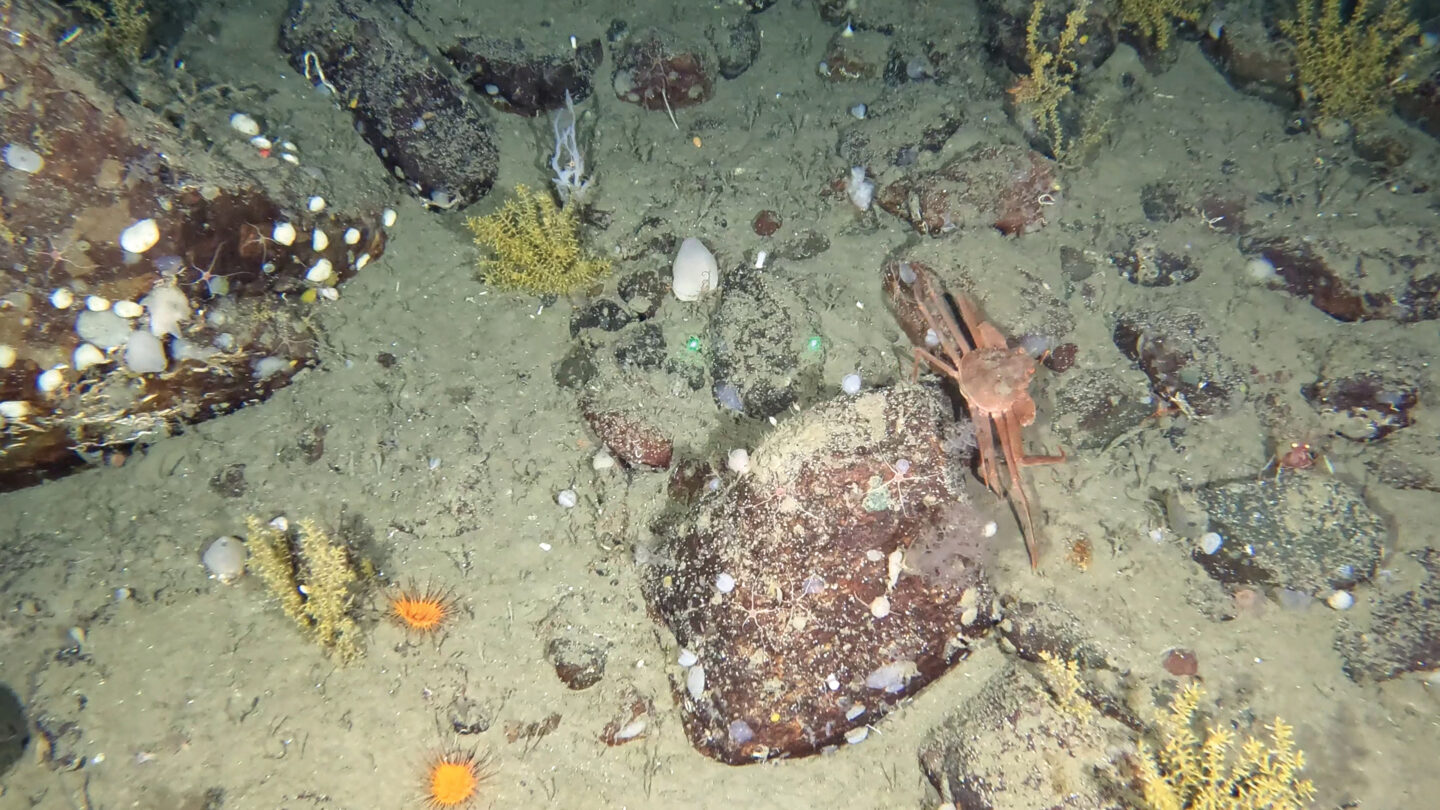
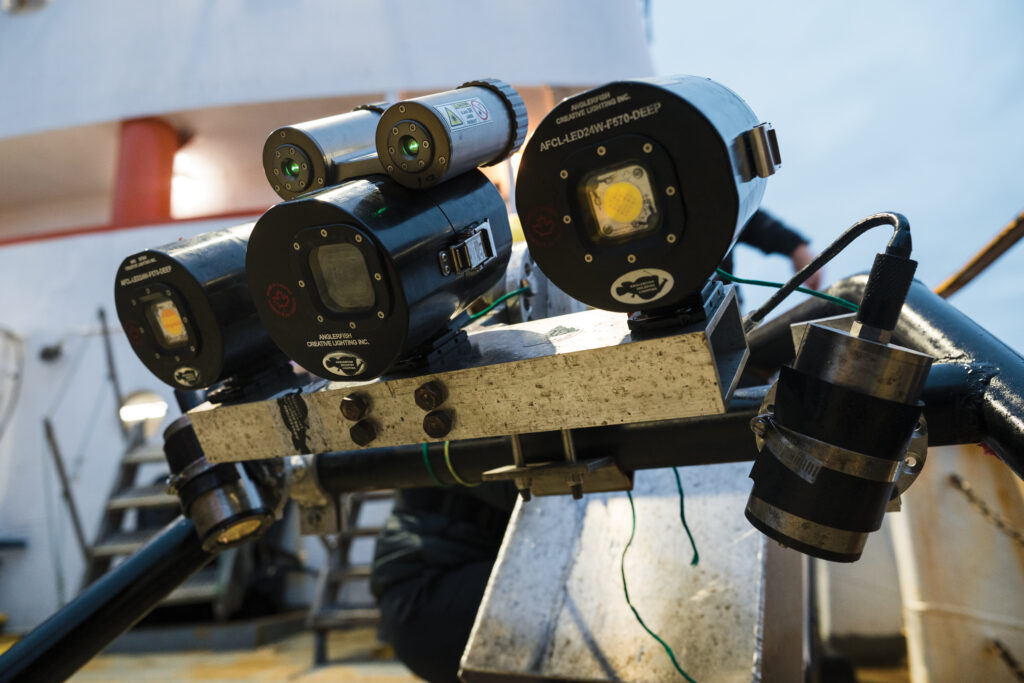
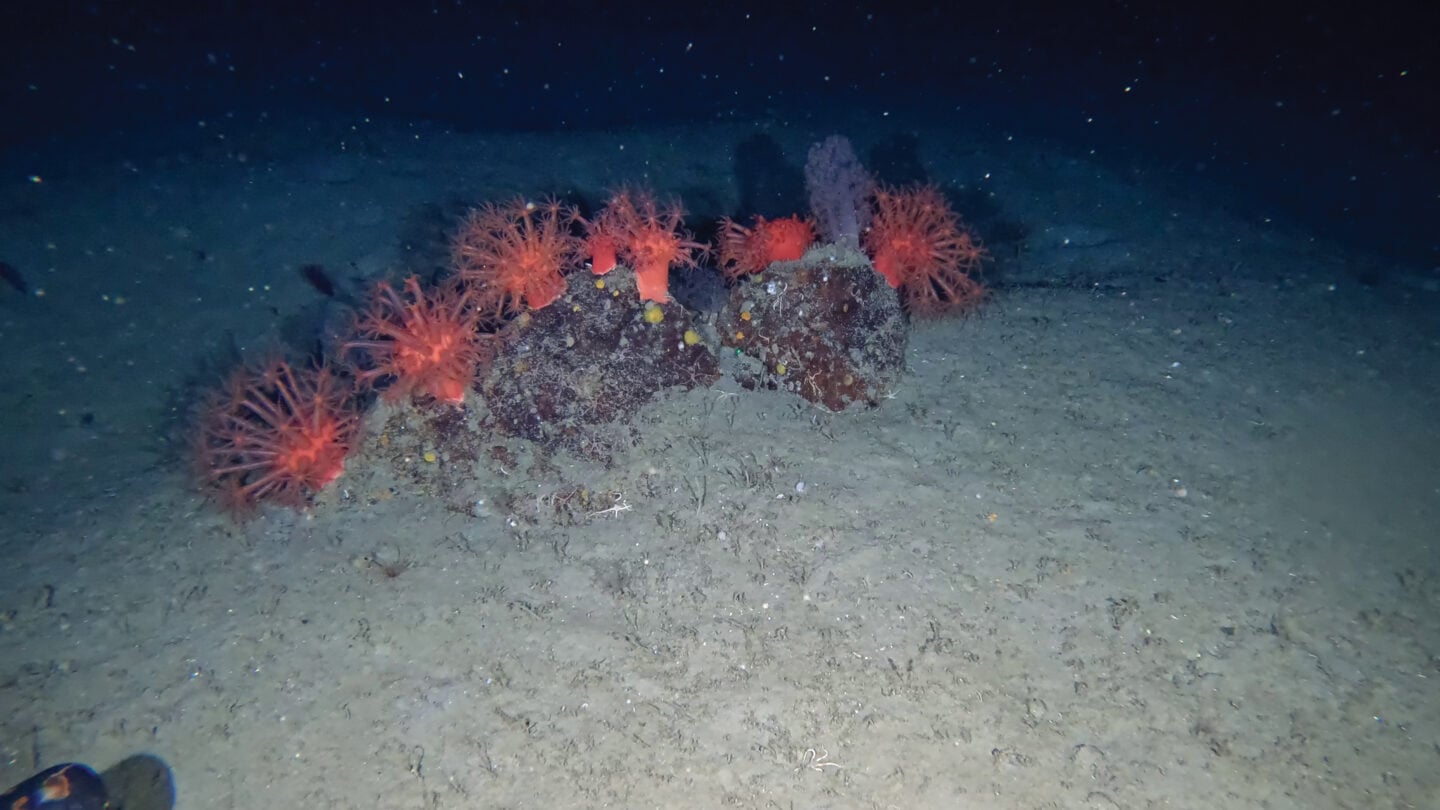
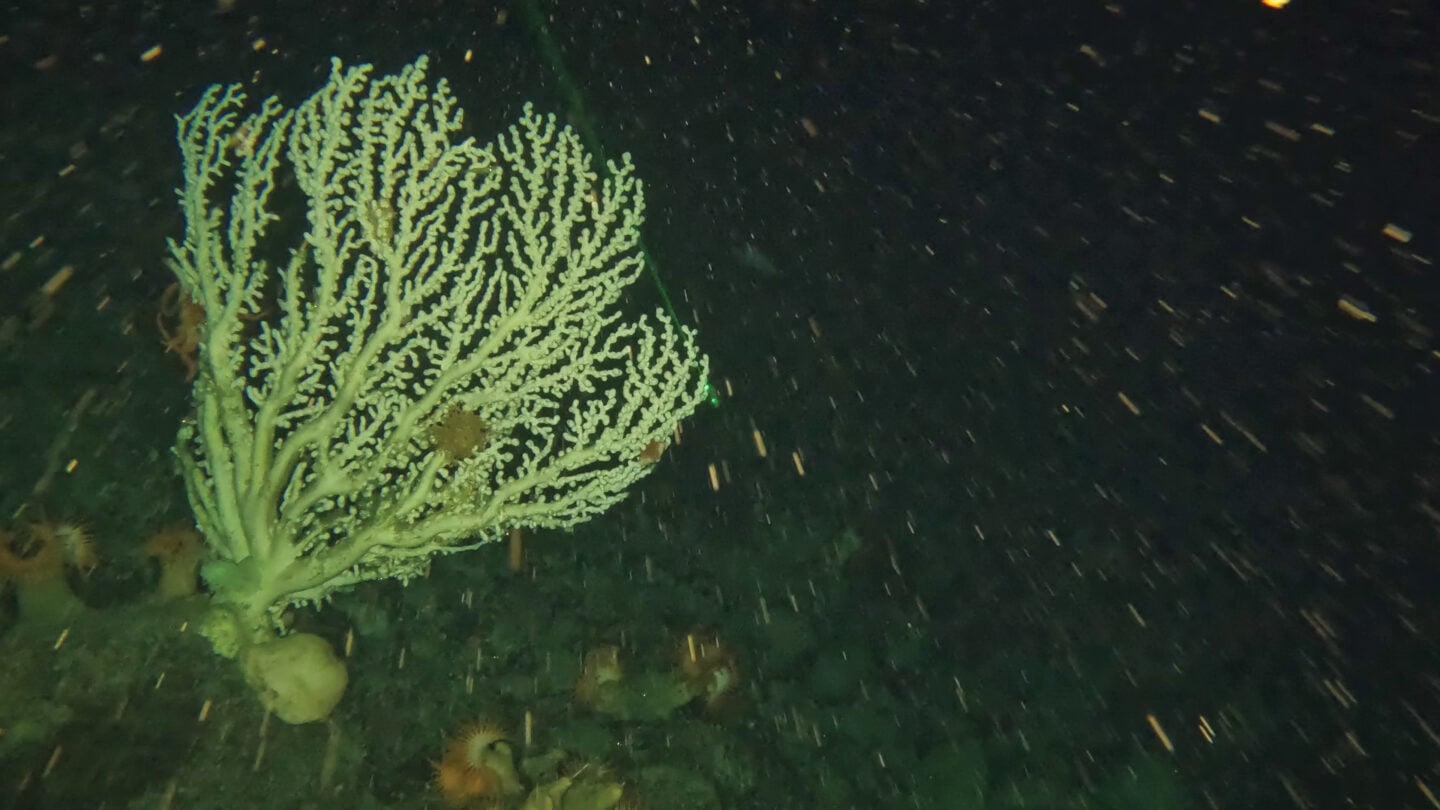
Since the turn of this century — armed with new technologies like underwater cameras, fibre-optic cables, remote-operated vehicles, autonomous underwater vehicles and submersibles — scientists have pieced together a fuller picture of the more than 3,000 known species of cold-water corals, some of which have been found at crushing pressures 6,400 metres below the surface of the water.
Nestled there in the dark cold depths, snatching food from the water around them, they seem to have a different sense of time. They grow at an extraordinarily leisurely pace — some, only millimetres a year. Many can live for a century or more, making them among the longest-lived animals on Earth. In 2009, American scientists reported finding a black coral, with its inky skeleton and orange flesh, off the coast of Hawaii, dated using radiocarbon techniques to be more than 4,000 years old; this individual was already 500 years old when humans were putting the finishing touches on Stonehenge.