People & Culture
Kahkiihtwaam ee-pee-kiiweehtataahk: Bringing it back home again
The story of how a critically endangered Indigenous language can be saved
- 6318 words
- 26 minutes
People & Culture
Ottawa is home to a booming Inuit community reclaiming their language and culture
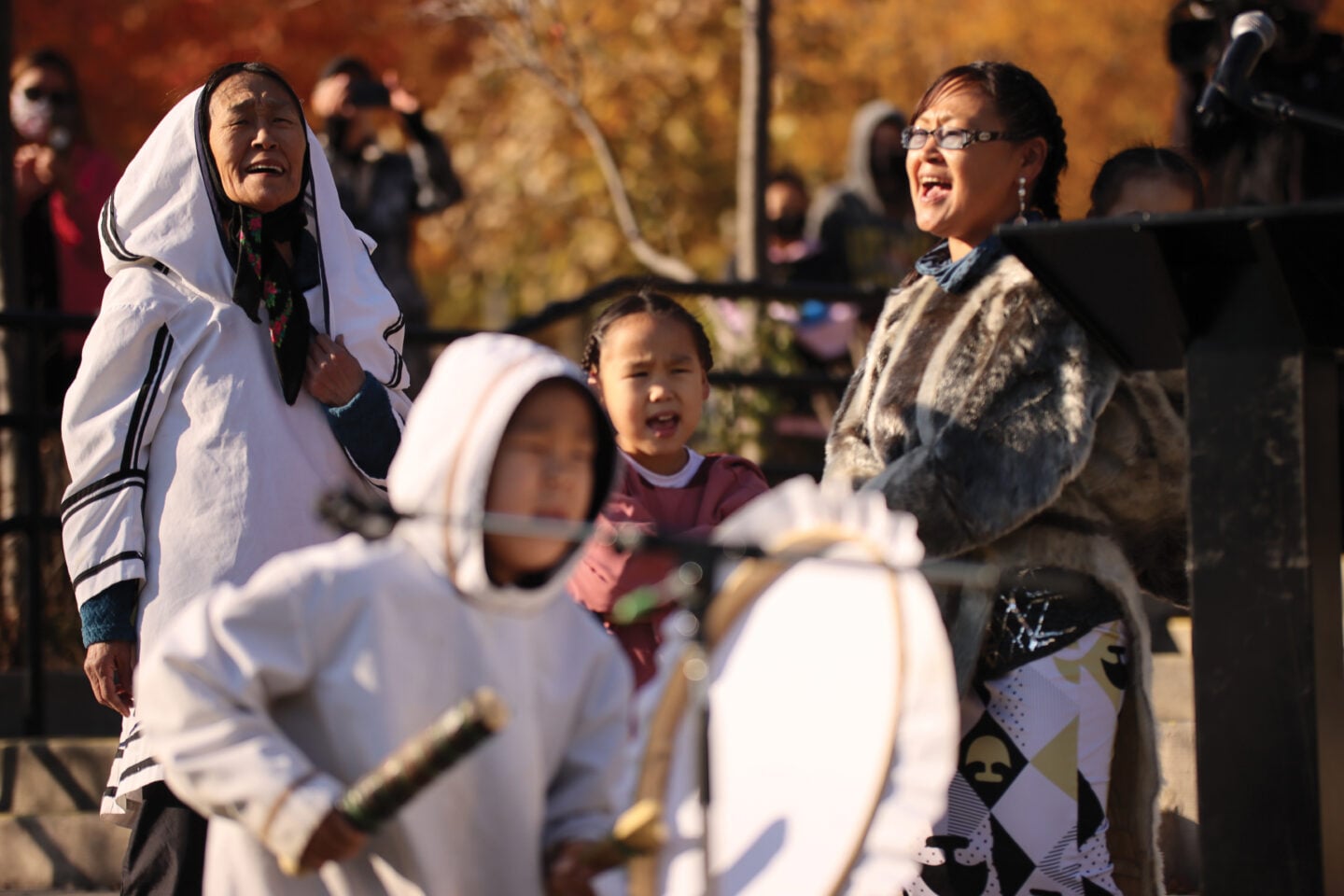
“Kinauvit” in Inuktut means “What’s your name?”
“Katherine-ngu-junga,” or “I am Katherine; my name is Katherine” in English. My last name, Takpannie, means “up there.” My grandfather, Tommy Takpanie Sr., used to say, “We’re from up there” (meaning the Arctic). My anaana (mother) was born in Apex Hill, Nunavut, but I consider myself an urban Inuk. I’m from Ottawa, or “Aatuvaa-miu-tau-junga.”
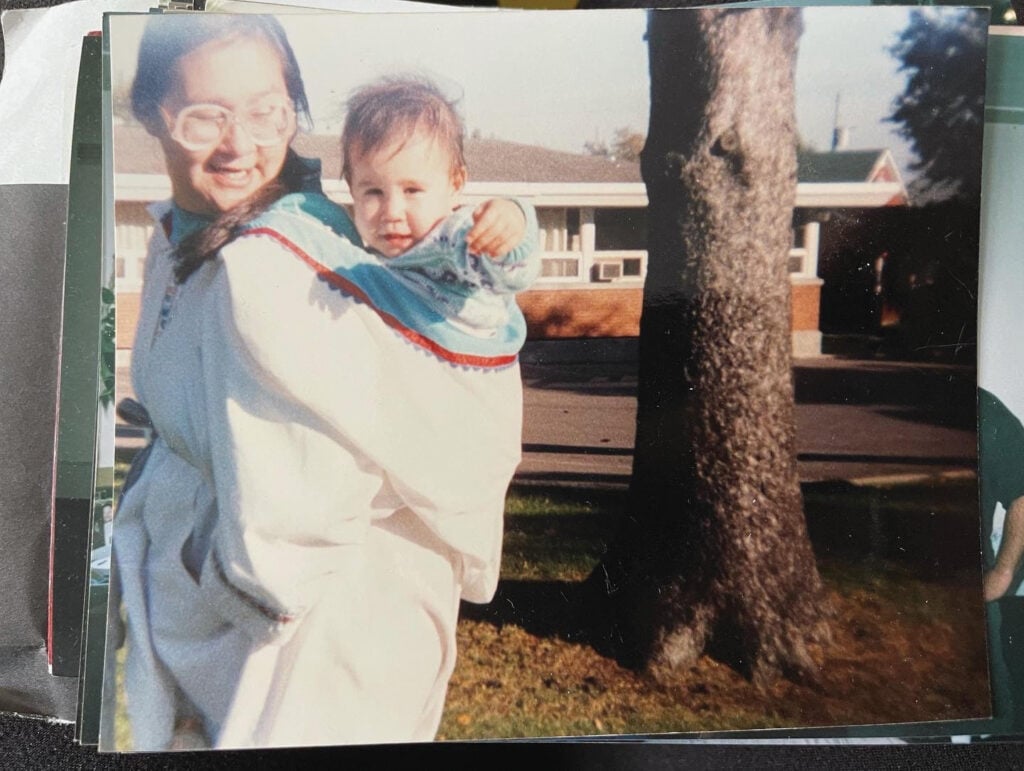
Whether we’re in the Arctic or the bustling city of Ottawa, Inuit are connected through Inuktut. The language is spoken from the western Arctic in Alaska to the furthest eastern Arctic of Kalaallit Nunaat (Greenland) and all throughout the Canadian Arctic. Where my anaana is from, they speak what is known as the South Qikiqtaaluk dialect.
A growing number of Inuit describe themselves as “urban.” Ottawa is home to more than 3,000 Inuit, people like my anaana who moved from Nunavut to access the various programs and services for Inuit ranging from Akausivik (a place to get well) to Tungasuvvingat Inuit (for social, cultural, employment and education support) and Nunavut Sivuniksavut (our youth, our future), a unique college program in the heart of downtown Ottawa.
Nunavut Sivuniksavut pairs accredited college and university courses on the Nunavut Agreement and its implementation alongside a revitalization of Inuit culture and language by connecting with Inuit Elders and knowledge keepers from across the Arctic. The program teaches beginner, intermediate and advanced Inuktut courses with the help of Tusaalanga (let me hear!), a website with thousands of Inuktut sound files. I am a proud alumnus of the program thanks to my nuka (younger sibling of the same sex).
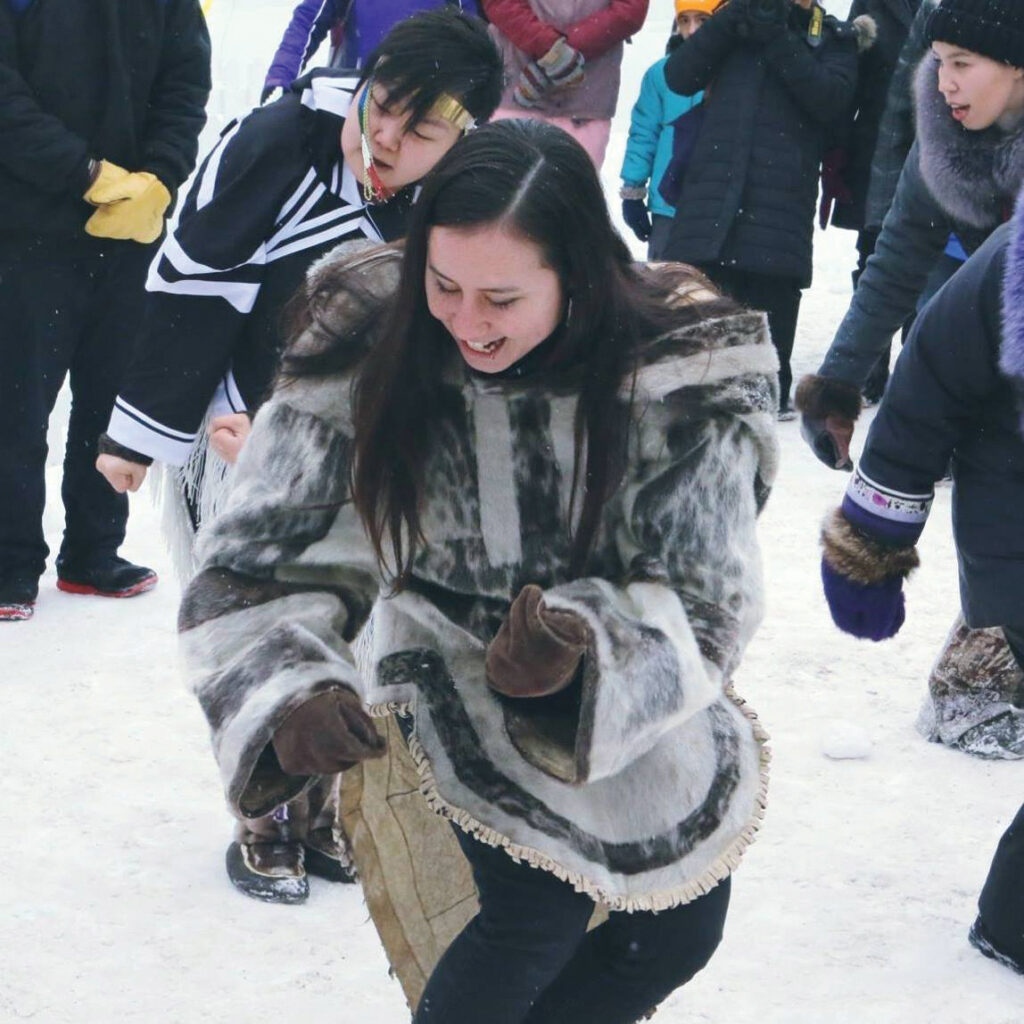
“After I took both years of the program, I knew based off of the way we were raised that you also needed to take it. There were so many things that I learned personally that made me grow that I knew you’d also learn. I knew it would benefit you positively in your personal life and your career,” my sister, Tamara Tikisa Takpannie, told me. It took her two years of convincing to get me to enrol. But she was right when she said, “it will change your life!” It did. It was here where I began to understand the deep link between language revitalization and healing from the loss of culture that many Inuit face because of the residential school system our parents and grandparents were forced to attend.
My anaana was the first in her family to attend a residential school as a child. My grandparents grew up on the land, travelling by dog sled and hunting for their meals. My anaana was ashamed to teach me Inuktut after being physically harmed at school whenever she spoke her language. Her trauma is a large reason I didn’t know my language growing up. As an urban Inuk, I didn’t have the privilege to be raised how I wanted. It was only when I had autonomy and enough safety, education and resources that I was able to begin my journey reconnecting with what was taken from me. I was one of hundreds of thousands of Indigenous children who were the by-product of cultural genocide.
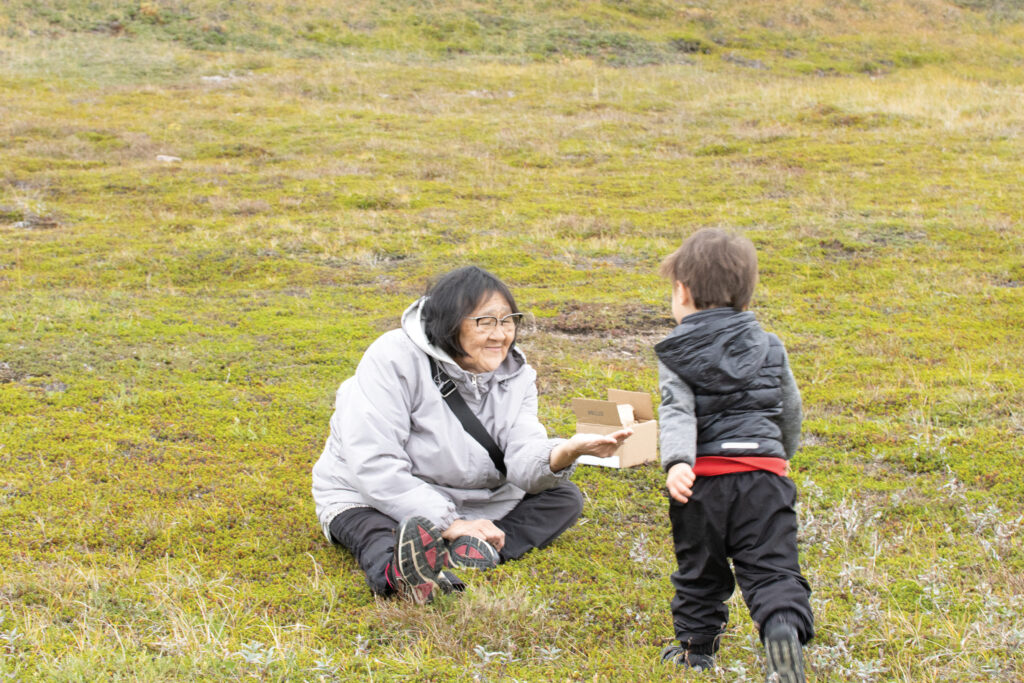
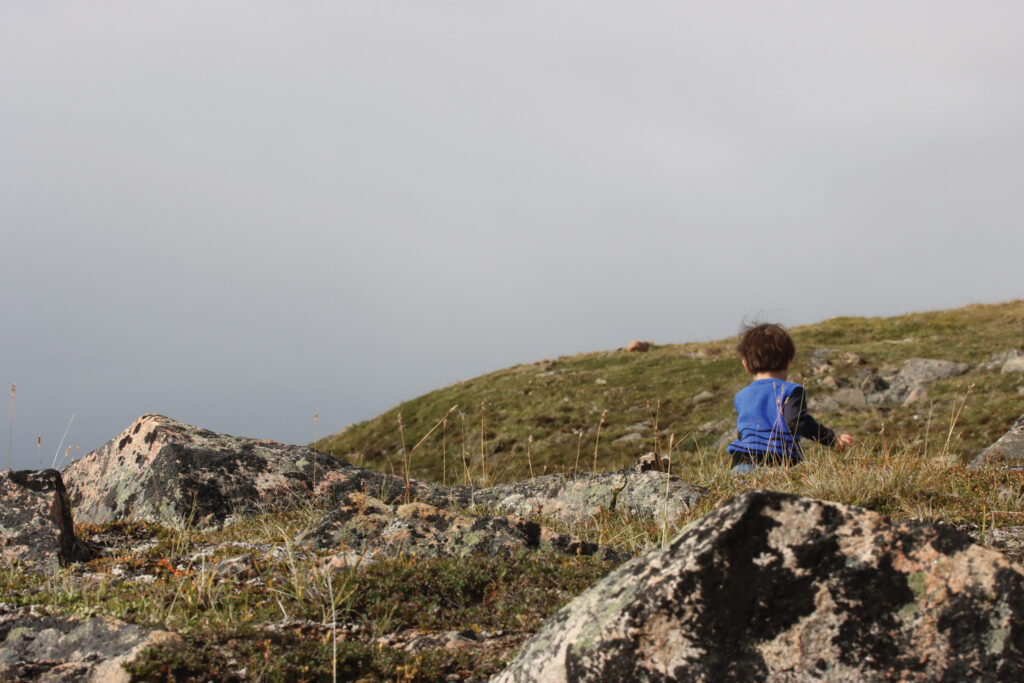
But today, my irniq (son), now the same age as my anaana was when she was put into residential school, tells my anaana proudly, “aakuluk” (I love you). His first word was “amaama” (to breastfeed). As I have begun reclaiming my language, I am passing what I know down to my children. When my anaana received her residential school settlement, she brought her family — her children, our spouses and her grandchildren — back home to the places where she grew up. She wanted to show us the areas she would berry pick. The places she dug for clams and went fishing. Where her father and brothers used to hunt.
The hills she ran around with her family and friends as a young child. She showed us where she came from: how beautiful it was and how proud she was to be from the North. I felt immense pride and love for her like never before. I felt more connected to her and more understanding of what she’s taught me about our culture, our language and what I will pass down to the next generation.
This story is from the September/October 2025 Issue
People & Culture
The story of how a critically endangered Indigenous language can be saved
People & Culture
Plains Indian Sign Language was used by generations of Indigenous Peoples to communicate across languages and landscapes. Now, it’s being reclaimed.

Places
In the fourth part of the “Languages of the Land” digital series, the president of Nunavut Tunngavik Inc. and recently elected vice-chair of the United Nations Permanent Forum on Indigenous Issues, speaks to Canadian Geographic on learning to be a good human and the importance of recognizing Inuktut as an official language
People & Culture
Reflecting on 20 years of Canada’s newest territory, Nunavut