
Travel
The many ways Christmas is celebrated around the world
From fried chicken and evil spirits to shoe tossing and pooping logs, Christmas around the world is accompanied by a surprising range of traditions
- 1248 words
- 5 minutes
Travel
In the city of Eisenach, Wartburg Castle’s historic Christmas market welcomes visitors in a uniquely medieval holiday tradition

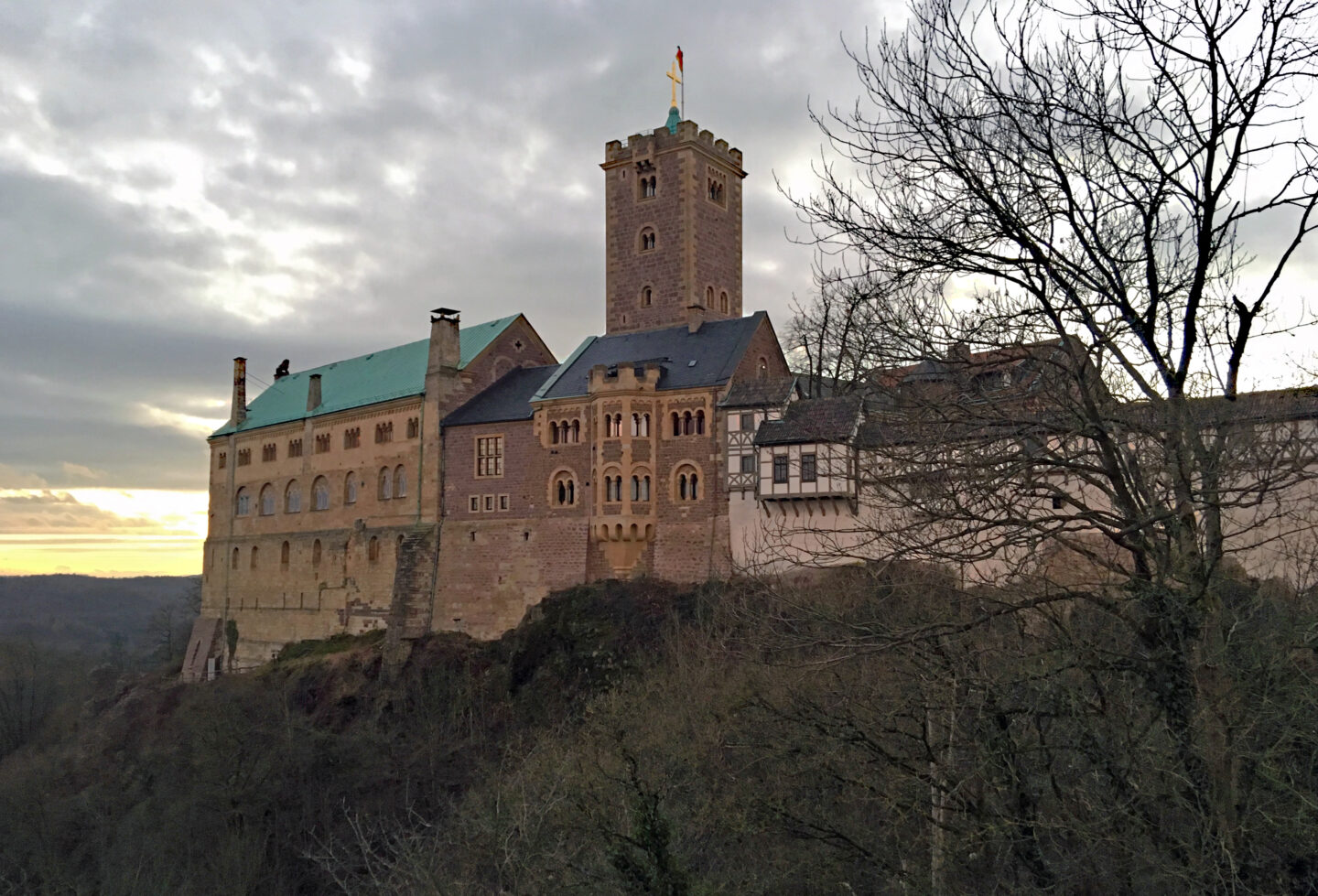
It was a clear, crisp early-December evening as I climbed the steep path to Wartburg Castle, high above the town of Eisenach in Thuringia, Germany. The trail wound upward through bare oaks, and the sweet fragrance of wood smoke and mulled wine grew stronger as I neared the fortress, which has stood here for nearly a thousand years. Near the castle, lanterns lined the cobblestones, casting a soft golden light against the stone walls. It felt less like entering a tourist site and more like walking into another century.
December has always been my favourite time of year to roam Central Europe, when cities and towns come alive with Advent magic – Christmas markets, carollers, cathedral bells and New Year’s festivities. Over the years, I’ve wandered through markets in nine cities across Austria, Hungary, southern and eastern Germany, yet none has captured the historic spirit of Christmas quite like the Historical Christmas Market at Wartburg Castle.
This isn’t just any fortress. Wartburg Castle was here, in 1521, when Martin Luther lived in exile under the protection of Frederick the Wise, translating the New Testament into German; a seismic moment in religious and cultural history as the first time the Bible had been written in a language other than Latin. Today, the same fortress that once sheltered an outlaw monk now hosts one of Germany’s most atmospheric Weihnachtsmärkte (“Christmas markets” in German).
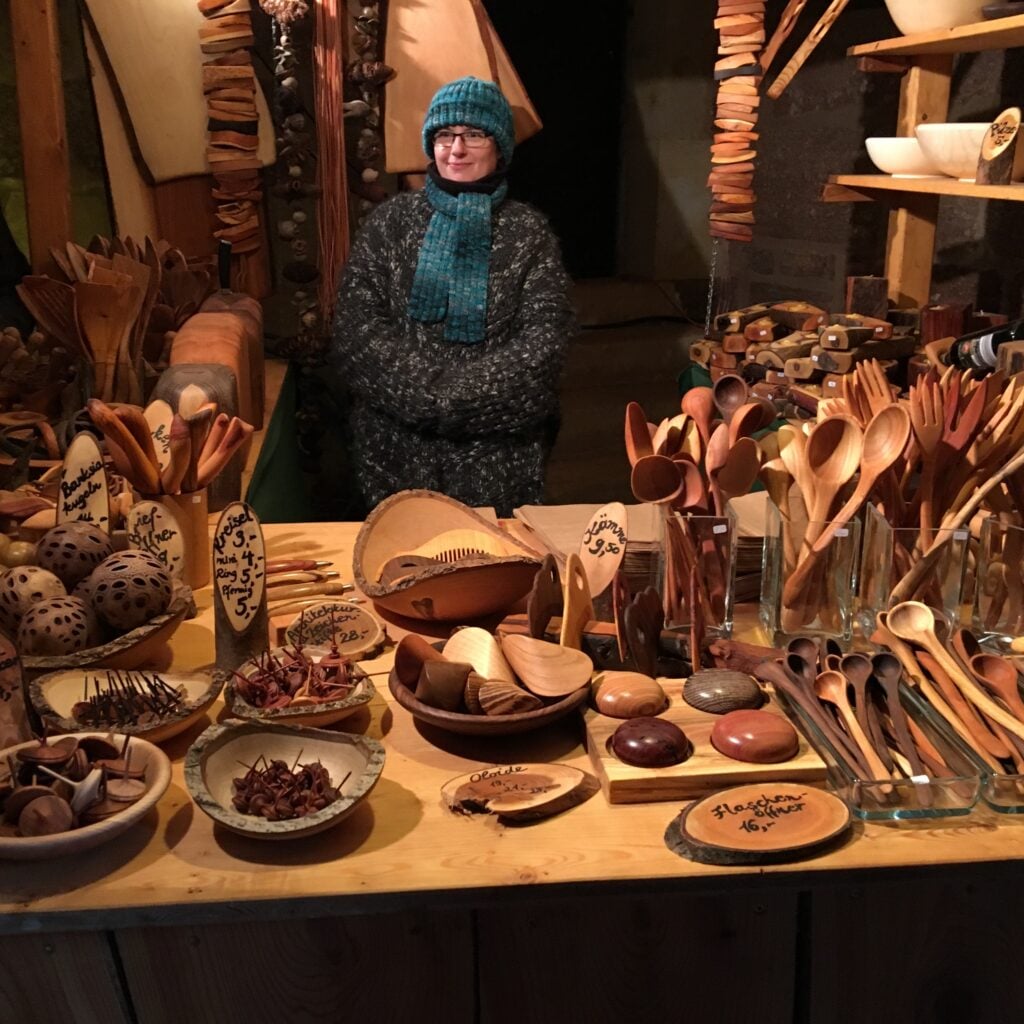
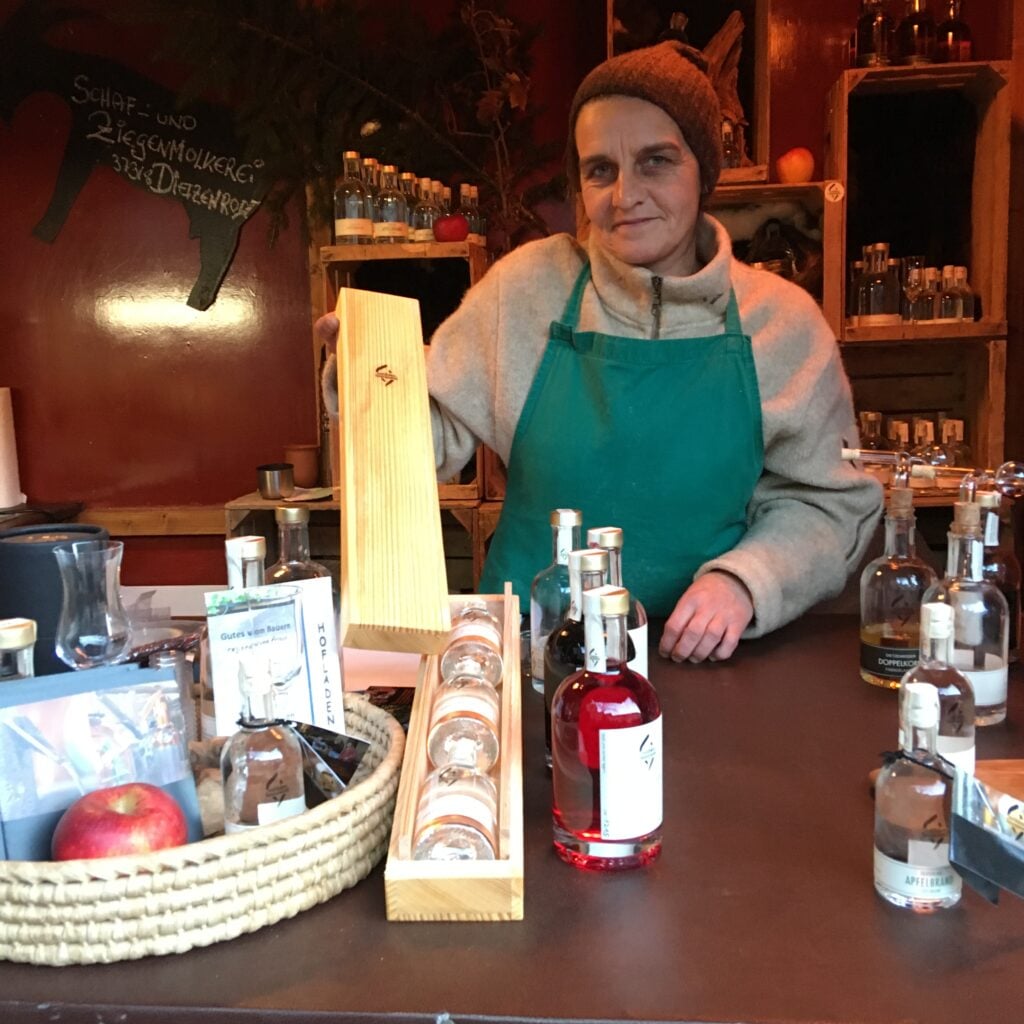
On Advent weekends (the four Sundays leading up to Christmas), the castle grounds burst to life: candlemakers dip glowing tapers by hand, glassblowers craft ornaments from molten colour, pewter casters pour silver-bright metal into intricate moulds. Soapmakers, stonemasons, woodcarvers and other artisans work as their medieval counterparts once did, dressed in traditional garb and surrounded by the scent of pine and firewood. The result feels less like a modern Christmas market and more like a living medieval fair, a world away from the fluorescent, over-the-top consumerism often found in North America.
Christmas markets in Germany date back to the late medieval period (1300-1500 AD), when towns were granted the right to hold fairs in December. These markets allowed peasants and craftsmen to sell goods before the holiday, earning a little extra for the Christmas feast. Among the oldest are Munich’s Nikolausmarkt (Nicholas Market) (first mentioned in 1310) and Dresden’s Striezelmarkt (1434), traditions that later spread throughout German-speaking Europe.
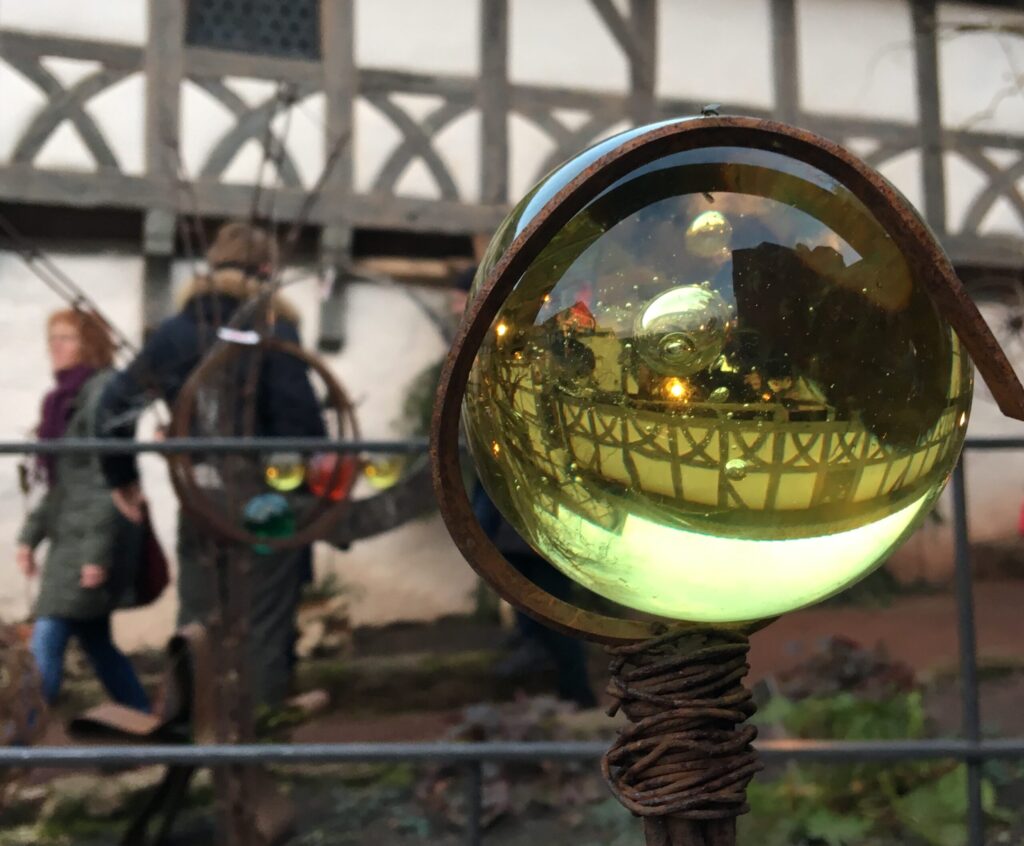
Wartburg’s Market follows the pattern of opening at the start of Advent, though it operates only on weekends. When I visited, organizers told me that only highly accomplished local craftspeople are permitted to sell their wares, with one guest artisan invited each year from another European Union country. The rule keeps the focus on craftsmanship rather than mass-produced gifts.
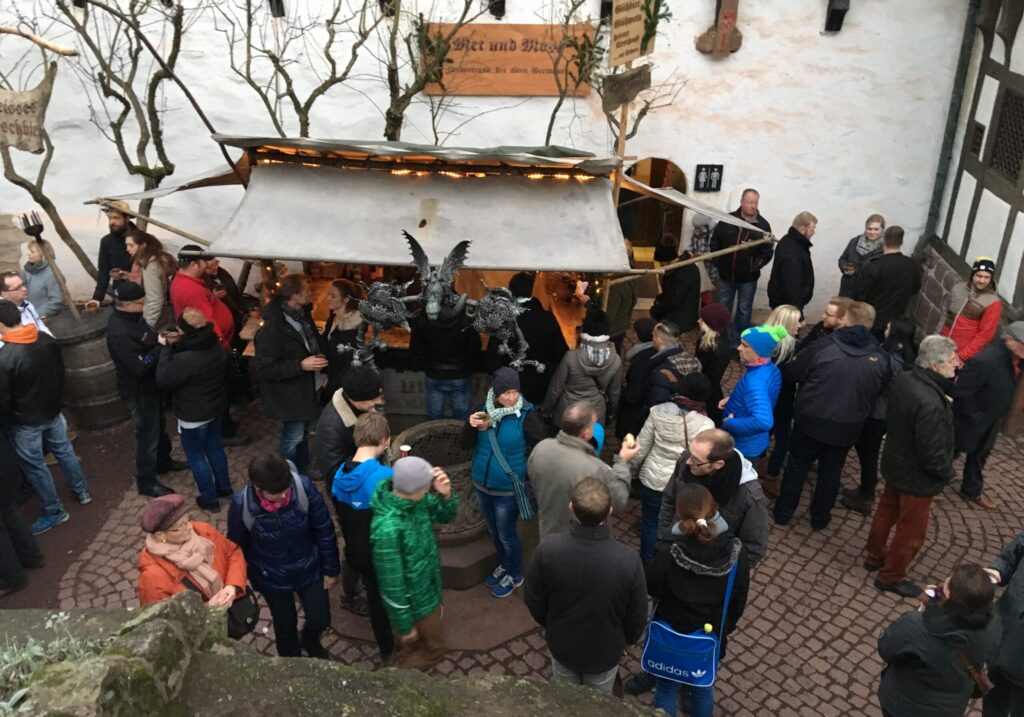
Inside the castle courtyard, the outside world disappears. A blacksmith hammers iron into gifts beside a stall selling handmade wooden toys. The scent of roasted almonds mingles with beeswax candles and cinnamon. There are no flashing lights or canned carols, just the sound of a brass quartet playing from the ramparts. Locals and visitors alike cradle steaming mugs of glühwein, speaking softly as the night settles in, and the stars begin to shine through the open arches.
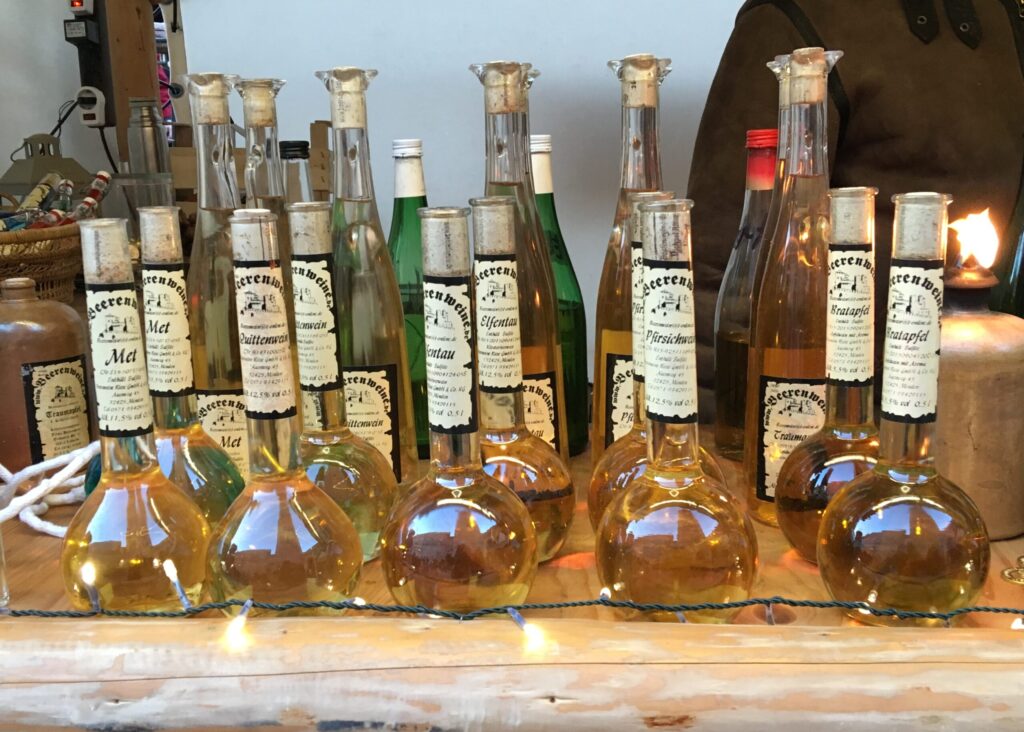
What makes the Wartburg Castle Christmas Market different is its intimacy, enclosed within medieval walls and its connection to Martin Luther. Perched in serene isolation on a low mountain above the town of Eisenach (population 43,000), the castle feels removed from the modern world, its silence broken only by the soft traditional Christmas music of the brass quartet and the ring of a blacksmith’s hammer.
The market is not an entertainment overlay but an extension of the place itself, a living echo of the centuries when people came to these same walls seeking shelter, trade, or faith. Looking down from the ramparts at the scattered lights in the valley, it’s easy to see why Germans still call these gatherings Advent markets. They are not about buying; they are about arriving at the Christmas season, at a sense of community, and at the idea that history and faith can still shape how we celebrate.
Travel
From fried chicken and evil spirits to shoe tossing and pooping logs, Christmas around the world is accompanied by a surprising range of traditions

Mapping
The Canadian farmers who grow Christmas trees every year collectively sell their festive forests to Canadians, Americans and people much further away.Canada's Christmas…
Places
How two Saint John sisters are sharing the flavours of New Brunswick in the heart of the city

People & Culture
Recalling a memorable Christmas along the trail to the Klondike in the 19th century with an annual reading of Charles Camsell’s Arctic explorations by podcast host David McGuffin