
People & Culture
Life after death: the real Lucy Maud Montgomery
Celebrating the woman behind Anne of Green Gables as we approach the literary icon’s 150th birthday
- 2567 words
- 11 minutes
People & Culture
Discover the homes and landscapes behind the renowned author of Anne of Green Gables, from her birthplace Clifton Hill to her final home Toronto

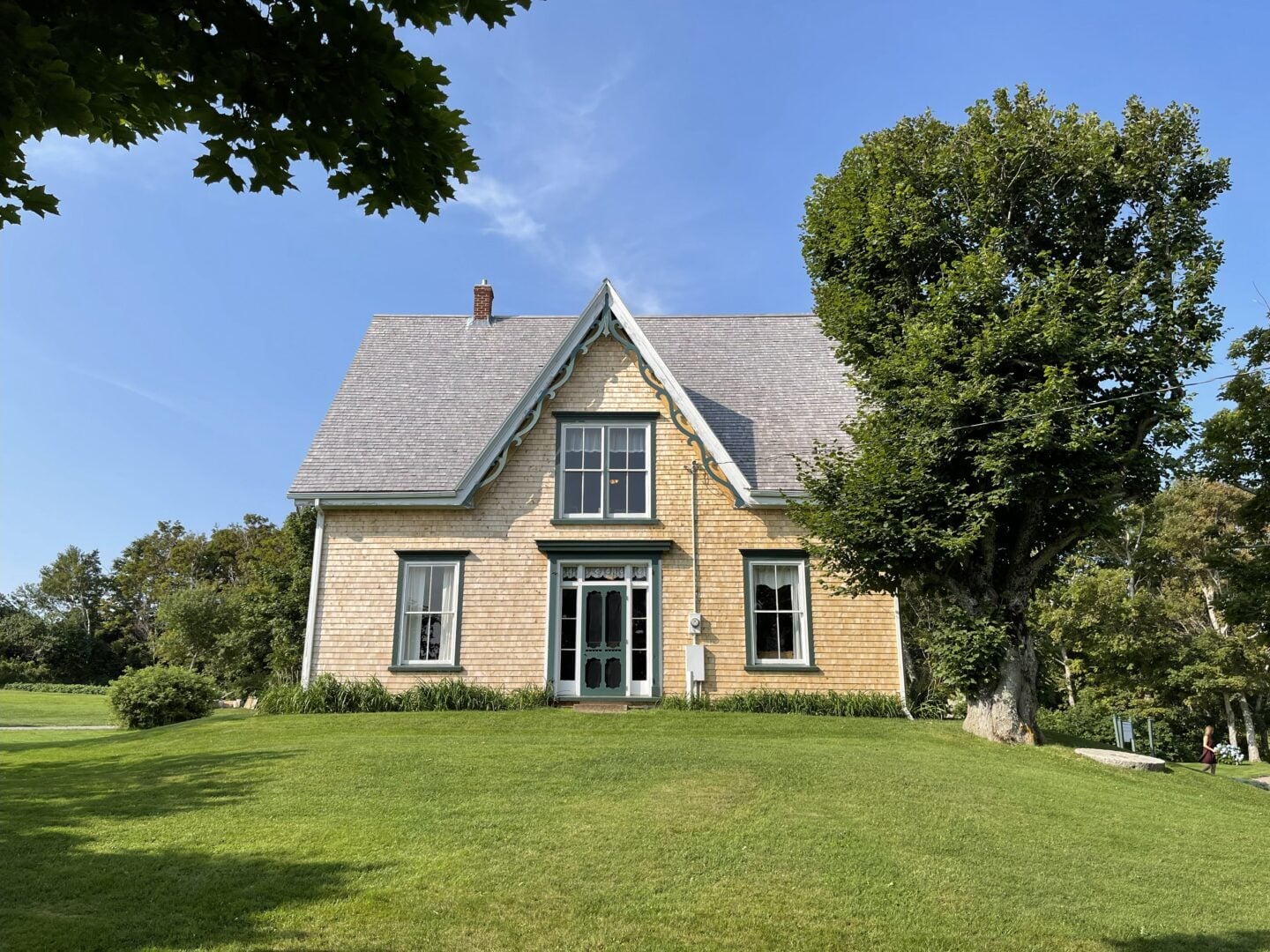
Few writers have tied imagination so closely to geography as Lucy Maud Montgomery, the world-renowned author of Anne of Green Gables. Her world of red-clay roads, white farmhouses and sea-spray air has become etched into Canada’s collective memory. Yet, Montgomery’s own geography extended far beyond the fictional Avonlea of Prince Edward Island. Over several decades, I have visited nearly every place Montgomery lived, from her birthplace in rural Clifton Hill, ON., to her final home overlooking Toronto’s Humber River, each revealing a different chapter of her creative life.
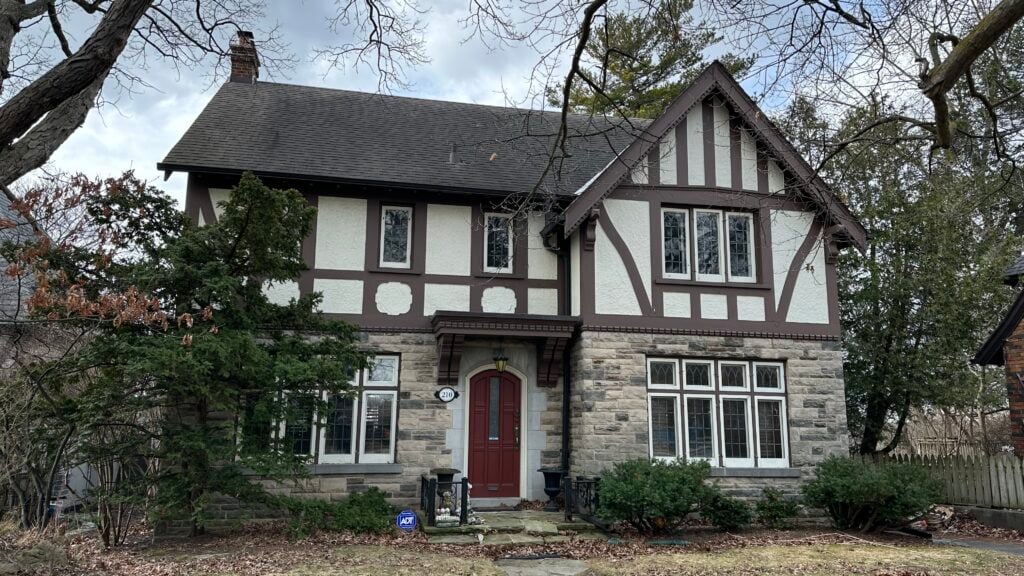
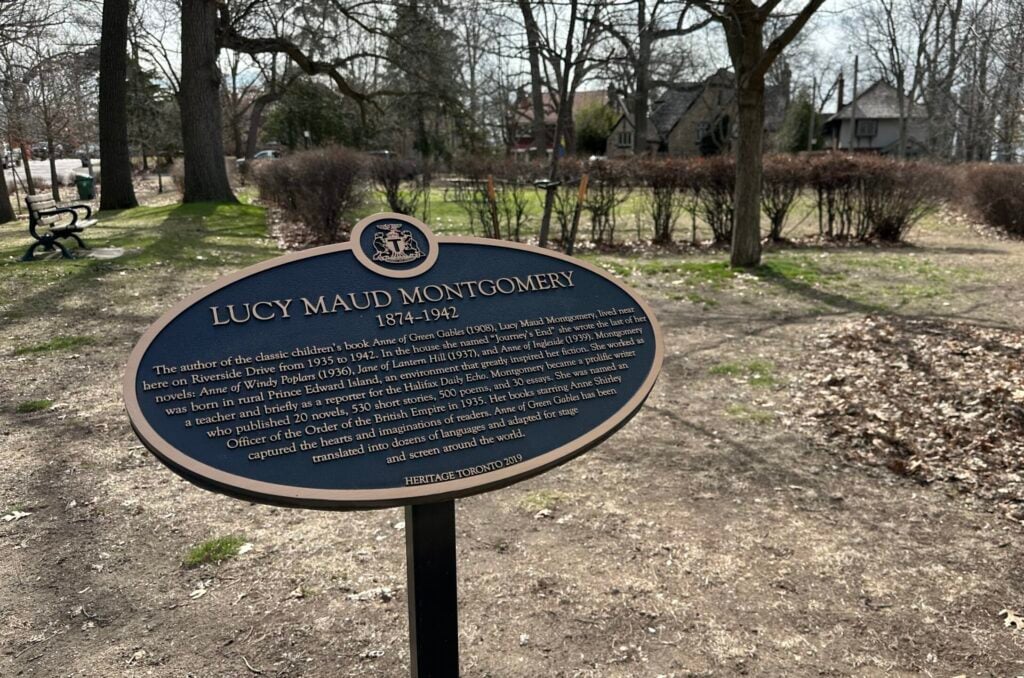
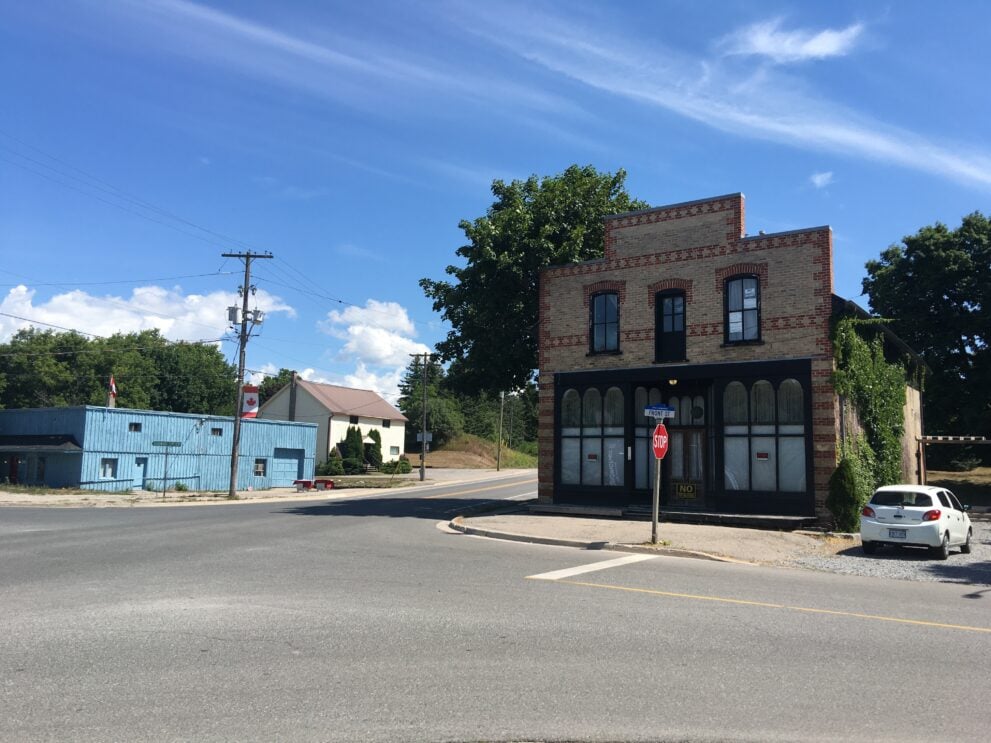
I first came across Montgomery’s final home on Riverside Drive in Toronto’s Swansea neighbourhood in the late 1980s or early 1990s. At the time, tour buses filled with foreign travellers would stop at the small park nearby, where groups would gather around a bronze plaque honouring Montgomery’s presence in the community. The plaque does not list her precise address, an act of courtesy to the home’s owners, but even then, it was clear that Montgomery’s influence had reached far beyond Canada’s shores.
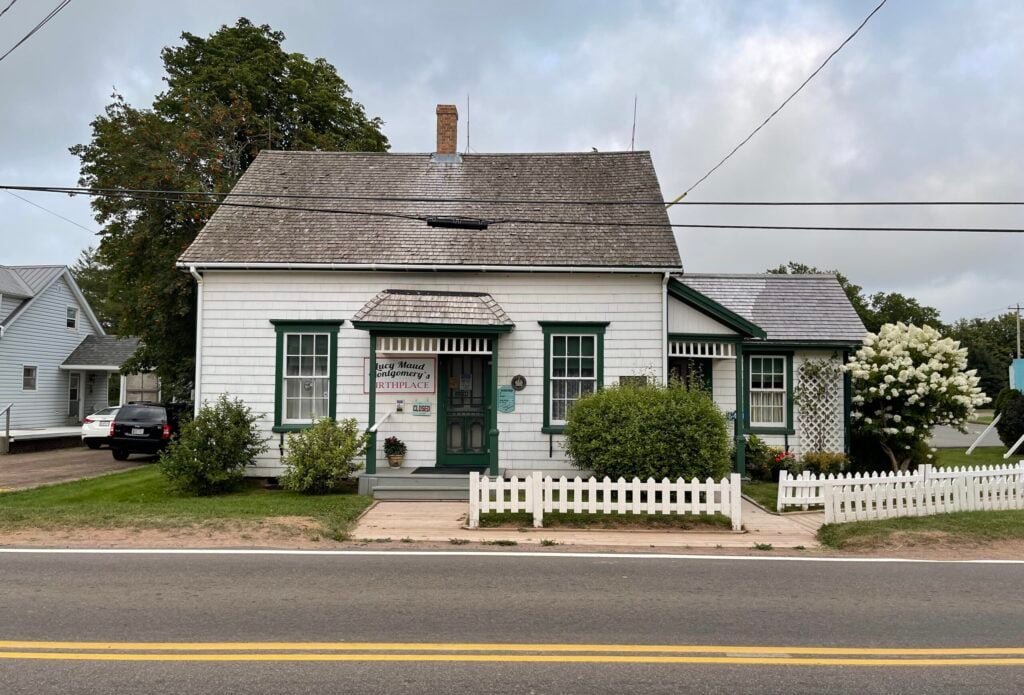
My exploration of her Prince Edward Island roots began in 1997, just three weeks after the Confederation Bridge opened, connecting the island to the mainland. The pilgrimage began at her birthplace in New London, P.E.I. (then Clifton), a white-clapboard home nestled among gently rolling farmland. Inside, exhibits such as her wedding dress and handwritten journals capture both the discipline and imagination that would soon bring Anne of Green Gables to life.
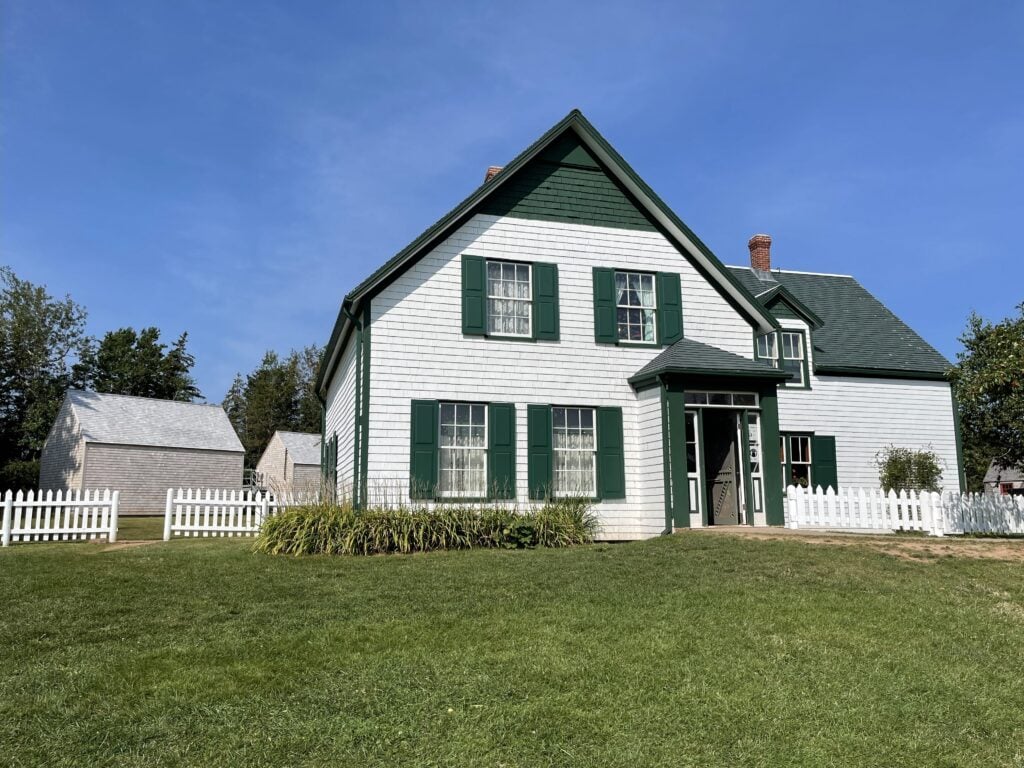
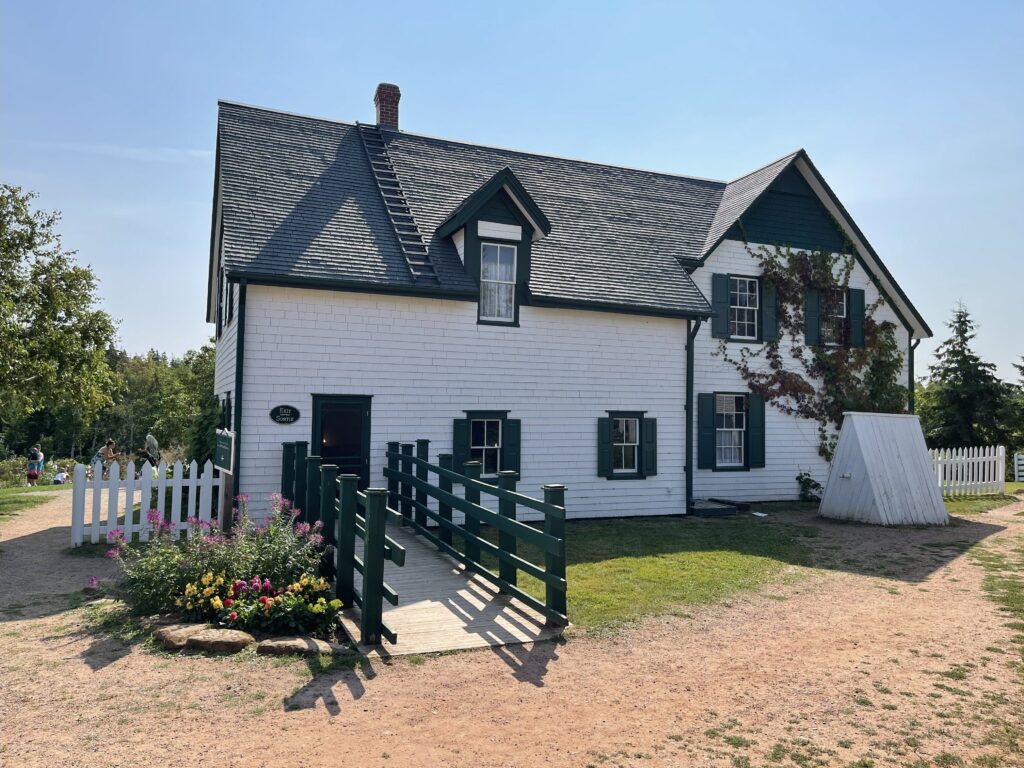
From New London, an 11-minute drive east leads to Cavendish, where Montgomery’s imagination found its permanent home. At Green Gables Heritage Place, the farmhouse that inspired her most famous novel, and at the nearby Macneill Homestead, where she lived with her grandparents, one can feel the landscapes that shaped her creative world. Strolling through Lover’s Lane and the Haunted Wood, famous walking trails made popular through Montgomery’s writing, are preserved by Parks Canada. It is easy to imagine her walking here with a notebook in hand, translating these woods and meadows into timeless fiction.
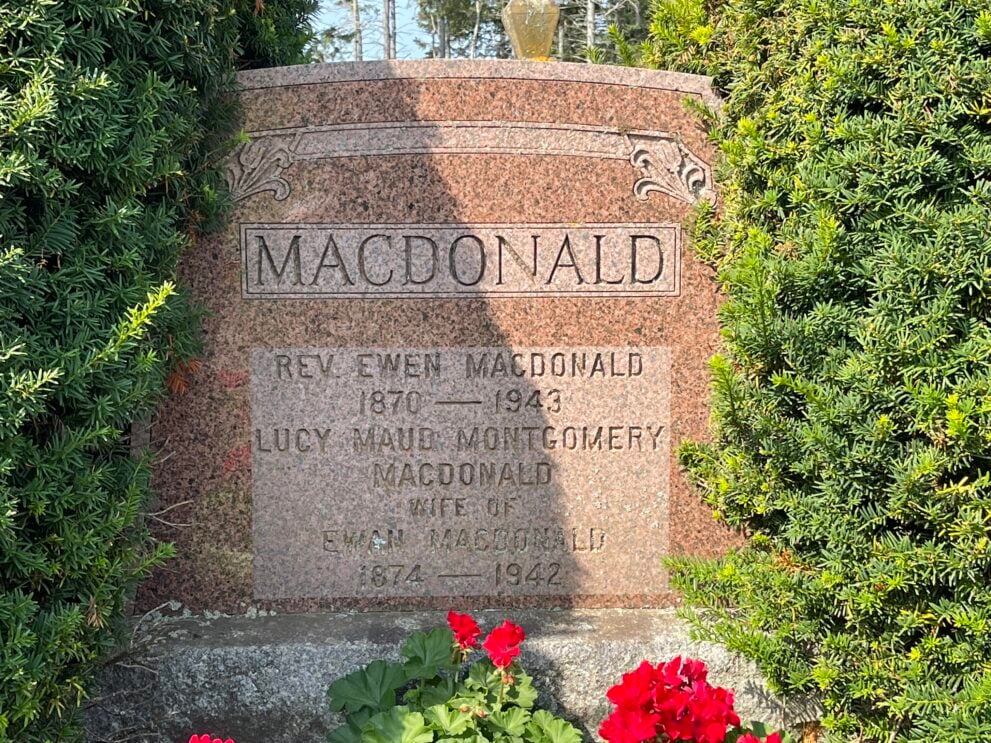
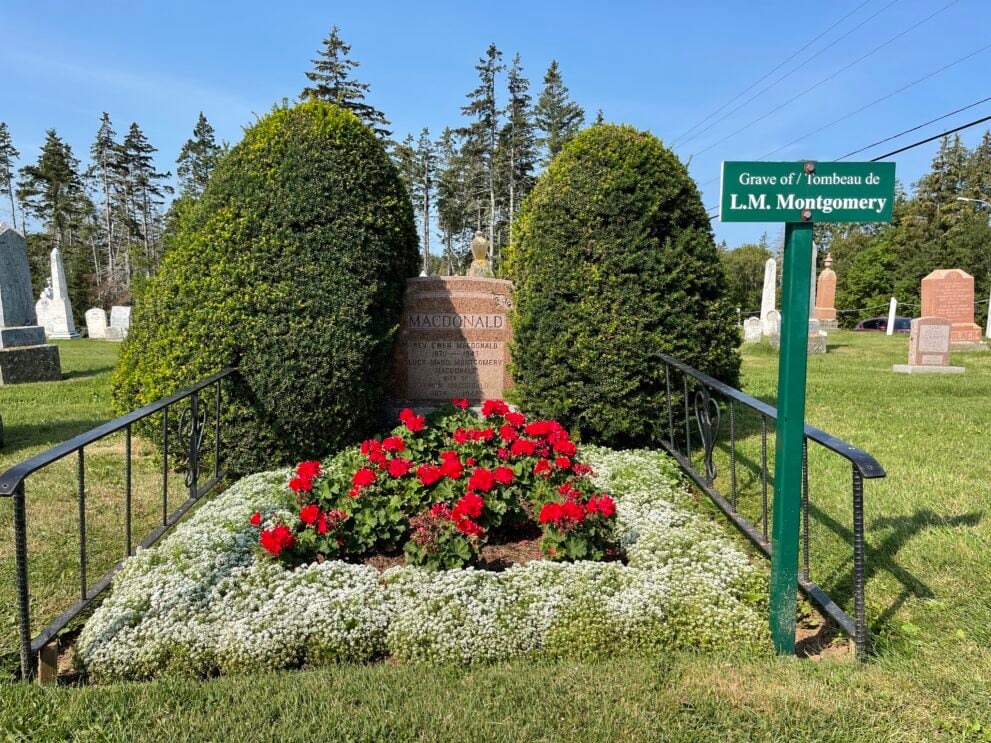
Nearby in Cavendish Community Cemetery, Montgomery lies beneath a red-granite headstone inscribed simply with her name and that of her husband, Reverend Ewan Macdonald, along with their birth and death years. When I visited her grave in 2021, I was struck by the quiet simplicity of the site. Some guidebooks and websites have long repeated the phrase “Dearly loved by all the world,” though it does not actually appear on the stone itself. Visitors continue to leave flowers and pebbles as a tribute to her enduring legacy.
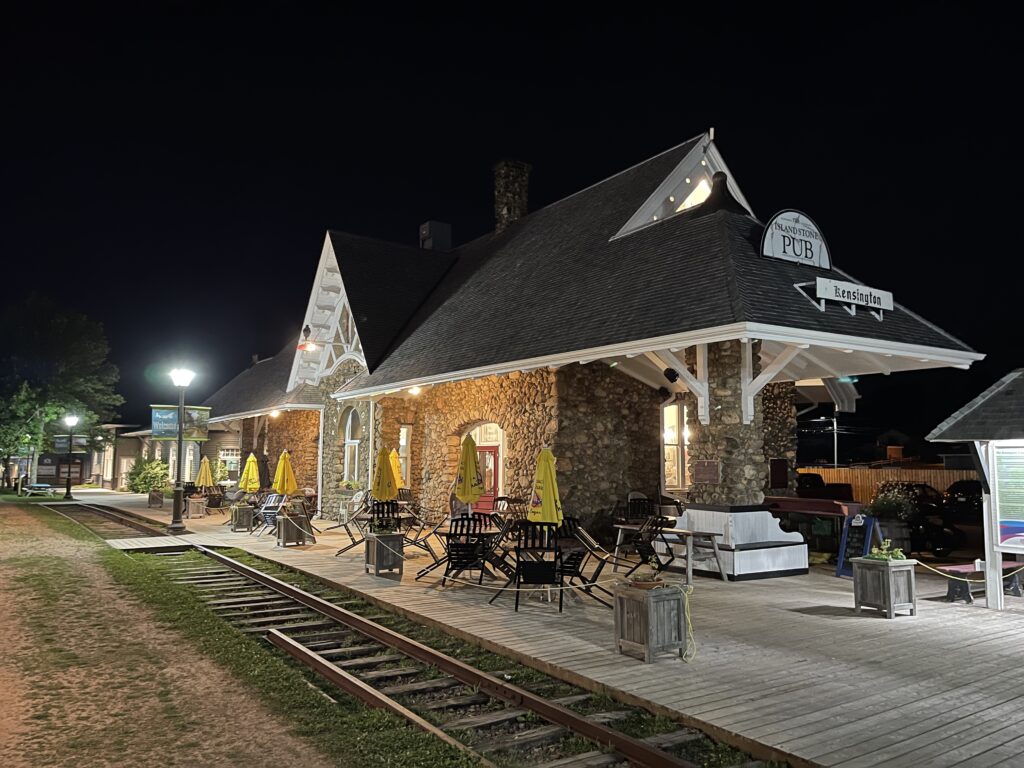
A short drive west brings you to the Kensington Railway Station, a handsome Romanesque Revival building completed in 1904 and now a National Historic Site of Canada. Montgomery travelled through this station many times, often on her way between Cavendish and Charlottetown. It was here that the rhythm of island travel, the comings and goings of passengers, and the soft whistle of departing trains helped shape her sense of movement and longing that recur throughout her fiction. The restored station now serves as a visitor centre and café, standing as a tangible link to the Island’s literary and railway past.
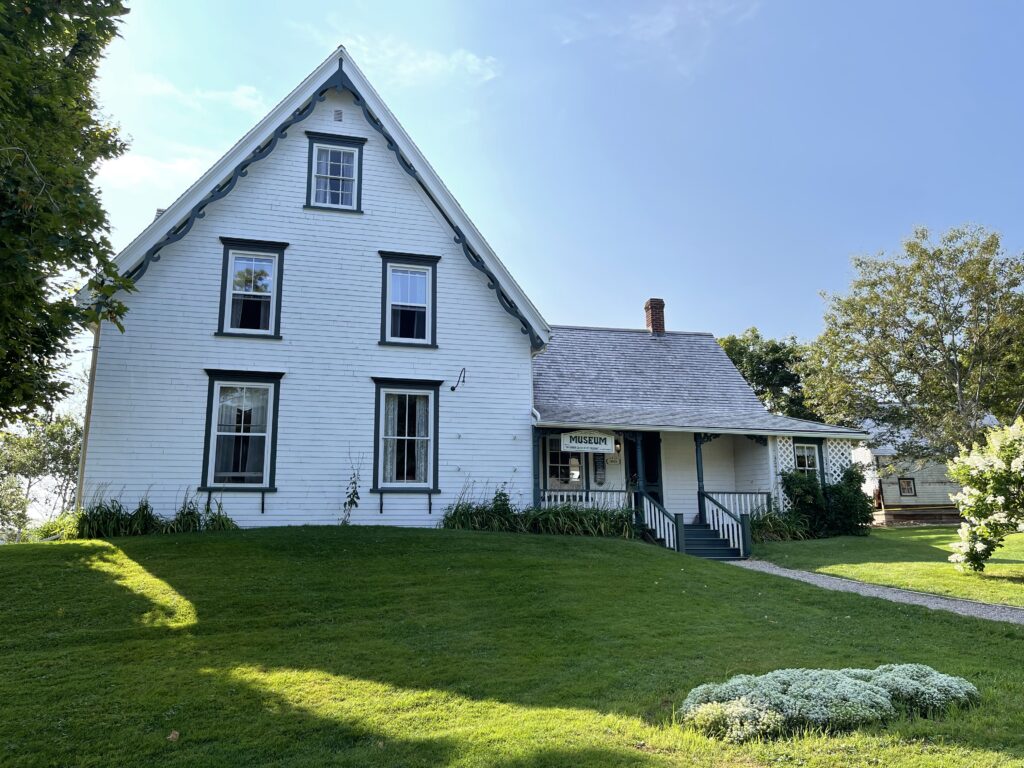
In Park Corner, the Anne of Green Gables Museum at Silver Bush, built by her Campbell relatives, offers a more intimate glimpse of Montgomery’s life, displaying her wedding organ, family heirlooms and manuscripts. Outside, the shimmering Lake of Shining Waters captures the lyrical landscapes that became her literary trademark.
Montgomery’s later chapters unfolded in Ontario, where she followed her husband to parish life. In 2021, during a day trip outside Toronto to escape COVID-19 pandemic restrictions and visit the filming sites of Schitt’s Creek near Uxbridge, I came upon the Leaskdale Manse and the adjoining church, where Macdonald, Montgomery’s husband, preached. Eleven of Montgomery’s 22 books were written in this small parsonage, now lovingly restored as a museum. Most recently, I visited the Norval Manse in Norval, west of Toronto, where the couple lived from 1926 to 1935.
To walk through Montgomery’s homes is to trace the geography of her imagination, from the island farmhouses of her youth to the Ontario manses where she found creative refuge. Across these landscapes, she transformed ordinary places into enduring works of literature that continue to enchant the world.
People & Culture
Celebrating the woman behind Anne of Green Gables as we approach the literary icon’s 150th birthday

Places
In giving Anne Shirley her own deep love of and connection to Prince Edward Island, Lucy Maud Montgomery reveals the way place can fire the imagination
People & Culture
Though beloved for her books featuring plucky heroines, the celebrated novelist privately battled depression and the sexist attitudes of the early 20th century
People & Culture
Revisiting the surprising story of how this young, freckle-faced P.E.I. protagonist took by storm on another island half a world away