But there are also combined effects. “In El Niño winters, that tendency for a precipitation deficit combined with warmer temperatures will give a tendency to have less snow on the ground, particularly in Western Canada, says Merryfield. The opposite is the case for La Niña. These winter influences tend to persist into spring — sometimes even into late spring.
To produce its yearly forecasts (which are updated monthly), Environment and Climate Change Canada combines the results it obtains from two models used to project long-term climate change based on projected greenhouse gas emissions, as well as natural atmospheric “forcings.” (Climate forcing is a general term that describes human or natural factors that change the balance of heat exchange in the atmosphere. An example of a natural climate forcing would be a large volcanic eruption.)
The Canadian researchers run their models like a weather prediction, “taking today’s observations of the atmosphere and the ocean and other things from many sources and then letting it run forward for a full year,” Merryfield says. To represent uncertainties and improve their results, the modelling team runs the data through these models 20 times. “From that information, we assess probabilities of different outcomes,” he says.
The results of this work can now be examined in interactive map format on the recently launched ClimateData.ca website, a joint collaboration between Merryfield’s modelling centre and the Canadian Centre for Climate Services. On a map of Canada, viewers can bring up four different datasets (seasonal forecasts, global climate projections, marine climate projections and climate normals), highlight either temperature or precipitation variables, and zoom in or out to view local, regional or national outlooks. Data is displayed on a probability gradient and the content is further customizable according to time scales and expected versus unusual conditions.
The team is now developing additional value-added products that would be useful to decision-makers in a wide range of economic sectors — from farming to firefighting. Those forecasts might include things like degree days for heating, cooling, growing and thawing, says Merryfield.
Given that the interplay between the El Niño-Southern Oscillation and climate change has obvious implications for water availability and food production, policy makers, planners and farmers already pay close attention to Environment and Climate Change Canada’s seasonal and yearly forecasts.
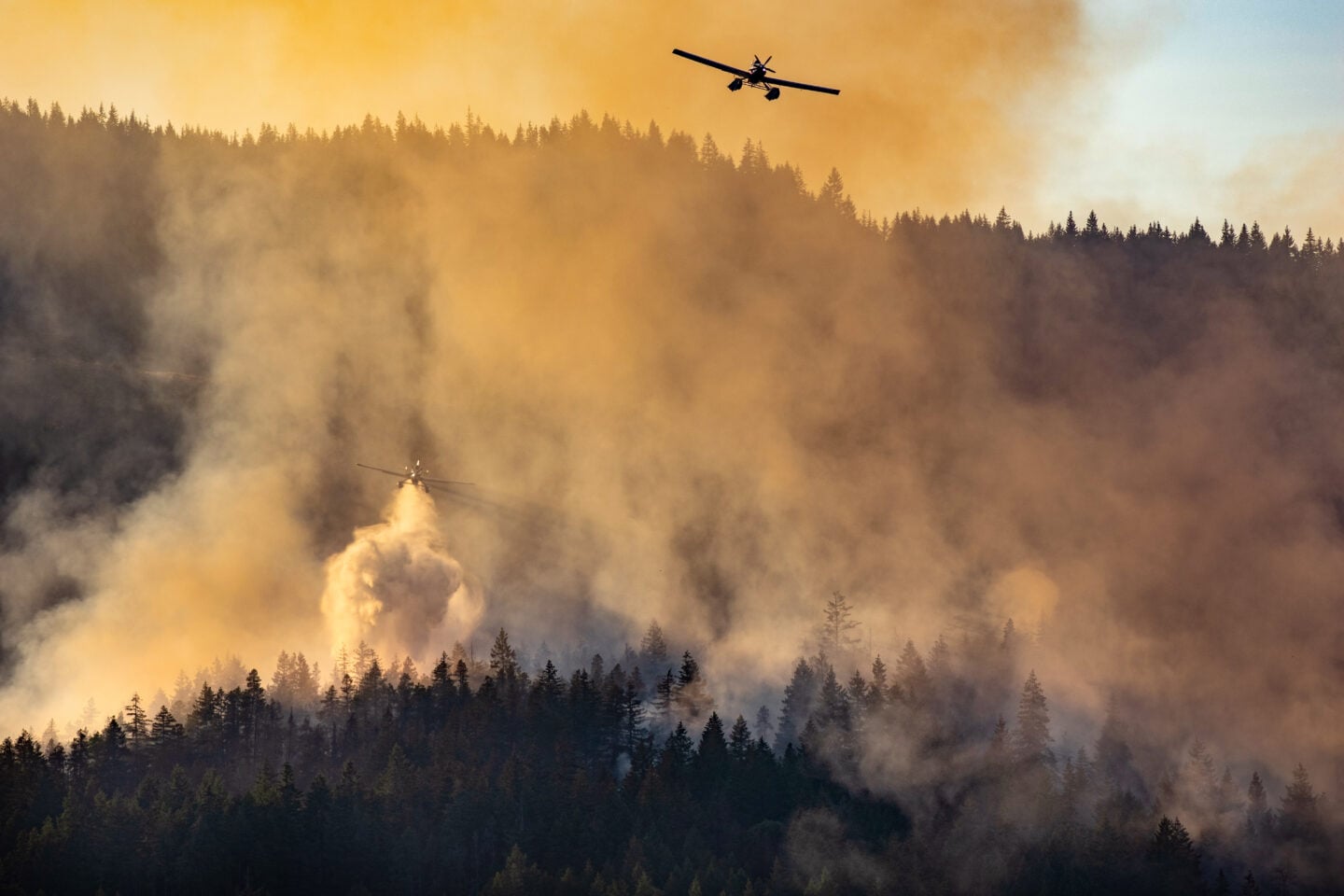
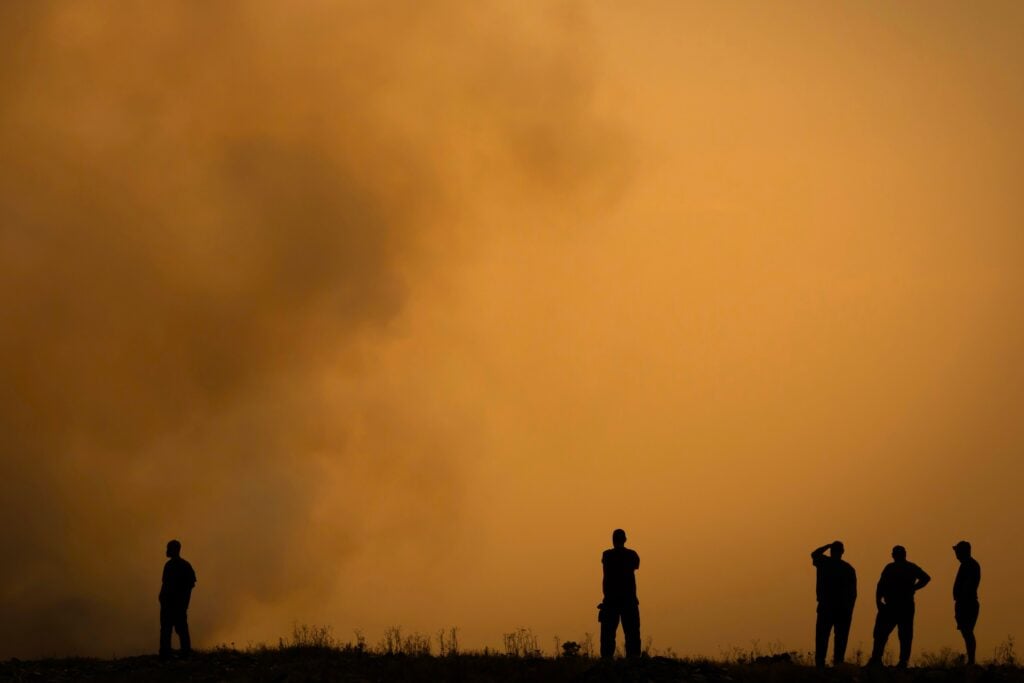
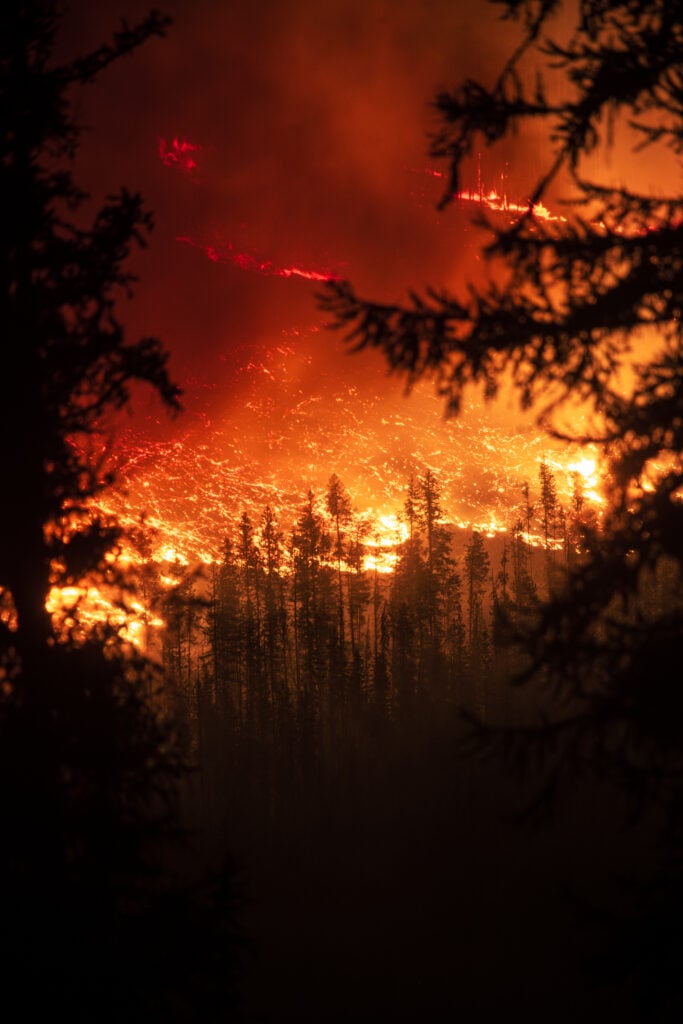
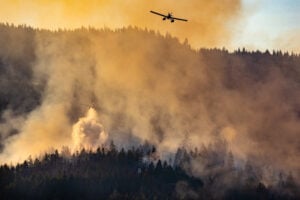
Natural Resources Canada also has a strong interest due to links between these factors and the growing threats associated with wildfires. For instance, an early snow melt and warmer temperatures, which tend to occur in El Niño years, would definitely contribute to greater wildfire risks. In fact, they incorporate Environment and Climate Change Canada’s temperature and precipitation forecasts into its world-leading system for forecasting wildfire threat levels and fire weather danger.
The centre’s expert modelling is geared to helping Canadians adapt to a changing climate and to the variations that are occurring as the global climate warms, but Merryfield still cautions that while the consequences of climate change are indisputable, seasonal forecasts remain just that — forecasts. In the winter of 2011-12, for example, he says there was a moderate La Niña, which would normally mean colder than usual temperatures. But Canada actually had one of its warmest winters on record, something not predicted as likely in any seasonal forecasts.
“That’s why we issue them in probabilities. Generally, the situation with ENSO and the associated seasonal predictions will give you a good idea what the conditions will be. But every so often nature does throw us a curve ball. And that always ought to be kept in mind when making decisions.”
*This story was created in partnership with Environment and Climate Change Canada.