
Travel
Into the hills of Andalucía
Journey beyond the cities to discover white villages, ancient traditions and some of Spain’s most celebrated culinary experiences
- 3081 words
- 13 minutes
Travel
This island paradise blends award-winning wineries, exceptional food and spectacular coastal scenery into the perfect day trip from Auckland

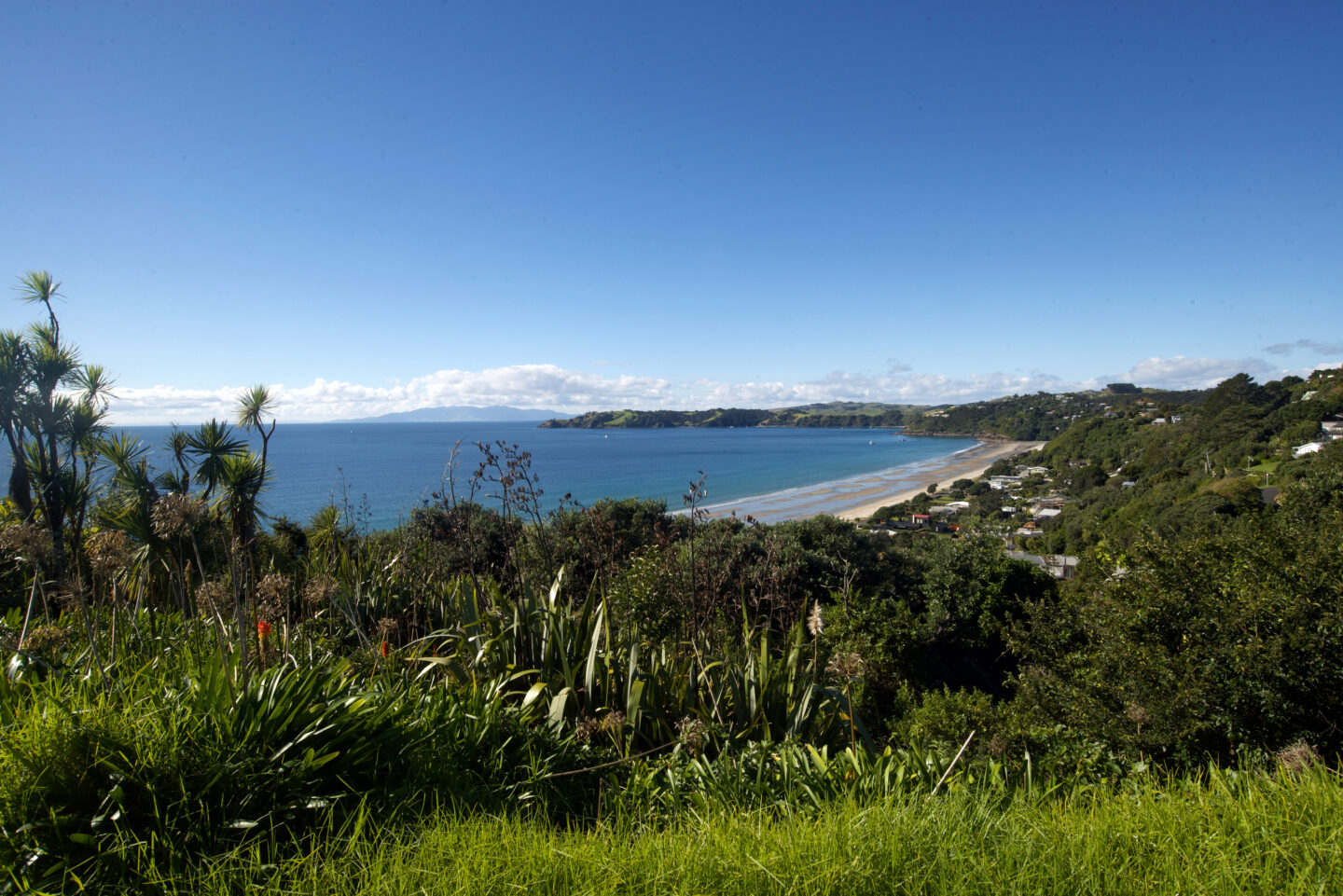
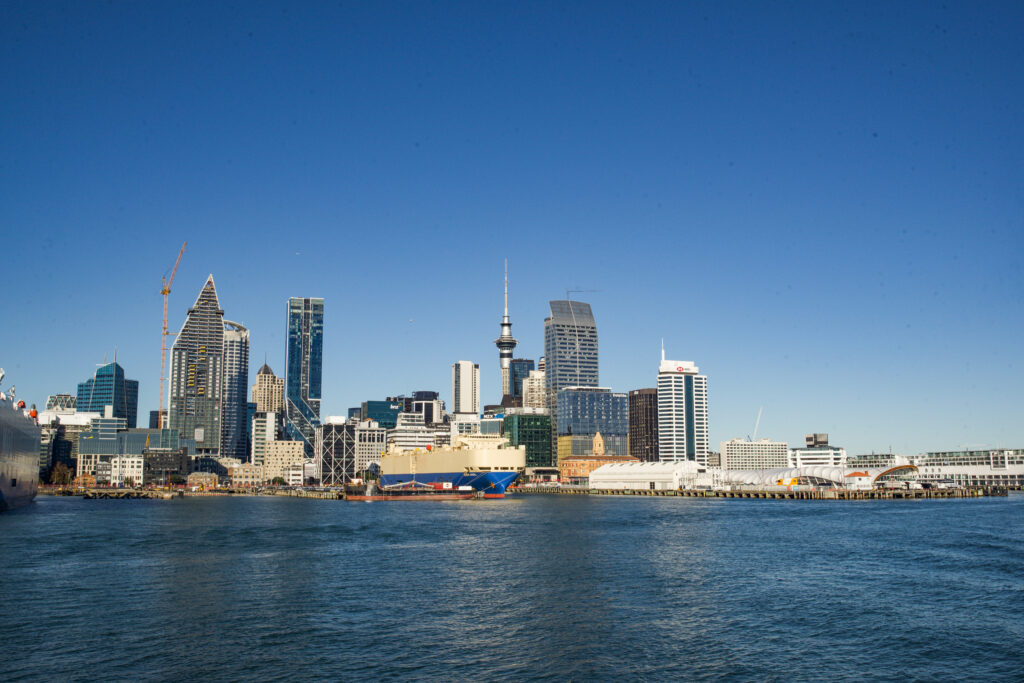
Looking out through the tour bus window, my eyes take in the lush landscape: manicured olive groves, rolling hills, high-end bohemian-esque homes, quirky restaurants and so many wineries (about 30 to be exact). Less than an hour ago, I was in the centre of Auckland’s bustling city harbour. Now, I find myself in a completely different world as we trundle through the verdant oasis known as Waiheke Island.
It takes less than 40 minutes to get to Waiheke by ferry from Auckland — making a visit to New Zealand’s “island of wine” the perfect day trip. Renowned for its award-winning vineyards and pristine landscapes, this 92-square-kilometre paradise feels far removed from the nearby city.
On Waiheke, there are no traffic lights, fast-food chains or major hotels. Instead, bountiful vineyards, quirky restaurants and boutique lodges dot the picture-perfect landscape, home to about 9,000 permanent residents. During in the summer tourism season (December to February), that number more than quadruples.
Lady Lu Lu, the name of our bus operated by Ananda Tours, navigates a quick corner and we spot a bright yellow roadside stand stocked with jars of honey. “That’s Sticky Ricky’s. He works on an honour system,” our tour guide Grant Hall explains. “Sticky Ricky” must be out caring for his bees, I think — an empty can sits on the counter ready to accept payment from visitors stopping to pick up a jar of liquid gold.
Around the next corner, the forest opens up to reveal a quiet beach, just two riders on horseback trotting along the glistening shoreline. It makes sense that publications like Condé Nast and Travel + Leisure have routinely ranked Waiheke Island as one of the best in the world. And it’s appeal goes far beyond the picturesque landscapes around every turn.
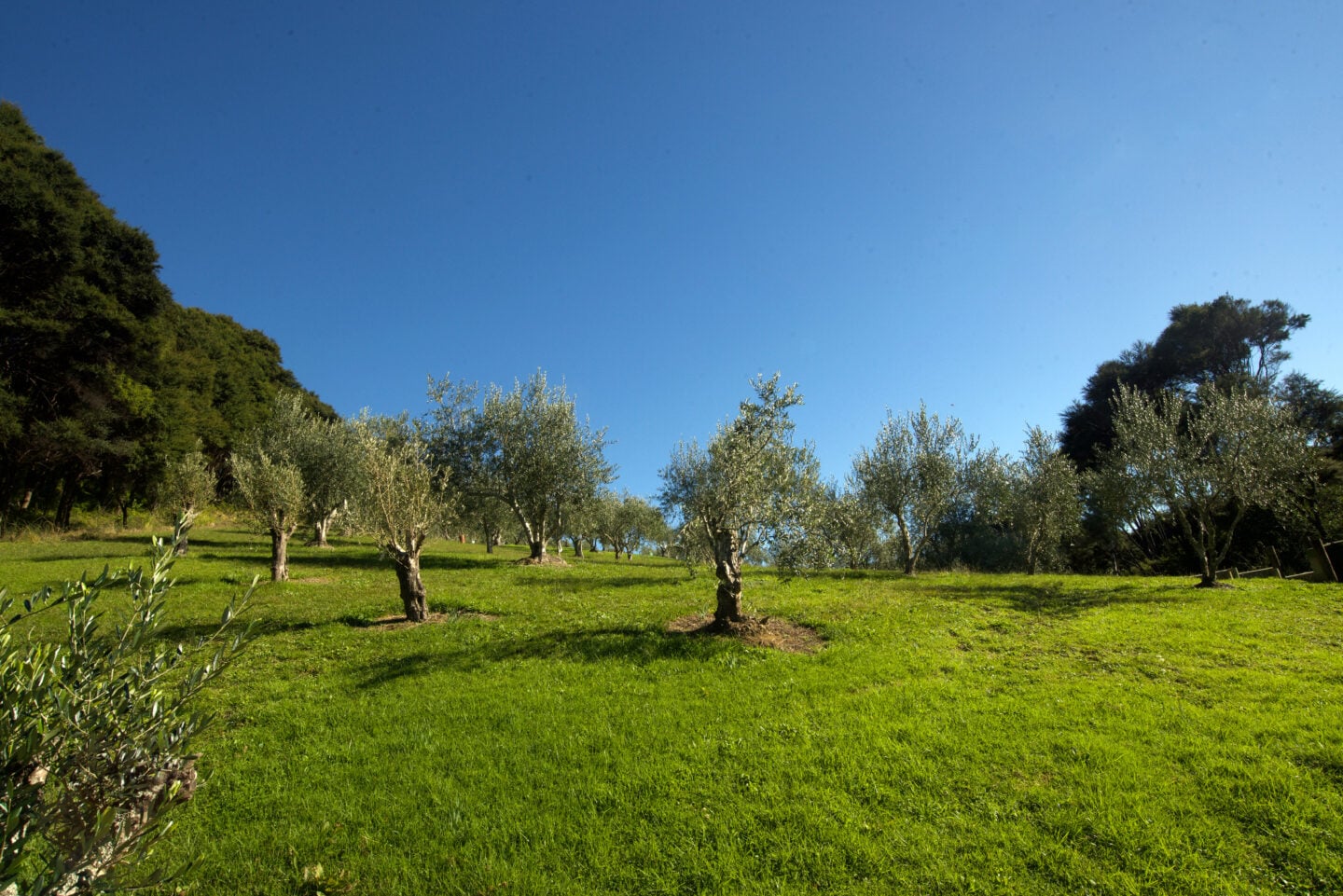
“We’re coming to the end of the harvest season, which is mid-March to the end of May,” says Niki Walker, a staff member at Allpress Olive Groves, a world-class olive oil producing company on Waiheke. The island, which receives about 30 per cent less rainwater than Auckland, provides the perfect climate for olives, she tells us, before stopping suddenly mid-sentence. A bell-like call echoes across the orchard and Walker breaks into a big smile. “Do you hear that? “That’s the call of a tūī!” I quickly look up this musical bird so I’ll recognize it if I see it.
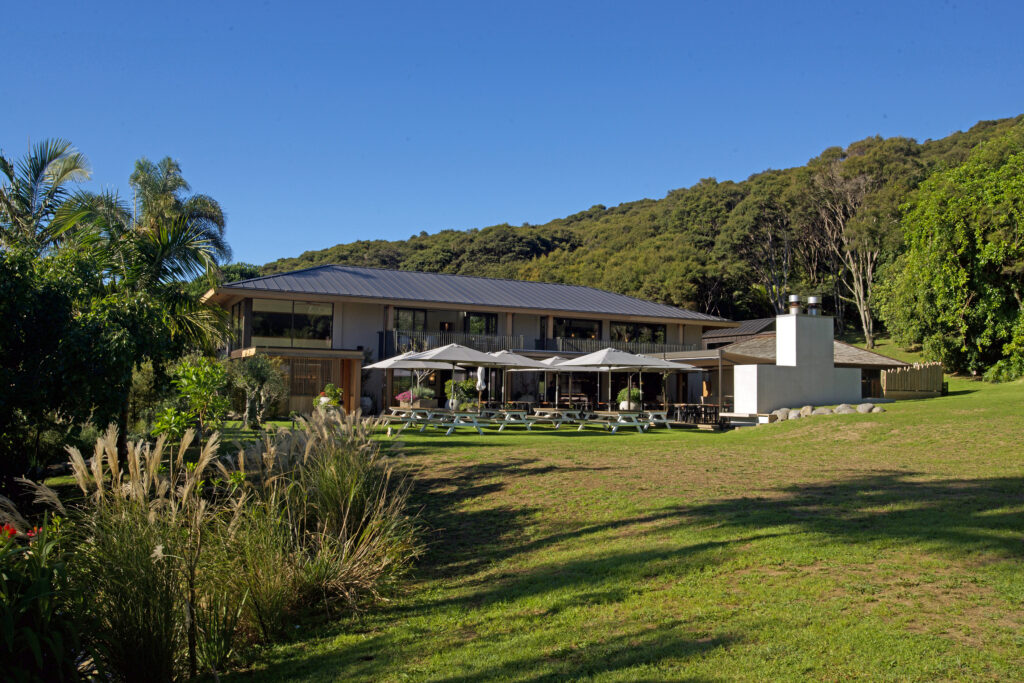
Waiheke is home to many native bird species, including the iconic kiwi, which was reintroduced to the island in 2025 after being absent for more than a century. “We have amazing bird life,” says Walker, as we make our way into the tasting room of the newly renovated Allpress estate.
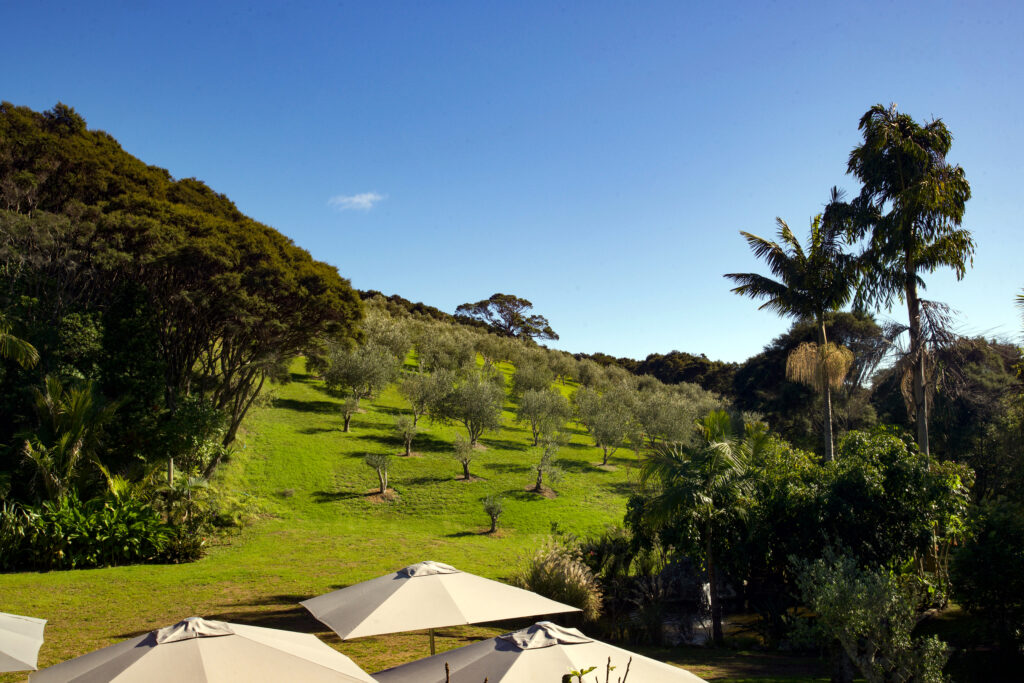
The harvest begins when the olive trees are laden with about 60 per cent green olives, with the remaining 40 per cent just beginning to change colour and ripen. Walker explains that this method allows for a high concentration of polyphenols, the powerful micronutrients and antioxidants found in extra virgin olive oil. “That’s what makes it so good for you!”
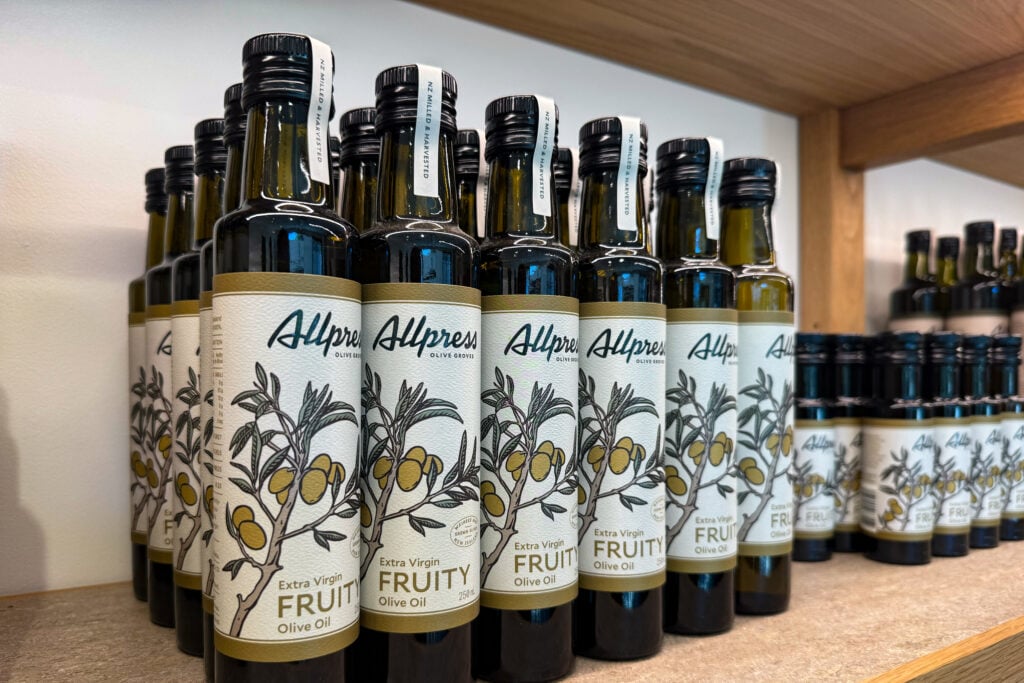
Walker has us gather around a table showcasing various bottles of olive oil, each with their own special attributes — fruity, nutty and peppery are among the mix. All of the grove’s olives are grown without herbicides or pesticides — the maritime sea breeze coats the olive trees with a dusting of salt that acts as natural deterrent to pests.
I take six small pieces of homemade ciabatta bread and make my way along the line of samples. Walker describes them as we dip and taste. “Our fruity oil is purely the expression of the olive, she says, noting that the light oil is delicious with vanilla ice cream and a pinch of sea salt. In contrast, the nutty oil has a creamier mouth feel and is best used as a finishing oil for pizzas, vegetables and even marinades. The peppery blend, meanwhile, is bold, intense and lovely on mashed potatoes.
In the summer, 30,000 to 40,000 visitors visit Waiheke daily. Prebooking activities, accommodations and restaurants is highly recommended. Fortunately, our tour guide makes sure we have a reservation at Casita Miro, an award-winning Spanish restaurant renowned for its tapas and wine.
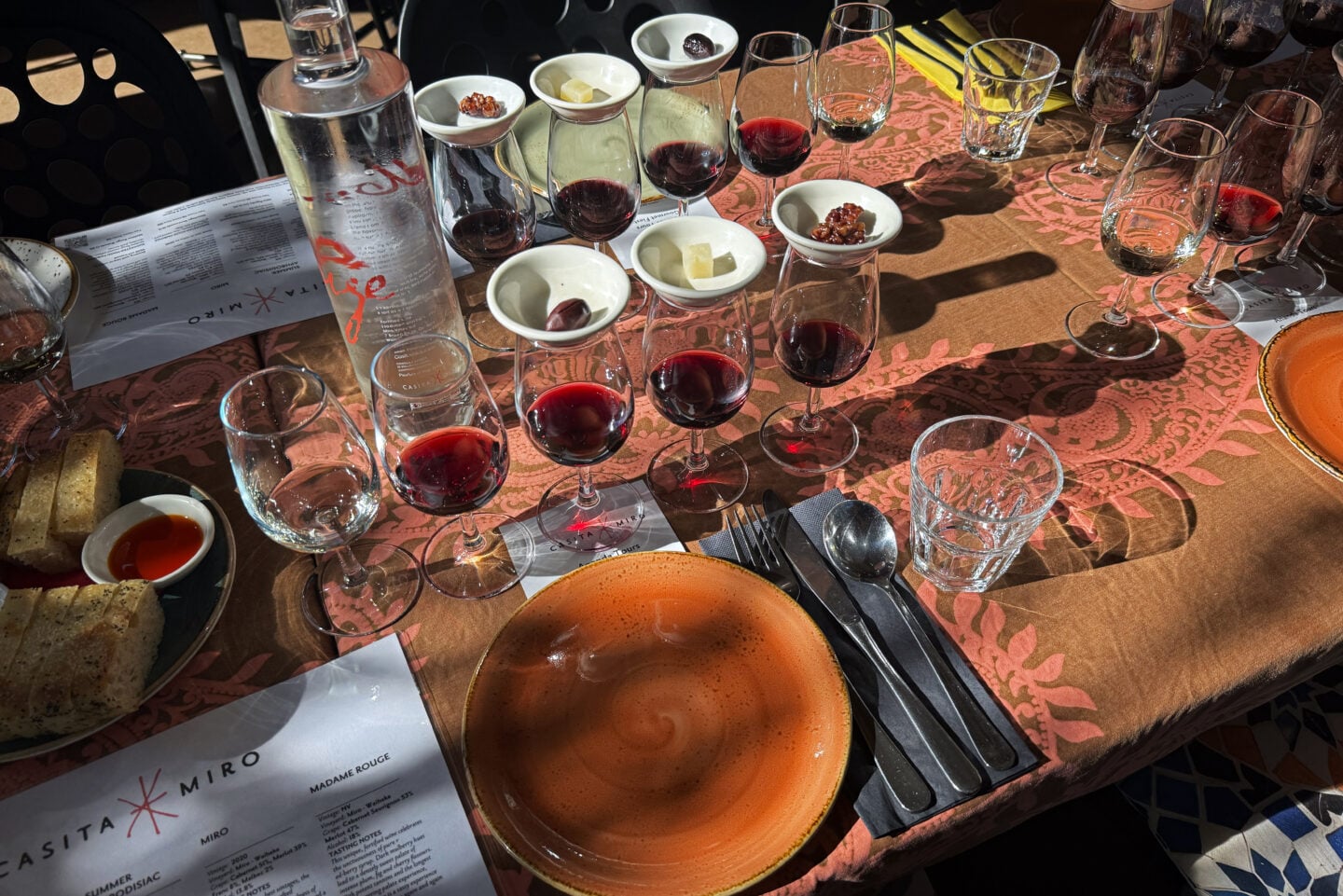
Looking for all the world as if it was plucked straight from the Gaudí-decorated streets of Barcelona, Casita Miro feels like a high-end greenhouse, surrounded by flower beds and vineyards, with sculptures carefully placed here and there. Inside, a long terra cotta-hued table, perfectly illuminated by afternoon light, awaits us — along with a flight of five glasses of wine at each table setting.
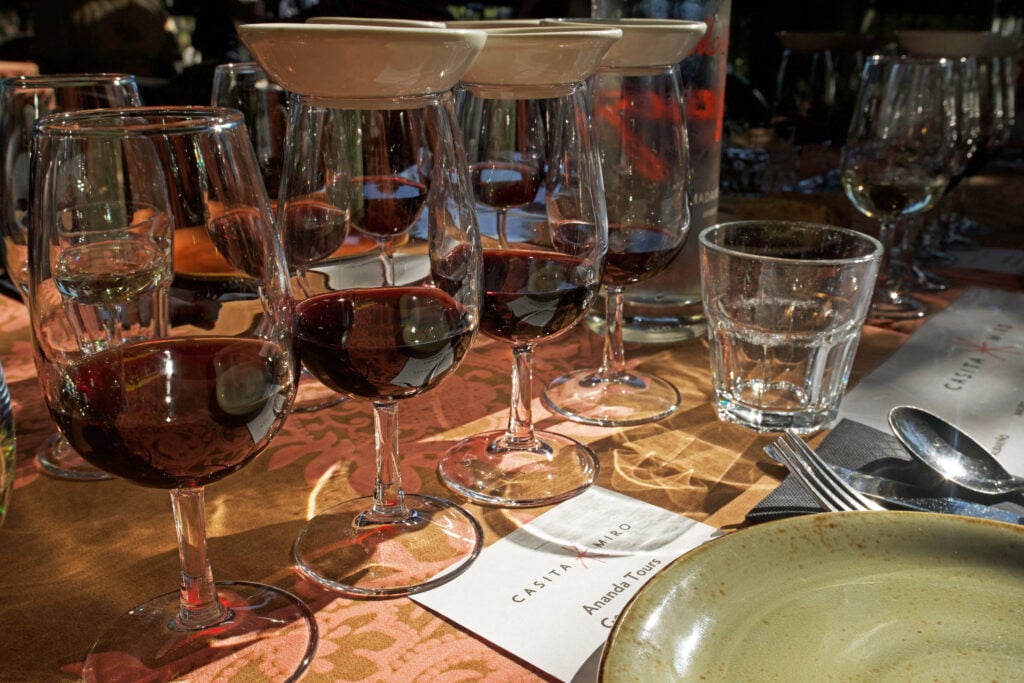
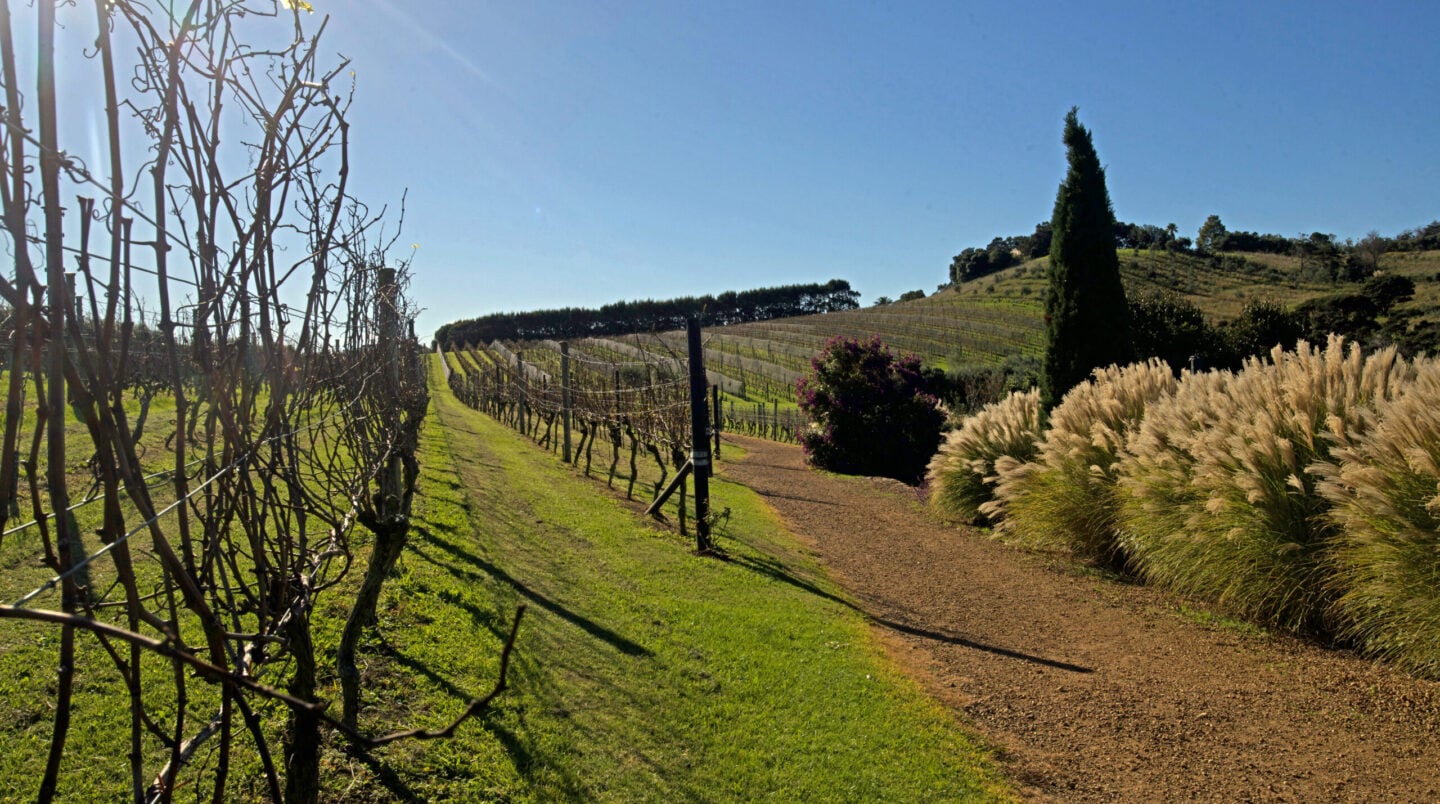
“Casita means small house,” says our server, Maria. “The owner wanted the restaurant to have a sense of place and be cozy.” Founded more than two decades ago by Cat Vosper and Barnett Bond, Casita Miro began as a modest eatery serving just tapas. In the years since, it has now evolved into one of Waiheke’s most renowned restaurants. The 4.2-hectare vineyard that surrounds the restaurant is blessed with a mineral-rich soil that produces the intense, flavourful grapes that go into its wines.
“Try the wine alone, then have some food and try the wine again,” says Maria. “You will experience the flavours differently.” I lift a glass of Malbec to my nose, breathe in deeply (trying to look as if I know what I’m doing) and take a sip. My cheat sheet describing each of the five wines says this variety of grape is grown in Casita Miro’s own vineyard, is fresh and elegant, boasting a “bodacious nose of black-berry, vanilla + black pepper and juicy, vibrant blue fruit flavours.” I try my best to pick up the notes, but my meek palette pinpoints “nice tasting red wine”. As per Maria’s instructions, I then eat the carefully placed honey-roasted olive and sip the wine again. This time, it’s “even better, nice tasting red wine.”
Casita Miro’s signature wine is Miro, grown on Waiheke and aged for 15 months in French oak. Its tasting notes point to dark berry fruits. In contrast, Madame Rouge is a port-style wine, sweet, also grown on Waiheke and suggested as an accompaniment to dark chocolate and fresh berries. “She is heady like champagne, and you should let her lead you along byways that you will never glimpse without her,” reads Casita Miro’s online description of Madame Rouge. “She is the first truly iconic New Zealand aperitif.” As a writer, I know I should be able to taste these heady descriptions, but until I find time to educate my palate, “very tasty” will have to do.
A 10-minute drive from Casita Miro brings us to Tantalus Estate, and an equally impressive vineyard with a very different vibe. Here, the interior is designed to make guests feel as though they are inside a barrel, explains Kenny Tahuri, Tantalus’s wine hospitality manager. “Those are old sauvignon blanc vines,” he says, pointing to chandeliers that really do resemble roots breaking through the ceiling. “Everything is designed and made with purpose.”
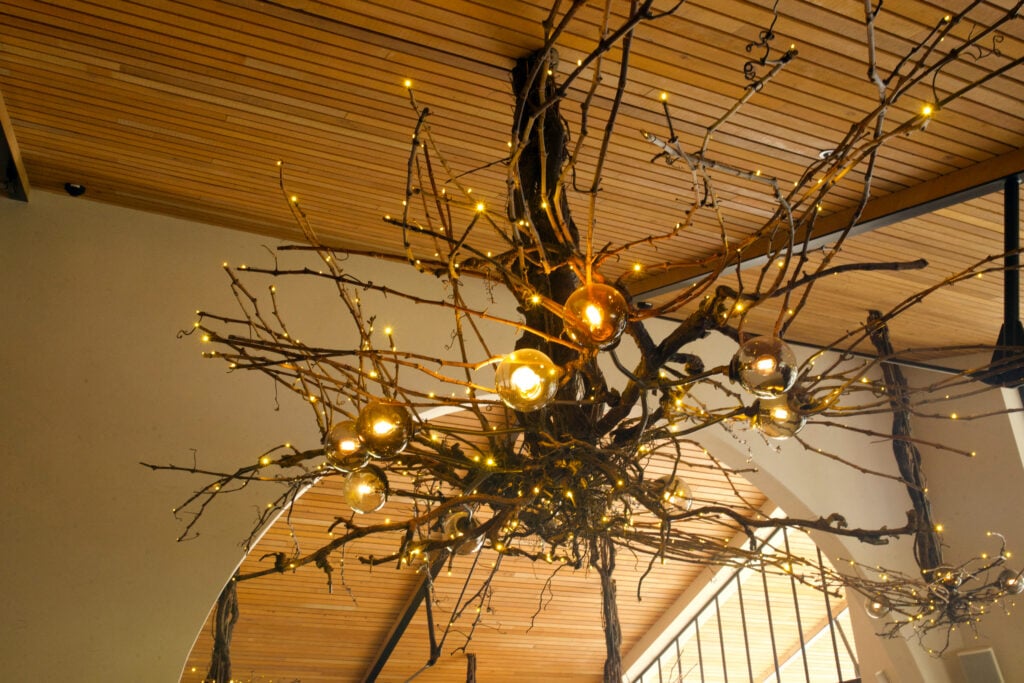
Founded more than a decade ago by the Aitken family, Tantalus Estate boasts about eight hectares of land, set across the sweeping backdrop of Waiheke. Vineyards, olive groves, beehives, native wetlands and, of course, the Tantalus Estate, make up the property in Onetangi Valley. Constructed with elegance and sophistication, the Tantalus houses a restaurant, tasting room, botanical courtyards, lounge area and private dining rooms.
“We drive our vines absolutely crazy by not giving them any water,” says Tahuri, while explaining the uniqueness of Waiheke’s clay-based soil. Because clay retains water well, the estate can practice dry farming and water cycling, while cultivating resilient varieties of grapes. It all serves to minimize Tantalus’s water consumption while producing some very tasty wines.
In the tasting room, another flight of wine awaits us: a chardonnay, a syrah and two cabernet varietals. Standing at the end of a long table surrounded by more “sauvignon blanc” chandeliers, Tahuri tells us more about each of the wines and how they’re made. The grapes are hand-selected, sorted and carefully processed before aging in French oak barrels. “Wine does develop power over time,” says Tahuri, while explaining the aging process.
I pick up the first glass of cabernet, “full-bodied, the fruit is youthful and fresh,” read the tasting notes beside my four glasses of wine. “Succulent blackberry, blueberry and plum show excellent ripeness balance, intertwined with shiitake, savoury umami elements and unfolding cedar and leather quality.” Once again, I lift the ruby-red liquid to my nose, swirl the liquid in my glass and try to appear both knowledgeable and contemplative. I take a sip and try to pick out the umami flavours — I taste red wine.
But despite lacking a sommelier’s palate, I can well appreciate why Waiheke Island has developed a world-renowned reputation. Its pristine landscapes, wines and fresh foods make for a heady trio of attractions, drawing oenophiles and foodies from near and far.
Back aboard Lady Lu Lu, I’m feeling pleasantly light-footed after an afternoon of delightful food and vineyard visits. Once again, I find myself gazing out the window, amazed by beauty of the vineyards that stretch across hillsides and the quiet, pristine beaches tucked between lush forests.
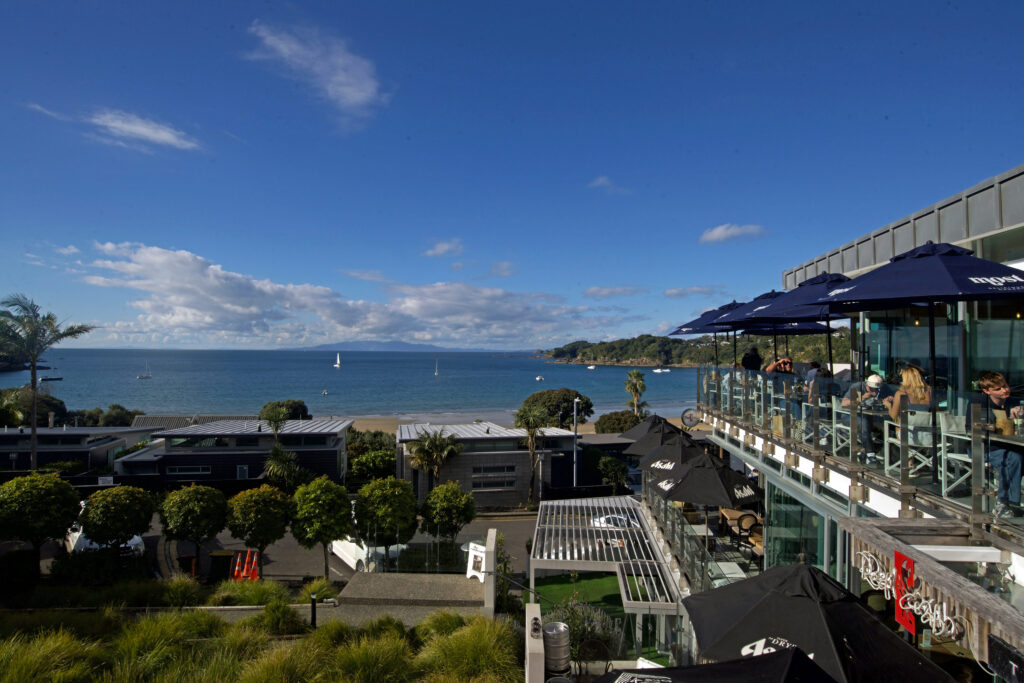
We stop one last time for a photo-op. A handful of white sailboats bob near a shoreline dotted with palm trees as visitors linger into the afternoon at another beautifully designed restaurant. On Waiheke, good food and wine complement a slower pace of life, making the island, just 40 minutes from Auckland, a quick, scenic and restorative escape… even for those of us who don’t know much about wine!
Travel
Journey beyond the cities to discover white villages, ancient traditions and some of Spain’s most celebrated culinary experiences
Travel
Where to stay, what to do and how to make the most out of your time in Costa Navarino

Travel
A couple’s guide to taking in the wine, food and unique desert scenery of Osoyoos
Travel
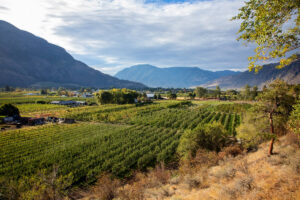
In the organic farming capital of Canada, visitors can enjoy natural wines, fresh fruits, and jaw-dropping landscapes