
Travel
A tale of two bagels
Alex Hutchinson goes inside the friendly rivalry between two titans of the Montreal-style bagel to figure out the secret of the doughy snack’s allure
- 1270 words
- 6 minutes
History
50 years after the Montreal Olympics, the city continues to be painted by the extravagant brush of its flamboyant mid-century
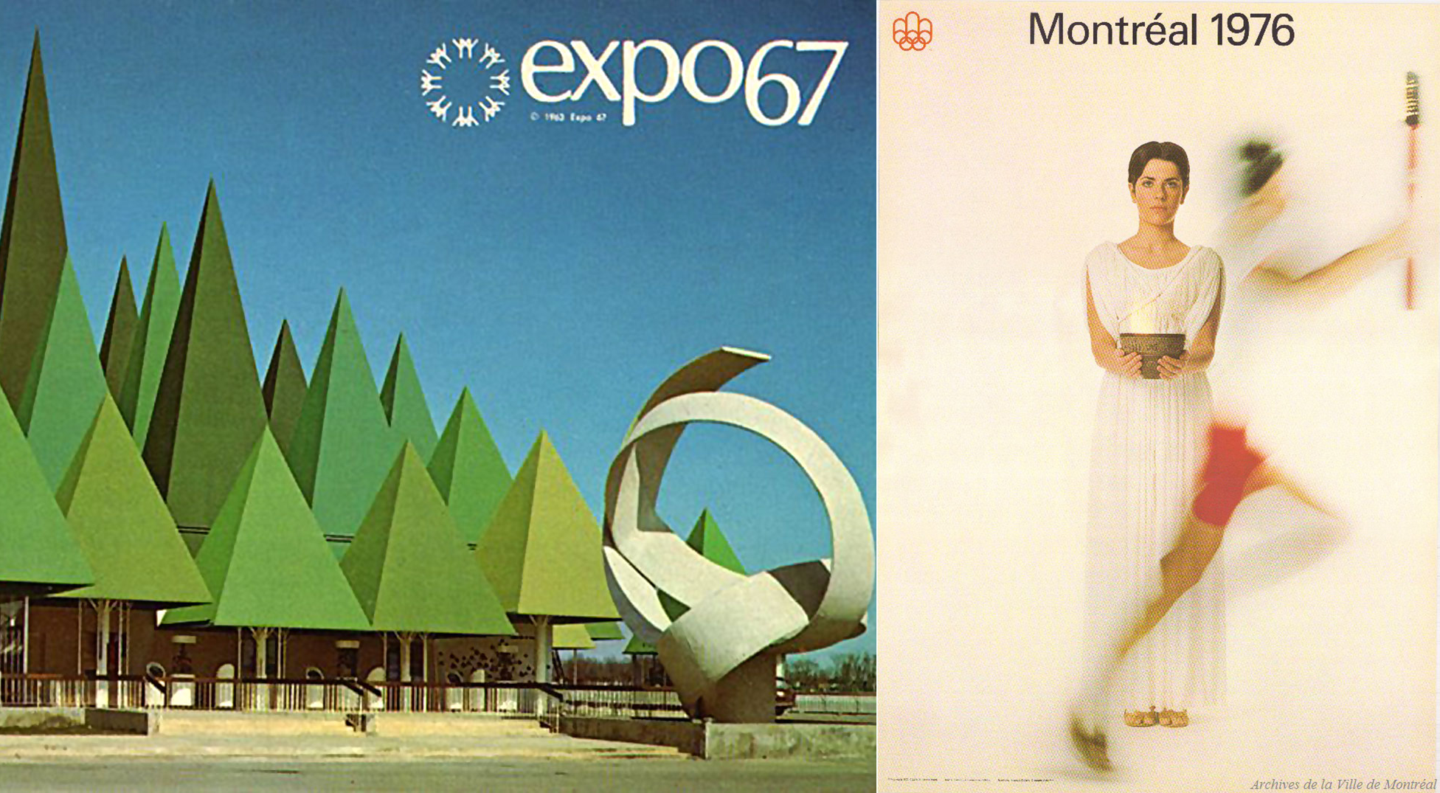
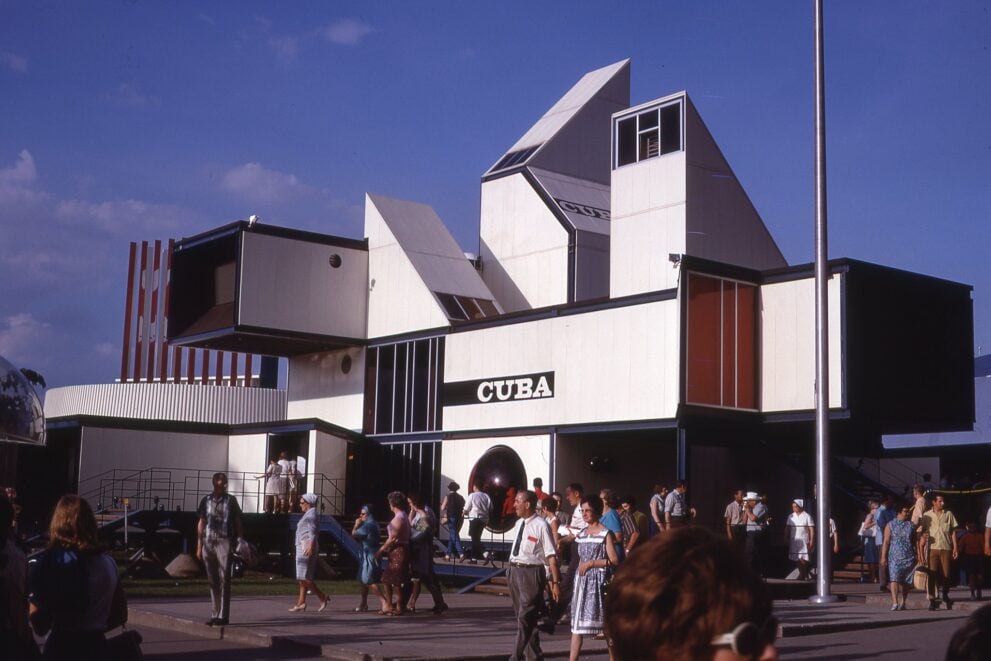
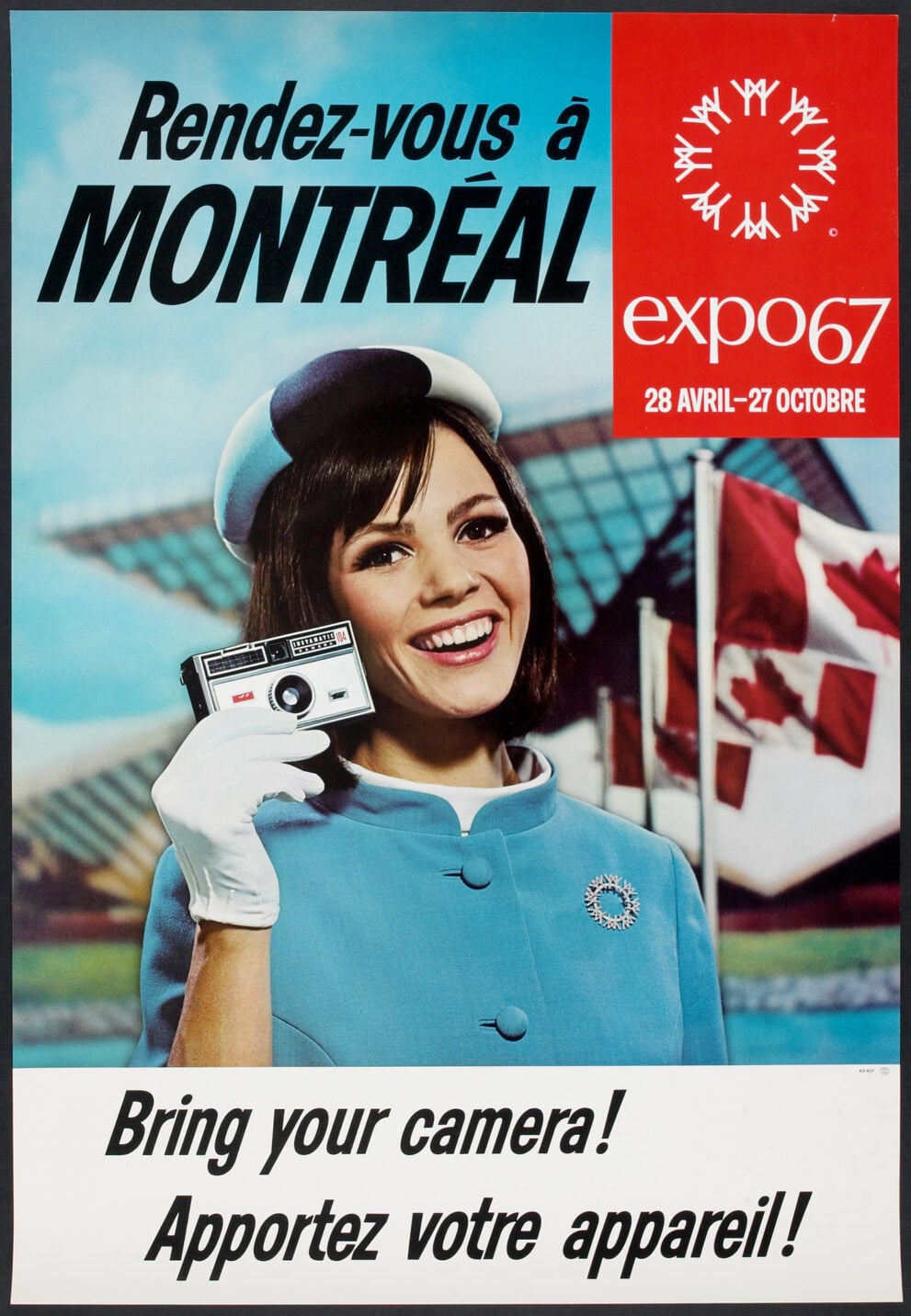
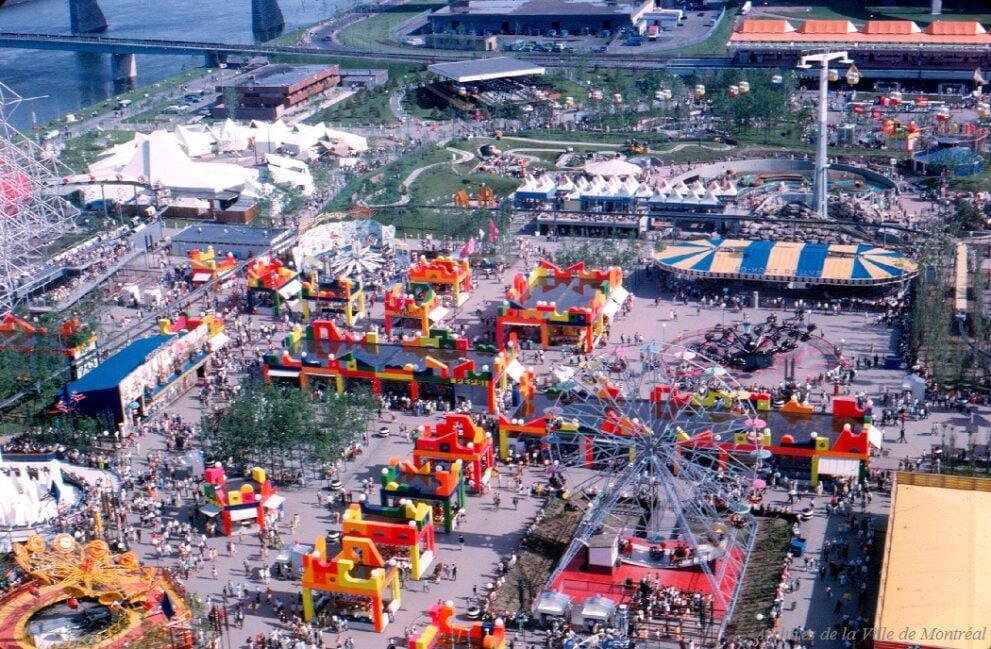
On the morning of Expo 67’s opening day, people came off Montreal’s newly minted Metro in waves. Streaming through turnstiles onto Île Sainte-Hélène, they arrived in a city that had built a new island populated by a vision of the future: Buckminster Fuller’s geodesic dome looming over a sprawling site where a minirail flew over canals, overpasses and pavilions from 62 nations. Czechoslovakia’s kinetic sculpture murals drew five-hour lineups; Japan’s video telephones let visitors see who they were talking to; a Bell Telephone 360-degree cinema put audiences in the middle of a thundering Mountie charge. The world had made Montreal its gathering grounds.
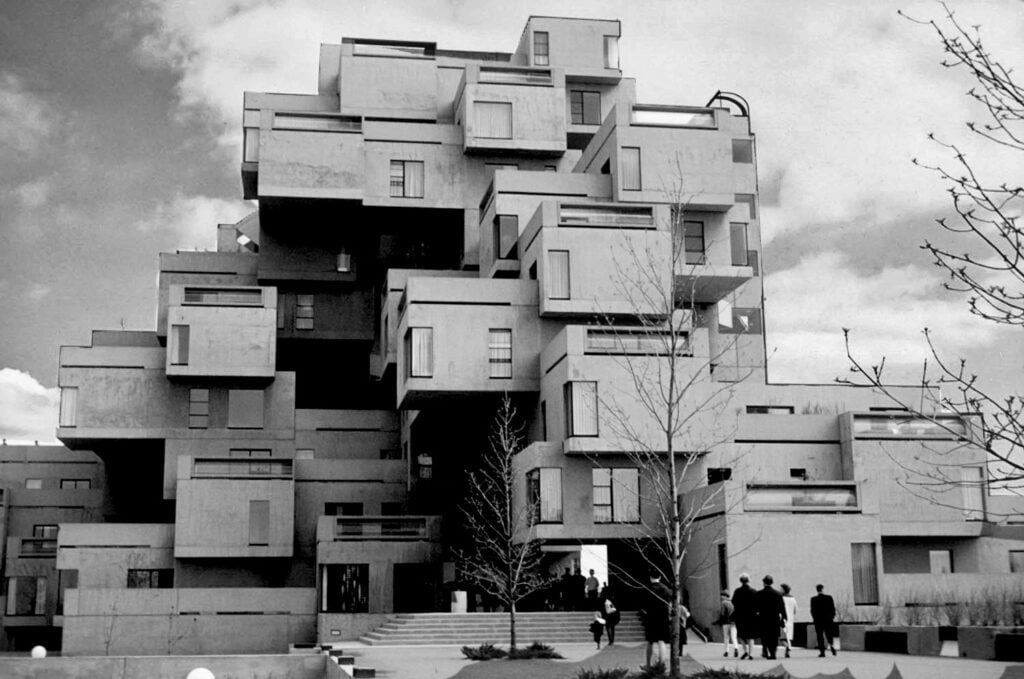
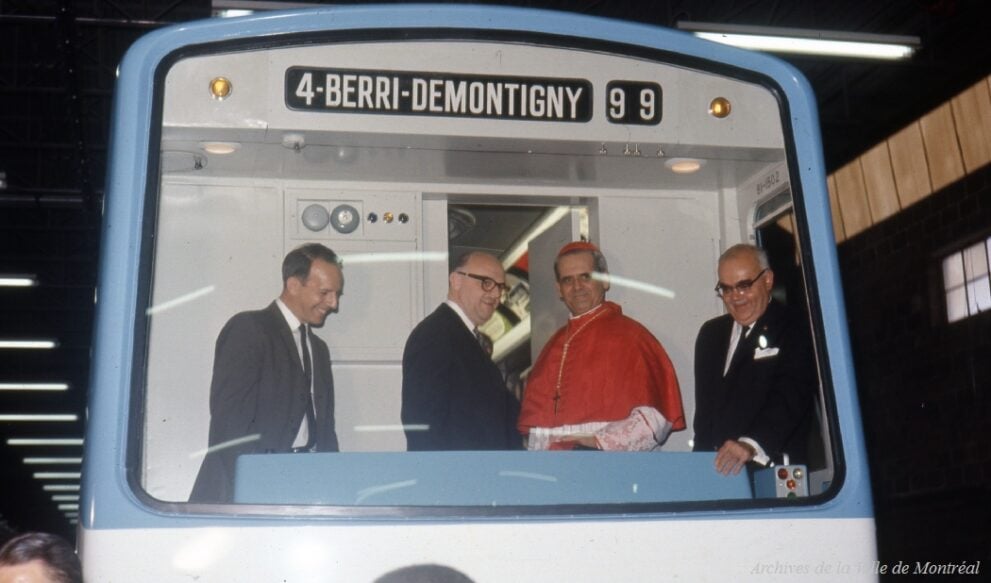
When the Metro opened in October 1966, locals rode it marvelling at stations each designed by a different architect, gliding beneath the city. It was infrastructure that made a statement, an instinct that would find its fullest expression at the World’s Fair. On the shore of the St. Lawrence, for example, Moshe Safdie stacked 158 interlocking concrete units into Habitat 67 to make the case that a city could balance density with humanity. Montreal was shedding the last weight of the Quiet Revolution’s long clerical conservatism, having transferred the levers of education and health from the church to the state. The city was in motion in every sense.
William Saunders, 12 years old that summer, would travel from Laval to spend days lost in the crowds. “If there was a year I could relive,” he says, “it would be 1967.”
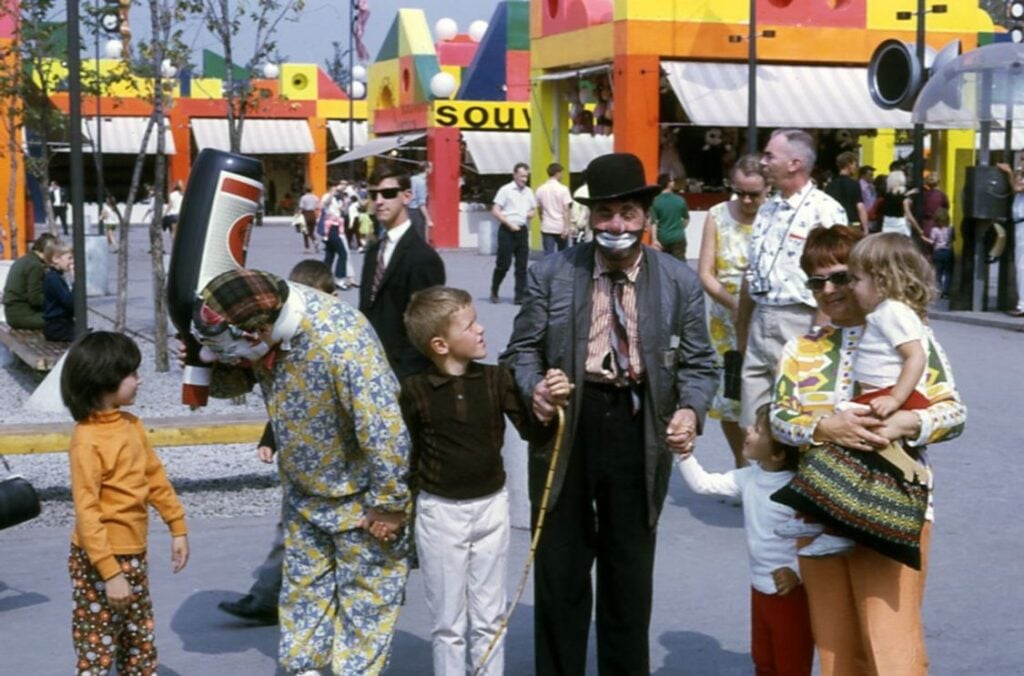
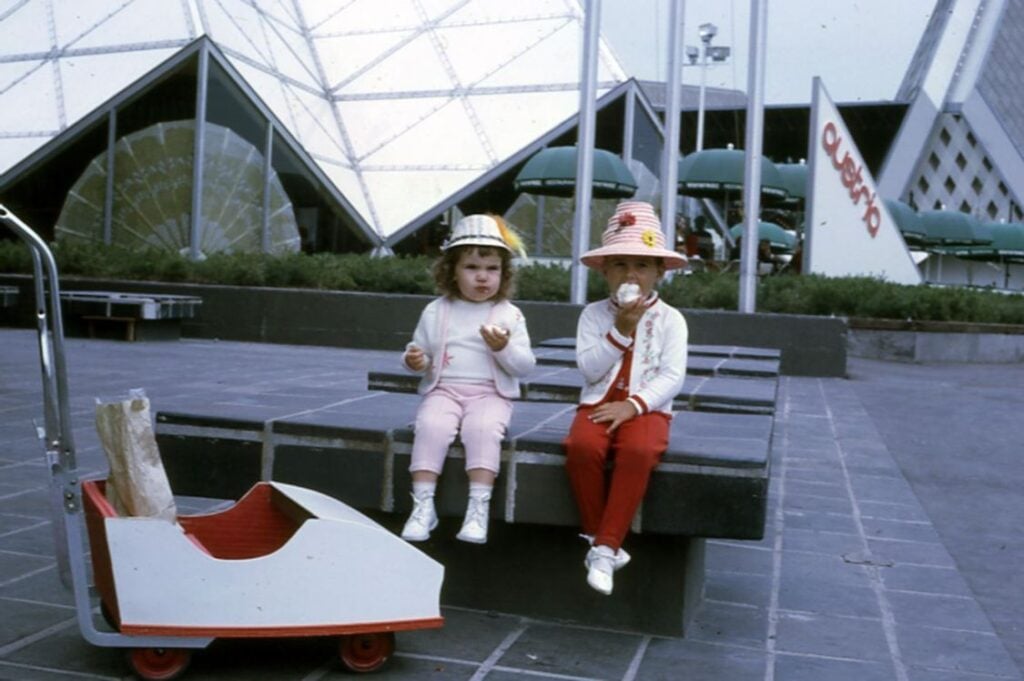
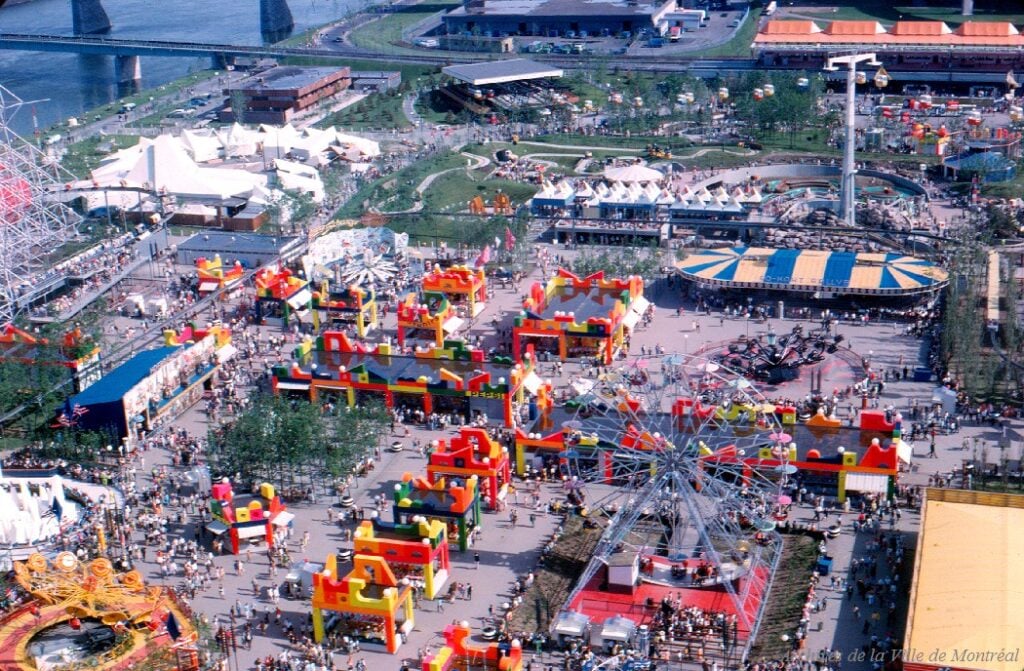
Gordon Burns was there running his family’s catering operation, supplying the Trinidad and Tobago Pavilion bar and, on July 4th, producing an estimated 10,000 hotdogs for the American pavilion’s Independence Day celebration. He worked nearly 48 hours straight to get it done. He watched the site grow from mud and water into something he still struggles to describe. When Expo closed, he walked through the pavilions and found people standing inside, crying. “They couldn’t believe it was over,” he says. “They were probably never going to see each other again.”
The hangover came fast. For Steve Stober, a teenager with a camera and a new Rolleiflex, those were years of possibility in a city visibly remaking itself. Then October 1970 arrived. The FLQ crisis put soldiers on the streets and a curfew on the city. Stober recalls taking his tripod to the top of Mount Royal to shoot the skyline at night, where a Canadian soldier with a rifle told him to leave.
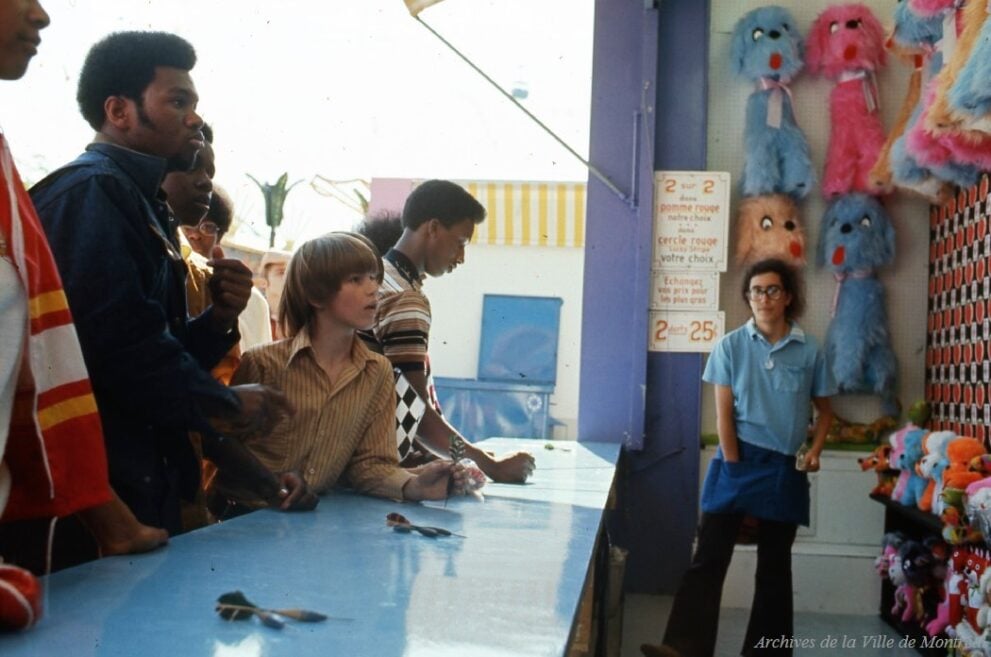
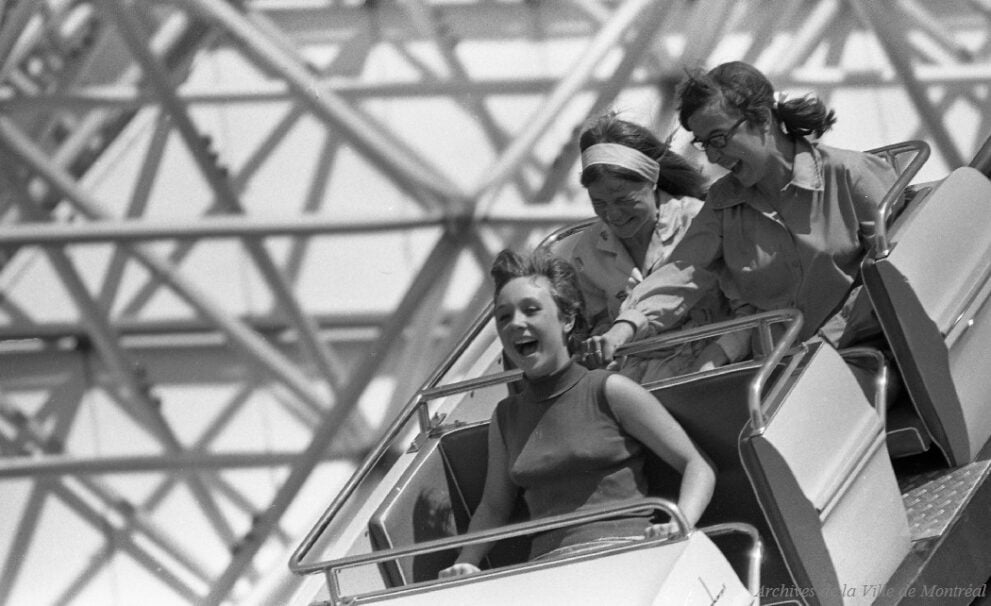
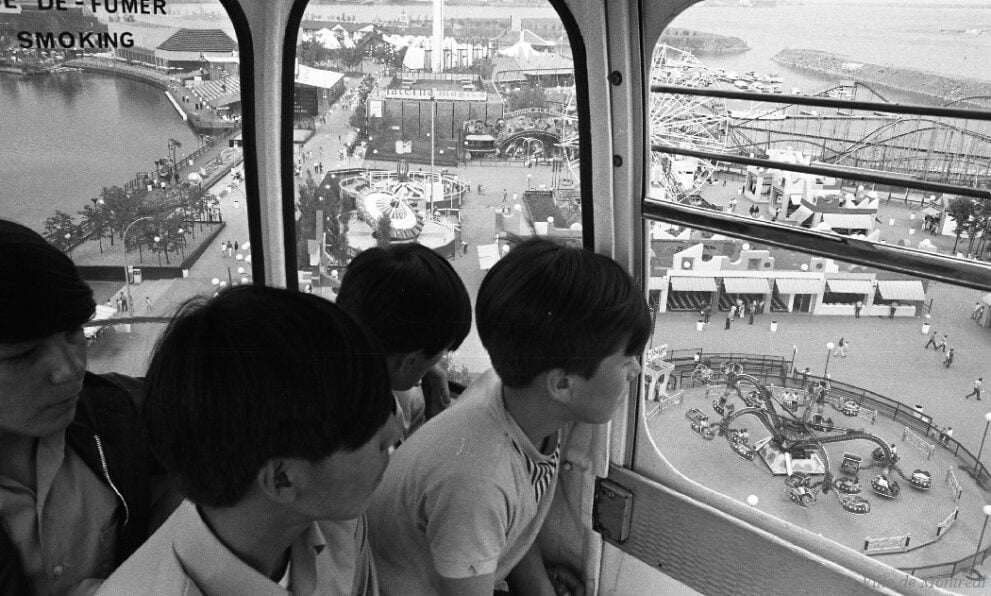
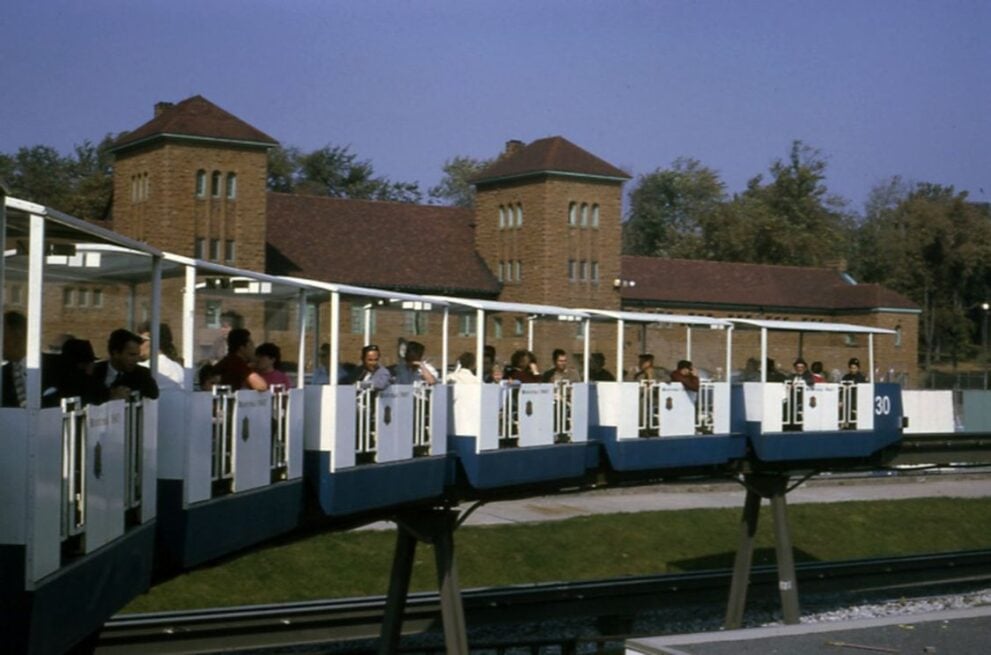
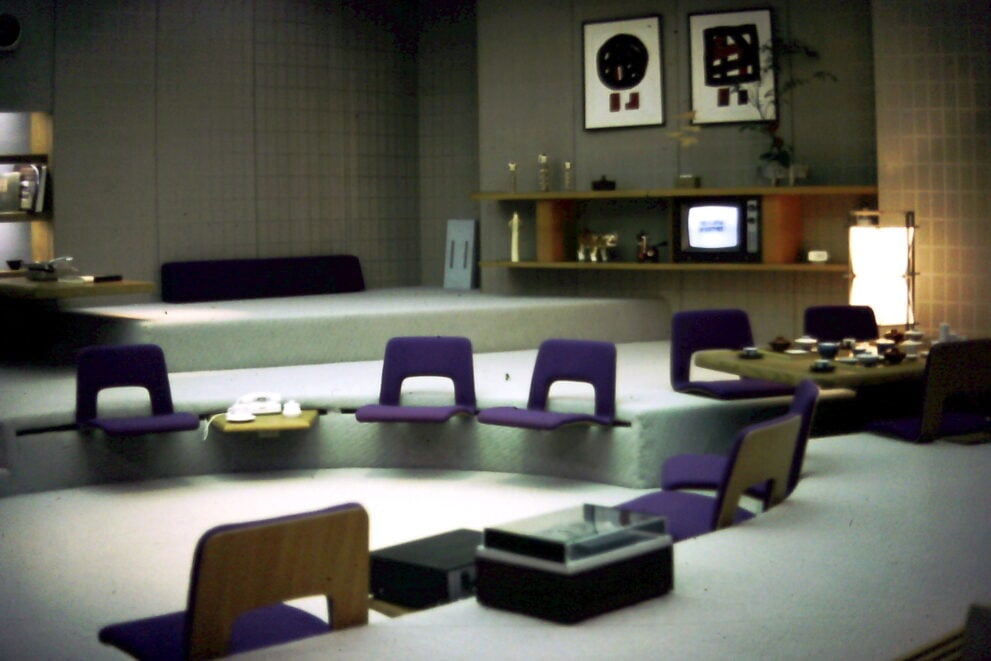
“I had been led to believe this was the greatest city in the world,” he says. “And then that illusion just got shattered.”
The optimism of 1967 had cracked open, revealing tensions it had papered over: language politics, economic anxiety, and the slow flight of anglophone businesses and capital toward Toronto.
By the time Montreal won its bid for the 1976 Olympics, it was a notably different place. Mayor Jean Drapeau had delivered Expo through sheer force of will and went back to the well, this time alone, with a promise to the International Olympic Committee that the Games would be self-financing. It was a promise the city could not keep.
“There were these enormous expectations,” says Marie Bernard-Brind’Amour, a Concordia University PhD candidate whose dissertation examines resistance to the 1976 Games. “Not only that it would not be a financial burden, but that it would actually be financially beneficial to Montreal.”
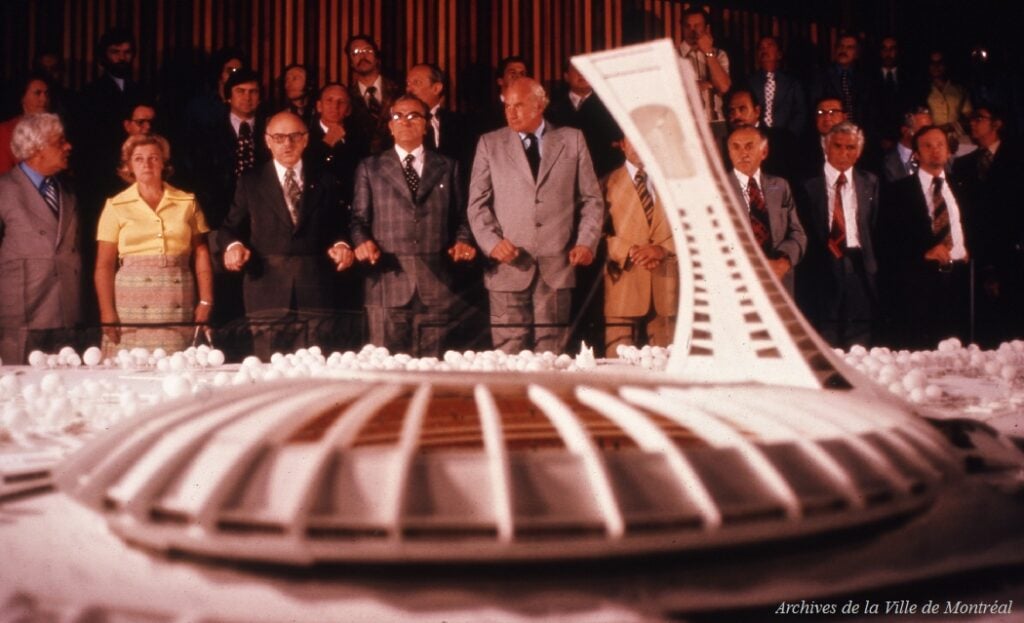
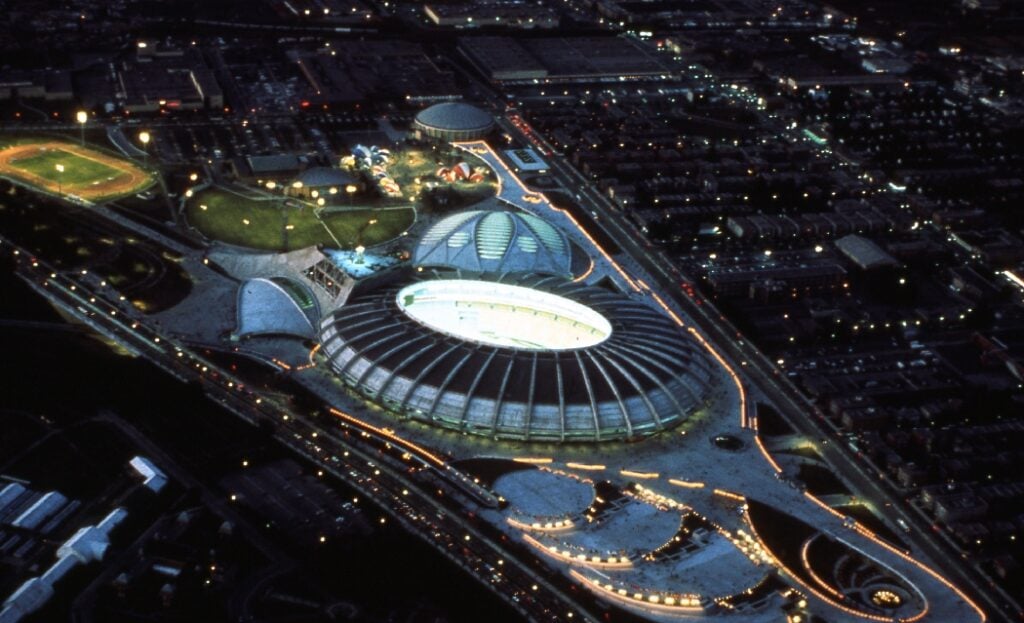
Whole neighbourhoods were cleared to make way for Olympic infrastructure. Families, displaced from their homes, were temporarily housed in a local school dubbed the “Olympic Victims Hotel” by the press. Four days before the opening ceremony, city workers dismantled Corridart, a government-funded outdoor exhibition of works by 25 Quebec artists that had lined Sherbrooke Street for several kilometres. Drapeau called it obscene. Among the installations was the Teletron, a series of telephone booths that played recordings detailing where Olympic money was going and who was getting it. Artworks were hauled to the city dump, where most were destroyed.
Phyllis Lambert, the architect and founder of the Canadian Centre for Architecture who had watched Drapeau’s transformation of the city with growing alarm, is unsparing in her assessment. “The mayor went crazy,” she says. “By that time, he was a total autocrat.”
The stadium Roger Taillibert designed was still unfinished when the athletes arrived. The roof would take another decade to complete, becoming a symbol of the entire enterprise. Montreal spent the next thirty years paying off the debt.
“Drapeau tore down neighbourhood after neighbourhood, displacing thousands of people,” Lambert says. “The Olympics so impoverished the city that, for years and years afterwards, children had no skating rinks throughout the city for decades.”
What survived was what Expo had planted. Montreal lost the title of Canada’s largest city to Toronto, lost the financial institutions, lost much of its anglophone population. What it kept was a ferocious investment in culture: music, food, public life and the idea that a city could be worth living in for reasons beyond balance sheets. That, Lambert suggests, was always Montreal’s chosen ground: not finance or geography, but culture.
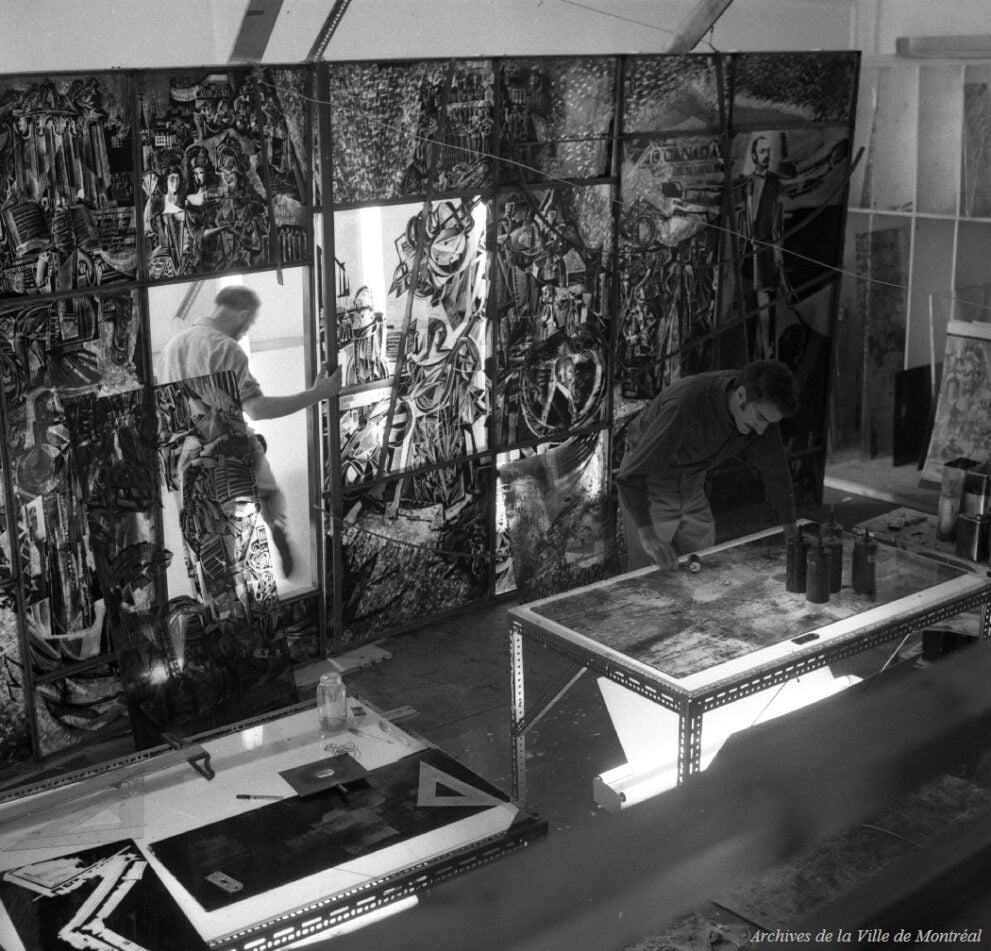
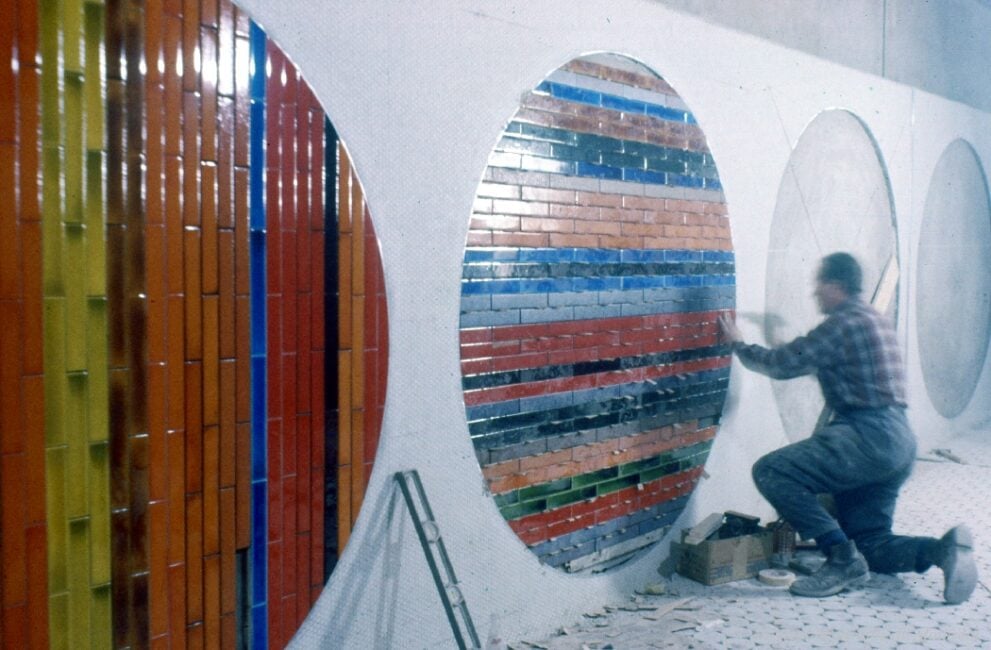
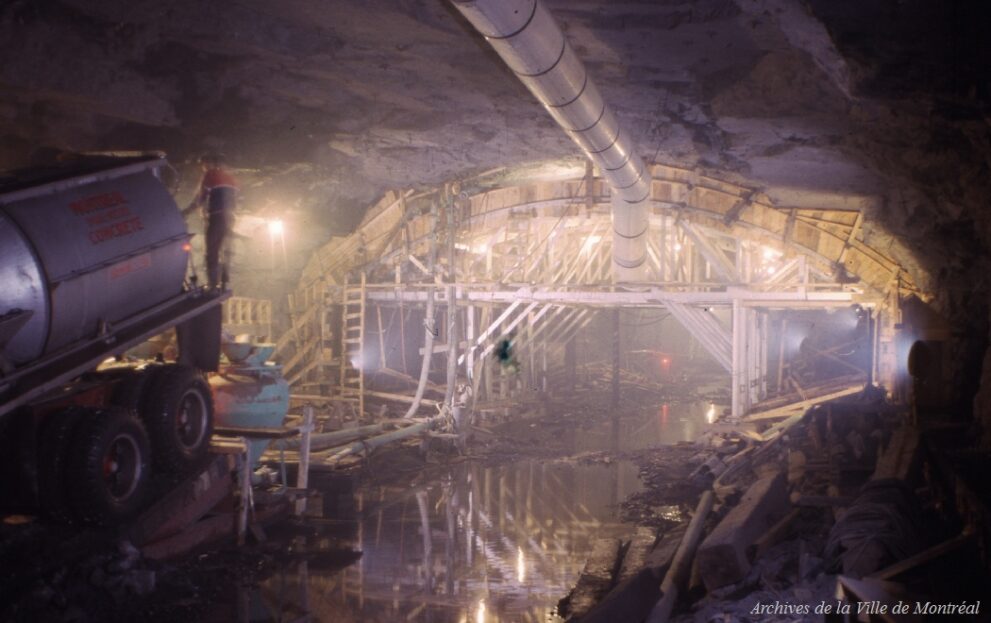
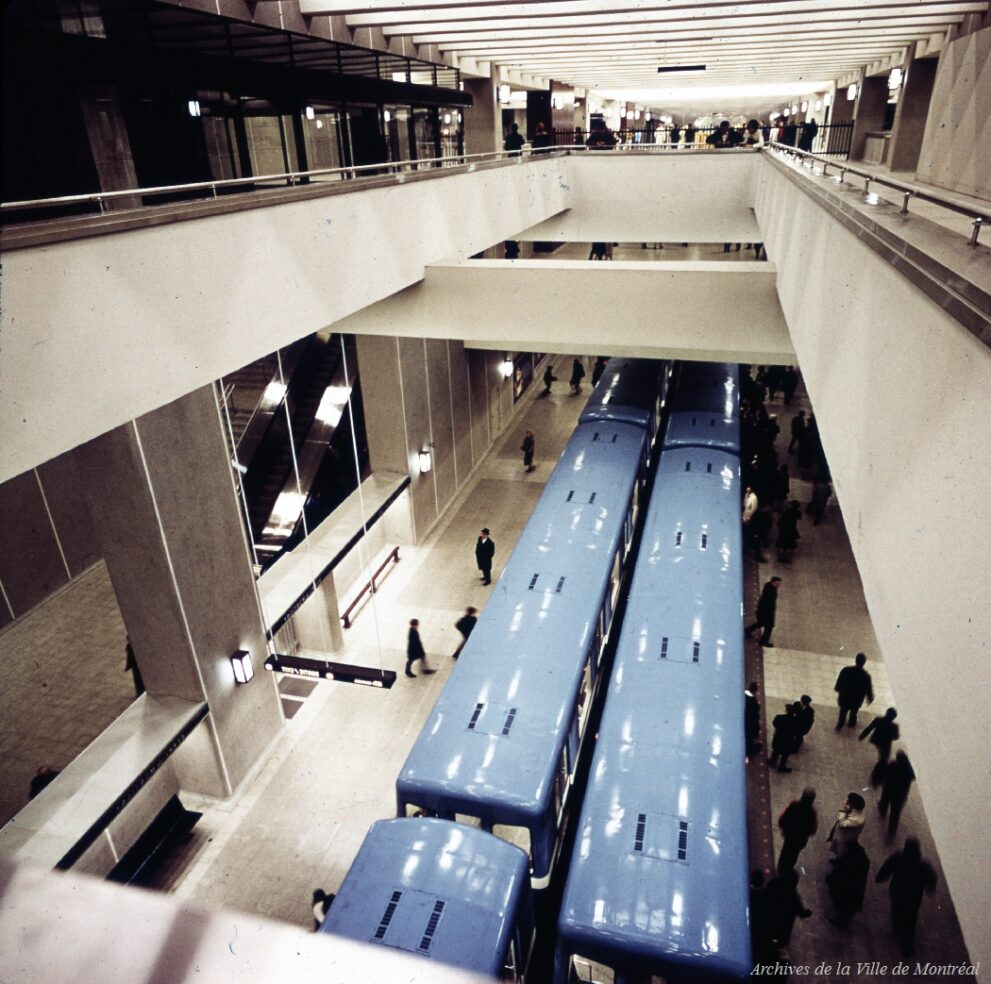
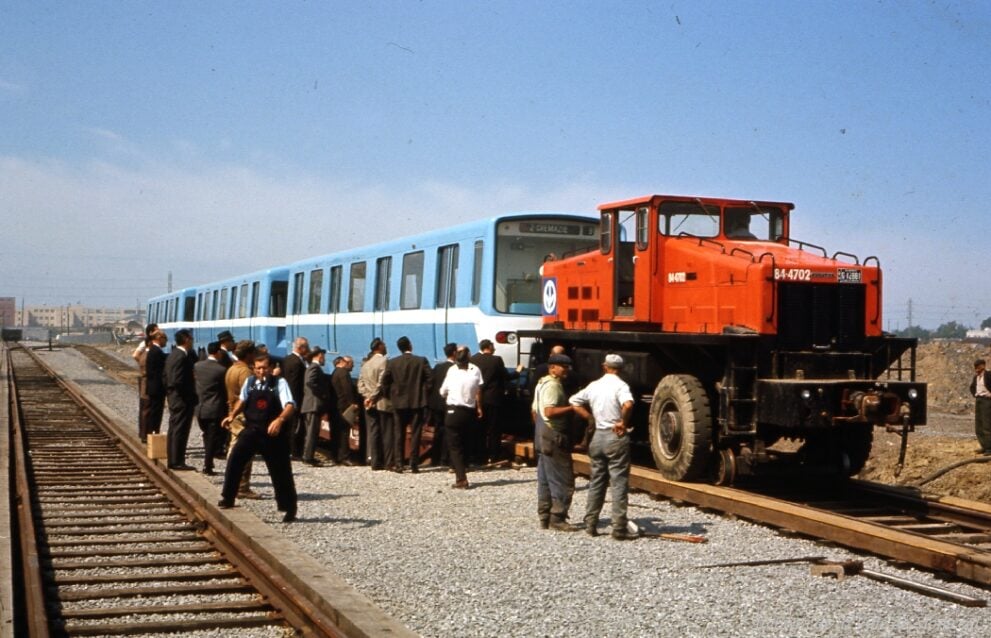
Expo 67 didn’t create that instinct, but it reflected what a city was capable of, one extraordinary summer, before the bill came due.
“Montreal achieved all of the things that all cities were trying (to do to) join or enhance the 20th century,” Lambert explains. “The metro, the highways, the great stadium, and the great events […] This happened. It was brilliant. Montreal had to change.”
“How did this work out in comparison to elsewhere? Montreal did it through physical things, the great buildings of Expo […] Toronto did it by business, by way of finance. Vancouver did it by its connections to the east. They all had an abstract focus, a conceptual focus, and Montreal’s focus was on culture, and it still is on culture, because it is a thing that really survives from Expo.
Travel
Alex Hutchinson goes inside the friendly rivalry between two titans of the Montreal-style bagel to figure out the secret of the doughy snack’s allure
People & Culture
It’s all Cirque, no Soleil as Canadian author Heather O’Neill and her daughter Arizona take in the Nuit Blanche festival and extol the virtues of an endless night
People & Culture
The death of an unhoused Innu man inspired an innovative and compassionate street outreach during the nightly curfew in 2021

Travel
Plan a spring getaway around these activities the whole family will enjoy