
People & Culture
Biinaagami: A call to revitalize our waters
Announcing a new initiative to connect to and protect the Great Lakes-St. Lawrence watershed
- 774 words
- 4 minutes
Environment
The TEK Elders behind the movement to stop the spray of glyphosate on Anishinaabe land

Editor's note
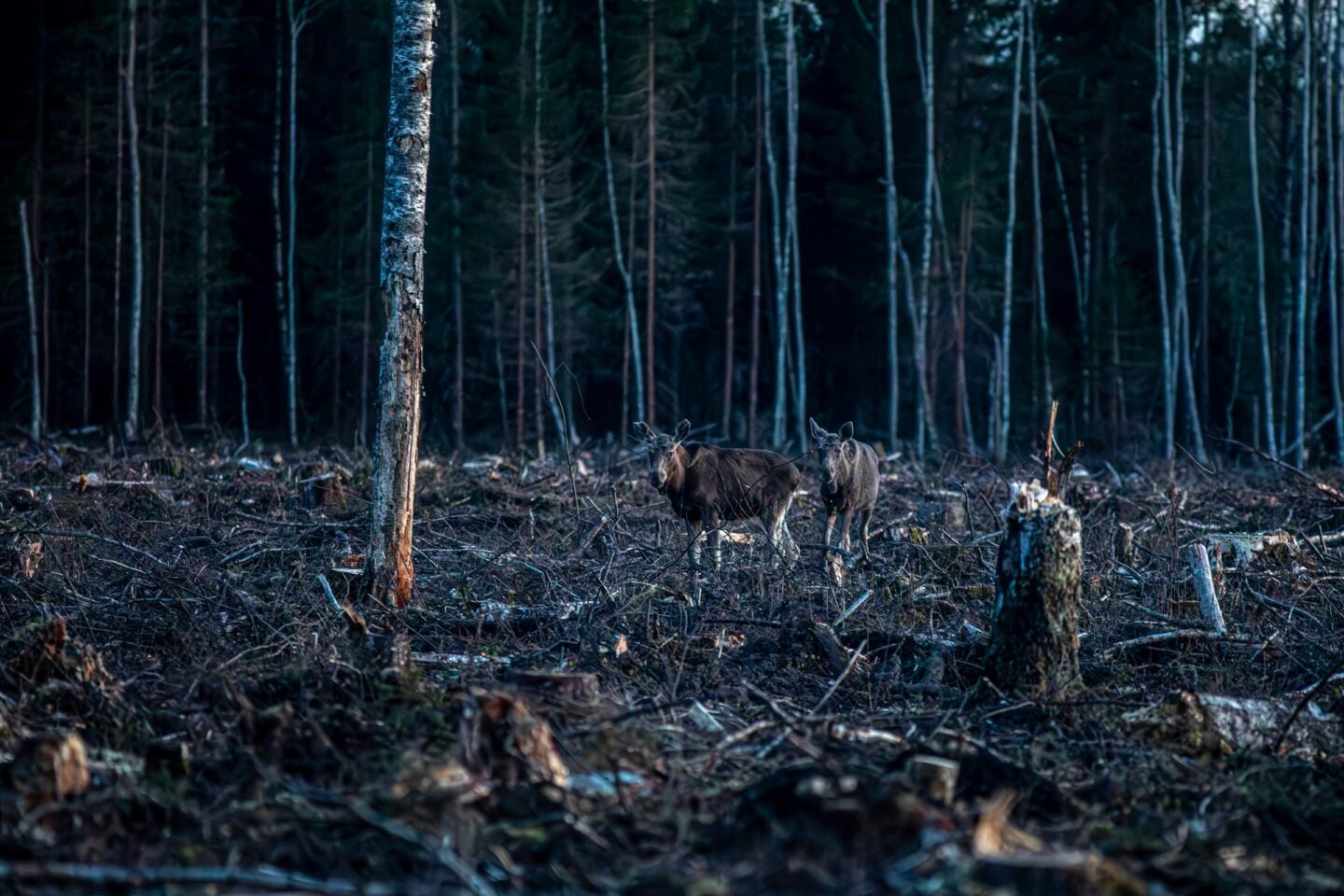
“It begins with the clearcut. After that comes the aerial spray. And then, everything dies.”
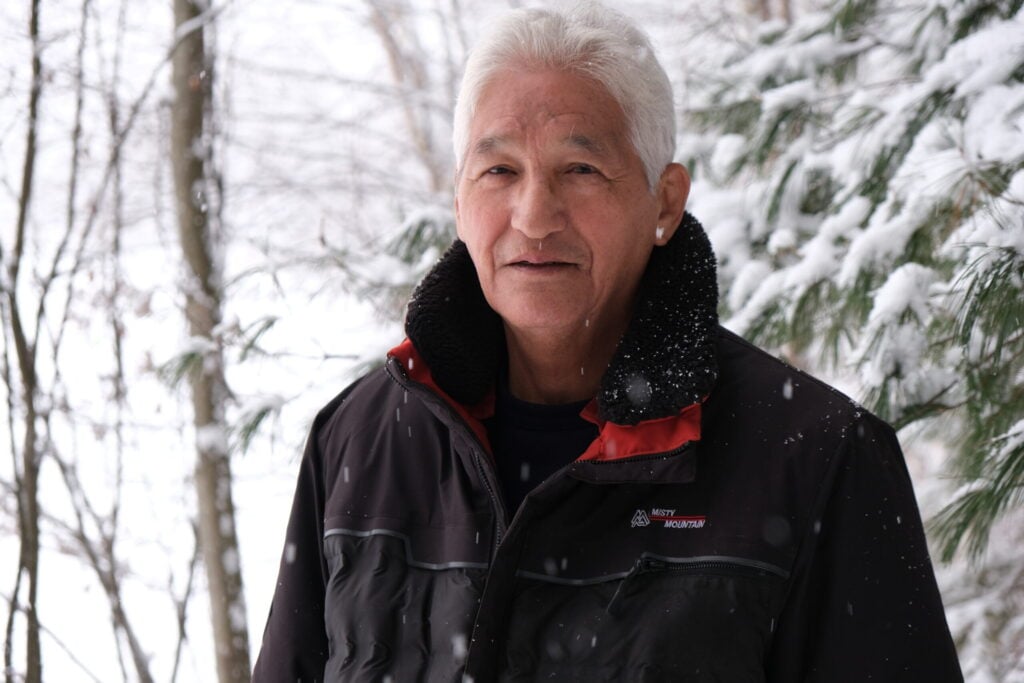
If that sounds dramatic, that’s the point. Because for Joe Jones, an Elder from Garden River First Nation, the industrial forestry practice of dropping weed killer on Ontario’s public forests is nothing short of murder. “The land is our mother; she has fed and clothed us. The land is our way of life,” Jones explains, lighting a pinch of sage. “But that way of life is threatened, because the aerial glyphosate spraying of our Treaty lands is killing plants and animals. It’s killing our Anishinaabe culture.”
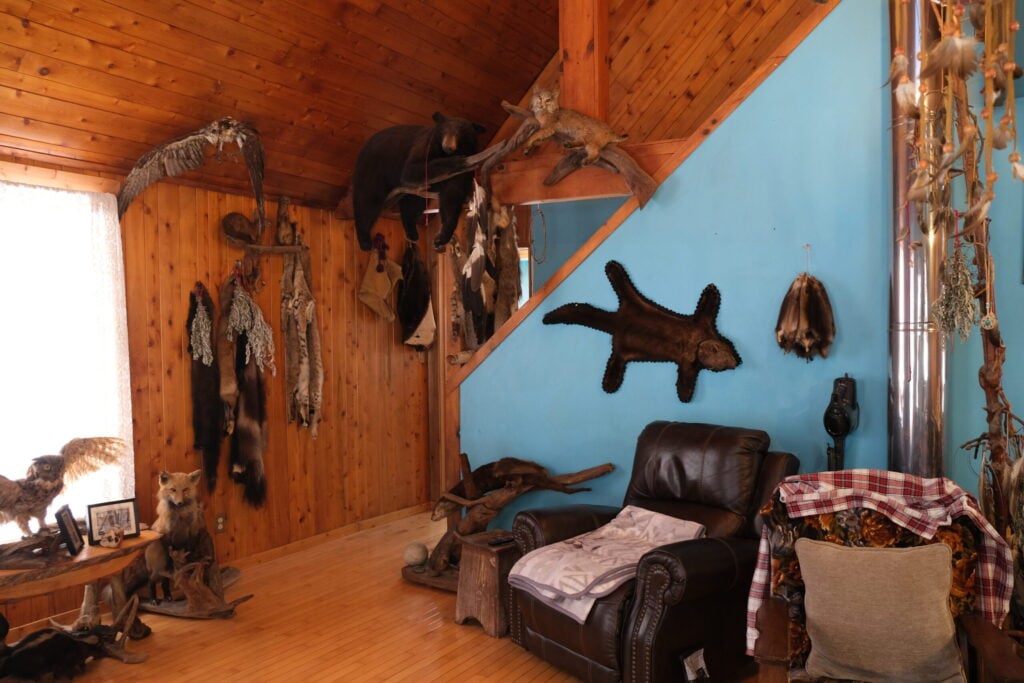
At Jones’s home, it’s easy to get a sense of that culture. He lives close to the banks of Ketegaunseebee (Garden River), where it meets St. Marys River, just east of Sault Ste. Marie. Sometimes, he’ll walk to the water’s edge to fish for bass and walleye. His house, warmed on this December morning by a wood-burning stove, reveals a deep-rooted connection to the land. Bunches of white sage and cedar adorn the walls, alongside pelts of beaver, wolf, otter and marten. “I have eight more beaver skins that need to be stretched,” he says, pouring Labrador tea into a mug printed with the phrase “My Nish cup.” The sage, smouldering in a shell, sends silvery swirls into the air. The image of Jones smudging, drinking tea and playing with his kitten while waiting for a friend to call back about a moose hunt is one of serenity — a stark contrast to the unease Jones feels when he thinks about the “rain of death” to which no First Nation he knows of has ever consented. As he learned more about decreasing biodiversity as a consequence of glyphosate use, he had to do something. So he joined a group pushing for a moratorium on aerial glyphosate spraying to protect wildlife and, with it, Anishinaabeg ways of being.
The group in question was the Traditional Ecological Knowledge Elders, or TEK Elders for short, made up of Elders from First Nations on the 1850 Robinson Huron Treaty lands. The group was founded in 2013 by Ray Owl, from Sagamok Anishinawbek First Nation, and Willie Pine, from Mississauga First Nation. Having spent years documenting the cumulative impacts of industrial forestry and glyphosate use on forests and forest dwellers, they wanted to unite the Treaty nations and work together to push for a glyphosate ban. They leverage their collective knowledge of the ecological relationships that connect life above, on and in the ground beneath their feet — Anishinaabe science based on long-term observations with datasets passed from one generation to the next. Like Jones, most of the original members are from reserves located along or not far from Lake Huron’s north shore, where the northward undulation of the boreal forest at one time provided their ancestors with pristine areas for seasonal harvesting camps and winter settlements.
The difference today, the TEK Elders argue, is that their homelands are no longer pristine — not because they’re not taking care of them, but because others are actively destroying them. For the past four decades, they’ve witnessed the government-sanctioned-and-endorsed spraying of forests with herbicides. Glyphosate, commonly found in weedkillers such as Roundup, is a chemical that kills birches and maples, raspberry brambles and blueberry bushes and other pioneer plants, eliminating the competition against money-making conifers.
But what do herbicide-laced berries taste like on a red squirrel’s tongue? What do the birds think when they come back to their nest sites the following season to find themselves homeless, entire avian neighbourhoods obliterated?
When the TEK Elders hear talk of forests being “managed” in this way, they hear “harm.” The spray threatens food security, access to medicines and constitutional and Treaty rights to practice their culture. And because everything is connected, the harm, if it’s allowed to continue, could come to all of us. They’ve been clanging the alarm bell for nearly 15 years, so that hopefully someone will eventually listen. Until that happens, they refuse to be silent.
The TEK Elders sit shoulder to shoulder, forming a circle that embraces connection, equality and shared responsibility. Their sphere also represents the cycle of life in and beyond the forests they want to protect. In the centre, someone has laid out an otter pelt and sage; beside those is a burning candle, the closest you’ll get to a fire when your two-day strategy meeting is held at a hotel and conference centre in Sudbury. An eagle feather passes from hand to hand, and whoever holds it wastes no time raising their concerns about silent springs, government indifference, moose decline and industry arrogance. Some Elders call for direct action, not just talk, like the August 14, 2025 protest at the Serpent River Trading Post, where the TEK Elders blocked the Trans-Canada Highway for two hours and eventually forced the forestry company Interfor to cancel that summer’s planned spray in the region. Several of them stress the importance of on-the-land and Elder-to-youth knowledge sharing. Others question whether chiefs and councils are doing enough on the glyphosate issue.
Sue Chiblow, the volunteer scientific adviser to the TEK Elders, reminds them of the late Ray Owl’s vision to focus outside of the reserve box. “The chiefs and councils are responsible for the reserves, but there’s all the other land outside and that’s what the TEK Elders was created to take care of, where glyphosate is used,” she emphasizes. An Anishinaabe scholar with a focus on n’bi kendaaswin, or water knowledge, Chiblow is a professor at University of Guelph’s School of Environmental Science and the first Indigenous woman appointed by Canada to the International Joint Commission, which oversees water quality issues related to the Great Lakes. She draws on Anishinaabe knowledge and Western scientific training to help the TEK Elders write reports, draft letters and resolutions and apply for grants.
A Garden River citizen, she, too, has seen the blackened swaths of dead trees and heard the deafening silence left behind after a forest is sprayed with glyphosate, even describing it as “genocide.”
“They use science to get their own way, by finding and hiring the scientists that will give them the answers they want,” Chiblow says of the government and industry. During the gathering, the scientific journal Regulatory Toxicology and Pharmacology retracted a widely cited article that had claimed glyphosate was safe for humans. The paper relied on unpublished studies by Monsanto, the maker of Roundup, and may even have been ghost written by Monsanto employees.
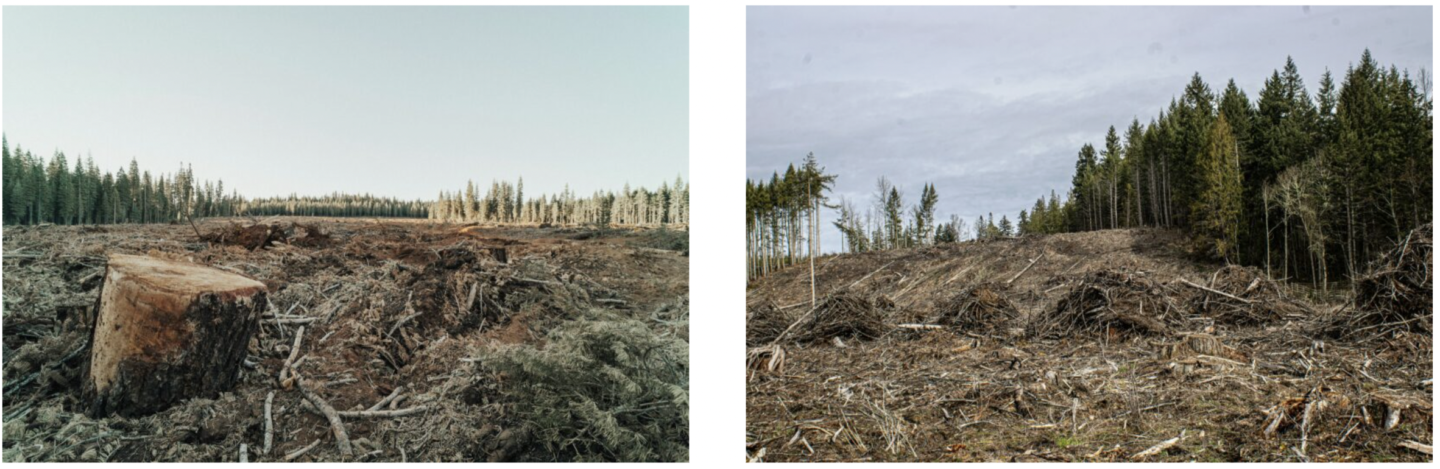
Caroline Recollet, holding the eagle feather, brings the discussion back from the merits of clan governance (what would the bear or the crane or the lake sturgeon do?), to the need for a glyphosate moratorium. The spokesperson for the TEK Elders, Recollet describes glyphosate not only as a menace to human health and the environment, but also as a colonial tool to keep people disconnected from the land. She’s referring to the 10 or more days the forestry companies suggest people should stay away after a spray through signs put up at the edge of a manipulated area. Glyphosate is used from around mid-August to the end of September on clearcuts that have been replanted, interfering with berry picking, harvesting of medicines and ceremonies that mark the transition from summer to fall. It’s a problem with a psychological dimension.
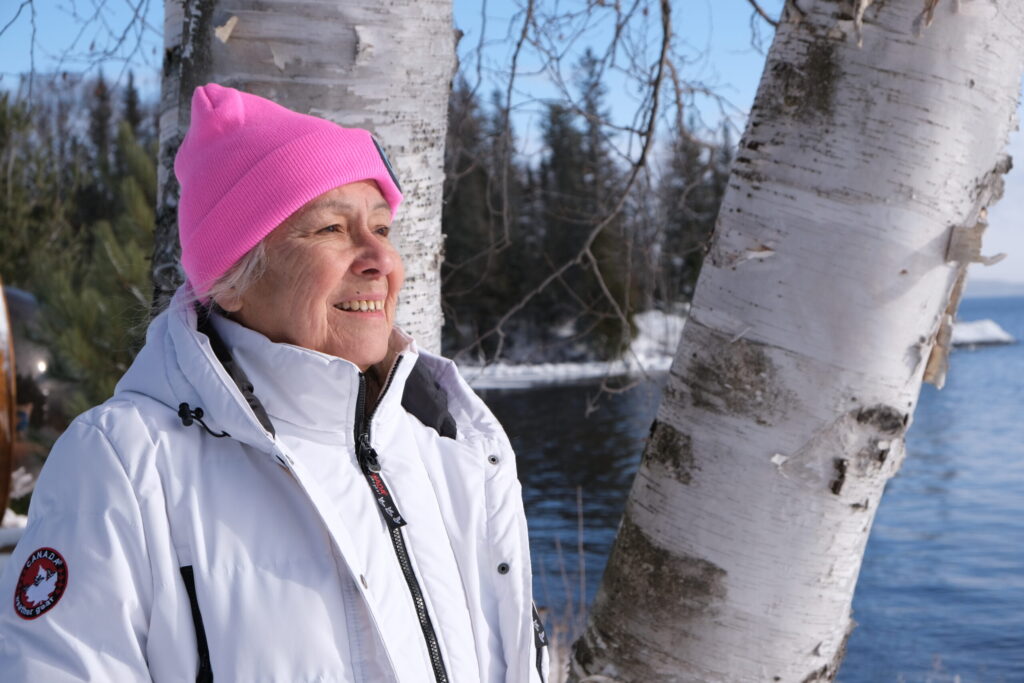
When Recollet gets back home to Wahnapitae First Nation, she’s spent over a week away at meetings and conferences. She’s tired from the travel, from spending time in cities and from having been away from the land. But even here, she no longer feels safe going for a walk in the bush. Her community, located an hour’s drive northeast of Sudbury, is surrounded by logging trails — forestry is big business around here. She pulls down her toque, zips up her parka and walks out of her house on the shore of Lake Wanapitei. It’s only a few steps to the reserve boundary; beyond is fair game for glyphosate spraying. Recollet shuffles through the ankle-deep snow and over a fallen tree. “There used to be maples here; they’re gone. And the birches are dying, too,” she says.
She misses the whip-poor-wills she used to hear in early summer. There’s sadness in her voice. “I want my grandkids to be able to walk barefoot on the ground, to go tenting, to learn out on the land. But now, with the spraying, I’m not sure I want to take them to the bush. Is it even safe to do so?” At one point, though, many First Nations men made a living for part of the year in the forestry industry. “Pretty much all the men went up north logging. My dad would go up to Chapleau in the winters; we’d have him back in the summers,” she says. It was a dangerous job, more so than it is today, when much of the work has been mechanized. But back then, forestry didn’t entirely destroy the web of life that holds everything together, at least not to the same extent as today. That was before Roundup.
A manmade organic compound, glyphosate was first created in the 1950s by a scientist at a Swiss pharmaceutical company hoping to invent new drugs. Nothing came out of that research, but the compound was later patented as a boiler and pipe cleaner for its ability to strip chemical build-up. It wasn’t until 1970 that a chemist at the American chemical company Monsanto independently discovered that the compound kills plants, opening an opportunity to cash in by making it the active ingredient in a new weed killer, Roundup. Today, between forestry, agriculture and commercial landscaping, glyphosate is the most used herbicide in the world. Glyphosate’s lethal mechanism works by throwing a roadblock in the biochemical pathway that enables plants to create the amino acids — the protein building blocks of life — necessary for a plant’s cell walls to form. Without these building blocks, the plant can’t grow; sprayed with a glyphosate-based herbicide, it wilts and dies.
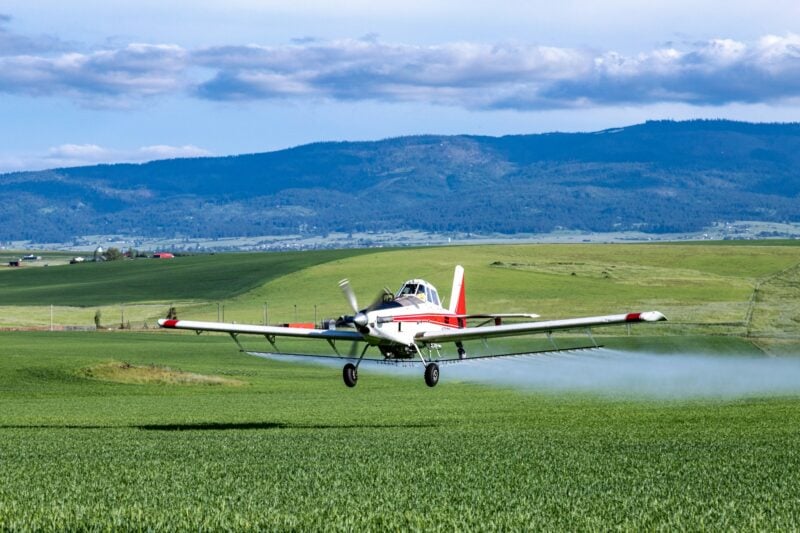
For farmers, Roundup’s commercial launch in 1974 meant they no longer had to till their fields to combat weeds that would otherwise compete with crop plants like wheat, canola, soybeans and oats for sunlight and nutrients in the soil. Since then, farmers have been using glyphosate to eliminate unwanted plants during the growing season, but also to kill and dry their crops just before the harvest, shortening the growing time, evening out the maturing time of crops and reducing or eliminating the need for mechanical dryers. On a much smaller scale — and depending on local pesticide legislation — regular folk can deploy glyphosate to snuff out weeds in their gardens.
With Health Canada’s blessing, Roundup hit store shelves in Canada in 1976, and the forestry industry soon got in on the spraying trend booming in the agriculture sector. To maximize the viability and growth of conifer seedlings — common species planted in production forests include white and black spruce and jack pine — forestry companies use glyphosate to exterminate competing broad-leaf species like aspen and birch. If left to grow, the leafy trees would also block sunlight from the little conifers. A broad-spectrum herbicide, glyphosate doesn’t discriminate, attacking all plants (which is why farmers use crop seeds that have been genetically modified to withstand Roundup attacks). Spruce and pine with their waxy needles aren’t as vulnerable as aspen and other deciduous trees; rather than absorbing the glyphosate, conifers tend to shed the chemical droplets. The late summer to early fall application hits the broad-leaf trees at their most vulnerable: when they’re starting to shut down their vascular systems. Workers sometimes walk the planted areas with backpack sprayers, but for the most part, helicopter pilots do that job from above. It’s a swift and deadly operation. If you’re a forestry company, that’s exactly what you want. But glyphosate use is a controversial practice.
In 2015, the International Agency for Research on Cancer, which operates under the World Health Organization umbrella, published a report that confirmed glyphosate is “probably carcinogenic to humans.” The agency based its finding on existing “limited” evidence of cancer occurring in people after real-life exposure to the compound, but it also found “sufficient” evidence to link glyphosate exposure and cancer in lab animals. Despite those findings, Health Canada’s Pesticide Management Regulatory Agency in its 2017 re-evaluation of the herbicide said glyphosate is safe to use when following the manufacturer’s updated label instructions, but it also mandated buffer zones adjacent to a sprayed area to limit wind-borne spread to non-target plants, aquatic invertebrates and fish. Health Canada maintains it’s safe to eat crops sprayed with glyphosate and that it’s safe for workers handling and using it as part of their job. Although Roundup for cosmetic use was banned in Ontario in 2009, it’s readily available for purchase and homeowners illegally splashing it on their gardens is an open secret. Meanwhile, Monsanto — owned since 2018 by pharmaceutical company Bayer — has been successfully sued in thousands of courtrooms by people who claim they got sick with non-Hodgkin’s lymphoma from exposure to the weed killer; their cases argued that the company had knowingly withheld information about the potential health risks. Bayer has settled cases to the tune of some $20 billion and counting.
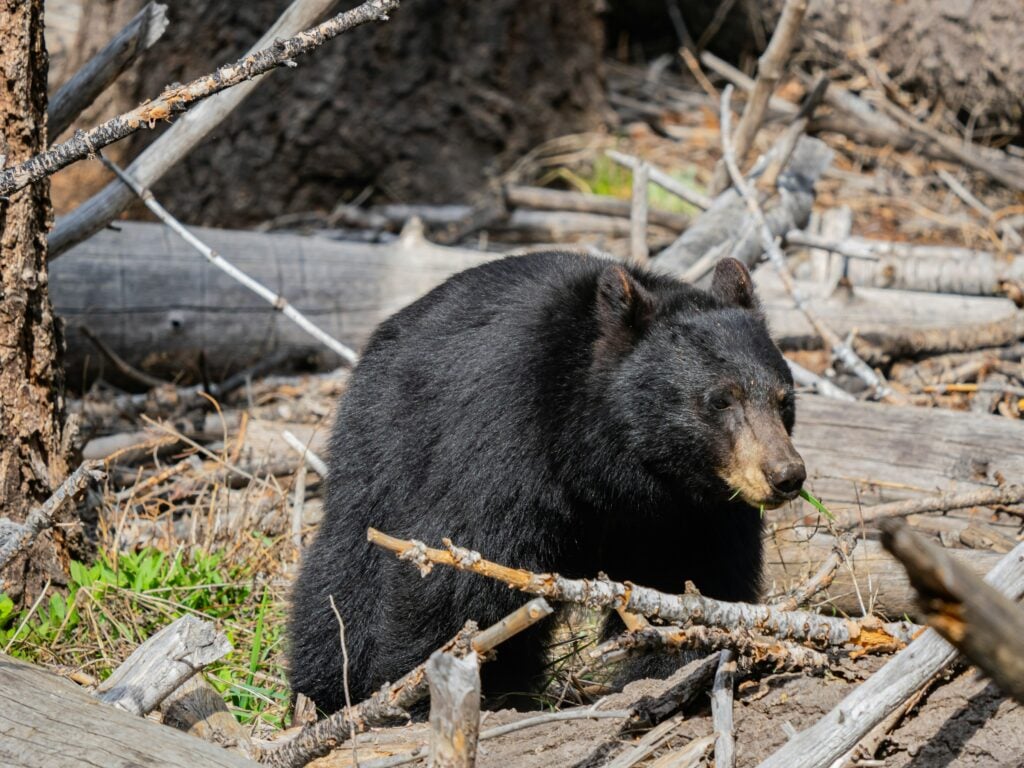
While Health Canada and the Pest Management Regulatory Agency insist people following instruction and using low concentrations of glyphosate need not worry about cancer, they, along with the Canadian Forest Service, also maintain it “poses no risk of concern” to the land because the herbicide breaks down in soil and water after the aerial spray has done its intended job. But it leaves behind aminomethyl phosphonic acid and surfactants — some of which may be even more toxic than the parent molecule — along with any residual glyphosate believed not to be carried into the next growing season. To trust Health Canada is to trust that glyphosate is safe for bears and birds and moose, too.
The TEK Elders harbour no such trust. Spending time on the land, they’ve seen that insects and birds, for instance, don’t come back to sprayed areas. They’ve always suspected what dozens of peer-reviewed scientific articles have shown: that the impacts of glyphosate on the ecology of a cutblock remain long after it has been sprayed. They also know investigation results vary, something they believe has to do with whom funded the research. One short-term study by the Canadian Forest Service found that plants post-spray had residual glyphosate concentrations that were higher than the maximum allowed by Health Canada in fruit up to 18 days after the spray, while their long-term study showed that the level decreased to below the safety threshold after one month, with trace amounts lingering after one year. But for deer, moose or bears to be affected by spray residue in a clearcut, they’d have to exclusively feed in that area and, while there, maximize the amount they could physiologically eat in a day, a scenario the researchers say is unlikely, so the risk to the animals’ health is low. Also, aerial spraying of glyphosate happens once or twice during the 50- to 80-year lifecycle of a plantation forest, another factor that limits risk. But other investigations show glyphosate residues can remain in vegetation for much longer. A study in northern B.C. found that it can linger for up to 12 years, with greater concentrations in roots than in shoots, translating to greater risk of long-term retention and spread to new growth, and that it takes longer for the herbicide to break down in colder climates.
The scientific conclusions vary, but the TEK Elders are steadfast: no risk is better than low risk. “The forestry companies put up signs to warn us an area has been sprayed. If glyphosate weren’t a problem, they wouldn’t need those signs,” says Ken Meawasige, a member of Serpent River First Nation and CEO of the Turtle Island Centre, an environmental education organization based on braiding Indigenous and Western knowledge systems. “Plus, the animals don’t know they’re not supposed to walk there.” Like his fellow TEK Elders, he wants to see a complete ban of aerial spraying.
“And where does it all go? Into the Great Lakes, where millions of people get their drinking water from. Glyphosate isn’t just ‘an Indian problem.’”
As Meawasige waits for his order of fish ‘n’ chips at North Channel Pizza in Spanish, an hour and a half drive west of Sudbury, he rolls out a table-sized map that shows the lakes and rivers on the North Shore. He traces a finger along Serpent River, which empties into Lake Huron where his community is located, and the Mississagi, a bit west. Both rivers flow from headwaters in the uplands north of Elliot Lake, a heavily logged — and aerial-sprayed — region that forms part of the nearly one-million-hectare Northshore Forest, home to more than 3,300 lakes as well as production forests, including monocultures, that sprawl over some 80 per cent of the land area. The spray, says Meawasige, should concern every Ontarian. “People down south,” he says about the Greater Toronto Area, “think the north is pristine, but they have no idea what gets dumped up here.” He mentions the effluent from pulp and paper mills, and the tailings and isotopes from uranium mining and refining — and glyphosate.
Joel Theriault has a better overview, literally, than most people of northern Ontario’s public forests. A third-generation bush pilot and owner of Air Ivanhoe, he flies anglers and hunters to remote outposts from May to November. His family’s floatplane base and a drive-in lodge is located between Timmins and Chapleau, hubs in the forestry economy. Theriault sees logging trucks every day that he drives his kids to and from school. But what scares him is what he sees from above.
“I used to see a land full of wildlife. On each flight, I’d see maybe six bears and four moose,” he says over the phone from his home. The cutblocks were crisscrossed by moose tracks, and bears were foraging on the young growth, blueberries, raspberries and chokecherries. But as soon as those regrowing clearcuts were sprayed with glyphosate, poisoning the smorgasbord, the land emptied out. “It’s pretty obvious we’re witnessing death by a thousand cuts.”
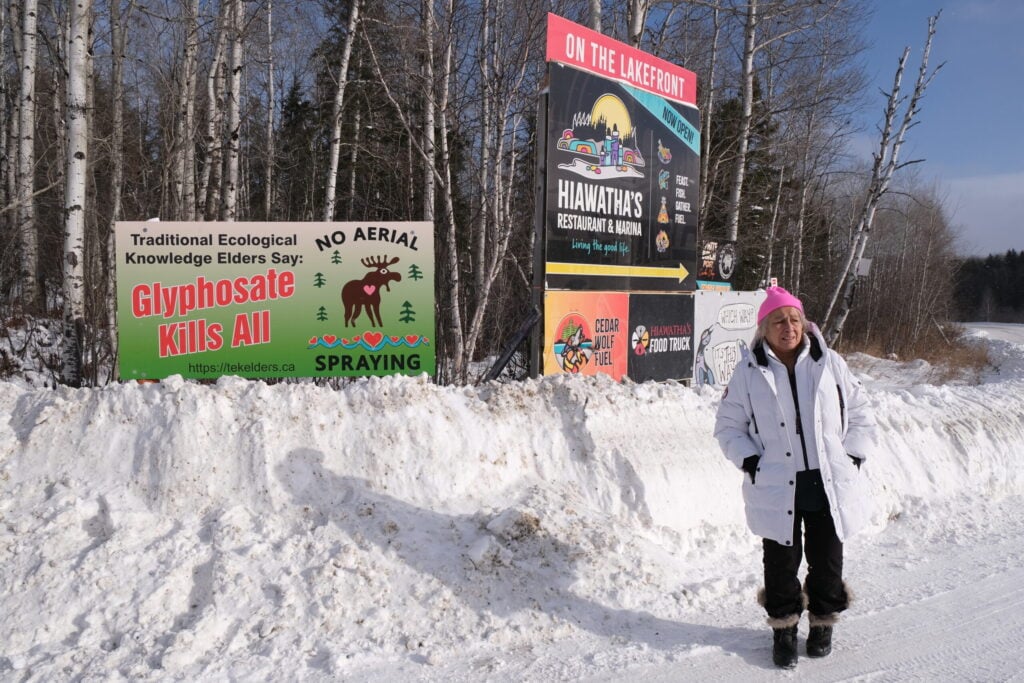
Compelled to get the word out, Theriault started a website; then, five years ago, he launched the “Stop the Spray” Ontario Facebook group to amplify the message. There are Stop the Spray billboards — like the TEK Elders’ Glyphosate Kills All signs — in Sudbury, Chapleau, Timmins and North Bay, with more coming farther south. As of the end of September 2026, 60 Ontario municipalities had passed resolutions to voice their objection against the weed killer. So far, the province isn’t listening. Theriault, whose livelihood depends on intact ecosystems, does what he can to create change, including collaborating with the TEK Elders, but he admits the core of the problem is structural.
Forestry companies operate under licence from the provincial government. This license gives them the right to clear land and plant tree species chosen for a specific end use, like lumber or pulp for paper products. Most often, cutblocks in Ontario’s boreal zone and hemiboreal subzone, including the North Shore, are planted with saplings from a single conifer species, such as black spruce, jack pine or white pine. But critics, from conservation scientists to the TEK Elders, say monocultures, intended to maximize efficiency and profits, do little to invite or support biodiversity. They aren’t forests in the sense of their natural, unaltered counterparts, but huge tree plantations.
Once the saplings in a plantation forest have reached the desired size they’re all harvested at the same time, leaving behind clearcuts. But because the companies operating these wood factories have a responsibility “to manage Crown forests to meet social, economic and environmental needs of present and future generations,” they must ensure the cutblock becomes green again within five to 10 years; often, this is through replanting of commercial tree species. It’s an obligation tied to a rule called “free to grow”: forestry companies need to make sure plantation saplings are free to grow without competition for soil nutrients until they’re large enough to outcompete other plants on their own. But while young plantation trees are growing in a clearcut, other plants — deciduous trees, shrubs, berry bushes and other members of a natural forest — will also be bursting from newly sunlit ground. So the “free to grow” rule applies to the planted trees, not to the community of species that would naturally populate the forest floor, which makes it look like the legislation favours economic benefits over the social and environmental needs of present and future generations.
Forestry companies have different methods at their disposal for managing the undesired growth. Nelson Thiffault, a research scientist with the Canadian Forest Service, describes them as tools in a toolbox. In Ontario, the tool of choice is glyphosate. “But herbicides, in some contexts, are the wrong tool, such as when there’s social pressure against their use, or when the goal is to protect Indigenous rights and values,” Thiffault says on a video conference call. In Quebec, where Thiffault got his education and started out as a registered forester, chemical weed killers are not part of the kit; aerial spraying of glyphosate was banned in 2001 after public outcry. And the replanting and tending of public forests, including meeting regeneration standards, is managed by the government — and shelled out for by the public purse — not by the forestry companies as in Ontario.
Thiffault was doing his graduate work in the late 1990s, when the Quebec government was exploring how to reduce and eventually eliminate herbicides from forestry; he started his professional career with the province’s forest research institute in this context. “Quebec’s non-herbicide strategy includes a few key elements,” says Thiffault. “For one, don’t fight nature by trying to convert a hardwood-dominated stand into one dominated by softwoods,” he says. Planting as soon as possible after a clearcut will give the seedlings a better chance to establish a good root system before other species, giving them a competitive advantage, but as Theriault has seen from his floatplane, replanting of northern Ontario cut blocks can take years.
The TEK Elders have no patience for government or industry euphemisms. They call the method “the rain of death” and want it gone once and for all.
Quebec also deploys people to manually do what’s called mechanical brushing, where workers use a tool that looks like a garden trimmer to cut away competing and light-blocking plants from around the young trees. And when those trees reach 10 to 15 years old, workers sometimes do a “pre-commercial thinning,” reducing the number of trees in a cutblock to promote the growth of those left standing. But these methods are slow and expensive, as wage-earning humans need to get into the backcountry and walk clearcuts that can measure 1,000 hectares. So in Ontario, to save time and money, the forestry companies will commonly resort to a management technique they refer to as “aerial tending,” spraying the clearcuts with glyphosate from helicopters, getting the job done in under a week that a ground crew might need a month or two to finish.
But not everyone agrees a blanket ban is the way to go. Thiffault uses glyphosate in small-scale (a few square metres) experiments to study the impact of removing it from forestry. What he wants to know is, how can glyphosate be used as a targeted tool rather than as an overarching management method in production forests. And in biodiversity conservation, glyphosate is used to combat invasive species. Rebecca Rooney is an associate professor in the Department of Biology at the University of Waterloo, and the principal investigator with the Waterloo Wetland Lab. In the work to shield biodiversity from the threat of invasive wetland plants, she says there are few effective instruments. One of them is glyphosate. “The careful and sparing use of glyphosate can utterly transform a degraded wetland, restoring its biodiversity and species at risk, improving fish habitat and forage value for wetland birds, all with very minor and temporary herbicide exposure risk,” she says via email. Rooney does not agree with the indiscriminate spraying of glyphosate on farm fields and forests. “But a flat out ban without thought for the impacts on ecological restoration will tie our hands in species-at-risk protection and biodiversity conservation, at least in wetland habitats where invasive wetland plants are one of the principal threats.”
On this issue, David Flood stands with the TEK Elders. Aerial glyphosate spraying is a problem foisted on the Cree communities he works with in Treaty 9, north of the reserves the TEK Elders call home. The executive director of Wahkohtowin Development — a social enterprise run by Chapleau Cree First Nation, Missanabie Cree First Nation and Brunswick House First Nation — Flood is a registered professional forester (an Ontario Forestry Association designation) and a land user who grew up on Matachewan First Nation. His job is to help get glyphosate out of Ontario forests. It’s not a new fight: Treaty 9 communities have been passing resolutions for a ban since the late 1990s, and in 2007, the Northeast Regional Chiefs Forum engaged one of the forestry companies, Tembec, in a project to explore alternatives to herbicides. Wahkohtowin was formed in 2016 to pick up the zero-herbicide work and is now collaborating on a herbicide-alternatives pilot project with Thiffault and Interfor, while continuing to push for changes to the federal pesticide legislation.
It took years of pressure before Health Canada’s regulatory agency bureaucrats agreed to meet with Wahkohtowin; the second such audience took place in December 2025. Flood and Wahkohtowin representatives sat down with the agency in Ottawa to demand a new product safety review (the last one dates to 2017) and to ask it to reconsider its permitting of spraying glyphosate on the homes of moose and bears. “Climate change is killing animals and degrading forests through droughts and wildfires. Add glyphosate, and the habitat disturbance is even worse,” Flood says over the phone. “The science the PMRA used to arrive at favourable product safety reviews came from the manufacturer of Roundup, and that’s just crazy, because it does not consider damage to ecosystems,” he says, with emphasis on “ecosystems.” (The PMRA was renamed the Pest Regulatory Directorate in April 2026; PRD representatives joined Wahkohtowin in the field in the summer of 2026 to see the effects of glyphosate first-hand.) “A cutblock in a forest is not isolated from what exists and grows around it,” he says. What he’s seen out on the land in Treaty 9 reflects the TEK Elders’ testimonies: natural mixed forests converted to monocultures; landscapes broken by clearcuts; biodiversity stunted by chemicals; animals poisoned by glyphosate residue. “Even though a cutblock looks ugly and feels bad, life comes back. New plants grow up and you can hear mice, birds and insects and even see bears come through,” Flood says. “But after that cutblock has been sprayed with glyphosate, it’s dead quiet. There are much fewer or no birds, no frogs, no ants, no aphids, no insects.”
Brent Niganobe, the elected chief of Mississauga First Nation, says his community has passed resolutions in support of the TEK Elders. “Biodiversity evolved over thousands of years, so you can’t just go and add something that doesn’t belong,” he says, adding that the spraying is cheap and lazy. Dressed in a sweatshirt with the text “Decolonize,” he leans back in his chair at the band office. He points at a land use map and explains that they’re in the process of developing their own land management plan in which they have a say. His Nation is not against forestry, but it must be done in a way that respects Anishinaabeg voices and ways of being. “The Creator put us here to take care of the land; let us do so by having our Guardians tend the forests.” It would create jobs while providing ways to get out on the land where healing can happen. “We need to find better ways to manage [production] forests in our Treaty territory,” he says. “Because everything is connected.”
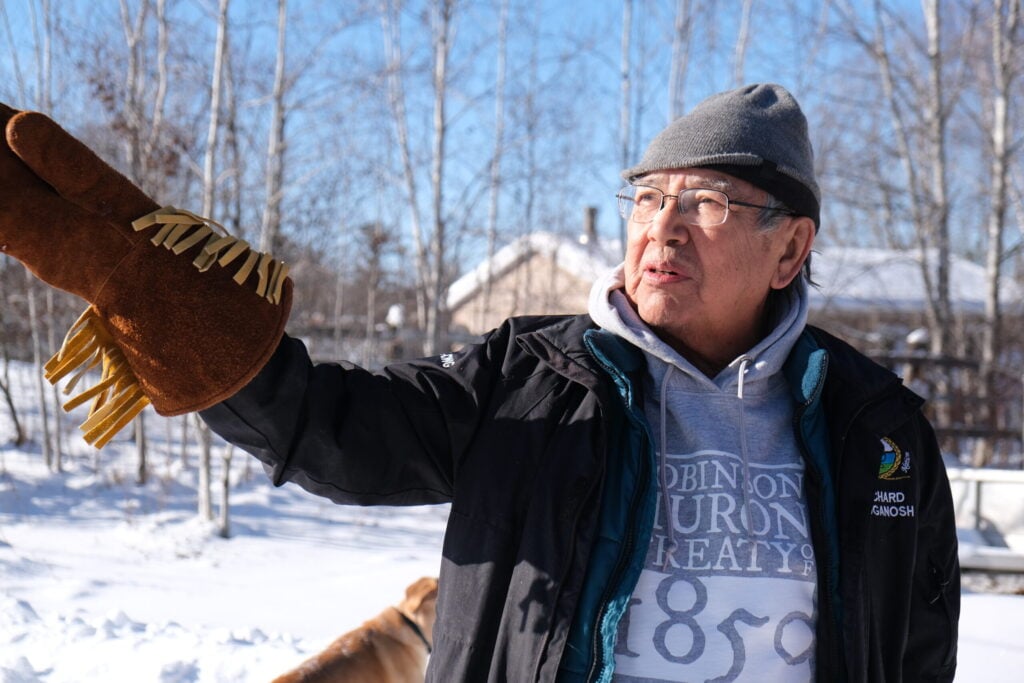
It’s a few days after the TEK Elders meeting in Sudbury. The Elders from Magnetawan First Nation, including Richard Noganosh, have returned home with a strengthened sense of purpose in the fight against glyphosate — they want to host future TEK Elders meetings, knowledge sharing circles, on-the-land training and direct action. Noganosh rolls up in his buggy outside the Lands, Resources and Environment office. His beaded moosehide mitts and the decals on his vehicle — “I brake for snakes” and “I stop for turtles” — reveal his love of the land and the creatures on it. Noganosh forms part of Magnetawan’s Elders Advisory Group, which informs the Lands staff on conservation plans and actions within the reserve’s footprint to ensure they’re carried out with respect and care for all relations, present and future. He walks in and sits down with Nadine Perron, the community’s conservation biologist and wildlife specialist, and Chris Ricker Payette, the Guardians coordinator who hails from Wikwemikong and Garden River First Nations.
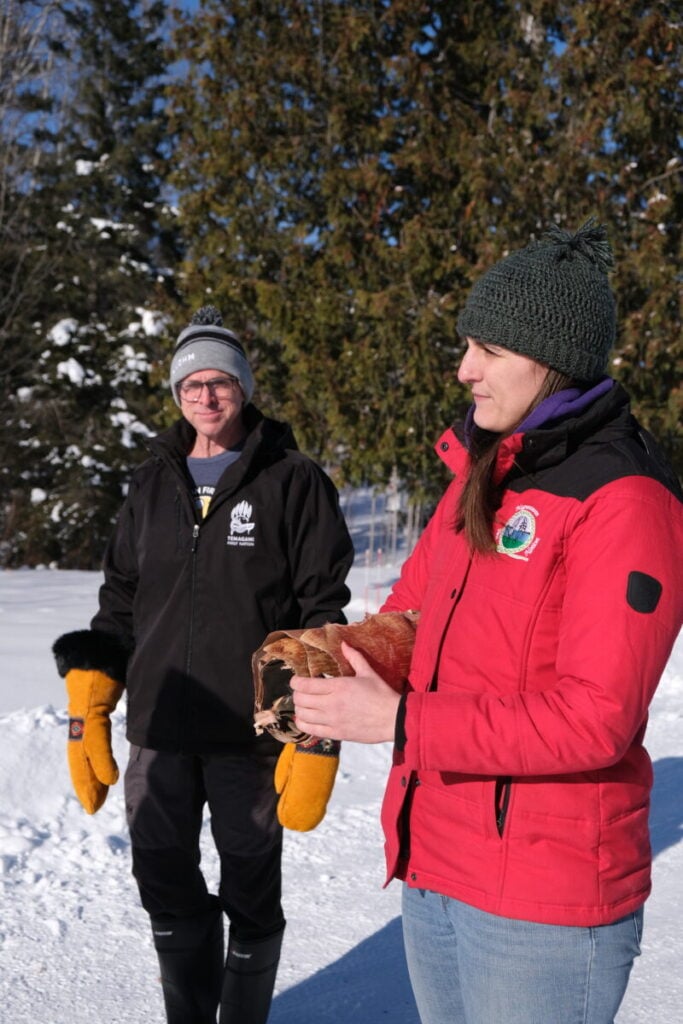
Noganosh admits he started to pay more attention to the glyphosate issue after Ray Owl urged people from each of the 21 Anishinaabeg reserves in Ontario to join the resistance against the spray. “We have to keep fighting, even though we’ve been fighting for so long because the government likes to stall,” Noganosh says. “I think the longer they keep us waiting [for a moratorium], the harder it becomes to fix the problem,” he says, likening the inaction to a strategy not based in good faith.
Ricker Payette nods and adds, “One day, we might look back and think of glyphosate spraying as the DDT of our day.” Perron agrees. “Everything we do, anything that reduces biodiversity, has ramifications, something Western science doesn’t necessarily teach,” she adds. “Take the spruce bud worm. Forests are sprayed with a pesticide to get rid of it, but it’s a native bug that feeds native birds.” Noganosh thinks glyphosate should not be used until its impact on soil and water is fully understood. “But they keep using it on [invasive] phragmites,” he says.
Noganosh thinks about the water. He’s worried about dams and the dropping level in Magnetawan River, sometimes leaving fish eggs on dry land. He no longer hunts and traps, but he still finds joy in fishing for pickerel and pike and likes to tell people about old-time Anishinaabe fishing nets made by knotting tree roots. Storytelling is how Perron has learned about Anishinaabe reciprocity with land and animals, sky and water — ways of being that have informed and added a deeper dimension to her scientific view of the world. She concurs with Sue Chiblow, that Elders and Indigenous knowledge holders must guide the work that First Nations are doing; then, Western science can be used to assemble the empirical evidence that governments understand and accept. “The Elders will come to us and say something is toxic, because they see a decline in bees and other bugs,” Perron says. “So we go out with a science lens to prove it in a way that government will understand.” As for glyphosate, though, it seems the government has yet to pay attention. Noganosh points to other threats to land and water, including climate change, which has the crows building nests as early as March instead of May. “We have to work together to get the government to listen,” he says.
The TEK Elders’ fight is a story of kinship with the land, the moose wandering it in search of the juiciest willows; the bees that pollinate the blueberry flowers; and the bears that dream of eating berries during their winter slumber. Their fight is a story of nation-to-nation building among people who steward the different landscapes. While they’ve been harmed by colonial greed, which has erased not only biomes but also knowledge built over millennia, Noganosh, Caroline Recollet, Joe Jones, Ken Meawasige and all the other TEK Elders are proof that they’ve never been defeated. The aerial spraying of glyphosate over their traditional lands is ripping the ecological fabric of life. But the TEK Elders are determined to make that fabric stronger to force the end of what they see as a crime against them and all their relations. Philosophical-minded people might ask, if a glyphosate-sprayed tree falls in a forest on Treaty land and no one is around to hear it, does it make a sound? Yes, it does. The real question is: are you listening?
People & Culture
Announcing a new initiative to connect to and protect the Great Lakes-St. Lawrence watershed

Mapping
Biinaagami, a CanGeo collaborative initiative seeking to connect people with the Great Lakes-St. Lawrence watershed, has released a suite of educational materials, including a Giant Floor Map, augmented reality experiences, lesson plans and more
Science & Tech
Celebrating Canadian Innovation Week 2023 by spotlighting the people and organizations designing a better future

People & Culture
How three organizations have come together to promote urban swimmability and change our relationship with water — one plaque at a time