Wildlife
Do not disturb: Practicing ethical wildlife photography
Wildlife photographers on the thrill of the chase — and the importance of setting ethical guidelines
- 2849 words
- 12 minutes
Wildlife
Macro photographer Dara Ojo has built a big following documenting the small world of insects

They crawl, they creep, they burrow, they swarm. Every day, hiding in plain sight, they are doing important work to keep ecosystems in balance. And yes — bugs are beautiful. Just ask Dara Ojo.
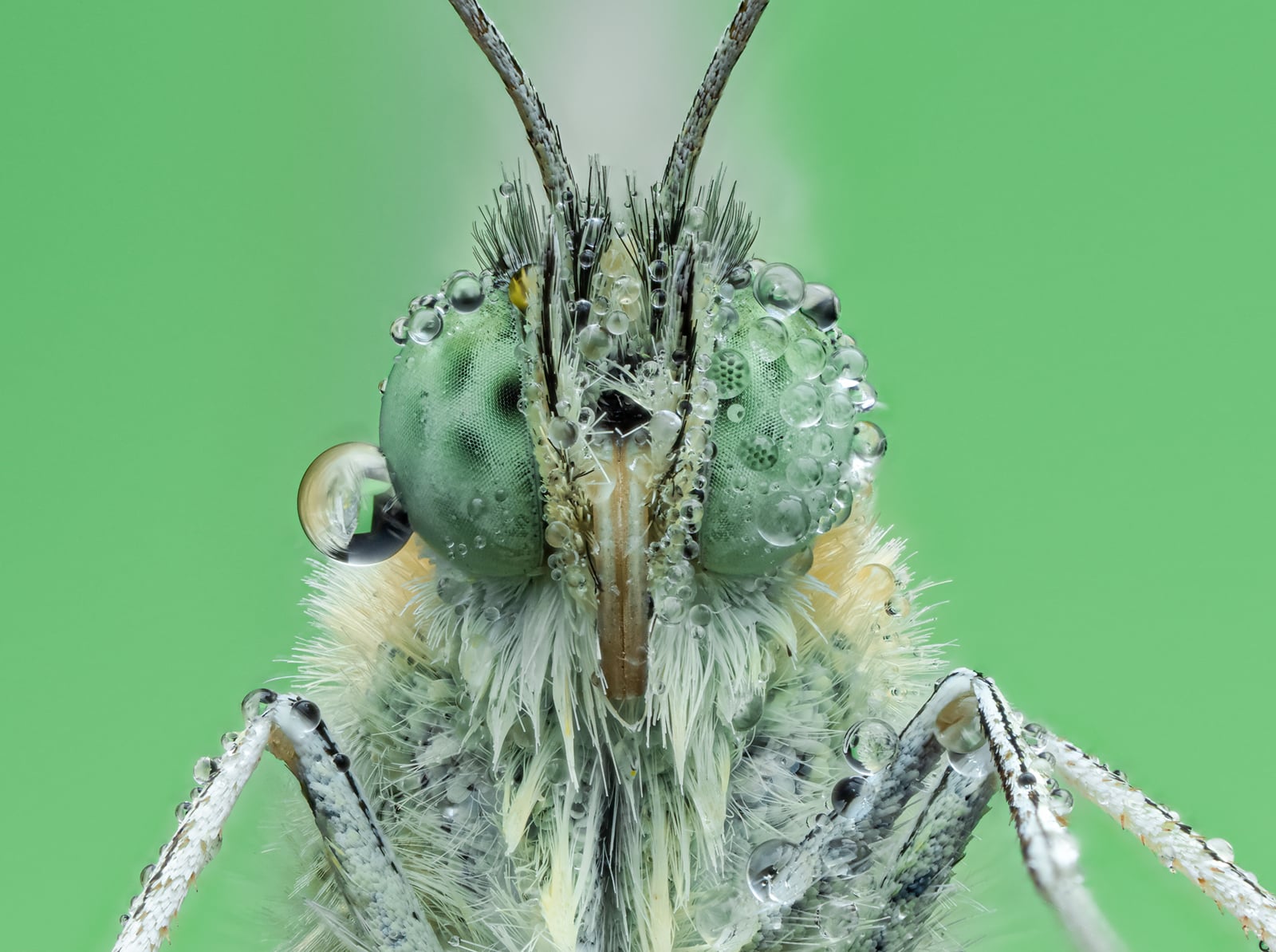
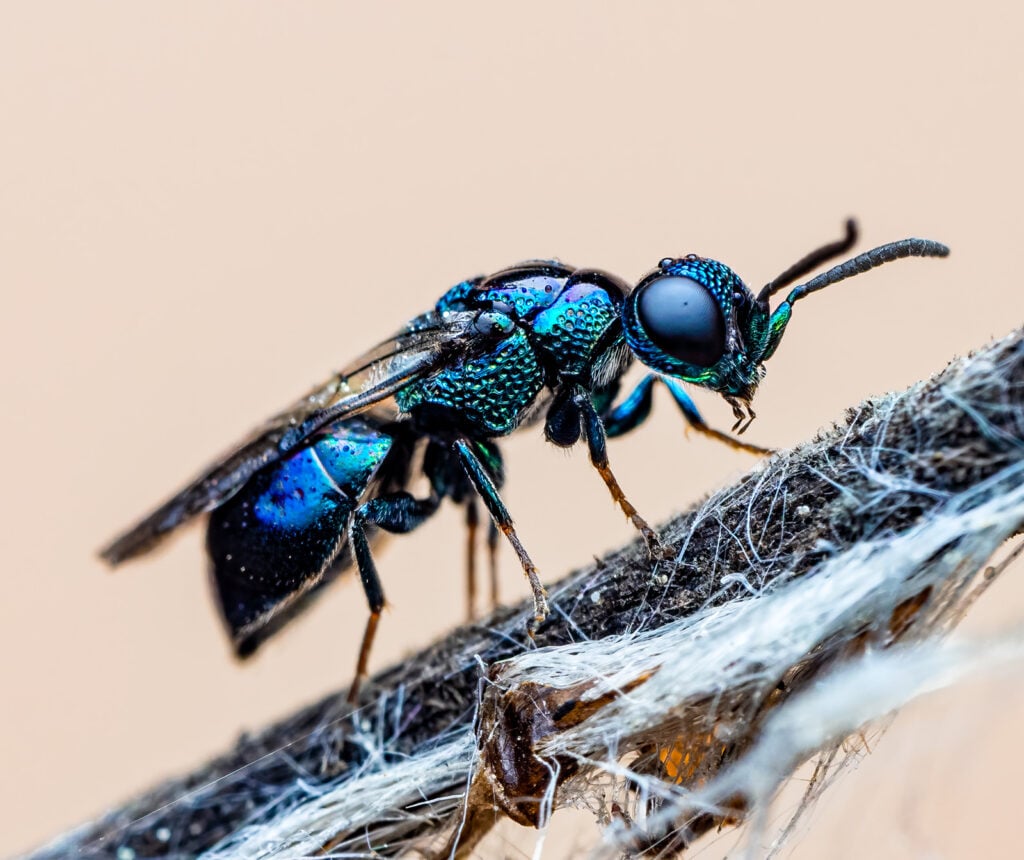
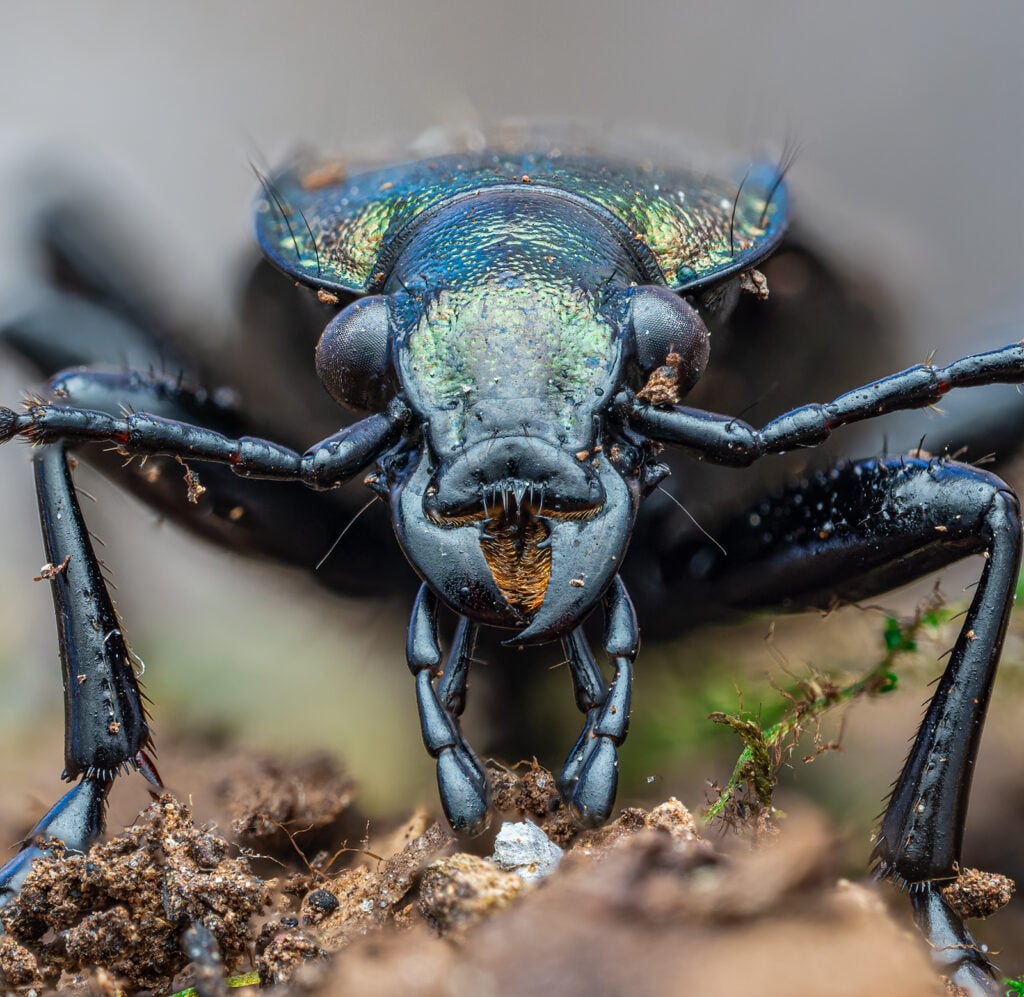
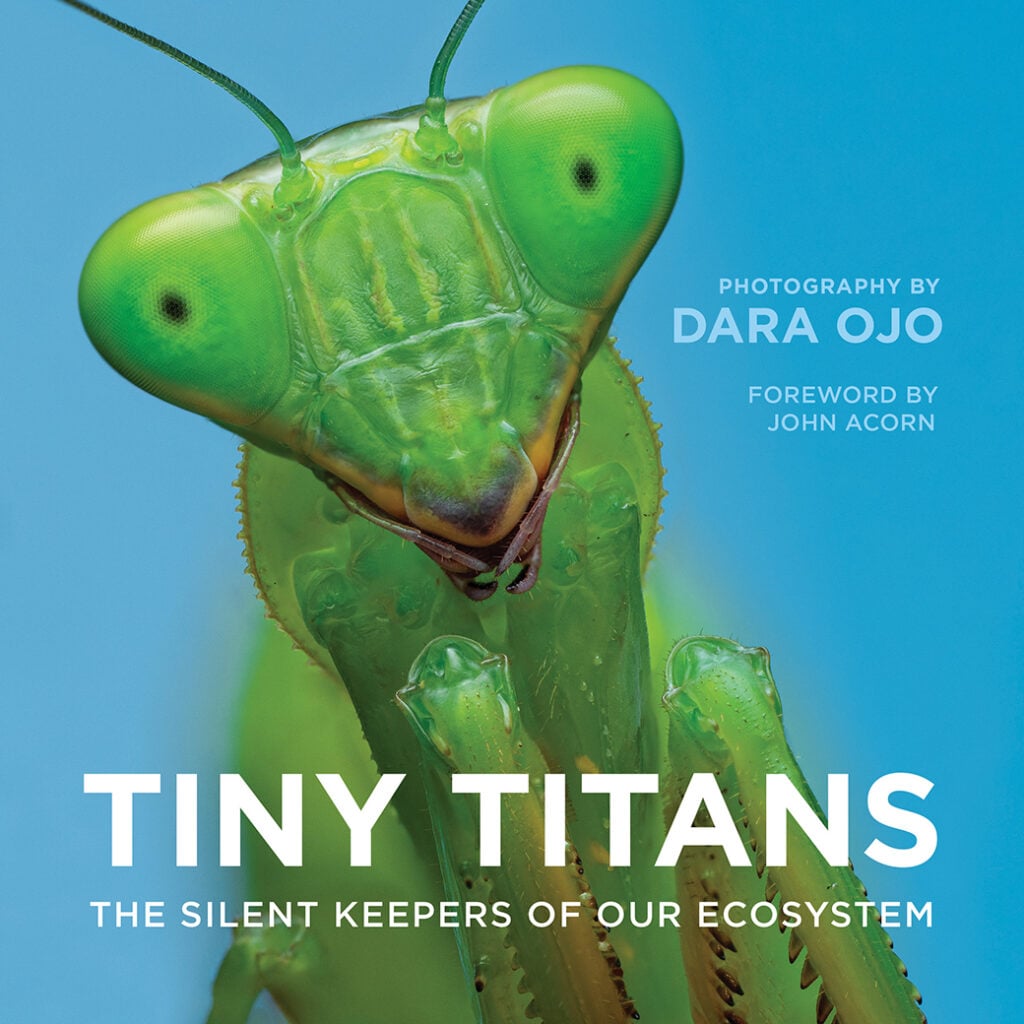
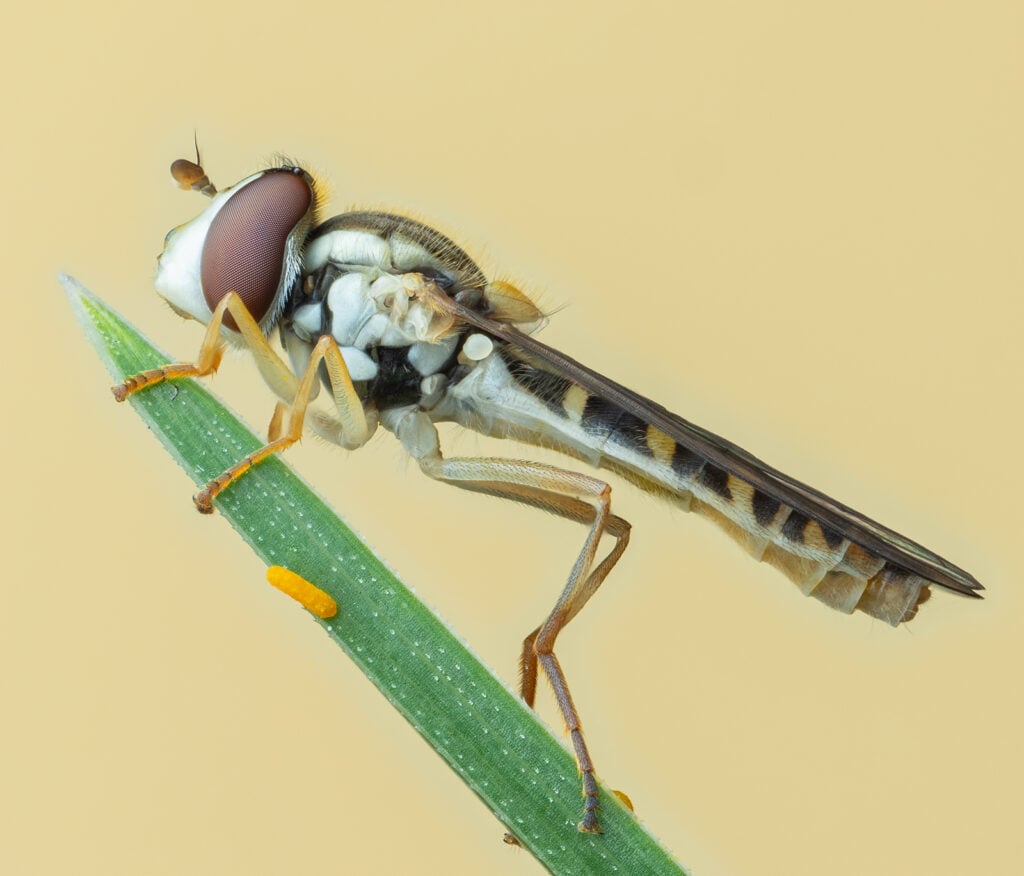
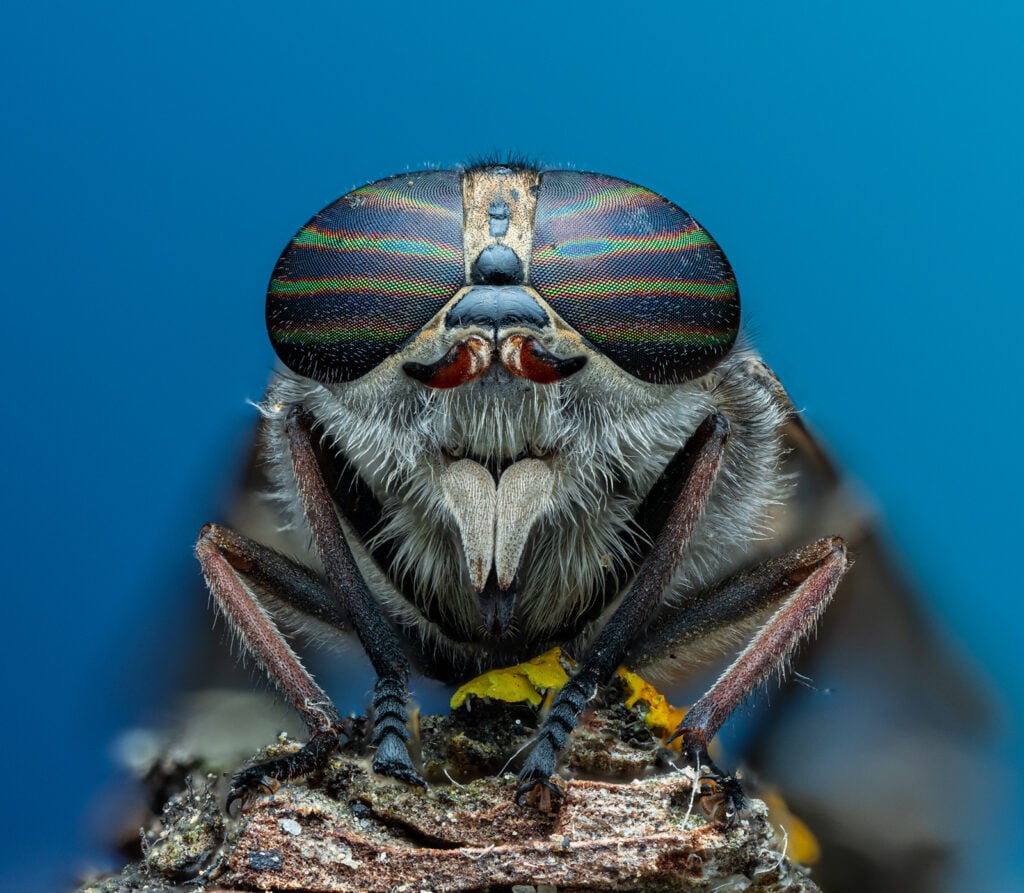
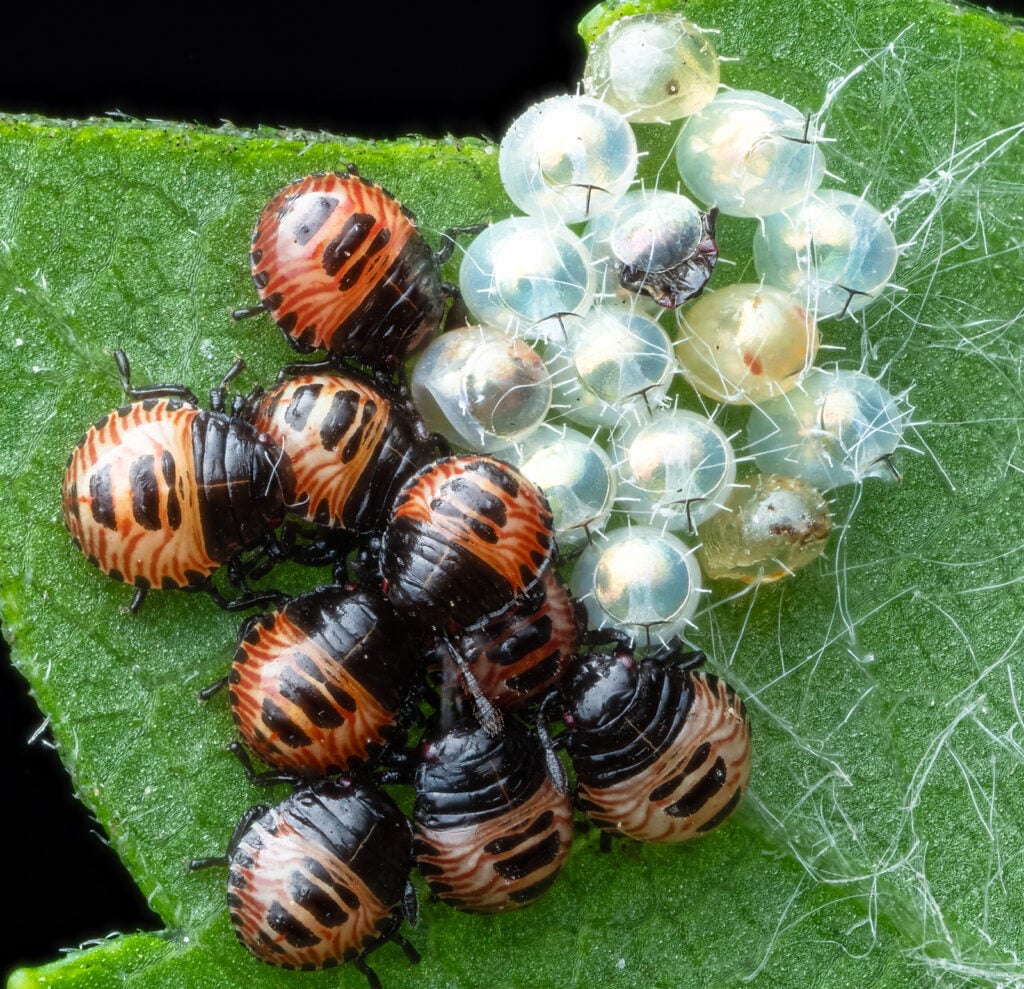
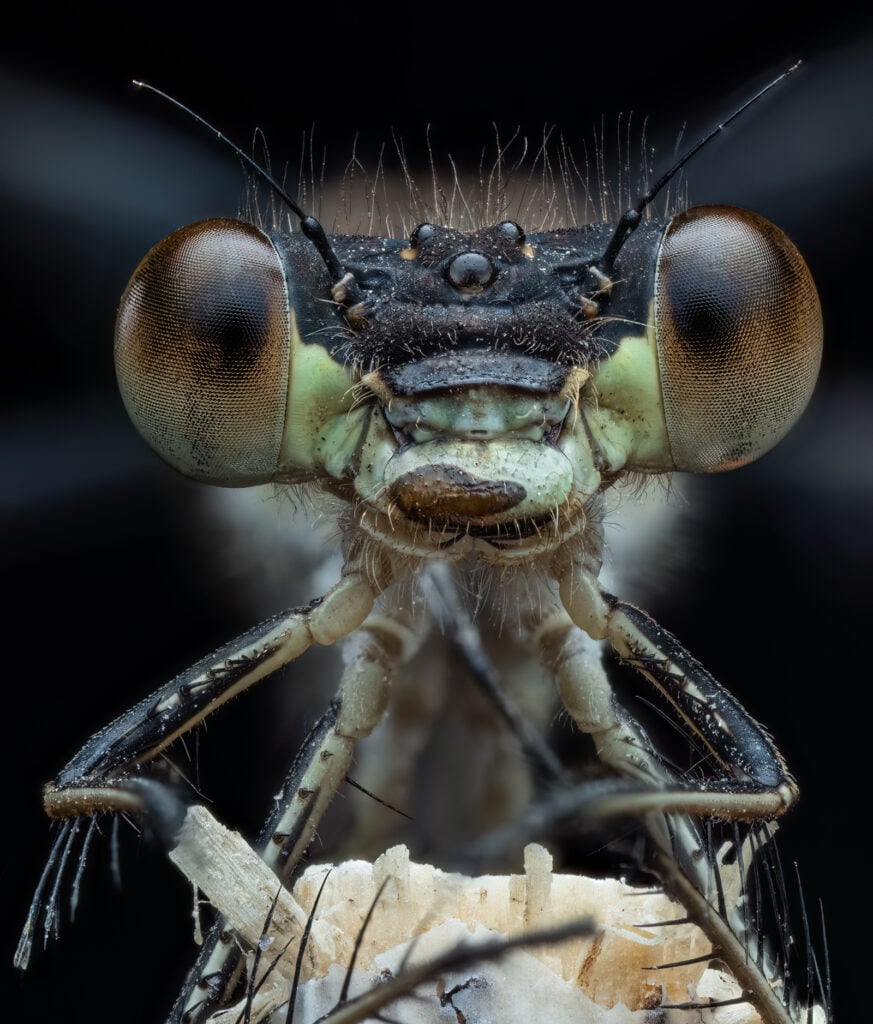
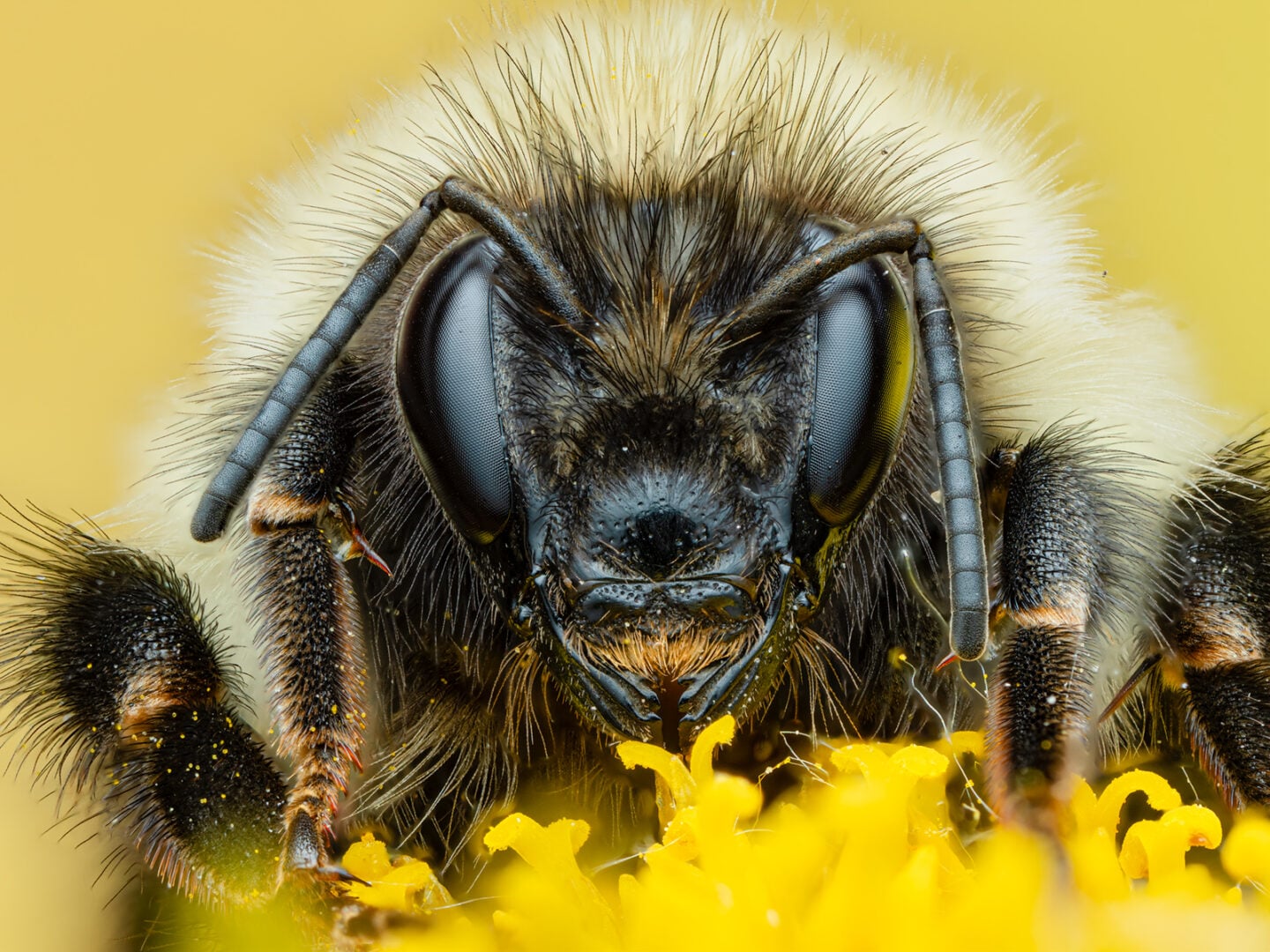
The Edmonton-based macro photographer has made it his mission to reveal the astonishing diversity of the insect world. His frames are both captivating and unsettling, a window onto a small world that most people never see (and indeed, often actively avoid!). Six years after first beginning to experiment with macro photography as a pandemic lockdown project, Ojo has built a loyal following on Instagram, where the comments on his images run the gamut from amazed to squicked out, but always appreciative of his skill. A book of Ojo’s photography, titled Tiny Titans: The Silent Keepers of our Ecosystem, comes out next month from Rocky Mountain Books.
Here, Ojo shares how his childhood in Lagos, Nigeria fostered his love of the natural world, how he developed his “bug eyes” and the bucket-list shot he has yet to make.
I planted my first yam when I was 11. I love farming and I used to play with earthworms all the time. I was obsessed with how earthworms are beneficial to flowers and soil. In Nigeria, we got a lot of mosquito bites, so I may have some PTSD from that … but now I’ve been able to understand the circle [of nature] better. It’s just what has to happen!
It was during the COVID lockdown period that I first picked up macro photography. I had been living and working in China [when] the pandemic began. Being unable to travel and spending more time in the natural world was really what started this whole journey. I wanted to understand how photography works — the nitty-gritty of using a camera in manual mode. I started with photographing water drops to master my shutter speed. I didn’t want to take photos of people because everybody does that, so I started taking photos of birds. I ran out of local birds [in China] and couldn’t travel, so a friend suggested I show people the insects in China.
There weren’t a lot of resources online about shooting insects [at the time]. There’s a substantial amount now, but I was basically self-taught. I had to make a lot of mistakes. But something whispered to me, “If you master this, you’ll create a niche for yourself,” so I held onto those words and I went back to the drawing board again and again.
You wouldn’t know these insects are there if you don’t have the eyes for it, so I call it developing your bug eyes. They’re so tiny, they can be hard to find. And now I’m always looking for them. Sometimes [my bug eyes] don’t work, though. I’ll go out for three hours, 7,000 steps, and find nothing. Other times I’ll spot a green bug on a green leaf instantly.
When it’s cooler, they’re more approachable — when they’re not buzzing or it’s not sunny yet. But if you want them in flight, it has to be daytime because you need a lot of light. If you want to get close, it has to be the morning. You have to be really patient to get the shot you want.
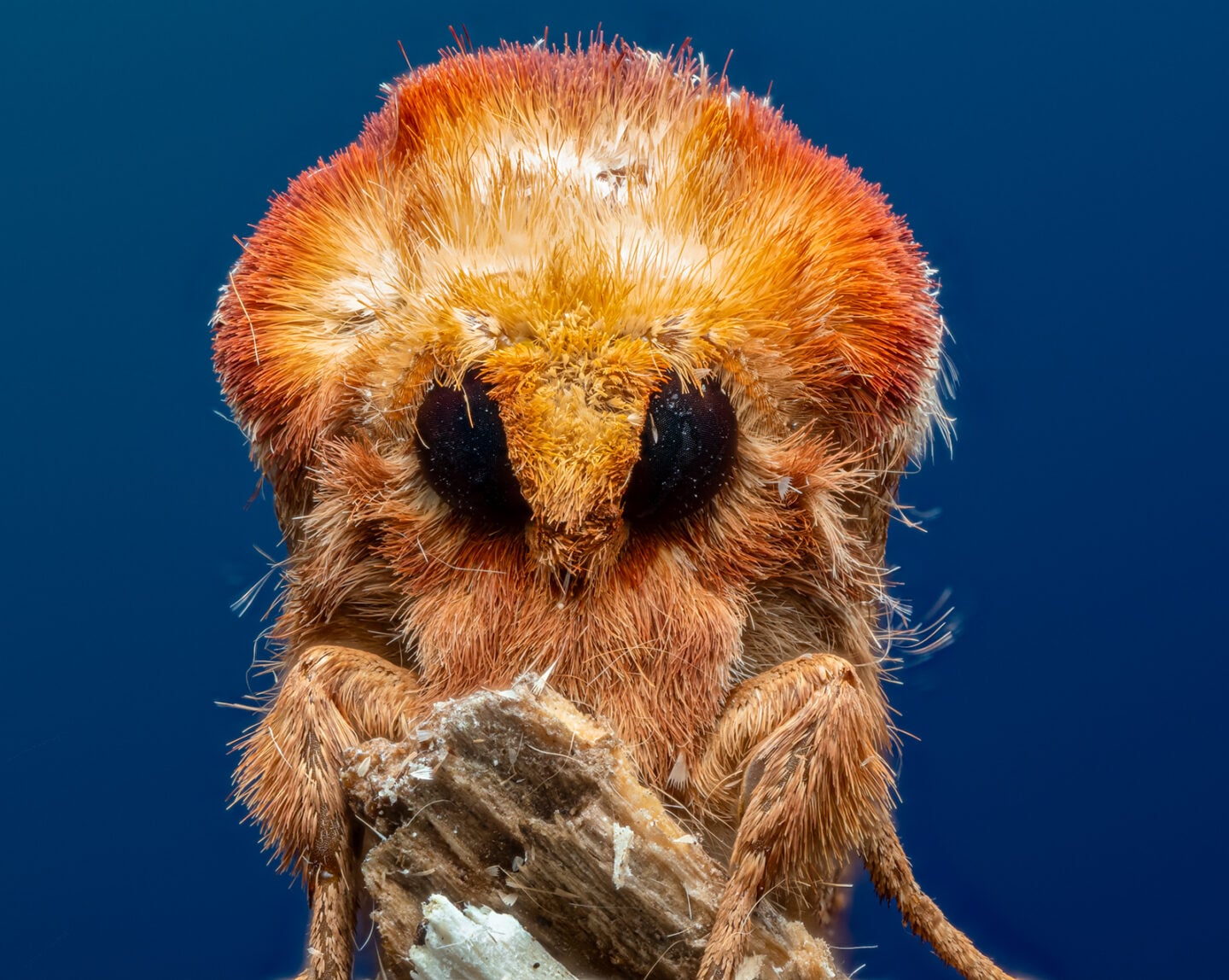
As I’ve developed more of a portfolio, I also have become more picky. I’m always looking for that extraordinary thing. Sometimes I feel like I’ve taken a shot before so I don’t want to do it again. I once spent two hours with a single moth in Costa Rica.
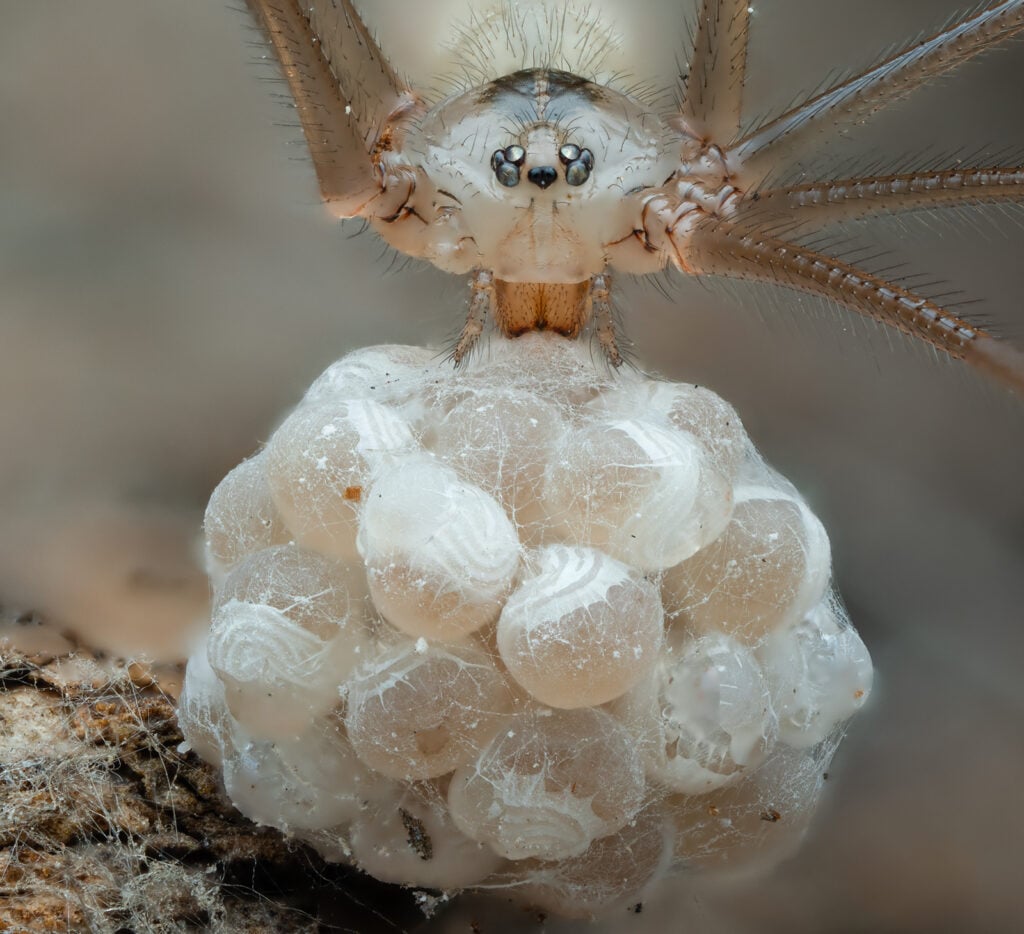
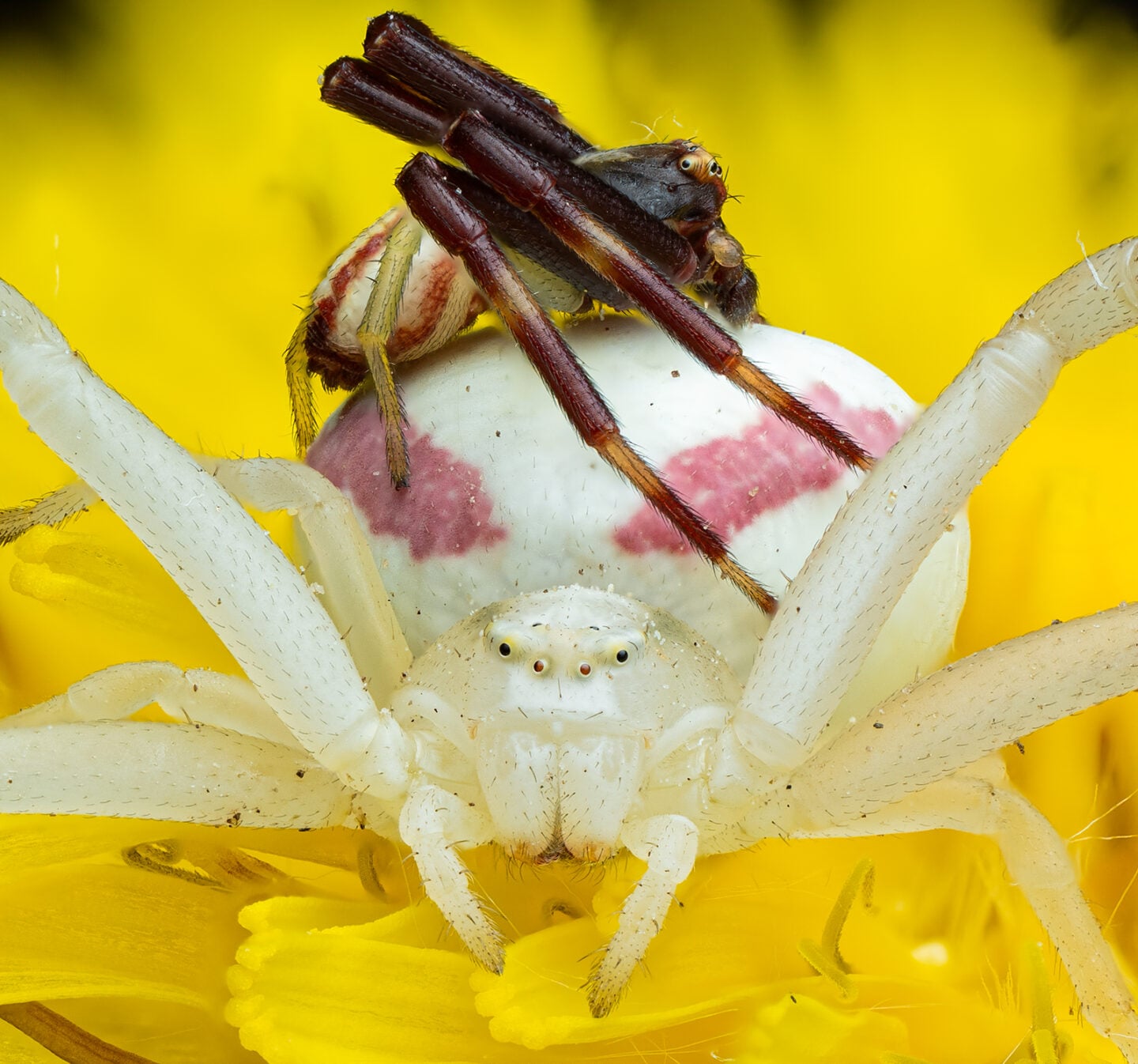
One of my videos of a spider went viral, with more than two million views. Despite that, the comments are still “I’m gonna step on it!” But 99 out of 100 times, a spider wouldn’t do anything to you, so I just don’t understand those comments. I’ve finally gotten people to see how beautiful they are, even if they might still hate them. They’re just really cool creatures.
In Canada, I’ve been trying to shoot a tiger beetle. I have one from Costa Rica, but they’re quite different here. They can be difficult to find in the areas I photograph, particularly as some of the specialized habitats they depend on are being lost or disturbed. I’ve been looking for one for three years now. The search continues!
I’ve been really surprised to find such cool insects in Canada, for a colder country. My favourite place to shoot has been Costa Rica, and Nigeria also has a lot to offer, so I’m hoping to just go to more places too.
Wildlife
Wildlife photographers on the thrill of the chase — and the importance of setting ethical guidelines

Wildlife
The newest exhibition at the Canadian Museum of Nature invites visitors to experience the world from a bug’s perspective through immersive, sensory experiences
Wildlife
Insects are by far the most populous species on the planet, but they seem to be disappearing. Why aren’t more people concerned?

Environment
In his new book, Canadian author and epidemiologist David Waltner-Toews explores our conflicted relationship with insects