Environment
Inside the fight to protect the Arctic’s “Water Heart”
How the Sahtuto’ine Dene of Délı̨nę created the Tsá Tué Biosphere Reserve, the world’s first such UNESCO site managed by an Indigenous community
- 1663 words
- 7 minutes
Exploration
September 13 marks UNESCO’s new International Day of Caves and Karst, bringing greater recognition to the importance of the landscapes beneath our feet
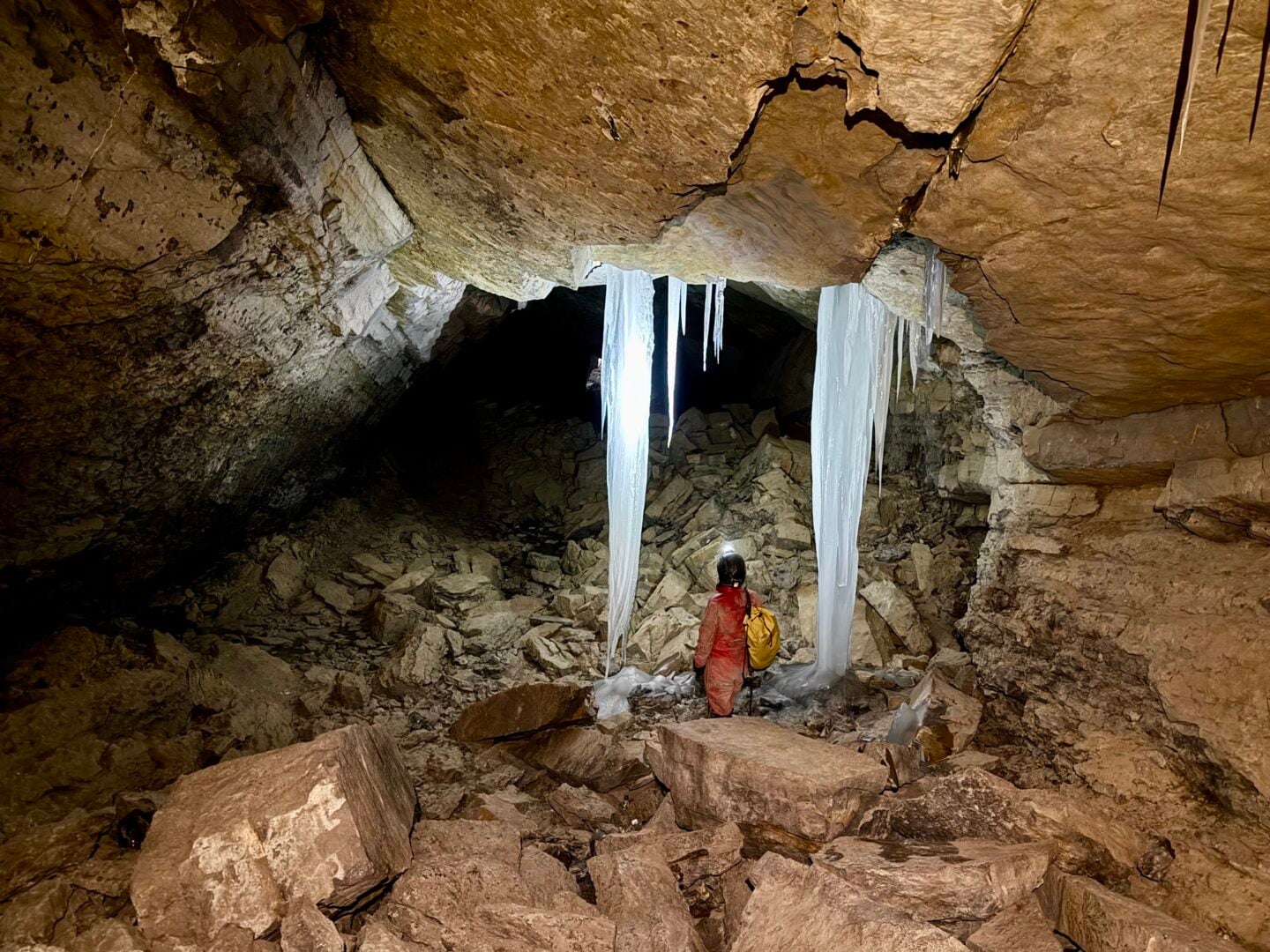
It’s easy to take the water we drink for granted. It comes from reservoirs, rivers, and the ocean, travelling through valleys and mountains and sometimes through the land to reach us.
Over many thousands of years, water dissolves bedrock and shapes the landscape, creating karst — often including underground waterways and caves. Karst makes up 10 to 15 per cent of the Earth’s ice-free land surface, and even more of the part we do not see: our planet’s underground. Around 1.2 billion people live in karst regions, while 20 to 25 per cent of the world’s population depends partly or entirely on these systems for drinking water.
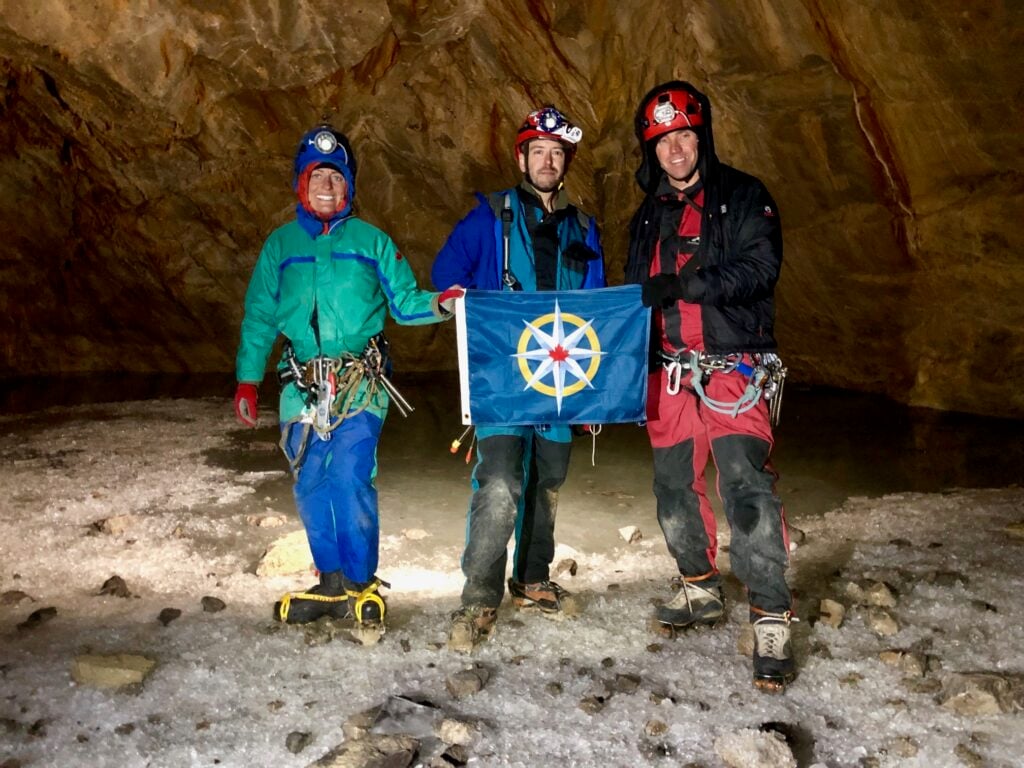
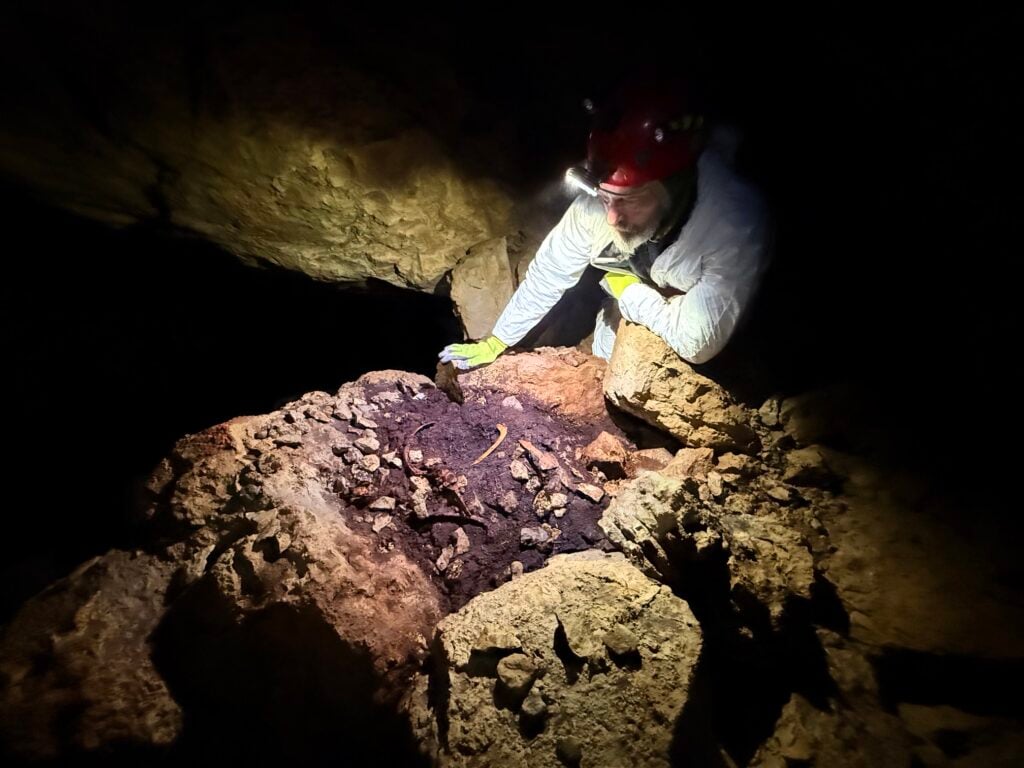
These underground systems are not only valuable groundwater supplies, they also contain unique and endangered species, archaeological deposits, and irreplaceable mineral formations that can tell us about the development of the Earth and our planet’s climate history.
To help nations and their people recognize these features, UNESCO — the United Nations Educational, Scientific and Cultural Organization — has proclaimed an International Day of Caves and Karst. The initiative dedicates a day to education, conservation, and public awareness, promoting global recognition and sustainable management of these vital environments.
Following the success of the International Union of Speleology’s International Year of Caves and Karst in 2021 and 2022, United Nations member states have ratified September 13 as the UNESCO Day of Caves and Karst.
Canada ranks amongst the countries with the greatest karst coverage in the world. It is one of only four countries with more than 1,000,000 square kilometres of karst surface, the others being Russia, the U.S., and China. Like many civilizations around the world, ours developed around karst areas and karst groundwater supplies millions of Canadians. Appreciation of this importance is growing.
During the International Year of Caves and Karst, B.C. proclaimed June 6, 2021, and June 5, 2022, as Caves and Karst Day — a welcome recognition of the value of caves and karst in the province with the highest concentration in Canada.
UNESCO and karst already have much in common. The UNESCO Convention Concerning the Protection of the World Cultural and Natural Heritage has facilitated the recognition of 87 World Heritage Properties in 56 UN Member States that contain caves and/or karst features. At least 167 UNESCO Biosphere Reserves and 97 Global Geoparks (out of 195) contain caves or karst. Of Canada’s 22 UNESCO World Heritage sites, three specifically mention cave and karst features.
A place may be listed if it contains superlative natural phenomena or areas of exceptional natural beauty and aesthetic importance, or outstanding examples representing major stages of Earth’s history. These may include records of life, significant ongoing geological processes in the development of landforms, or significant geomorphic or physiographic features.
The Canadian Rocky Mountain Parks comprise Banff, Jasper, Kootenay, and Yoho national parks, and Mount Robson, Mount Assiniboine, and Hamber provincial parks. Their inclusion on the list derives partly from their rugged mountain peaks, icefields and glaciers, alpine meadows, lakes, waterfalls, and extensive karst cave systems.
Nahanni National Park Reserve was included in part for its spectacular karst terrain, cave systems and hot springs. Lastly, Wood Buffalo National Park’s inclusion relates partly to its rare and superlative natural phenomena: a large inland delta, salt plains and gypsum karst that are equally internationally significant.
The Royal Canadian Geographical Society, Speleo Canada, representing the provincial speleological associations, and Xaadée ‘Wáadluwaan Née / XaaydaGa ‘Waadluxan Naay ( Council of the Haida Nation) were three Canadian supporters of the UNESCO proposal. An International Day backed by UNESCO brings additional awareness of caves and karst to the public and governments worldwide. The hope is that the significance of these environments, the wonders that we are already aware of, and those we have yet to discover, may become better known to the world.
For more information, visit UNESCO: International Day of Caves and Karst and Day of Caves and Karst.
Environment
How the Sahtuto’ine Dene of Délı̨nę created the Tsá Tué Biosphere Reserve, the world’s first such UNESCO site managed by an Indigenous community
Exploration
Caving: The ultimate underground sport
Science & Tech
How a giant hole will help Ontario’s shift away from fossil fuels
Exploration
2022 is the International Year of Caves and Karst. Here’s why you should care about the hidden worlds beneath our feet.