Wildlife
Announcing the winners of the 2022 Canadian Wildlife Photography of the Year competition
Canadian Geographic is pleased to honour 14 photographers for their outstanding images of Canadian wildlife
- 1238 words
- 5 minutes
People & Culture
Canadian Geographic is pleased to honour 18 photographers for their outstanding images of Canadian wildlife

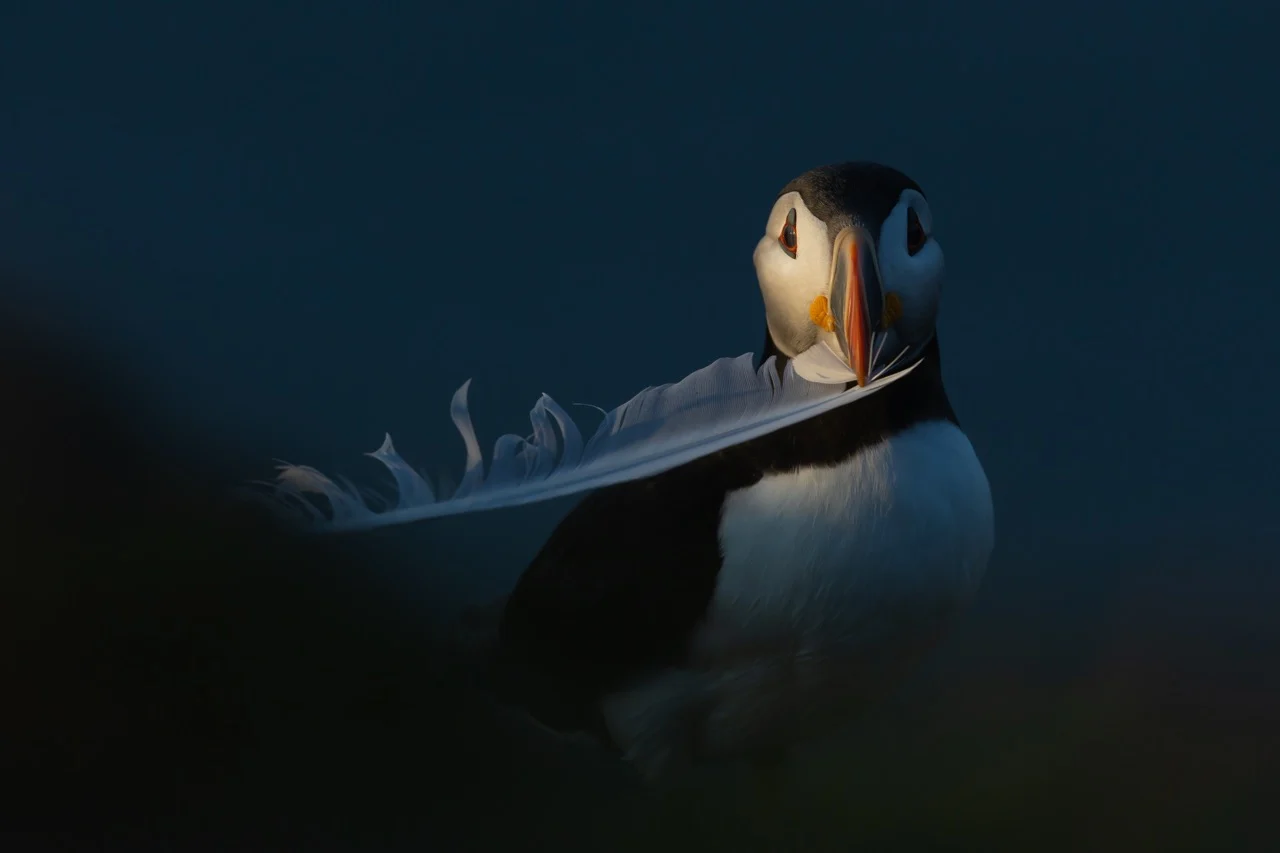
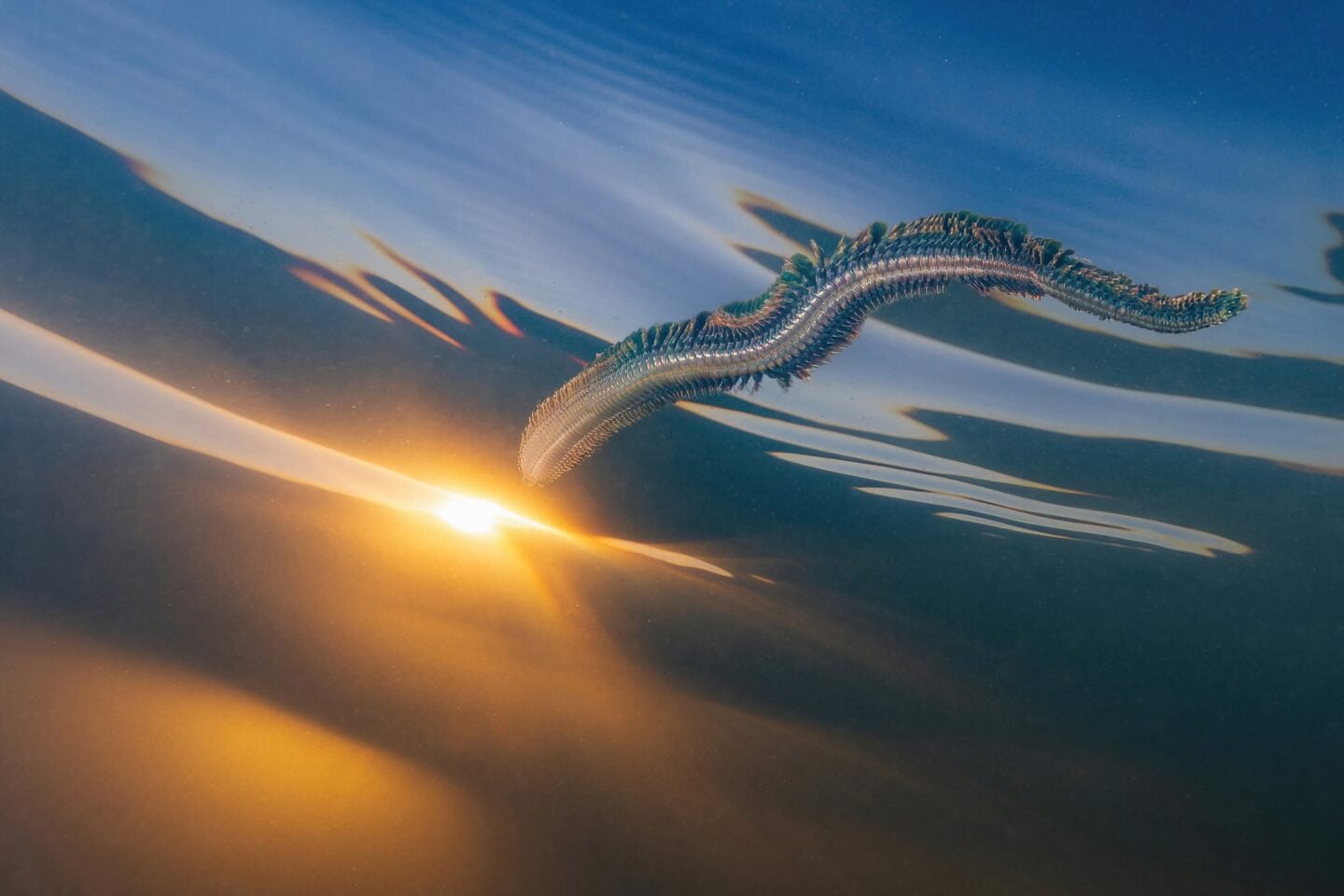
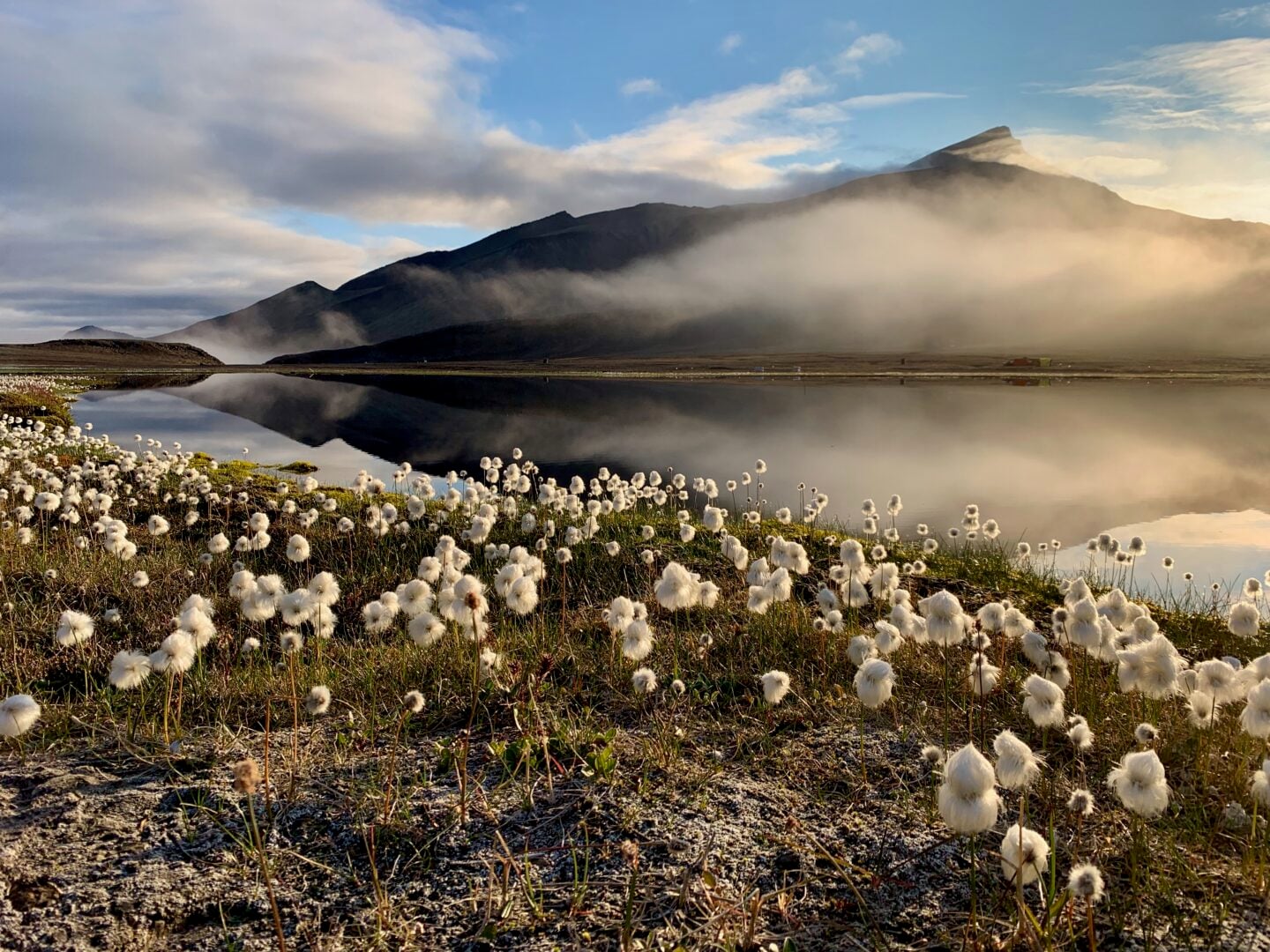
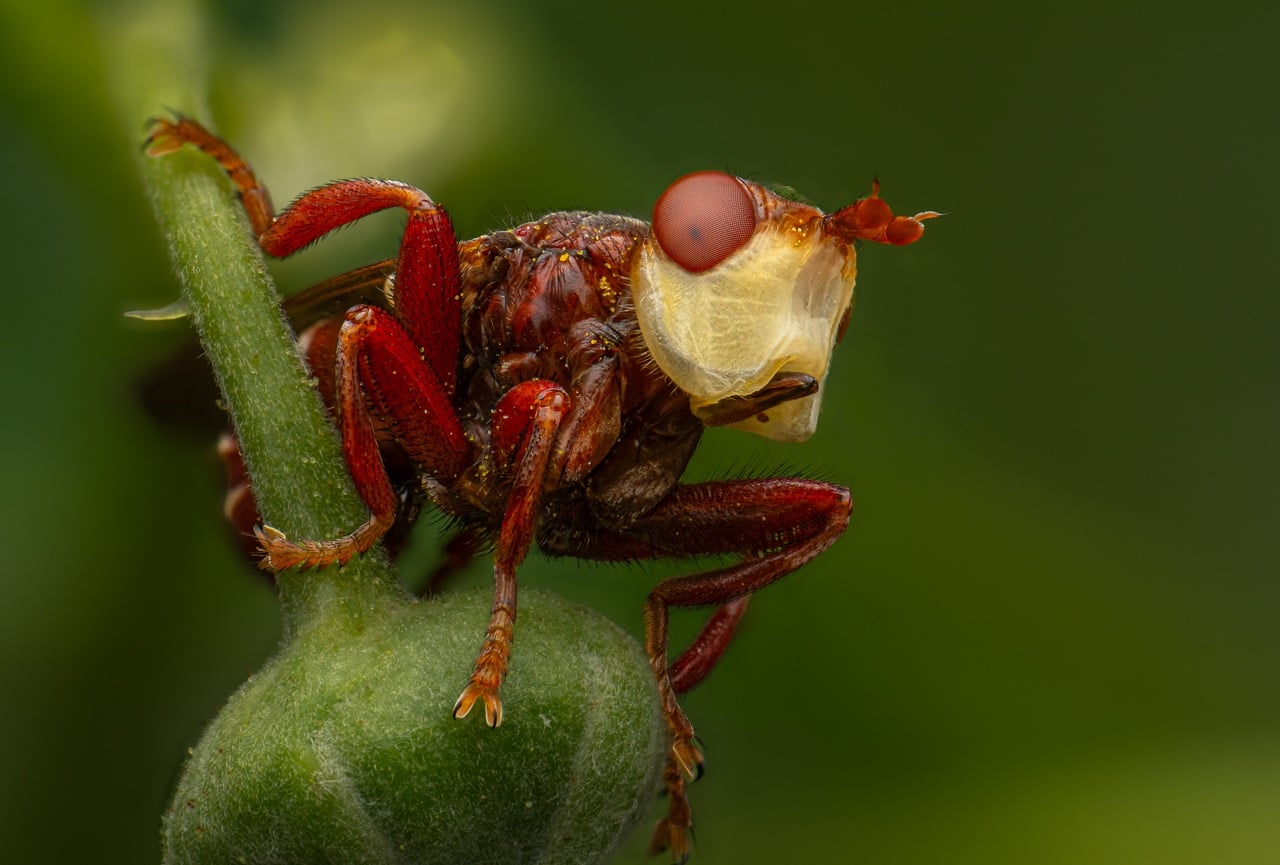
A male sandworm in vibrant mating colours swims toward the sunlight glinting on the St. Lawrence Estuary. A thick-headed fly perches on a raspberry cane, seeking out a host for its larvae. The snow-white heads of Scheuchzer’s cottongrass glow in the midnight sun on Axel Heiberg Island, Nunavut. The winning images of Canadian Geographic’s 2026 Canadian Wildlife Photography of the Year competition are a testament to the beauty of backyard biodiversity and the weird and wonderful wildlife that often escapes our notice.
Among the more than 10,000 entries, one photographer’s body of work stood out. The 2026 Canadian Wildlife Photographer of the Year is David Sturge of Paradise, N.L., who joins the Can Geo masthead as an Audain Emerging Photographer-in-Residence. Thanks to the generous support of the Audain Foundation, Sturge will have the opportunity to shoot on assignment for Canadian Geographic in B.C. and to participate in events that promote visual storytelling.
Read on to learn more about Sturge and see the photos that most impressed our judges: wildlife photographers John E. Marriott, Maxime Légaré-Vézina, Javier Frutos and Jenny Wong, as well as the editorial staff of Canadian Geographic.
David Sturge
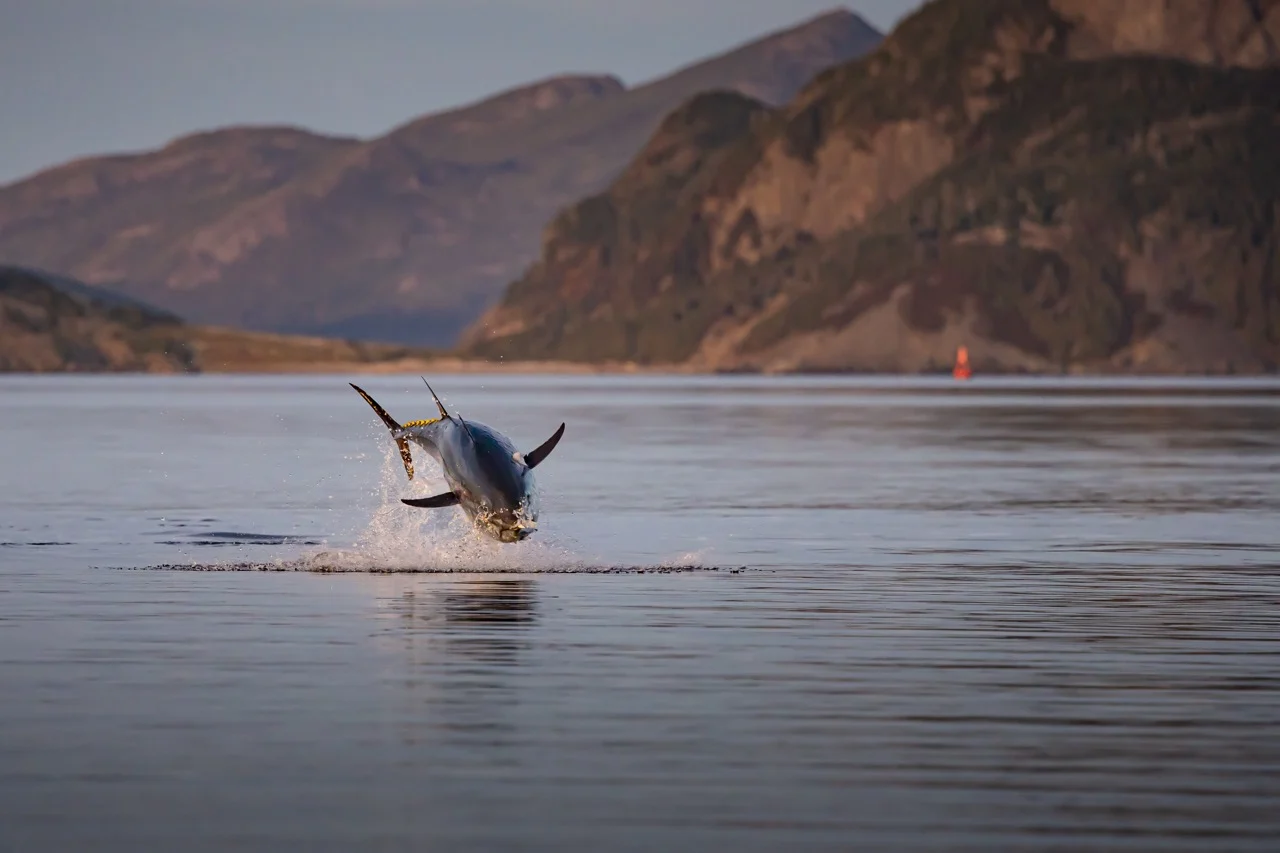
The snow-covered ice sheet that had formed along the coast of Newfoundland’s Ingornachoix Bay was rare. It was reportedly only the second time in 40 years that such a sheet had appeared. This past February, photographer David Sturge spent four days on the pack ice, photographing the scarcely-seen harem of harp seals and their nursing young that filled the inlet.
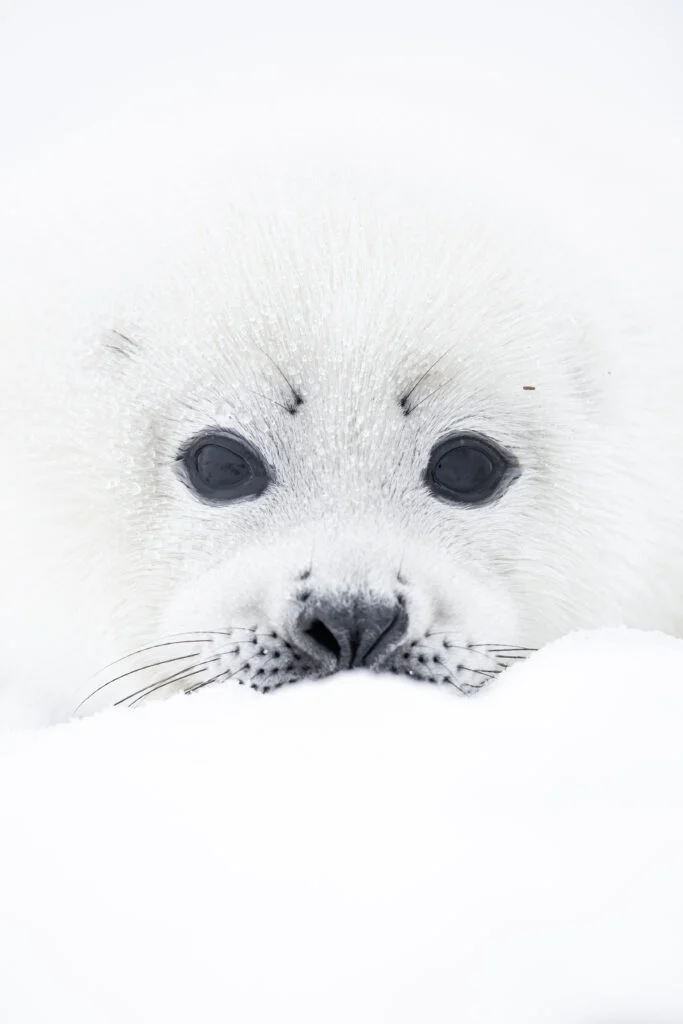
On the third day, Sturge noticed a sluggish pup that hadn’t left its post for days. As Sturge sprawled on his side to photograph the cub’s piercing black eyes, he suddenly understood its stillness: a snow-covered seal carcass — likely the pup’s mother — lay nearby. “Thank you for giving me this,” Sturge said to the pup. His practice has long been to acknowledge his animal subjects for allowing him to share their stories.
The day after he left the ice, the wind shifted and the pack ice went out. Sturge reflected on how his grandfather never had to worry or venture far to reach stable pack ice and see seals. As climate change has diminished the annual extent of sea ice, the young seals’ nursery habitat is shrinking; many pups do not survive to adulthood. Sturge left the shoot heartbroken but motivated. “I can do this,” he recalls thinking. “I can find the story, I can get the images, I’m going to make a difference.”
Sturge grew up in Labrador City. On annual family vacations to Newfoundland, he spent hours crawling under fishing stages, finding crabs, snails and fish. “It was an ecological Disneyland,” he says. His journey in photography began with watching his dad capture those vacations with an old Argus C35. Sturge himself started out as a self-proclaimed “weekend warrior,” photographing weddings. Then, 10 years ago, he left his desk job to chase the life he truly wanted as a wildlife photographer, taking gigs as a provincial park ranger and captain on marine wildlife boat tours to be closer to the animals.
Now, Sturge wants to use his photography to raise awareness of how the natural world is changing and the importance of protecting wildlife. “I love to create beautiful images and connect with these creatures,” he says, “but I know these stories need to be told.”
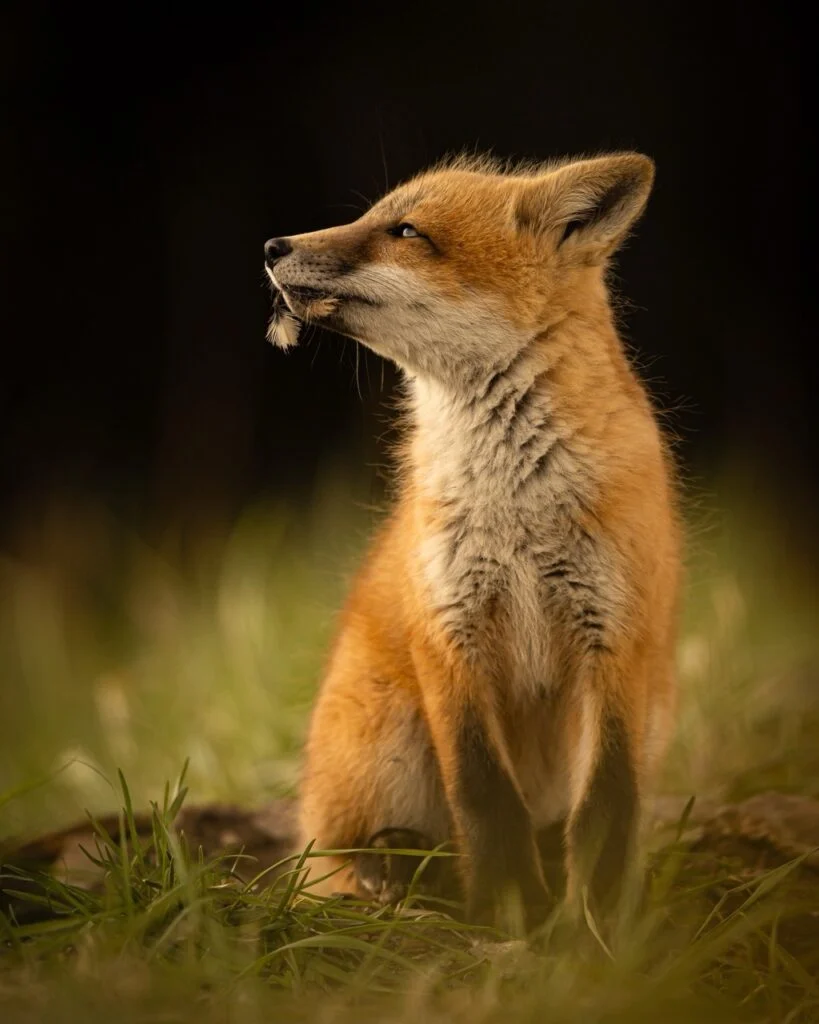
Winner: Steven Marriott
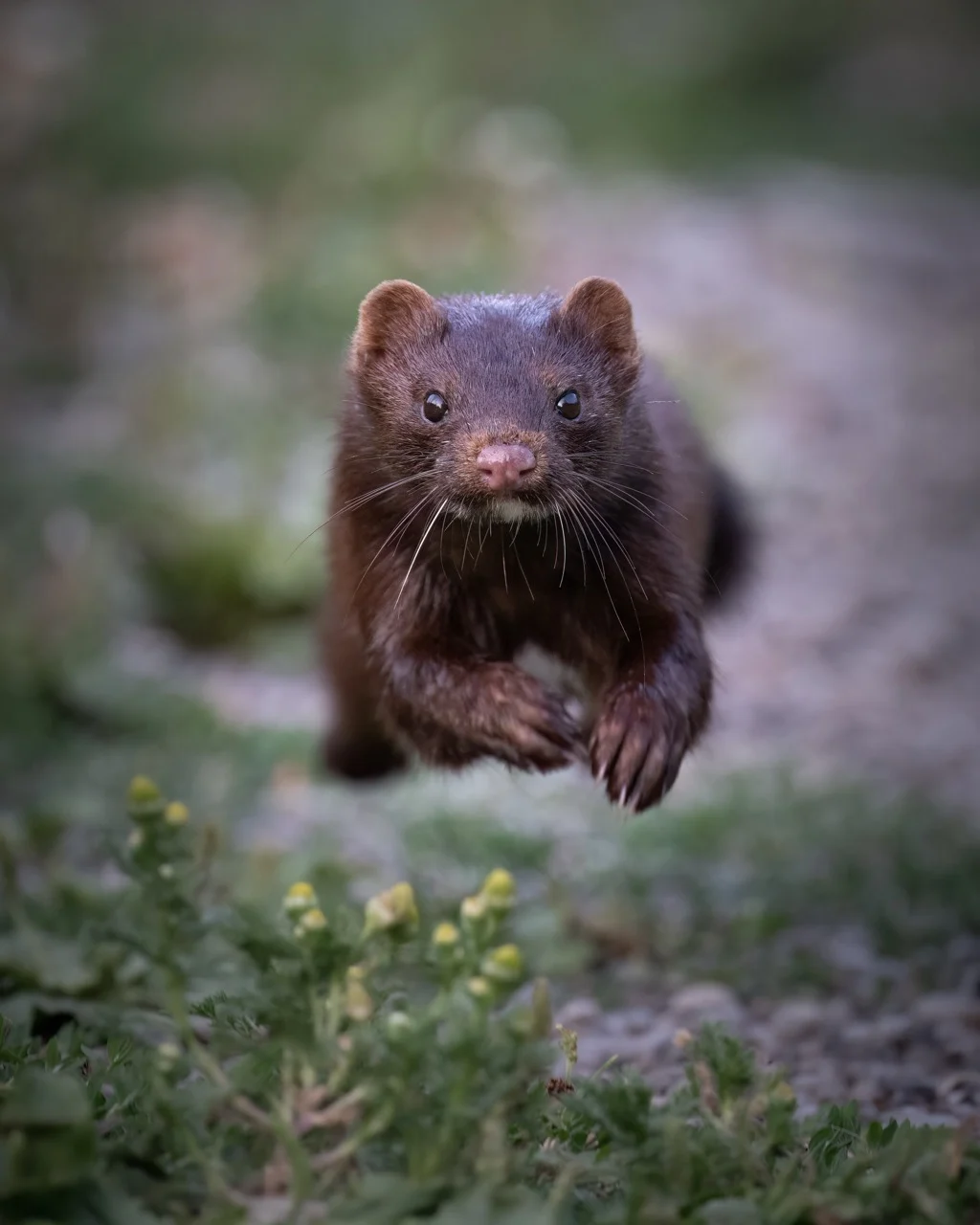
An American mink makes a dash toward the camera after caching some prey in the brush at Lynde Shores Conservation Area in Whitby, Ont.
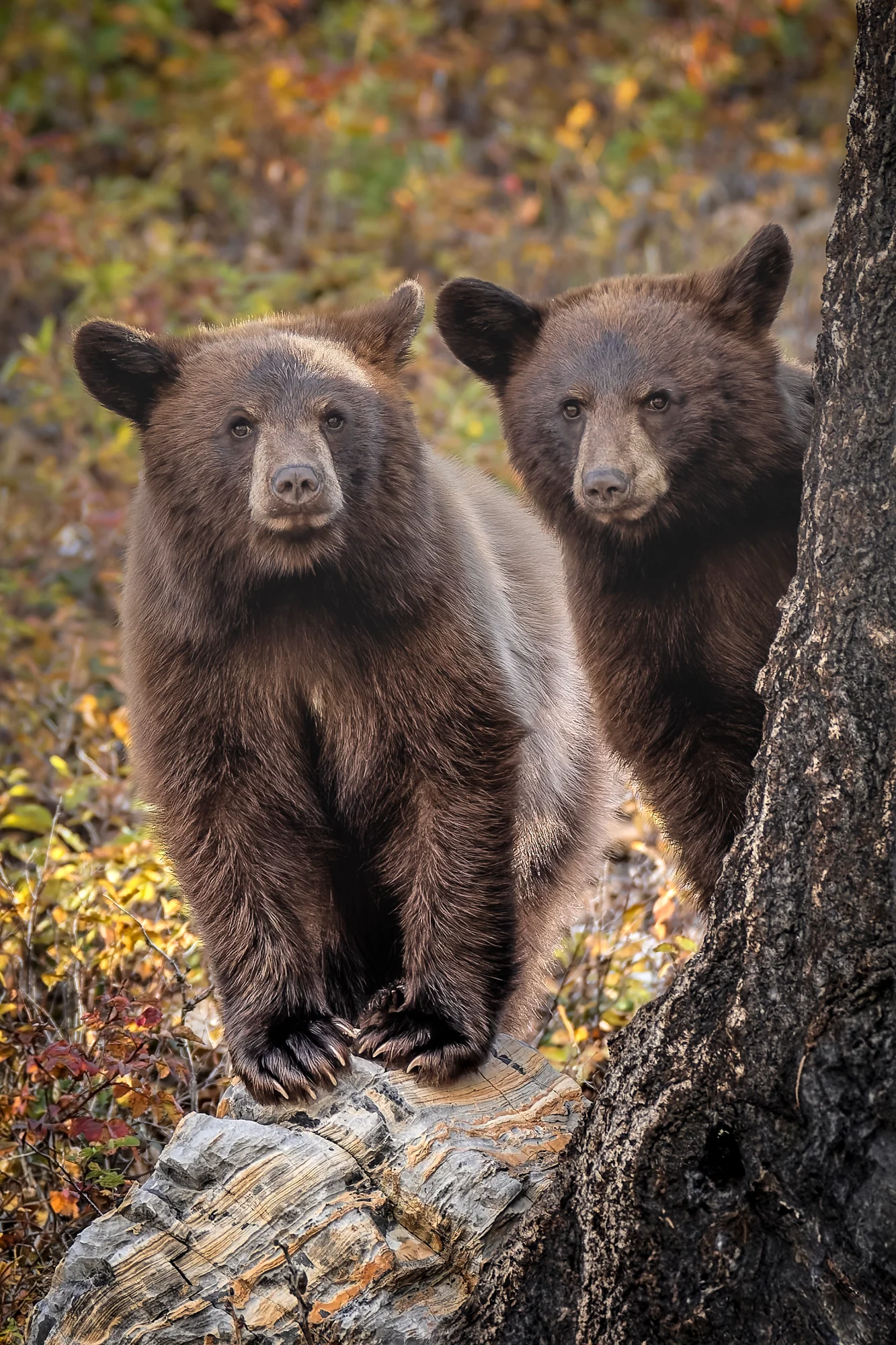
Runner-up: Chris Gibbs
Black bear cubs warily eye their surroundings while following their mother through Waterton Lakes National Park, Alta.
Winner: Jean-Christophe Lemay
A sandworm (Alitta virens) swims in the St. Lawrence Estuary in Rimouski, Que. Sandworms spend most of their lives in burrows in the seafloor, emerging only to eat, but during their spring mating season, males become colourful and swim to the surface to fertilize the females’ eggs.
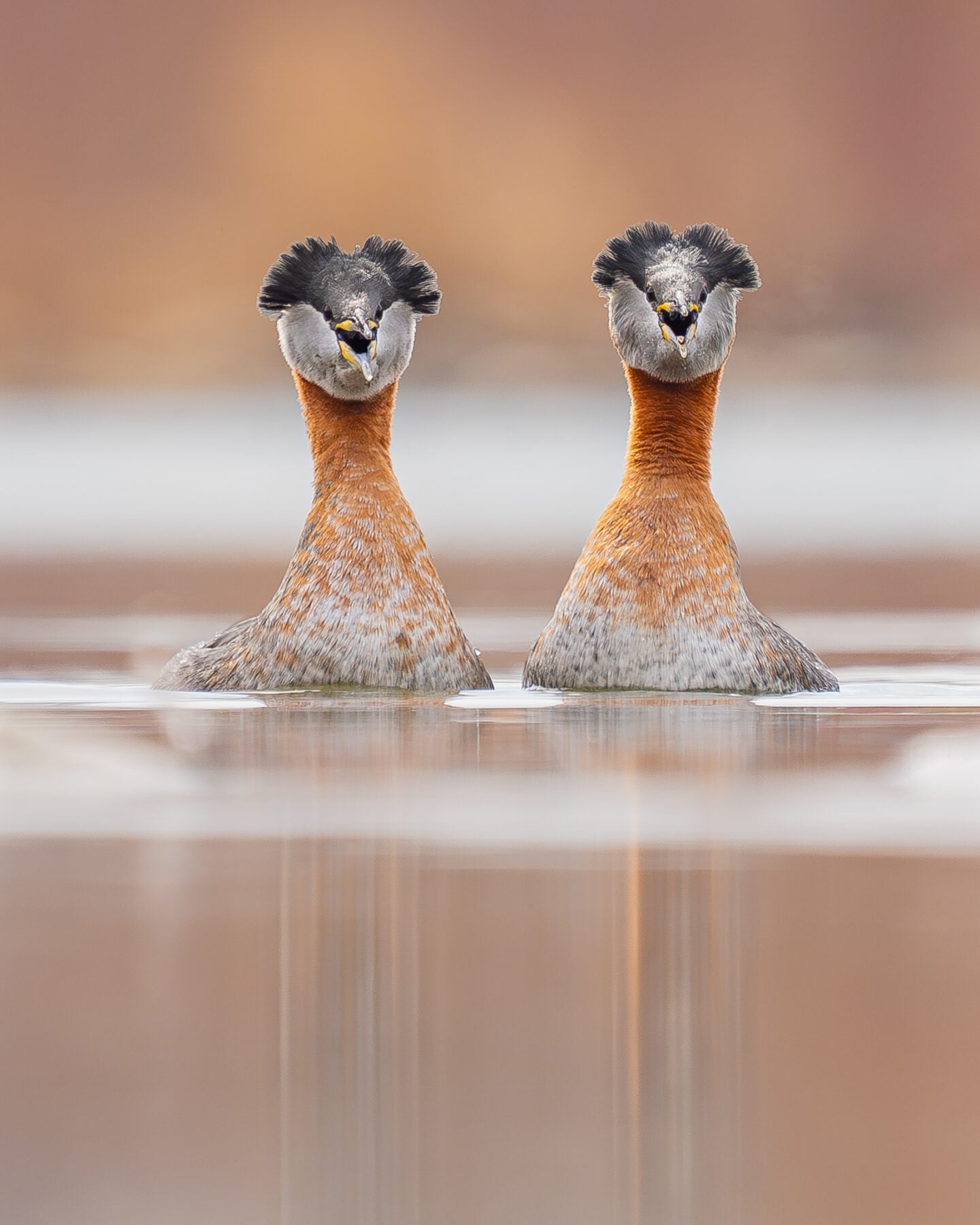
Runner-up: Yagnesh Mangukiya
A pair of red-necked grebes in Toronto’s Colonel Samuel Smith Park performs an elaborate mating ritual involving synchronized swimming and loud vocalizations.
Winner: Anthony Zerafa
Scheuchzer’s cottongrass (Eriophorum scheuchzeri) — known in the North Baffin dialect of Inuktitut as kanguujat (“what looks like snow geese”) — on the shore of Colour Lake on Axel Heiberg Island (Umingmat Nunaat), Nunavut.
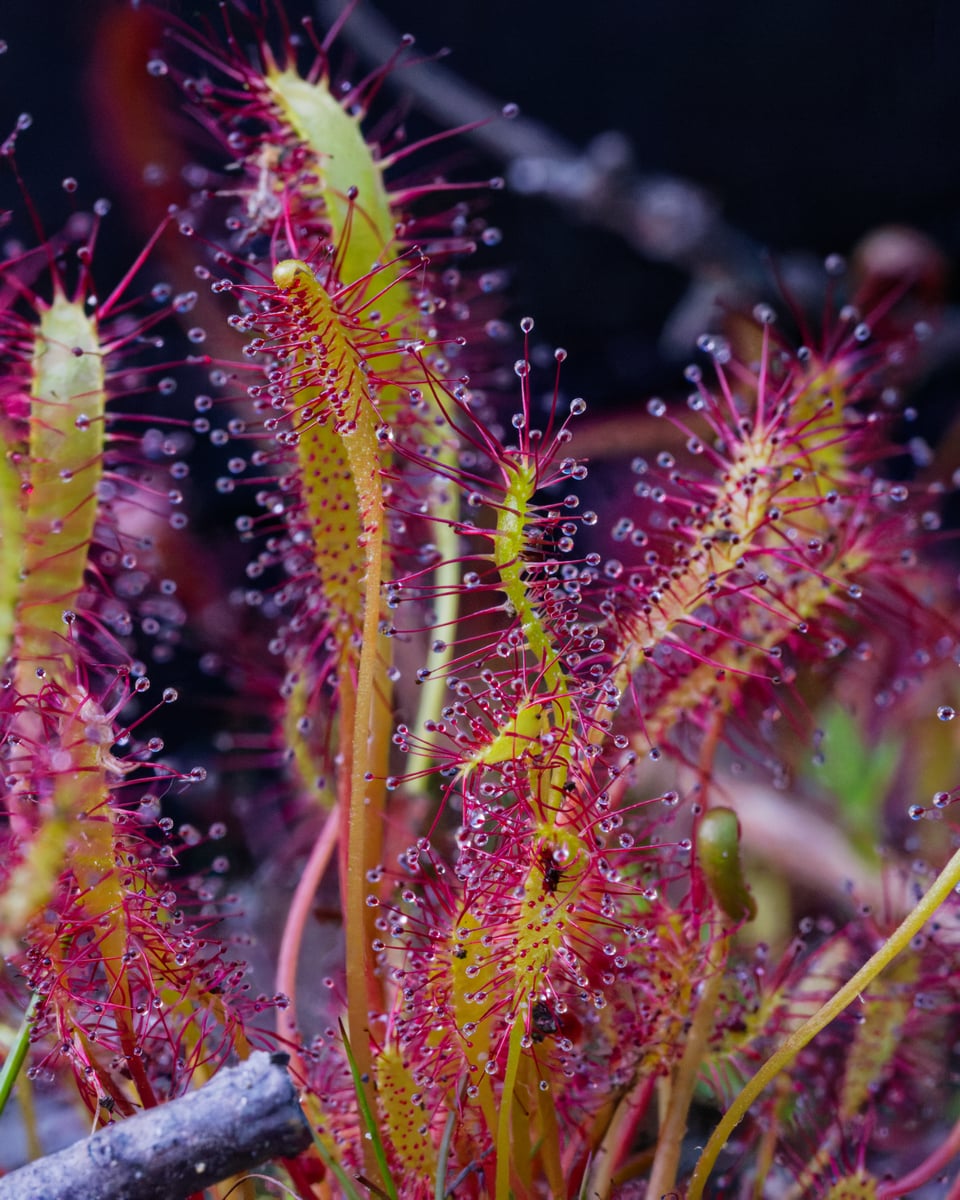
Runner-up: John Deal
A great sundew at Echo Lake on Vancouver Island, B.C. Sundews are carnivorous; insects are attracted to their sugary scent, then trapped by the sticky drops on the plant’s leaves, which bend around their prey to facilitate digestion.
Winner: Jon Behuniak
The photographer was searching for native bees to photograph in his backyard in Asquith, Sask. when he noticed this thick-headed fly (Myopa clausa) on a raspberry cane. These flies tend to hang out where they can find hosts — namely bees and wasps — for their parasitic larvae.
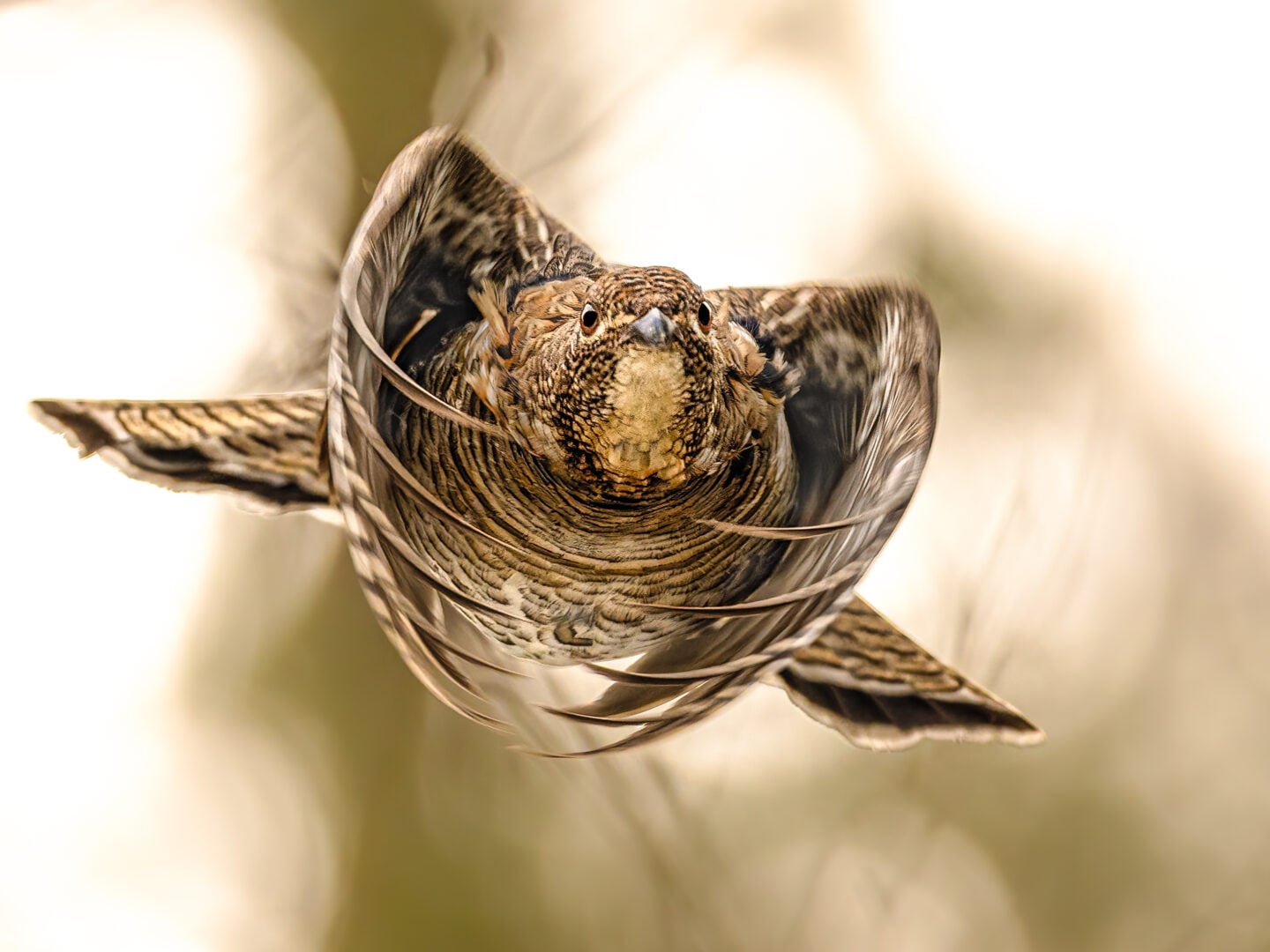
A split-second capture freezes the moment a startled ruffed grouse rockets out of a tree in Algonquin Provincial Park, Ont.
Eli Wolpin
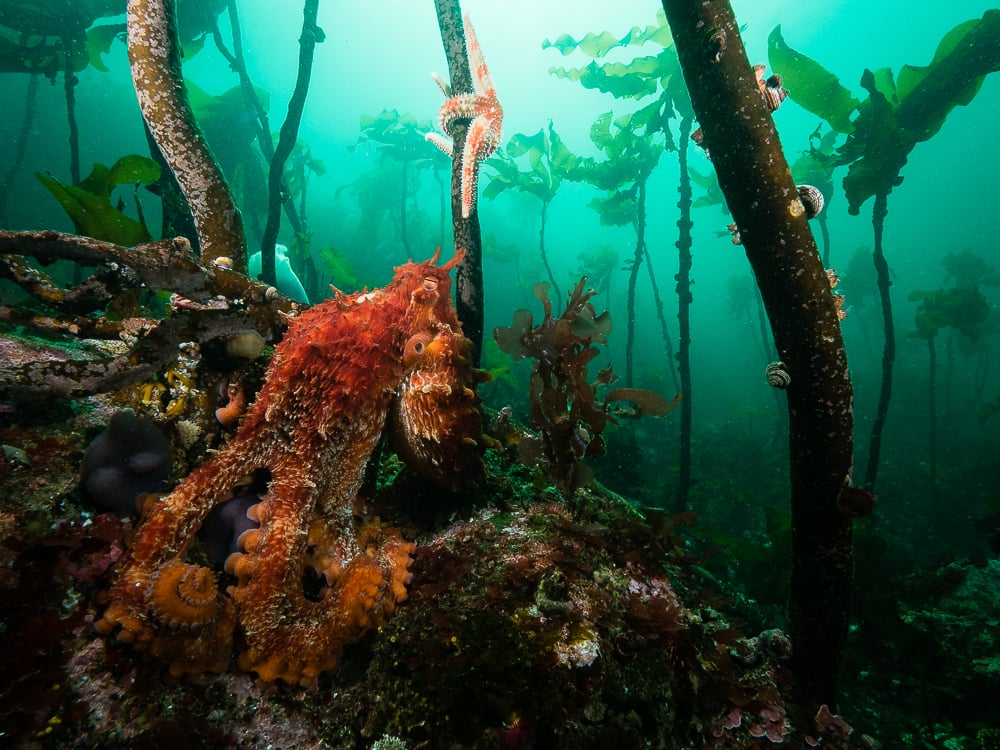
A giant Pacific octopus rests amid the kelp forest in Browning Pass, Port Hardy, B.C.
Dalin Laqua
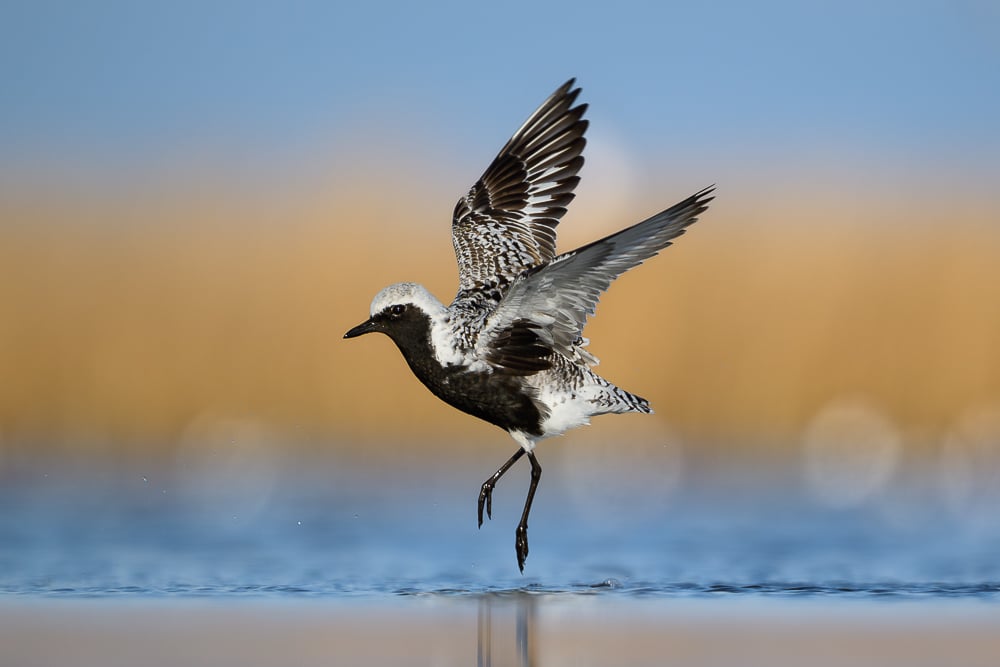
A black-bellied plover rises above the surface of Frank Lake, near High River, Alta.
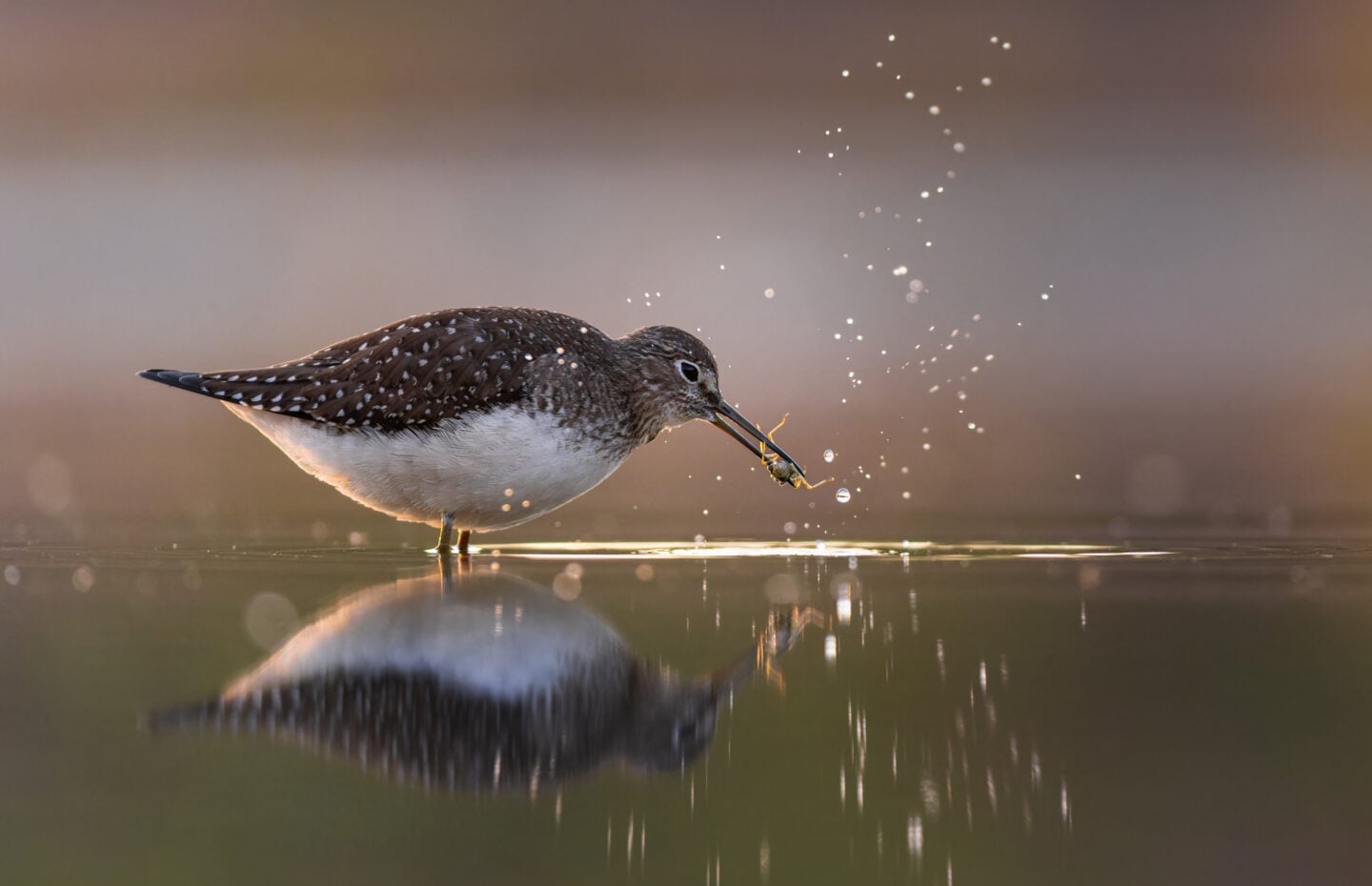
Jack Medeiros
A solitary sandpiper fuels up for its fall migrations at Lemoine Point Conservation Area in Kingston, Ont.
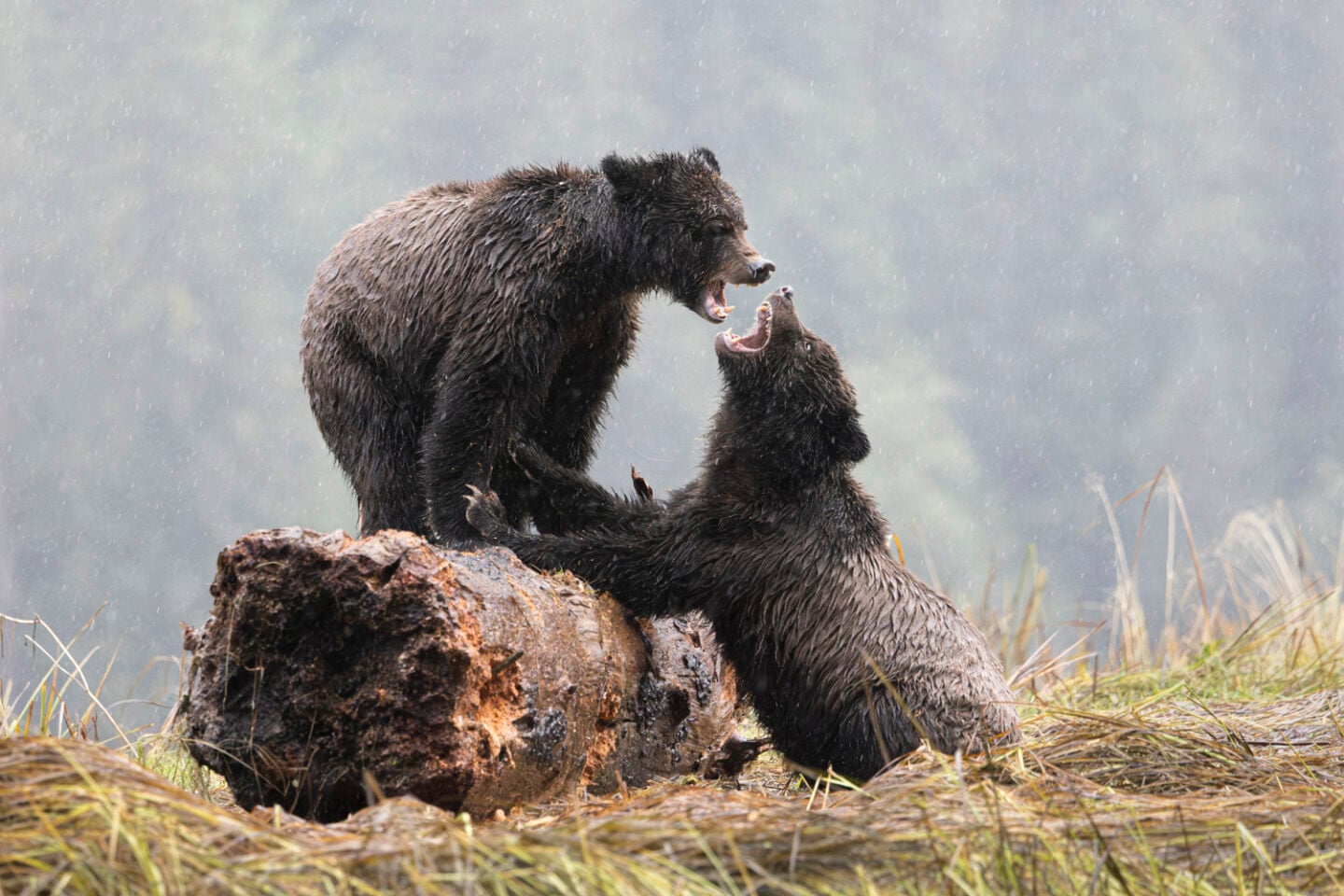
Liron Gertsman
Grizzly bear siblings playfight during a burst of heavy rain in B.C.’s Great Bear Rainforest.
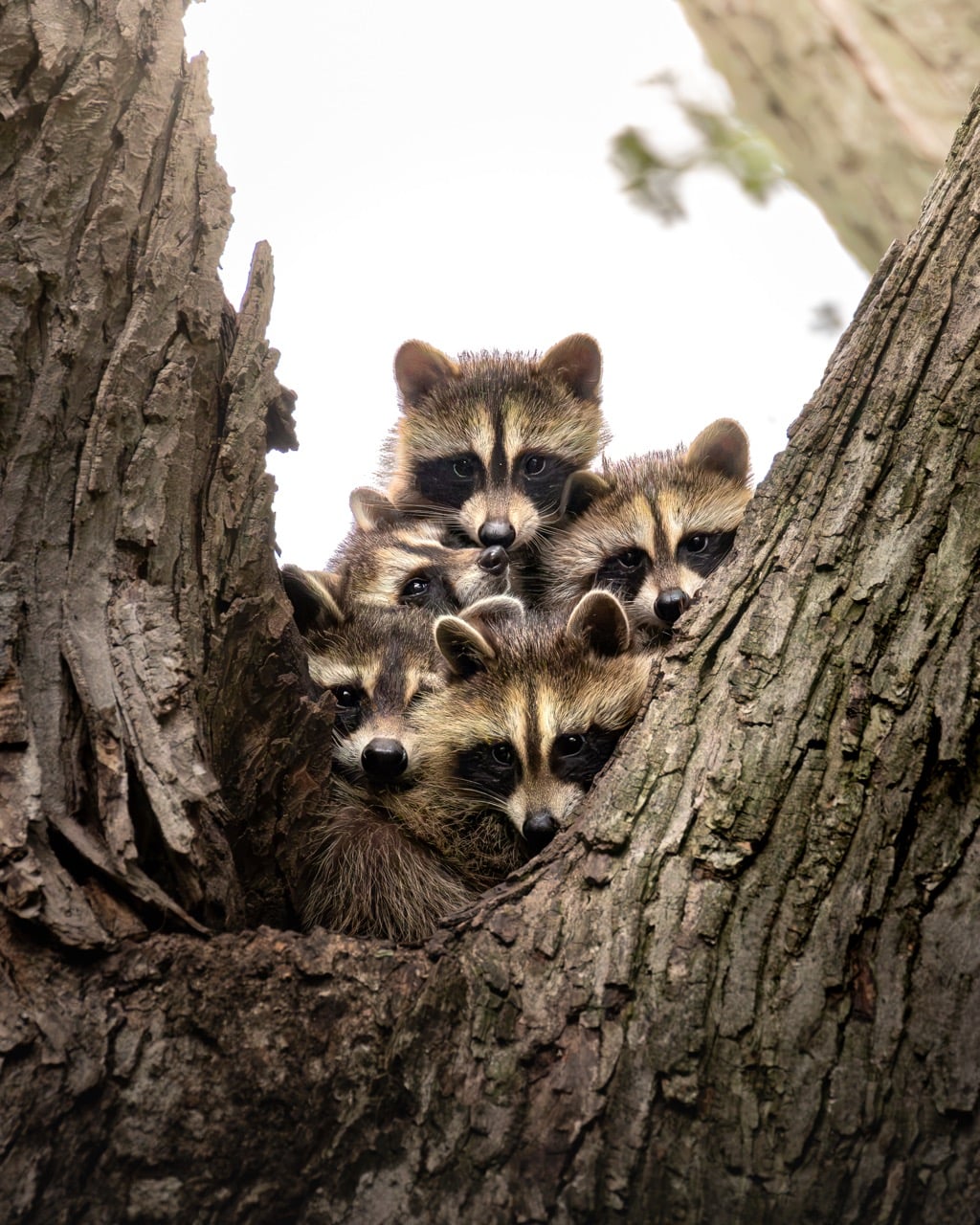
Andrew Waterhouse
A family of raccoons peeks out from the hollow of a tree in St. Thomas, Ont.
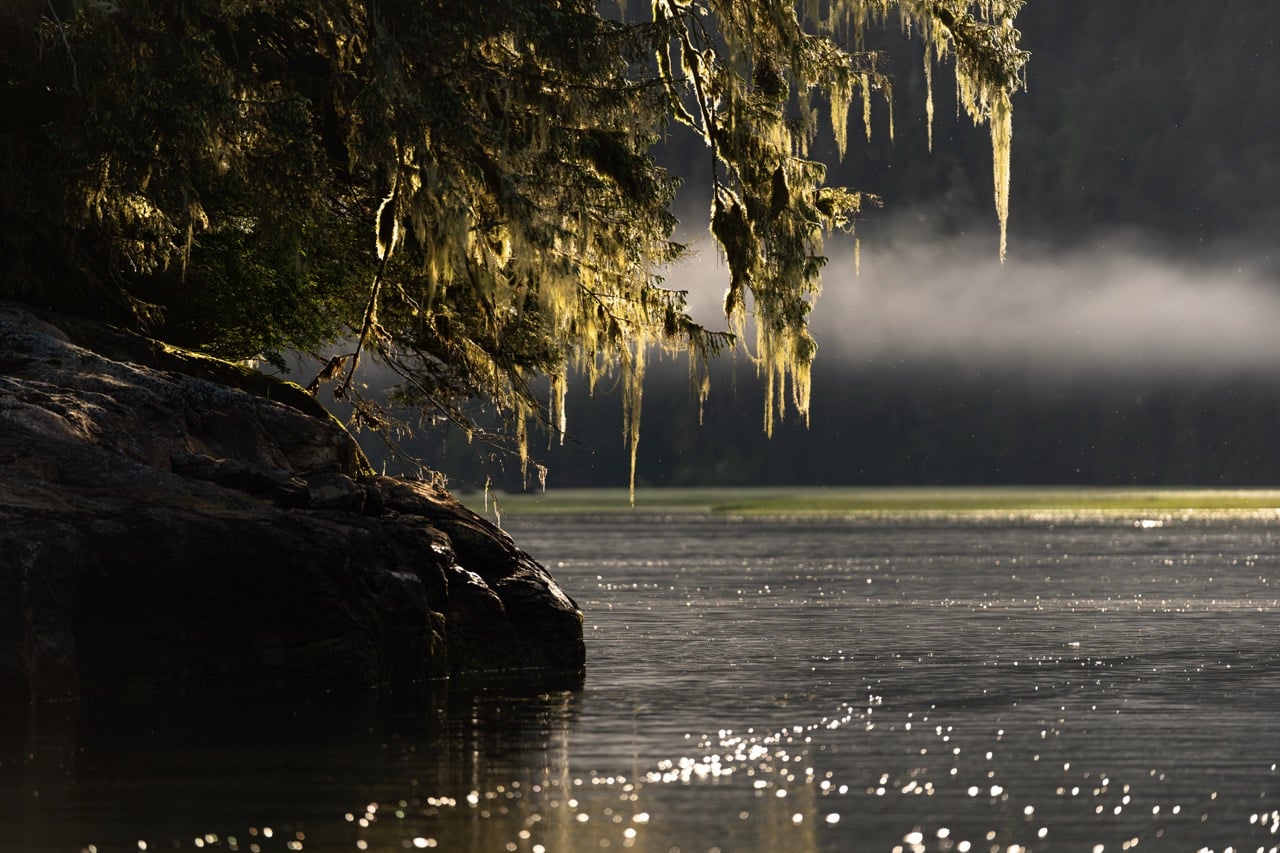
Tyler Cave
Sunlight filters through the lichens dangling over Khutzeymateen Inlet, B.C.
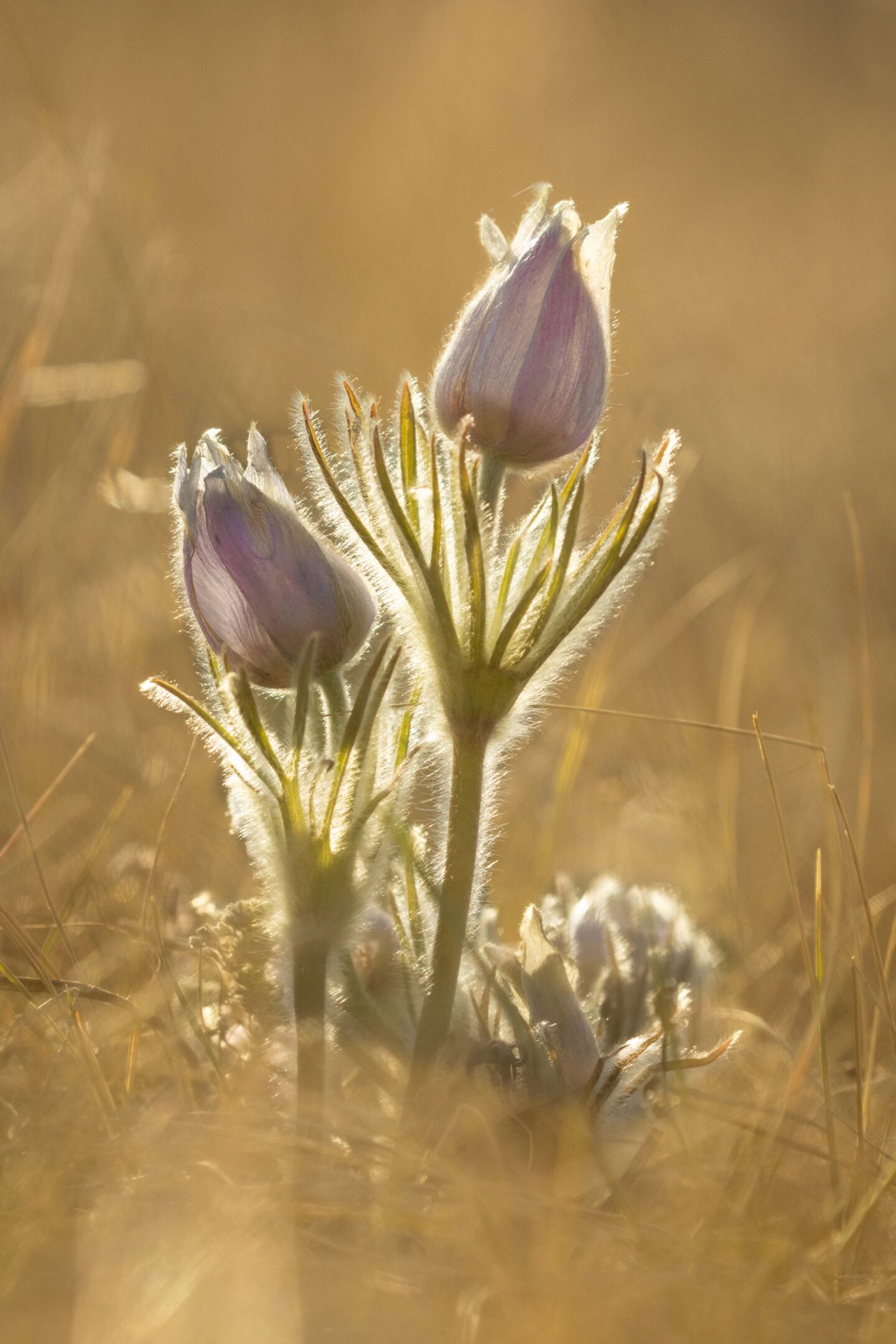
Robert Gubiani
Warm spring sunlight illuminates a pasqueflower — commonly known as a prairie crocus — at Cranberry Flats Conservation Area in Saskatoon. The emergence of these blooms is an annual sign that spring has arrived.
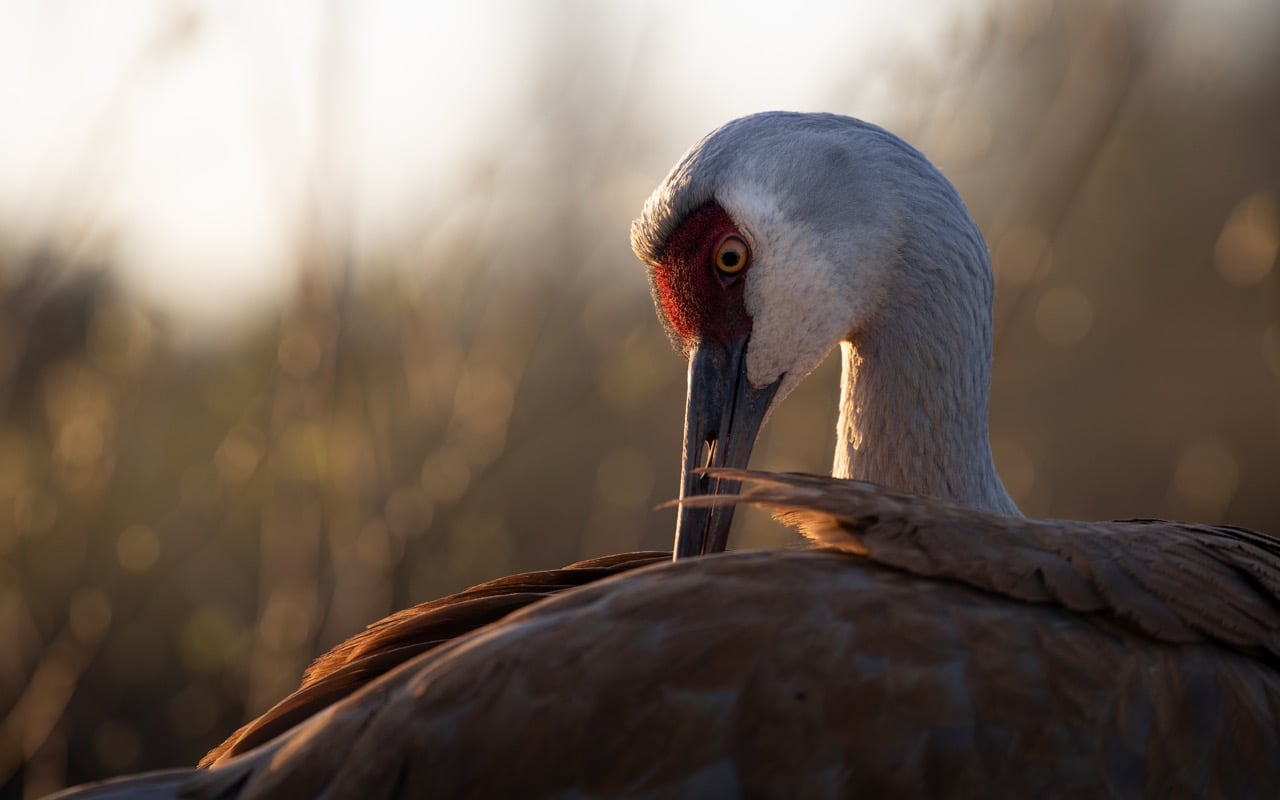
Natasha Grapes
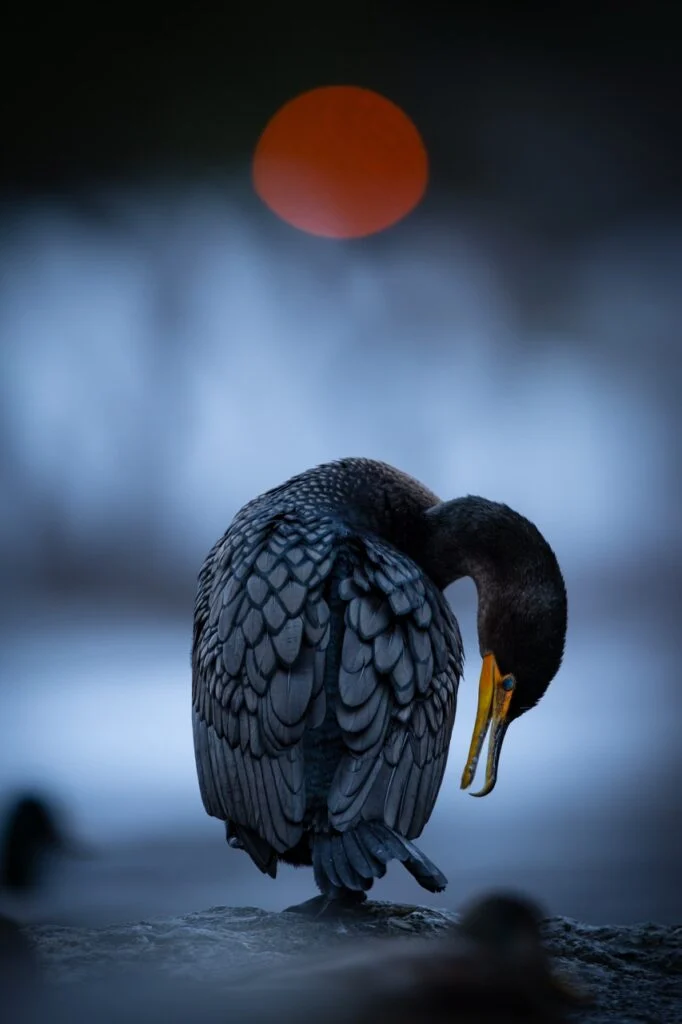
A sandhill crane preens its feathers at Burnaby Lake in Burnaby, B.C.
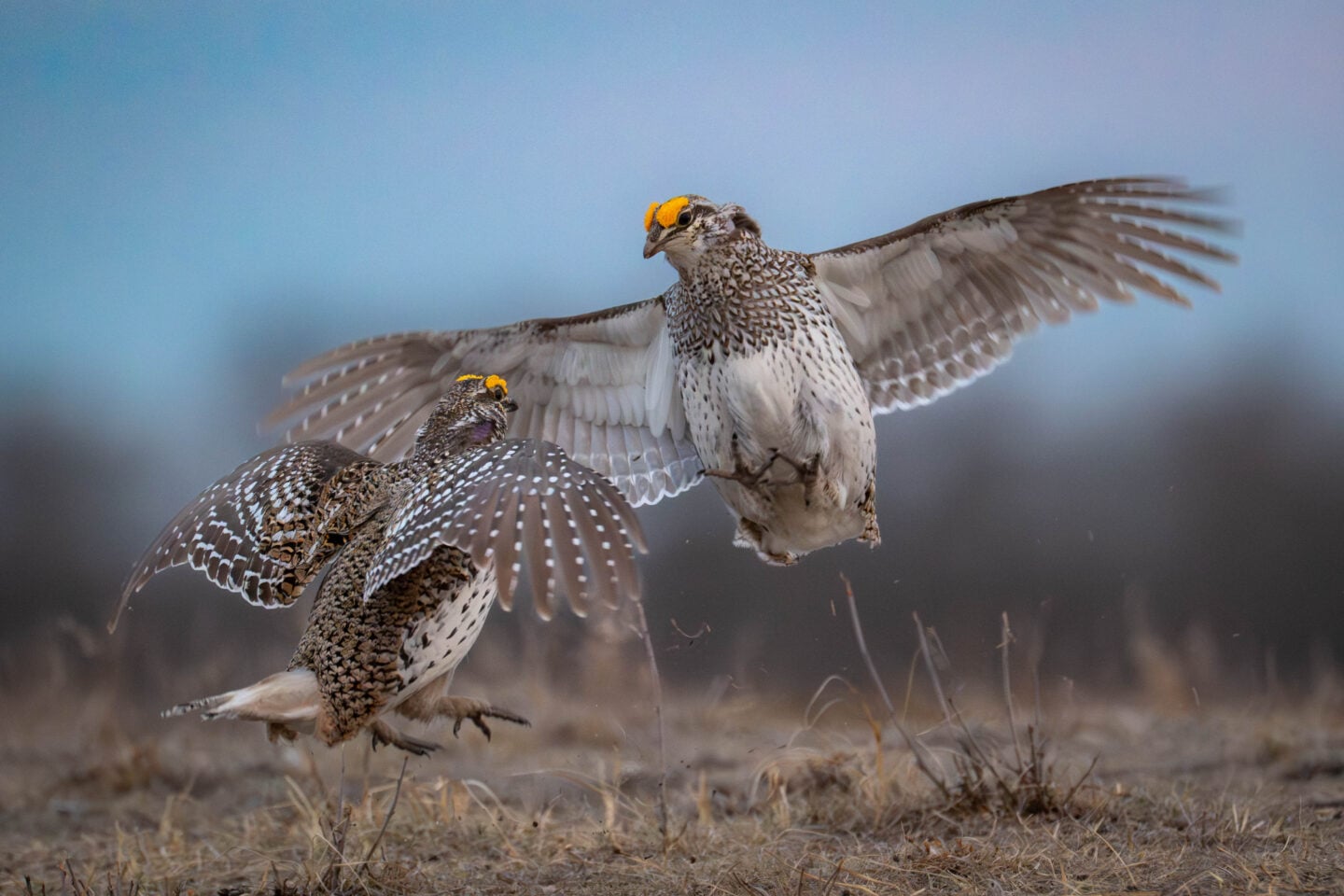
Shane Turgeon
Sharp-tailed grouse battle it out for the attention of a potential mate at a traditional lek (mating ground) near Wainwright, Alta.
Wildlife
Canadian Geographic is pleased to honour 14 photographers for their outstanding images of Canadian wildlife

Wildlife
Canadian Geographic is pleased to honour 16 photographers for their outstanding images of Canadian wildlife
Wildlife
Canadian Geographic is pleased to honour 15 photographers for their outstanding images of Canadian wildlife
Wildlife
Canadian Geographic is pleased to honour 17 photographers for their outstanding images of Canadian wildlife