
Travel
History and Romance on Europe’s Danube River
Travel columnist Robin Esrock (finally) ticks a European river cruise off the bucket list
- 1793 words
- 8 minutes
Travel
With the kids away at summer camp, Robin Esrock and his wife head to Austria’s capital for some well-deserved good food, late nights and long-overdue time together

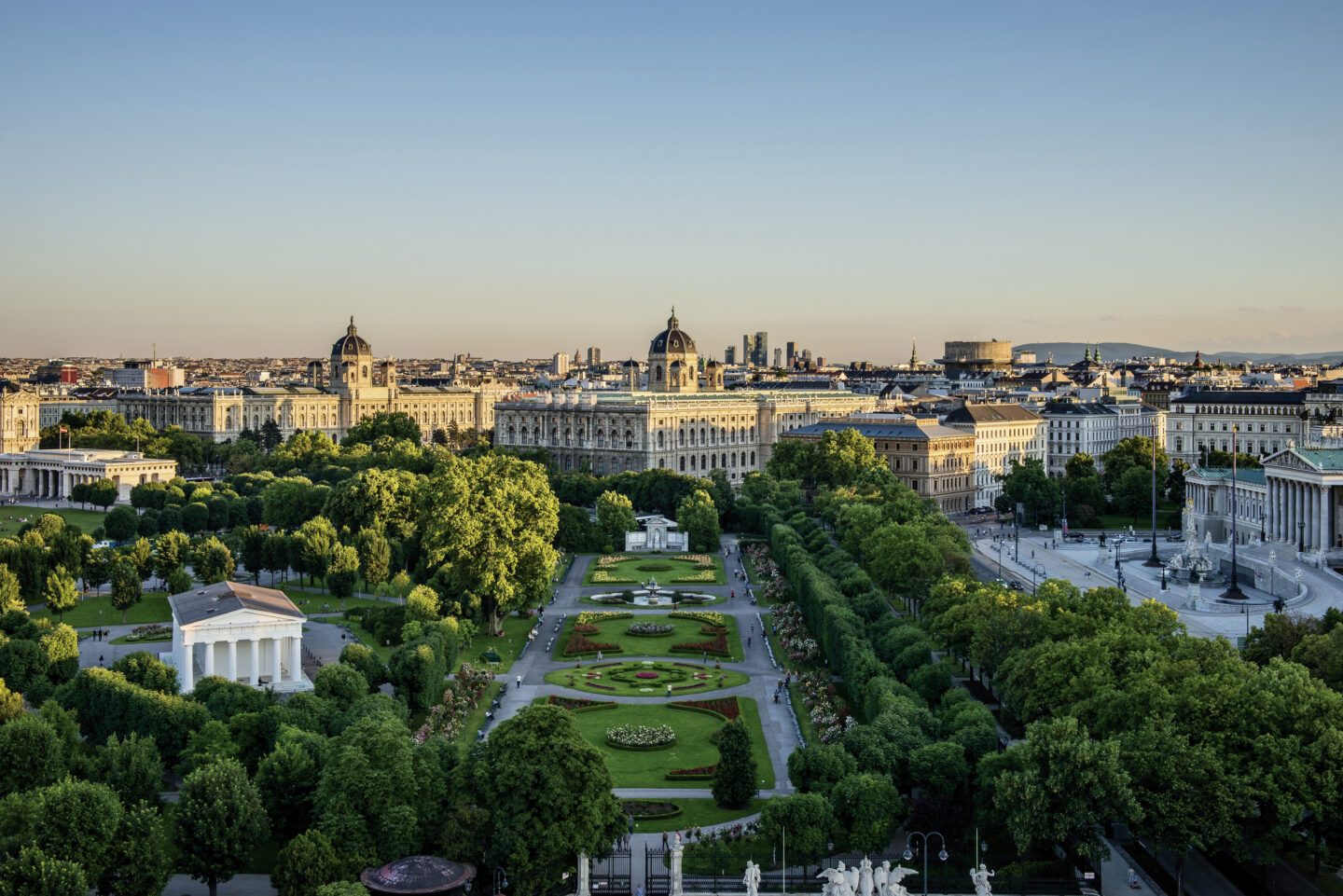
When the kids are away, the adults will play, and few cities play like Vienna.
Once the capital of Europe’s most powerful empire, Vienna remains a symphony of history, music, food, art and culture, while continuing to rack up the lifestyle accolades. It has ranked first or second in the Economist Intelligence Unit’s Global Liveability Index every year since 2022 and has repeatedly topped Monocle’s Quality of Life Survey, taking first place in 2023. Vienna also won the European Commission’s 2025 Access City Award for its work to improve accessibility. And, Paris be damned, it’s the World’s Most Romantic City (according to Robin and Ana Esrock).
Simmering in a summer heatwave, the Viennese are cooling off at public spray stations and water fountains, or congregating in shady courts and urban parks. Heat doesn’t bother the statues of Strauss, Schubert, Mozart, Beethoven, Brahms, Freud, and other influential personalities who dominated global culture when the city was the vanguard of art, literature, architecture and philosophy. Thanks to the wealth of an enthusiastic, if fading, empire, Viennese ideas flourished then and continue to flourish now. Big ideas like psychoanalysis, electric cars, the waltz and coffeehouse culture. Big ideas like reimagining vegan cuisine as a 10-course fine-dining experience in a city of schnitzels and sausages.
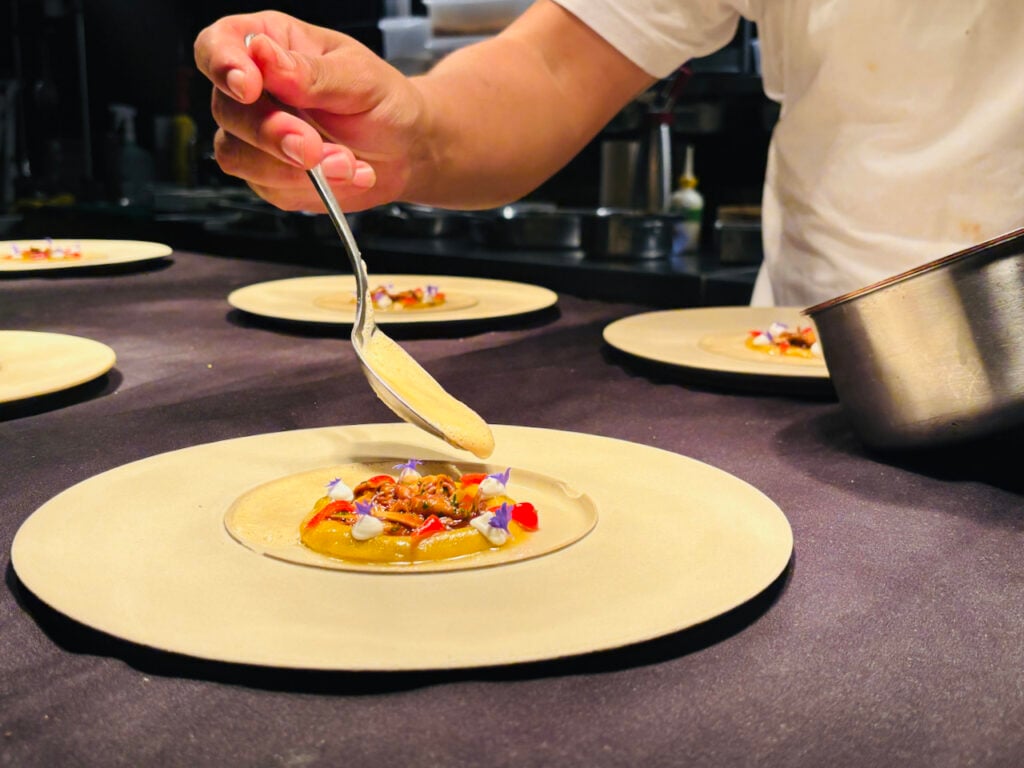
On our first night, we discover Jola, the culinary love child of partners Jonathan Wittenbrink and Larissa Andres, who transform vegetables into dishes that have to be tasted to be believed. Short descriptions on the modest menu (printed on seed paper that can be planted) do little justice to the masterpieces that appear at our table. We walk it off on the famous Kärntner Straße pedestrian strip, seduced by the food, the atmosphere, and the illuminated St. Stephen’s Cathedral.
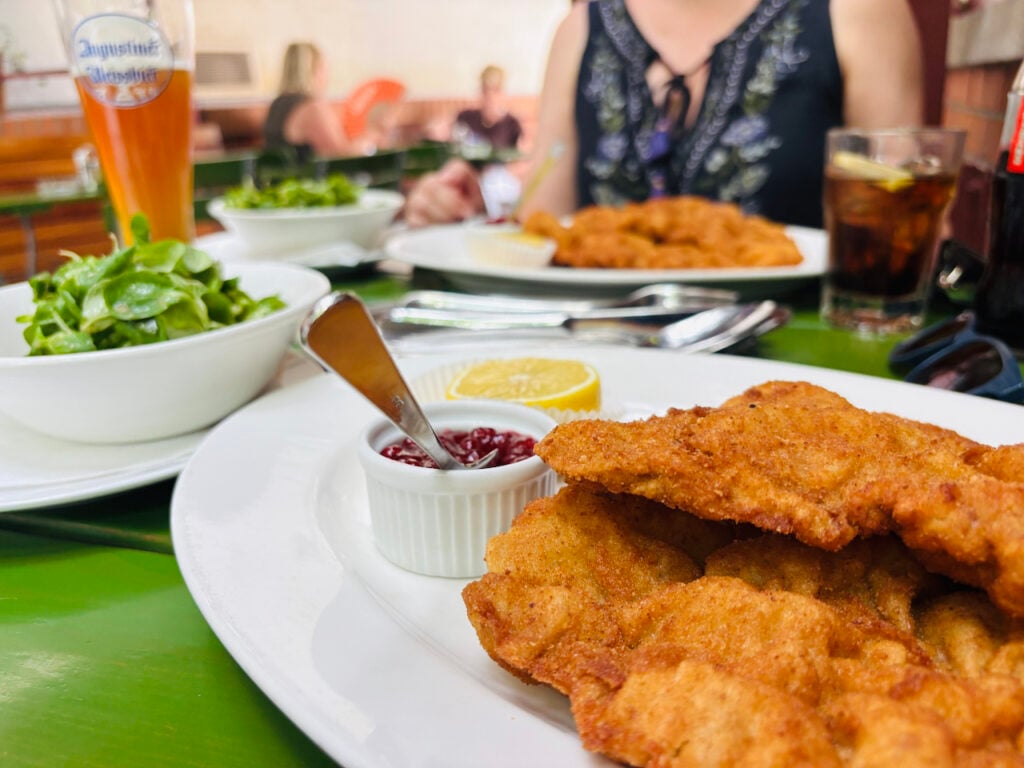
Over the course of a weekend, we feast on traditional Wiener schnitzels and Italian-Japanese fusion, street shawarmas and small-plate brunches. The food scene in Vienna is extraordinary, reflecting the city’s longstanding role as a cultural crossroads.
The Habsburg Empire dominated the heart of Europe for centuries, governing a diverse collection of nations and peoples across territory spanning a dozen modern countries. People, ideas, languages and tastes flowed along the Danube, and they continue to do so today. More than one-third of Vienna’s residents were born outside Austria, making it one of Europe’s most multicultural capitals. We hear different accents and see different stores and fashion. We see things that we don’t see in Canada, like an honour-system transit system, street vending machines with hard alcohol, and hundreds of boats narrowly avoiding each other on a crowded moonlit lake.
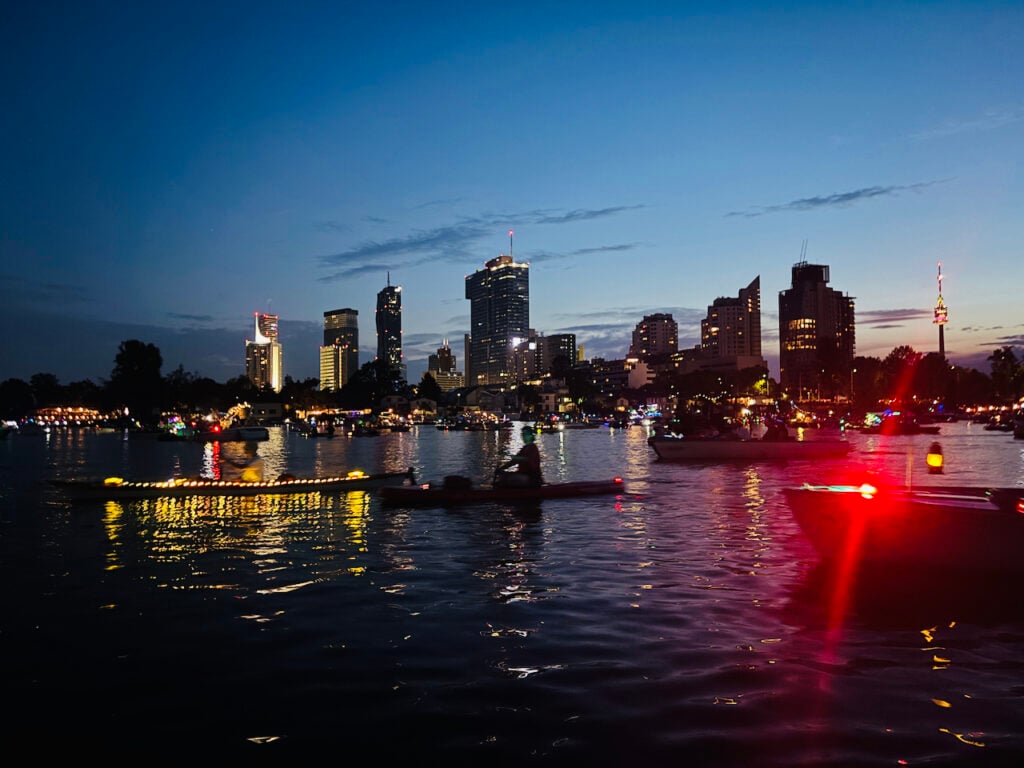
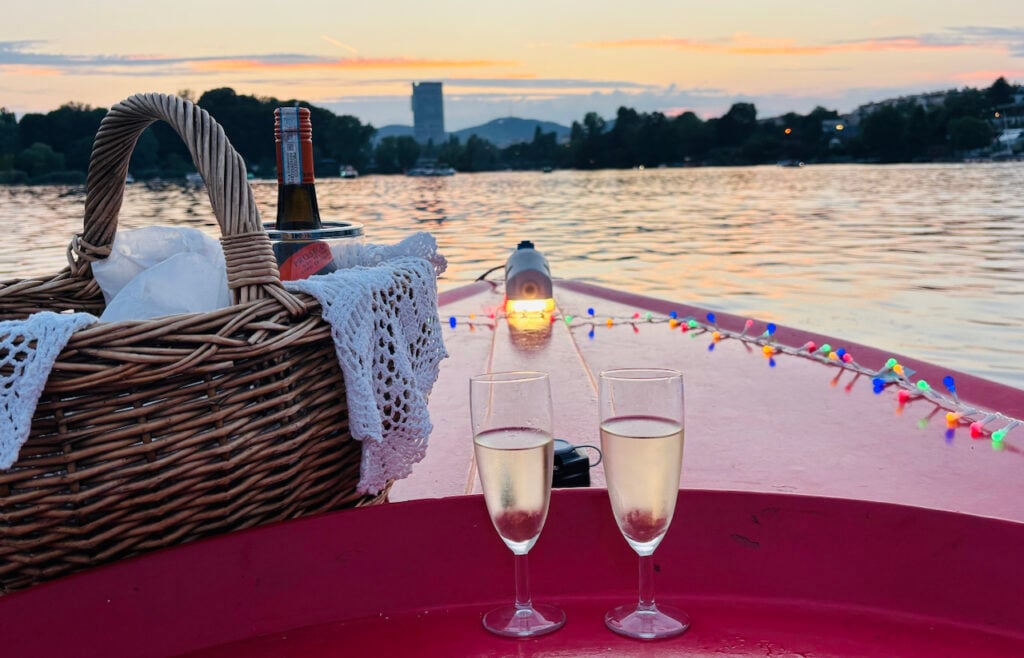
Once a main channel of the Danube, the Old Danube was cut off during Vienna’s 19th-century river works, evolving into a popular recreational lake for swimming, boating, sailing and stand-up paddleboarding. Keeping it genteel, boats must be powered by an electric motor with a 7km/hr top speed, and boat rentals are available for parties and romantic cruises. We pick up a picnic basket with a bottle of chilled Prosecco from a lakeside restaurant at the north end of the lake, and are ushered to our modest red electro-boat.
With the sun setting over the Donauturm TV tower (the tallest structure in Austria) and the few skyscrapers piercing the city’s skyline in the 22nd District, we putter among a flotilla of party pontoons, LED-lit pleasure boats, paddlers, and daring night swimmers, risking collisions. There’s a clear expectation to take personal responsibility seriously in this part of the world. Onlookers gather on crowded bridges to admire the spectacle, as Vienna crackles with life.
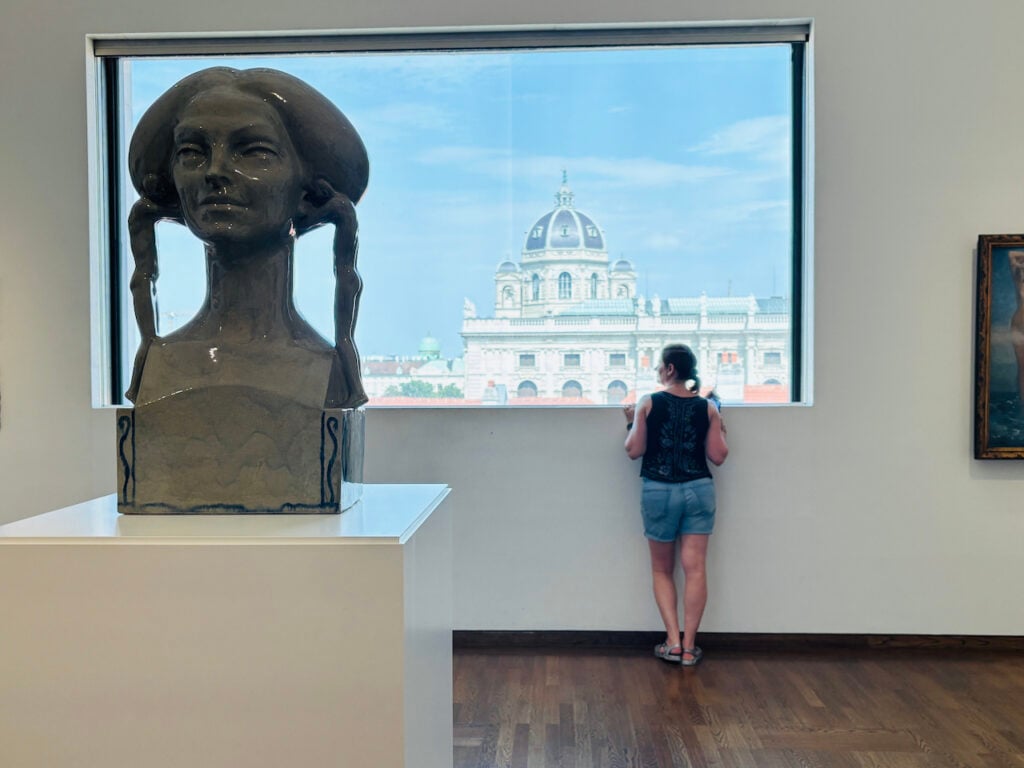
With more than 100 museums in the city, bucket lists should start with the big guns. Consider The Albertina, with its grand state rooms and priceless art collection spanning Michelangelo to Picasso. My wife, an art lover, was spellbound by the works of Miró, Signac, Chagall, and the 1504 masterpiece Young Hare by Albrecht Dürer. Consider the Leopold, with its Klimts and Schieles, and the adjacent Museum of Modern Art in MuseumsQuartier Wien.
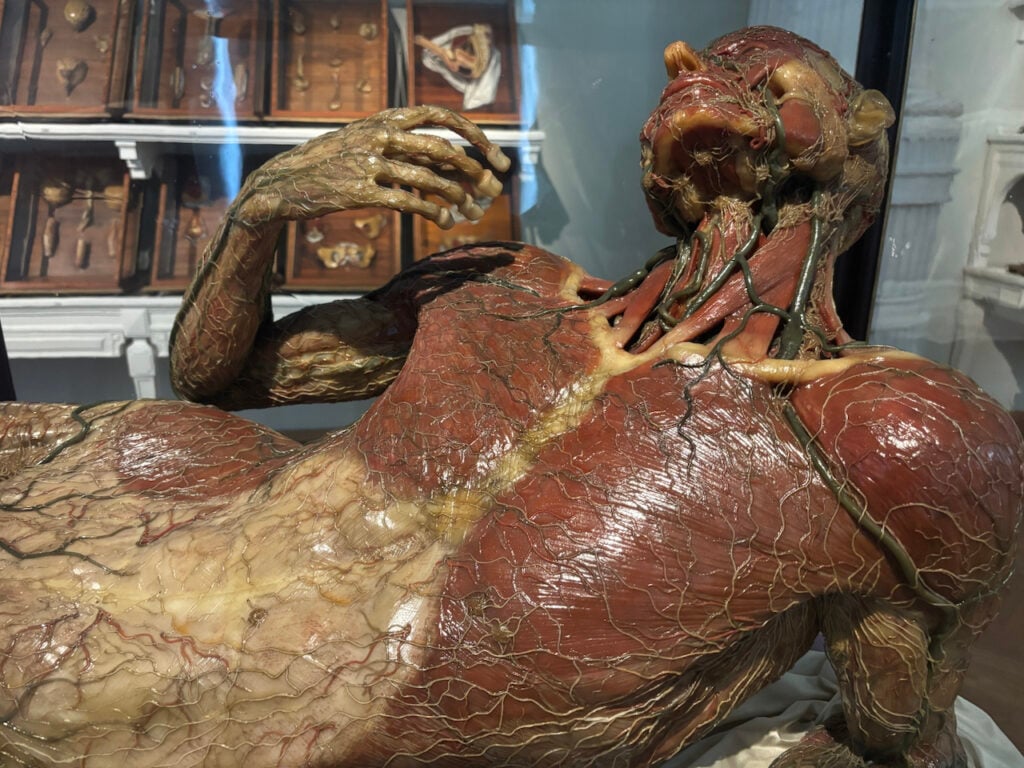
In the past, I’ve spent entire days exploring the nearby ‘Twins’ – the palatial Art History and Natural History museums that face one another across the grand Maria-Theresien-Platz. There are museums that honour hometown heroes like Schubert, Strauss and Sigmund Freud, museums for furniture, museums for fashion, museums about Vienna’s history, even a museum about the city’s medical legacy. (See TEXT BOX).
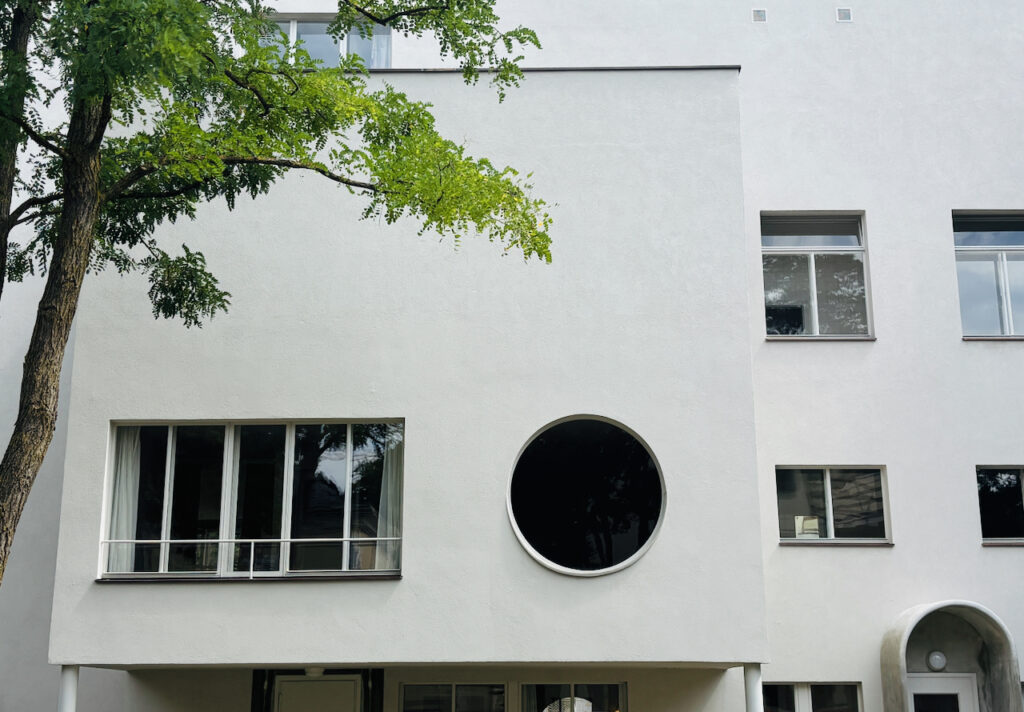
Some museums have been around for centuries; others opened their doors more recently. We take a fascinating tour at the newly opened Villa Beer, an acclaimed and striking residence designed by the architects Josef Frank and Oskar Wlach. Beyond their striking innovations, we immerse ourselves in a human space with a tragic personal history, wrapped in pre- and post-war drama. There are stories everywhere in Vienna, with excellent off-the-beaten-track walking tours to learn more about them.
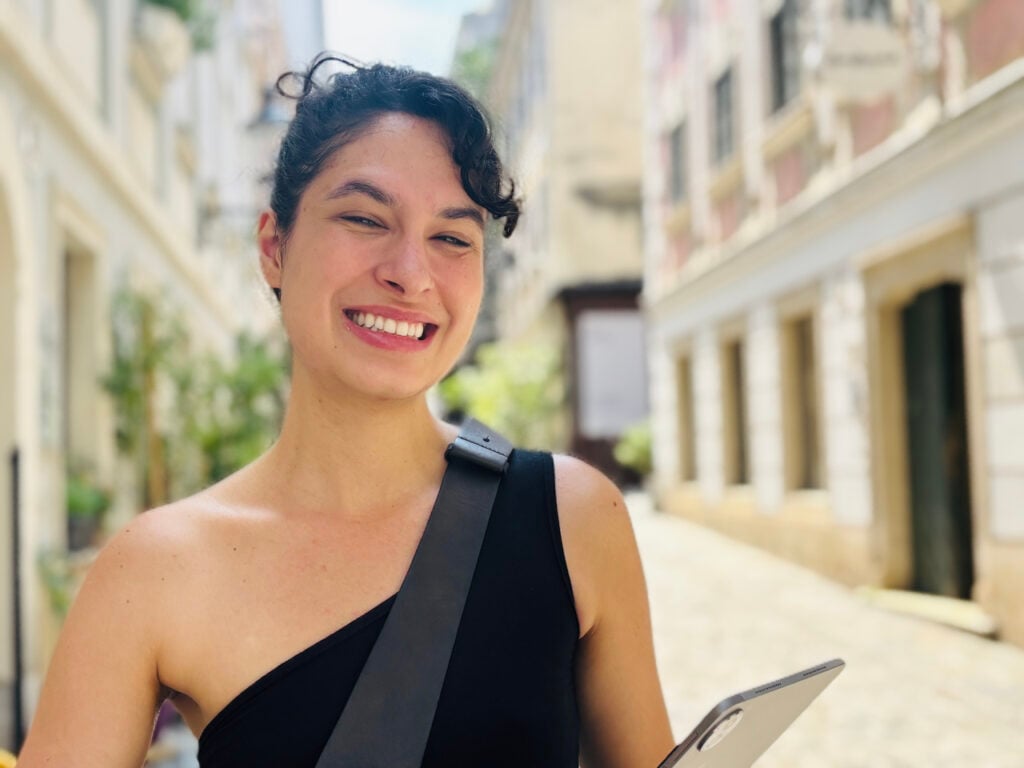
Rebel Tours, founded by siblings Gabi and Basti Knöbl, introduces us to a Vienna beyond the 5.3 km-long Ringstrasse that encircles the historical centre. Offering public and private tours focusing on art, history, food, and sport, the charming Gabi leads us through the distinct vibes of the 9th and 7th Districts, pointing out hidden gems while providing frank insights into the city.
Another affable tour guide, Jascha Novak, guides us through the romantic, leafy and affluent Spittelberg neighbourhood, dropping stories along the way. Here’s a house the emperor bought for his mistress with the full blessing of the Empress. Here’s the mansion designed by famed local architect Josef Hoffmann, who soiled his reputation by accepting Nazi commissions. We learn how Vienna’s thriving pre-war Jewish population was destroyed, and how the city is still reckoning with this tragic past.
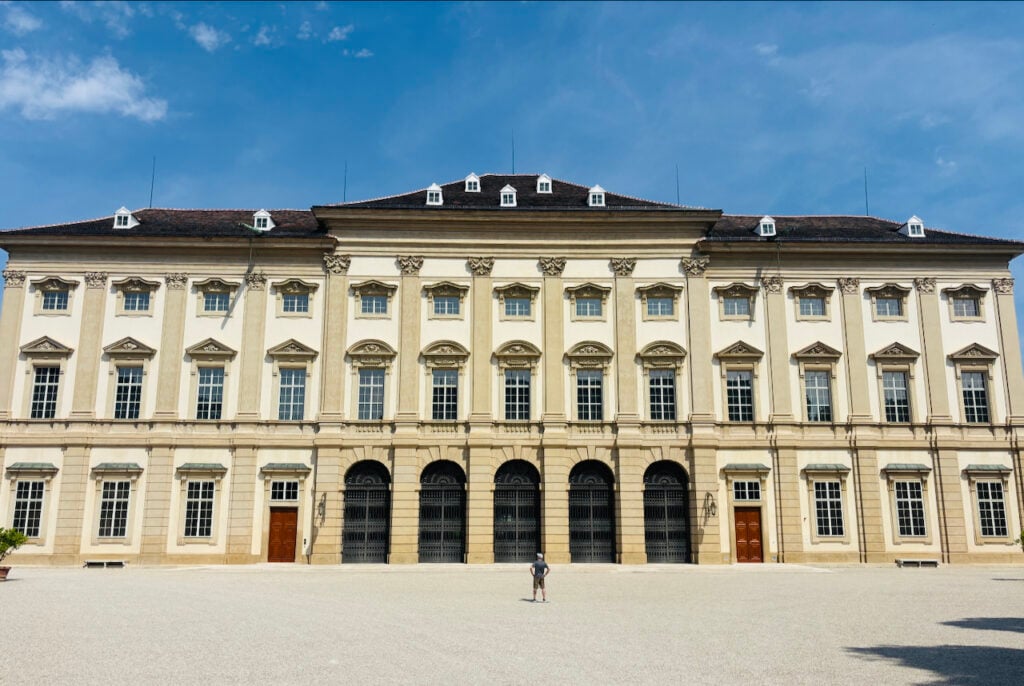
Jascha leads us into the sprawling public parkland surrounding Schönbrunn Palace, the Habsburgs’ decadent summer palace, on a par with Versailles in Paris. Through his Hidden Vienna Tours, Jascha is one of the few guides who can arrange an exclusive visit to the Empress’s favourite Bergl Rooms, located on the ground floor of the palace.
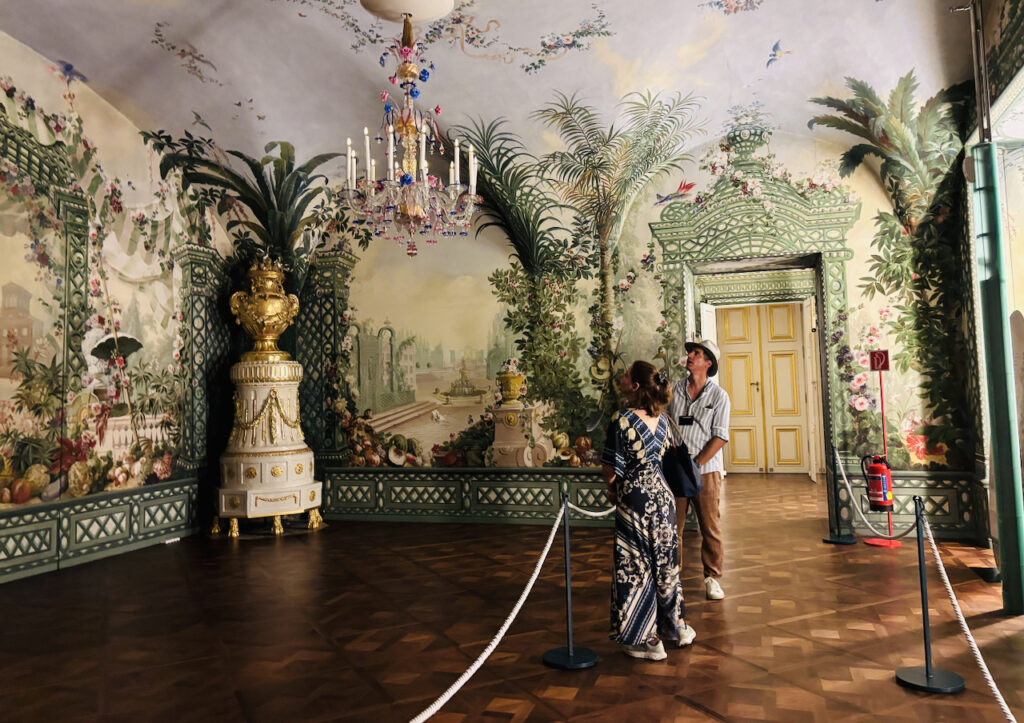
Elaborate, symbolic wall art depicts exotic tropical lands and animals, and the parlour contains original furniture dating back to the 1770s. These chairs were used by the Empress and her children, including the ill-fated Marie Antoinette. We learn about vampires and vampire hunters, of infidelities and palace plots, of cold-war spies and intrigue. Vienna has always been a city of stories, and it’s a treat to hear them from candid, knowledgeable locals who love what they do.
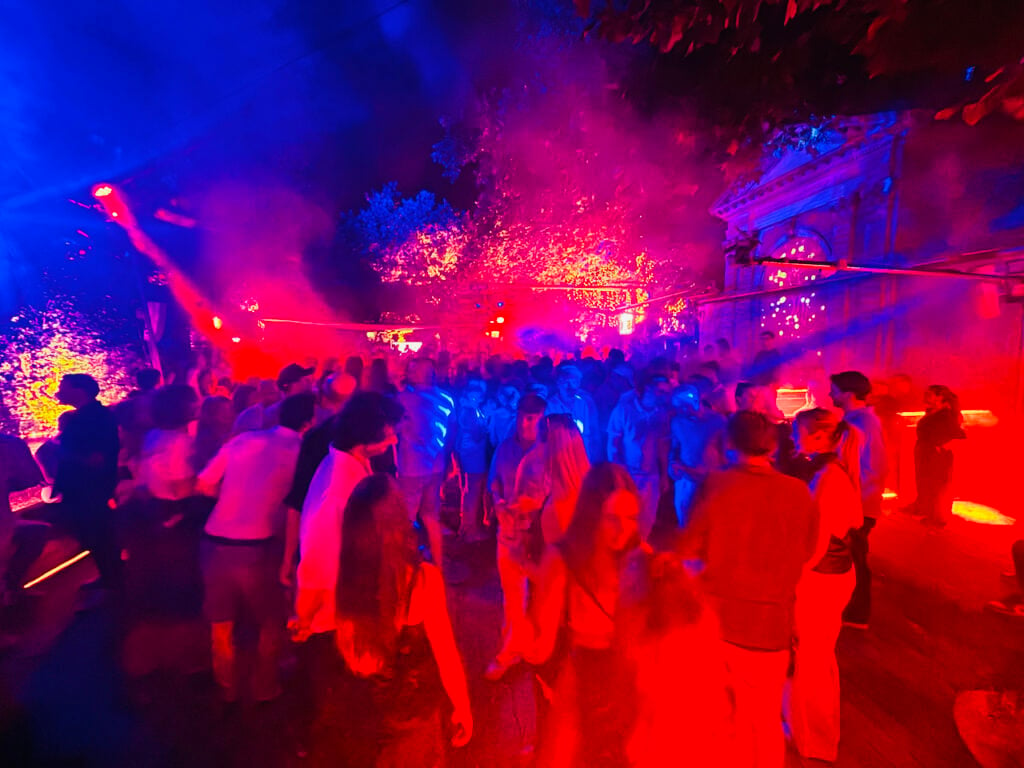
Stories and sounds sprout everywhere, however or wherever you choose to look for them. Book tickets to a classical music concert at the iconic Musikverein, vibrating with legendary acoustics beneath crystal chandeliers and statues from a golden era. Dialling back our personal years, we visit a nightclub on the former grounds of the Imperial Hofburg palace, just steps away from Austria’s Parliament. Crowds only show up after midnight at the Volksgarten Club Disco, scattering across several dance floors and bars.
We take a seat outside in the garden and observe the dynamics, noticing the number of smokers. Cigarettes are still popular in a city that only banned smoking indoors in public spaces in 2019, something to consider before taking your seat on a coffeehouse patio.
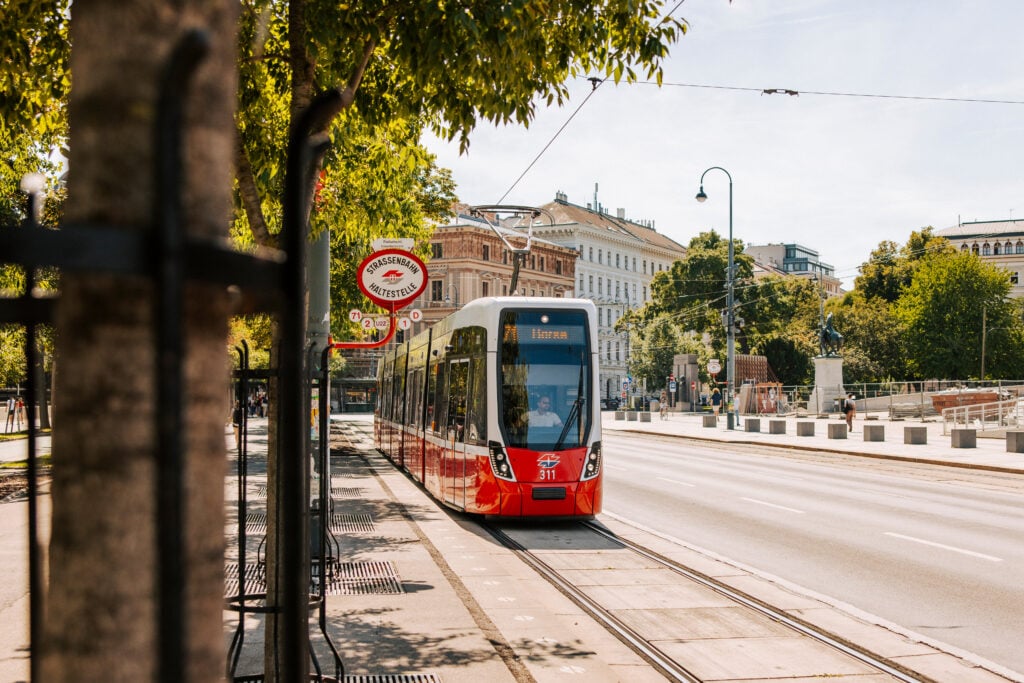
Vienna can appear both impressively progressive and reliably conservative, “often 10 years behind the rest of the world,” according to Jascha. It is a city where people still sip coffee unhurriedly, or spend hours reading a newspaper on a park bench. A city where people line up at red lights to avoid the shame of jaywalking, even when the streets are empty during a heat wave. It might only take you a half hour to cycle or scooter around the Ringstrasse, but budget a lot more time for the grand statues, fountains, palaces and gardens that will stop you in your tracks. While we found it an ideal walking city, the efficient, easy-to-navigate transit system made travel stress-free with a Vienna City Card, scoring attraction discounts along the way.
We have one final day to drink it all in, and choose to do it with a tasting experience in one of the world’s great wine collections. Valued at over €20 million, the private collection at Palais Coburg is housed in six distinct cellars, with more than 60,000 bottles, 6,000 labels, and vintages dating back 300 years. Guided by sommelier Martin Verdorfer, the cool cellars proved a perfect escape from the unseasonal summer heat, with excellent tastings to quench the thirst. We admire the collection from France’s Château d’Yquem, with a bottle from every year since 1893, and are bewildered by a single magnum bottle of Domaine de la Romanèe-Conti valued at over €220,000. Perhaps one of the guests at the newly restored ultra-luxury hotel upstairs will make the investment to find out what it tastes like.
The centuries have witnessed Vienna’s triumph and fall, from an opulent imperial heyday to widespread destruction during the Second World War. The city that famously resisted Ottoman Turkish sieges now embraces one of Europe’s largest Turkish communities. The city that provided flourishing ground for Jewish intellectuals honours those murdered or deported by National Socialism. The City of Music and the City of Dreams continues to survive peaks, troughs, booms and busts. For the modern visitor, Vienna feels brighter and more welcoming than at any other time in its storied history. We visited for four days, but both my wife and I agreed we could gladly have stayed for weeks. For couples seeking a romantic urban adventure, there’s always a reason, whatever the season. Reality might be calling back home, but we’ll always have Vienna.
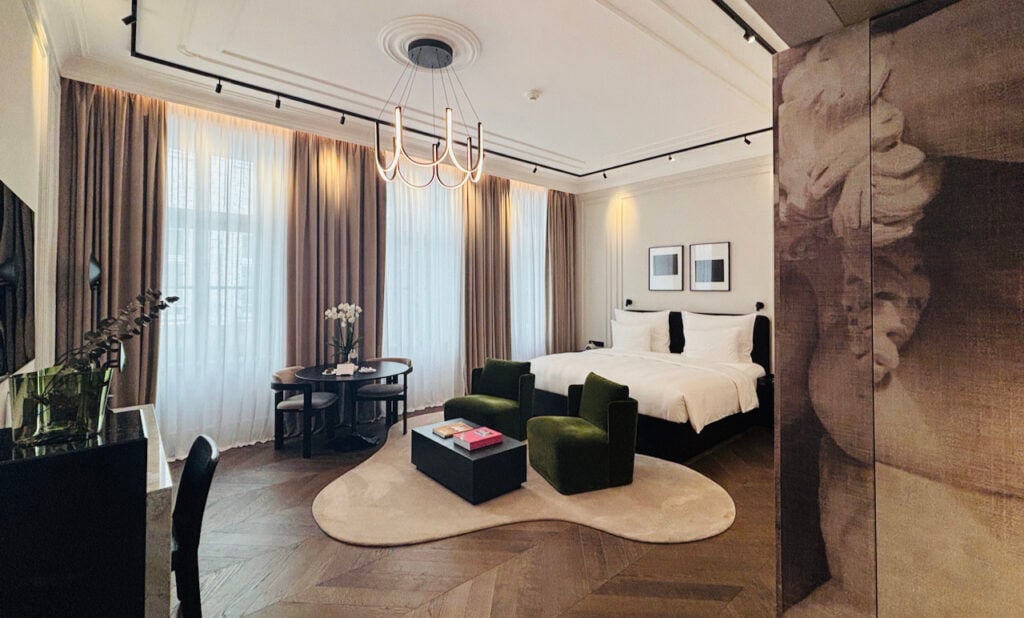
Amauris Hotel Vienna: A stylish boutique hotel located steps from the central Karlsplatz metro, perfectly positioned on the Ringstrasse to walk to major attractions. It offers a modern marble décor, art from the owner’s private collection, a 120-year-old antique elevator and a fantastic spa to revitalize tired feet after a long day in the museums. The Amauris also has outstanding breakfasts courtesy of Glasswing, its popular Michelin-starred restaurant.
Jola: A different and distinct fine dining vegan experience, with a constantly creative menu involving local vegetables and fruits. Located close to the action in the old town and with just eight tables, the set menu has an optional wine pairing. Jola currently holds a Michelin star and a Green Michelin star for sustainability.
Glacis Beisl: Classic Viennese cuisine with a large indoor and garden area, located steps from the Leopold and the Museum of Modern Art in the MuseumsQuartier. If you’re only going to have one melt-in-your-mouth Wiener Schnitzel (and you’ll want more than one), this is a great place to enjoy it.
Rosi: A hip eatery located near Schönbrunn Palace, Rosi is known for its inventive weekend vegetarian brunches. Think braised watermelon, marinated zucchini, chickpea-stuffed tomato and a fun take on classic Austrian frybread.
Café Prückel: Drink a slow cup of coffee or enjoy a fresh pastry in the same antique room where Trotsky, Freud and many famous artists dined. What stories these walls might tell. Excellent Wiener schnitzels too.
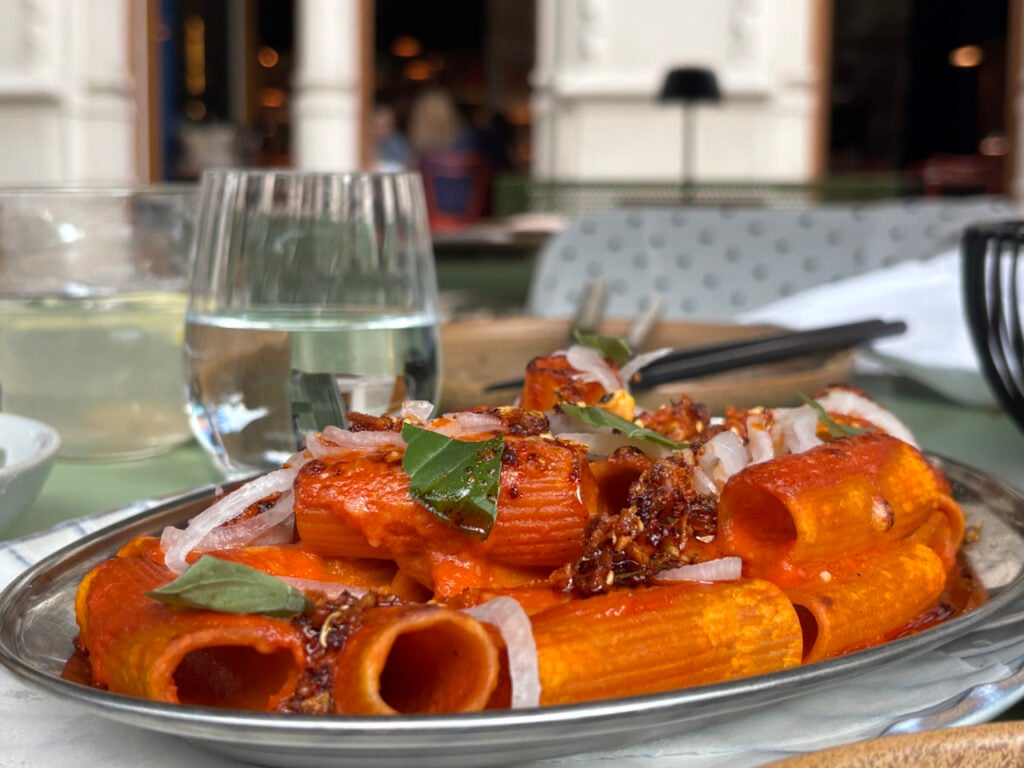
Cucina Itameshi: A fine reflection of why Vienna enjoys its excellent culinary reputation. Inspired fusion of Italian and Japanese share plates, like wasabi carpaccio and chilli-crunch rigatoni. Popular with locals and visitors.
Travel
Travel columnist Robin Esrock (finally) ticks a European river cruise off the bucket list

Environment
Vancouver might just be home to the greenest building in the world. Meet the geography professor who brought it to life.
Travel
Two award-winning travel journalists discuss why family travel, even the kind that pushes us outside our comfort zones, is one of the most powerful investments we can make
Travel
Canadian Geographic’s Bucket Listed columnist Robin Esrock explores domestic tourism, national pride and the evolution of Canadian travel in the third edition of his bestselling book, The Great Canadian Bucket List