
People & Culture
Photos: Life on board HMCS Yellowknife
Canada’s mission as part of Operation Caribbe? Choke off the flow of cocaine and other drugs across the eastern Pacific.
- 872 words
- 4 minutes
Exploration
Naval historian Joseph Frey reveals how a modern expedition helped rewrite the story of one of Canada’s most significant warships
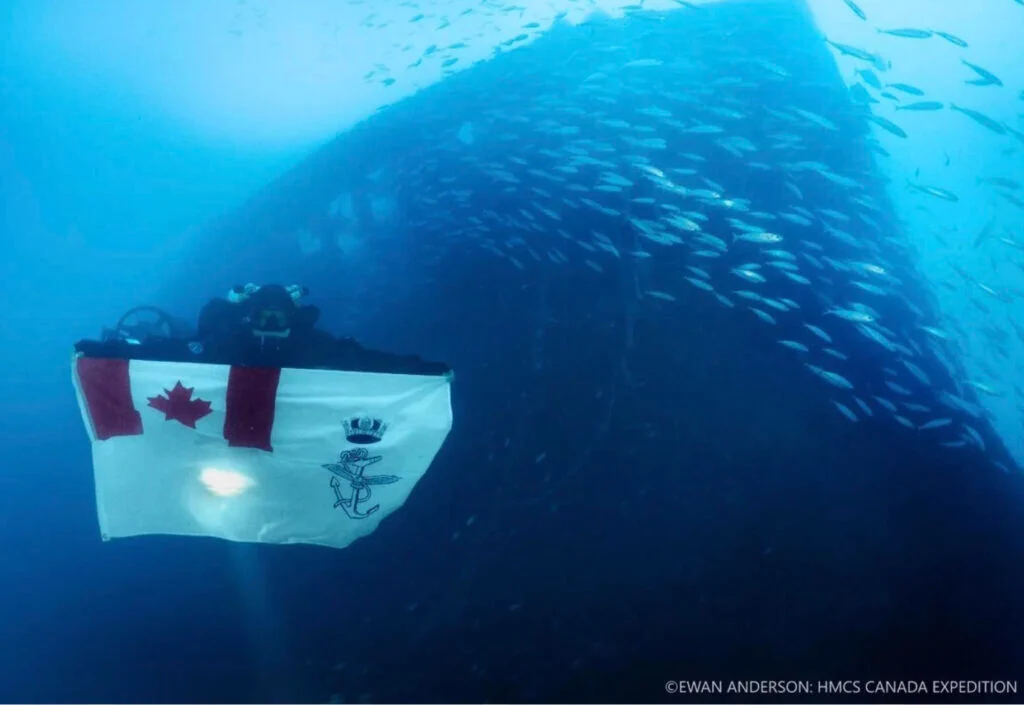
What does a ship that sank a century ago off the Florida Keys have to do with the birth of the Royal Canadian Navy?
Quite a lot, as it turns out.
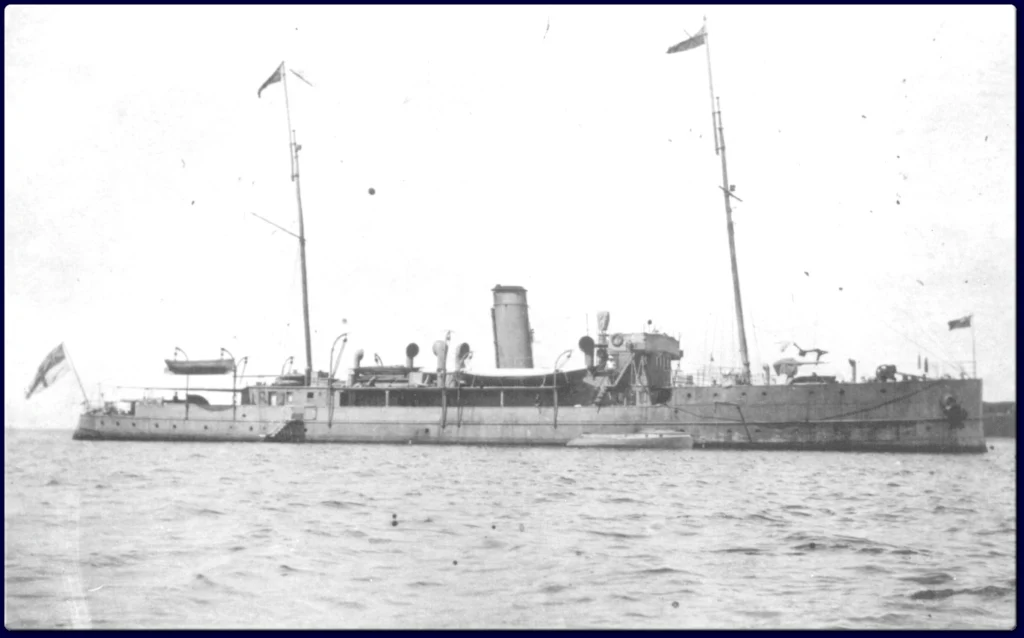
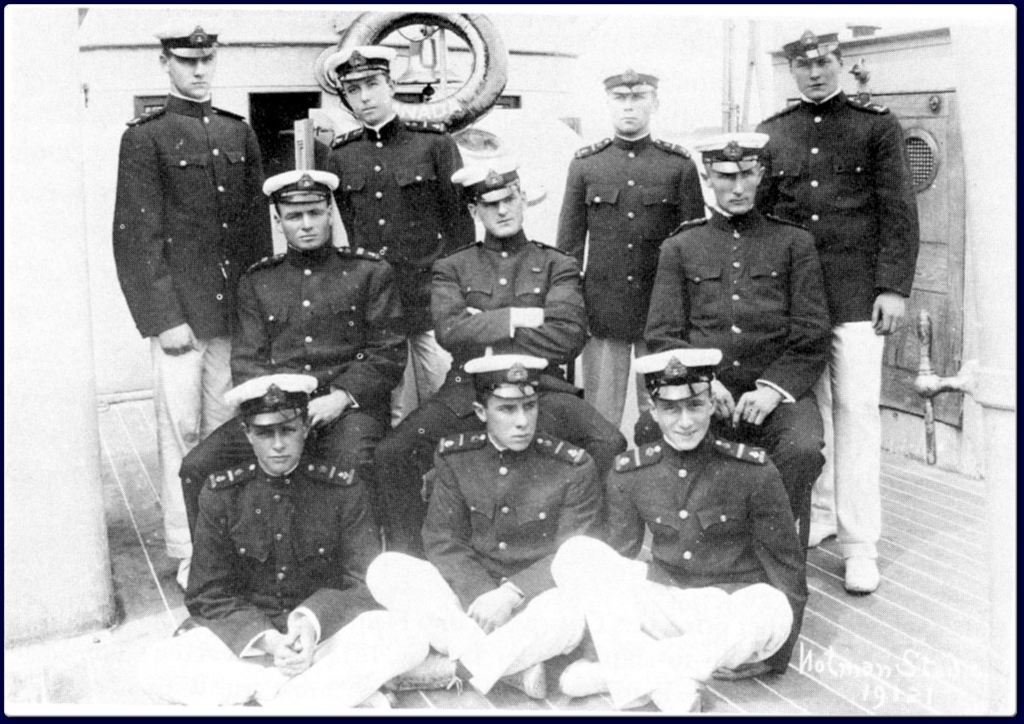
Before there was a Royal Canadian Navy, there was CGS Canada — Canada’s first purpose-built warship — built in 1904 it became HMCS Canada when it was transferred to the Royal Canadian Navy in 1915. As Canada’s first purpose-built warship, it trained many of the navy’s early officers, escorted First World War convoys, became the RCN’s second flagship, survived the Halifax Explosion, and helped lay the foundations of Canada’s naval service. Yet despite its remarkable legacy, most Canadians have never heard of it.
In this episode of Explore, host David McGuffin sits down with naval historian, underwater archaeologist and former Royal Canadian Navy officer Joseph Frey to tell the extraordinary story of Canada’s forgotten first warship: the HMCS Canada.
From its launch in 1904 to its wartime service and eventual sinking off the Florida Keys in 1926, Frey traces the unlikely journey of a vessel that helped shape Canadian history.
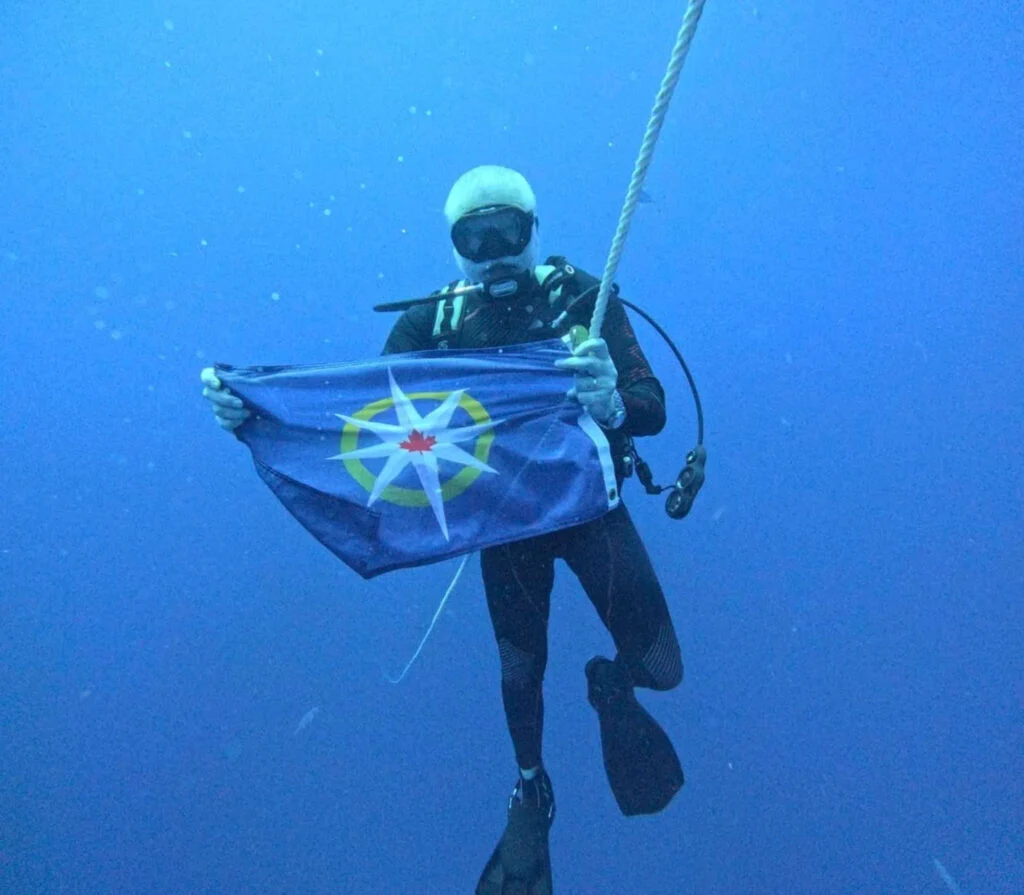
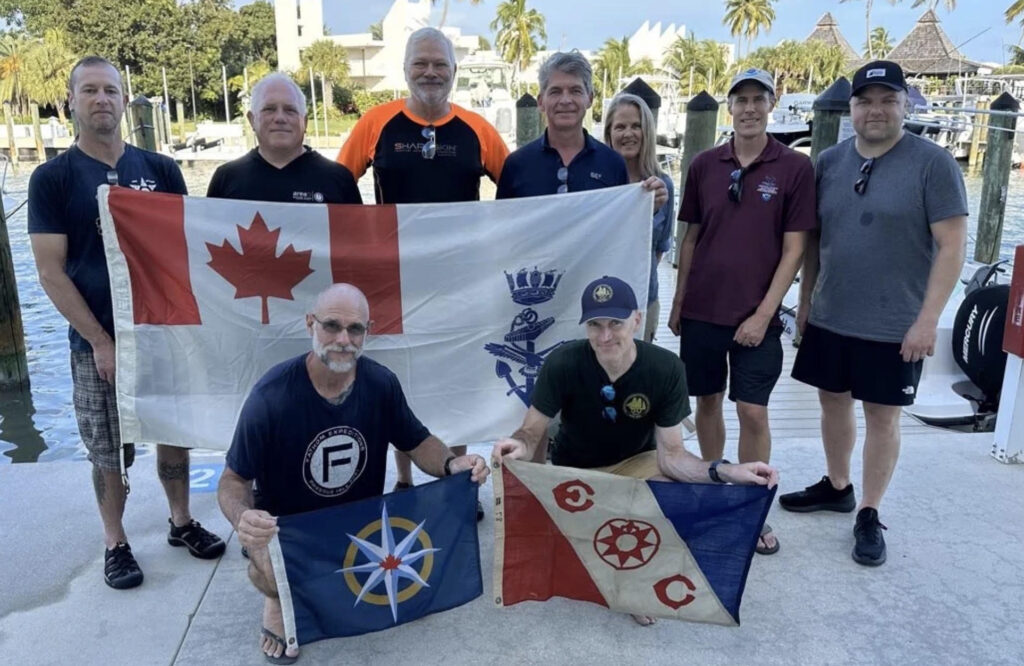
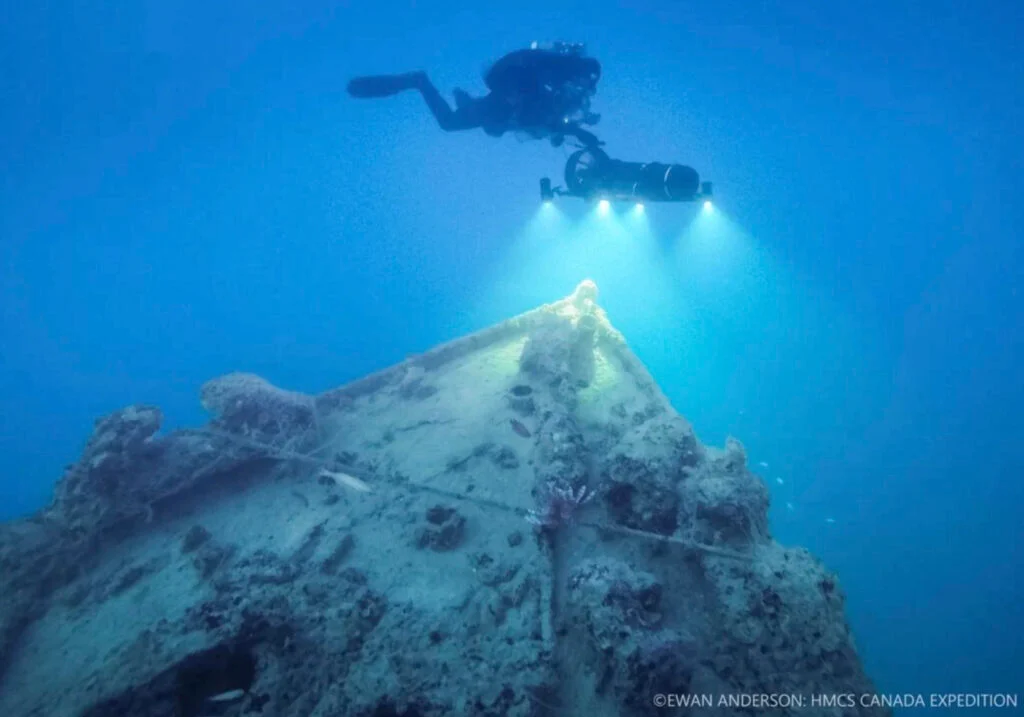
The conversation also follows a modern RCGS Flagged expedition, led by Frey, to the wreck nearly a century after the ship’s loss. Using advanced diving techniques and 3D photogrammetry, Frey and his team documented the wreck, answered long-standing questions about how it sank, and helped restore HMCS Canada‘s place in Canada’s historical memory.
Along the way, Frey reflects on his role in the discovery of HMS Erebus, the enduring appeal of underwater exploration, and why forgotten stories like HMCS Canada still matter today.
Whether you’re listening in a car, a canoe, a sailboat, a dock, or somewhere along Canada’s coastline, this is a story of exploration, naval history, and the remarkable rediscovery of a ship that helped build a nation.
Joseph Frey is Vice-President of the Royal Canadian Geographical Society, a former Vice-President of The Explorers Club, a naval historian, an underwater archaeologist, and a retired Royal Canadian Navy officer. He was a member of the 2014 Victoria Strait Expedition that discovered HMS Erebus, one of Sir John Franklin’s lost ships, and has spent decades researching and documenting Canada’s maritime history both above and below the waterline.
People & Culture
Canada’s mission as part of Operation Caribbe? Choke off the flow of cocaine and other drugs across the eastern Pacific.
People & Culture
Award recipients honoured in the first virtual Annual General Meeting and Fellows Show.
People & Culture
As the climate heats up, so do talks over land ownership in the Arctic. What does Canadian Arctic Sovereignty look like as the ice melts?
People & Culture
In this essay, noted geologist and geophysicist Fred Roots explores the significance of the symbolic point at the top of the world. He submitted it to Canadian Geographic just before his death in October 2016 at age 93.