Environment
Inside the fight to protect the Arctic’s “Water Heart”
How the Sahtuto’ine Dene of Délı̨nę created the Tsá Tué Biosphere Reserve, the world’s first such UNESCO site managed by an Indigenous community
- 1663 words
- 7 minutes
Travel
In Willemstad, history, culture and architecture showcase a vibrant city defined by colour and preserved by geography
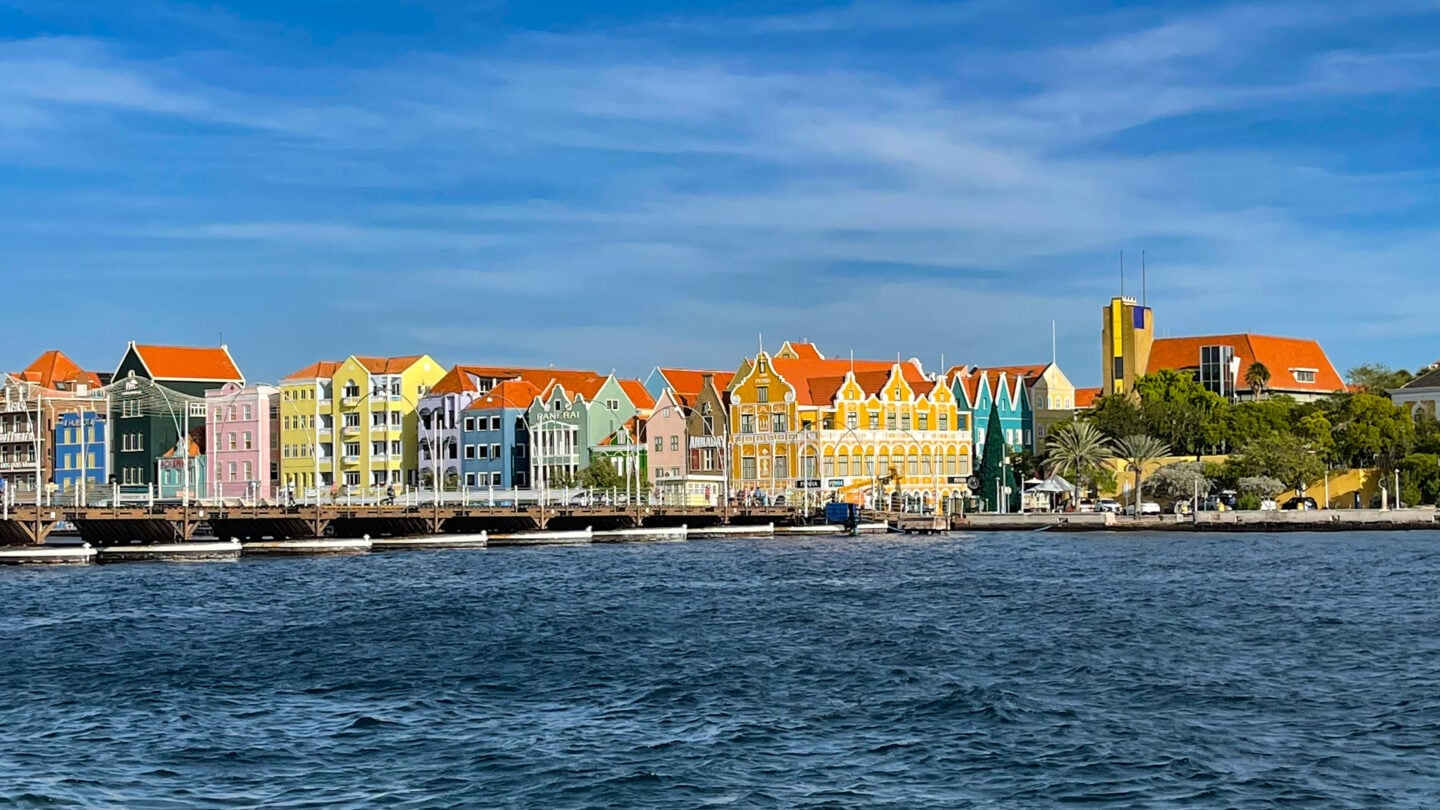
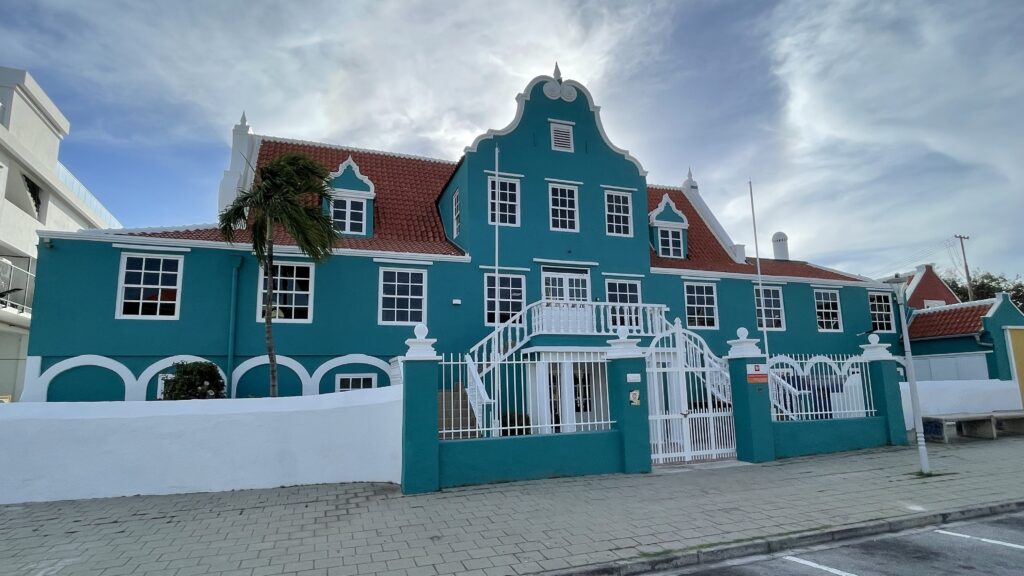
Curaçao greets visitors with colour: pastel pink, terracotta orange, buttercup yellow, delicate periwinkle, and sage green. Along St. Anna Bay, a deep channel leading into the Caribbean Sea, pastel facades rise against a blue sky, and a sharp, crystalline light seems to sculpt every edge of Willemstad, the country’s UNESCO-listed capital.
Anchored by one of the Caribbean’s finest natural harbours, Willemstad unfolds across four historic districts whose architecture has survived remarkably intact since the first buildings were erected in the 17th century. At first glance, Willemstad reveals itself as a rare blend of Caribbean vibrancy and Dutch colonial heritage, shaped by maritime commerce and centuries of cultural exchange — but geography has always been Curaçao’s defining advantage.
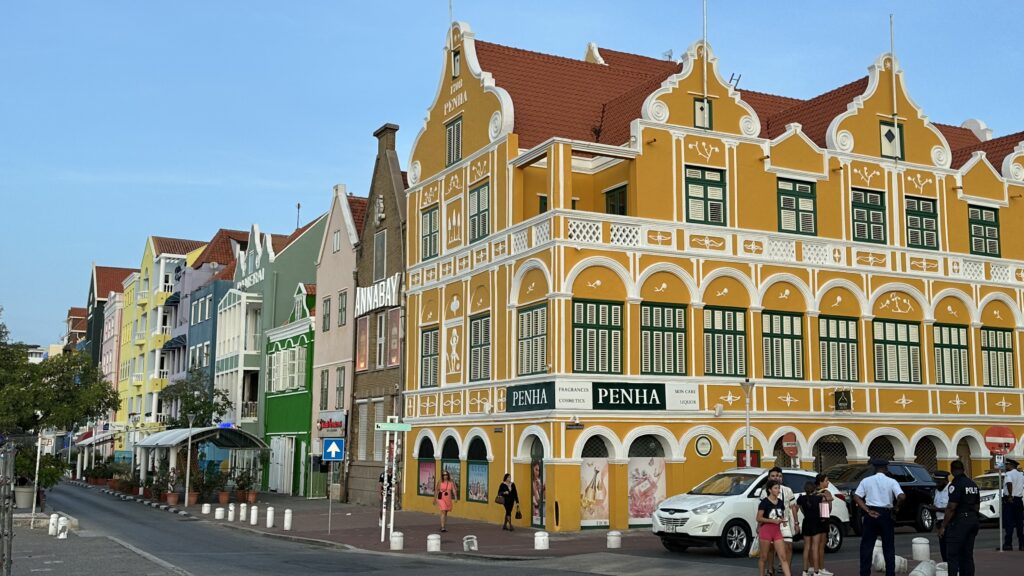
Cutting into the island’s southern coast, St. Anna Bay offered the Dutch West India Company a secure and defensible port when it seized the island from Spain in 1634. Construction of Fort Amsterdam began immediately, establishing Dutch authority and laying the groundwork for the settlement that would become Willemstad. Today, its waters connect shipping lanes to the region’s harbour, while supporting commerce, promoting culture, and building community among the idyllic facades of the grand houses, civic buildings, and warehouses.
However, unlike other Caribbean islands, such as the Dominican Republic, Haiti and Puerto Rico, which lie within the hurricane belt, Curaçao’s historical buildings were spared the destructive storms that reshaped so many Caribbean towns
Strengthened by decades of preservation work by organizations such as Stichting Monumentenzorg Curaçao, this continuity led UNESCO in 1997 to inscribe the four historic districts of Willemstad.
Punda, the oldest district, grew from the Dutch fort, Fort Amsterdam, and retains its 17th-century lanes and early colonial buildings overlooking the Handelskade, the city’s waterfront.
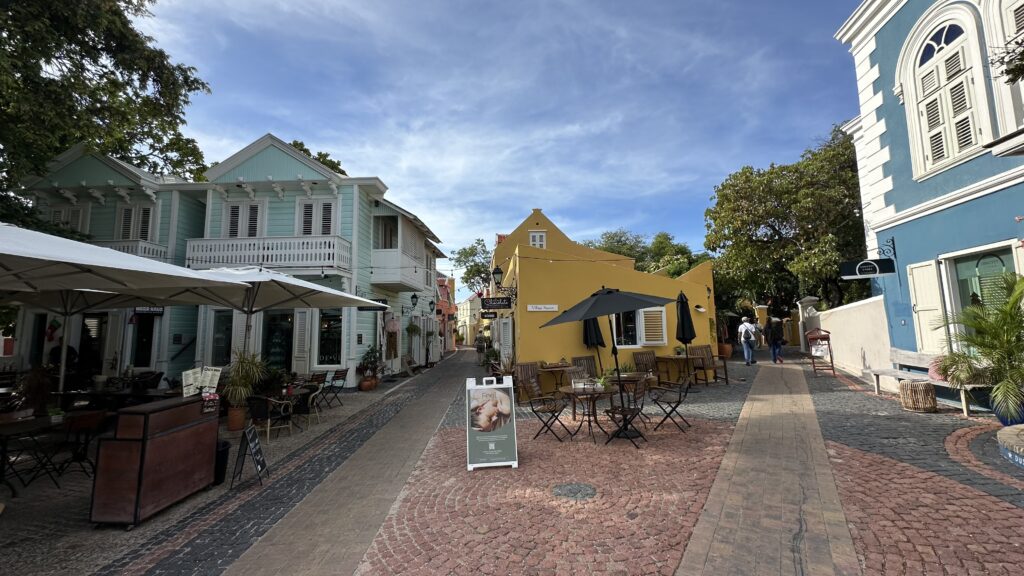
Across the bay lies Otrobanda, settled in the 18th century and traditionally home to a more Afro-Curacaonian and working-class population. Its dense streets, intimate courtyards, and restored waterfront at Rif Fort reflect a different architectural character, one that follows an open-air concept and now houses numerous shops, bars and restaurants.
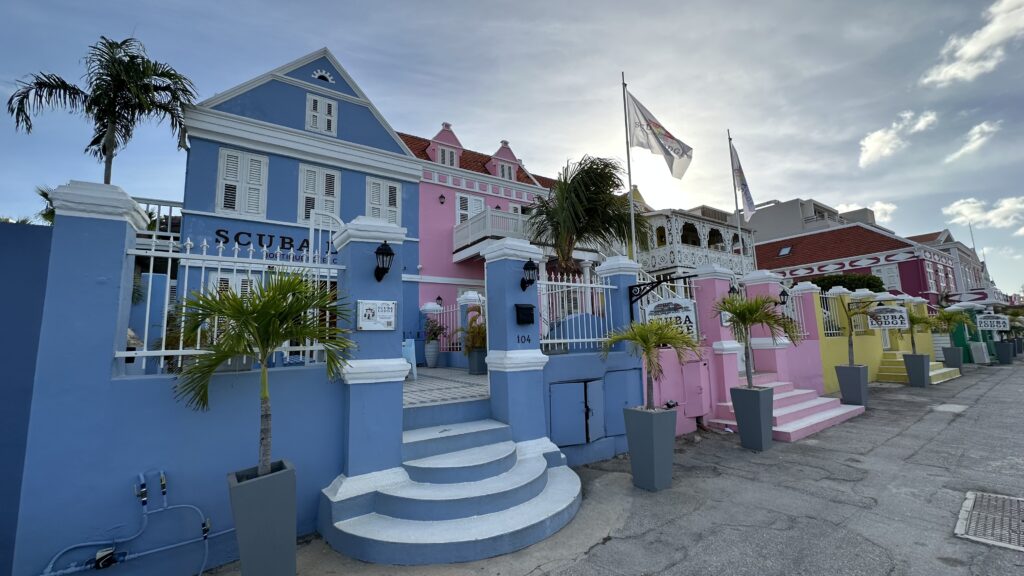
To the east, Pietermaai developed in the 18th century as a suburban extension of Punda, where wealthy merchants built elegant townhouses. After a long decline, it has re-emerged as a lively district filled with boutique hotels and restaurants. North of Punda stands Scharloo, the 19th-century merchant quarter now known for its grand villas, many built between 1880 and 1915, representing a mix of carefully restored residences and atmospheric, gently fading mansions.
Riding a minibus into Punda one morning revealed the Queen Emma Floating Bridge, built in 1888, which remains the world’s oldest and longest-functioning floating bridge. The pontoon-supported pedestrian walkway swings open on 15 pontoons whenever a ship enters or leaves the harbour. When approached, the bridge begins its slow arc across the water to allow a freighter through, its wooden decks creaking as they shifted aside.
Crossing the bridge for the first time offers a striking sense of Willemstad’s geography: Punda rising on one side, Otrobanda facing it from the other, and the bridge swaying lightly beneath our feet — a vivid reminder that this remains a working harbour rather than a preserved stage set.
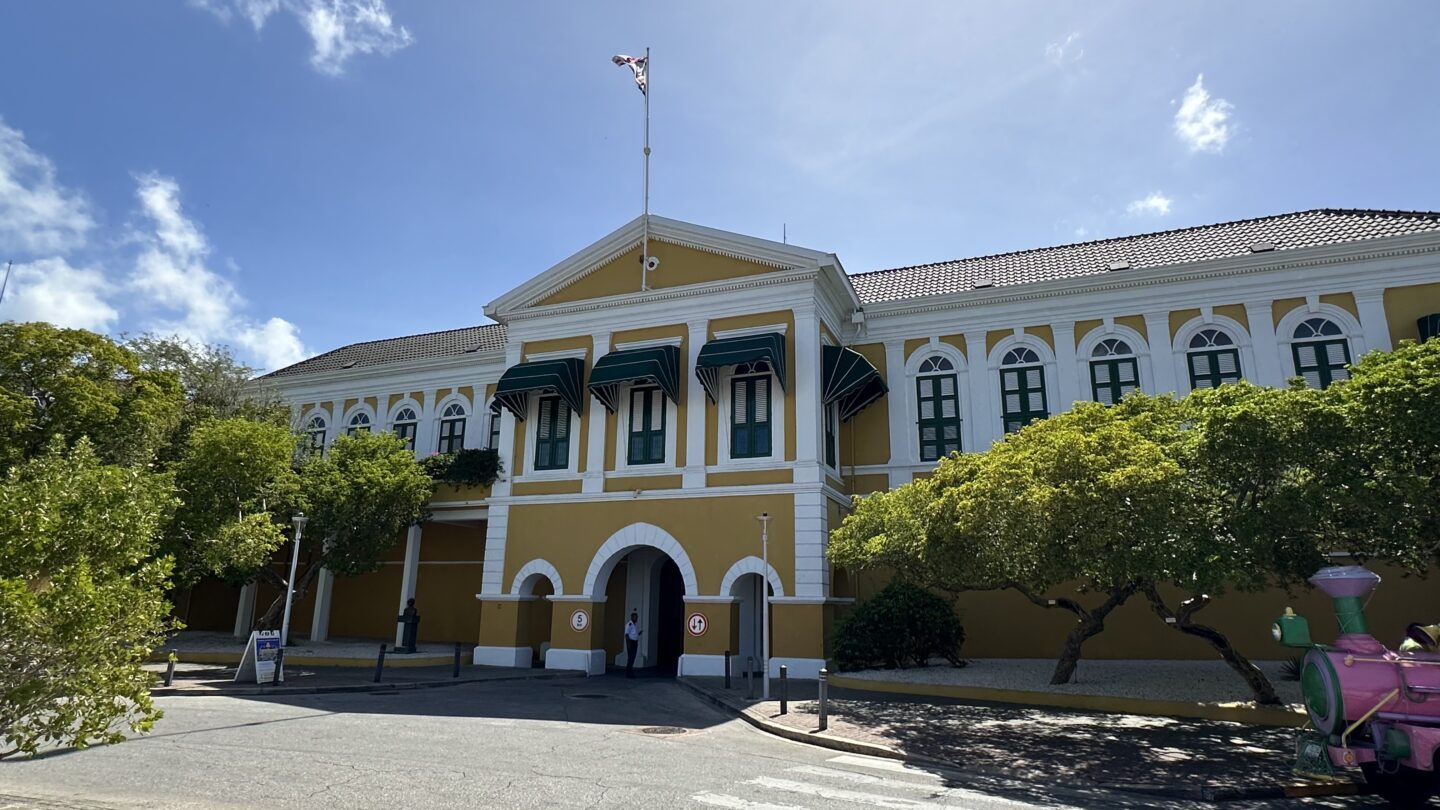
Back in Punda, the ochre-coloured citadel of Fort Amsterdam still serves as the island’s administrative centre. Within its walls stands the Fortkerk (Fort Church), completed in 1769. Built of coral stone with shuttered windows and a finely carved pulpit, the church is among the oldest continuously used Protestant places of worship in the Caribbean. Here, a volunteer named Hensey Beaujon shares the story of his Huguenot ancestors, who fled persecution in France, settled in Amsterdam, and later made their way to Curacao in the 1630s. Beaujon’s family story added depth to the site’s already tangible layers of history.
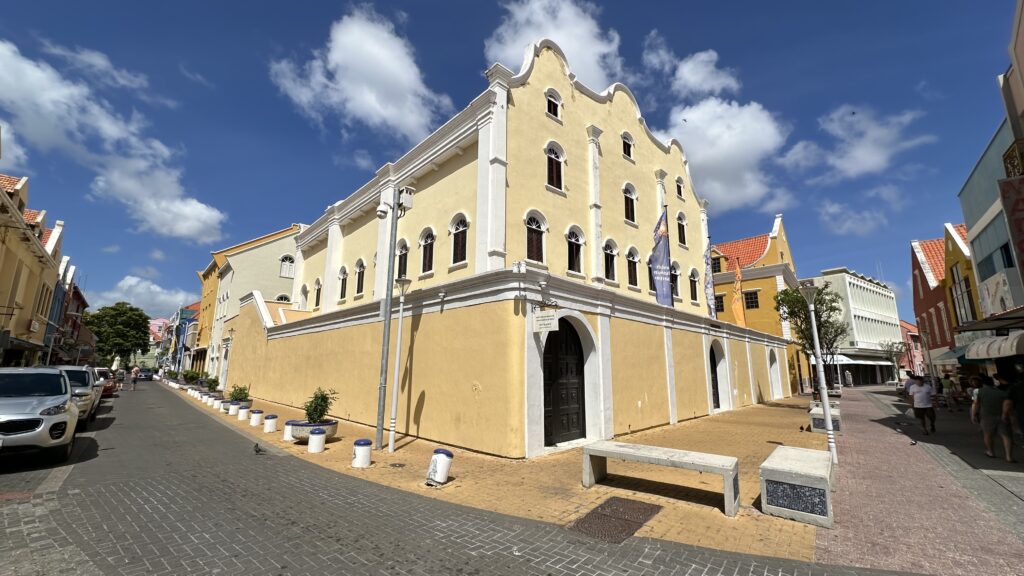
A short walk through narrow streets leads to the Mikvé Israel–Emanuel Synagogue, dedicated in 1732 and founded by Sephardic Jews who fled the Spanish Inquisition via Amsterdam. It is the oldest continuously operating synagogue in the Americas. The sand-covered floor, soft underfoot, recalls both the Israelites’ desert wanderings and the secret worship of Jews in Iberia. The Jewish Museum Curacao, located next door, expands the narrative through artifacts and personal histories that trace centuries of Jewish life and commerce on the island.
On the edge of Scharloo is the Curacao Maritime Museum, housed in a mansion built in 1729. Across three floors, the museum presents a clear and engaging survey of the island’s seafaring heritage, from Indigenous navigators and early Spanish explorers to Dutch colonists, Caribbean sea trade, and the era of privateering. Exhibits outline Curaçao’s place in the wider Atlantic world and the evolution of naval activity in the region, including the modern role of the Royal Netherlands Navy.
Less than a 15-minute walk away is Scharloo, once Willemstad’s wealthiest district. Built mainly between 1880 and 1915 by prosperous Jewish merchant families, its villas combine Dutch architectural forms with neoclassical details and Caribbean colours. Some have been restored, others await their next chapter, but together they reflect the economic vitality and cultural influence that shaped the island’s mercantile era.
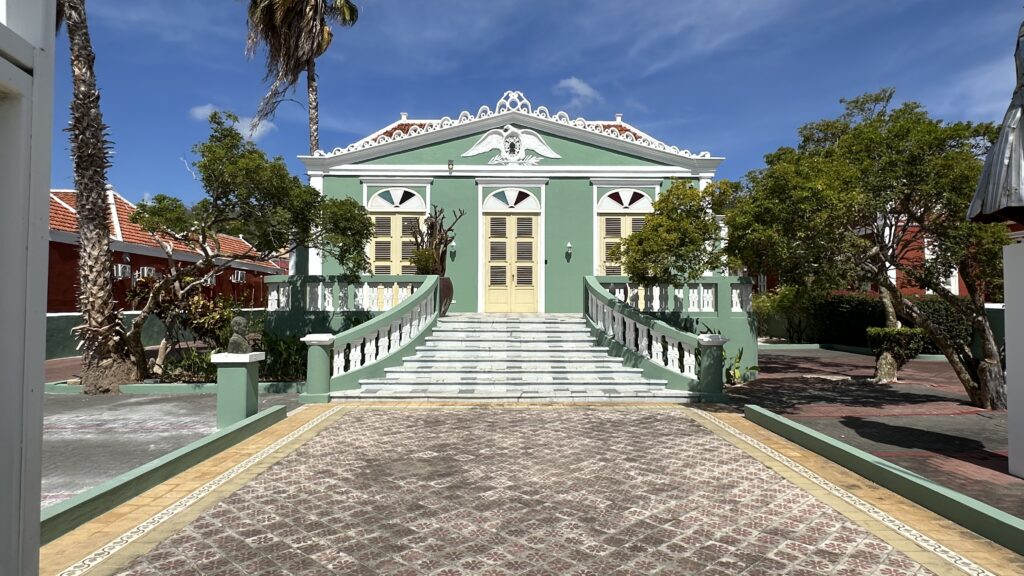
We crossed back into Otrobanda for lunch at the Swinging Old Lady Brewery, then explored Hòfi Village, where restored buildings now house craft shops and small cafés. A short walk away stands the Roman Catholic Basilica of St. Anne, a mid-18th-century church long central to the religious life of the former Dutch West Indies.
Remaining in Otrobanda, the Kurá Hulanda Slave Museum, one of the Caribbean’s most significant museums devoted to the history of the transatlantic slave trade, is a must-visit. Founded by Dutch philanthropist Jacob Gelt Dekker, the museum occupies a cluster of restored 18th- and 19th-century buildings that once formed part of Curaçao’s slave-trading infrastructure. Narrow lanes, coral-stone houses, and enclosed courtyards preserve the physical character of the neighbourhood as it existed during the era of enslavement. Inside, the museum showcases a remarkable collection of West and Central African artifacts, trade goods, shackles, ship manifests, and a full-scale reconstruction of a slave-ship hold, along with galleries that trace the legacy of slavery across the Americas. It is unflinching, comprehensive, and among the most important institutions of its kind in the region.
Willemstad’s preservation owes much to geography. Outside the hurricane belt, it has escaped the widespread destruction that transformed so many Caribbean capitals. Its survival also reflects sustained local and international commitment. Since UNESCO’s 1997 designation, restoration of the city’s 17th- to 19th-century architecture has accelerated, safeguarding buildings and revitalizing neighbourhoods that might otherwise have been lost.
Today, Willemstad stands as a city where Dutch, Caribbean, Jewish, and African histories remain visible in the streetscape and in the rhythm of daily life. For travellers, it offers something rare in the region: a living, almost perfect historical landscape.
Environment
How the Sahtuto’ine Dene of Délı̨nę created the Tsá Tué Biosphere Reserve, the world’s first such UNESCO site managed by an Indigenous community
Travel
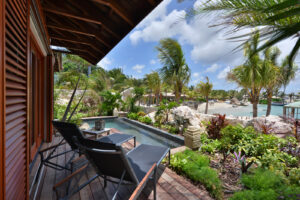
Where to eat, stay and play for sophisticated elegance or environmental connection in Curaçao
Travel
Parks Canada is seeking nominations for potential places to add to its impressive list of UNESCO World Heritage Sites. Here are five sites that were most recently added.
Places
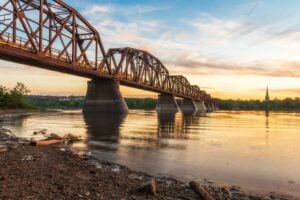
Canada’s railway bridges, like the Bill Thorpe Walking Bridge in Fredericton, N.B., continue to connect communities across rivers and valley