In 1999, while Arbour was still a chief prosecutor at the international court, former prime minister Jean Chrétien invited her to sit on the Supreme Court of Canada. It was the day before Milosevic’s indictment was published. After hearing questions from colleagues on the tribunal about why she would consider leaving such a role, Arbour said, “You don’t turn down an appointment to the highest court in your country — I had to go back.”
Arbour served on Canada’s Supreme Court for five years, providing reasons for many majority decisions before resigning in 2004. That same year, Arbour was appointed as the United Nations High Commissioner for Human Rights. There, Arbour took on many major international players, including the United States, who she accused in 2008 of human rights violations at Guantanamo Bay, Cuba for the mistreatment of detainees captured following the terrorist attacks on 9/11.
In her interview with Pringle, Arbour wryly noted that throughout her four years with the High Commission, she was never invited for an official visit to the U.S. She nonetheless enjoyed a trip to meet with the U.S. Supreme Court, after calling fellow jurist at the time, the late Ruth Bader Ginsburg.
Arbour continued on the international stage, serving as president and CEO of the International Crisis Group — a think tank dedicated to preventing and resolving deadly conflict — until 2014. Arbour was also appointed by UN Secretary-General António Guterres as his Special Representative for International Migration during this time.
In 2021, Arbour was appointed by former Minister of National Defence Harjit Sajjan to conduct an independent review of the Canadian Armed Forces’ handling of sexual misconduct and harassment allegations. Arbour released her report on the issue in May 2022, proposing 48 recommendations, including allowing any sexual harassment complaints to be managed by the Canadian Human Rights Commission.
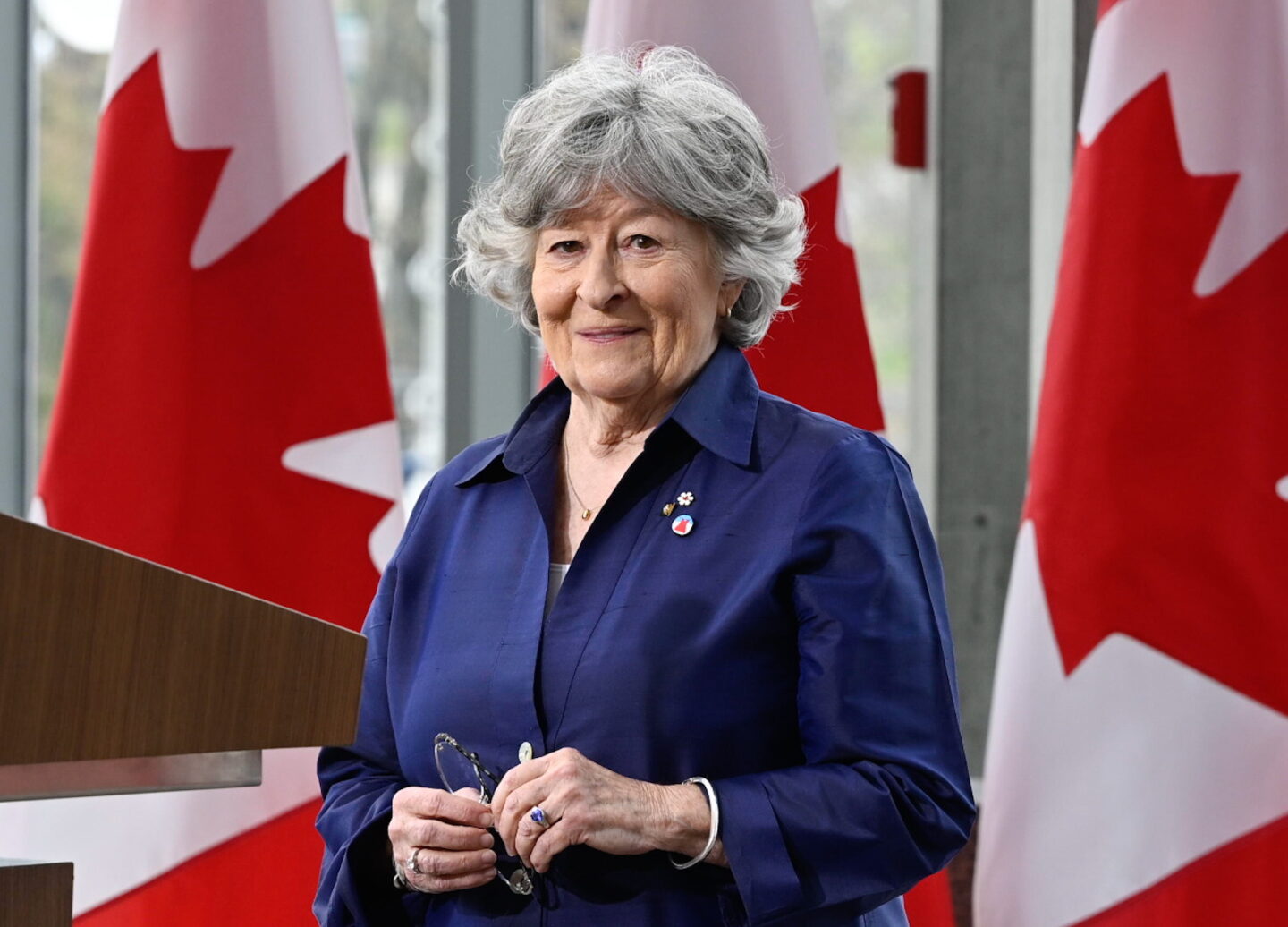
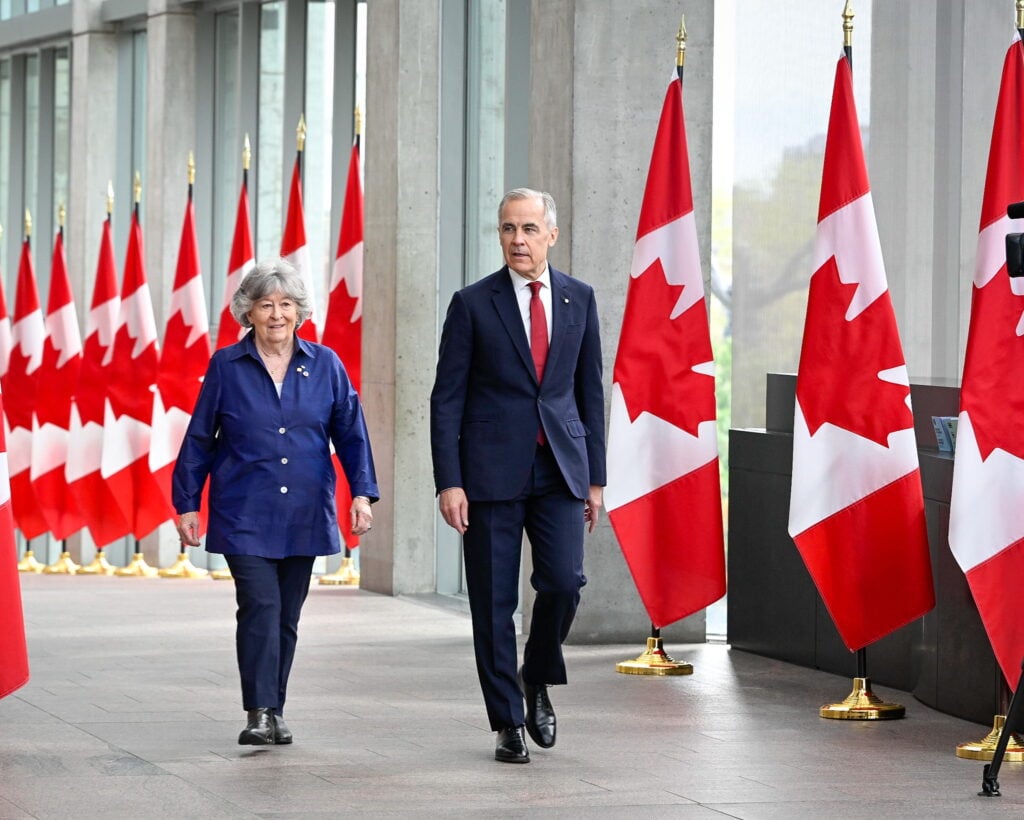
After compiling a lengthy legal resume and receiving a plethora of awards, including the United Nations Human Rights Prize, more than 30 honorary degrees, and a companionship to the Order of Canada, Arbour will officially assume the title of Governor General in early June 2026.
Arbour replaces Mary Simon, whose priorities as Canada’s 30th Governor General included advocacy for Inuit rights and for the preservation of Indigenous culture and language. In addition to serving as the monarch’s representative and the commander-in-chief of the Canadian Armed Forces, the Governor General traditionally serves as the patron of various royal societies, including that of the Royal Canadian Geographical Society.