Exploration
Exploring “Superior Maximus,” the deepest point in the Great Lakes
Follow along live as a team of filmmakers reveals the depths of Lake Superior in unprecedented detail
- 2208 words
- 9 minutes
Environment
More than five decades on, the landmark Great Lakes Water Quality Agreement still governs important cooperative work between Canada and the United States to restore the Great Lakes to sustainability
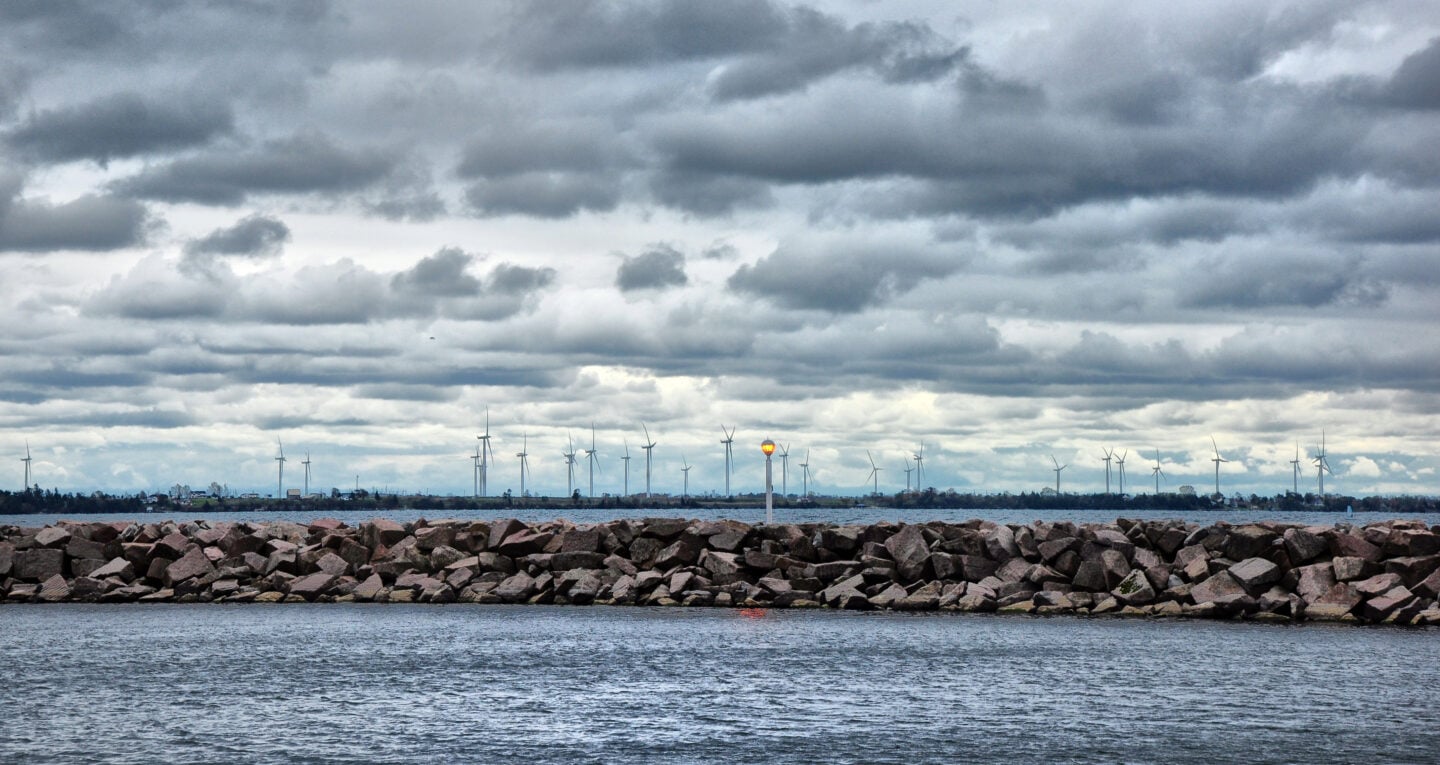
When the St. Lawrence Seaway opened in 1959, replacing an older, ad hoc network of shallower locks and canals, it marked the start of a new era in navigation and economic growth in the Great Lakes basin. But along with larger ships and expanded commerce, the new seaway also opened the door to a growing wave of biological intruders. Fast forward a half century — by 2023, some 190 non-native aquatic species were established in the Great Lakes, including 78 so-called invasives, whose presence harms native species and the native ecosystem.
But there is encouraging news, as well. Between 2014 and 2023, only four new non-native aquatic species settled in — the lowest rate of introduction since the seaway opened. “That’s a really big win,” says Jacob Orlandi, a physical science officer at the federal government’s Canada Water Agency.
Big wins like this are just one of several storylines (not all are as positive) in the State of the Great Lakes 2025 Report, an expansive assessment of the overall health of the Great Lakes ecosystem released this past January. Published every three years by the Canada Water Agency and U.S. Environmental Protection Agency, the report evaluates the two countries’ collaborative efforts to restore and protect Great Lakes’ water quality and ecosystem health in accordance with the Great Lakes Water Quality Agreement. First signed in 1972 and most recently amended in 2012, the agreement remains a shining example of multinational cooperation.
Collectively, the Great Lakes contain 20 per cent of the world’s surface fresh water and are a source of drinking water for more than 30 million people who live in the watershed. That said, only one per cent of the waters of the Great Lakes are renewed every year through precipitation, groundwater and run-off.
The Great Lakes Water Quality Agreement is a response to the harm caused by industrial pollution, nutrient run-off, shoreline development, invasive species and climate change — damage that also jeopardizes human health and the essential socio-economic benefits the lakes provide.
DRAWING ON INPUT from over 200 experts, the 2025 report assesses the lakes’ health against a set of nine ecosystem indicators, rating their status (Good, Fair, Poor) and how they’re trending (Improving, Unchanging, Deteriorating, No Trend).
Three indicators received a Good rating: drinking water, beaches and groundwater.
The invasive species indicator received Good for prevention but Poor for impacts. The nutrients and algae indicator was assessed as Poor to Fair, while the other four indicators — fish consumption, toxic chemicals, habitat and species, and watershed impacts — were rated Fair. The only indicator with an improving trend was fish consumption, a positive development that indicates there are fewer toxic chemicals in Great Lakes fish, meaning they are safer for people to catch and eat.
Because stressors and conditions vary throughout the Great Lakes watershed, all five lakes are also assessed individually on the same scales. Of those, only Lake Superior was rated Good, while Lake Huron scored Fair to Good, assessments in line with the lower population pressures on these two lakes. Lakes Michigan and Ontario, meanwhile, were rated as Fair, while Lake Erie’s health was assessed as Poor.
“One thing the report is showing is that the Great Lakes remain a great source for producing high-quality drinking water … but there’s also some pressures,” says Orlandi, one of the report’s coordinators and co-authors.
Notable areas of improvement include progress in reducing toxic chemicals in the Great Lakes, which has had the added benefit of reducing the accumulation of those chemicals in the fish we eat. Over the past decade, PCB concentrations in the fish caught and tested by researchers have declined or remained stable across all the lakes. The same is true for mercury concentrations. “These declines can be largely attributed to past bans and phase-outs of harmful substances,” Orlandi says. In other words, action taken decades ago is having positive impacts today.
Conservation and species management efforts have also resulted in modest increases in lake sturgeon populations in all the lakes and rebounds for lake trout, especially in Lake Superior, and for walleye in Lake Erie. Meanwhile, far fewer new, non-native aquatic species took hold after Canada (in 2006) and the U.S. (in 2008) adopted regulations mandating the mid-ocean flushing of ballast tanks of all transoceanic ships. Previously, ballast water taken on by ships in overseas freshwater ports was often released in the Great Lakes — together with any non-native species that had come along for the ride.
First signed in 1972 and most recently amended in 2012, the agreement remains a shining example of multinational cooperation.
Fittingly, then, a major reason for the report’s “Poor” rating on invasive species was due to the disproportionate effect of two invasive species that entered the Great Lakes via ballast water a decade or two before the new rules took effect. Both zebra and quagga mussels have spread ferociously since taking up residence. “They’re outcompeting native species,” says Luca Cargnelli, Great Lakes program coordinator at the Canada Water Agency. “They’ve also altered the way lakes are functioning and the way that nutrients are being used in the lakes.”
Unlike some invasives, such as the parasitic sea lamprey, whose numbers have been suppressed with a chemical that kills their larvae, zebra and quagga mussels have so far proved impossible to control.
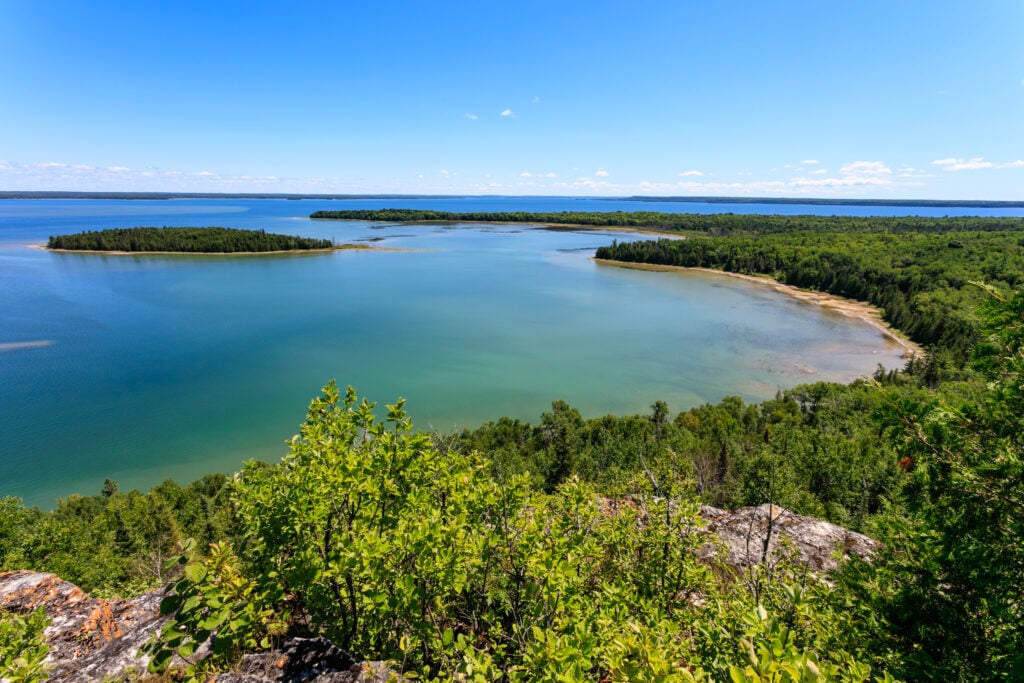
Effective solutions also remain elusive for nutrients and algae, the other indicator with a poor to fair rating. Some readers might remember a time in the 1960s when Lake Erie was considered near “dead,” as thick algal blooms turned the water into a thick green soup so hypoxic most of the fish died. That algal growth was fuelled chiefly by high levels of phosphorus and nitrogen from fertilizers entering the lake in agricultural run-off. It was also one of the original catalysts for the Great Lakes Water Quality Agreement.
Today, Lake Erie is far from dead, yet troublingly high levels of nutrients and algae persist. Agriculture in the lake’s watershed is still a primary culprit. But as the report notes, the problem is now being compounded by new factors: invasive species that have disrupted the natural nutrient cycle, extreme storms and warming water due to climate change.
“There’s a lot of money being put into best management practices up in the watershed. But it’s going to take many years, I think, before we start to see improvements in the lake itself,” says Cargnelli.
Getting the public more involved increases their commitment to the Great Lakes while also providing researchers with a breadth of data that would be otherwise impossible to gather.

WHILE IT MIGHT BE TEMPTING to think that, within the scope of the report, there are areas of greater individual concern to Canada or the U.S., Cargnelli says this isn’t typically the case. “In different parts of the lakes, they [the issues] may vary in terms of priority, but it’s the same issues that are threatening them.”
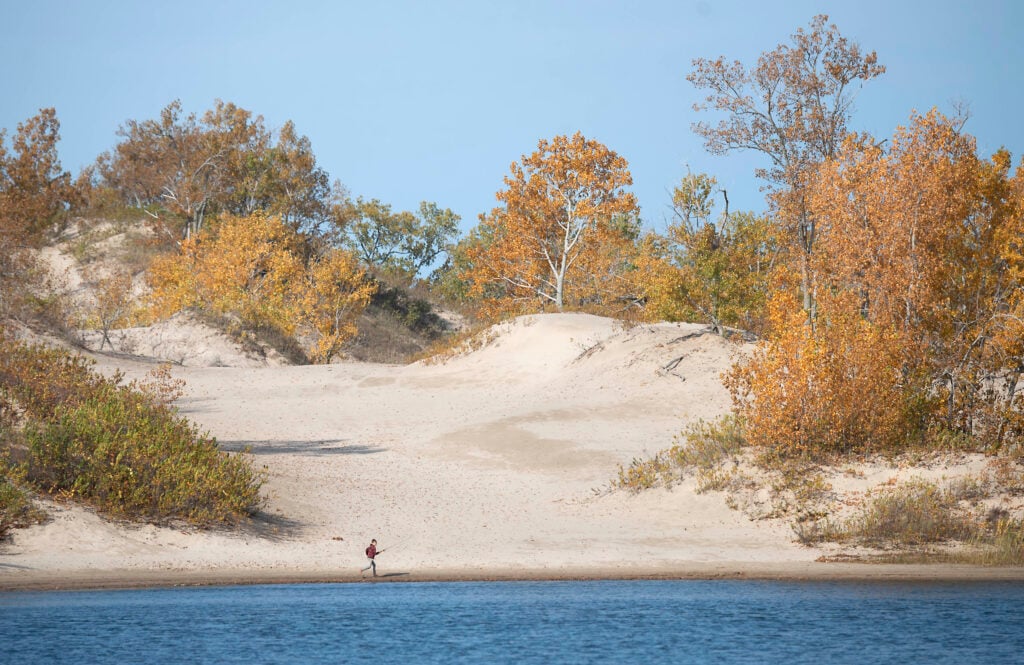
The two partner countries and other local collaborators work together to set out their action plans in accordance with a set of nine higher-level general objectives and 10 annexes of the Great Lakes Water Quality Agreement. And though the State of the Great Lakes Report provides an important overview of the status and trends scientists are seeing, scientists also develop detailed lakewide action and management plans for each Great Lake separately, published every five years. As well, every three years, a progress report documents the binational and domestic activities and accomplishments of the two countries. It all adds up to Canada and the United States keeping a close eye on this vital freshwater resource and ecosystem.
Having just completed the 2025 edition of the State of the Great Lakes Report, Cargnelli says he and his team are already hard at work preparing for the 2028 edition. “There’s always improvement in the process and we’re excited about that,” he says.
One promising source of new data, he notes, is from the 11 projects the Canada Water Agency is supporting through its community-based science funding stream of the Great Lakes freshwater ecosystem initiative. Getting the public more involved increases their commitment to the Great Lakes while also providing researchers with a breadth of data that would be otherwise impossible to gather. Through these programs, community-led groups are gathering information across various parts of the Great Lakes on everything from nutrient levels to surface-water temperatures and shoreline hardening to contaminant sources. Some indicators already incorporate community-based science information, but there may be opportunity for more. “There are some indicators where there are data gaps, and we’re looking at ways to fill those,” Cargnelli says. “Will some of that community science get incorporated into this next State of the Great Lakes cycle? I’m not sure, but we’re going to try.”
This story was created in partnership with Environment and Climate Change Canada.
Exploration
Follow along live as a team of filmmakers reveals the depths of Lake Superior in unprecedented detail
Wildlife
Lake sturgeon populations have plummeted in the Great Lakes watershed. Here’s how First Nations are collaborating with scientists to save an ancient relative.
Exploration
Yvonne Drebert and Zach Melnick set out to make a documentary about invasive quagga mussels in the Great Lakes. Along the way, they found the wreck of what is likely the steamship Africa, last seen on a stormy October night in 1895.

People & Culture
Great Slave Lake’s giant water spirit; fears over downstream contamination among topics explored by award-winning Dene author Katłı̨̀ą Lafferty in this excerpt from her latest book