
Environment
Canada’s greenest prof
Vancouver might just be home to the greenest building in the world. Meet the geography professor who brought it to life.
- 2598 words
- 11 minutes
Travel
In Indonesia’s West Papua province, a father and son discover how responsible tourism is helping protect one of the planet’s most diverse marine ecosystems

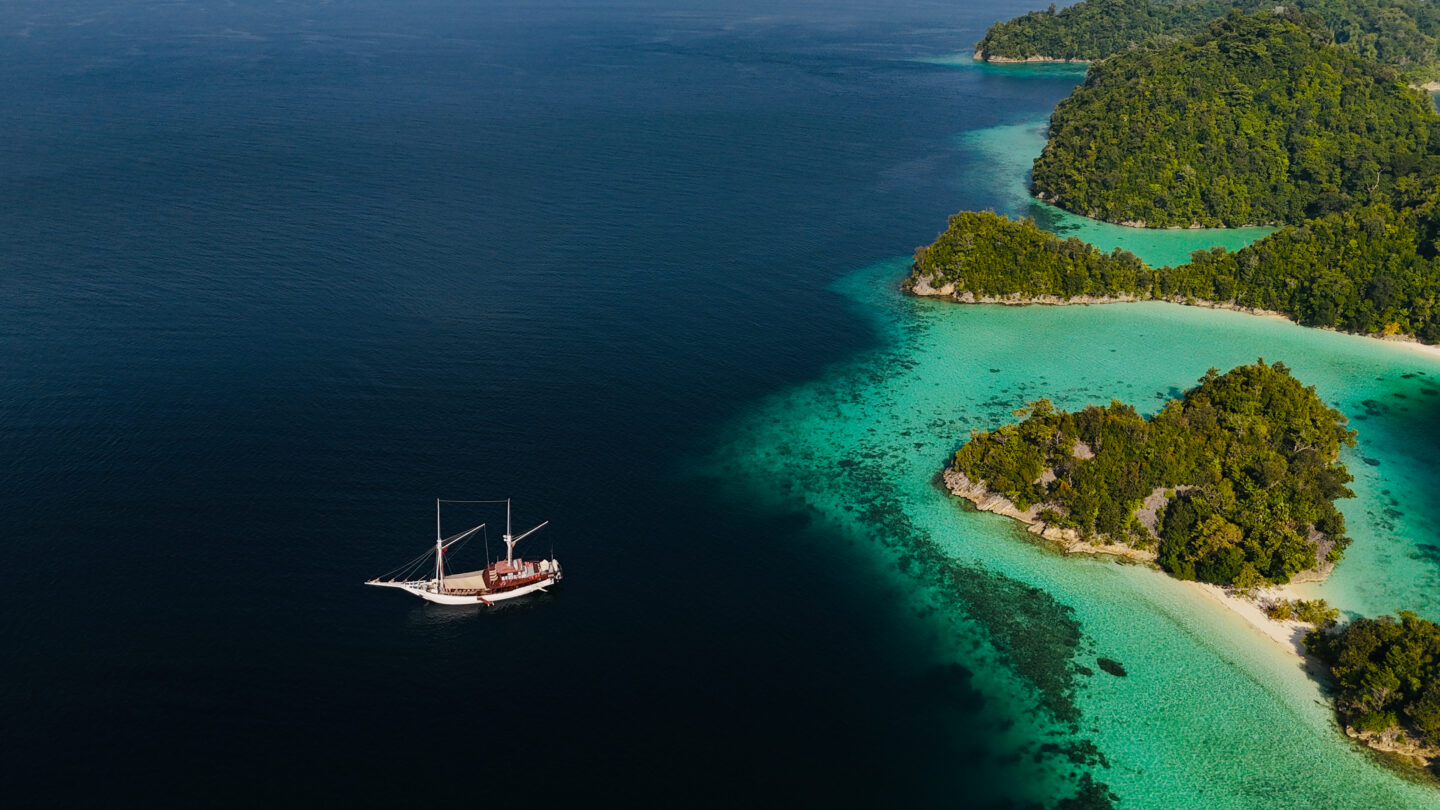
It is no small feat to reach the otherworldly realm of the Coral Triangle, or to silence the world long enough to appreciate it.
The average person touches their phone more than 2,600 times a day. We’re pummelled by notifications, news, and social media, resulting in skyrocketing rates of anxiety, especially among children. Like many parents, I’m in constant battle with my kids over screen time, urging them to switch it off and engage with the world around them. This is especially true on a journey to explore the world’s most diverse marine biome off the coast of West Papua, Indonesia.
Crucial for global coral reef conservation, the Coral Triangle is a 5.7-million-square-kilometre biodiversity hotspot stretching across six countries, and at its centre lies Raja Ampat — the region’s crown jewel.
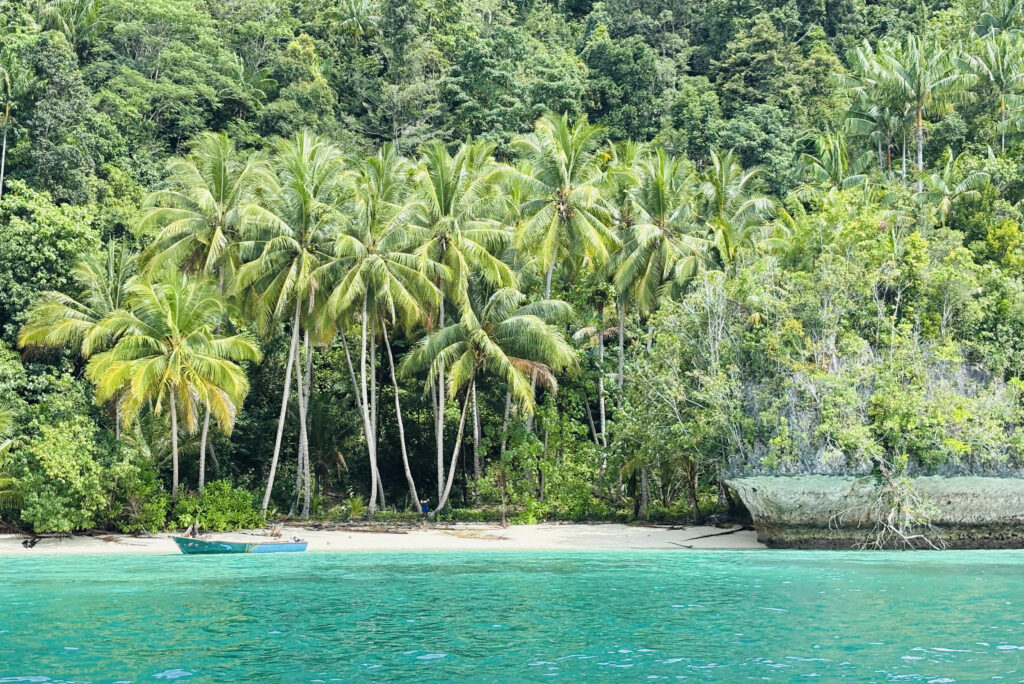
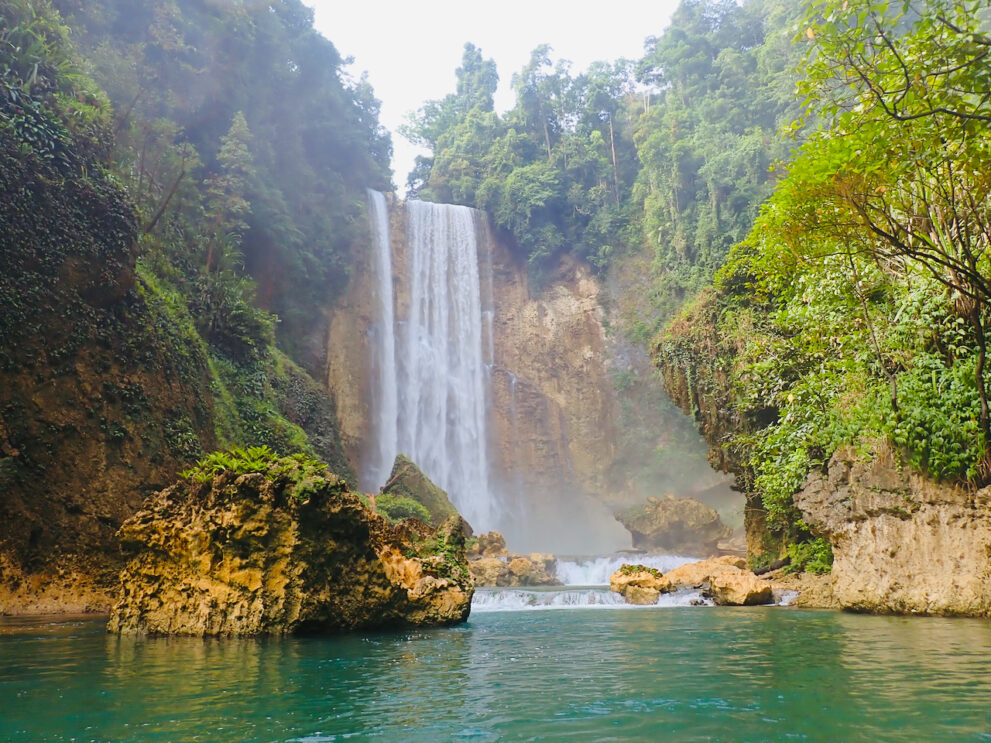
Covering thousands of jagged limestone islands and nearly two million hectares of protected Pacific Ocean, Raja Ampat is defined by white beaches, turquoise seas, tropical jungle, and staggering marine biodiversity. There are single reefs here with more coral and fish species than you’ll find in the entire Caribbean. With surface ocean temperatures averaging around 29°C and excellent visibility, it promises sensational snorkelling, bucket-list birding, dramatic scuba dives, Indigenous encounters, and relaxing, off-grid downtime. It is also the home of whale sharks, dolphins, sea turtles, birds of paradise, and more than 70,000 people, many living in coastal villages that reflect a cultural diversity as rich and colourful as the reefs protecting their shores.
Welcome to paradise, and at times, paradise lost. No marine ecosystem is immune to climate change, pollution, warming temperatures, over-tourism, plummeting fish stocks and economic pressures. Which is why, if you’re going to visit this part of the world, it’s better for everything and everyone to do it right.
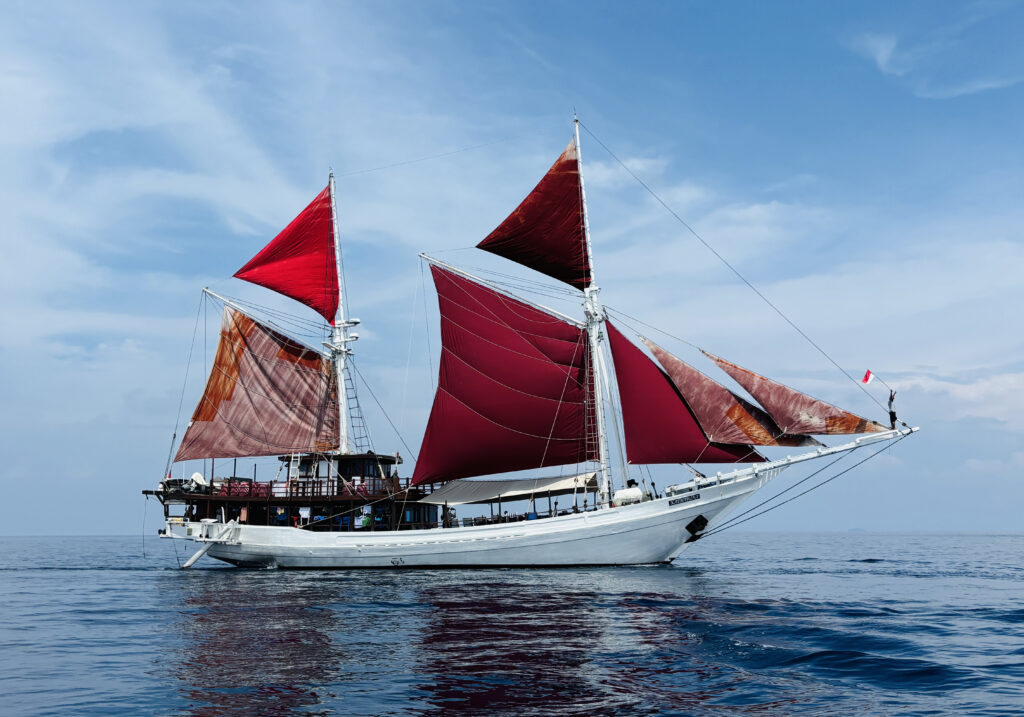
Bali-based SeaTrek Adventure’s Katharina awaits us in the town of Kaimana, stocked for a 10-day excursion to explore the islands off West Papua and Raja Ampat. Hand-crafted with Indonesian ironwood and sporting seven crimson sails, the striking 38-metre-long, two-masted Katharina is a real head-turner. These traditional Indonesian boats, called Pinisis, are hand-built by generations of island craftsmen and recognized by UNESCO for their unique cultural heritage. Transformed from a commercial freighter into a tourist boat with six air-conditioned, ensuite cabins and comfortable lounging decks, the Katharina honours an ancient seafaring tradition of fishing and the spice trade.
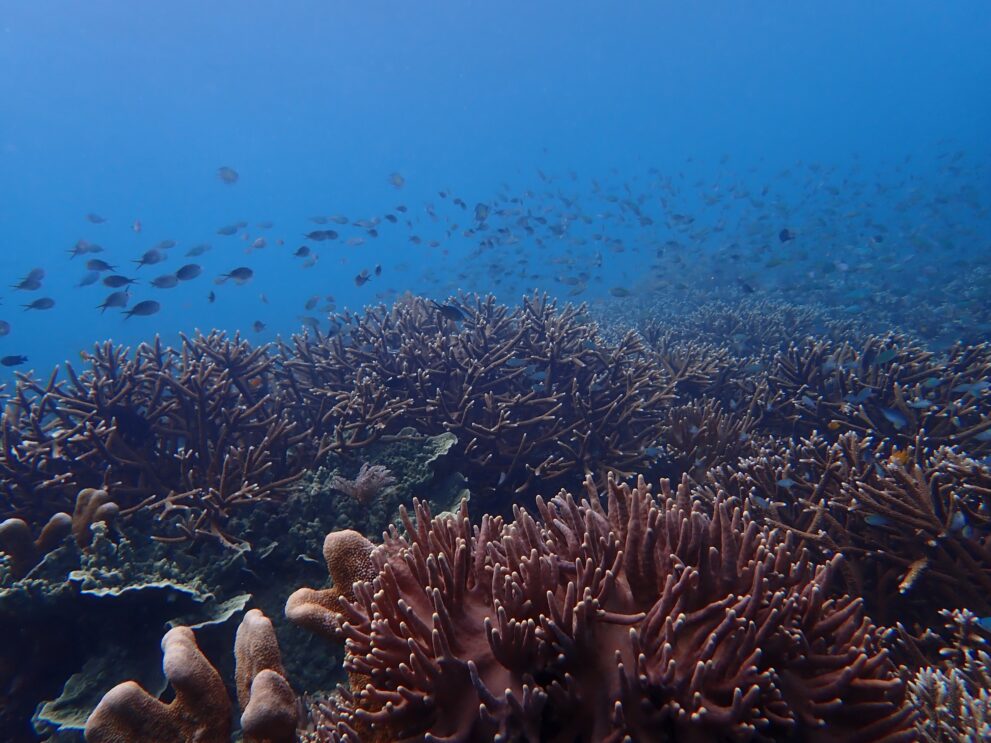
We are greeted by a cheering, all-Indonesian crew of 12, ensuring a seamless layer of luxury for this remote adventure. On offer: freshly-squeezed tropical juice, water toys like stand-up paddleboarding and kayaks, spotless cabins, tasty Indonesian cuisine, pastries at breakfast, well-appointed rooms, free laundry, and a Zodiac to shuttle us to daily excursions and reef snorkels. The reef here is often described as the ‘Amazon of the Seas,’ which invites what I’ll call the ‘Serengeti of Snorkelling.’ Huge, healthy coral gardens shelter marine diversity so vivid it’s tough to know where to look. That is, until something very big swims over to hog your attention.
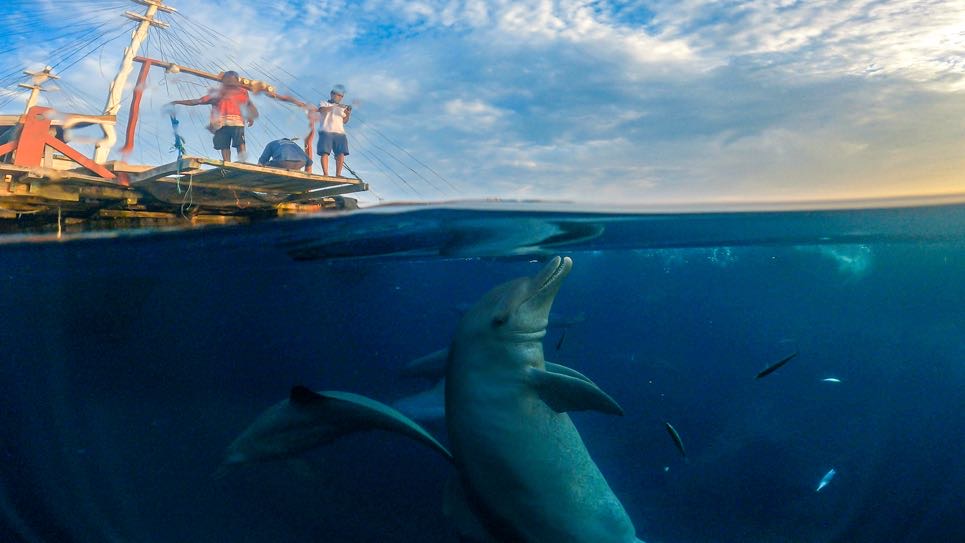
Mere hours after setting off from Kaimana, we find ourselves floating off a bagan (a traditional fishing platform), staring into the curious eyes of the largest fish in the sea: a whale shark.
For centuries, fishermen in West Papua have welcomed these slow-moving, yet massive creatures to their bagan, tossing baitfish into their vacuum-like, filter-feeding mouths. Yes, humans shouldn’t feed animals, but this isn’t a zoo: it’s a mutually beneficial tradition that spans countless generations.
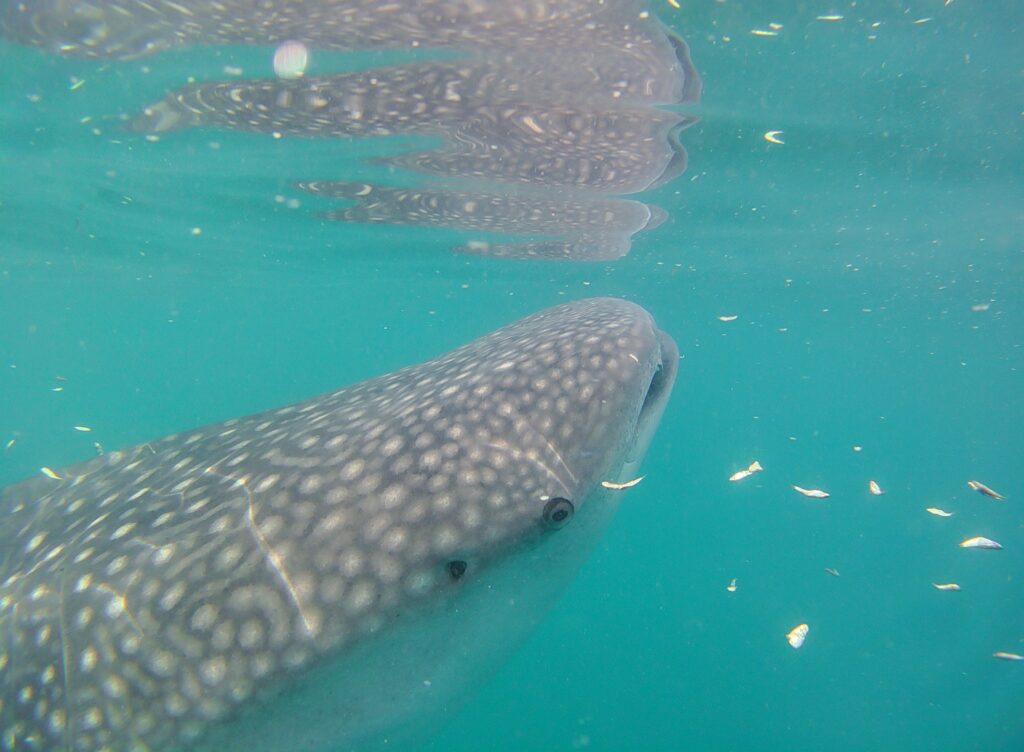
Locals regard whale sharks as guardians of the sea, feeding them for good luck and to prevent them from getting tangled in nets. As with any ocean creature, the only ethical way to swim with them is in their natural habitat, without disturbing their behaviour or migrating patterns. We keep our distance, marvelling at the gentle giant’s size while bottlenose dolphins arc through the air nearby. Occasionally, the whale shark drifts past us, betraying no physical effort and utterly unbothered by our presence. It is only the morning of day one. By day seven, swimming with a whale shark won’t even make the top three highlights of our trip.
We explore soft and hard coral reefs that defy description and encounter not just schools of fish, but dense clouds of them — immersed in glittering colours, swimming effortlessly. Each evening, our tour leader Anastasia shares photos of the day’s rockstars: a camouflaged wobbegong shark, a blue dragon nudibranch , gentle batfish and angelfish, a large Napoleon wrasse, a sewing kit of skinny needlefish, spiny lobster, feathered sea stars, and, to my son’s delight, we spotted three different types of ‘Nemo’ clownfish.
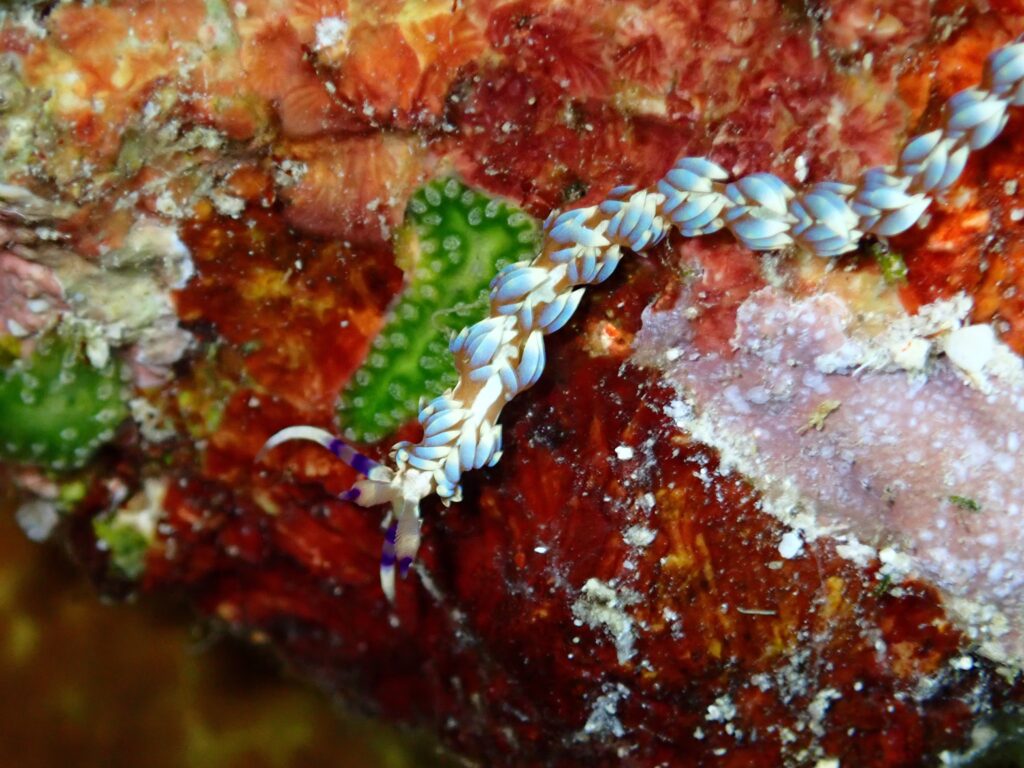
Surveys in Raja Ampat have recorded more than 550 coral species, 1,800 reef fish species, and 700 mollusc species. A fellow passenger sits down with a book about fish pulled from Katharina’s library, which identifies more than 100 species he saw that day, all thriving on a single reef.
Without a doubt, it is the best snorkelling I’ve encountered anywhere, and a welcome respite from the horrendous bleaching that is wiping out more famous reefs in Australia and the Caribbean. Which is not to say the reefs of Raja Ampat and its surrounds are in the clear. Tons of human waste is pumped daily into Indonesian waters, along with plastics and garbage that sometimes find their way into this pristine aquatic world. Large-scale efforts by the government and NGOs are underway to protect this vital marine jewel before it goes the way of the Great Barrier Reef. While the reefs are currently in good shape, rising sea temperatures are a major concern. Coral bleaches when sea temperatures rise just 1°C to 2°C above normal regional temperatures. At one point, an underwater camera records the surface water approaching 31°C. If a healthy reef dies, there’s little chance of it coming back. Future generations have a challenge on their hands.
Joining me on this trip is my nine-year-old son, Galileo, whose hands are growing by the day. I’ve long subscribed to David Attenborough’s timeless statement: “No one will protect what they don’t care about; and no one will care about what they have never experienced.” It is the first time Galileo has snorkelled, and the first time he’s encountered fish, turtles, sharks, coral, and other creatures in their natural habitat. A quiet, arty kid prone to motion sickness, our Indonesian adventure swims far outside his comfort zone. Yet travel always has the power to inspire, educate, and transform. Magic happens when you allow yourself to float over your personal boundaries and drift into the unknown.
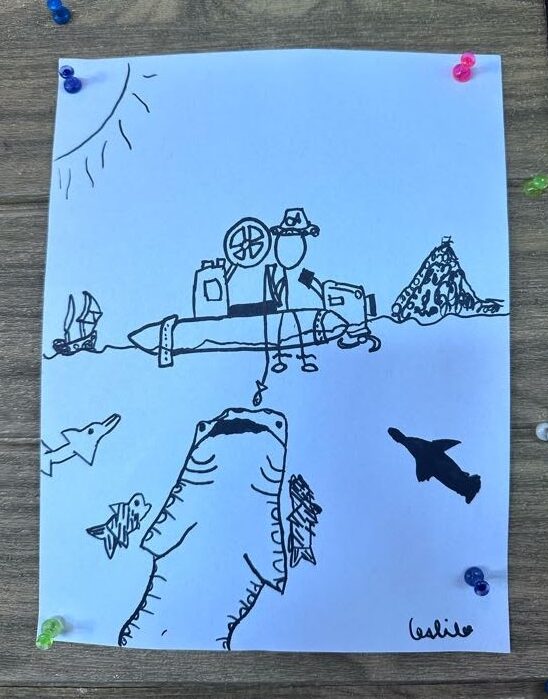
Skittish and not a particularly great swimmer, Galileo’s confidence grows daily. He processes it by drawing pictures, looking through books, and asking questions about the creatures and people he’s encountering, all so different from anything he knows back home. He’s skipping school because this kind of education is priceless (and his teachers agree too). That said, learning to snorkel in Raja Ampat is like learning to climb mountains at the top of Everest. I’m not sure where he’ll go from here, but the experience has made him care about our oceans in a way that books and movies never could.
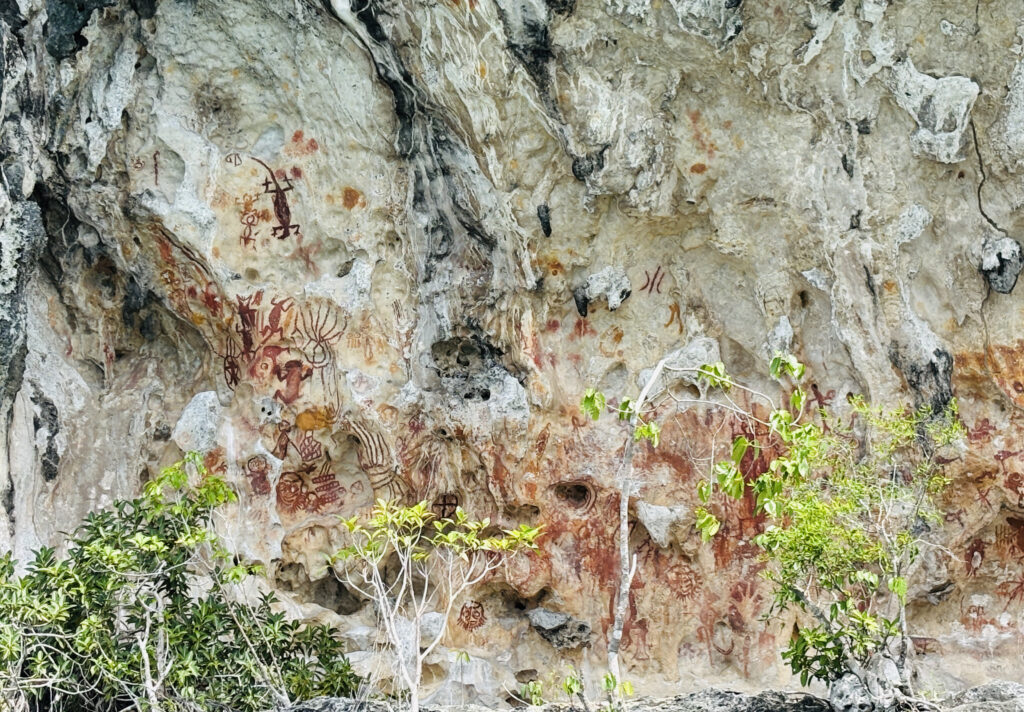
Returning to those highlights, how about an early morning snorkel with a dozen Indo-Pacific bottlenose dolphins? Skittish on our approach, the pod appears to approve our good intentions, proceeding to dart among us as if to show off their underwater dexterity. How about the nine giant manta rays that surround our dinghy on the way back from visiting ancient rock art? Scrawled onto limestone walls that were once inside caves but have since eroded into cliff faces, the rock art dates to between five and 10 thousand years, depicting marine life, geometric shapes, and handprints that reminded me of Aboriginal rock art in Australia.
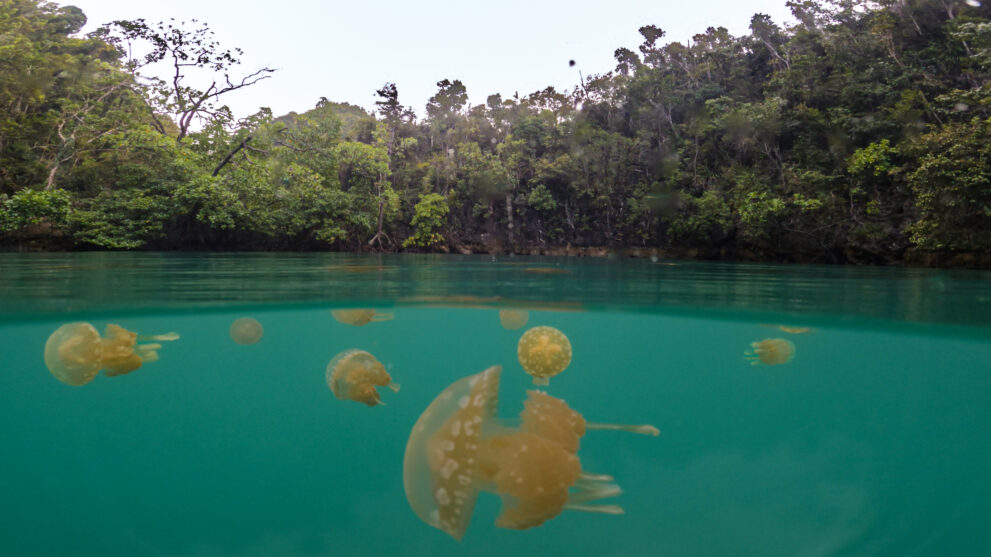
Similar rock art in Indonesia has recently been dated to 67,000 years old, making it the oldest rock art found anywhere on the planet. What about floating in a lake with stingless floating jellyfish, a natural phenomenon found in just a handful of lakes around the world? My son’s eyes light up as dozens of translucent golden jellyfish gently pulse around us, creating an otherworldly experience.
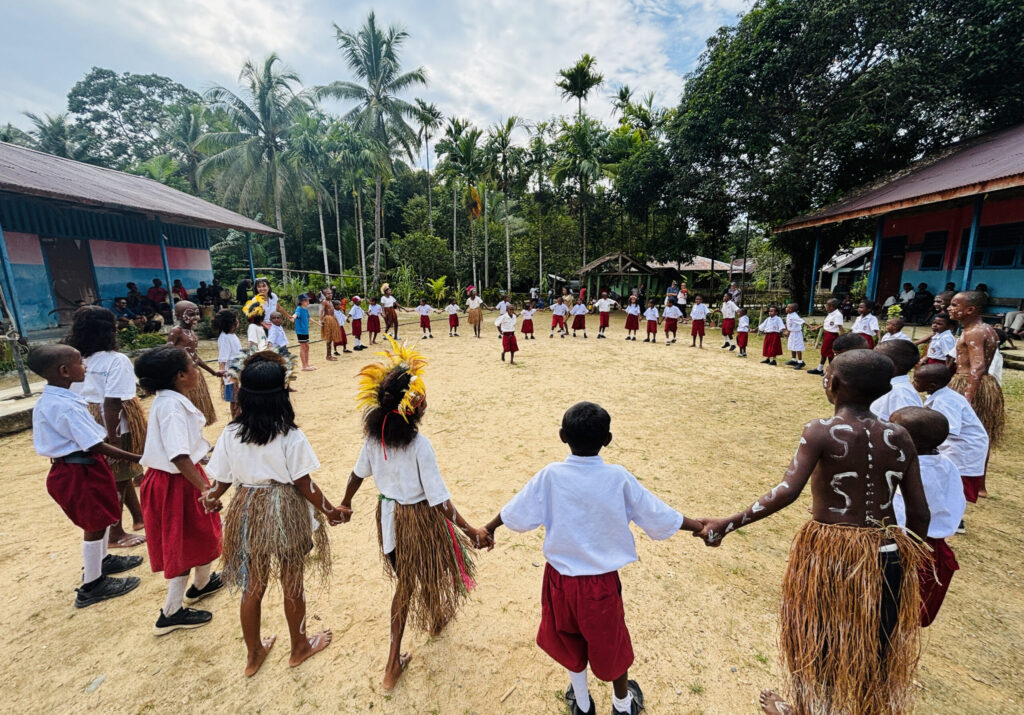
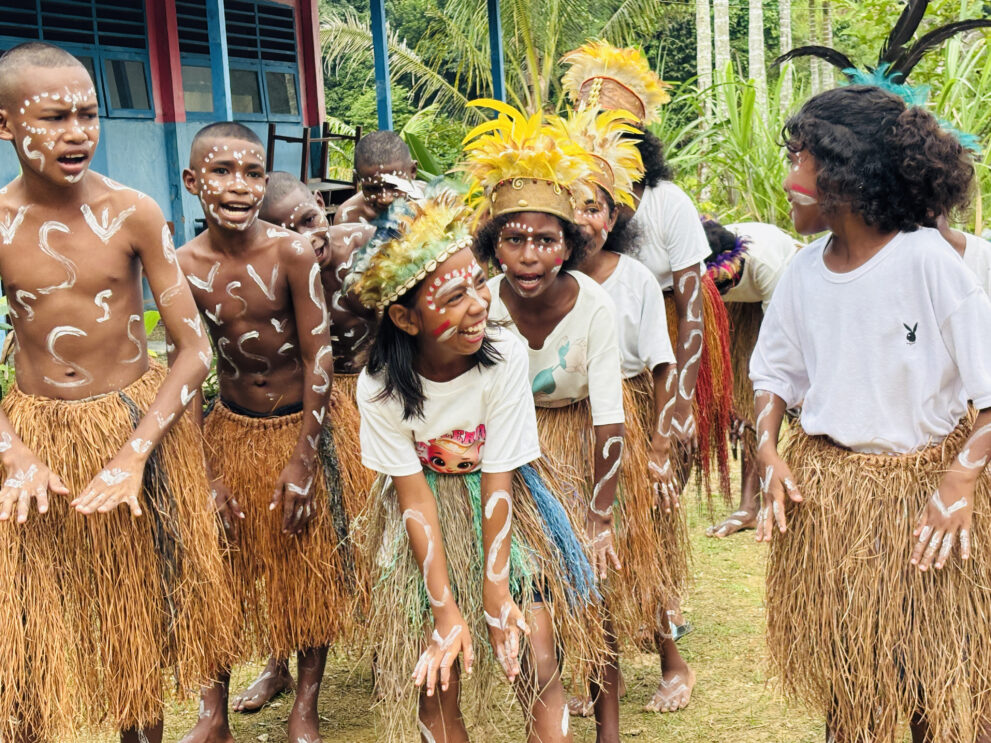
Visiting a coastal village, Galileo joins throngs of local kids in a school yard game, learning that kids are kids, regardless of whether they wear uniforms, bathing suits, or feathered headdresses. It’s also where I feel the weight of ‘the Grid’ phantom buzzing in my pocket. Cell service has reached these remote island communities, and I fear the havoc social media may be wreaking. Powerless against the alluring TikTok algorithm, kids are being pulled from their cultural traditions, their attention hijacked just as everyone else’s is. It takes mental fortitude to dispel the FOMO and keep my phone in airplane mode.
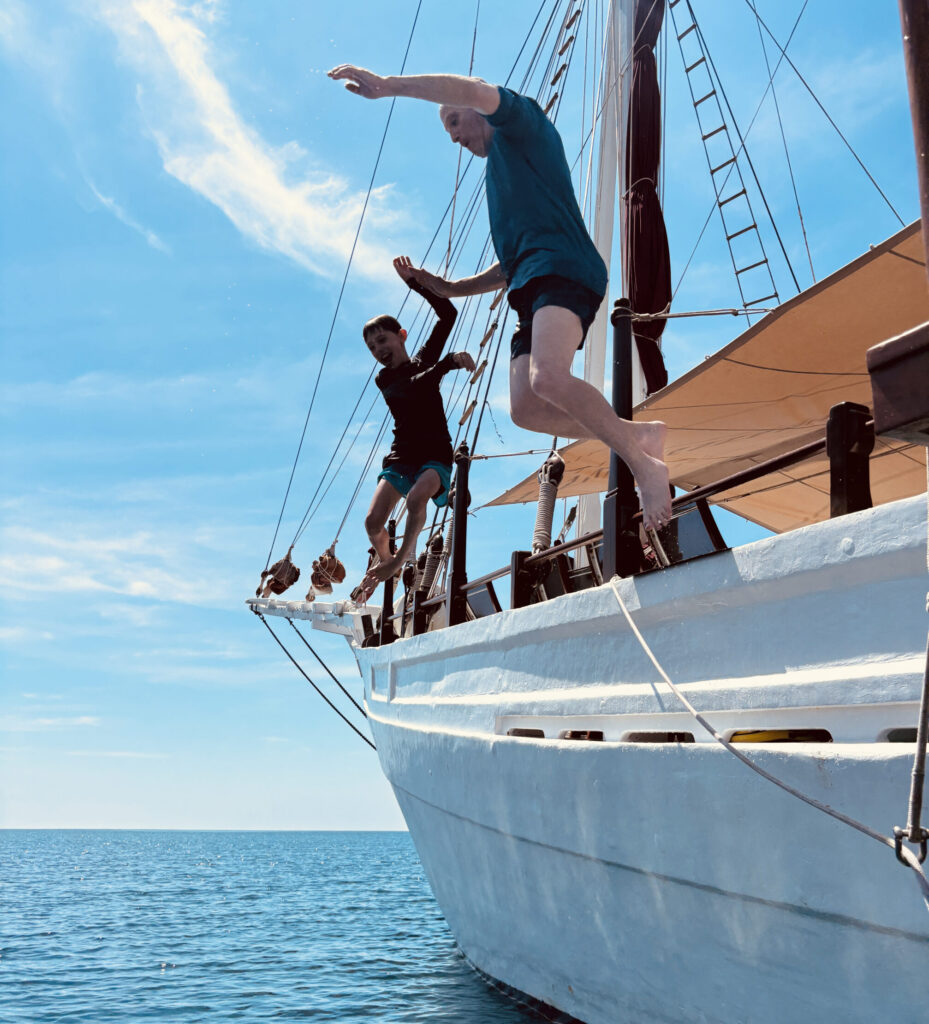
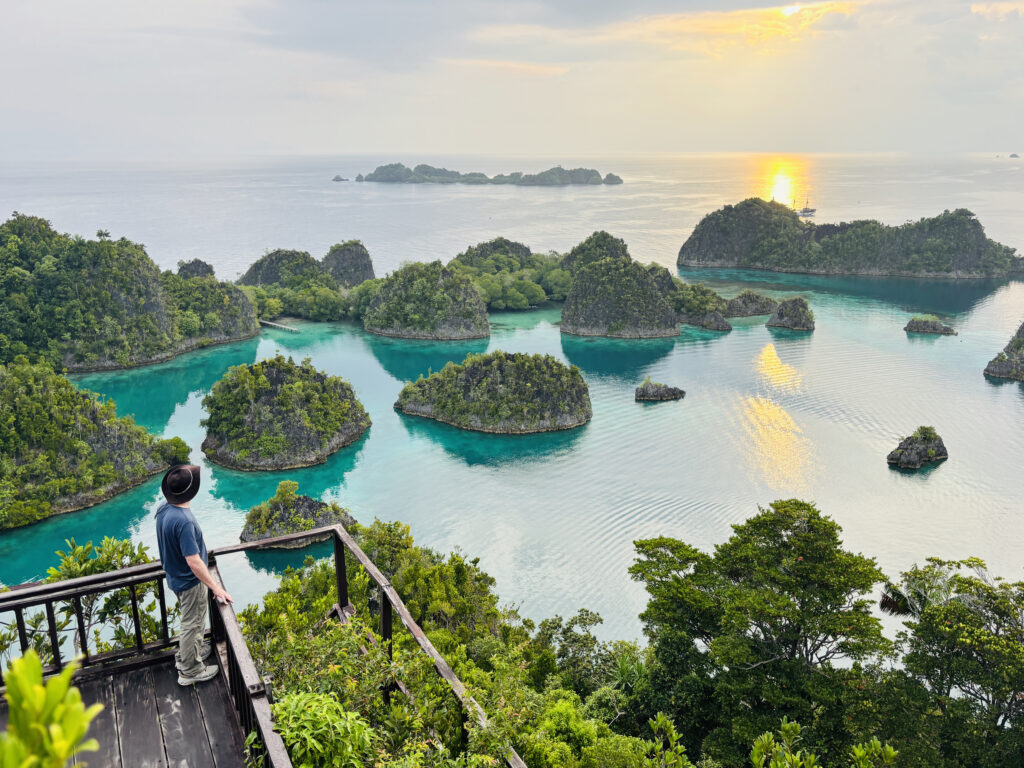
Everything slows down when you leave the 24/7 news cycle. There’s time to read books and have long conversations, to rest on the sundeck or gaze at the stars. Galileo sketches a whale shark and, while anchored, spends hours jumping off the Katharina into the warm sea below. We stretch our legs with a morning hike to the viewpoint atop Piaynemo Geopark, admiring the most famous view in Raja Ampat to a soundtrack of endemic spice imperial pigeons. It’s a warm-up for an excursion on the island of Waigeo in search of the wild colours and bizarre mating rituals of two species of bird of paradise.
We reach a hide shortly before sunrise and wait for a sprightly, multi-hued Wilson’s bird-of-paradise to appear, cleaning up a show area (known as a lek) to attract the attention of a female. We sit in long silence, listening to a symphony of birds and watching a natural avian spectacle. My imagination has David Attenborough’s distinctive voice narrating in my head.
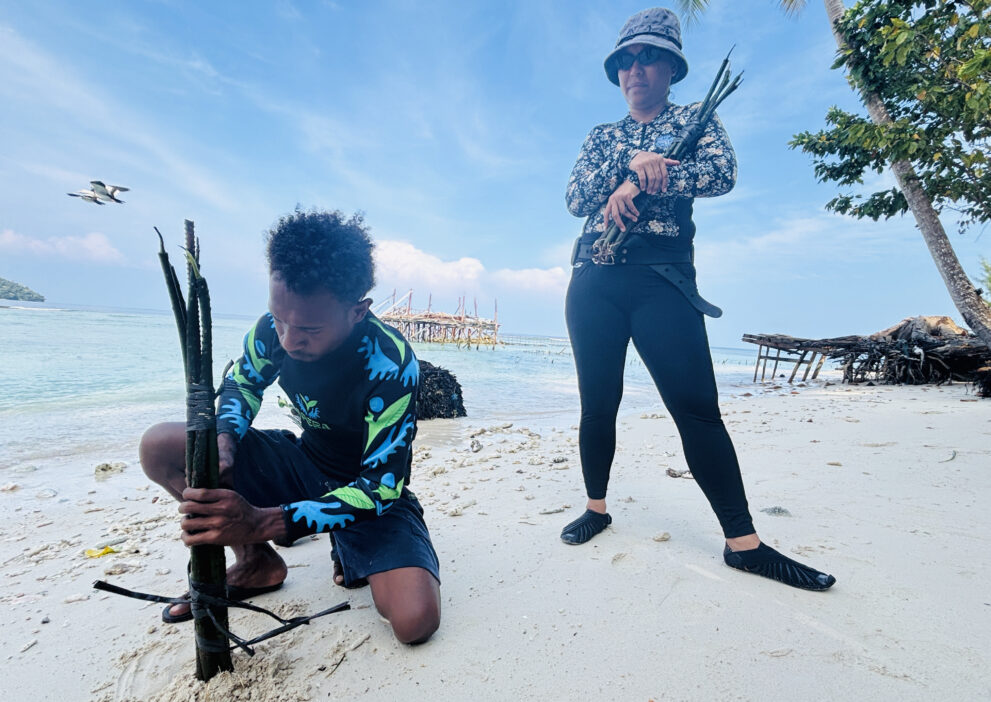
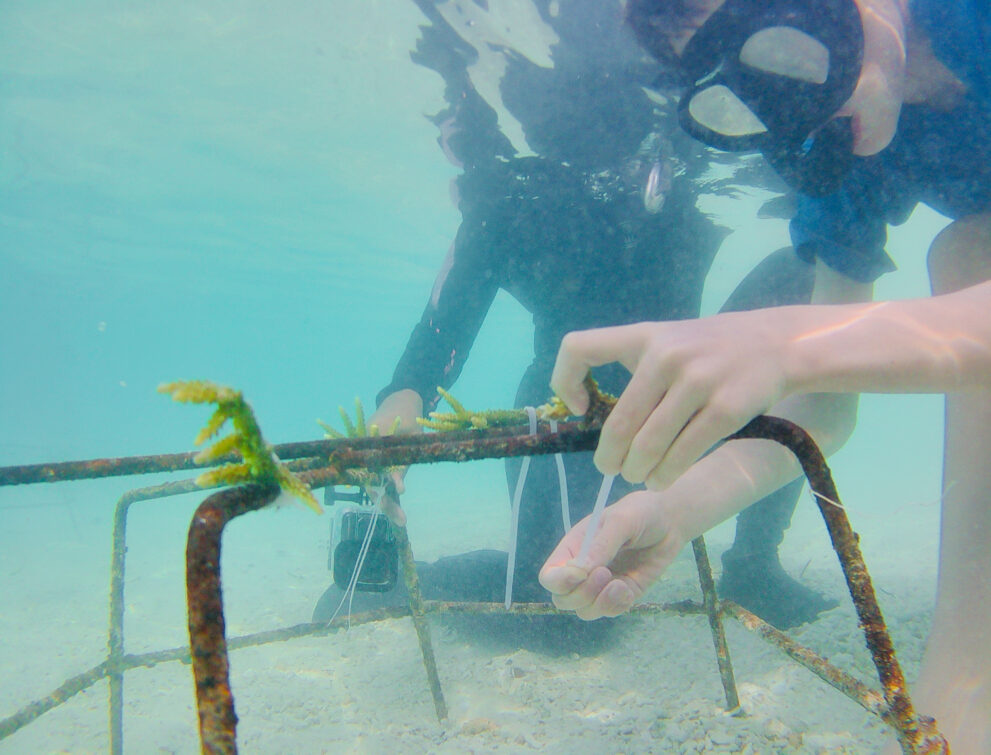
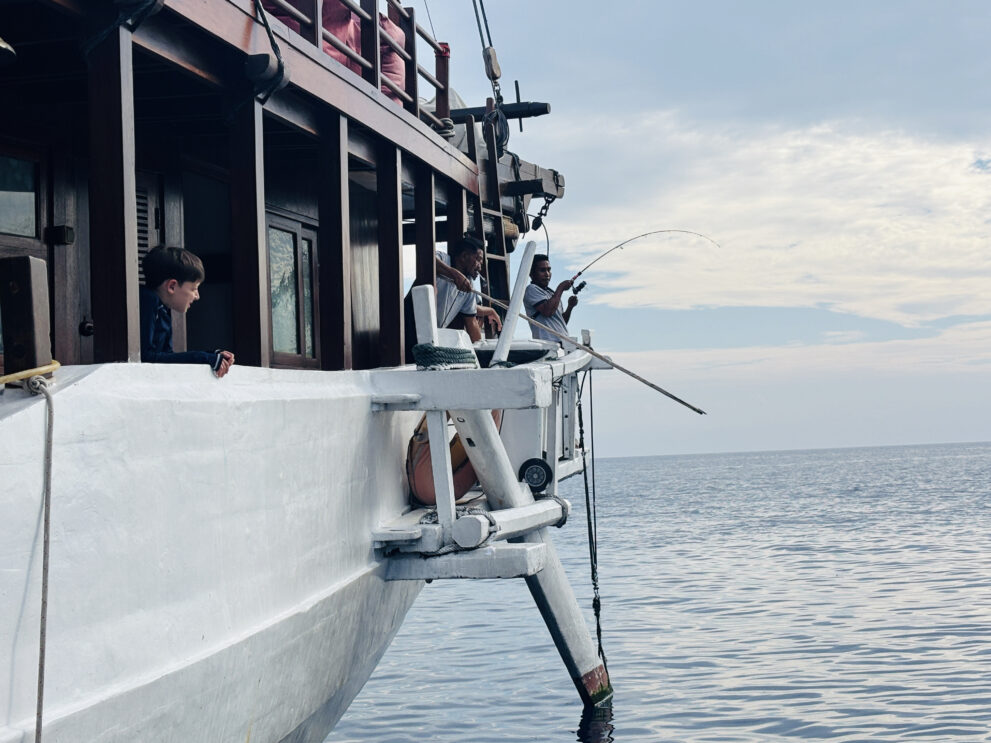
Our crew casts rods off the back of the Katharina, and what they catch sometimes ends up on the dinner buffet. One night, they set up a memorable beach barbecue under the stars, performing traditional songs about Indonesia and life at sea. We receive nightly briefings on coral, local history, boat-building, and marine life, and we learn of SeaTrek’s impressive efforts to promote tourism as a positive, transformative force. Our itinerary includes planting coral and restoring a mangrove with ‘local heroes’ that the company identifies and supports.
SeaTrek is a signatory of the UN’s Green Fins and WWF’s Signing Blue conservation programs, educating their guests and empowering local communities to celebrate and protect their culture, along with the reefs that have sustained them for generations. We visit one of two schools SeaTrek has built for island communities, with Anastasia delivering reading glasses for seniors and goggles for the kids, so they can see, appreciate and protect what’s in their waters.
The company also supports a women’s natural and reef-friendly soap and sunblock initiative (excellent sunblock is available to guests free of charge), trains staff, produces educational materials, and offsets its cruises’ carbon emissions through forest replanting. They call their efforts Sailing for Good. When it comes to sustainable tourism in a magnificent part of the world, I call it ‘doing it right.’
The Grid screams at me when we finally disembark the Katharina in the West Papuan city of Sorong. Notifications and emails have piled up like a mountain of table coral. Scandals have broken, celebrities have died, and the economy is roller-coasting. In truth, nothing has changed, and yet, something has personally shifted. My son is braver, more curious, and more confident in his abilities. We’ve encountered creatures great and small, and bonded over coconuts, card games, and clown fish. It’s a long way home via Jakarta and Hong Kong, and cartoons on the plane’s seat-back screen immediately hijack Galileo’s attention with noise, sound and colour. He turns it off, lays his head on my lap, and falls sound asleep, dreaming of golden jellyfish.
Environment
Vancouver might just be home to the greenest building in the world. Meet the geography professor who brought it to life.
Travel
Two award-winning travel journalists discuss why family travel, even the kind that pushes us outside our comfort zones, is one of the most powerful investments we can make
Travel
Canadian Geographic’s Bucket Listed columnist Robin Esrock explores domestic tourism, national pride and the evolution of Canadian travel in the third edition of his bestselling book, The Great Canadian Bucket List
Travel
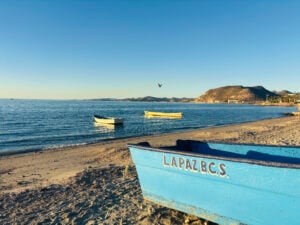
Robin Esrock swaps Cabo’s mega-resorts for marine life, desert ranches and off-grid coastal camps