

Travel
Galicia uncovered: Exploring Spain’s secret green corner
Wild landscapes, Celtic traditions and quiet villages reveal a lesser-known side of Spain
- 2986 words
- 12 minutes
Travel
When you visit Madrid and Valencia, you won’t just see Spain — you’ll feel it
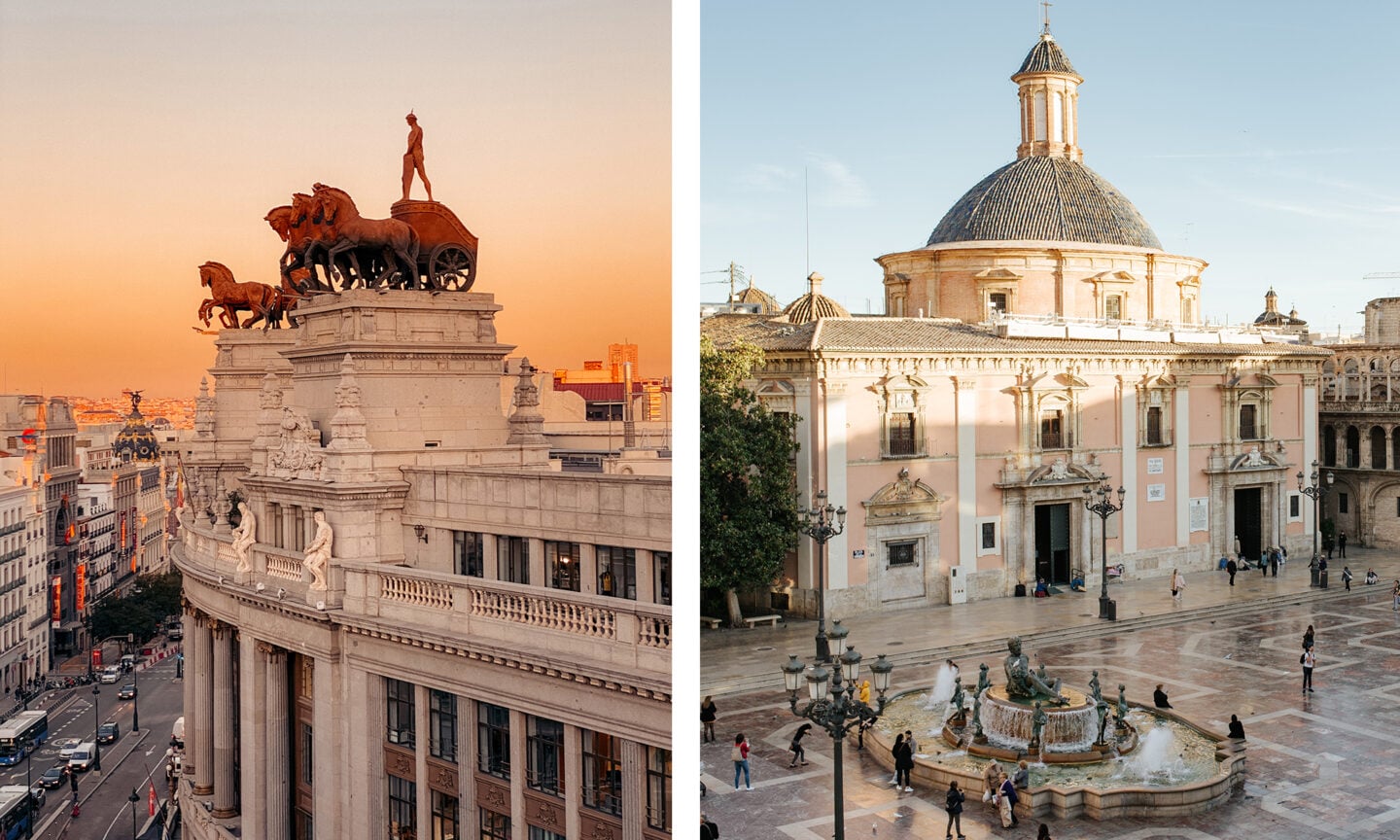
Spain’s true spirit reveals itself in two extraordinary cities: Madrid and Valencia. One is a capital of culture and creativity, full of art, history, and a contagious energy that never sleeps. The other embodies the calm and colour of the Mediterranean, where tradition meets innovation and life flows to the rhythm of the sea. Both are welcoming, safe and vibrant destinations where visitors can enjoy authentic experiences with total peace of mind.
Connected by a high-speed train that takes less than two hours, they make the perfect journey for travellers who want to experience the essence of Spain in a single trip.
Traveling to Spain is now more convenient than ever, with direct Air Transat flights from Montreal to Valencia, as well as nonstop connections from Toronto and Montreal to Madrid. From either city, visitors can easily combine two of Spain’s most exciting destinations: the cosmopolitan capital and the Mediterranean city of Valencia.
Spain’s state-of-the-art high-speed rail (AVE) links Madrid and Valencia in under two hours. Four train companies — Renfe, AVLO, Ouigo, and Iryo — operate multiple daily departures at great value, offering a fast, comfortable, and sustainable travel option. Upon arrival at Valencia’s Joaquín Sorolla Station, you’re just minutes from the city center and perfectly connected by metro, bus, and public bikes to start exploring right away. Safe, welcoming, and easy to navigate, both cities offer peace of mind and a sense of genuine hospitality that North American travellers truly appreciate.
Choosing the train not only saves time but also represents a responsible choice for the environment. Lower emissions and the efficiency of rail transport make this journey an ideal option for travellers who want to move sustainably without sacrificing comfort.
In less than two hours, you can go from the vibrant pace of the capital to the calm of the Mediterranean, visit the City of Arts and Sciences, wander through the historic center, or enjoy an authentic paella by the sea.
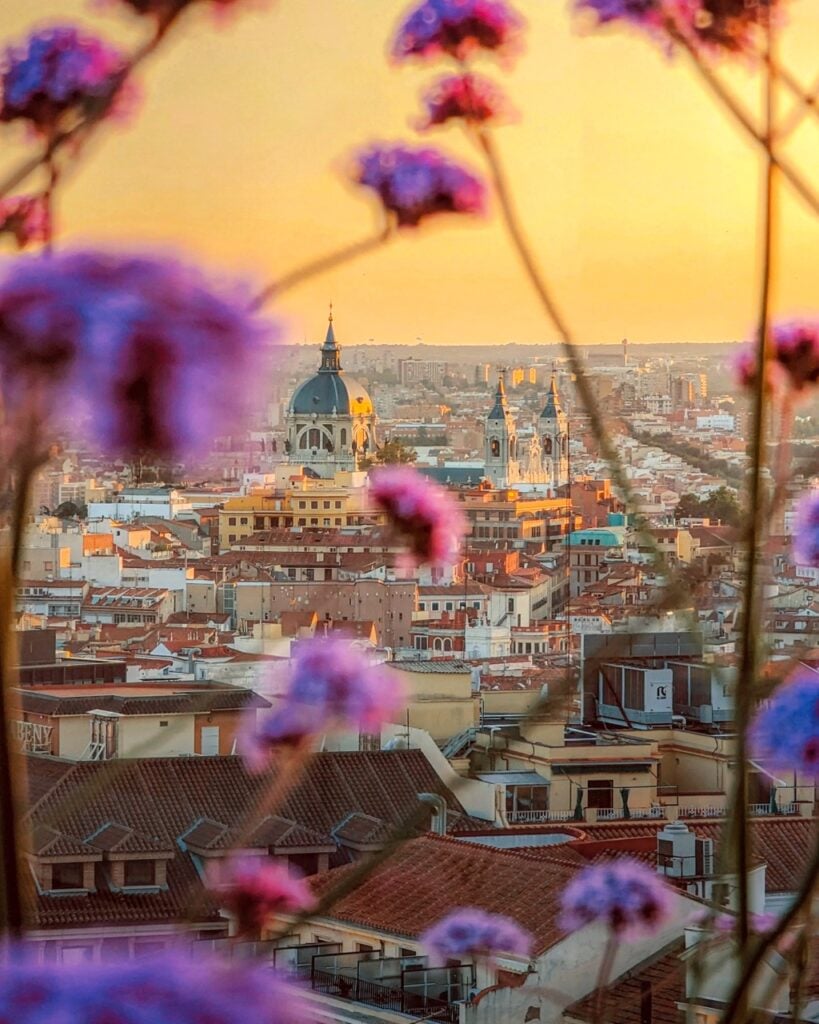
Few cities capture the soul of a country as vividly as Madrid. It is a place of contrasts: elegant and modern, monumental and welcoming, where history lives side by side with contemporary culture. The city’s streets tell stories of royalty and art, of passion and reinvention.
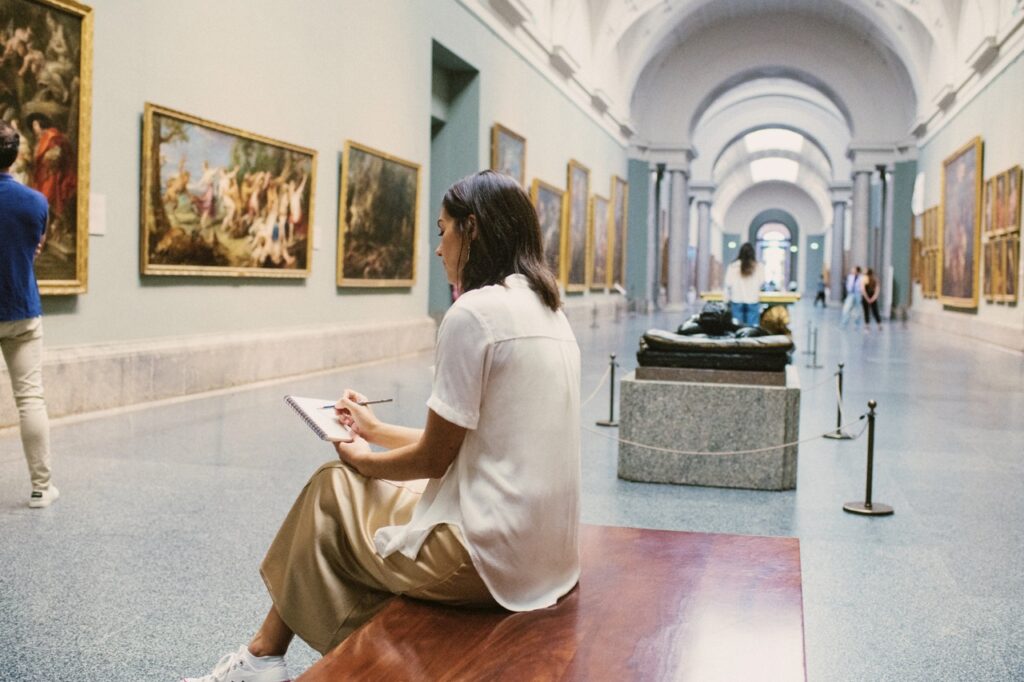
Walking through Madrid means moving through centuries of history. The Royal Palace still guards Spain’s regal heritage, while the nearby Gallery of the Royal Collections showcases masterpieces that connect the past to the present. Just a short stroll away, the famous “Art Walk” brings together three of the world’s leading museums: the Prado, the Reina Sofía and the Thyssen-Bornemisza.
But Madrid’s magic goes far beyond its museums. It lives in the rhythm of its neighbourhoods, in its wide plazas and pedestrian streets where locals gather at any hour of the day. The Literary Quarter, once home to Cervantes, keeps the spirit of Spain’s Golden Age alive. In Chamberí, Plaza de España, or the lively streets of La Latina, Madrid reveals its most authentic side, where tradition and modern life blend effortlessly amid cafés, terraces, and endless conversation.
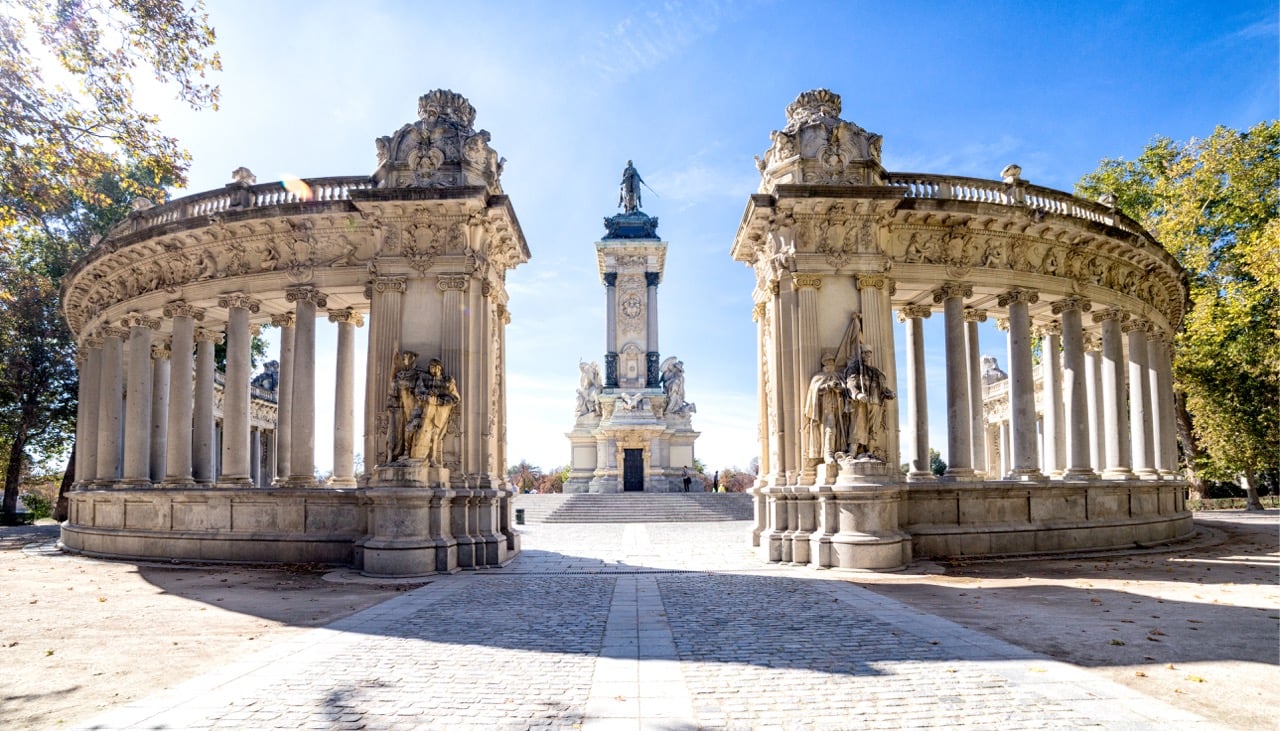
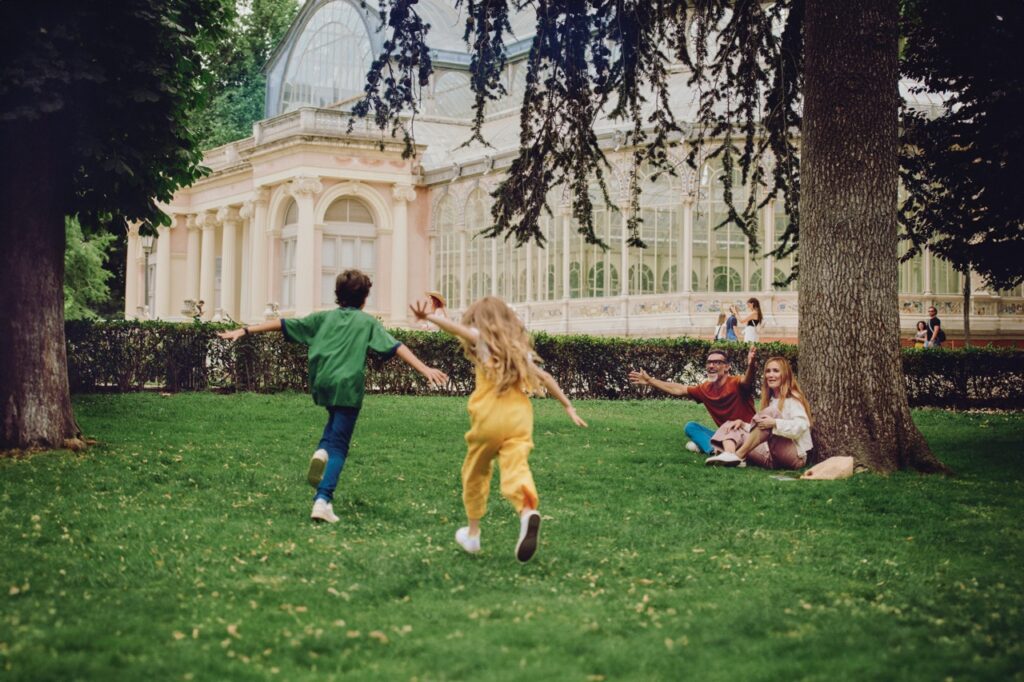
Life in Madrid happens outdoors. Locals love their parks, from the monumental Retiro Gardens, listed as a UNESCO World Heritage Site, to Madrid Río, a green corridor along the Manzanares River. And when the sun sets, the city takes on another life entirely. Theatres, bars, rooftops, and restaurants fill with people. Madrid’s nightlife is famous for a reason: the laughter, the live music, and the aroma of chocolate and churros at dawn tell you that this is a city that never stops celebrating.
If Madrid is Spain’s heartbeat, Valencia is its soul. A city of light, sea, and warmth, it captures the Mediterranean lifestyle in its purest form. Life here feels unhurried yet full of energy, simple yet sophisticated. Every corner reflects that perfect balance between history, creativity, and nature that defines the Valencian way of living.
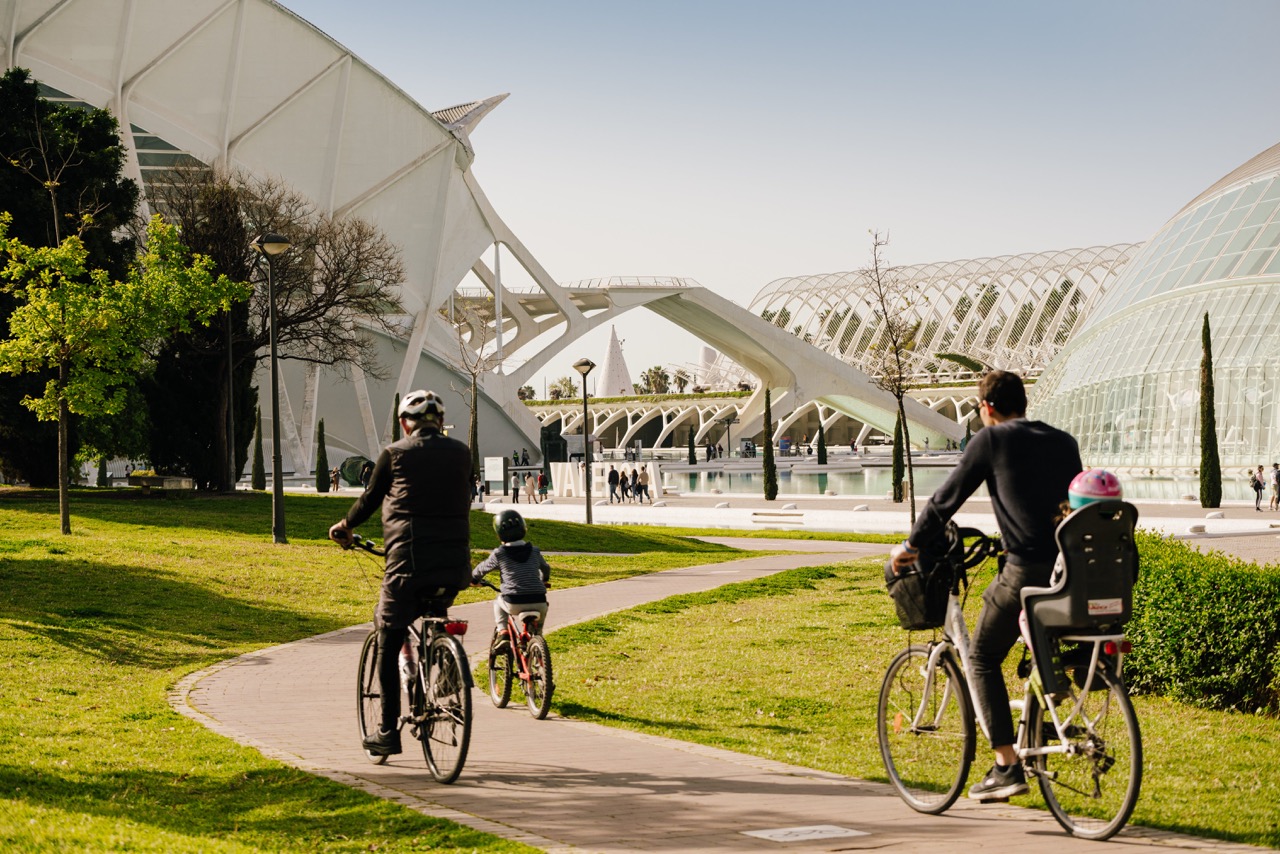
With over 2,000 years of history, Valencia is a living mosaic of cultures and eras. Its cathedral holds one of Christianity’s most revered treasures, the Holy Grail, believed by many to be the cup used at the Last Supper. From now through the end of October 2026, the city will celebrate the Third Jubilee Year of the Holy Grail, a special occasion granted by Pope Francis that invites visitors and pilgrims to discover this sacred relic through cultural events, exhibitions, and new visitor experiences across the city. The Gothic beauty of the Silk Exchange, a UNESCO World Heritage Site, speaks of Valencia’s prosperous past as a centre of trade and craftsmanship. And in the modern age, the City of Arts and Sciences has become an icon of contemporary Spain, its white curves reflecting the sun and sky in a futuristic landscape designed by Santiago Calatrava.
Beyond its monuments, Valencia is a city meant to be lived outdoors. Its mild climate and abundant sunshine make it possible to enjoy the open air all year round. The Turia Gardens, a nine-kilometre-long park that was once a riverbed, now form a lush green corridor filled with runners, cyclists, and families enjoying picnics under palm trees. The route leads naturally to La Marina and the city’s long, golden beaches — La Malvarrosa, El Cabanyal, and Patacona — where beach bars, sailing clubs, and waterfront restaurants bring the Mediterranean lifestyle to life. The sea breeze and the sound of waves define the city’s pace.
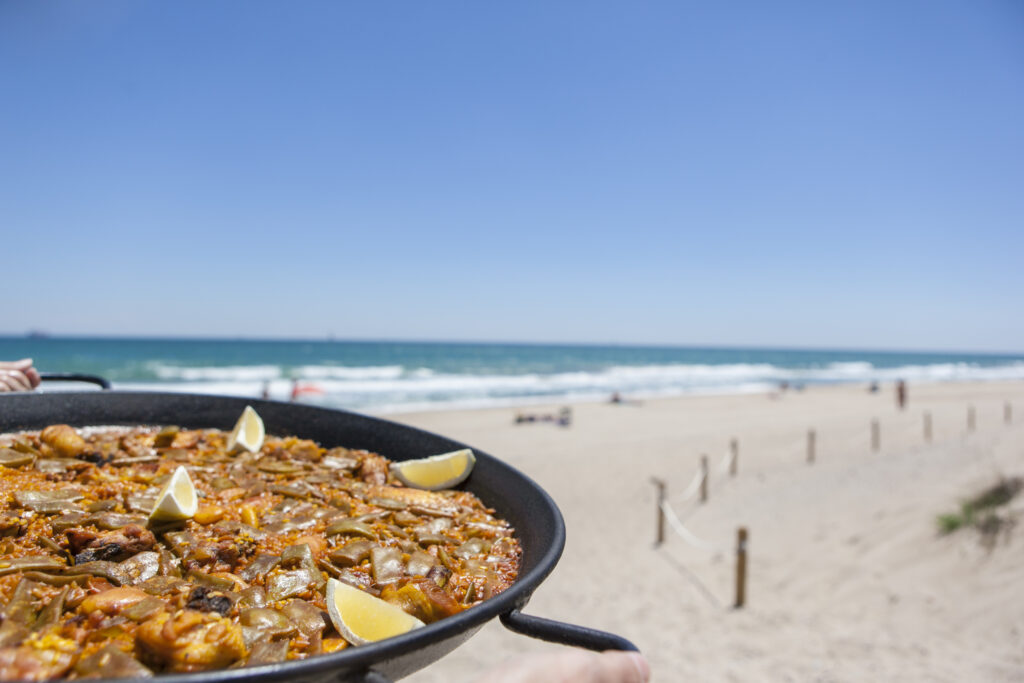
Just a few kilometres south lies the Albufera Natural Park, a serene wetland of rice fields, lagoons, and birds that inspired Valencia’s most famous dish: the paella. Watching the sun set over these waters while tasting a freshly cooked paella in the village of El Palmar is one of those experiences that linger forever in memory.
Food is at the heart of Valencian identity. The city celebrates its status as “Pantry of the Mediterranean,” a philosophy that values local ingredients, sustainability, and creativity. Here, the cuisine blends the flavours of the sea with the richness of the land. You can taste it in a bowl of creamy horchata from Alboraya, in a glass of Agua de Valencia made with local oranges, or in the inventive dishes of Michelin-starred chefs like Begoña Rodrigo and Ricard Camarena, who reinterpret traditional recipes with modern flair. From centuries-old taverns to cutting-edge restaurants overlooking the sea, Valencia invites you to savour life slowly, with all five senses.
Valencia is also a city of culture and creativity. Its museums and galleries, from the IVAM and the Centre del Carme to the new Hortensia Herrero Art Center, showcase a vibrant mix of classical and contemporary art. Throughout the year, festivals, concerts, and sports events fill the calendar, from the famous Fallas celebration to the Marathon and the Queen’s Cup sailing regatta. Whether you come for leisure, culture, or business, the city’s warmth and openness make every visitor feel like a local.
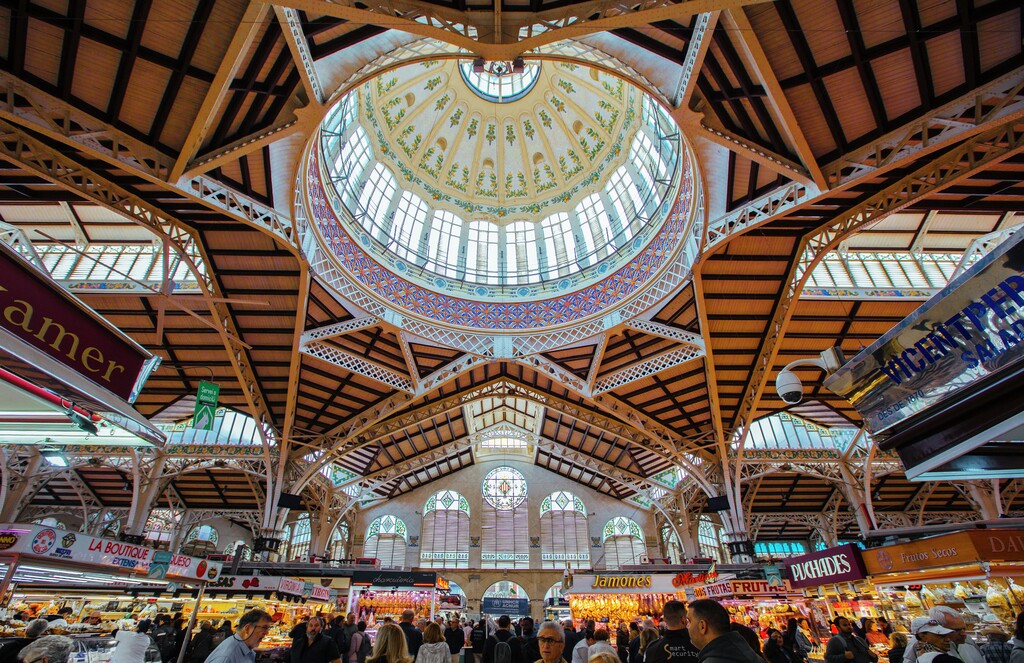
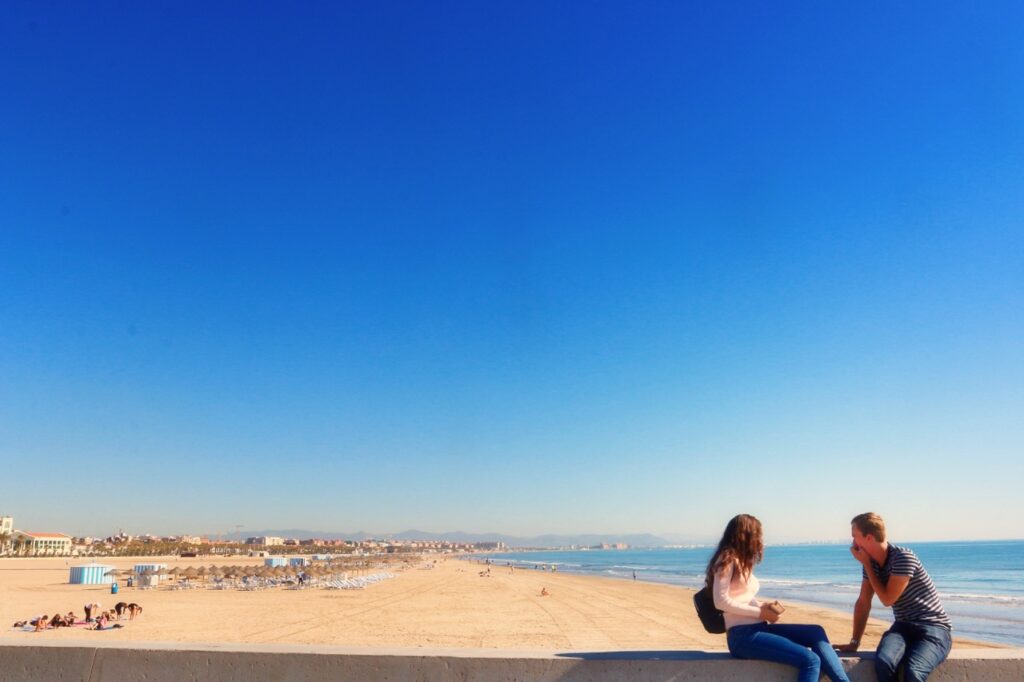
Together, Madrid and Valencia offer two sides of Spain’s identity. One defined by art and history, the other by light and the sea. Both share a love of life, of good food, of music and conversation, and both embody the welcoming nature that makes Spain unforgettable.
Come and discover Madrid and Valencia. Two cities that don’t just show you Spain, they let you feel it.
Travel
Wild landscapes, Celtic traditions and quiet villages reveal a lesser-known side of Spain
Travel
Journey beyond the cities to discover white villages, ancient traditions and some of Spain’s most celebrated culinary experiences

History
The little-known story of the 1918 Spanish Flu and how we're preparing for the next great pandemic

People & Culture
For my father and me, these journeys are both personal and political