Travel
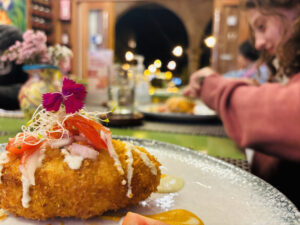
The recipe behind Peru’s culinary success
Through the flavours of Cusco, Robin Esrock discovers how chefs, vendors and traditions have helped define Peru’s celebrated food culture
- 1664 words
- 7 minutes
Travel
Twenty years after his first hike, Bucket List columnist Robin Esrock walks the Inca Trail again. This time, with his daughter.

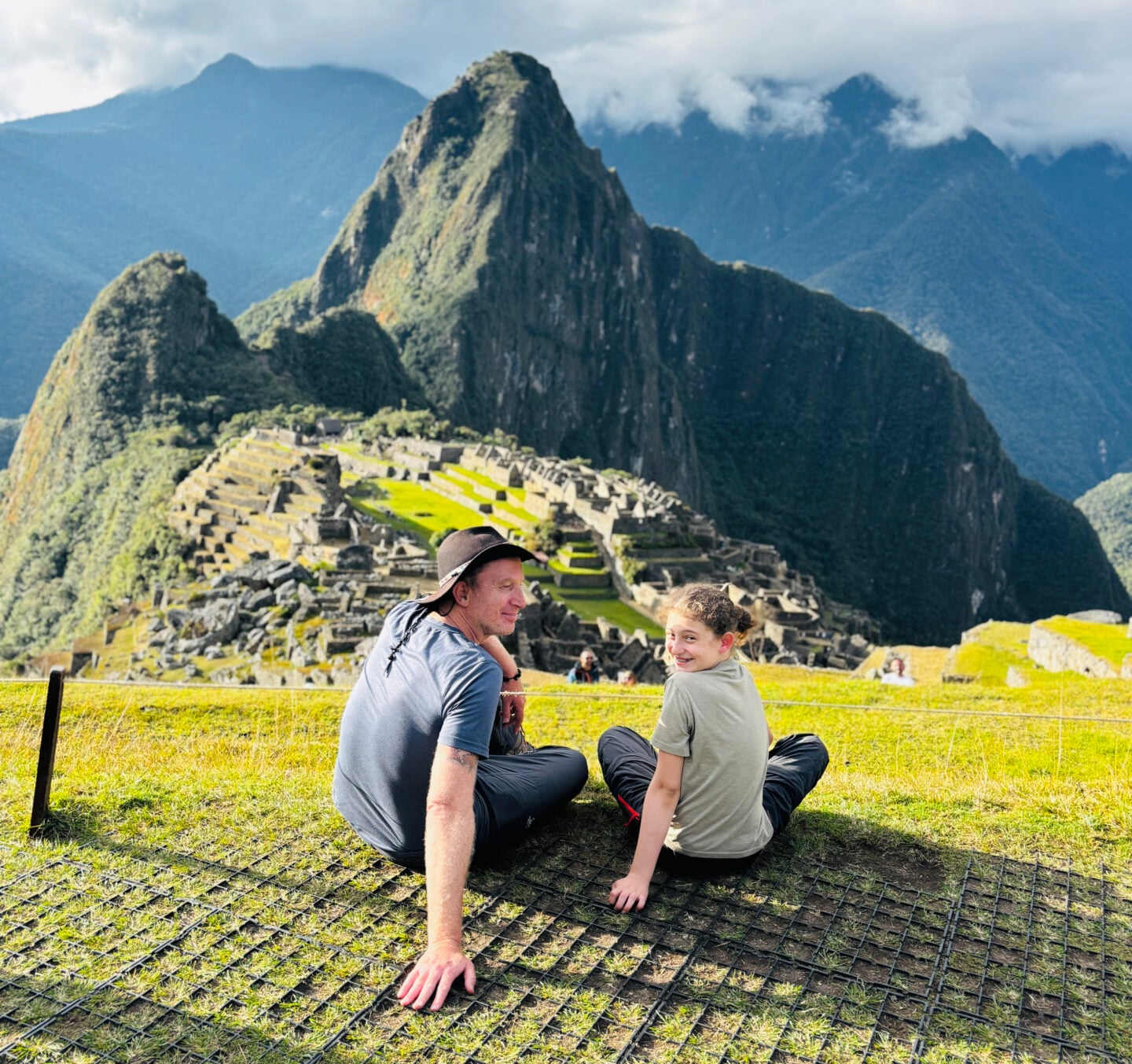
Things sure have changed since I last visited Cusco two decades ago. Back then, I was an eager backpacker battling the altitude and nervously preparing to hike the legendary four-day Inca Trail. Now, older (and a little heavier), I’ve returned with my daughter to rediscover the rich culture of the Inca, the beauty of the Andes and the boundless possibilities of family adventure. In turbulent times, and with lungs still gasping for oxygen, the best approach is to move slowly, one step at a time.
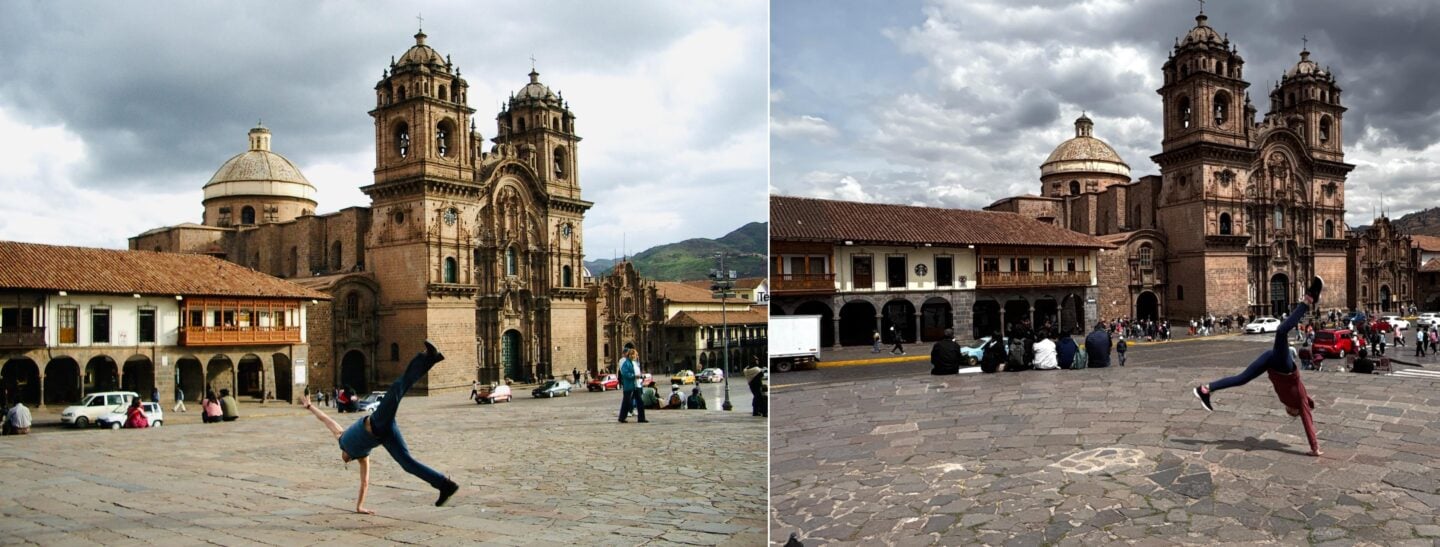
Cusco (once the capital of the mighty Inca Empire) is no longer the domain of backpackers on the Gringo Trail. Since my first visit, luxury hotels have opened in the historic old quarter, along with a discreet Starbucks and KFC facing the lively Plaza de Armas. High-end fashion stores, restaurants, galleries, souvenir shops and boutique hotels have sprouted beyond the popular San Blas neighbourhood and high into the hills. My notes from 2005 record that “all the action is centred on the Plaza des Armas, and it takes me 24 hours to know my way around.” Good luck with that today.
Heavy traffic crawls single-file through narrow streets designed by the Inca for alpacas and llamas, not tour buses and SUVs. But like most bustling cities in South America, Cusco somehow flows seamlessly. The food is fantastic, the colours bright, the culture vibrant and the sunshine strong (at 3399 metres above sea level, Cusco has one of the highest ultraviolet levels in the world). As I gasp for breath walking up stairs to our hotel room, my 12-year-old is unperturbed, mainly. Altitude sickness strikes her the next morning with a bout of nausea, but she recovers from a deep nap and is polishing off fresh ceviche by lunchtime.
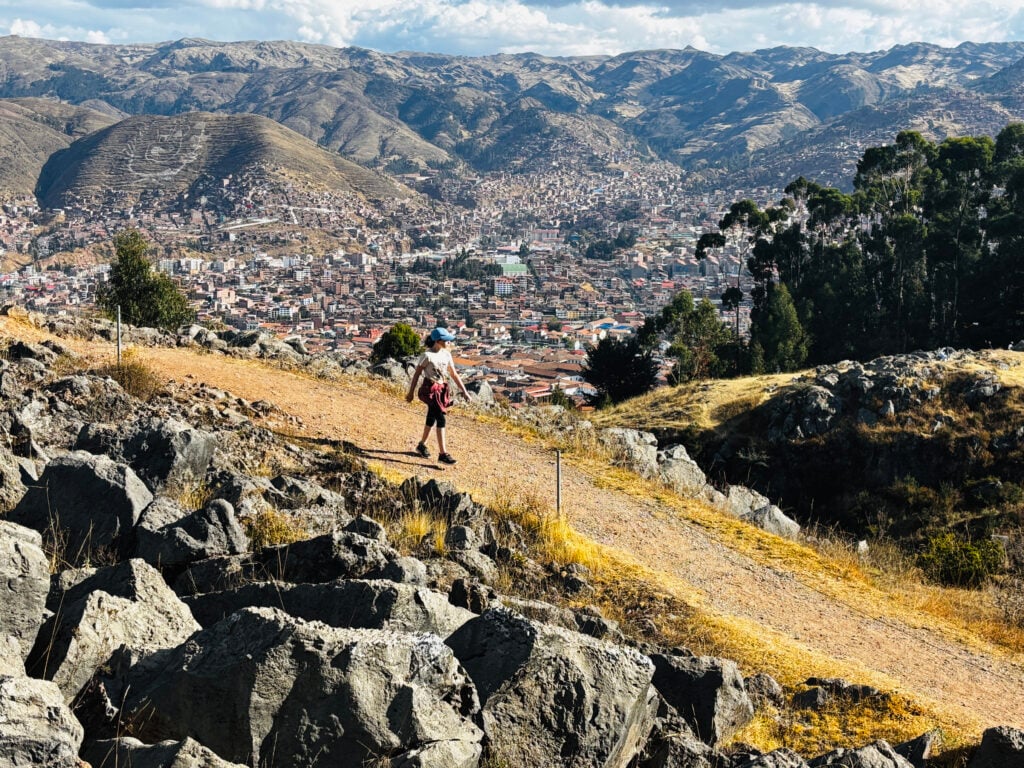
We’re here for a week of adventure with the Indigenous-owned and sustainably focused Alpaca Expeditions. Their bright green vans shuttling about town represent a significant achievement for a company founded by a former porter and tour guide.
“Being sustainable means the money our clients pay goes to locals, fairly compensates our staff, and supports our communities,” CEO Raul Ccolque tells me at his HQ. In the open courtyard, layers of bright green tents, sleeping bags and ponchos air-dry like palm fronds in the sun. Never mind my visit in 2005, a lot has changed since Ccolque founded Alpaca Expeditions in 2013.
Government regulations ramped up considerably to control crowds and the environmental impact on Peru’s most famous archaeological sites. Then came the COVID-19 pandemic, a disaster for local tourism that led to many businesses folding. As for the rockstar world wonder of Machu Picchu, UNESCO adds layers of protective tape that can feel both essential and stifling, protecting the ruins but herding visitors on limited circuits.
Today, Cusco receives approximately two million tourists annually, generating billions of dollars for the local economy. Most of it flows to foreign-owned entities, but Alpaca’s success has inspired other Indigenous tour guides to offer their own direct services. Ccolque advises guests to book at least six months in advance so his company can arrange the proper permits and lock in the best circuits around Machu Picchu. But there’s always been a lot more going on here than just the Lost City of the Incas.
Alpaca’s veteran guide, Juan, is just as baffled by the giant ancient stones of Sacsayhuamán as modern archaeologists. Pre-dating the Incan empire, these limestone boulders, six metres tall and weighing up to 200 tons each, are smoothly carved and neatly slotted atop each other, much like blocks in a game of Tetris.
“Even with machinery today, we wouldn’t be able to do it,” says Juan, still impressed after countless visits. He tells us how the Inca revered ancient rocks found around the site, believing the spiritual world permeates through their tunnels and holes. With stones locking into place without mortar and cut with the precision of a cheese slicer, he candidly wonders if aliens had something to do with it.
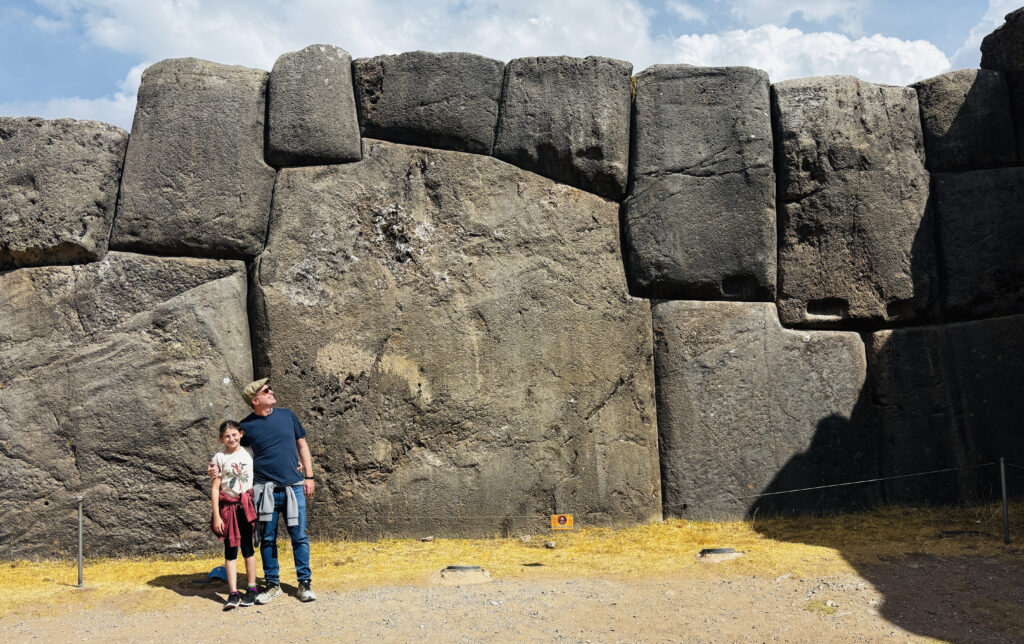
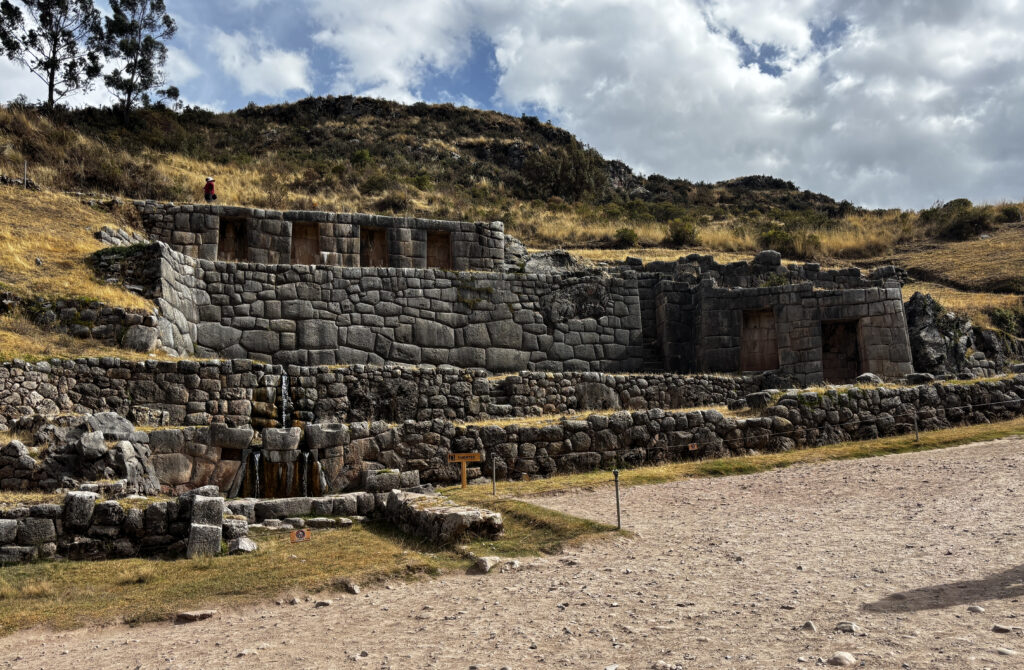
Sacsayhuamán is the first of three Incan sites we’ll visit on the outskirts of Cusco, ruins from the massive empire that dominated South America until the arrival of the Spanish in 1528. The rise of the Inca is steeped in mystery and folklore, and their fall is a tale of brutal and violent colonization. A small invading Spanish force benefited from their ruthless cultural values, internal Incan strife, and what anthropologist Jared Diamond calls guns, germs and steel. You can read his book, as well as many others, which explain how millions of fierce Inca soldiers succumbed to Pizarro’s initial force of just 180 men and 37 horses.
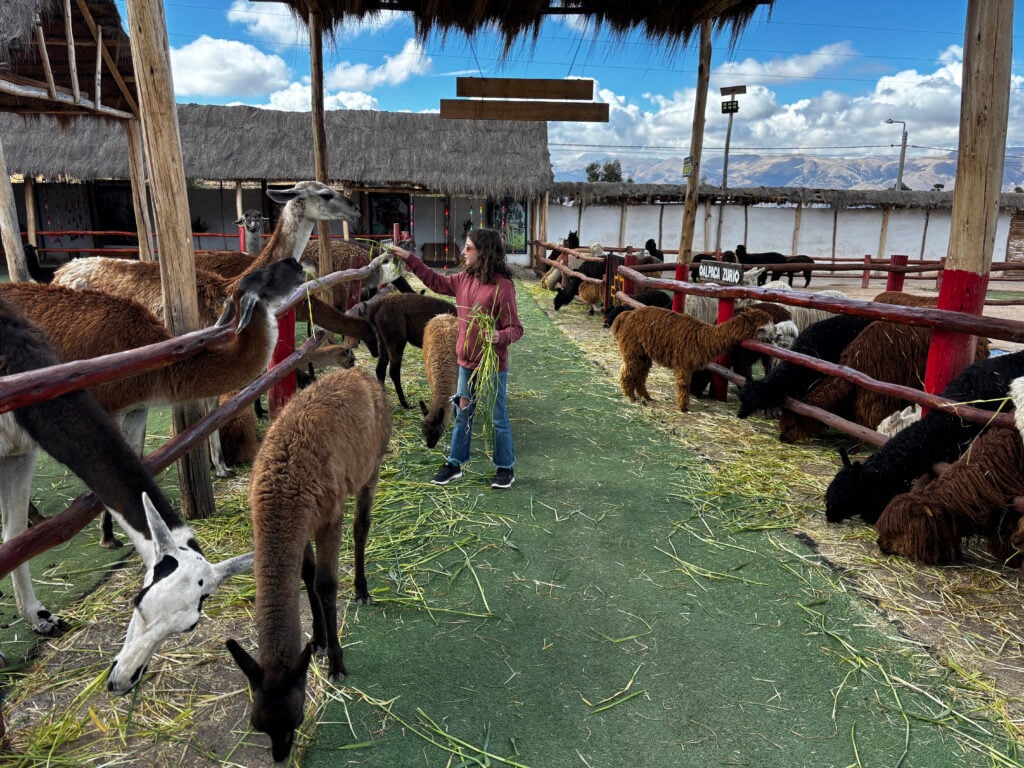
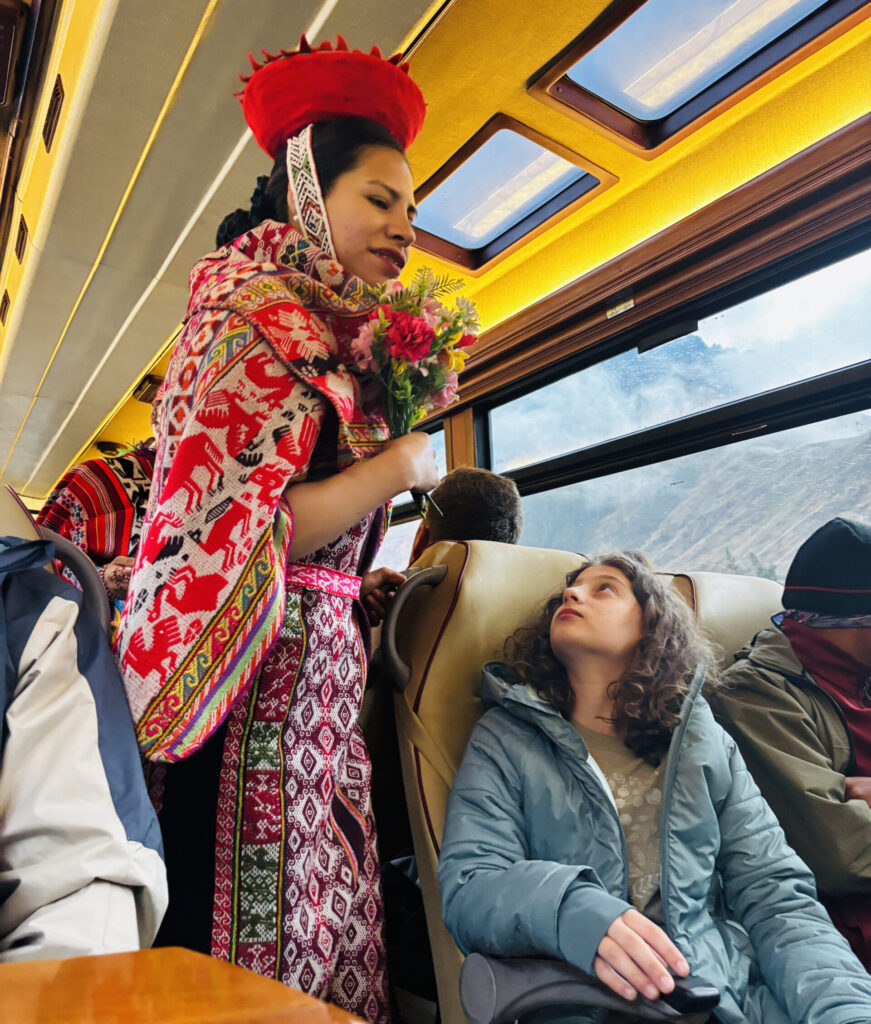
After the ferocious destruction of Inca culture, it’s easy to view their ruins, temples and striking mountain terraces as all that remains from a lost civilization. Yet, unlike our adventure exploring the temples of Ancient Egypt on the Nile, the legacy of the Inca continues to thrive in the Andes. We hear it in their Quichua language, in the music and culture that dominate the mountains of Peru and Bolivia. We feel them with the distinct weaving and clothing spun from soft alpaca, llama and vicuña wool. Along with the guinea pig, these camelids were the only native mammals domesticated in pre-Spanish South America. We see their jet-black hair, high cheekbones and the curious smiles of their uniformed children on the way to school.
We taste their unusual roasted guinea pig, coca leaf tea and fermented corn-based chicha. Cusco’s gigantic Spanish cathedral in the Plaza de Armas (built atop the Incas’ holy Sun Temple and with Catholic shrines coated in stolen gold) showcases a conqueror of intimidating bluster and power. Ultimately, the Incas’ exquisite stone temples, buildings, trail network, and terraces outlived the Spanish Empire, and they will likely outlive the modern nation of Peru as well.
Machu Picchu is the Inca’s most famous legacy, a striking urban complex built in the mountains, largely abandoned for centuries, but brought to international acclaim in 1911 by American explorer Hiram Bingham. Today, this mega global attraction is accessed by a tourist train or shuttle buses at the base. For the more adventurous, you can hike along a small section of the 40,000 km network of trails the Inca cut into the mountains.
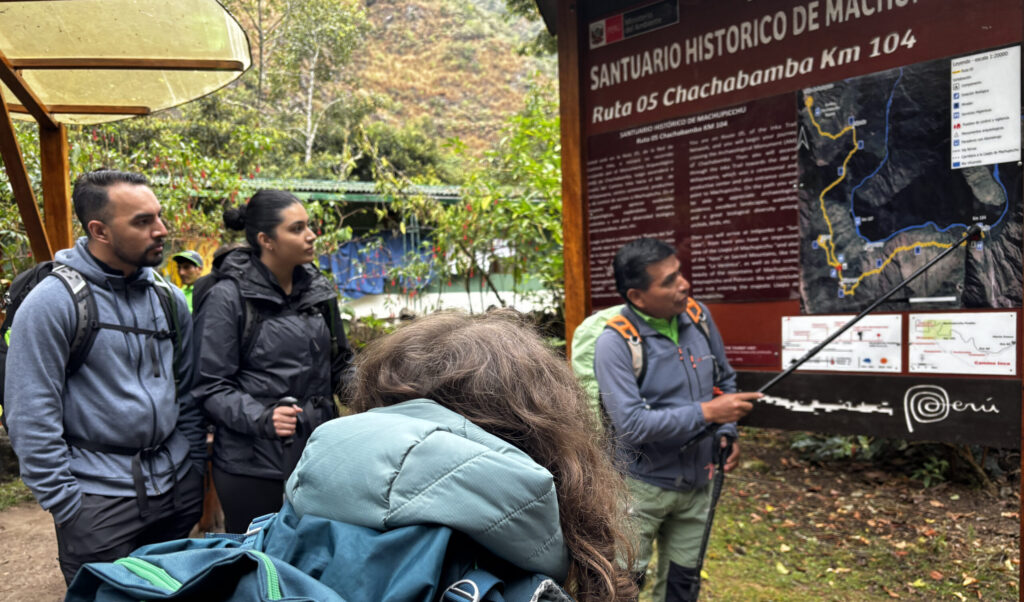
Twenty years ago, I hiked the classic 42km Inca Trail, and it was tough on my strapping young self, as it would be for anyone. The altitude is unforgiving, the high-mountain weather erratic, and the infamous day two incline exhausting. Fortunately, there’s also an option to hike in from Kilometre 104, a rugged yet approachable 13-kilometre trek to Sun Gate for Peru’s most famous view. Keep in mind, the seven-hour day hike is still no walk in the park.
Disembarking the train at our trailhead, we begin a four-hour trek up 550 metres of elevation, rewarded with an excellent lunch prepared by skilled chefs and porters. The effectiveness of altitude sickness pills, coca leaf tea and native muna mint depends on the person, but the muna candies we picked up in Cusco seemed to help. It’s my daughter’s first real hike, and I’m a little nervous. She’s too big to carry, but not old enough to defy reason and ask to be taken anyway. We’ve entered a cloud forest with steep mountain trails, thin air and hairy cliff edges. Joining us are two local guides and fellow trekkers from Canada, the U.S., France and Poland. For a tween, these are the formative moments that will either imprint a lifelong love for outdoor adventure or a total aversion to it.
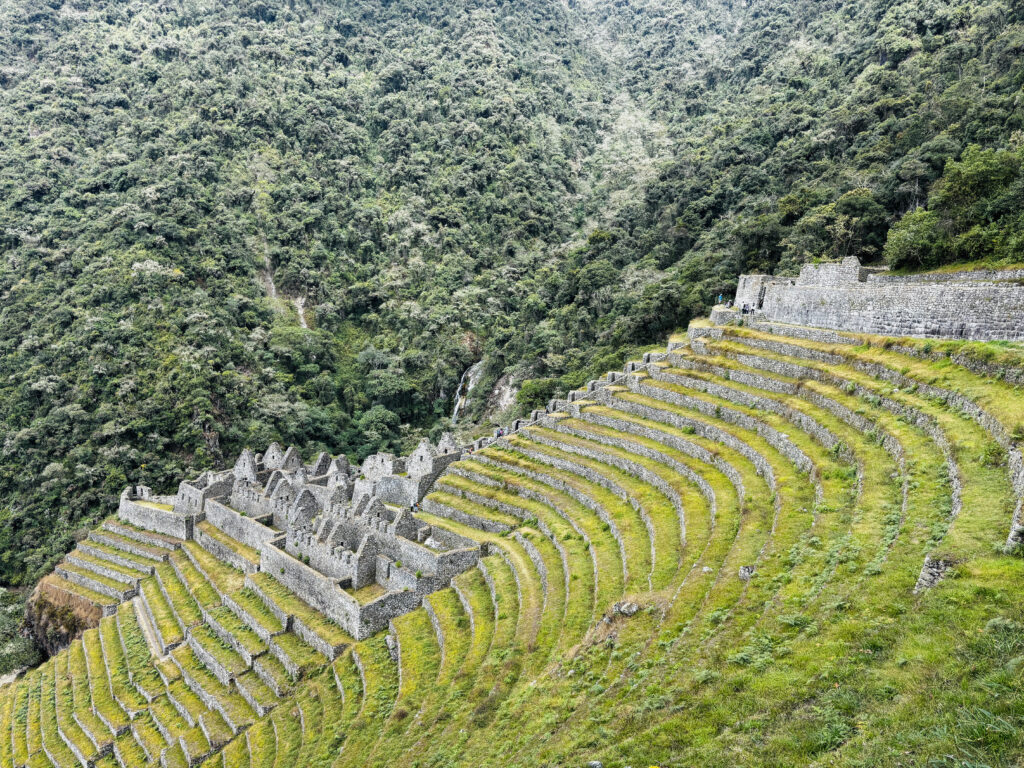
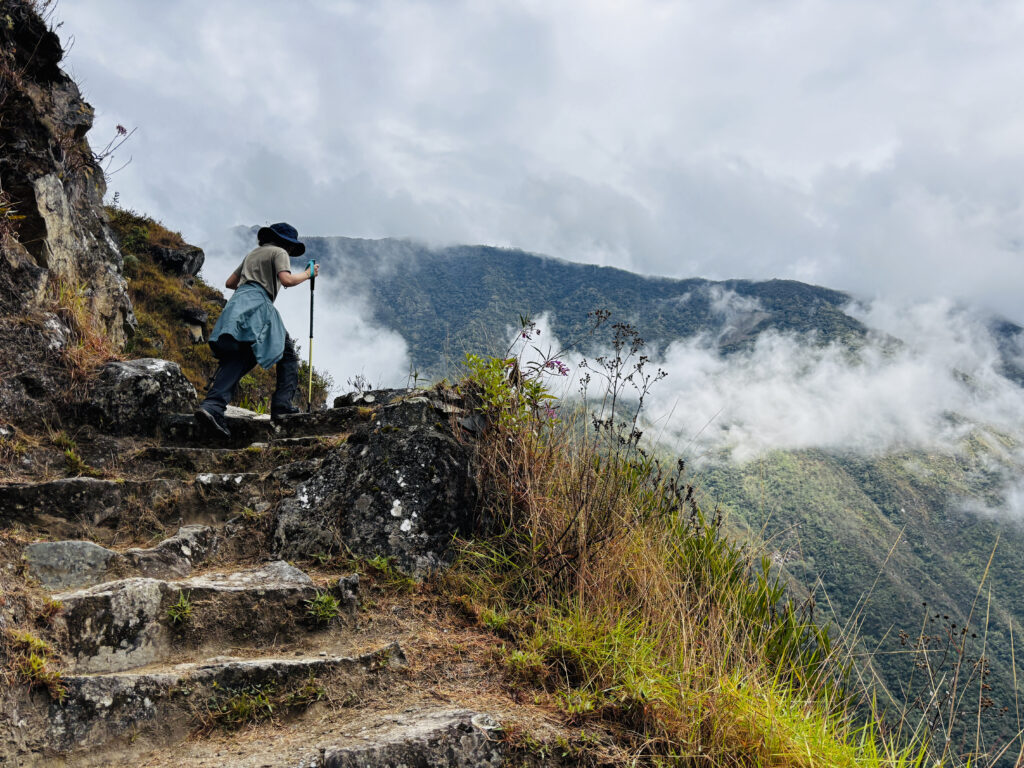
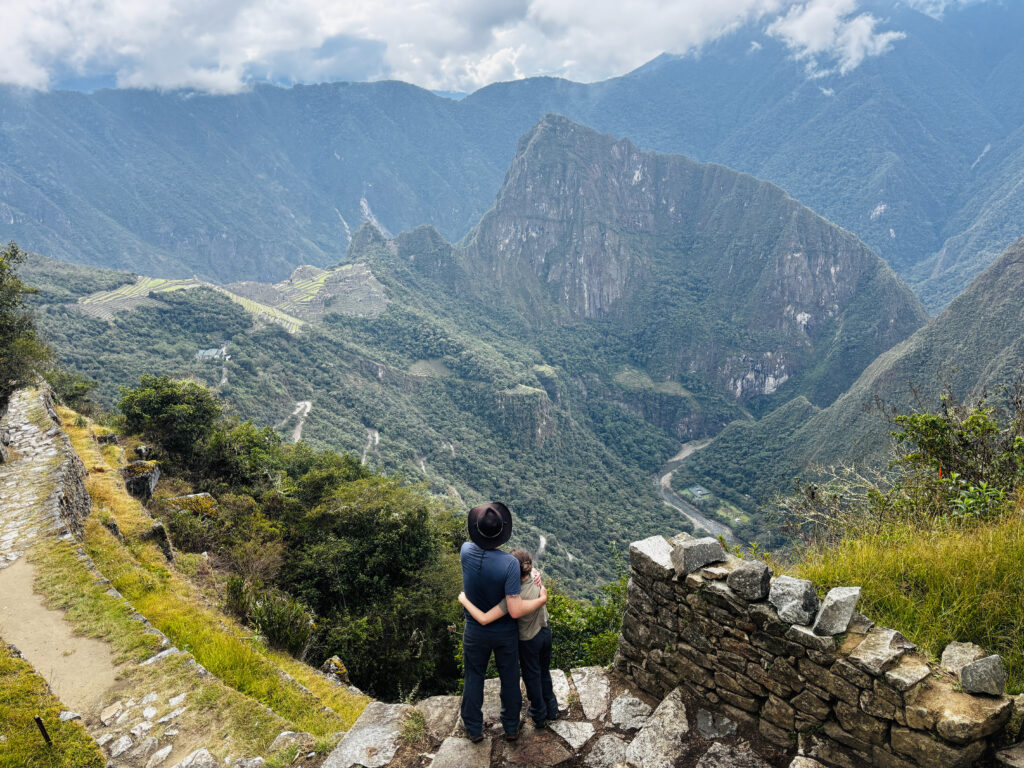
A pillowy sky spits rain and drizzle on a cool day in the cloud forest. Wild pink orchids line the ascending trail, surrounded by the amphitheatre of Andean mountains. We cross a cascade, explore the ruins of Chacabamba and Wiñay Wayna, and poke our hiking poles into a tarantula web. Our guides, Lucio and Yarida, stop for briefings about the history, geography, flora, and fauna along the way. We scramble up a final steep section cheekily nicknamed ‘Gringo Death’ to be reborn at Sun Gate for our first view of Machu Picchu. Views always feel more special when you earn them.
For a tween, these are the formative moments that will either imprint a lifelong love for outdoor adventure or a total aversion to it.
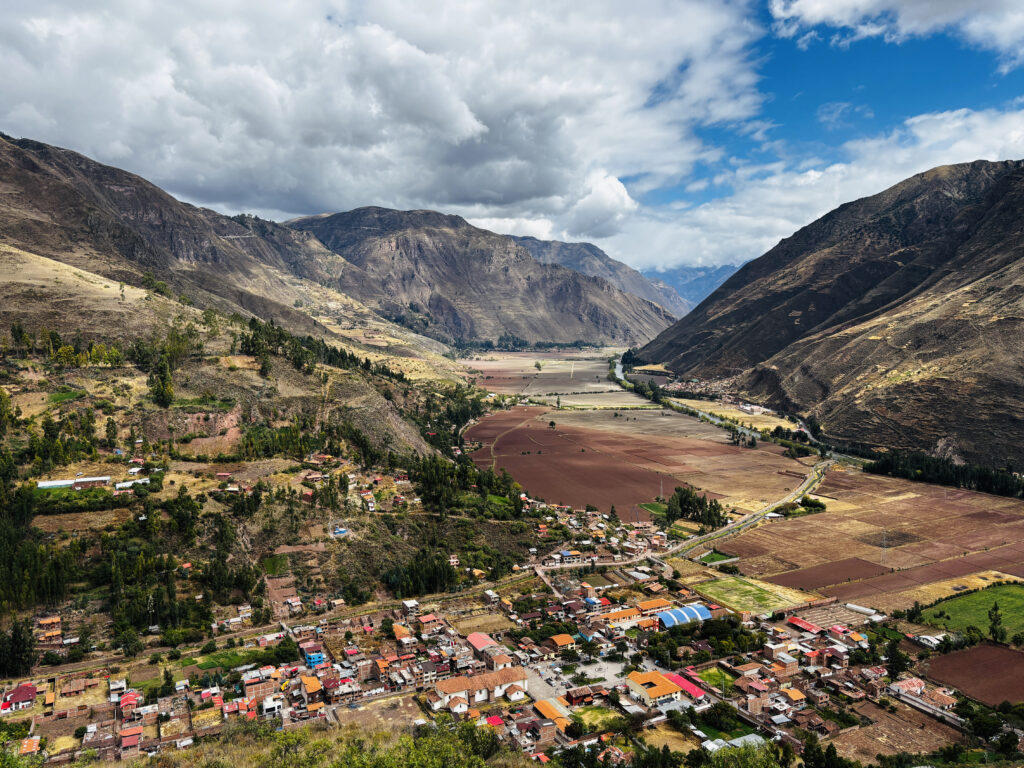
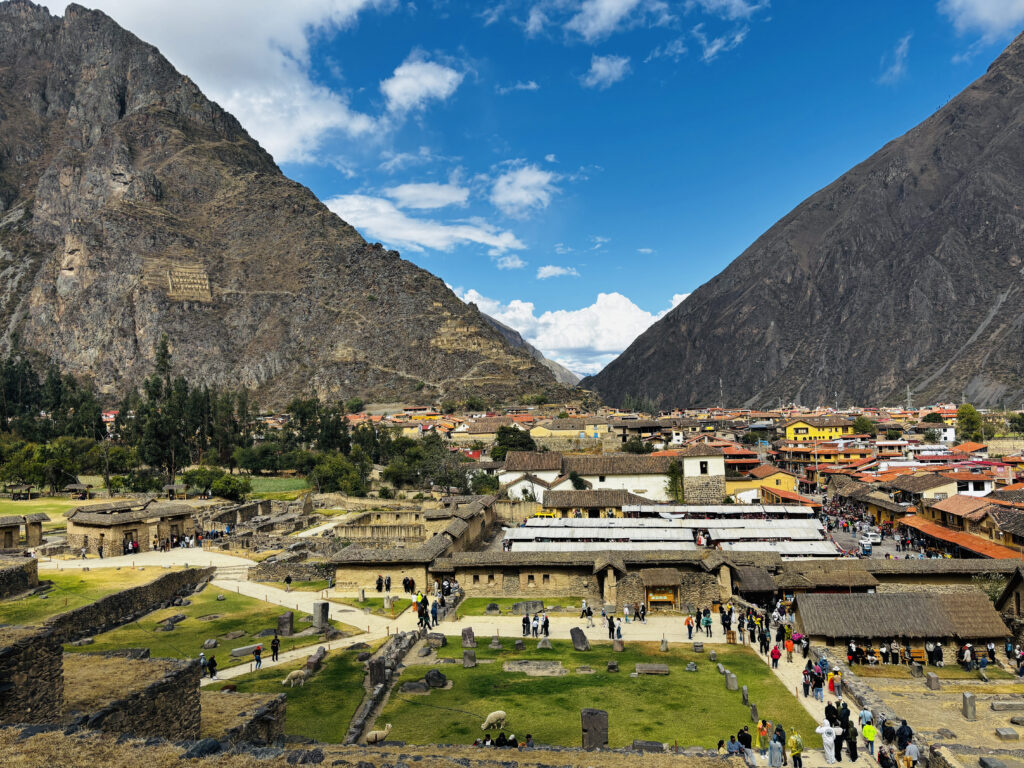
Late afternoon sunshine suddenly breaks through the clouds, basting the lost city in a carroty glow, as we walk down to a terrace to soak in that magical view we’ve all seen in photographs. Cell service has been reliable throughout our trek, and we video call my wife. “Guess what, Mom, I’m at Machu Picchu!” says my elated, exhausted daughter. That’s something I couldn’t have done twenty years ago. Tonight, we’ll take the bus into the village to camp and rest our tired feet, returning at sunrise to explore the full site on the expansive Circuit 2. By mid-morning, Machu Picchu becomes very busy, and in truth, my daughter and I found the sprawling Incan sites in the Sacred Valley, at Pisac and Ollantaytambo, to be just as epic (see TEXT BOX). It’s the hiking adventure that made Machu Picchu so special, and as always, the lovely people we got to share it with.
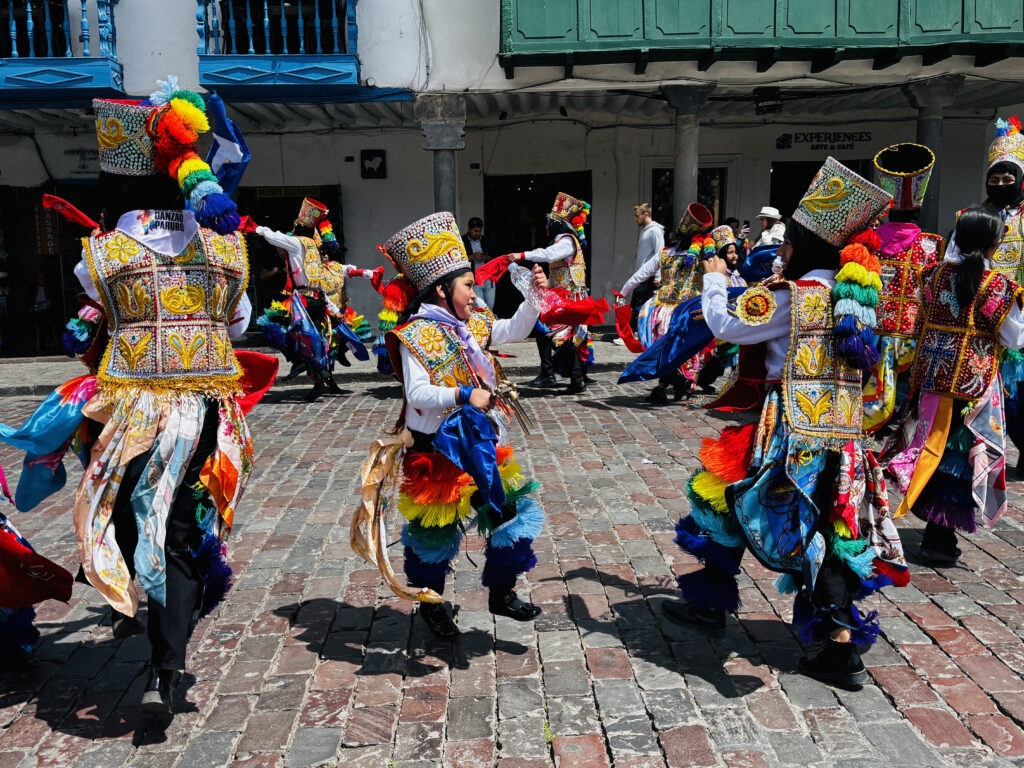
Things are booming in Cusco. The squares and markets are packed. Modern apartment buildings are being constructed, a new international airport is being built, and street vendors are accepting payment via smartphone. The city’s smooth Incan walls have survived conquest, destruction and earthquakes, and they’ll survive the modern tourism boom too. On the Inca Trail, I recognized some viewpoints from memory. Other than a few repairs and safety fences, nothing has changed at all. The trail will be here long after I’m gone, too.
I catch my daughter stopping to take it all in, having her moment, and wonder if she’ll also return in twenty years, retracing a seminal memory from her past. I wonder if Alpaca Expeditions will be around to guide her, and who or what she might become. Maybe she’ll bring her own kids and relish her own twice-in-a-lifetime adventure, listening to the stories of the Inca, and sharing tales of a restless father, who had to keep going, one step at a time.
Travel
Through the flavours of Cusco, Robin Esrock discovers how chefs, vendors and traditions have helped define Peru’s celebrated food culture

Travel
Five fun extras on Alpaca Expeditions’ inaugural women-only trek
Travel
With daunting hiking and warm camaraderie, a women-only tour to Machu Picchu showcases Peru’s celebrated archaeological sites, cuisine and culture

Environment
Vancouver might just be home to the greenest building in the world. Meet the geography professor who brought it to life.