Travel
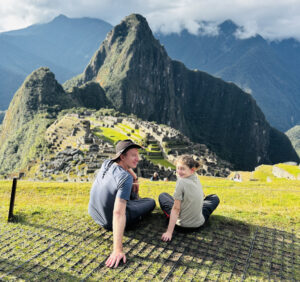
Once as a backpacker, now as a parent: Robin Esrock returns to the Inca Trail
Twenty years after his first hike, Bucket List columnist Robin Esrock walks the Inca Trail again. This time, with his daughter.
- 2476 words
- 10 minutes
Travel
Through the flavours of Cusco, Robin Esrock discovers how chefs, vendors and traditions have helped define Peru’s celebrated food culture

Peru is widely considered the culinary capital of South America. Restaurants in Lima routinely place high on prestigious lists, Peru has won the World’s Leading Culinary Destination Award more than a dozen times, and Peruvian restaurants in the UK and the U.S. routinely win Michelin stars.
With iconic local dishes such as fresh ceviche, lomo saltado (stir-fried beef), aji de gallina (chicken in a creamy yellow sauce), and pollo a la brasa (roasted chicken), there must be something in the secret sauce. With the help of a cooking class and food tour in Cusco, I’m determined to find out what it is.
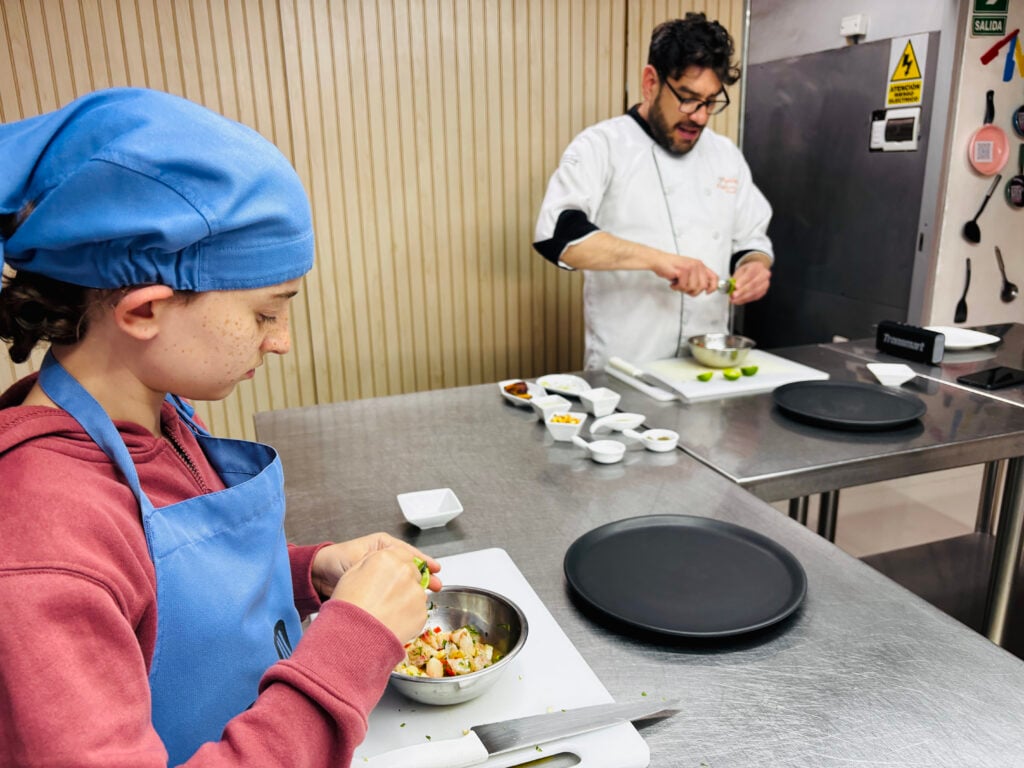
Chef Fernando Arias introduces a plate of fruit with boisterous enthusiasm. I’ve signed up for his four-hour Full Immersion class at Cusco’s Marcelo Batata Cooking School, hoping to learn a few tips and look under the hood of Peru’s culinary success. The fruit platter consists of mango, starfruit, gooseberry, custard apple, passion fruit, and papaya, all locally grown and in season. Peru has 84 of the world’s 103 ecosystems, representing a diversity of tropical jungle, Pacific desert, Andean highlands and dry forests. Indigenous Quechua and Aymara people learned to take advantage of these wild swings in climate, elevation, and soil. They crossbred and cultivated native vegetables and fruits that we now take for granted, such as potatoes, tomatoes, avocados, guavas, gooseberries, and sweet potatoes.
Inca farmers later built on generations of knowledge to construct striking terraces with underground irrigation, harnessing microclimates to grow a wide variety of grains, legumes, starches, and fruit. Through centuries of selective breeding, they domesticated thousands of varieties of potato — a plant with poisonous, natural toxins – along with hundreds of varieties of corn. Both continue to be harvested in shapes, textures and colours unfamiliar to Canadian veggie stands.
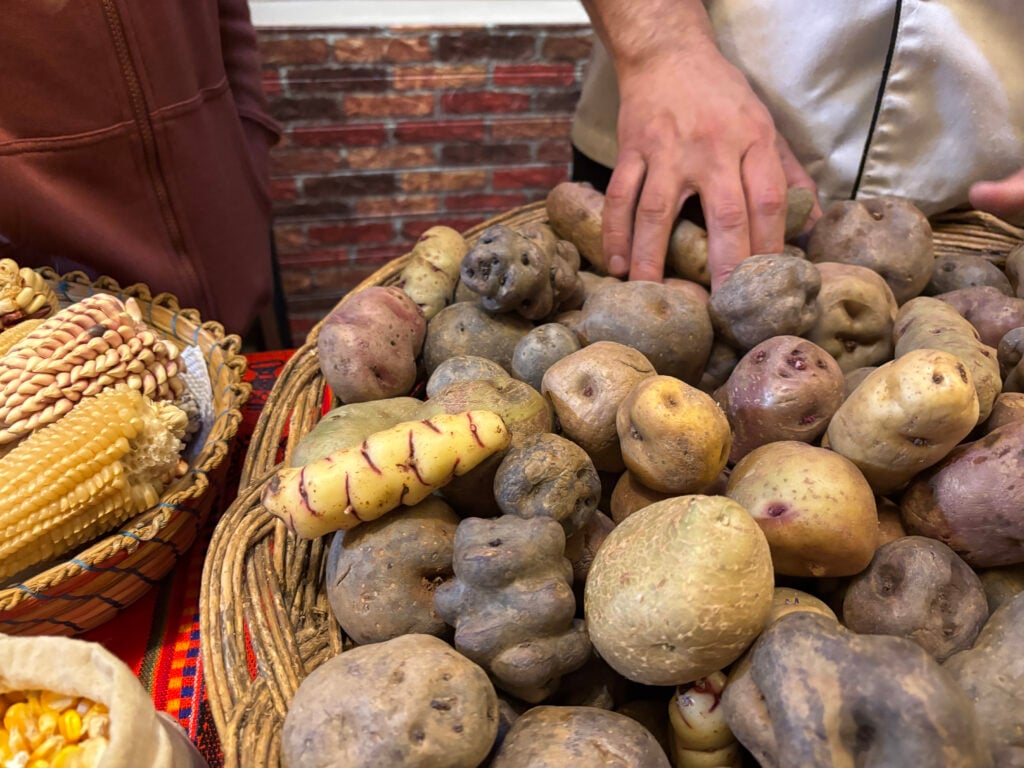
“This is the crying potato,” explains Fernando, handing me a bizarre-looking tuber in the school’s demonstration market. With curvy bumps like a chocolate-nut cluster, he explains that Inca women proved their cooking skills to prospective mothers-in-law by peeling this challenging potato. The Inca learned that potatoes could be freeze-dried and stored for many years, rehydrating in nutritious broths and stews. This legacy continues in modern Peru today, where the potato is regarded as a culinary art form. Different varieties have different purposes, and whether you’re ordering fries from a street vendor or Causa Limeña in a white-tablecloth restaurant, you’ll taste the difference.
The Inca also freeze-dried salted llama meat into a snack called ch’arki, which remained edible for up to eight years. This is the origin of our word jerky. Flowers and herbs were cultivated for cuisine and medicine, while in the Andes, coca leaves were chewed or brewed into a tea to combat high-altitude effects, thirst, and hunger. Later, coca leaves would form a key ingredient of early Coca-Cola, as well as a much more powerful narcotic: cocaine.
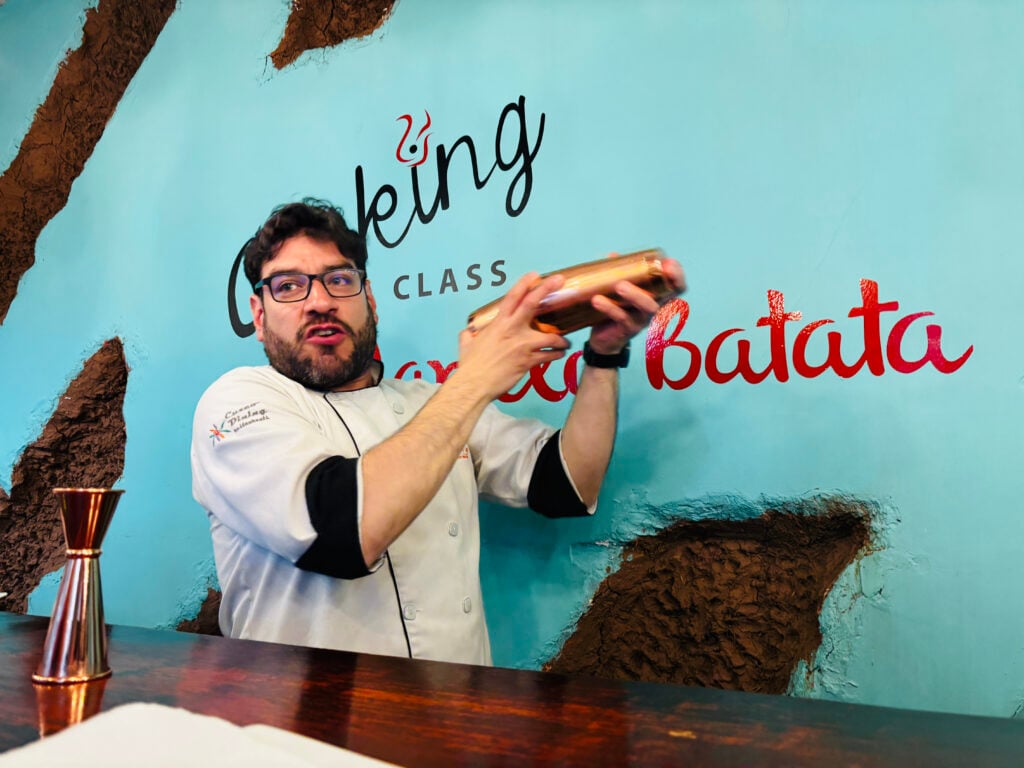
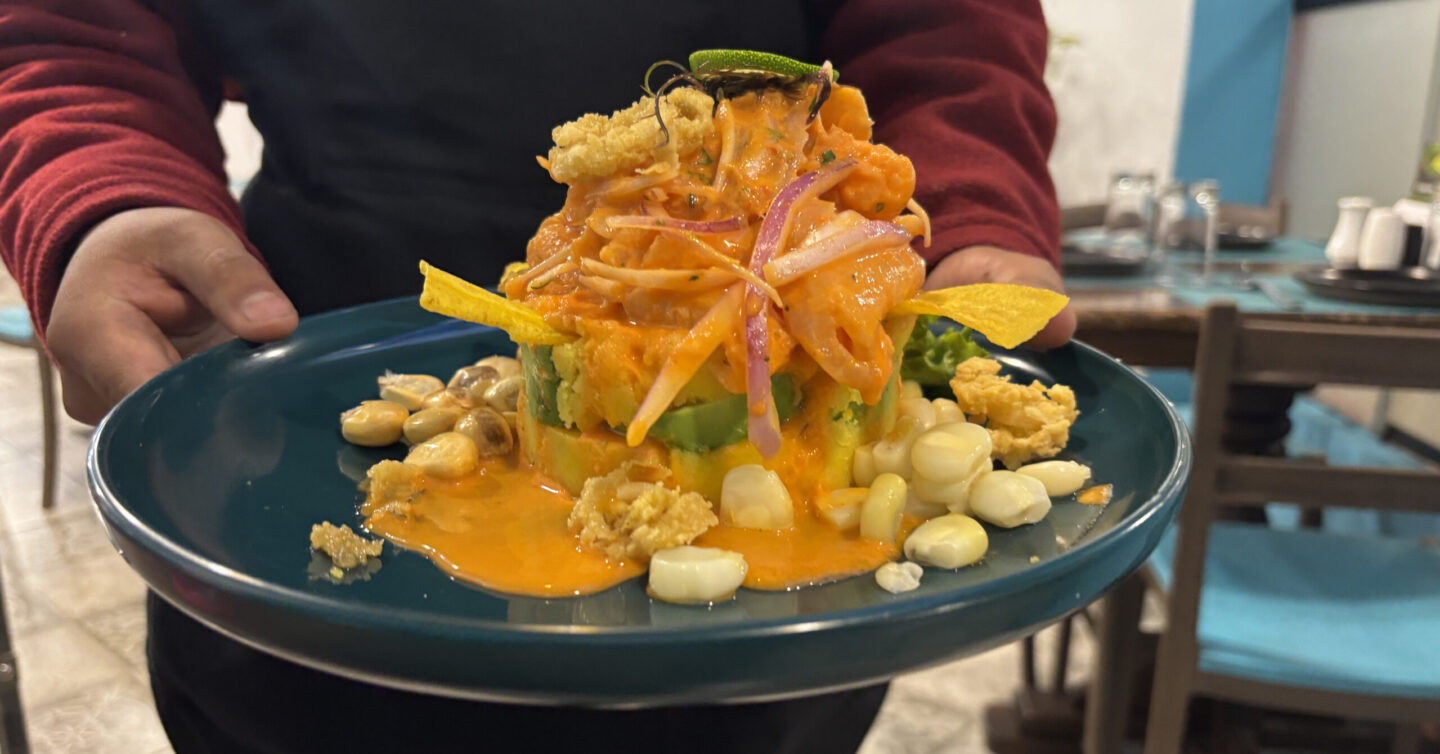
Fernando explains how papaya is used to soften and marinate meat, and how every Peruvian family has a recipe for aji amarillo. We get to work on our ceviche, dicing and slicing fresh trout along with red peppers, toasted corn, cilantro, sweet potato, and chilli. Peru has the second-largest Japanese diaspora in South America after Brazil, and it was Japanese immigrants who first introduced the idea of marinating fish and vegetables in spoon-scooped lime juice for just five to seven minutes. Evaporated milk is added to the marinade for extra creaminess, resulting in mouth-watering ‘Tiger Milk’ which Peruvians drink on its own as a restorative elixir.
Chef Fernando now gets into pisco, explaining how the spirit is produced and how to sniff it, taste it, and prepare Peru’s signature cocktail, the pisco sour.
“I really like my job,” says Fernando, shaking up a pisco sour and adding three vital drops of aromatic bitters.
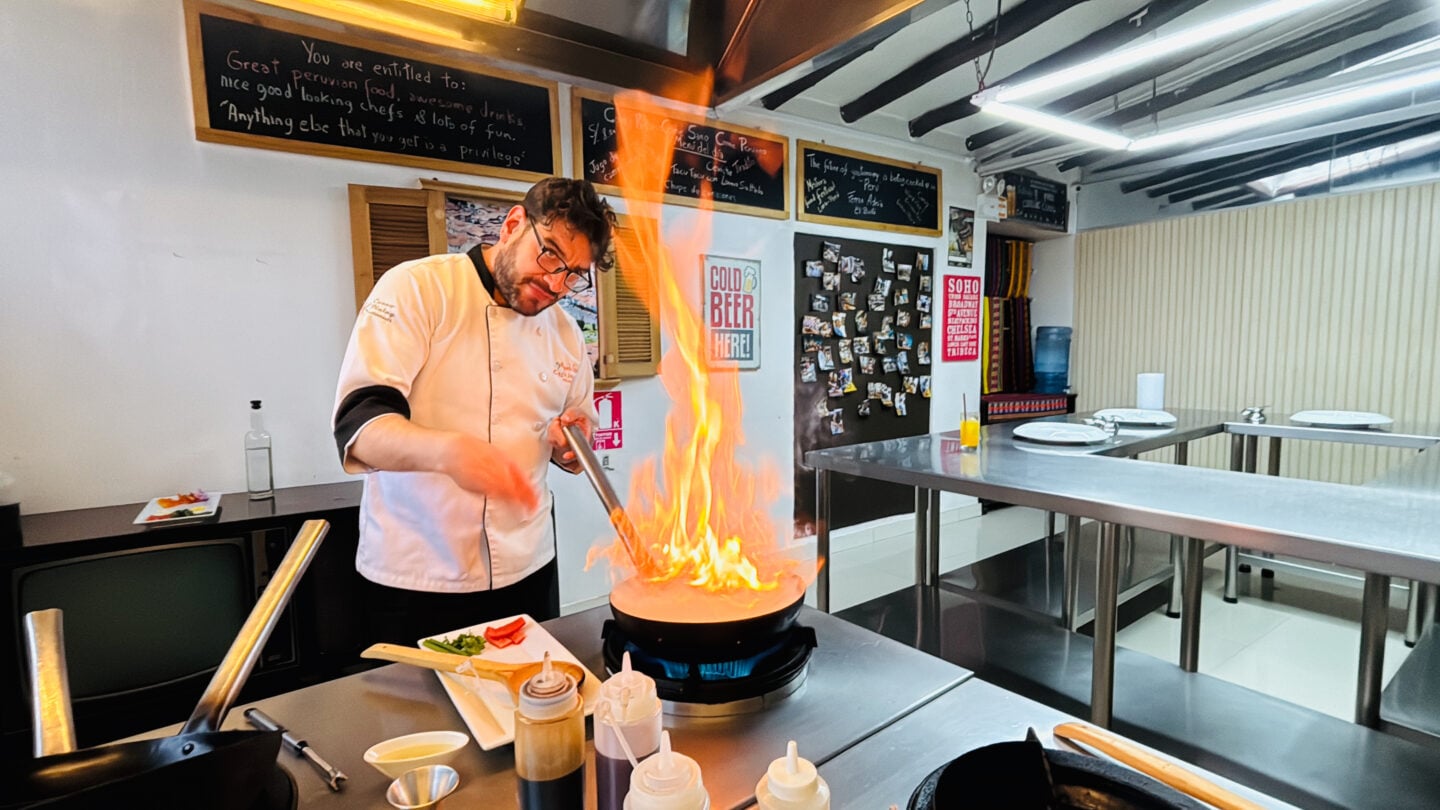
Then it’s back into the kitchen to fry up the lomo saltado. He adds some pisco to the pan for good measure, resulting in a dramatic flame. As with the best cooking classes, I leave the kitchen more knowledgeable, well-fed, and inspired to tackle a few new dishes on my own. I ask Chef Fernando why Peruvian cuisine is having such a moment. Is it the diversity of fresh ingredients? The history? Perhaps the creative fusion of cultures?
“No,” he says. “It’s because we love our food, and food made with love is the best food you can have.”
Many of Cusco’s restaurants add their own unique spins on local classics. Pollerias are popular chicken rotisseries which elevate roasted chicken into the stratosphere. Chickens are marinated and basted with herbs and spices, then served with rice, potatoes, salads, and chilli for those needing more heat. The skin is crispy, the meat tender, and you’ll wonder how Swiss Chalet can get it so wrong (perhaps it’s the lack of love Fernando was talking about).
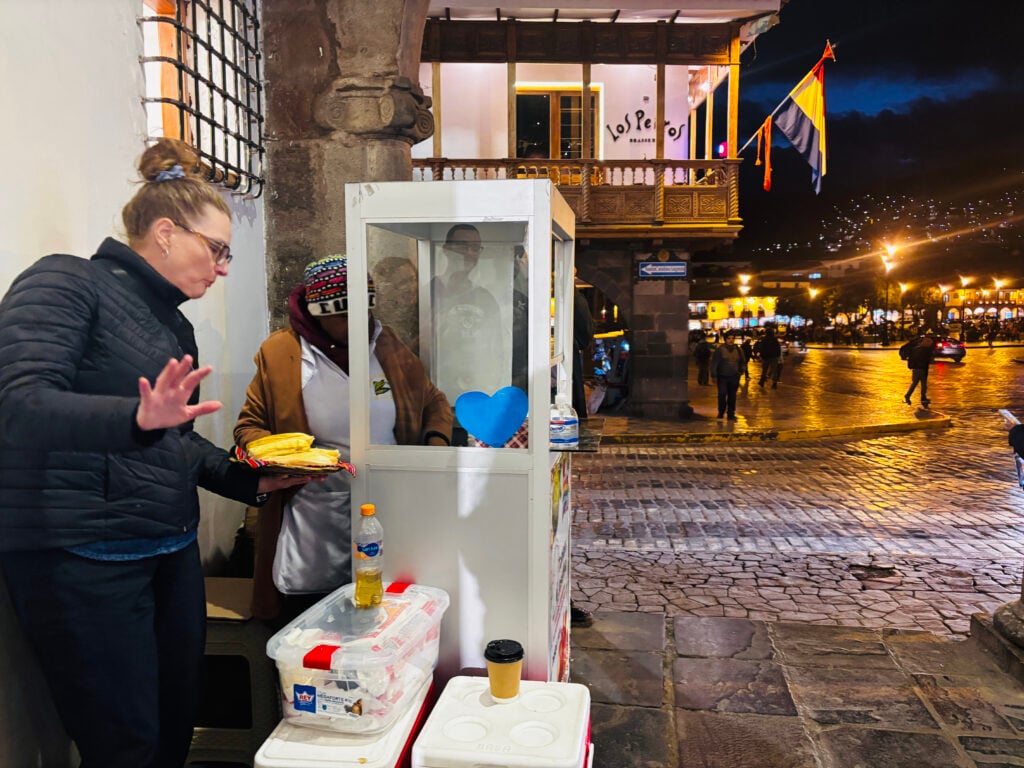
Walking around Cusco, you’ll also see dozens of street food vendors, with locals lining up for tamales and empanadas, grilled meat skewers and freshly squeezed juices. Unless you have the guts of iron, it’s natural to be skeptical of street food. Fortunately, you can sign up for a tried-and-tested food tour to go forth with culinary confidence.
Curious Monkey was founded by Canadian expat Corinne Taylor in 2016. After touring and guiding around the world, Corinne recognized an opportunity to showcase Cusco’s high-quality street cuisine while supporting local vendors. We start in the Plaza de Armas with a tiny family-run food cart that has been selling tamales since 1924. With a secret recipe passed down across generations, people queue for fluffy sweet or savoury corn tamales by the dozen. Peruvian tamales are light, delicious, and with a strong cup of local coffee, make a popular and cheap breakfast.
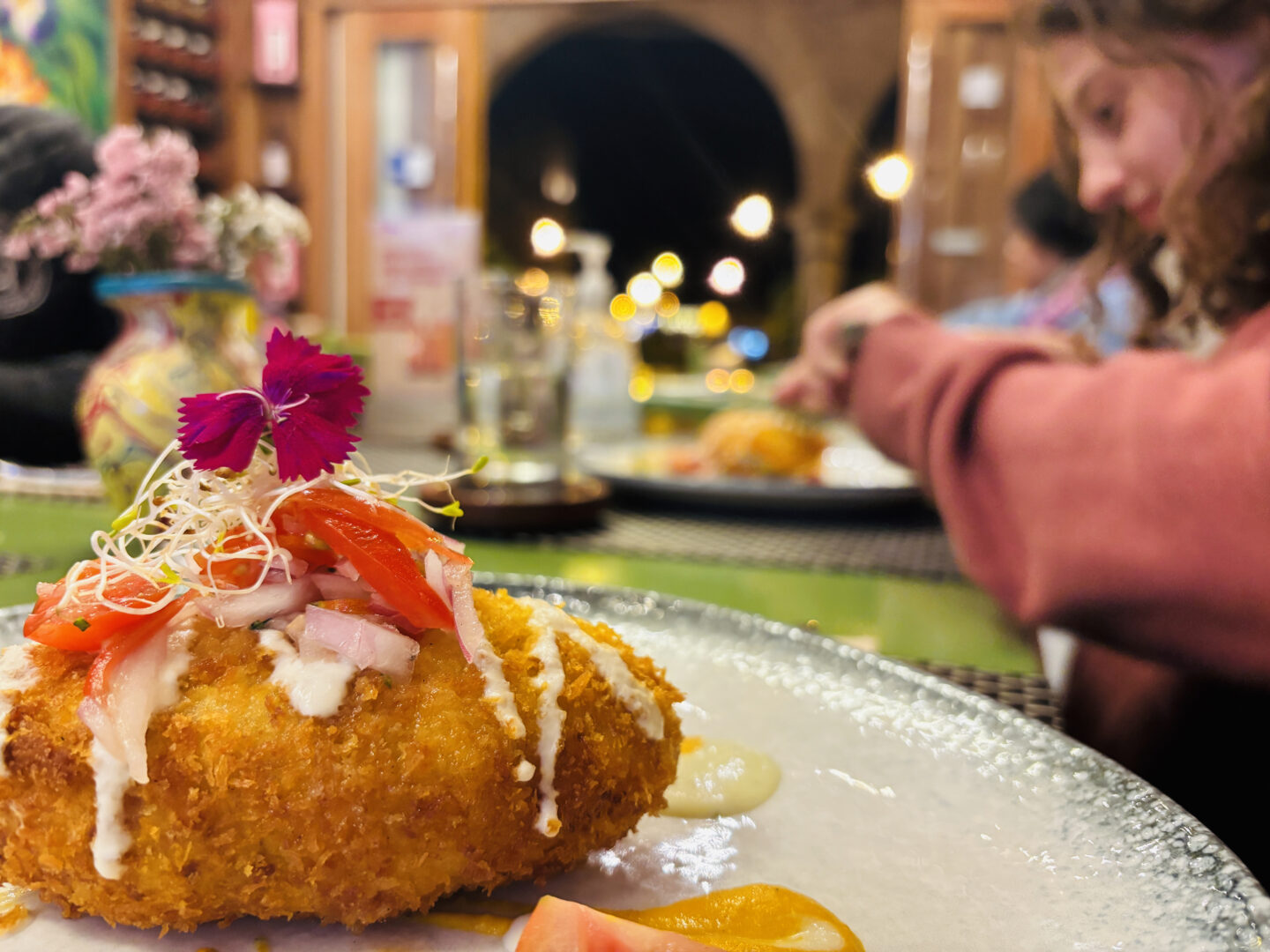
Our next stop is a vegetarian and vegan restaurant across the plaza, owned by two brothers who started out as servers and later branched out on their own. Using organic vegetables grown in the nearby Sacred Valley, we sample papa rellenas, a delectable deep-fried potato ball rolled in breadcrumbs and stuffed with savoury vegetables. No further proof is needed that we’re in the birthplace of the potato.
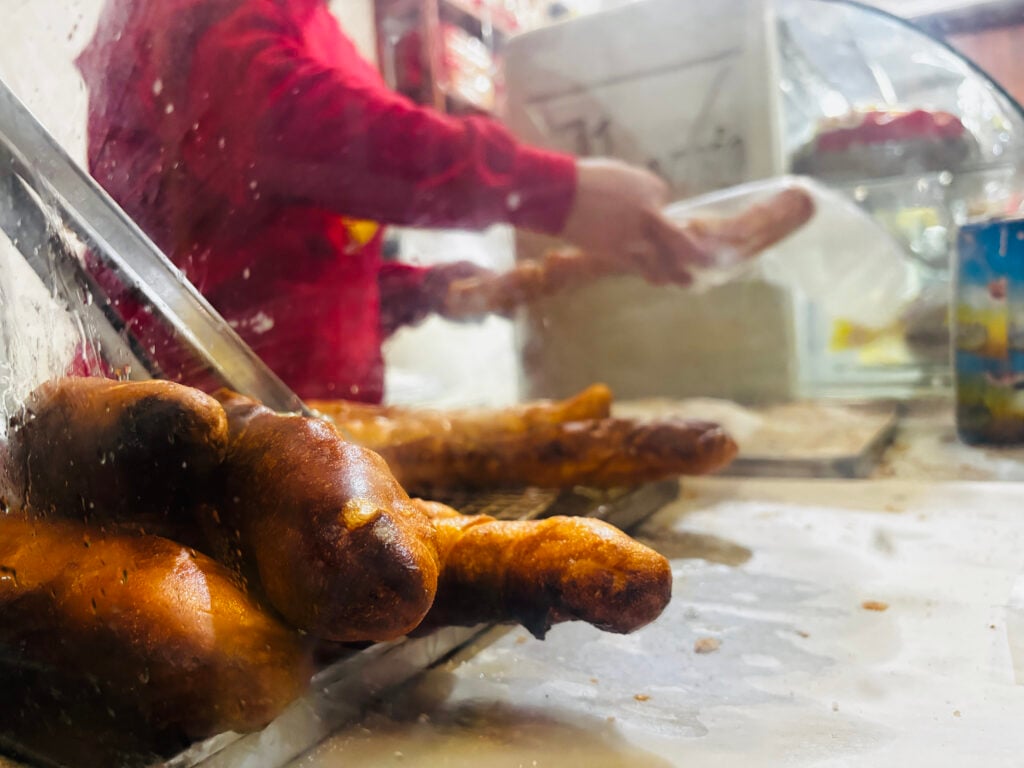
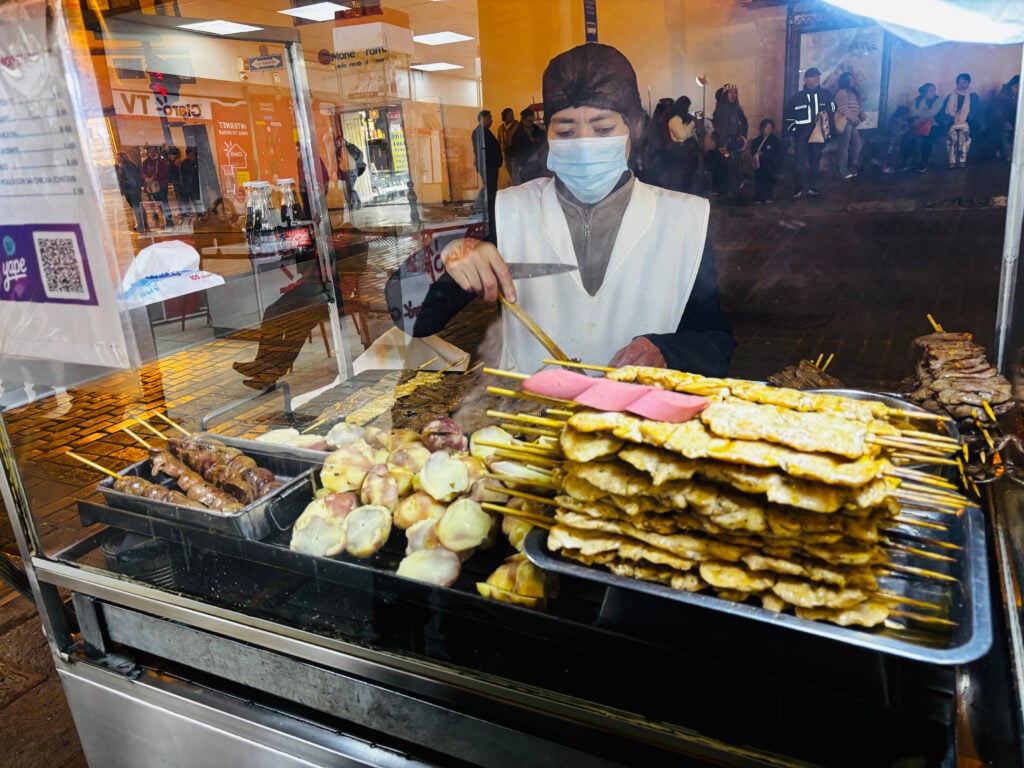
As the tour progresses, our guides, Corinne and Elizabeth, infuse each stop with information about the dish, along with the history and the people behind it. For skewers of grilled street meat (known as anticucho), we meet a lady who has been selling beef, chicken, kidneys and beef heart on the same corner for more than a decade. Marinated in vinegar, Coca-Cola, papaya juice, and spices like cumin and garlic, we taste a skewer of beef heart, which is tender and tasty, if not exactly culturally appealing. Indigenous and mestizo Peruvians learned to cook with throw-away cuts from their colonial Spanish masters, giving rise to the continued popularity of grilled or stewed organ meat.
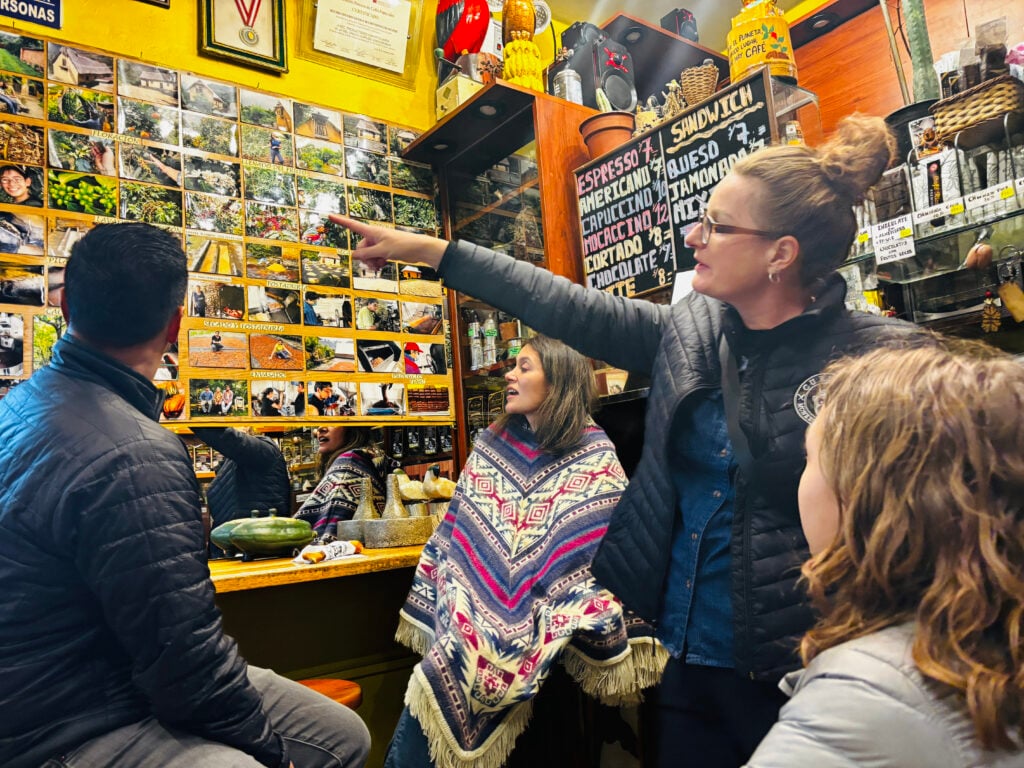
Dessert takes the form of Peruvian churros at a popular bakery, dusted in sugar and cinnamon and filled with dulce de leche. Locals are lined up for their early evening treat. Corinne points out another crispy pastry called lengua de suegra, translated as mother-in-law’s tongue. Mothers-in-law clearly have considerable influence in Peruvian culture.
Then we get an education in coffee and chocolate, taking our seats in a small coffee bar called Café Richarry. We learn from local growers who have won national coffee competitions how the coffee is cultivated, roasted, and makes its way to our cup. We chase it with different organic chocolate pellets, which can also be melted into a decadent hot chocolate. We cap out the night on a rooftop patio overlooking the bustling Plaza de Armas, noshing on picarones (a doughnut made with sweet potatoes or squash) and toasting cocktail glasses of pisco sour.
I ask Corinne about her thoughts on Peru’s culinary success. “Peruvian food has always been made from fresh ingredients from the local market, and recipes passed down through generations. It’s not just farm-to-table, it’s Earth-to-table, especially in Cusco. What’s exciting about the food scene now is seeing young chefs take those same family recipes and breathe new life into them, adding new ingredients, new techniques, but keeping the heart intact,” she says.
It’s been a busy day of tasting, toasting, cooking, walking and feasting. In the end, I’ve got the recipe for Peru’s culinary secret sauce: Love, passion, family, technique, tradition and diversity.
Buen provecho!
Travel
Twenty years after his first hike, Bucket List columnist Robin Esrock walks the Inca Trail again. This time, with his daughter.

Travel
Five fun extras on Alpaca Expeditions’ inaugural women-only trek

Environment
Vancouver might just be home to the greenest building in the world. Meet the geography professor who brought it to life.
Travel
Two award-winning travel journalists discuss why family travel, even the kind that pushes us outside our comfort zones, is one of the most powerful investments we can make