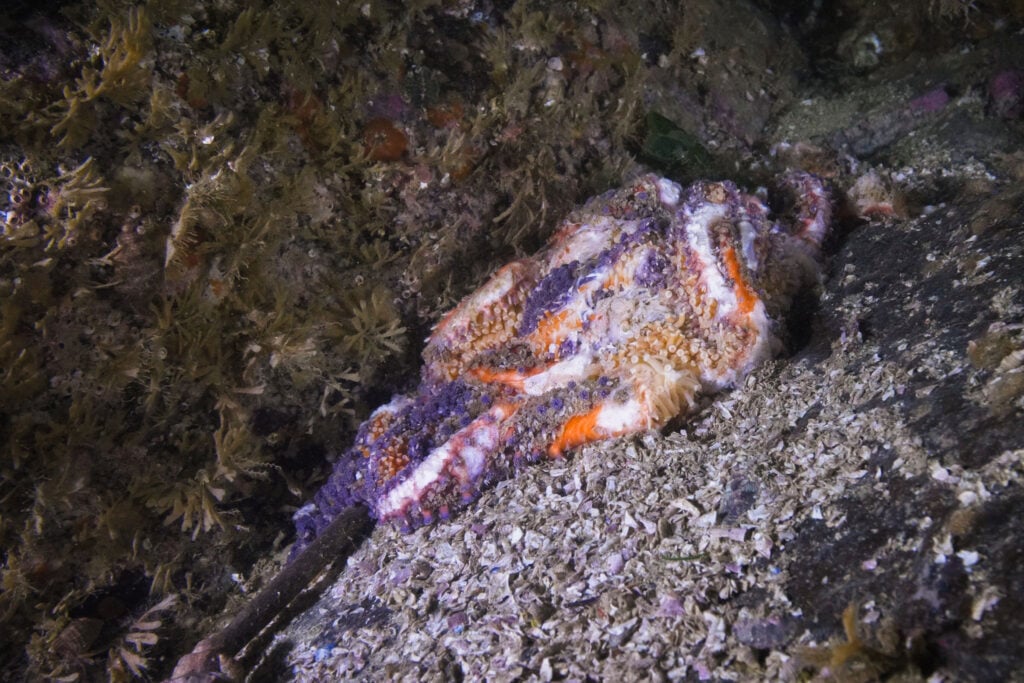
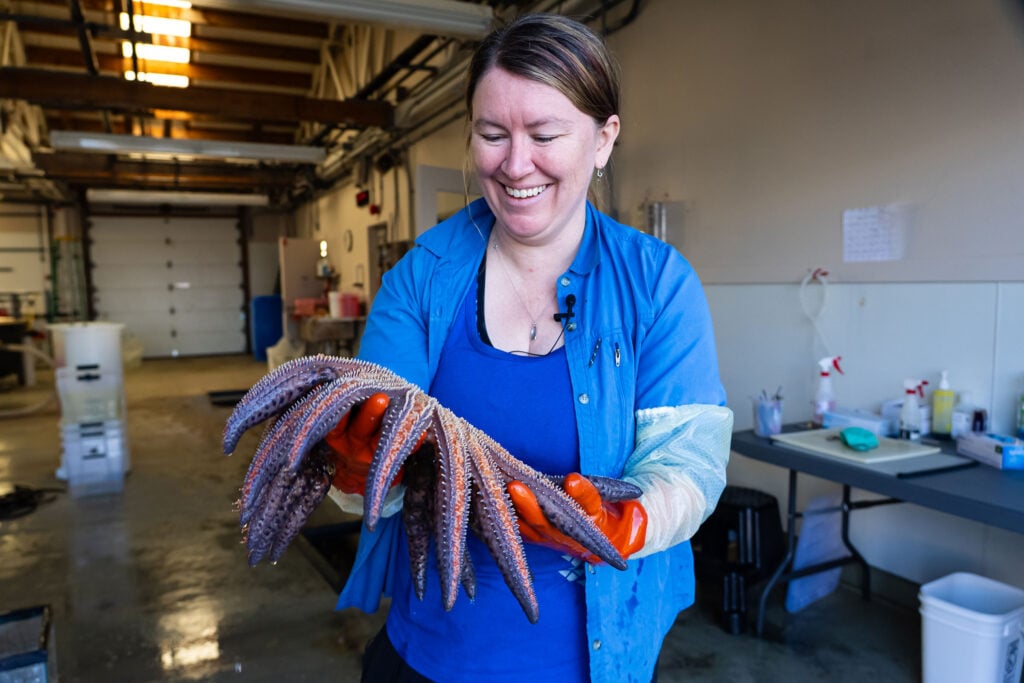
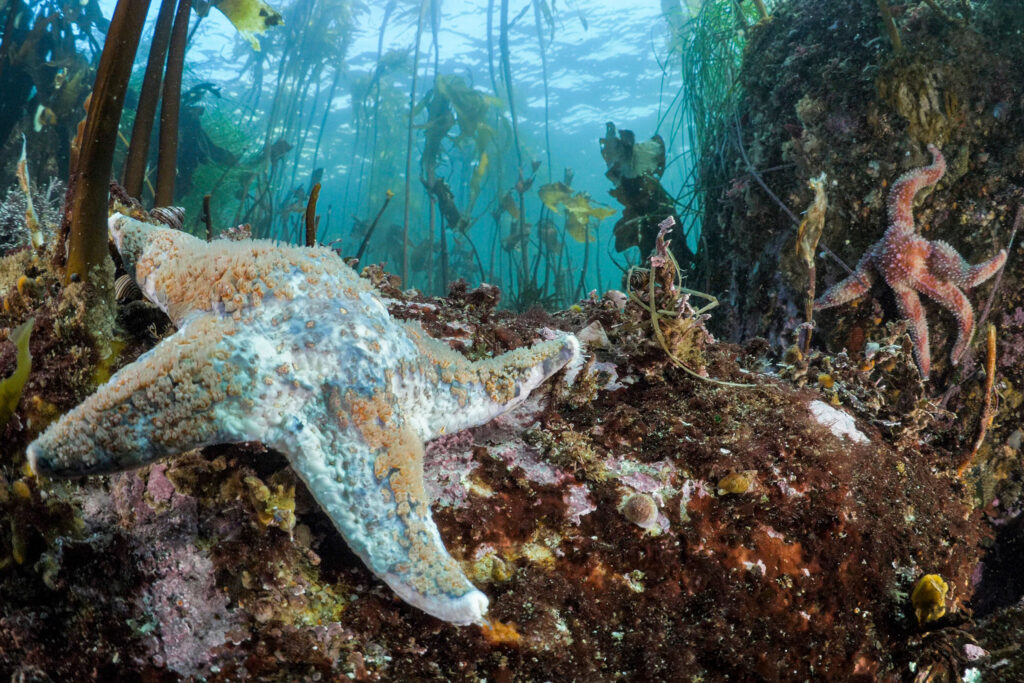
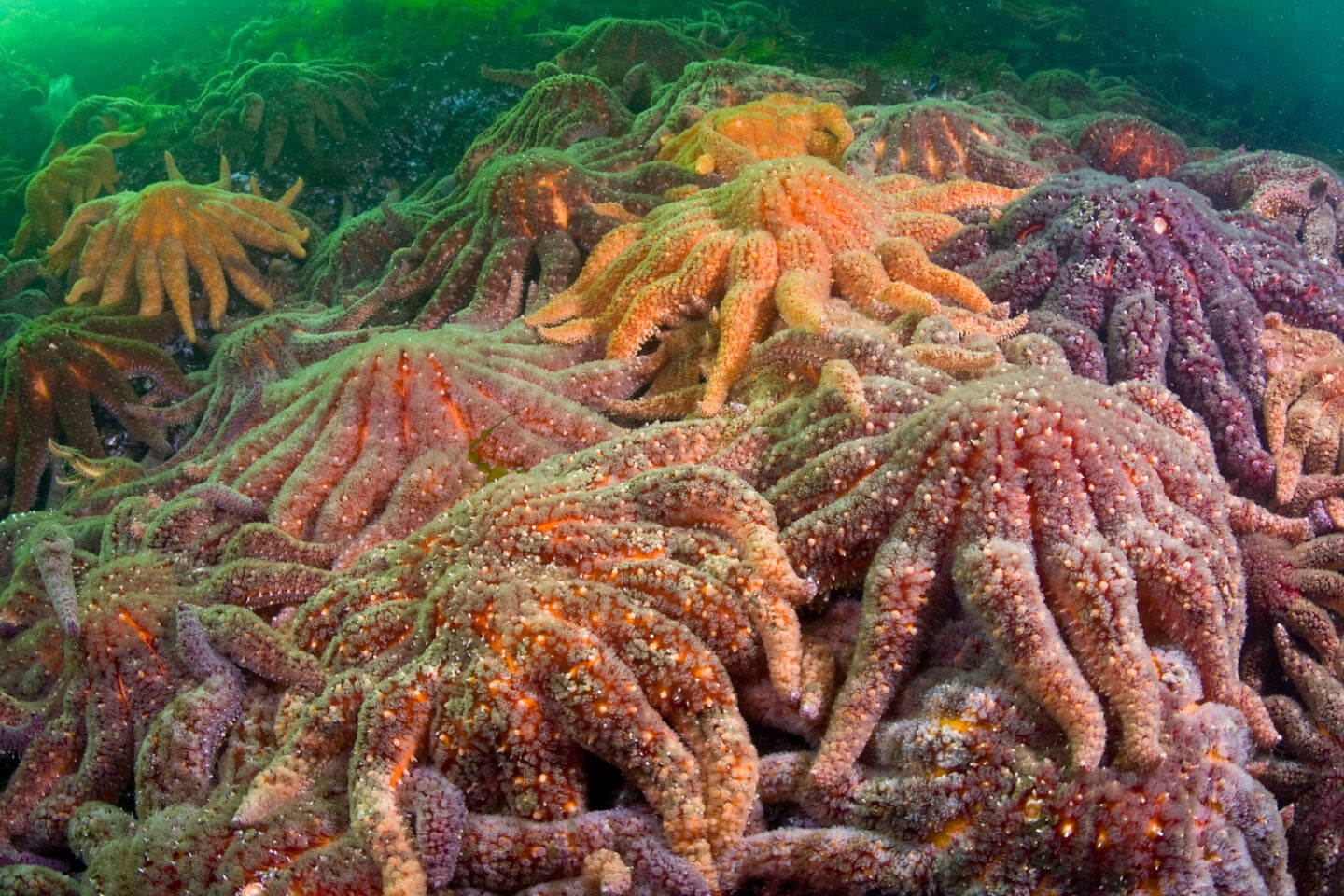
One day in late 2023, an hour before a scheduled Zoom meeting, the team stumbled on their answer. Gehman’s colleague Melanie Prentice, also with the Hakai Institute and UBC, had begun reviewing the sequencing analysis. Scrolling through data on her laptop, an unmistakable pattern jumped out. Of the hundreds of microorganisms in the samples, enormous quantities of bacteria from the genus Vibrio seemed present in sick stars.
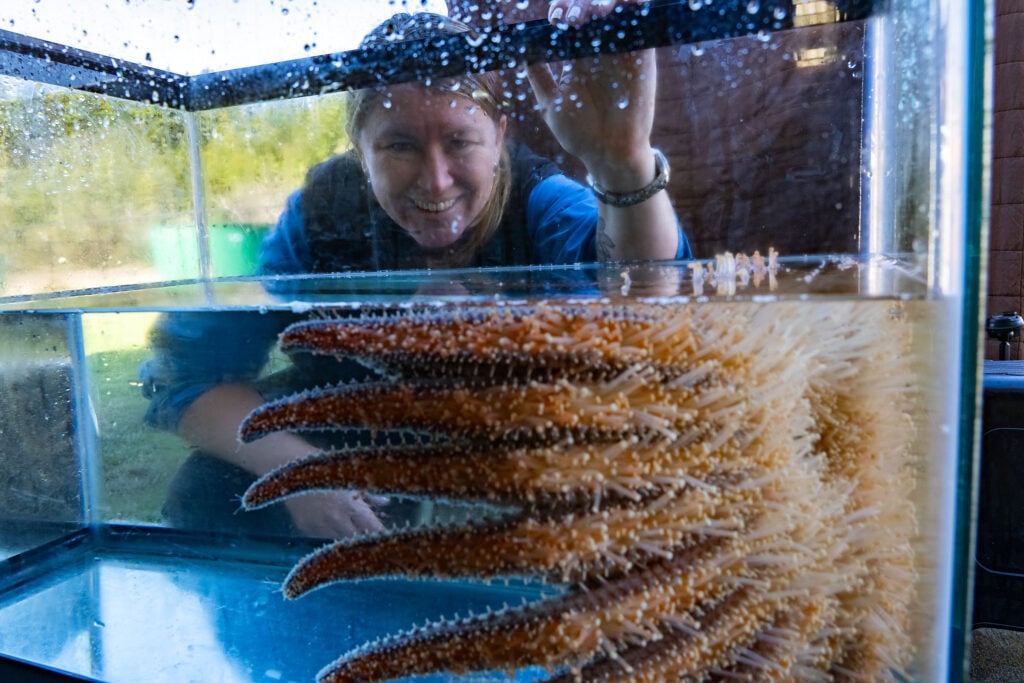
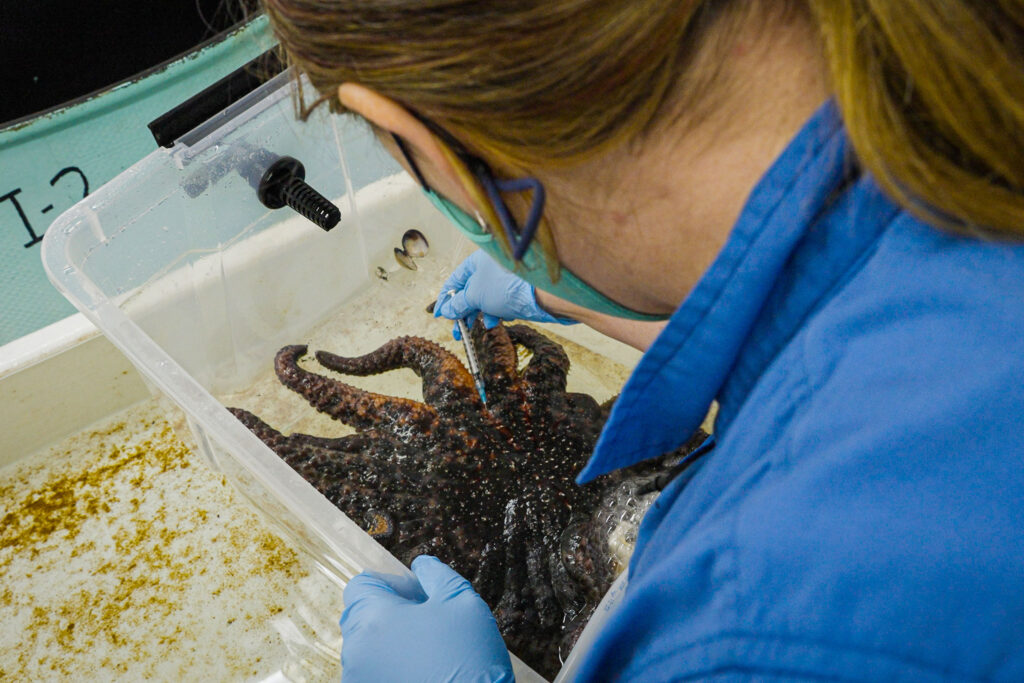
The pattern was so strong, Prentice tells me, that she assumed she’d bungled the analysis. “I’ve definitely done something wrong here,” she recalls thinking. She went back to the beginning. But the more the team tried disproving its discovery, the clearer it became: They found high concentrations of one particular species of Vibrio in 100 per cent of sick stars. They found none of that species in the healthy ones. They tested the remains of stars that had died in Alaska in 2016 and B.C. in 2023 and found the same type of Vibrio there, as well. The team cultured colonies of the bacteria and exposed healthy stars. They all died, too.
Now, in August 2025, after another year-and-a-half of work confirming and reviewing their findings, Gehman and her team have published a peer-reviewed study in the journal Nature Ecology & Evolution identifying Vibrio pectenicida, a saltwater-loving bacterium that works its way into sea star fluids, as the likely “dominant pathogen responsible for sea star wasting disease.” Gehman’s team has tracked down the killer.
“It’s great work,” says Colleen Burge, a research associate with the University of California, Davis Bodega Marine Lab who also supervises the California Department of Fish and Wildlife’s shellfish health laboratory and had worked on previous attempts to find the pathogen behind sea star wasting disease. “It’s extremely difficult to take a sick animal, isolate something, and introduce it to a healthy animal. We’re not working with lab rats or some clean population. Sometimes it just takes time.”
Rebecca Vega Thurber, director of the Marine Science Institute at the University of California, Santa Barbara, says Gehman’s results make intuitive sense. The genus Vibrio occurs naturally in the sea and includes more than 100 species, including the bacteria that cause cholera and one type of shellfish poisoning, both of which can be deadly to humans. “When I heard it was a Vibrio, I literally did a facepalm and thought, ‘Of course it is,’” Thurber says, groaning. “They are the most notorious disease-causing agents in the ocean.”
Vibrio are also known to be more pathogenic and spread faster as temperatures climb. And scientists know that stars residing in cold water have been slower to show signs of sickness and slower to die. It’s no wonder that scientists have even taken to calling the Vibrio genus a “microbial barometer” of climate change.
Still, many unknowns remain. Did the marine heatwave make the bacterium more virulent? Did it weaken sea stars’ immune systems? And if climate change and warming oceans presage similar outbreaks, can Gehman and her team’s work help better prepare marine scientists for future die-offs?