

Environment
The sixth extinction
The planet is in the midst of drastic biodiversity loss that some experts think may be the next great species die-off. How did we get here and what can be done about it?
- 4895 words
- 20 minutes
Environment
Human intervention in natural forest processes might seem counterintuitive, but experts say active management can actually help reduce wildfire risk and restore forests’ value to wildlife
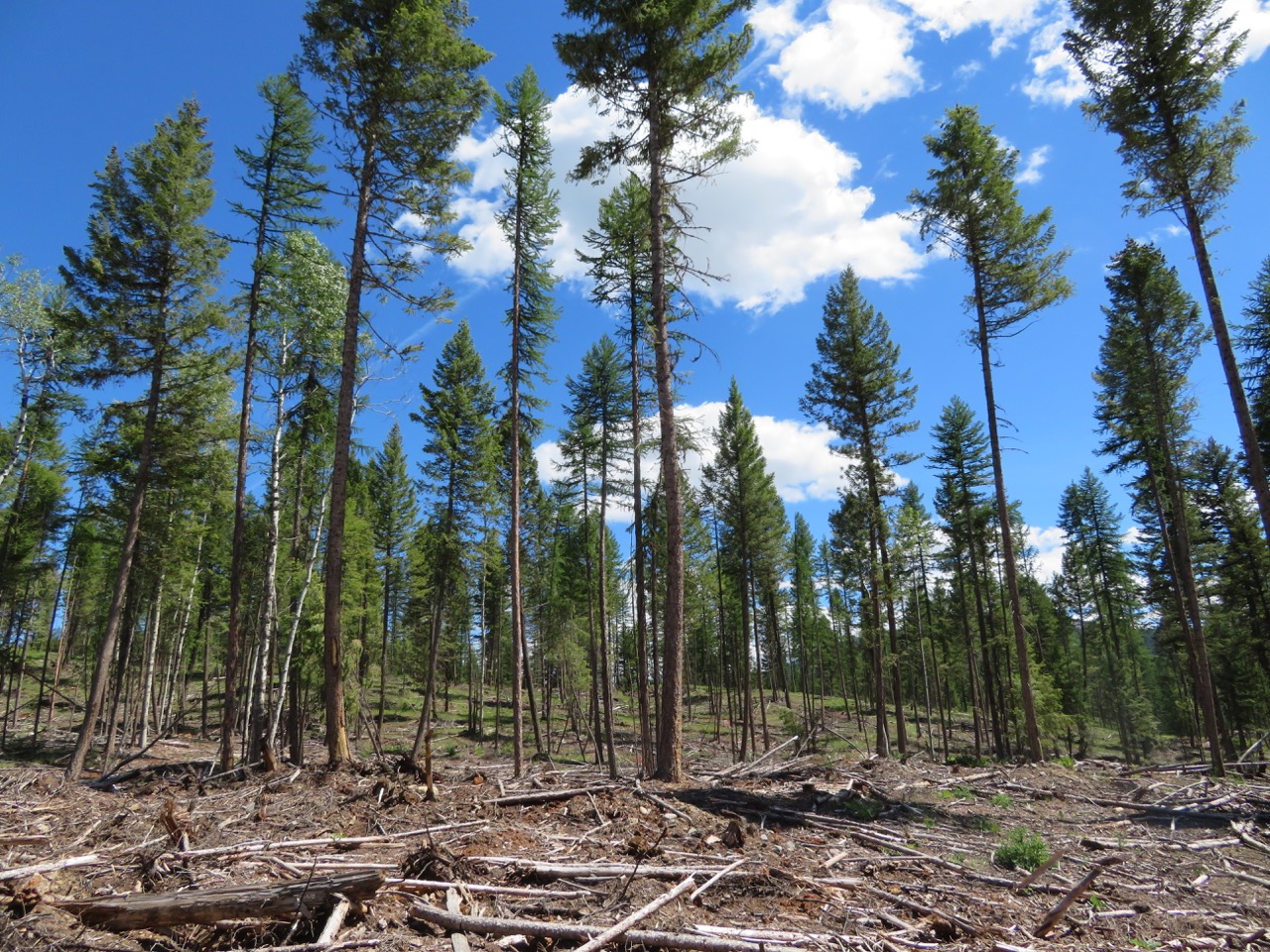
Canada’s forests are changing — fast. Hotter summers and drier winters, coupled with decades of fire suppression, have created conditions for wildfires to rage out of control, with cascading effects throughout the forest ecosystem.
“I’ve spent so much of the past 10 years walking ankle-deep in ash from fires that are uncharacteristically severe,” says wildlife biologist Kari Stuart-Smith. “I can stand and look for tens of kilometres and not see one living tree. It’s astonishing.”
Though climate change is moving faster than forests can adapt on their own, active management by the forest industry can help make forests more resilient to its effects and maintain critical habitat for wildlife. Human intervention in natural forest processes might seem counterintuitive, says Stuart-Smith, who is manager of biodiversity and wildlife for Canfor, but “some areas actually need active management to restore their value to wildlife.”
As an example, she points to the Rocky Mountain Trench south of Invermere, B.C. Historically, the southern portion of this broad valley, which stretches from northern Montana to just south of the B.C.-Yukon border, would have been home to open stands of large-diameter Douglas fir, western larch and ponderosa pine, but after a century and a half of cultural and wildfire suppression, historical logging and forest ingrowth, these stands are now dominated by dense, small Douglas fir trees, with minimal grass and shrubs for animals to feed on. “We’ve been going in and removing sub-canopy trees and retaining the mature, overstory trees, putting the stands back on a trajectory toward how they were historically. Ideally, this is followed by prescribed burning, which the First Nations are now starting to do again, restoring their cultural traditions and heritage.” Together, these treatments reduce ladder fuels and the risk of severe wildfire behaviour, while also enhancing habitat for many species of wildlife.
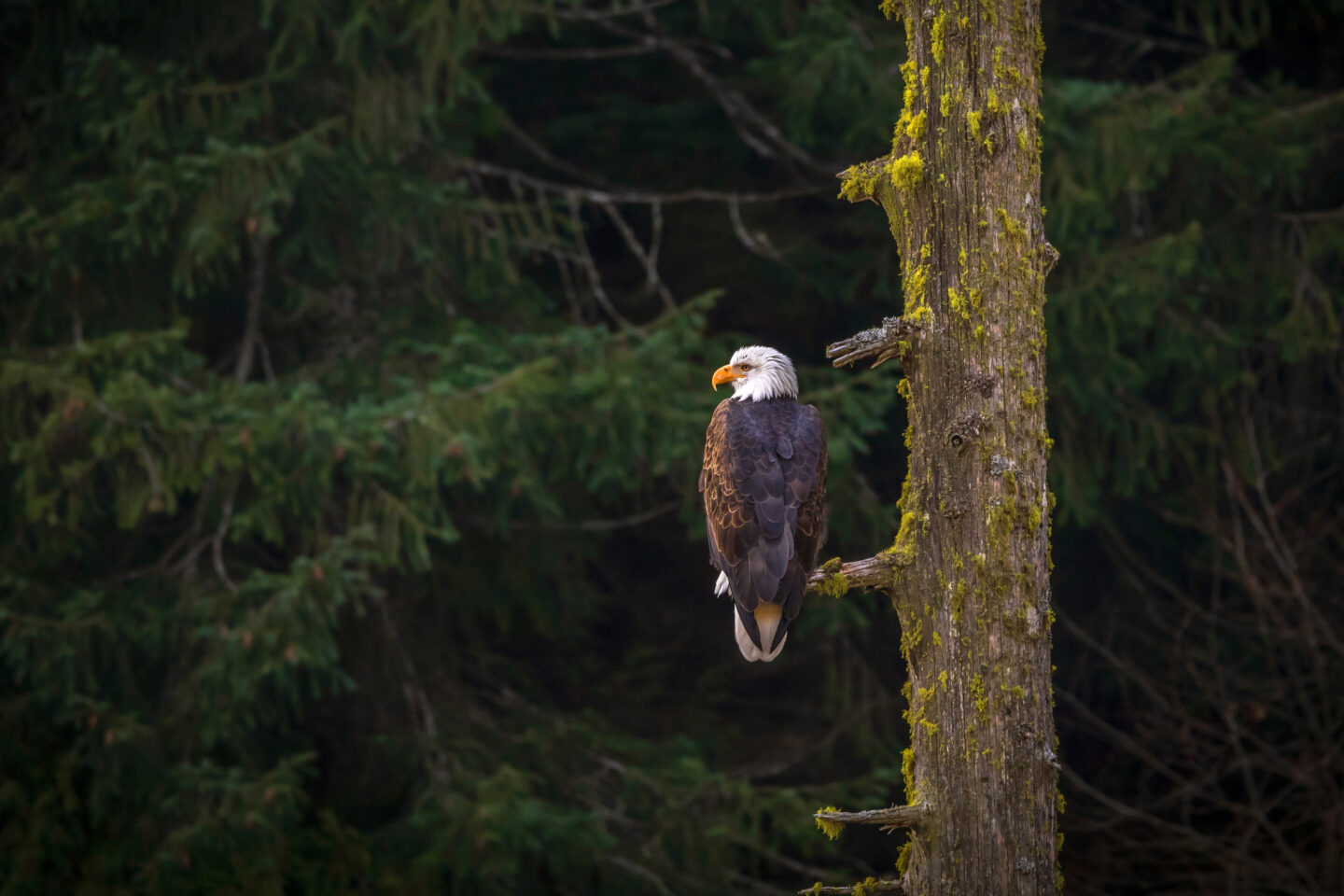
Canfor’s work is already having an impact; Stuart-Smith points to the resurgence of threatened Lewis’ woodpeckers in one restored B.C. stand. Ten years ago, the large bird with distinctive pink and green feathers was nowhere to be found in the area. “After we opened it up, taking care to retain the standing dead trees that these birds prefer to nest in, there are now 15 pairs of these birds nesting in that stand. We can say similar things about the elk and the mule deer habitat — there’s now a lot more food for them with the increased shrubs and grasses. That’s a real success story.”
Stuart-Smith acknowledges that forestry is often viewed as being at odds with biodiversity conservation, but says it’s “absolutely possible” to have a healthy forest industry and a healthy environment. “It takes some careful thinking and adaptive planning. Our current forestry practices include many stand and landscape level practices designed to maintain important habitat, such as retaining reserves around carnivore dens, moose licks, and raptor nests, protecting the areas adjacent to streams, lakes, and wetlands, providing diverse habitats by maintaining a mix of old, mid- and young stands on the landscape, and restoring roads once they are no longer needed.”
Alice Palmer, an independent forestry industry consultant, agrees.
“You don’t just go out and log,” says Palmer. “It’s a multi-year process to design your logging plans.”
Forest management companies in Canada must develop annual or multi-year operating stewardship plans that then need to be approved by provincial governments. These plans, some of which include 5-, 25-, and 100-year horizon forecasts, also have to comply with up to 17 acts and regulations, depending on the province. Federal laws including the Species at Risk Act, Migratory Bird Act and Fisheries Act must also be taken into account.
“You have to look after the fish, the wildlife, tree species, slopes, soil … even how you build roads to do the work,” says Palmer.
All forests harvested on public land — accounting for about 90 per cent of Canada’s forests — are required by law to be regenerated. As a result, since 1990, less than 0.5 per cent of Canada’s forests have been lost to deforestation, which is the permanent conversion of forest to non-forest. All stands are planted with ecologically appropriate species grown from locally-sourced seed, but increasingly, the sector is exploring the use of seeds that are better adapted to warmer temperatures, such as seeds from slightly further south. This will help forests adapt to future climate conditions.
“Forests change over time — they’re masters of renewal,” says Palmer. “But it takes a long time, beyond a time scale that we can really see as human beings.” That’s why it’s important to maintain a long-term view and vision for our forests.
By combining scientific research, traditional ecological knowledge, and sustainable forestry practices, it is possible to foster ecosystems that are both resilient to climate change and rich in biodiversity. The examples of restored habitats and thriving species like the Lewis’ woodpecker underscore how active forest management is, in many cases, essentially to ensuring species can thrive in and maintain their habitats in the forest.
To learn more about how Canada’s forest sector can support a more sustainable future, visit forestryforthefuture.ca.
Environment
The planet is in the midst of drastic biodiversity loss that some experts think may be the next great species die-off. How did we get here and what can be done about it?
Environment
As forest fires grow in size, intensity and severity, foresters are rethinking forest management
Environment
As the impacts of global warming become increasingly evident, the connections to biodiversity loss are hard to ignore. Can this fall’s two key international climate conferences point us to a nature-positive future?
Environment
An in-depth look at how trees work to keep us alive and the value of old-growth forests