Travel
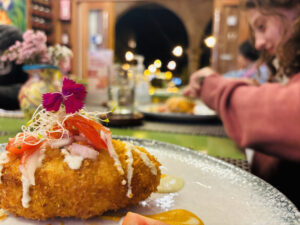
The recipe behind Peru’s culinary success
Through the flavours of Cusco, Robin Esrock discovers how chefs, vendors and traditions have helped define Peru’s celebrated food culture
- 1664 words
- 7 minutes
Travel
Five fun extras on Alpaca Expeditions’ inaugural women-only trek


The future of travel is female and Peru’s Alpaca Expeditions recently embraced the trend with the launch in June 2024 of its first women-only trek to Machu Picchu in the Peruvian Andes. The tour, a heady combination of daunting hiking and warm comradery, sees an all-female team of guides, cooks and porters showcase Peru’s celebrated cuisine and strong cultural traditions through a female lens.
The tour is an unforgettable seven-day high-altitude trek on the Salkantay Trail, which takes hikers through the breathtaking Peruvian landscapes that inspired the art and architecture of the ancient Incas. It’s also a girls’ trek extraordinaire.
Here are five extras that make this adventure extra fun for its all-female cast of travellers:


We’ve been acclimatizing at 3,400 metres for a couple of days in the Cusco (the gateway city for tours to Machu Picchu) and Alpaca Expeditions sets the tone for the week ahead with a short warm-up hike ahead of the Salkantay Trek, a quieter alternative route to the traditional Inca Trail to reach Machu Picchu.

In a couple of days we’ll be climbing up to, and over, the intimidating Salkantay Pass at 4,600 metres, but before we head for the hills, the tour begins with a morning visit to the Manos de la Comunidad farm, textile museum and co-op store.
Llamas! Alpacas! Even a few of Peru’s iconic vicunas. A three-part tour starts with a visit to the farm to learn about how the animals are raised and their wool harvested, as well as a quick lesson about the local plants and insects (squish a cochineal beetle for bright red) used to dye the wool.
Part two is a walk through the co-op’s fantastic textile museum with its reproductions of elaborate textiles from centuries-old civilizations.
Part three is shopping time! The tour ends at a massive knitwear boutique. You probably can’t afford that vicuna sweater (billed as the softest and lightest natural fibre in the world, you’re looking at scarves starting at $1,500 and sweaters at $3,000), but alpaca knitwear fits the budget, with woven hats and mitts, sweaters and ponchos in every style and shade imaginable.
We’re free to “shop till we drop” since the driver promises to hold onto our purchases until trek’s end so we don’t have to worry about cramming them into our backpacks.


The women-only tour prioritizes sharing meals and sharing stories. Breakfast, lunch and dinner are taken around a large communal table, most often under a tent. The atmosphere is intimate and unrushed — tea, tea and more coca tea is poured as the conversation flows. The food arrives as it’s prepared — a hearty pumpkin soup for warmth, a heaping platter of fried rice for carbs, a plate of seasoned chicken for protein.

How is mealtime on this all-women’s tour different? Instead of a conversation dominated by talk of the trek ahead (though we do get to that right before we leave each morning), the discussion revolves around what ingredients are in these amazing dishes we’re eating. The cooks are quizzed about herbs and spices and asked to share recipes and tips.
The head guide/den mother, Marcela, sits back and allows our group of five female travellers to dawdle and bond over meals. We can leave a bit late if we promise to make up time by keeping the pace on the hike ahead, she says.
It’s exclusive to the women-only Salkantay Trail trek and a highlight for everyone on the tour. On the third day, our group diverts from the main trail for an immersive visit to an organic coffee farm belonging to the Choquequirao women’s coffee co-operative. Owner Mery runs a hands-on tour — from picking to roasting and grinding to sipping.
It’s a fantastic experience to take part in the coffee process from start to finish, but also a real opportunity to learn from Mery and support her business (we are fortunate to have our guide there to translate our many questions).
Mery’s coffee is incredible and the group buys multiple bags to gift to friends back home (can confirm, this coffee is truly out-of-this-world delicious). The beauty of being on this all-women’s tour is that Mery can send our purchases back to Alpaca Expeditions headquarters in Cusco so we can pick them up on our return rather than trying to lug a whole ton of coffee up a mountain. When you’re hiking eight or more hours a day, less is definitely more when it comes to backpack weight!


I’m embarrassed to admit that until this hiking tour, I had no idea that Peru is internationally renowned for its rich culinary traditions, with foodie visitors travelling here specially for cooking classes and to taste for themselves Peruvian dishes that blend Indigenous flavours with Spanish and Asian influences.
And what better way to engage an all-female hiking tour than with a mini cooking class? A mid-tour class is a bonus element of the Alpaca Expeditions all-women tour.

The national dish (and one of Peru’s most popular foods) is ceviche. The classic version features raw sea bass marinated with lime juice, onion, salt and hot chilies. But that’s not exactly practical on the road, so one lunch hour Alpaca Expeditions head cook Marlen puts together a vegetarian ceviche cooking class. Under her tutelage, each of us takes a role — zesting and juicing limes, chopping garlic, peppers, celery and onions, or peeling mangos. Cuzco corn (a giant-kernel version) forms the base of our pop-up ceviche lunch, adding texture and crunchiness.
The all-women cooking team for the expedition has been spoiling us with incredible meals for days, working out of tiny makeshift kitchens in tents or at the back of basic huts, so we’re humbled to realize the level of care that goes into each dish prepared in such cramped conditions.


It’s the little things that make memories. Women generally love to chat and this group definitely loves to chat and snack. And while snacking is not an official “extra” on this tour, our guide leans into our obsession with the flavours of Peru and talks us through the Peruvian cuisine, both high-brow and low-brow, as we walk.

Speaking of which… compact “snack shacks” along the trail are perfect for a quick stop to stock up on little packets of coca candies, cookies and chips. We sit at the picnic tables, share strawberry Fantas (who knew there was such a thing?!) and play with the friendly dogs that appear out of nowhere for a scratch or a few chips.
On the morning of the last day, Marlen and her cooking crew bake us a beautiful cake. We’re not sure how they accomplished it, camped as we are on in a field and with just a basic shelter in which to prepare meals.
And then, before we set off on the final hike to Aguas Calientes (the closest town to Machu Picchu), we share stories — the female cooks and porters speaking about how empowering it is to run the show and show off their strengths, the female travellers speaking about how special it has been to bond with their hosts and fellow hikers.
From strangers to family, though we may never meet again we have shared food and laughter and a very special expedition.


Travel
Through the flavours of Cusco, Robin Esrock discovers how chefs, vendors and traditions have helped define Peru’s celebrated food culture
Travel
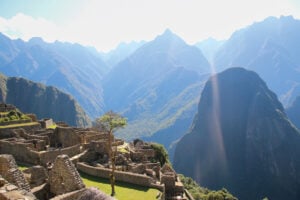
With daunting hiking and warm camaraderie, a women-only tour to Machu Picchu showcases Peru’s celebrated archaeological sites, cuisine and culture
Travel
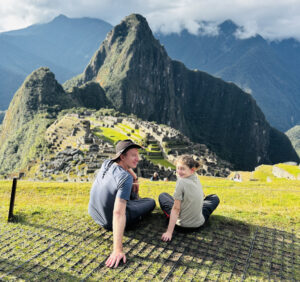
Twenty years after his first hike, Bucket List columnist Robin Esrock walks the Inca Trail again. This time, with his daughter.

Travel
Jill Doucette, founder and CEO of Synergy Enterprises, shares insights on new trends in the tourism industry and why there’s reason to be optimistic about a sustainable future for travel