
Travel
Exploring Newfoundland with Adventure Canada
Immerse yourself in Viking archaeology and Basque whaling history while taking in Newfoundland’s scenic coastline and incredible geology
- 1201 words
- 5 minutes
Places
More than a century ago, fishermen in Red Bay, N.L., united to establish the region’s first co-op — and take control of their own economy
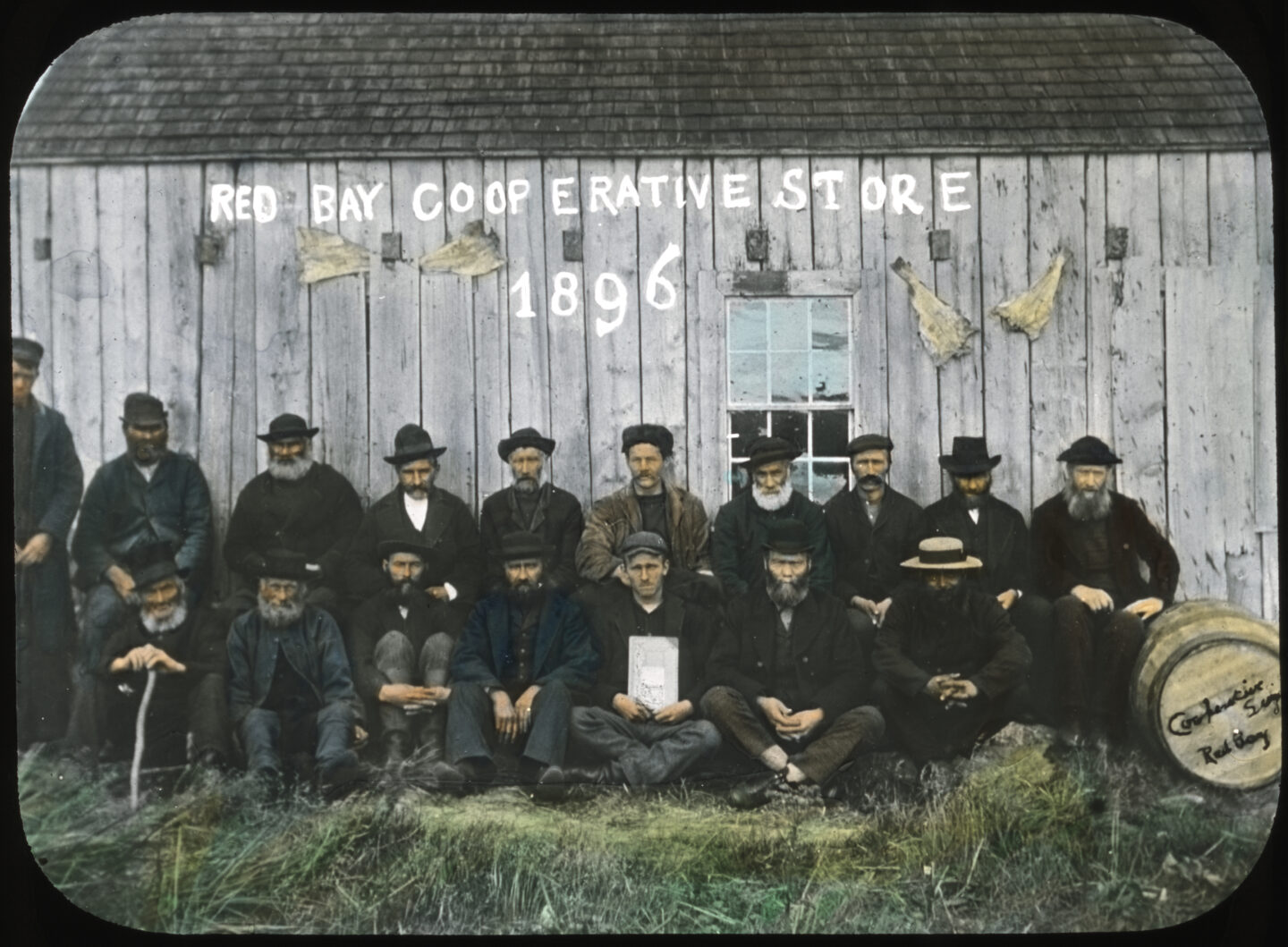
William Y. Pike was only 19 when he shouldered responsibility for his community’s well-being. In 1895, the fisherman from Red Bay, Labrador, was one of the few among his peers who could read and write. These skills caught the attention of travelling doctor and missionary Wilfred Grenfell.
When Grenfell ministered to Labradorians in the late 1800s, his biggest concern was not medicine but poverty. In those days, the fishing economy ran on the “truck” system.
Fishing families obtained food and supplies from local merchants on credit, then settled their debts at the end of the season with salt cod destined for markets in Europe, the West Indies and South America. But the merchants controlled the rate of exchange based on the price they expected the cod to fetch overseas, and often the best a fisher could hope for was to break even. If the catch was poor, winter supplies were given on credit, and their debt grew.
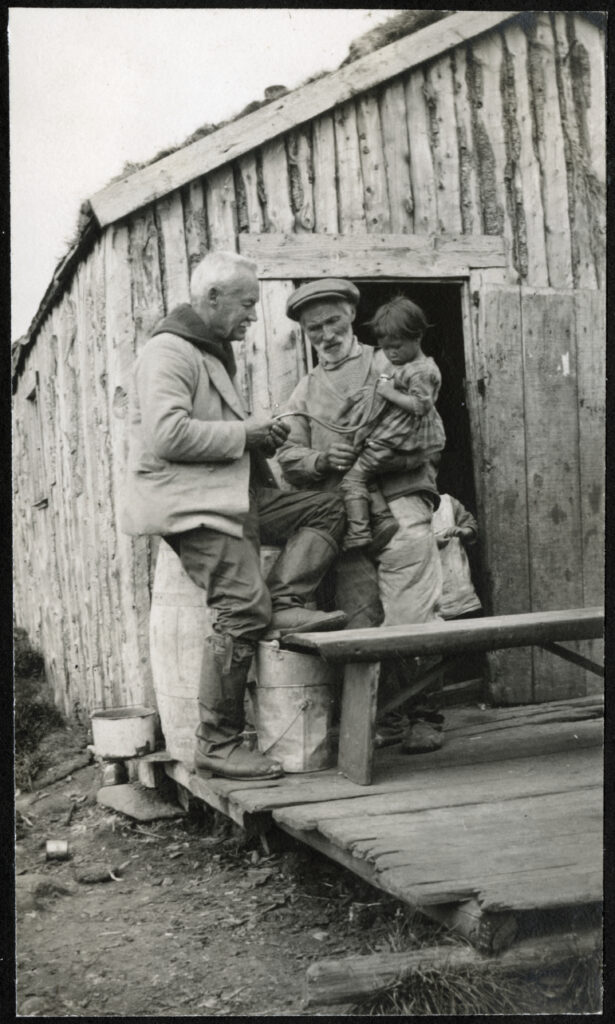
Inspired by the growing labour movement in England, Grenfell was convinced that a co-operative — a business owned by members who also use its products and services — would allow fishermen to break the cycle of economic bondage. But he needed a leader on the ground, someone who could convince the community of the idea. That someone was William Pike.
It was a tough sell. Impoverished fishing families didn’t have the capital to invest in a co-operative and were intimidated by the merchants. The risk was high, and rewards seemed distant. Pike and Grenfell’s plan was further stymied by a horribly small catch in 1895, and the prospect of breaking the credit system seemed bleak.
Karen Pike, no relation to William Pike, works at the Red Bay visitor interpretation centre, which preserves the fishing and whaling history of this small but significant outport. She notes that nobody made a big living off the fisheries in the late 1800s, and it was a challenge for families to manage yearly finances when they could only work seasonally.
“A lot of those men weren’t educated. They had [everything] working against them,” she says.
Still, William Pike persevered, spreading the word about co-operatives and advocating for change. By 1896, his hard work had paid off — and luck was on Red Bay’s side. That year, the catch was good, and fishermen also salvaged the cargo of a nearby shipwreck, which provided an extra financial cushion. To say they were determined is an understatement. Their motto “Let’s eat grass for flour and get out of debt” shows just how dedicated they were to success. Their initial investment was $85, with 17 families contributing five dollars apiece to the burgeoning co-op — money painstakingly saved, one penny at a time, giving the co-operative its nickname: the Copper Store. With that initial investment, the Red Bay Co-operative Society became the first co-operative in Newfoundland and Labrador on August 20, 1896. The co-operative offered fairness and freedom.
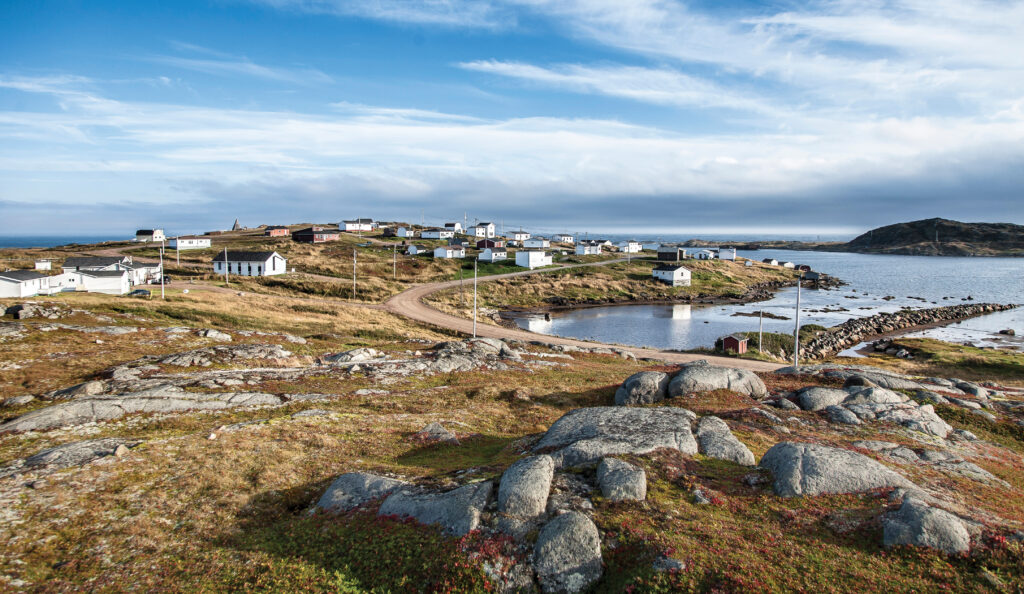
In her 1997 paper The Copper Store: The Story of Newfoundland and Labrador’s First Co-operative, Cindy Gibbons explains how fishermen established an honest pricing system. Goods were priced based on their initial cost plus freight costs, an additional five per cent to pay the shopkeeper and five per cent for a reserve fund. A straightforward sales model meant no credit or charity, just a simple cash-for-goods system. This revolutionary economic moment is often overshadowed by Red Bay’s other claims to fame — the village is a UNESCO World Heritage site and a Canadian national historic site thanks to its early history as a Basque whaling station. But the interpretive centre is working hard to ensure the fishermen’s struggle is not forgotten.
Soon, visitors to Red Bay might be hearing more stories about people like William Pike and the co-operative’s other founders. The centre plans to host “tea and talk” sessions so area residents, especially senior citizens, can share stories of the working-class people who took control over their own economy. After providing its members with decades of stability and prosperity, the Red Bay Co-operative Society was no more by 1941, but its legacy persists. Karen Pike remembers her father talking about the Copper Store when she was growing up — showing that the fishermen’s bravery and perseverance live on in the collective memory of Red Bay.

This story is from the January/February 2026 Issue
Travel
Immerse yourself in Viking archaeology and Basque whaling history while taking in Newfoundland’s scenic coastline and incredible geology
People & Culture
A moratorium on cod fishing that was supposed to last two years has now lasted 30. What will it take to rebuild cod stocks — and a way of life?
People & Culture
For community members in Waskaganish, Que., the place where Cree traders established first contact with company employees, it’s just a chapter in a longer history

People & Culture
Crowdfunded by Fellows of The Royal Canadian Geographical Society, the new teaching tool is the first provincial map of its kind