People & Culture
Carrying our culture: New CBC series examines what it means to be Asian Canadian
In honour of Asian Heritage Month, CBC Quebec journalists asked Asian Canadians how they carry their culture
- 969 words
- 4 minutes
Travel
Rediscovering the tropical Southeast Asian nation after immigrating to Canada more than a decade ago
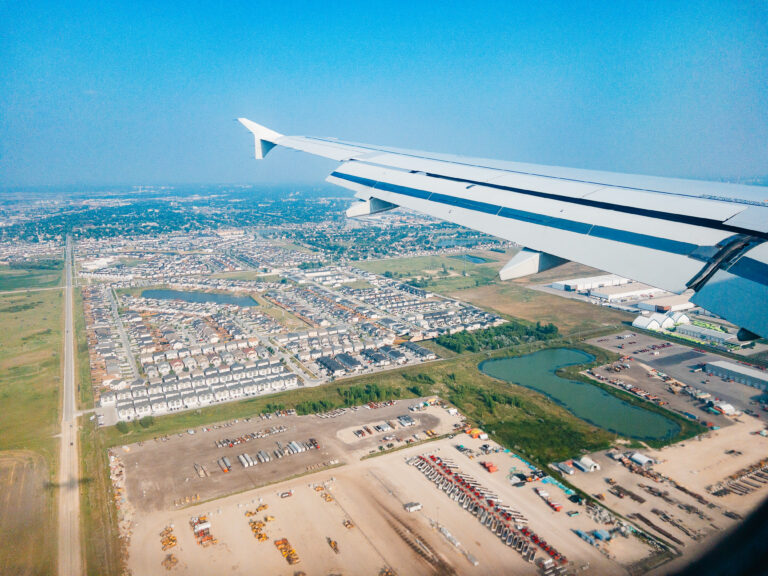
It was the spring of 2015 when I stepped off the plane at Vancouver International Airport, an immigrant ready to embark on a new chapter. Leaving behind the Philippines’ summer heat to join family in Winnipeg, the cool 19 degrees Celsius air felt freezing. Standing in the vast, unfamiliar terminal, I felt a mix of intimidation and excitement – this was the new beginning I had been waiting for.
A decade later, my roots are firmly planted in Canada. Now, the journey continues full circle as I return to the Philippines to rediscover and explore some of the country’s most remarkable places.
Boarding Air Canada’s direct flight from Vancouver to Manila brought a wave of emotion. Returning as a balikbayan (balik = return, bayan = town—a Filipino returning to the Philippines after living abroad) is my homecoming, a journey of rediscovery and a chance to see the Philippines through a new perspective.
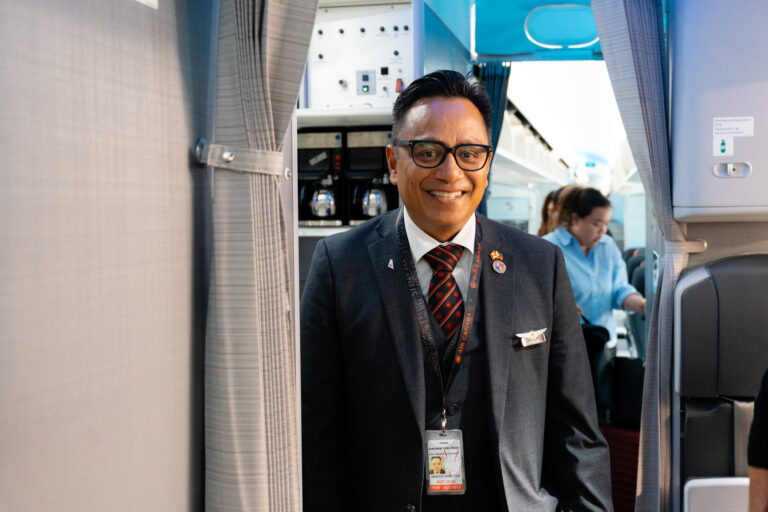
On the flight, I met Roderick del Rosario, our service director for the Air Canada flight to Manila. We exchanged immigrant stories as he prepared sandwiches for the passengers. Like Roderick and I, more than a million Filipinos live in Canada. This new direct flight makes it easier to visit family or explore the country.
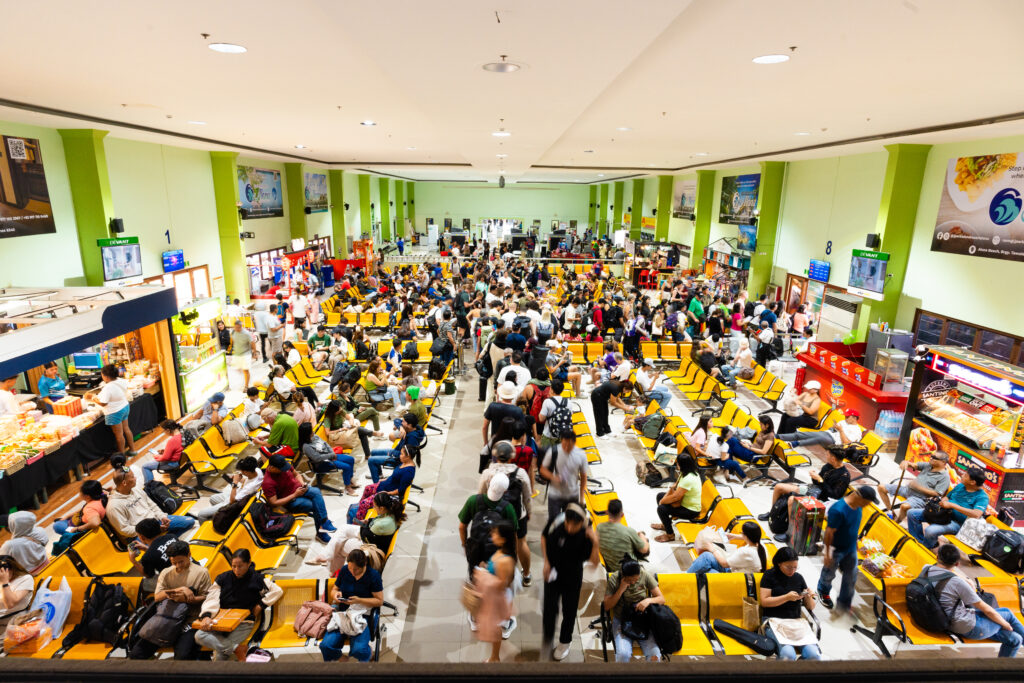
Travelling with five other Canadian travel writers, the 13-hour journey went by smoothly. I mostly slept but managed to watch a couple of movies, including the award-winning movie Emilia Pérez, available on in-flight entertainment. Upon arriving at Ninoy Aquino International Airport, it felt wonderfully overwhelming. The heat, the humid air, the familiar rhythm of the Tagalog language, and the crowded streets immediately brought back memories. I was home.
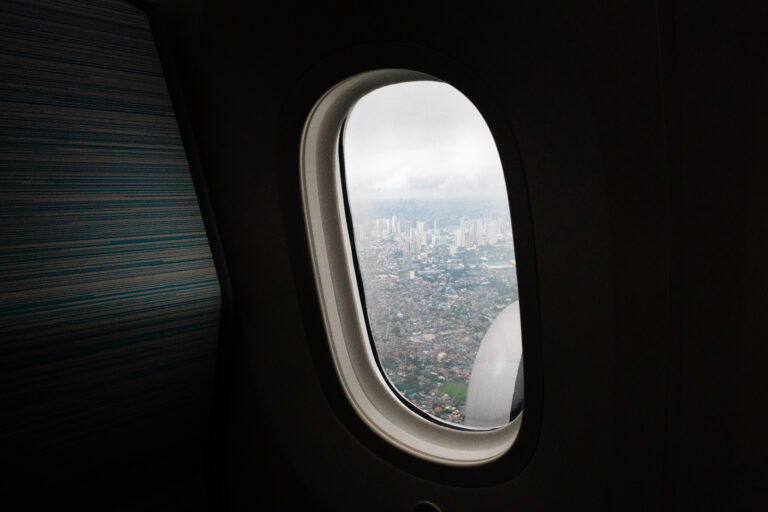
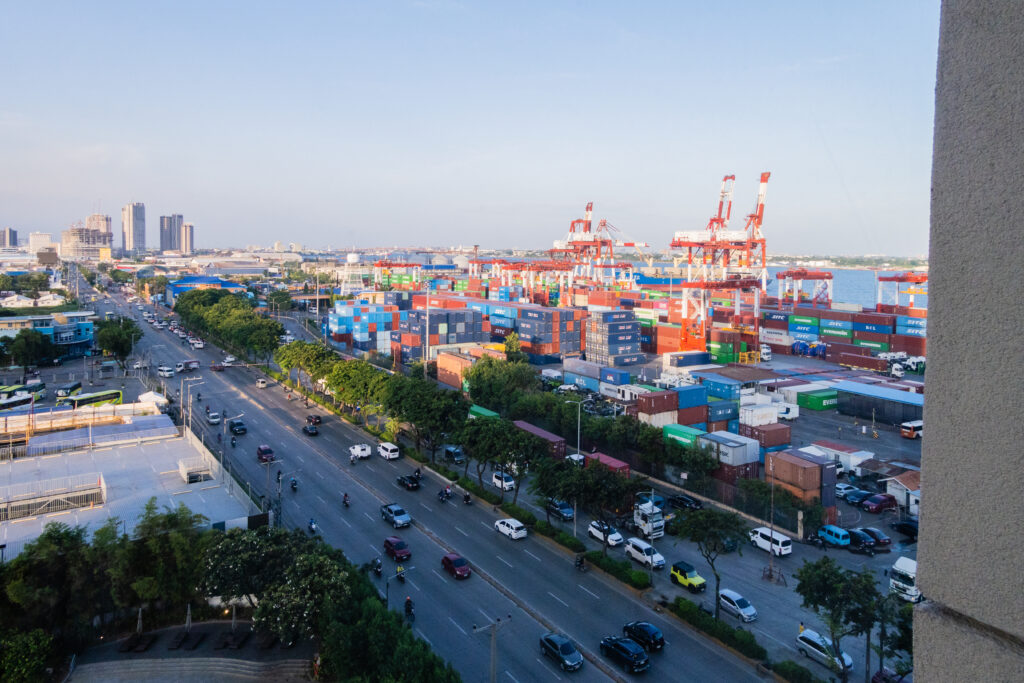
Despite the jet lag, I was wide awake as we drove through Makati (one of Metro Manila’s business hubs) to check in at the Makati Diamond Residences. From my hotel window, I could see the Central Business District where I had worked for almost a decade as a competitive intelligence analyst for a New York City-based international law firm. Walking the streets again, some of my favourite restaurants were gone, but the familiar chaos of the city was comforting.
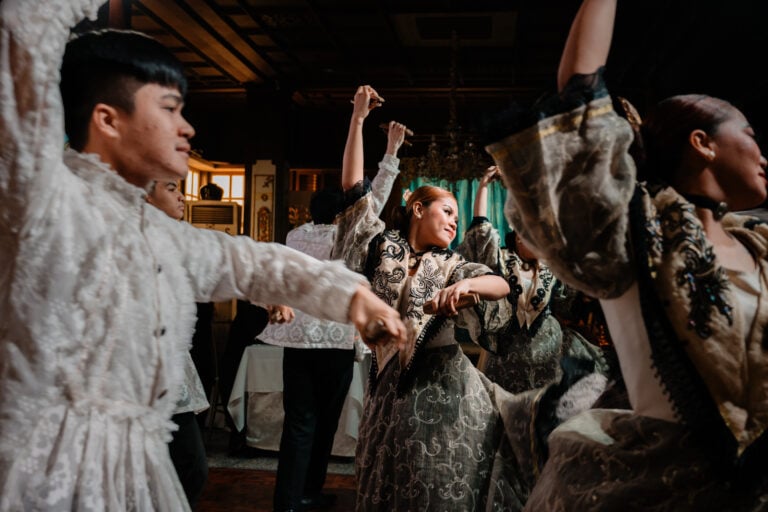
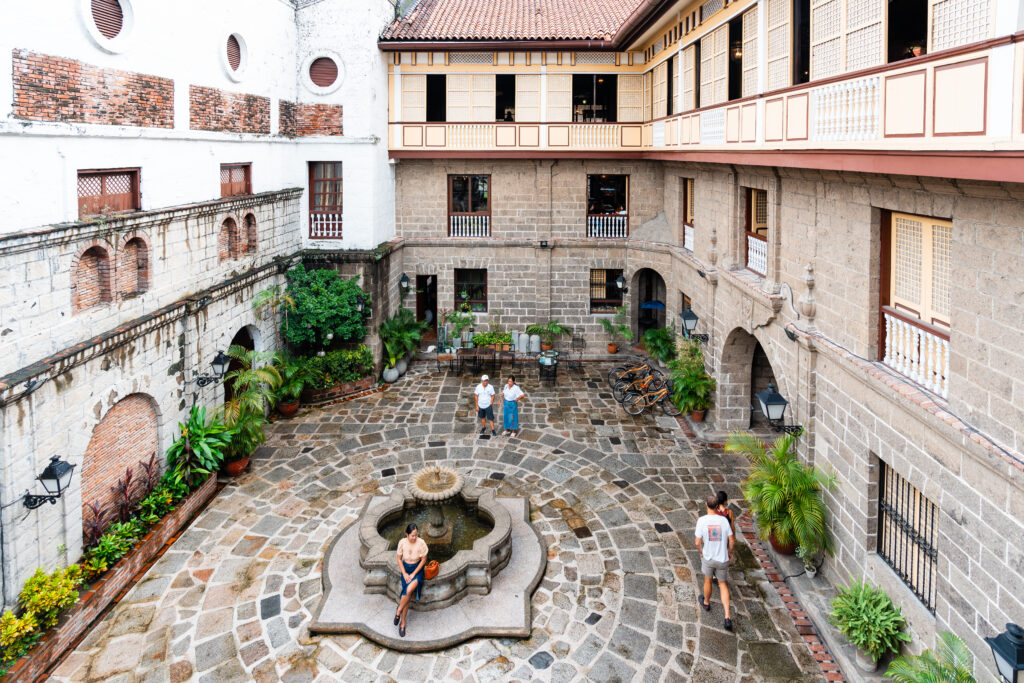
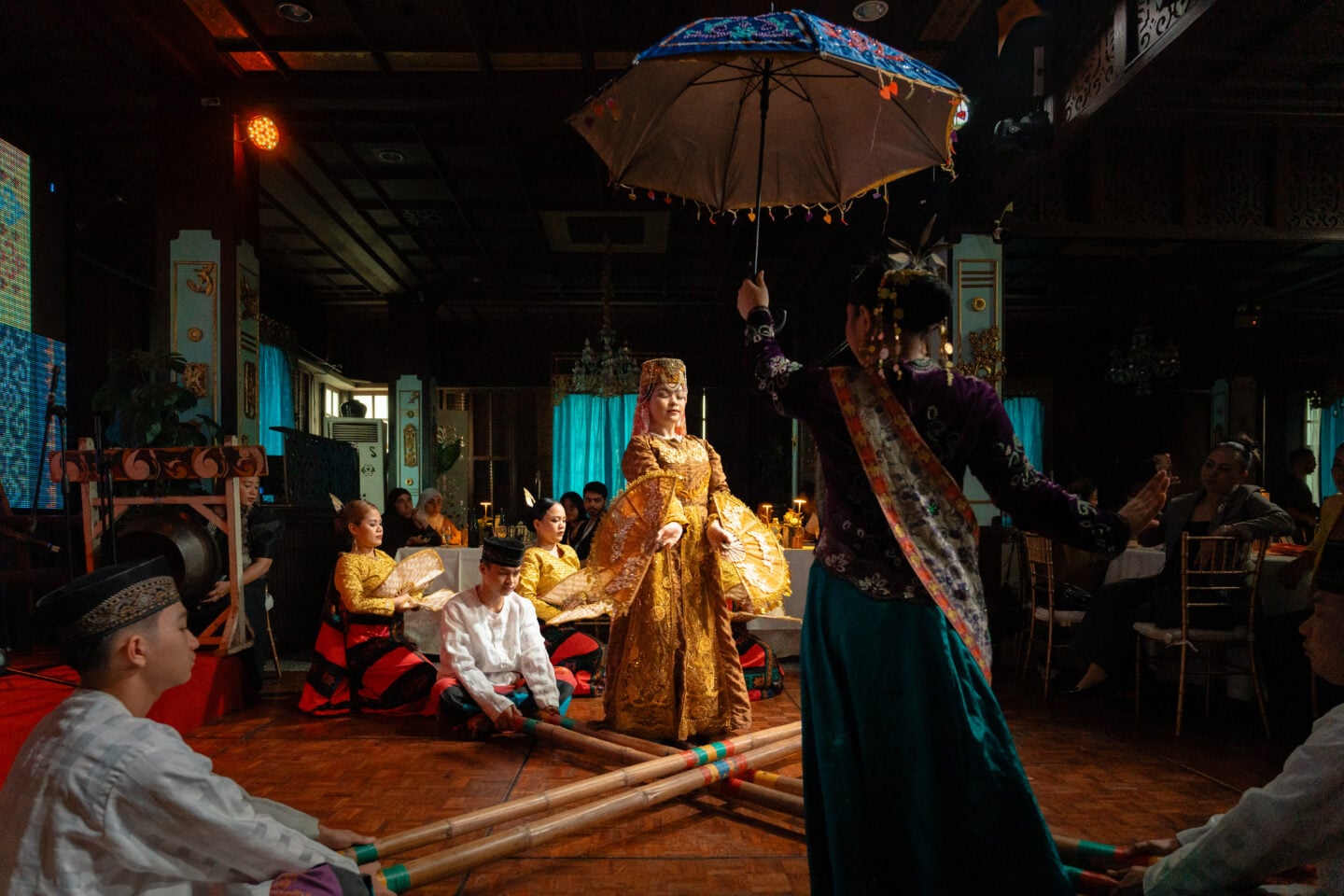
Our tour began in Intramuros, the historic walled city of Manila. Lunch at Barbara’s Restaurant featured a buffet of authentic Filipino dishes like dinuguan (pork blood stew), beef kare kare (Filipino peanut stew) and pinapaitan (traditional bitter soup), accompanied by folk dances performed by the performers. The cultural performance left me feeling both proud and nostalgic. Years ago, I would bring American colleagues to Intramuros for a tour. Now, I am part of a Canadian group touring Intramuros. This was a true full-circle moment.
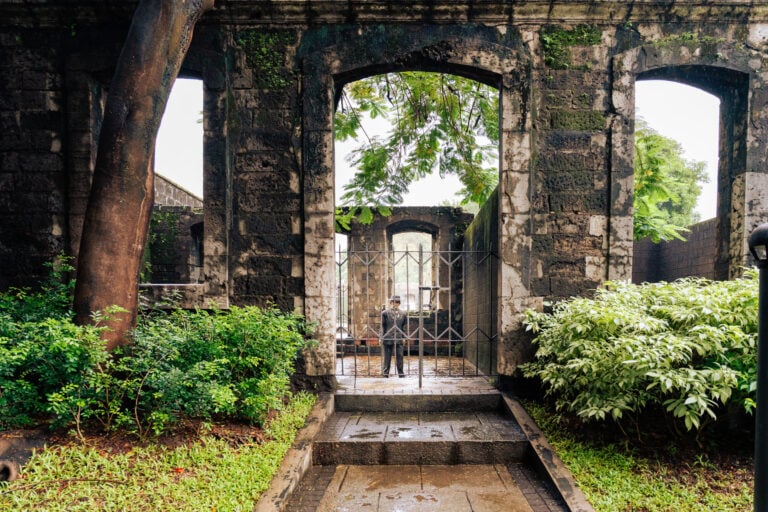
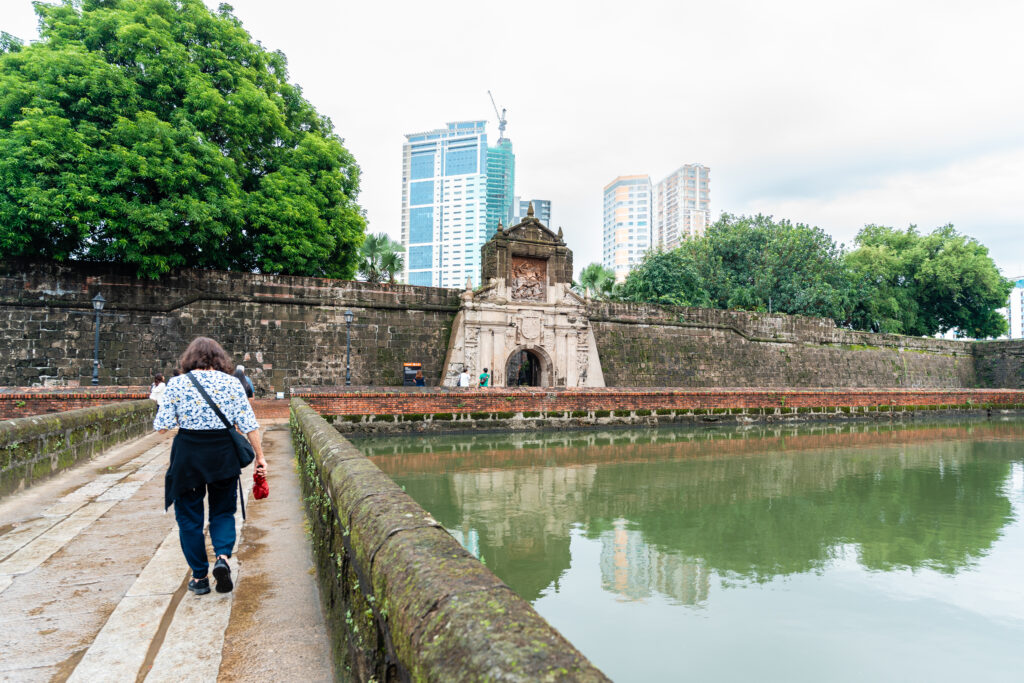
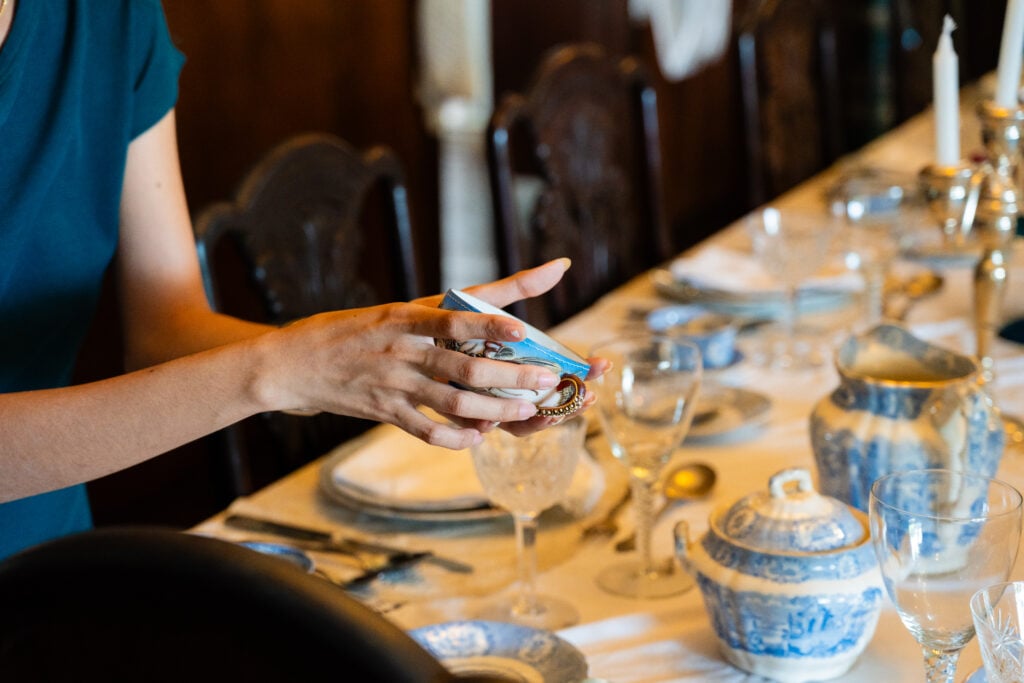
We continued through the historic district, stopping at Casa Manila, a well-preserved museum offering a glimpse into the lifestyle of an affluent Filipino family during the late Spanish colonial period, and Fort Santiago, built in 1571, when Spanish conquistador Miguel López de Legazpi made Manila the new capital of Spain’s empire in the Far East.
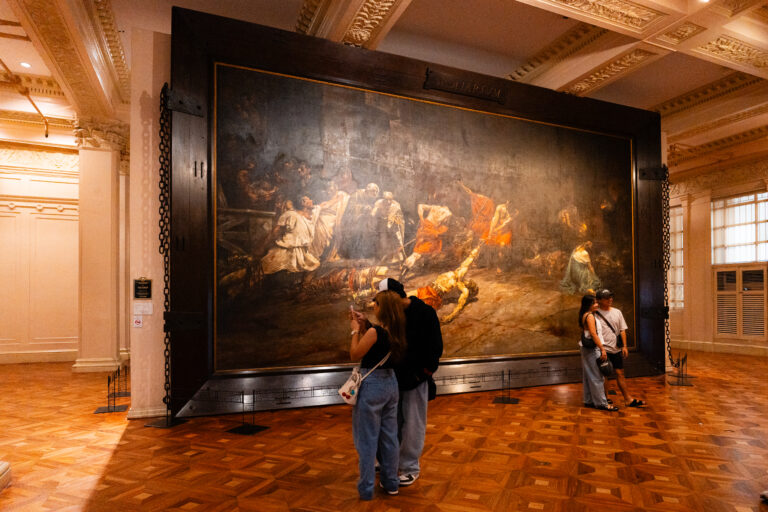
Our next stop was San Agustin Church. As the oldest stone church in the Philippines (built in 1607), it stands as a testament to Filipino resilience, having withstood both wars and natural disasters. A quick visit to the National Museum of Fine Arts is where we admired the famous artwork Spoliarium by Juan Luna (1884). The oil-on-canvas painting left me inspired by the talent and creativity that have shaped the country’s history.
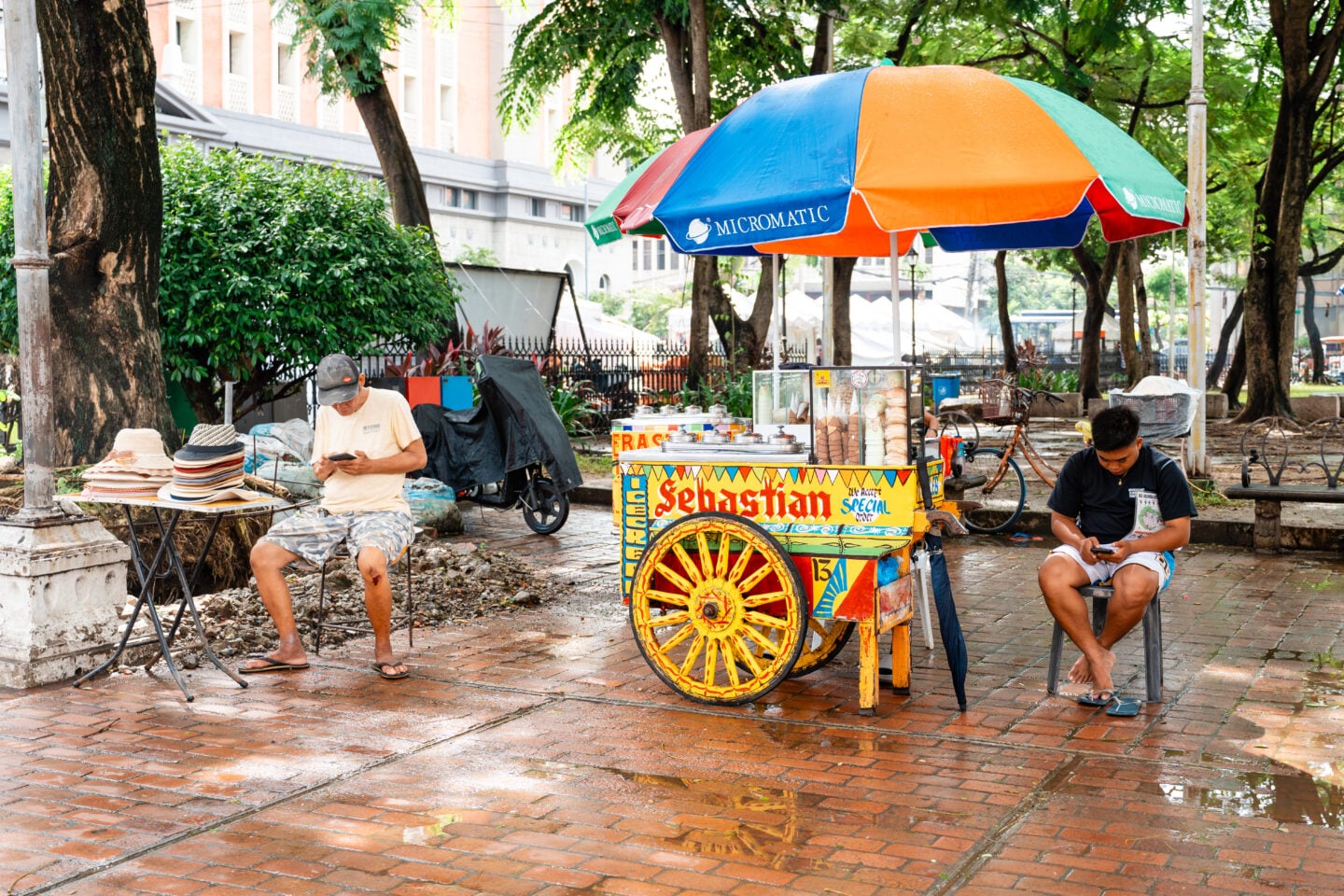
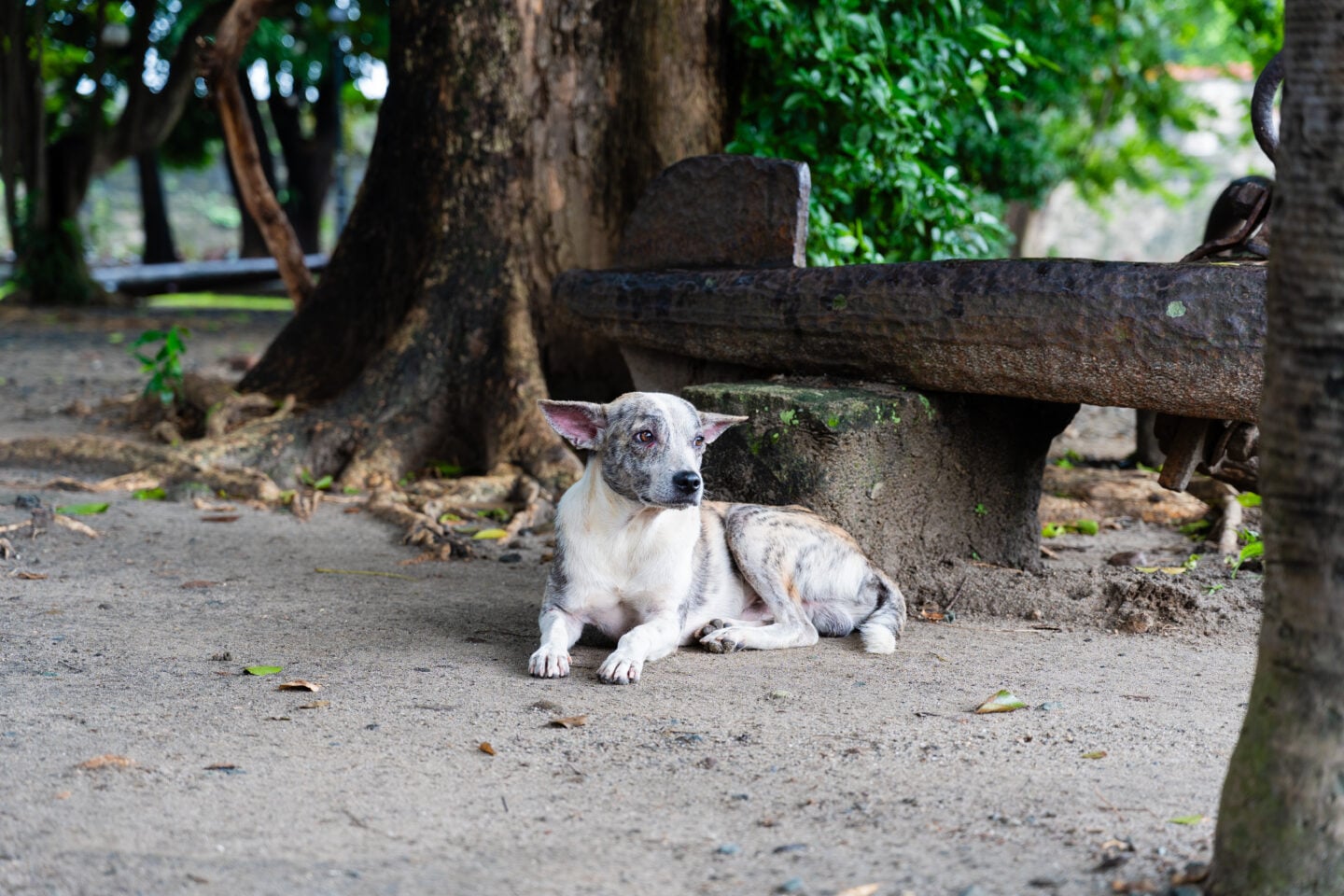
While touring, I noticed the small things I used to take for granted: sari-sari stores (small convenience stores), ice cream vendors and stray dogs. These details revealed how the country’s character remains unchanged.
The next day, we explored Bonifacio Global City (BGC). In the 10 years I’ve been away, BGC has grown bigger and more vibrant, with new skyscrapers and public art on every corner. The streets are alive with energy, a mix of the modern and the familiar.
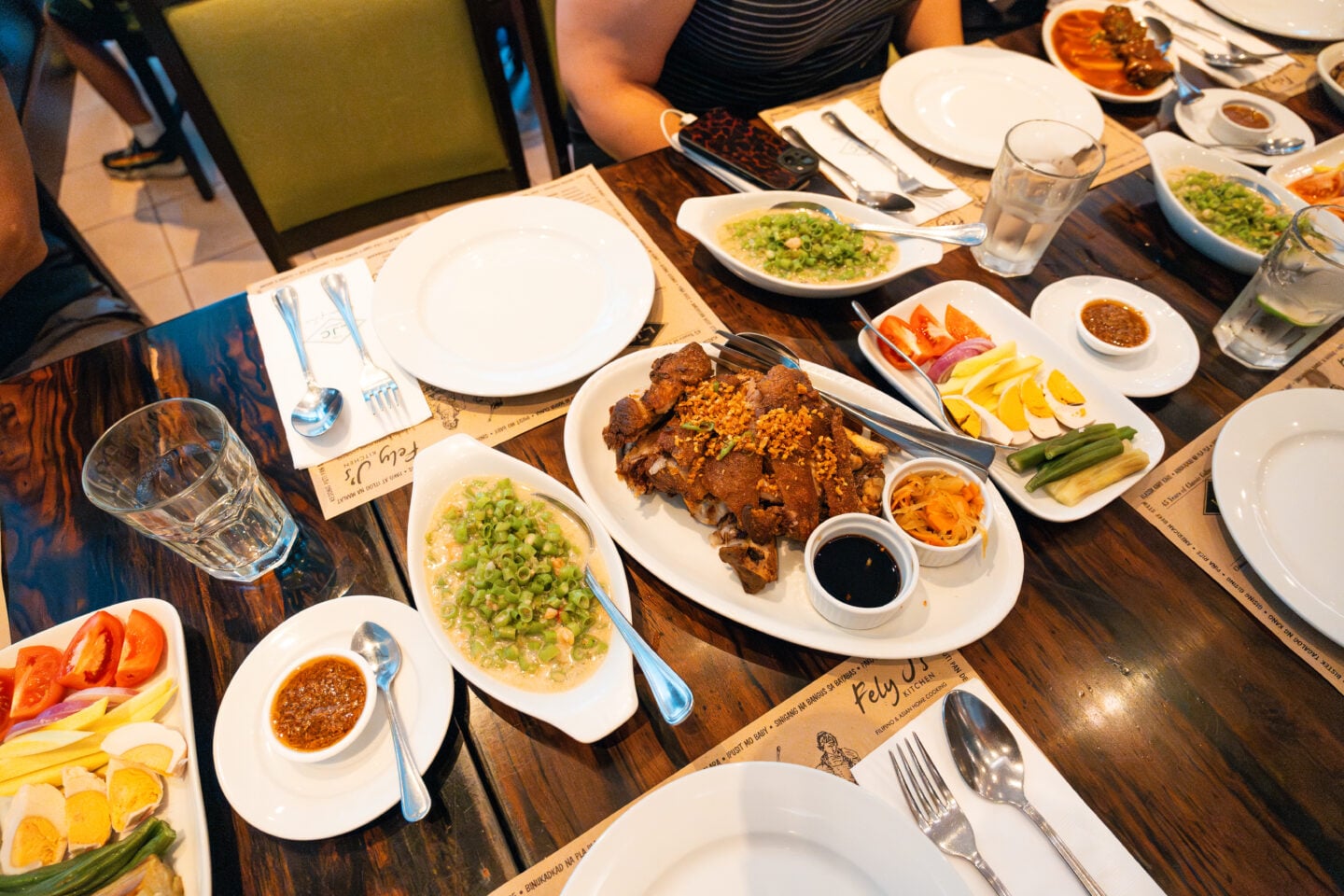
Lunch at Fely J’s offered one of my favourite Filipino dishes: crispy pata (deep-fried pork hock) with perfectly crisp skin and tender meat. Paired with rice, each bite was a welcoming taste of home.
Terminal 2 is where our flight departed for Cebu, a one-and-a-half-hour journey from Manila. My mother grew up in a small fishing town North of Cebu, where our family used to spend summers, so this visit quite literally hit home. Back then, we would explore the city, enjoy local food, then travel to her hometown, Tapilon in Daanbantayan, Cebu to visit relatives and relax on the beach. My childhood memories wouldn’t be complete without these trips.
Staying at the Radisson Blu in Cebu City was comfortable and memorable. The hotel was clean and the staff were warm and welcoming. The breakfast buffet was a highlight, offering a variety of local and international favourites. Its location beside the mall (SM City Cebu) made it easy to pick up pasalubong, small gifts or souvenirs traditionally brought home from a trip to friends and family.
The drive to Badian showed a glimpse of rural life far removed from the city. We passed backyard rooster farms, mobile bakeries and roadside rice cake vendors – scenes I would never encounter in Canada. After three hours on the road, we set out on the Kawasan Falls Canyoneering Adventure. At first, I was a little nervous, but after an exhilarating zipline ride and a series of cliff jumps, hikes and swims, adrenaline replaced fear. By the end, I was sore and exhausted, yet filled with joy – this was the kind of experience that imprints itself as a core memory.
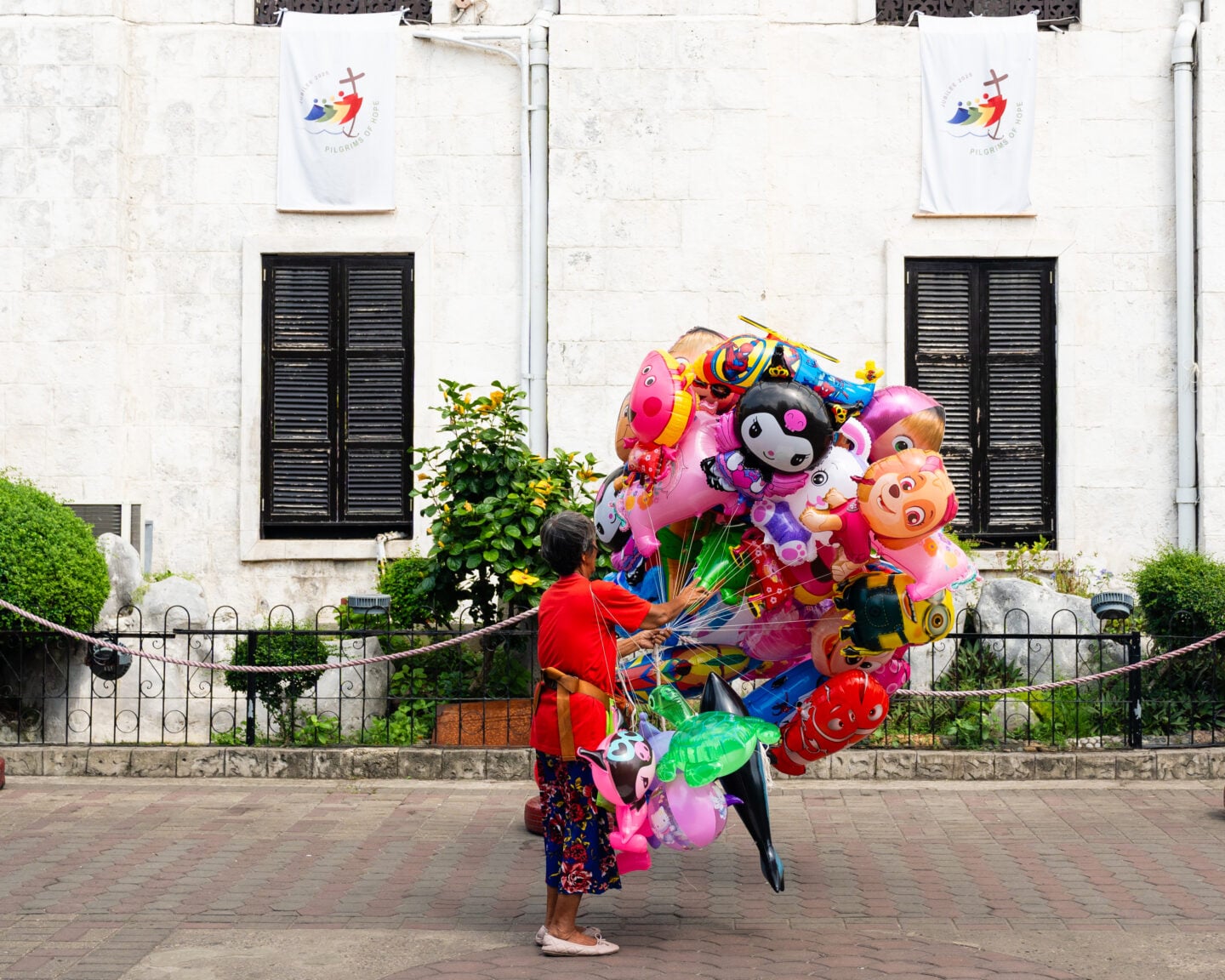
Back in Cebu City, we visited two significant landmarks: Magellan’s Cross and the Basilica Minore del Santo Niño. Magellan’s Cross marks the arrival of Christianity in the Philippines. Beside it, the Basilica Minore del Santo Niño stands as a key religious site, attracting many pilgrims, a testament to the deep faith of most Cebuanos, like my maternal grandparents, who are deeply religious. Standing inside the basilica, I was reminded of a family tradition from many years ago: lighting a candle, saying a small prayer, and making a wish.
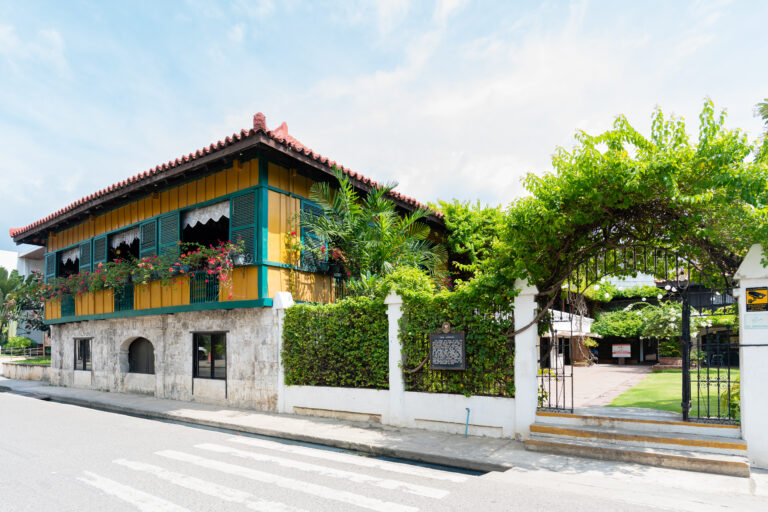
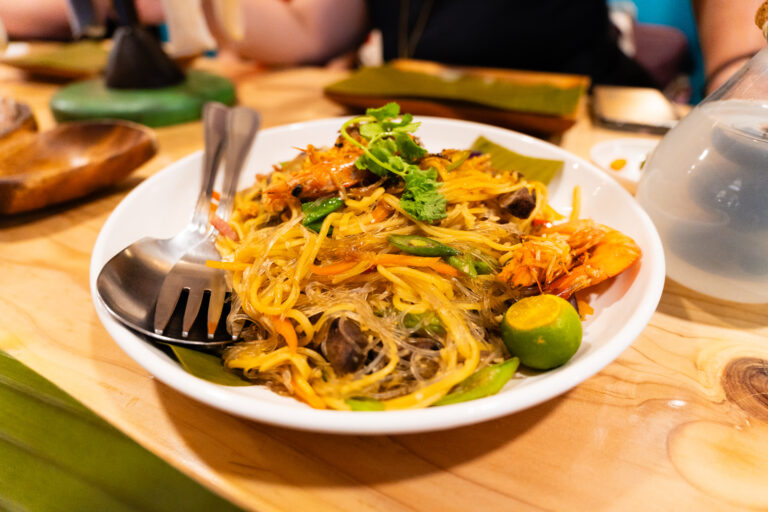
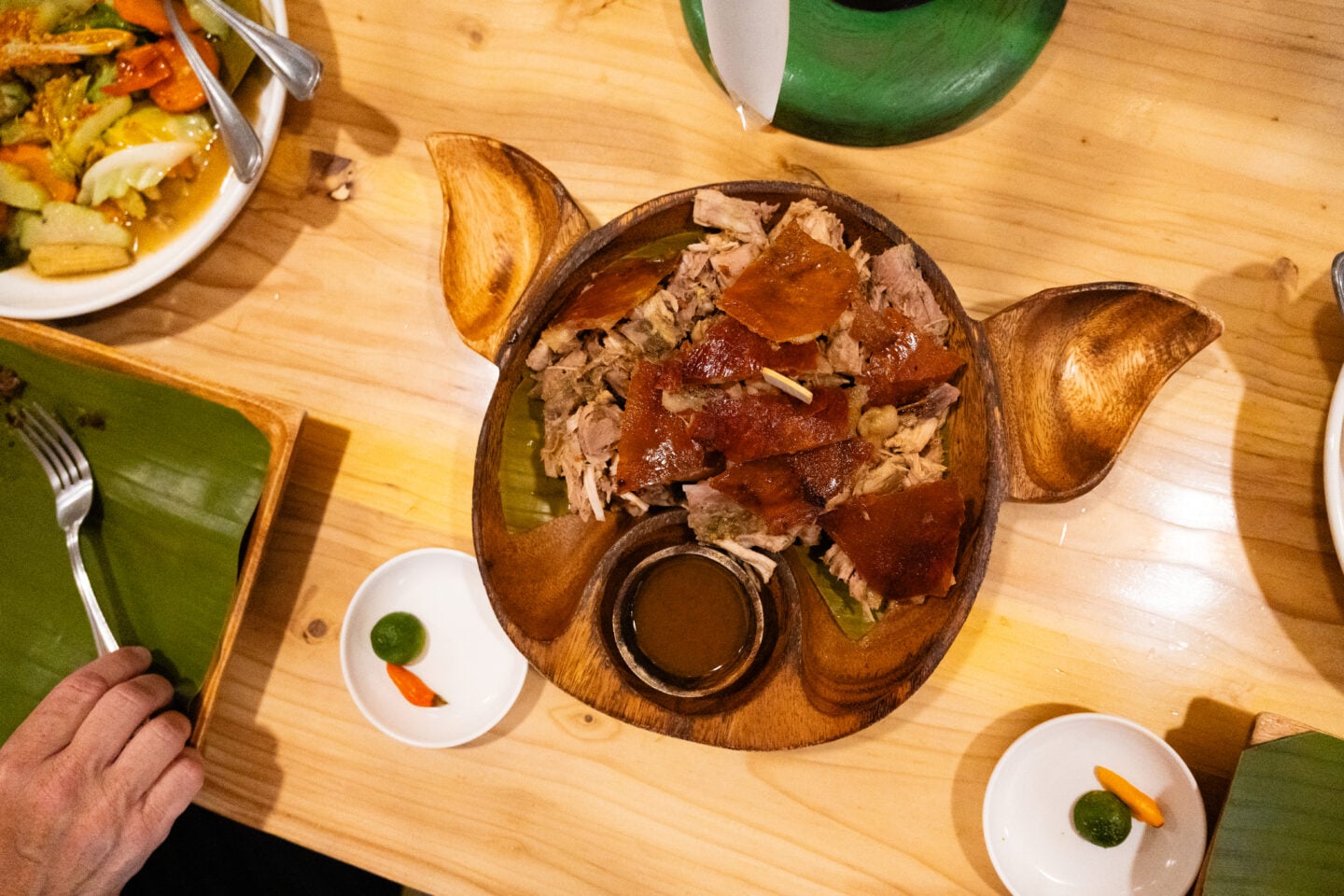
Casa Gorordo, a restored house museum in the historic Parian district, showed a glimpse into colonial-era life in Cebu, featuring antique furniture, religious relics and artworks. For lunch, we dined at House of Lechon, sampling Cebu’s famous lechon or roast pork. The version here stood out for its blend of local herbs and spices, giving the skin a perfect crisp. We also enjoyed other local favourites, including pancit, a traditional noodle dish, and halo-halo, a popular cold dessert made with crushed ice.
Concluding this Cebu trip, it truly felt like a return to my roots. It was a chance to reconnect with my heritage while making new memories
The island of Bohol had been on my list of places to visit in the Philippines for a long time, so I felt grateful to finally visit. As a designated UNESCO Global Geopark, Bohol features iconic natural attractions like the Chocolate Hills and vibrant coral reefs. Waiting to board the ferry, I was excited by the thought of new experiences ahead..
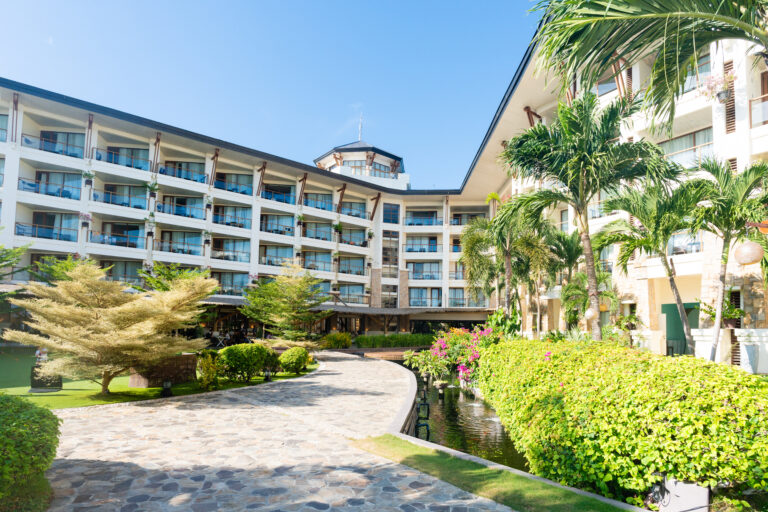
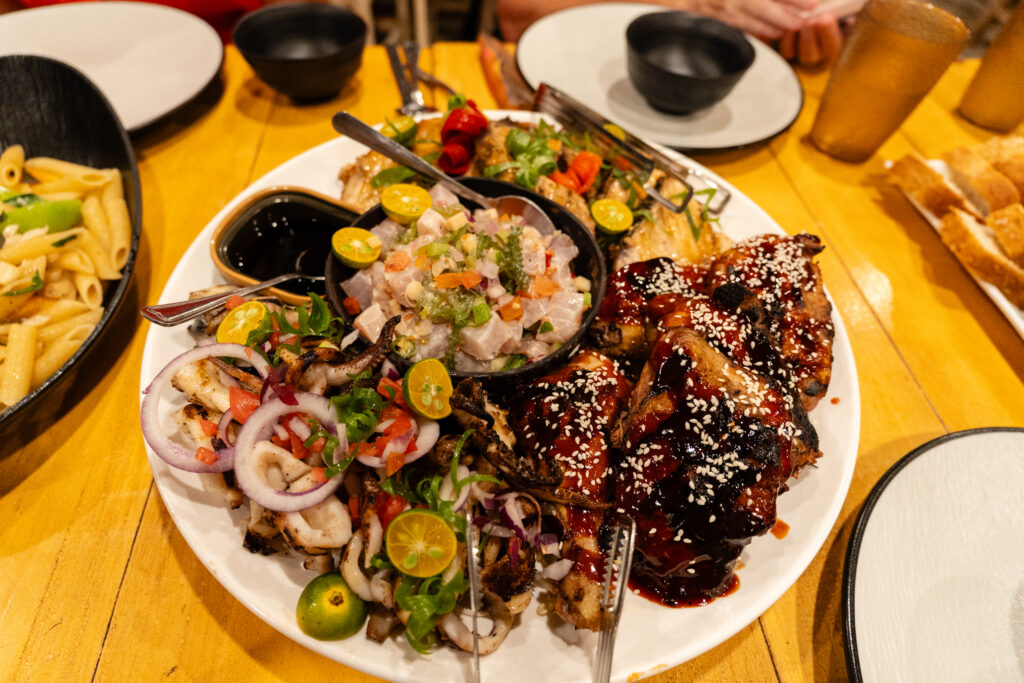
We checked in at the Bellevue Hotel on Panglao Island, a five-star resort known for its eco-friendly systems and programs. Dinner at Bohol Bee Farm, an eco-resort dedicated to organic farming and supporting local livelihoods, was perfect. Their farm-to-table restaurant served healthy and delicious meals, such as fish tinola (fish in ginger broth), fresh salad with edible flowers and a platter featuring chicken teriyaki, grilled tuna, grilled squid, and fish ceviche.
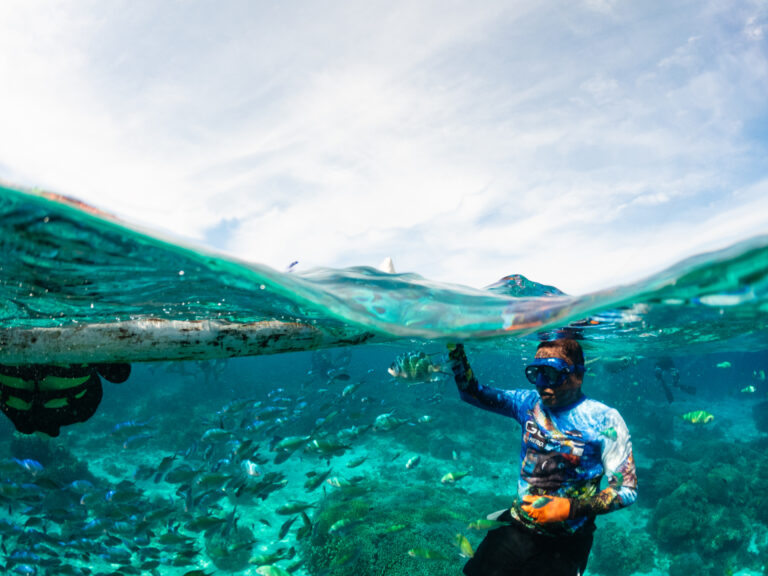
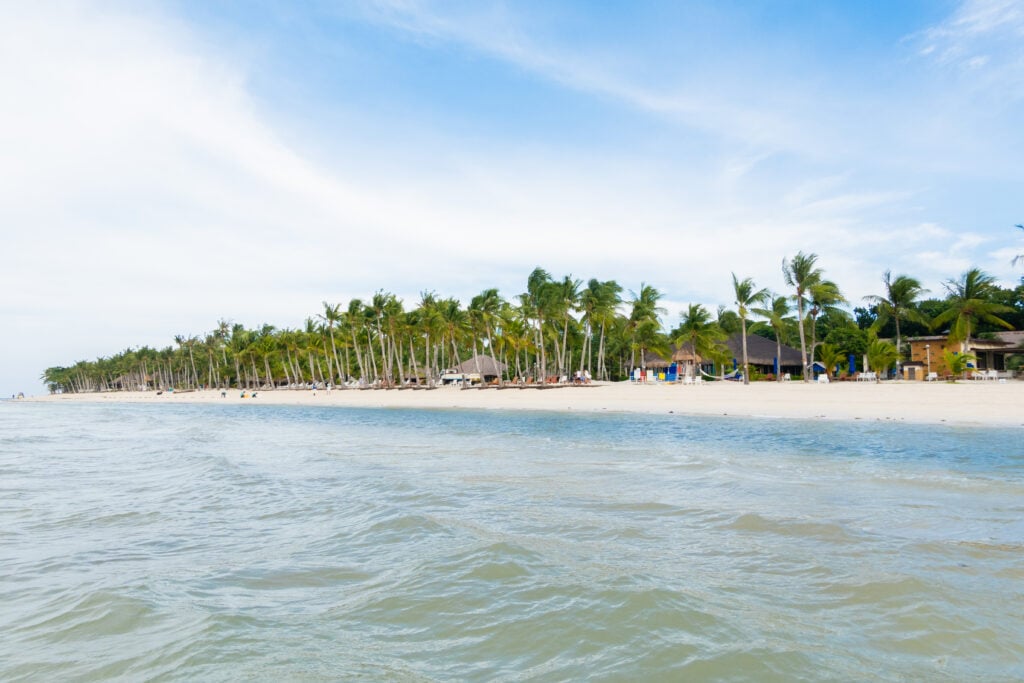
The next morning began at Dumaluan Beach, with its clear waters and fine white sand. I enjoyed the salty air and calm atmosphere while waiting for our ‘pamboat’ to take us to Balicasag Island. The 30-minute ride included snorkelling, during which we observed reefs rich in marine life. Getting underwater was surreal. Colourful corals, schools of fish and sea turtles glided past. I was awestruck and overwhelmed with a feeling of gratitude for having experienced moments like this. Lunch afterward was fresh and hot off the grill.
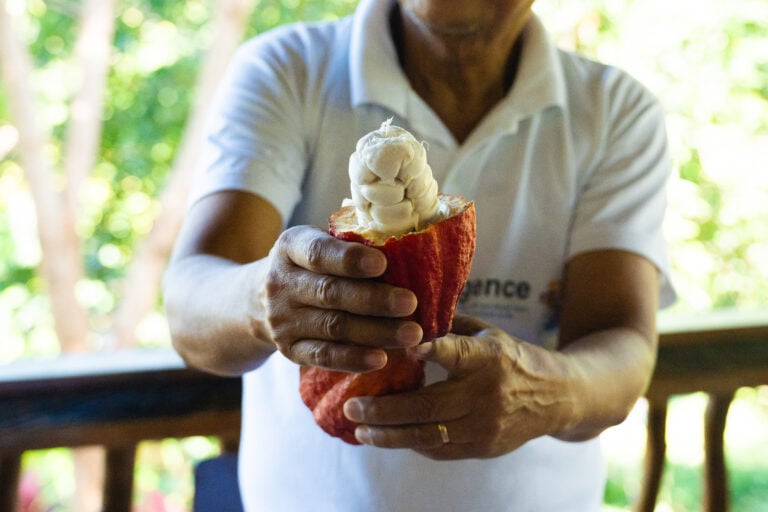
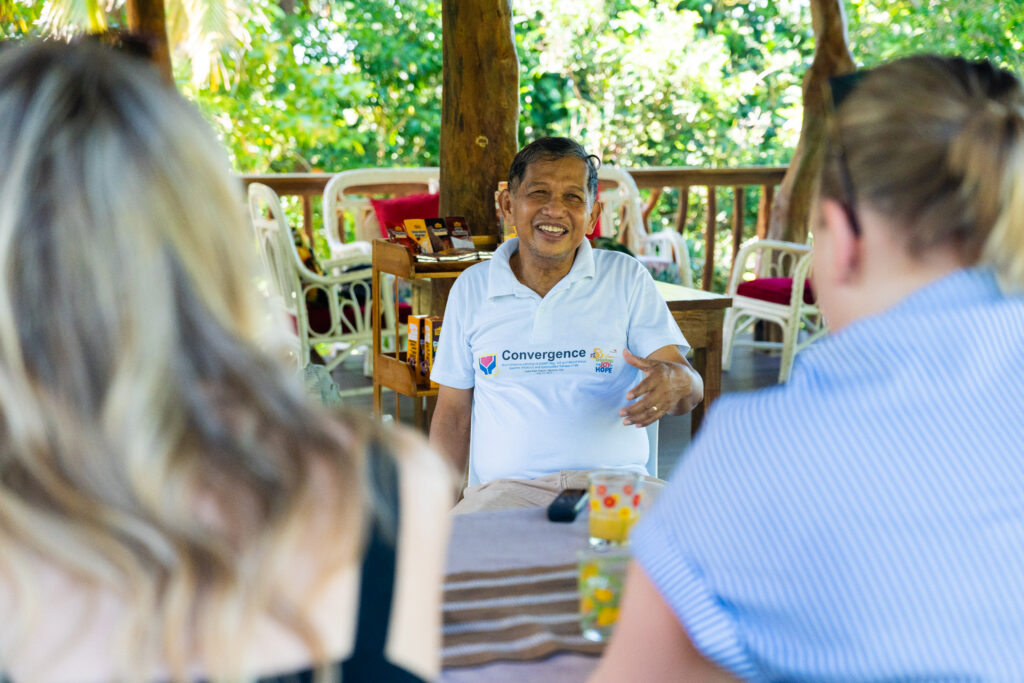
The Bohol Countryside Tour began at Lasang Farm, a family business owned by Ernesto and Nene Macabenta. From harvesting cacao pods to savouring hot chocolate made from their own tablea (homemade tablets of ground, roasted cocoa beans), we experienced the process from farm to cup. Meeting people so passionate about their craft inspires me to do better with mine as well.
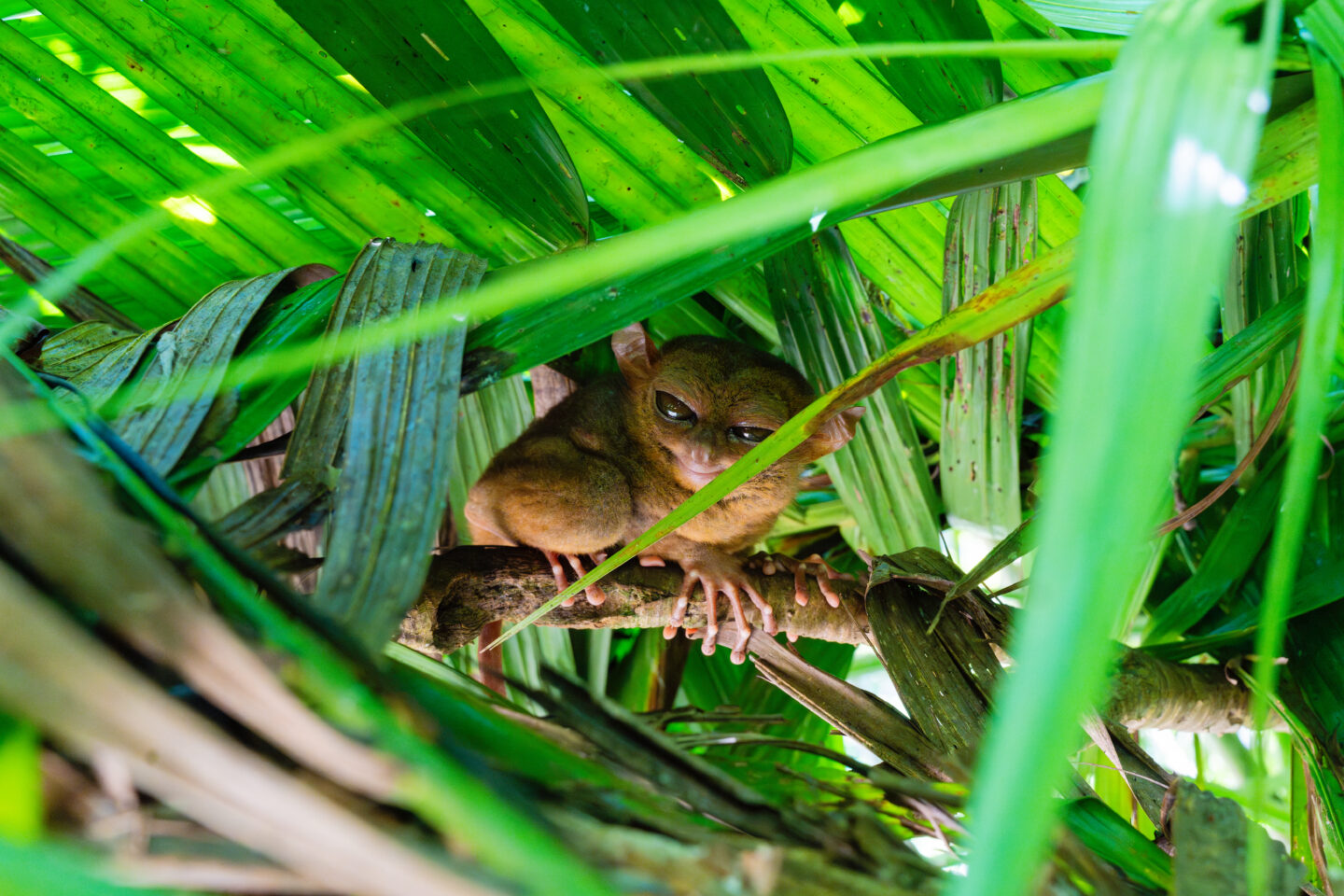
Next, we visited the Tarsier Sanctuary, dedicated to the conservation of the Philippine tarsier. One of the smallest primates in the world, the tarsier is primarily found in the Philippines, with notable populations on the islands of Bohol, Samar, Leyte, and Mindanao. Tarsiers are carnivores and mainly feed on insects, spiders, and small lizards. Because they are highly sensitive to stress, visitors must remain quiet to observe them up close. We also met Carlito Pizarras (nicknamed ‘Tarsier Man’). Once a local hunter, Pizarras has become a leading advocate for the conservation of the Philippine tarsier. His efforts were so significant that the Philippine tarsier’s original Latin name, Tarsius syrichta, was changed to Carlito syrichta in his honour.
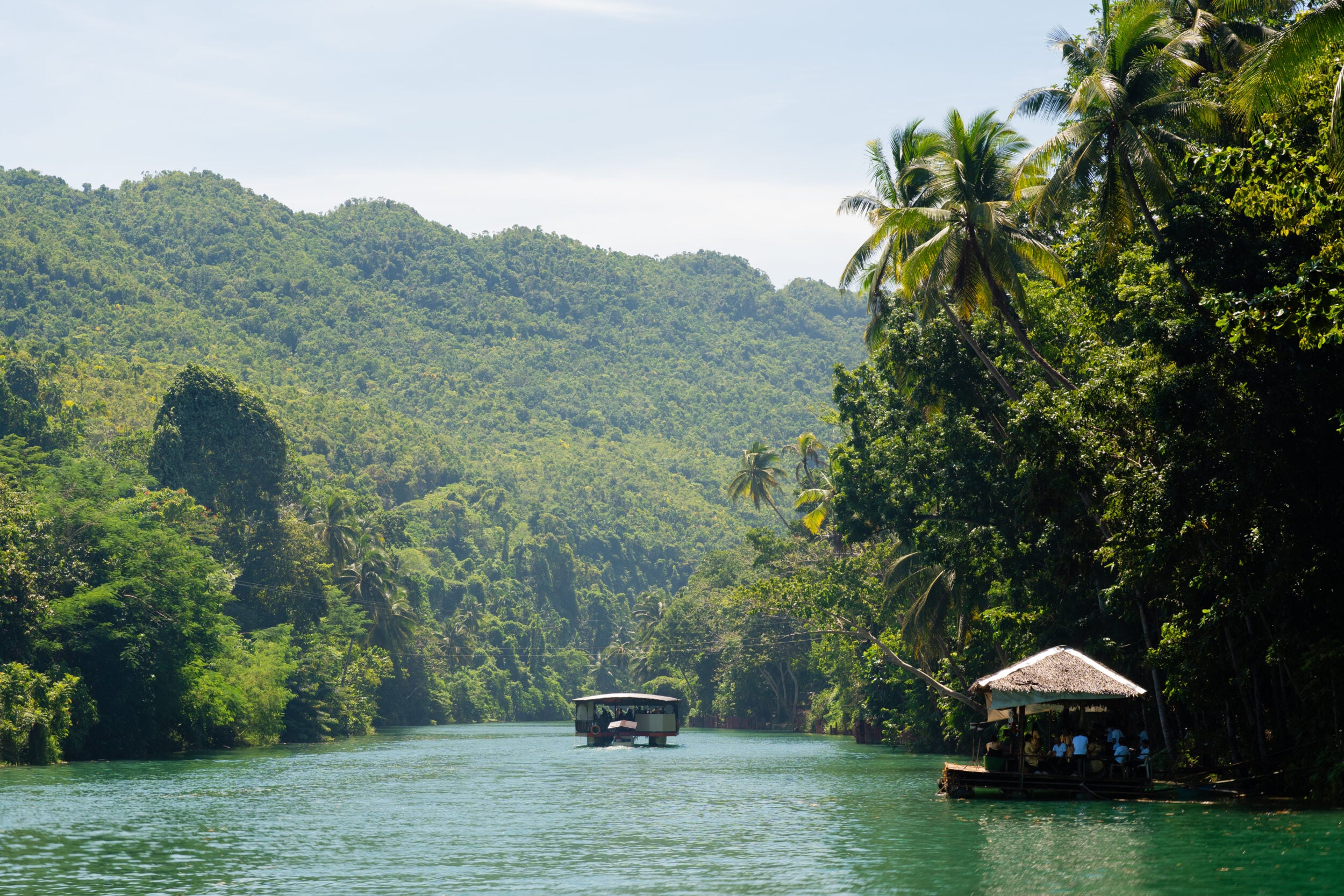
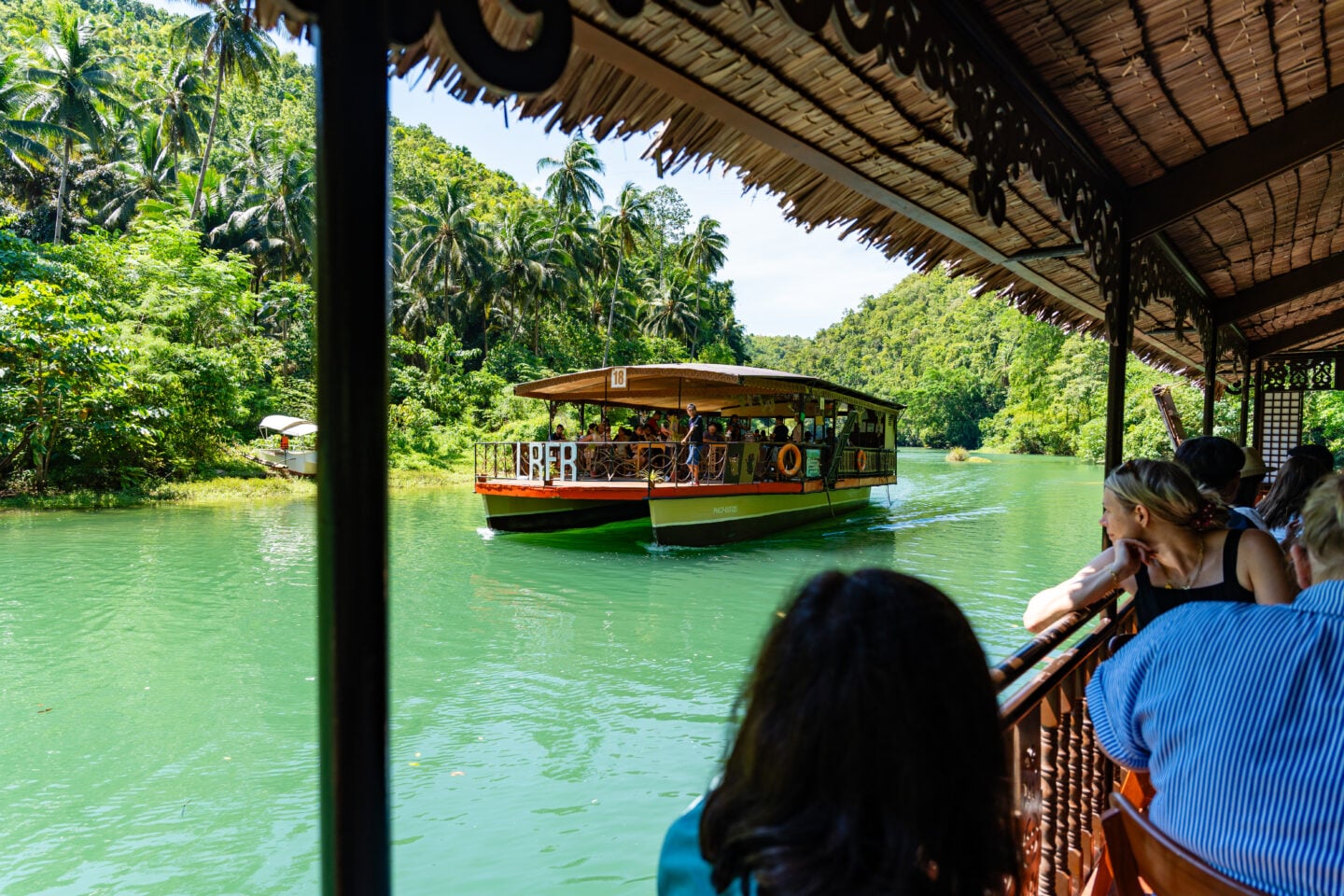
The Loboc River Cruise was another memorable experience. We enjoyed a buffet lunch while taking in the scenic views. Entertainment on board included live music, with a short stop to watch a cultural performance. Apart from the music, the river itself was quiet and peaceful. It felt good to slow down and simply take in the scenery.
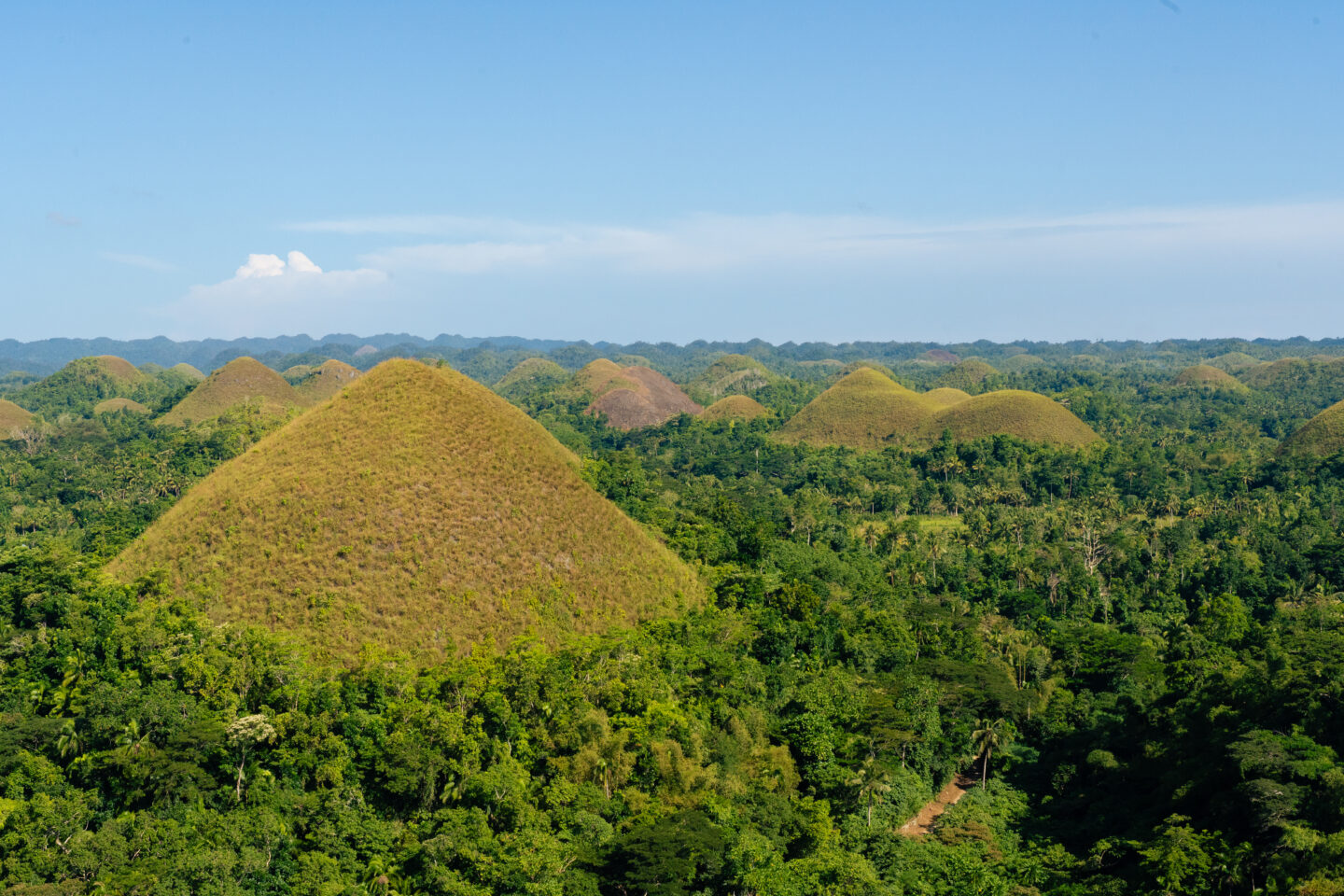
Our final stop in Bohol was the Chocolate Hills, the island’s most iconic natural attraction. Spread across roughly 20 square miles, more than 1,200 grass-covered limestone mounds turn brown during the dry season, giving them their “chocolate” name. They are believed to have formed either from the uplift of coral deposits or from a massive geological shift that pushed them out of the sea. Rain and erosion over thousands of years shaped the hills into their unique, rolling formations. I used to just see these on postcards – seeing them in person was breathtaking.
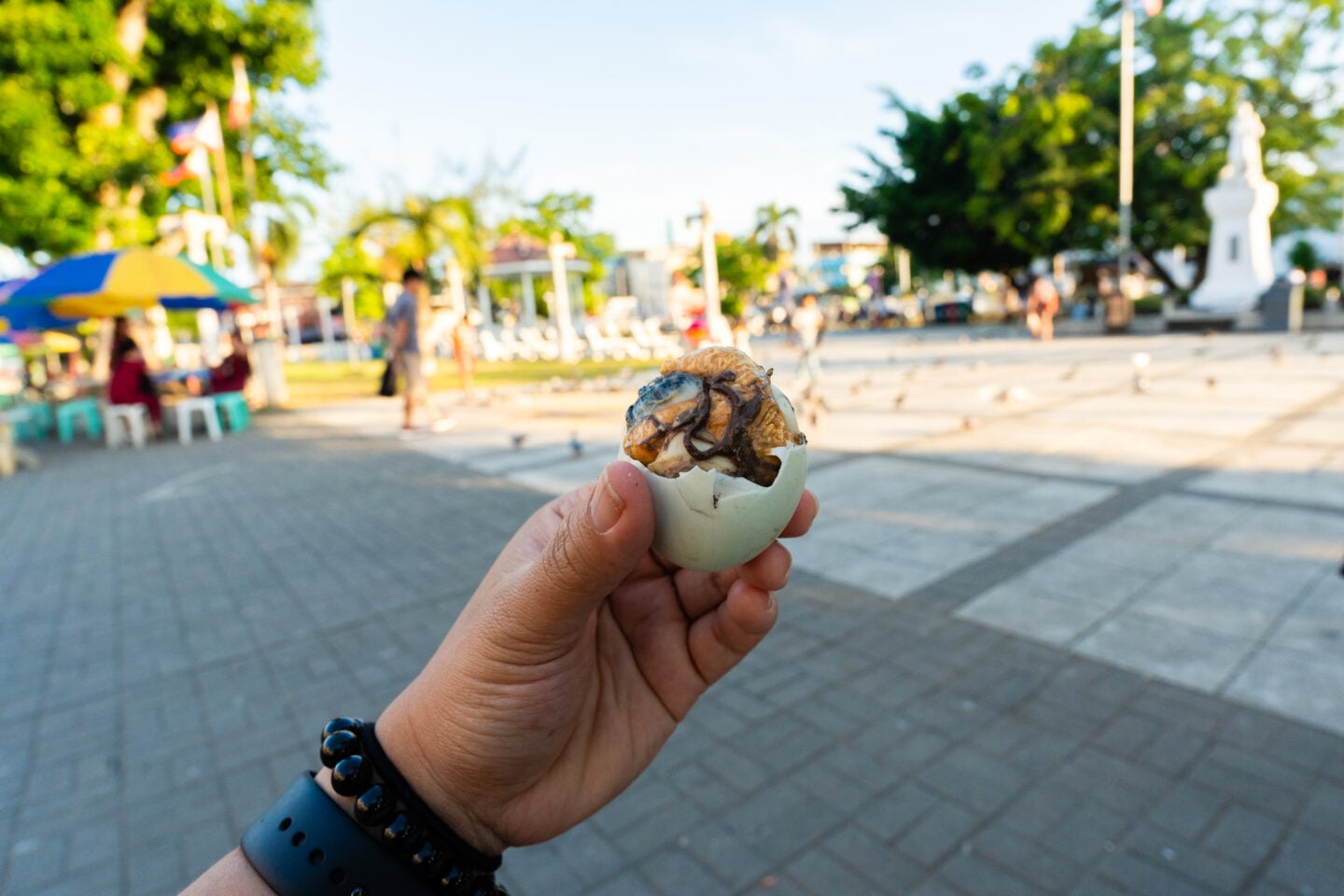
Before returning to the hotel, I had balut for a quick snack —a boiled, fertilized duck egg, a popular Filipino street food often enjoyed with salt and vinegar. I grew up eating balut, and while they may look unappetizing to some, it’s not as bad as it looks. I remember when I was four, my father taught my sisters and me how to eat them: crack open one end, add a dash of salt and sip the broth. Then, peel away the shell and eat the inside. Tasting them again brought back warm childhood memories of enjoying balut on the street with my family.
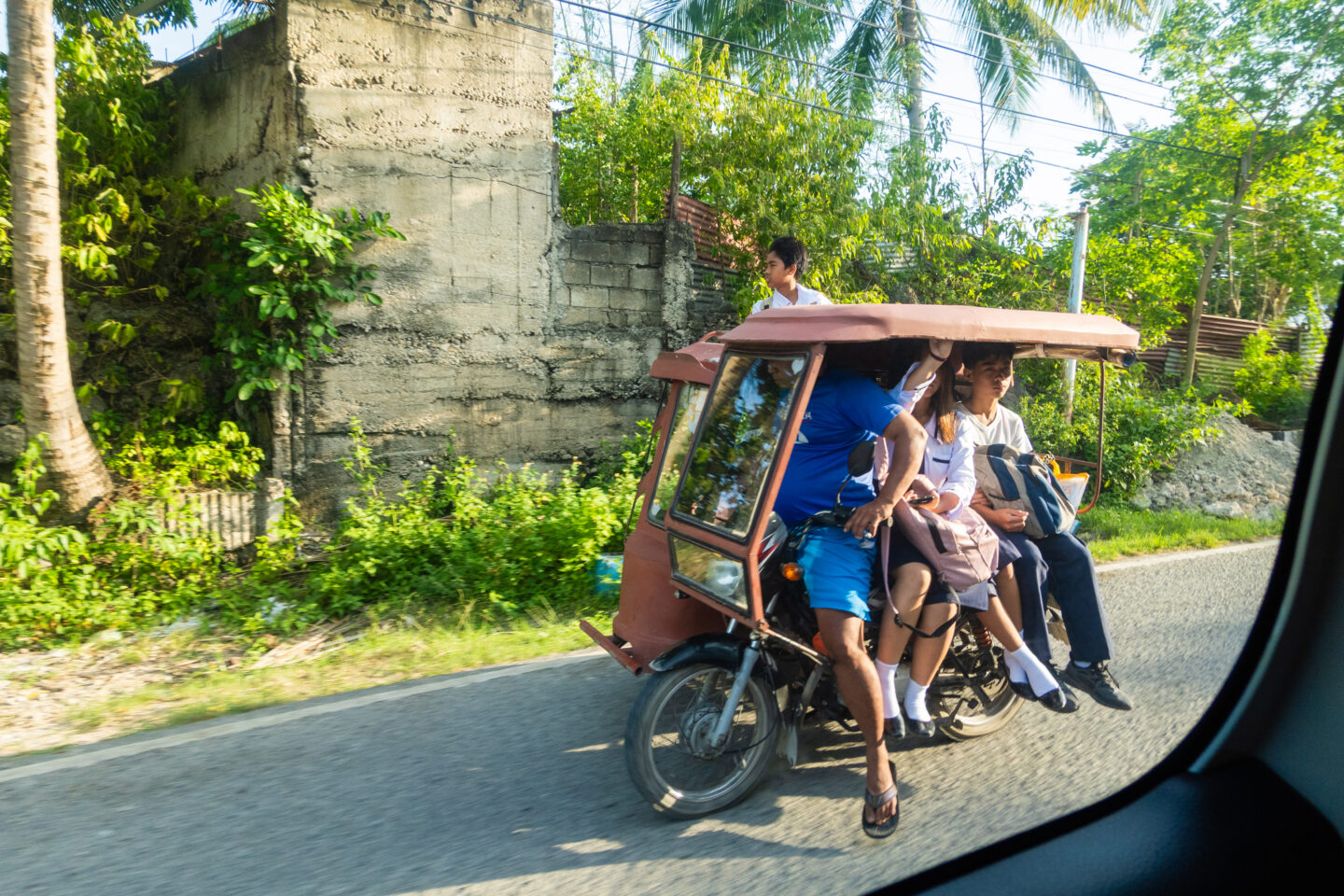
On the way back to our accommodation in Makati, we rode a jeepney, the colourful, iconic vehicles that follow set routes across the city. Years ago, I would take them to and from work, watching the city scenes pass by through the open windows.
Days may feel long, but years pass quickly. After 10 years in Canada, being able to return and explore the Philippines reminded me of the depth of connection I carry with this country. Experiencing every street, every taste, every view with this new perspective felt like a bridge between the life I have built abroad and the roots I will never forget. As I board my flight back to Canada, I know that while my home is now in Winnipeg, the Philippines will always be a part of who I am.
People & Culture
In honour of Asian Heritage Month, CBC Quebec journalists asked Asian Canadians how they carry their culture

Environment
David Grémillet explores the remarkable life and work of fisheries scientist Daniel Pauly

Wildlife
Wildlife photographers on the thrill of the chase — and the importance of setting ethical guidelines
Travel
A culinary guide to an archipelago of food