Environment

It was a family ranch for generations. Now, it’s protected as native prairie grassland

An Albertan with deep roots in the Prairies donated 507 hectares of native prairie grassland along the Oldman River to be conserved under the federal government’s Ecological Gifts Program, which offers significant tax benefits for landowners willing to donate ecologically sensitive land

  • Published May 19, 2026
  • Updated May 21
  • 1,377 words
  • 6 minutes
[ Disponible en français ]
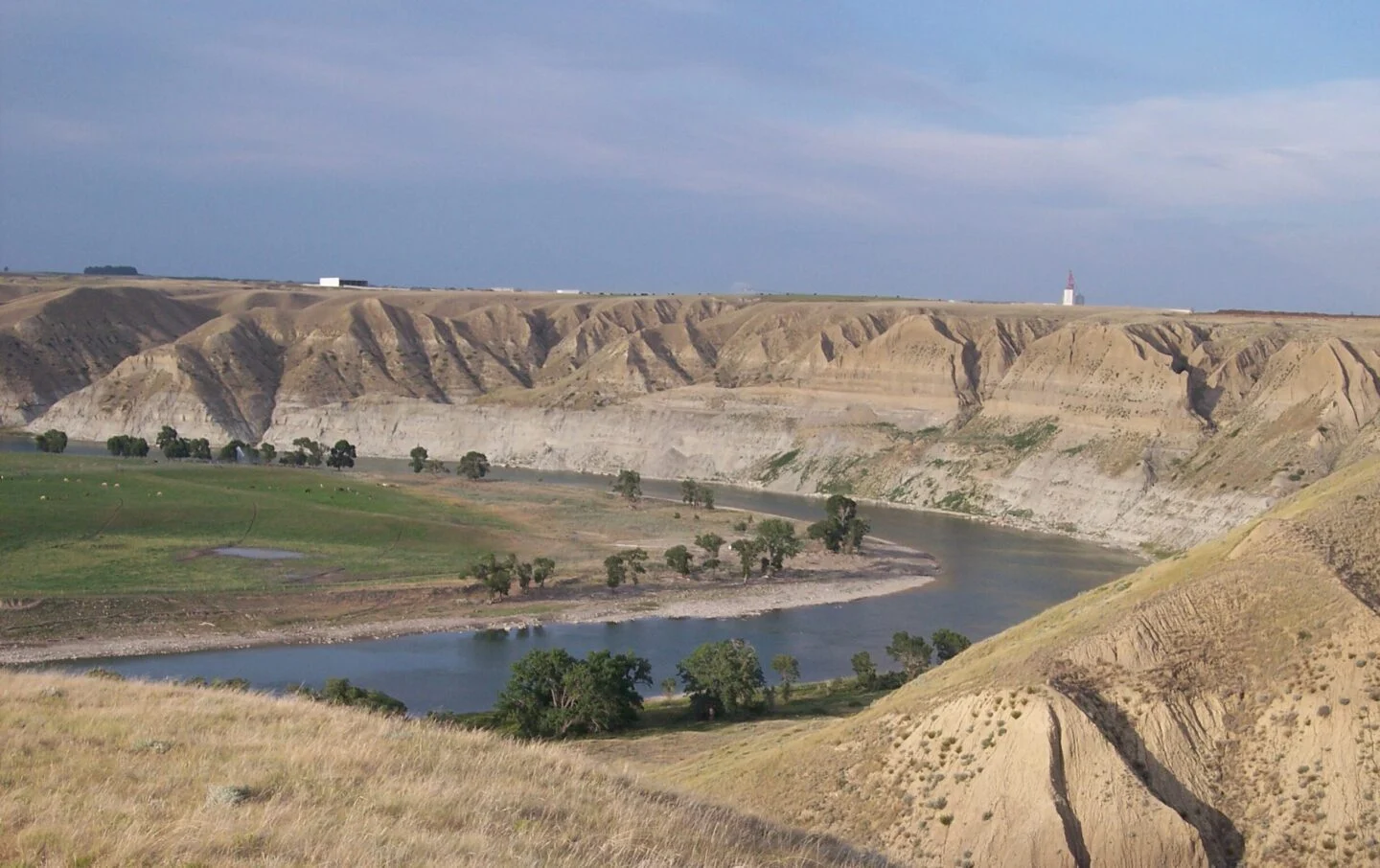
Diane Glover donated this land along the Oldman River, which has been in her family for three generations, for permanent conservation through the federal government's Ecological Gifts Program. (Photo courtesy Diane Glover)
Expand Image
Advertisement
Advertisement
Live Net Zero Email Service
Advertisement

The Oldman River bends through a parcel of native grasslands in southern Alberta’s Lethbridge County, the traditional home of the Blackfoot peoples. Sharp eyes can still spot their teepee rings in the grass. In the 1800s, American businessperson Roderick Cameron raised ponies there. Then, in the 1940s, Walter Palfrey, an English carpenter, bought the land with his Danish partner. The parcel would eventually pass down through two generations of the Palfrey family to his granddaughter, Diane Glover. Now, thanks to the Glover family and Environment and Climate Change Canada’s Ecological Gifts Program, these 507 hectares of pristine prairie belong to no one at all.

“It’s a small story,” Glover says. “A small story of a small family.”

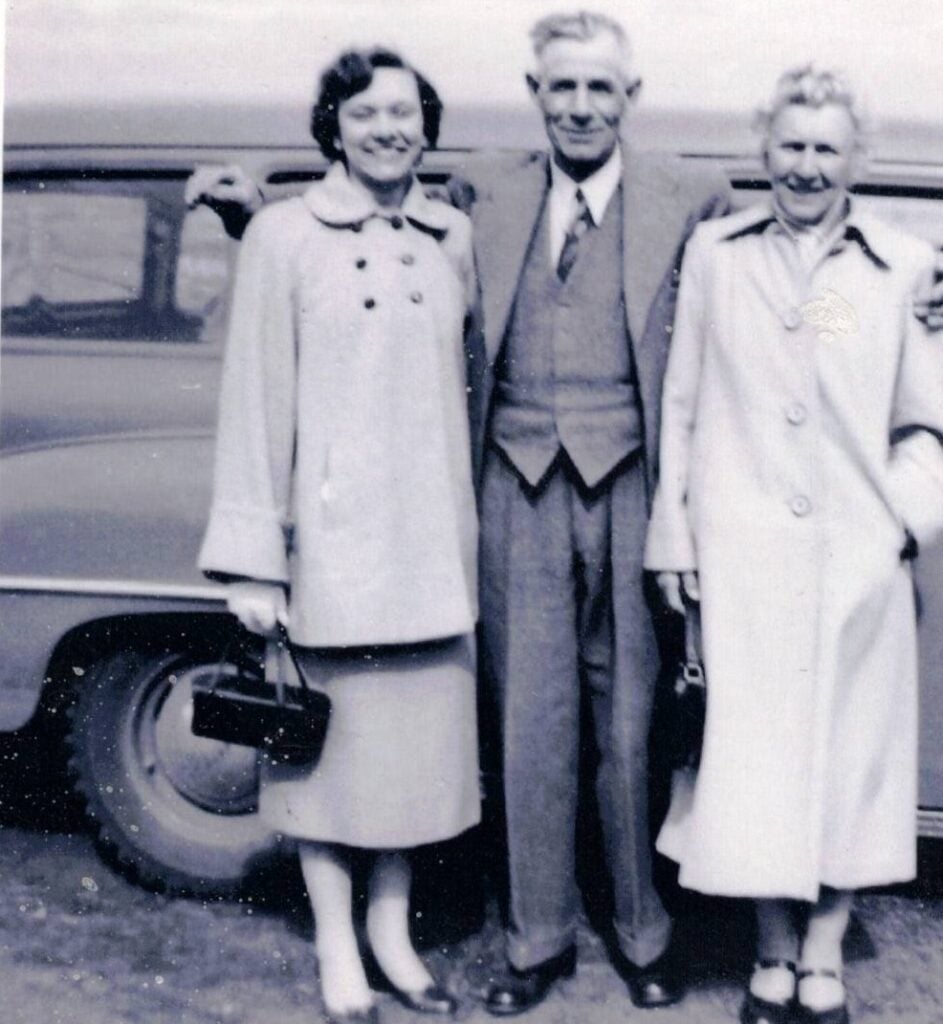
Walter Palfrey (shown here with his wife Annie and daughter Elinor) arrived in Canada from England in 1910. With the goal of being a rancher, he joined with business partner Roger Salmonsen to buy 507 hectares of native prairie grassland along the Oldman River near Lethbridge, Alta.
Expand Image

Walter Palfrey arrived in Canada from England in 1910. A carpenter by trade, he built himself a house on a 32-hectare farm he bought near Lethbridge, Alta. There he met and fell for Annie, but the couple had to wait to marry. Annie had vowed to care for her brother’s children after his wife died of influenza. When her brother finally remarried after seven years, Annie married Walter and moved into the house he’d built. The couple had one child, Elinor.

A British brigadier-general named Montague Hornby hired Walter to help manage his 260 hectares of irrigated farmland. Walter and his business partner, a Dane named Roger Salmonsen, purchased a quarter section from Hornby’s heirs after the old man died in 1946, and rented and worked the other three-quarters. The men, though, wanted to be ranchers more than farmers. Together, they bought 507 hectares of native prairie grassland along the Oldman River.

Glover remembers visiting the property with her brother and sister when they were children. She recalls her grandfather’s white hair and sitting on his bony lap as he let her drive his truck on the gravel roads. During calving season, Walter sent her and her siblings on expeditions into the coulees to flush out calves he claimed had wandered off. “Look out for the rattlesnakes,” he’d warn as the kids ambled off on this important errand. They never came across any snakes, nor did they find any of the fugitive calves their grandfather mentioned. Years later, Glover realized there were never any errant calves at all. Her grandfather just wanted the children far away lest the branding and castration upset them.

Elinor continued her father’s partnership with Roger after Walter passed away in 1973. “My grandfather and Roger partnered for 44 years,” Glover says. “They never had to put anything in writing. It was just a gentleman’s agreement. So my mom continued that.” When Roger died in 1990, Elinor negotiated with his estate in Denmark to buy out his share of the pastureland.

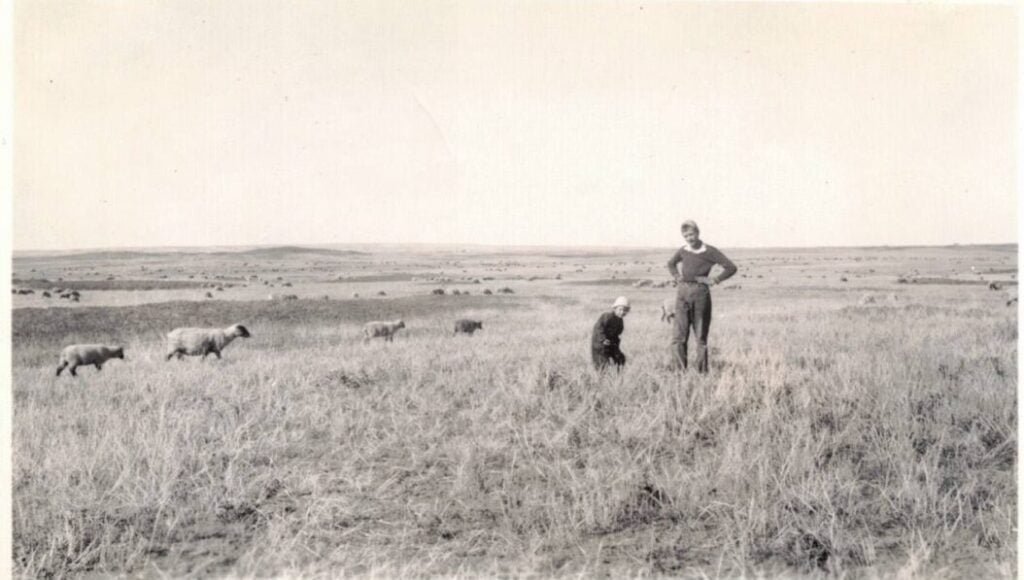
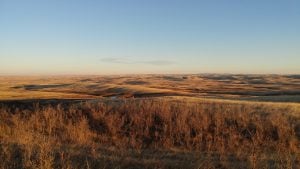
Today, the parcel of land looks virtually the same as it did when it was purchased so many decades ago. In 2025, Walter Palfrey's granddaughter, Diane Glover, donated the 507 hectares for permanent conservation. (Photo courtesy Diane Glover)
Expand Image

Glover’s brother, Brian, never fulfilled his hope to one day build a home on this patch of prairie, the way Walter had done on his farmland a generation earlier. Still, he and Glover visited the land often. “My brother was like my grandfather,” Glover says. “He was very industrious.” Brian brought in two shipping containers to serve as makeshift shelters where they would spend the night. Whoever woke first had to start the generator and make their morning coffee. The generator also powered the outdoor shower Brian had rigged up, so they didn’t have to bathe in the river alongside the water snakes.

These days, Glover doesn’t visit the property as often as she’d like, “although I think of it every day,” she says. In addition to engaging with the wildlife and natural beauty the land offers, Glover’s family also had to endure unwelcome discussions with energy companies bent on exploiting the property for material gain. They have always believed the true value of the place cannot be measured by the number of solar panels, wind farms, energy substations or power lines the property can accommodate, “but rather what can exist or remain intact as a result of a lack of human exploitation,” Glover says. 

Over the last 18 years, as Glover’s parents and both of her siblings have passed away, she has become the sole owner of her family’s beloved pastureland. She never married and has no children to bequeath the land to — “I’m the only one left,” she says — but refused to sell. Glover always feared a buyer wouldn’t regard the land as her family had: as a place to be kept pristine. “I was never going to allow things to happen on it that wouldn’t be consistent with our family values,” she says. Glover didn’t want the land to become a hunting ground or trapline. “I don’t want anybody to kill anything,” she says. And she abhors the thought of ATVs screaming over the native prairie grasses.

The land, as she sees it, isn’t for people at all. “These unique lands existed long before we did, and we were taught that our ownership of it is an honour and is temporary,” Glover says. “We consider ourselves caretakers of the property during our time here.”

Advertisement
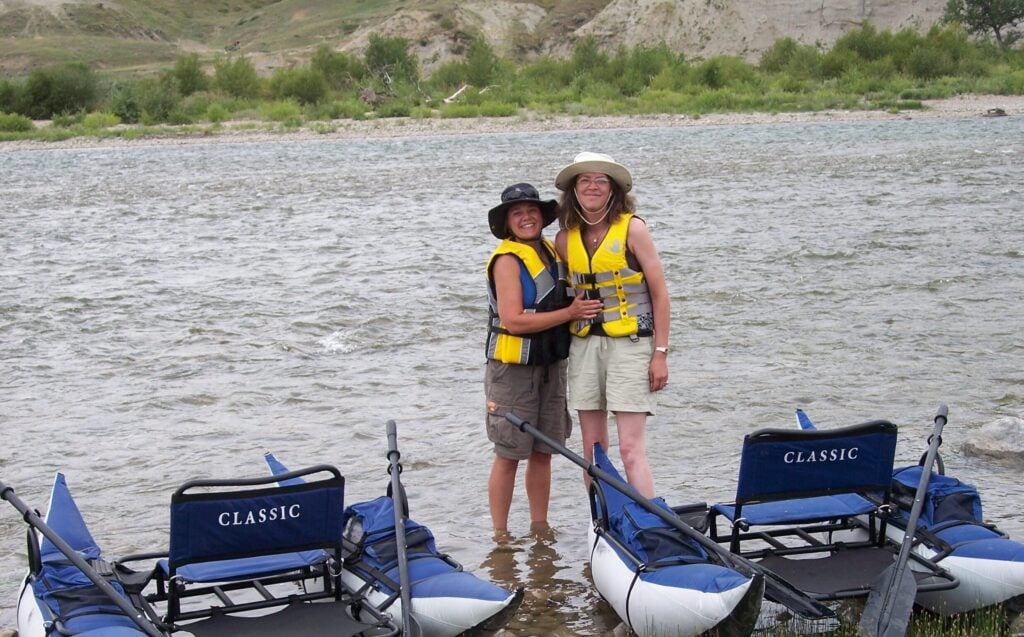
Diane Glover, left, with her sister-in-law in and undated photo. Three generations of Diane's extended family have used the property along the Oldman River for grazing, camping, stargazing and family gatherings. The family agreed the land should never be sold or developed but instead conserved for future generations. (Photo courtesy Diane Glover)
Expand Image

So, in the fall of 2025, Glover donated the 507 hectares to the Nature Conservancy of Canada through the federal government’s Ecological Gifts Program. This program offers significant tax benefits for landowners willing to donate ecologically sensitive land. Since the program’s inception in 1995, donors like Glover have passed along more than 2,000 such gifts valued at more than $1.4 billion. These donations have protected more than 265,000 hectares of wildlife habitat, including areas designated as nationally or provincially significant. Many are home to some of Canada’s species at risk. Glover’s contribution is part of the Nature Conservancy of Canada’s ambitious plan to conserve a half-million hectares of prairie grasslands by 2030.

The Glover family’s donation will ensure undisturbed habitat for at-risk species like American badgers, long-billed curlews and common nighthawks. The snakes Glover’s grandfather told her siblings to watch out on their search for phantom calves will slither and rattle undisturbed through those same grasses. Ranchers will continue to graze cattle on the land, as they have since Walter and Roger first acquired it. That will help maintain the grassland health, with cattle taking up the historical role of bison whose grazing sustained the habitats for all manner of wildlife.

Sustaining habitat is crucial. Grasslands, and native prairie grasslands in particular, hold the unwanted distinction of being Canada’s single most endangered ecosystem. According to the Nature Conservancy of Canada, less than a fifth of Canada’s original prairie grasslands remain. As the grasslands vanish, so do the species that rely on them. The World Wildlife Fund’s 2025 Living Planet Report Canada shows a 62 per cent decline in grasslands species on average. Only one per cent of grasslands in Alberta and Saskatchewan are protected, which makes Glover’s donation all the more vital. 

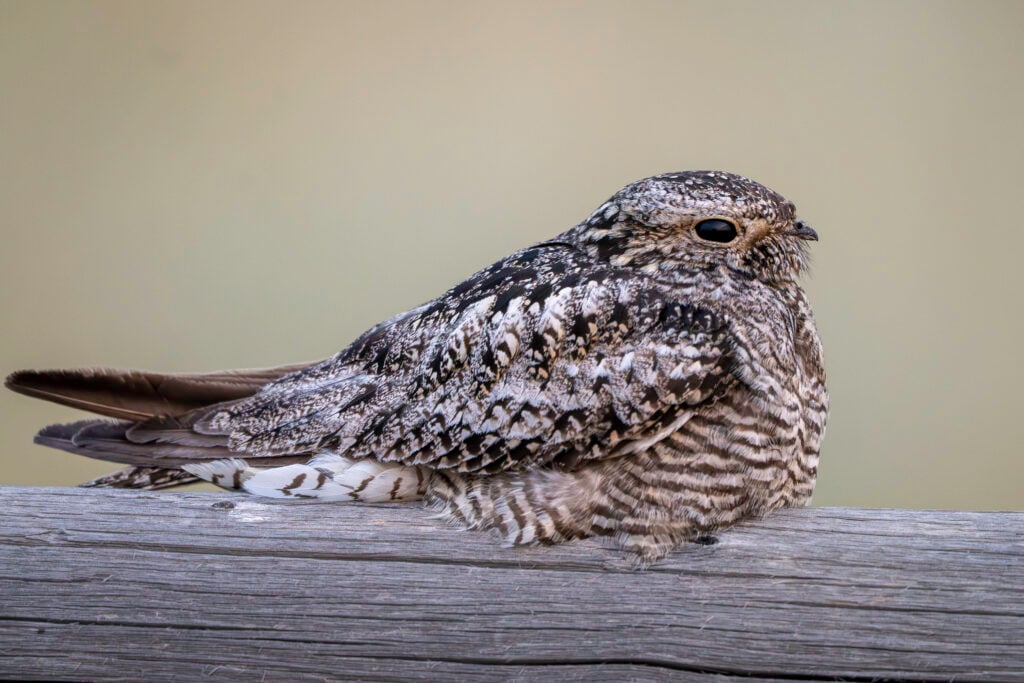
The common nighthawk, an at-risk species in Canada, nests in the area. Across North America, threats to nighthawks include both habitat loss and fewer insects due to pesticide use. (Photo: Jake Zamora/Can Geo Photo Club)
Expand Image
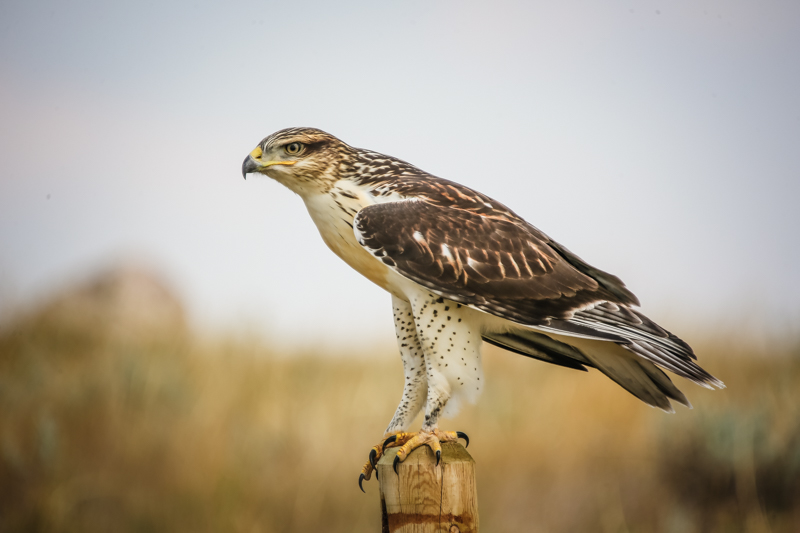
Ferruginous hawks breed in the grasslands and eat a diet of small mammals such as ground squirrels. (Photo: Monica Dahl/Can Geo Photo Club)
Expand Image
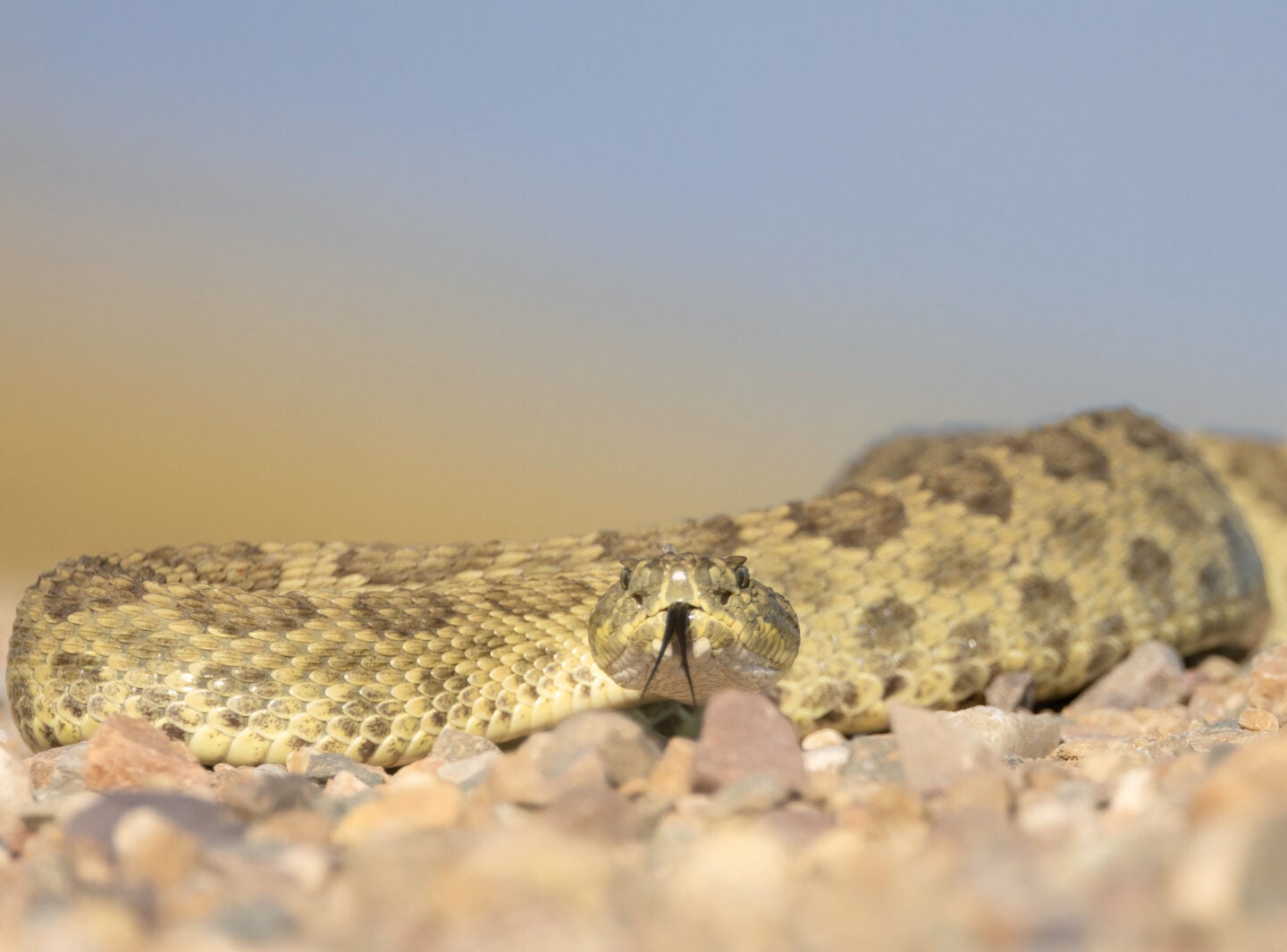
This ecological gift helps maintain the habitat of the prairie rattlesnake whose populations have declined due to hunting and habitat fragmentation. (Photo: Philip Childs/Can Geo Photo Club)
Expand Image
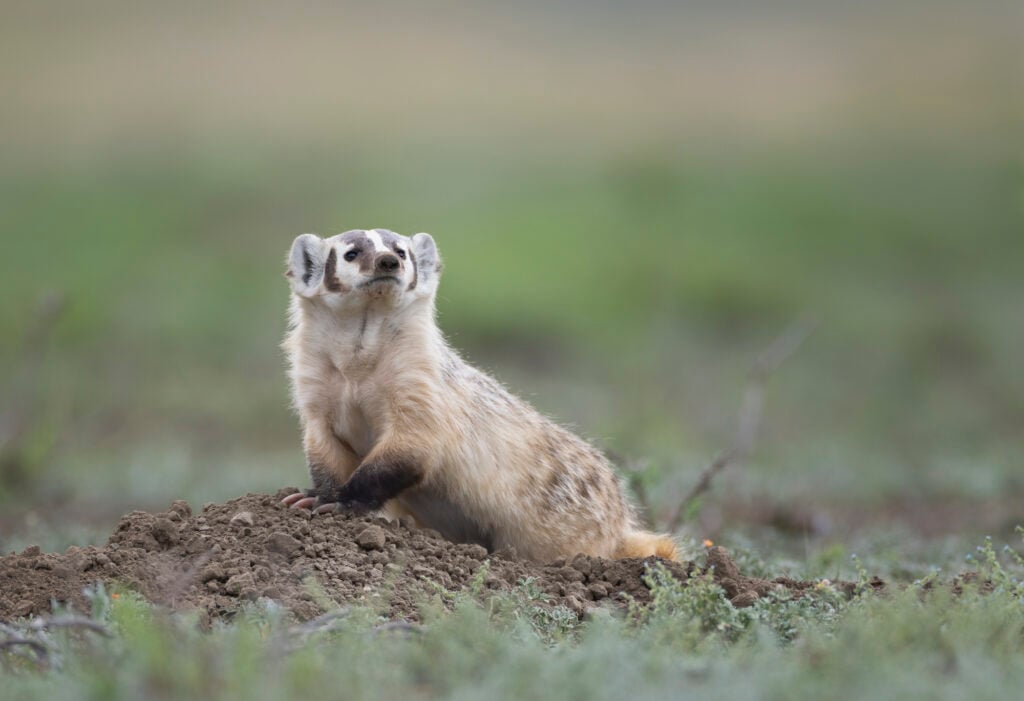
The 507-hectare property in Lethbridge County is one of the largest remaining contiguous tracts of intact Prairie grasslands in the area. Its conservation will help maintain habitat for at-risk species in Canada such as American badger. (Photo: Donna Feledichuk/Can Geo Photo Club)
Expand Image

Glover doesn’t care if her family’s name will be associated with the parcel. “That’s not really important to me,” she says. She insists, however, that the public won’t be able to access the land. Glover wants the pasture preserved, not enjoyed. There will be no walking paths or interpretive trails. No public outhouses or park benches. All that remains will be all that came before.

There is one other condition to Glover’s donation. She stipulated that she be able to visit the parcel whenever she wants to. For as long as she is able, Glover will return to the property for sojourns amid the fragrant sage, through the shade of the riparian cottonwoods and past the “beautiful but deadly” thistle. Glover’s parents’ and brother’s ashes are buried somewhere in the pastureland, too. There are no markers or stone memorials. Only Glover knows the spot. “A long walk down a big hill,” she says.

The land itself, and the creatures that dwell there, memorialize the family better than any slab of stone. In tribute to the Glover’s long-standing stewardship and generosity, northern leopard frogs will continue to creak and chuckle from the tall riverside grasses. Deer will hide in the coulees, and burrowing owls will nest underneath the grassland. Badgers will prowl for ground squirrels, and rattlesnakes hunt mice as they cross the Texas gates on property’s edge. “All sorts of little miracles,” Glover says.

This story was created in partnership with Environment and Climate Change Canada.

Advertisement

Help us tell Canada’s story

You can support Canadian Geographic in 3 ways:

Live Net Zero Email Service

Related Content

People & Culture

The cowboy exclaims: The ballad of an ageing vaquero and his troubled horse, Bunny

The ultimate goal of vaquero horsemanship is to produce a “finished” horse: an exceptionally responsive animal that is a true partner to its rider

  • 2524 words
  • 11 minutes

Places

The land holds memories

“All the mischiefs humans and the universe are capable of inflicting on an ecosystem have conspired to attack the prairies.” 

  • 6274 words
  • 26 minutes
The North American grasslands at sunset

Environment

How cattle ranching can help preserve species at risk in Canada’s grasslands

Agriculture can play an important role in protecting and restoring critical habitat on the Prairies

  • 1168 words
  • 5 minutes

Environment

Canadian ranchers protect native grasslands and species at risk

Cattle grazing helps to conserve endangered grasslands as well as the habitat for many species at risk

  • 1348 words
  • 6 minutes
Advertisement
Advertisement