Environment
Canada’s greenest prof
Vancouver might just be home to the greenest building in the world. Meet the geography professor who brought it to life.
- 2598 words
- 11 minutes
Travel
For decades, the remote former mining town of Kitsault has sat abandoned in northern B.C., yet someone continues to spend millions maintaining its empty streets and pristine buildings

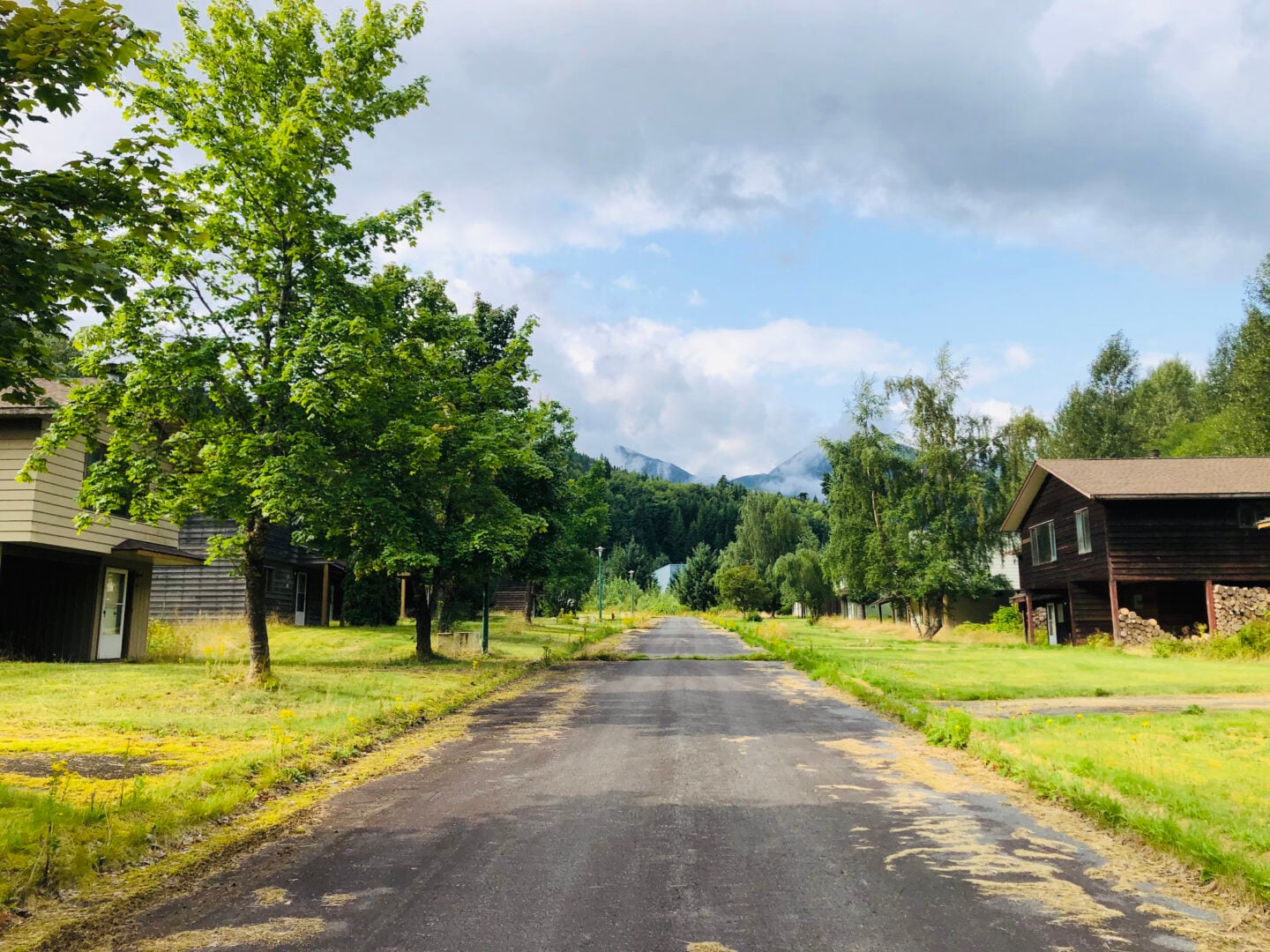
It’s a three-hour drive along a particularly gruelling logging road to reach the town of Kitsault in northern B.C. A barrier blocks the single, bumpy access road to Canada’s most unusual ghost town, and visitors need advance permission to enter. But despite its name, ghosts are not known to haunt this former molybdenum mining town. There are plenty of mysteries, though. To start, why is someone paying millions of dollars for the spotless maintenance of a town that was built at great expense in the early 1980s and completely abandoned shortly afterwards?
The best ghost towns offer more than just rusted ruins and cracked foundations. Humans are intrigued by abandoned settlements and visit them to learn about forgotten worlds, rediscover aspects of our personal history, or take striking photographs. Northern B.C. has several great examples, including Anyox, Alice Arm and Cassiar, but they’re not easy to get to.
In the case of Kitsault, a visit warrants a six-hour return journey on a butt-rattling dirt road from Terrace, or longer if you plan to get there by boat. I was fortunate to land a seat in a chartered helicopter, enjoying long transit hours turn into minutes, and memorable minutes at that.
Crammed into the compartment of a Bell 206, we soar over mountains, rivers and glaciers, and gaze across a sprawling lava field. It’s the remnants of a massive volcano that erupted back in 1700, killing thousands of people from the Nisga’a Nation. Today, the scarred landscape forms part of Nisga’a Memorial Lava Bed Provincial Park.
Over the years, Kitsault has drawn its fair share of curious visitors, including dedicated fans of ghost towns and fishing enthusiasts, tempted by the world-class steelhead fishing along the Skeena River and the region’s stunning natural beauty.
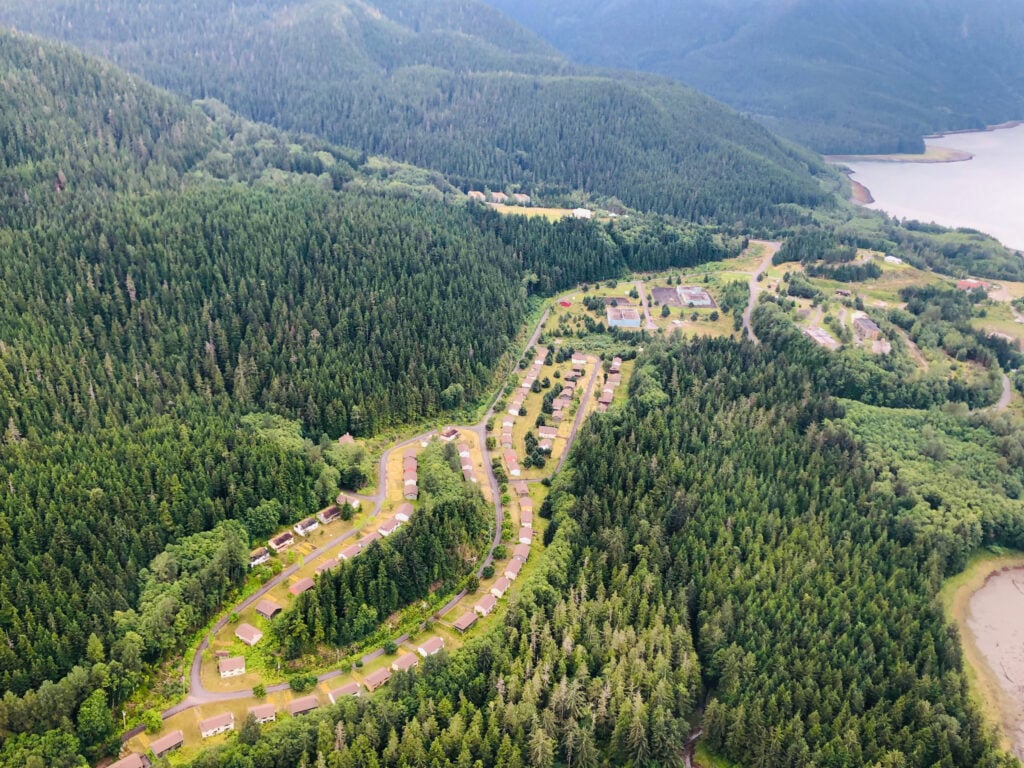
From above, Kitsault resembles a typical small community: wooden houses line asphalt lanes; there are two large recreation centres, a few apartment buildings, a community centre, a medical clinic, a fire hall, a library, a school and a shopping mall. The grass is cut, the street lamps stand tall, and upon landing in a parking lot, a sign welcomes us to “Kitsault: Heaven on Earth.”
One thing is jarringly absent: people.
The absence of people instantly reminds me of my visit to the Ukrainian town of Prypiat, surely the mother of all modern ghost towns. Prypiat’s apartment buildings, schools and storefronts resembled a model 1986 Soviet city. But when the Chernobyl nuclear plant had its infamous meltdown on April 26, 1986, approximately 50,000 people were forced to flee for their lives, leaving everything behind. Personal and communal belongings remain radioactive to this day, and cannot be burned, shipped out or buried. Plates still sit on the kitchen table, books flake on shelves, and creepy, blackened dolls rot in the nursery. It’s as if everyone instantly vanished, leaving a post-apocalyptic time capsule of what used to be.
Kitsault was built in 1979 during the boom of ‘moly’ mining — a company town designed to serve a population of about 1,200. By 1982, the price of molybdenum, a mineral used in steel production and lubricants, had cratered due to global oversupply, declining demand and new extraction techniques. Shortly after, both the mine and town were shuttered by the company and hastily evacuated, the very week, Kitsault’s new shopping mall was scheduled to open its doors to customers. There are echoes of Chernobyl here too. In Prypiat, a brand-new ferris wheel was set to welcome its first customers the day after the Chernobyl meltdown.
In Kitsault, it was a shopping mall.
Abandoned with no interested buyers, Kitsault languished for several decades, escaping vandalism thanks to its remote isolation. In 2005, an Indian-Canadian medical equipment mogul, Krishnan Suthanthiran, bought the town at an online auction, sight unseen, for $5.7 million USD. Employing a small maintenance crew to look after things in the summer (and turn on heat over winter), Suthanthiran reportedly invests more than $2 million each year to maintain Kitsault. There was talk of transforming the town into a think-tank centre, a tourist resort, a liquid natural gas port, and a film set.
While Kitsault remains closed to the general public, Suthanthiran continues to have big dreams, and his investment ensures the town’s houses, apartments, medical, administrative and recreational facilities remain in an impressively pristine state.
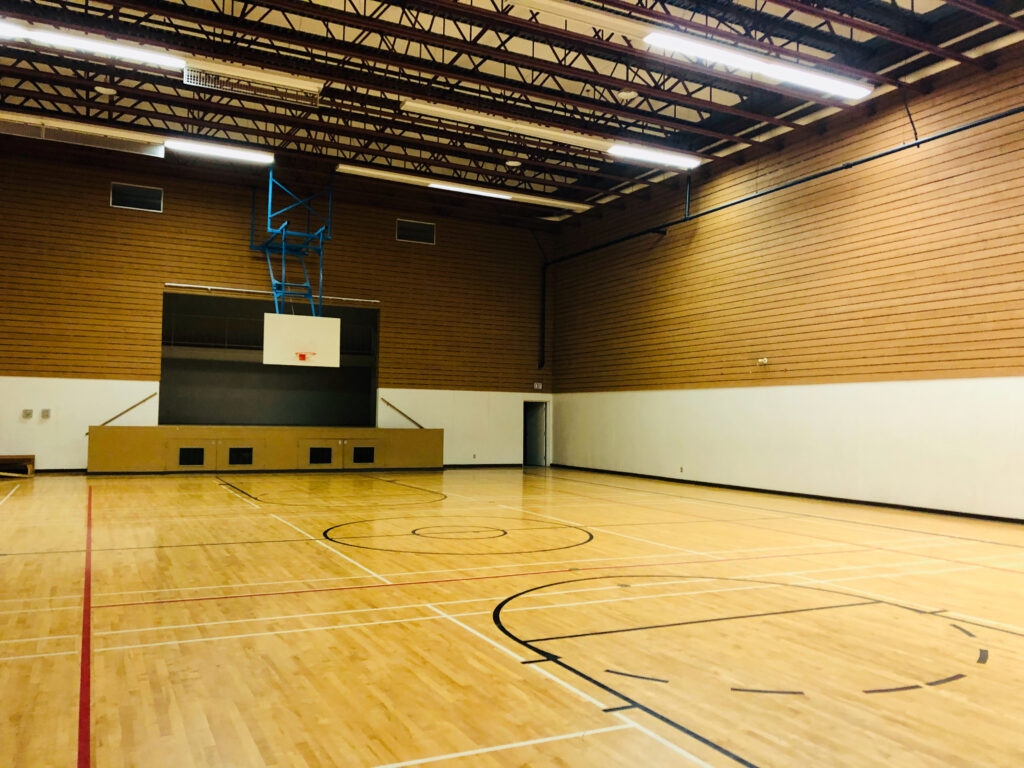
Inside the community centre, I wipe my finger on surfaces, expecting to find a thick layer of dust. Instead, the polished floors, cabinets and tables testify to a distinct lack of dead skin cells, and what must be a very impressive cleaning crew. I grab a 40-year-old basketball to throw a few hoops, and the ball still has air in it.
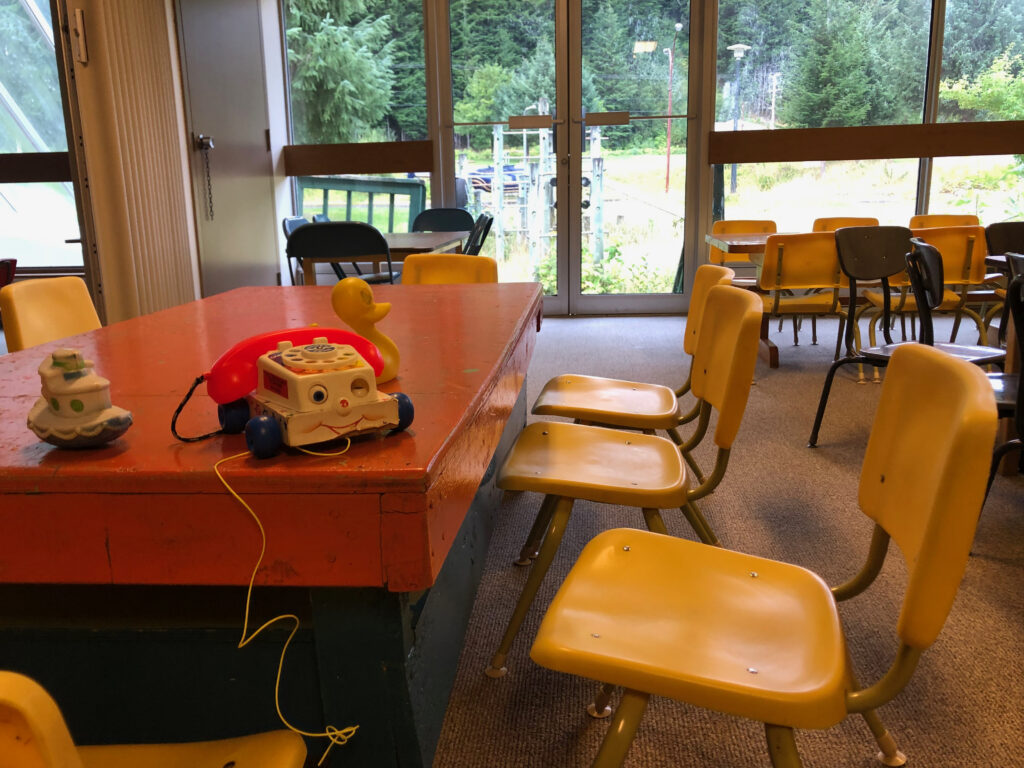
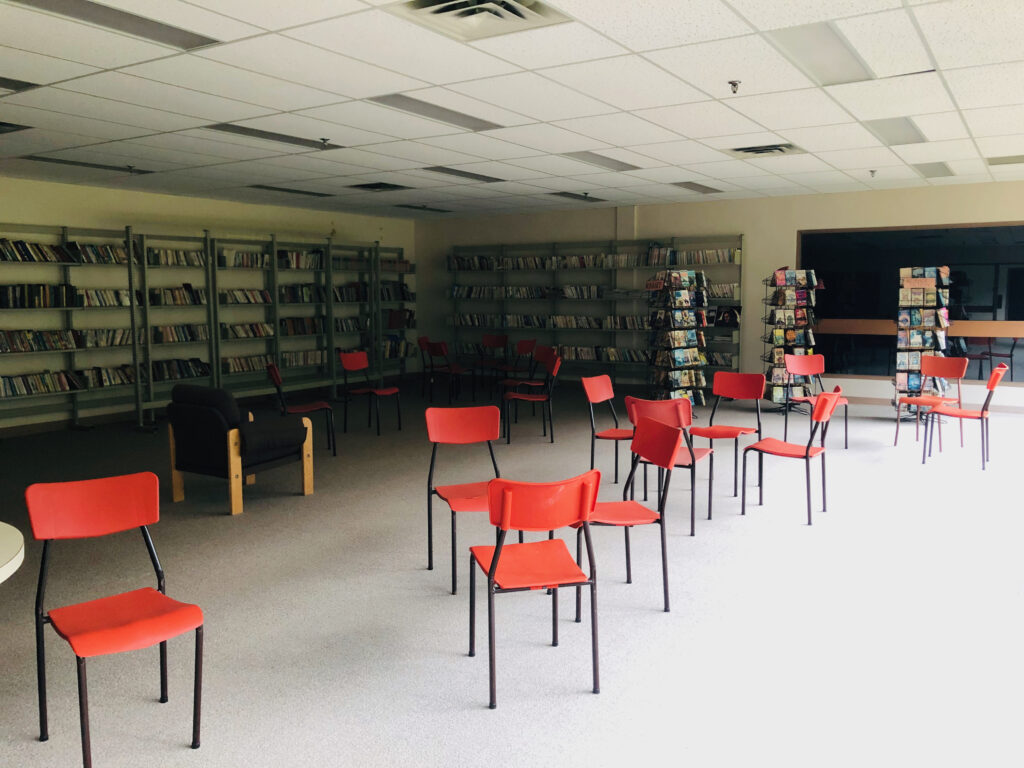
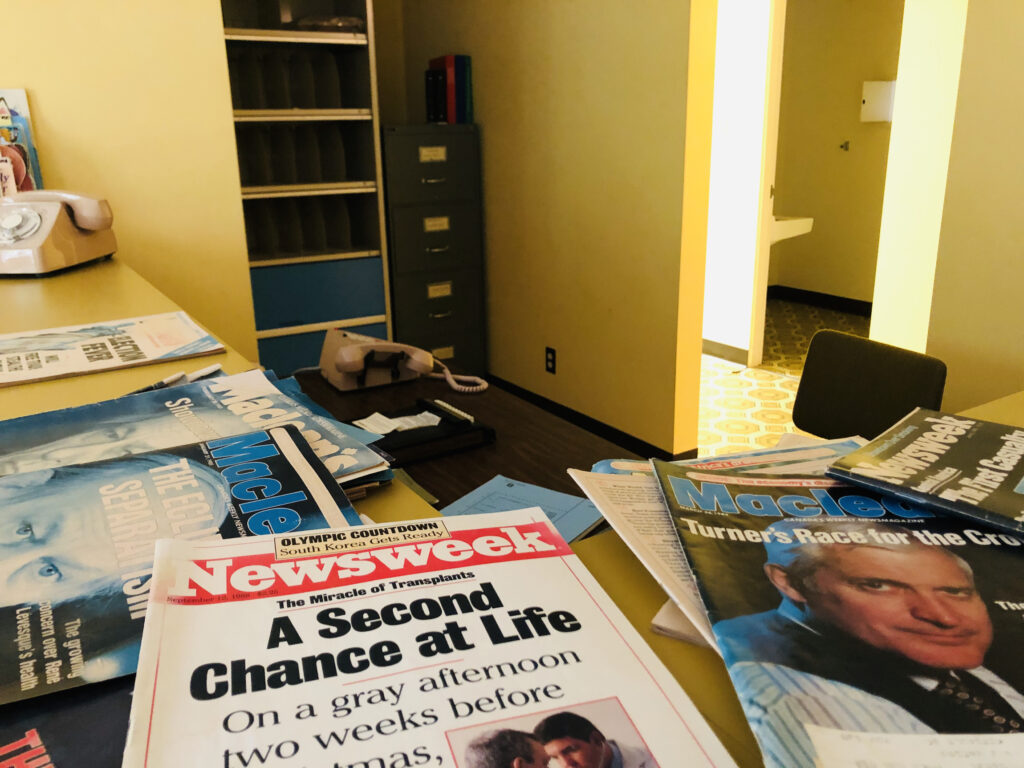
Daycare toys from the 1980s are in immaculate condition, and further down the hall is a library with thousands of books and magazines. Some publications date back to the early 20th century, but all abruptly halt in 1983. Along with the tidy gymnasium, nothing would look out of place in any small-town rural community centre today.
I am asked to remove my shoes before exploring indoors. Mud or dirt from the modern world might disturb the spotless spirits.
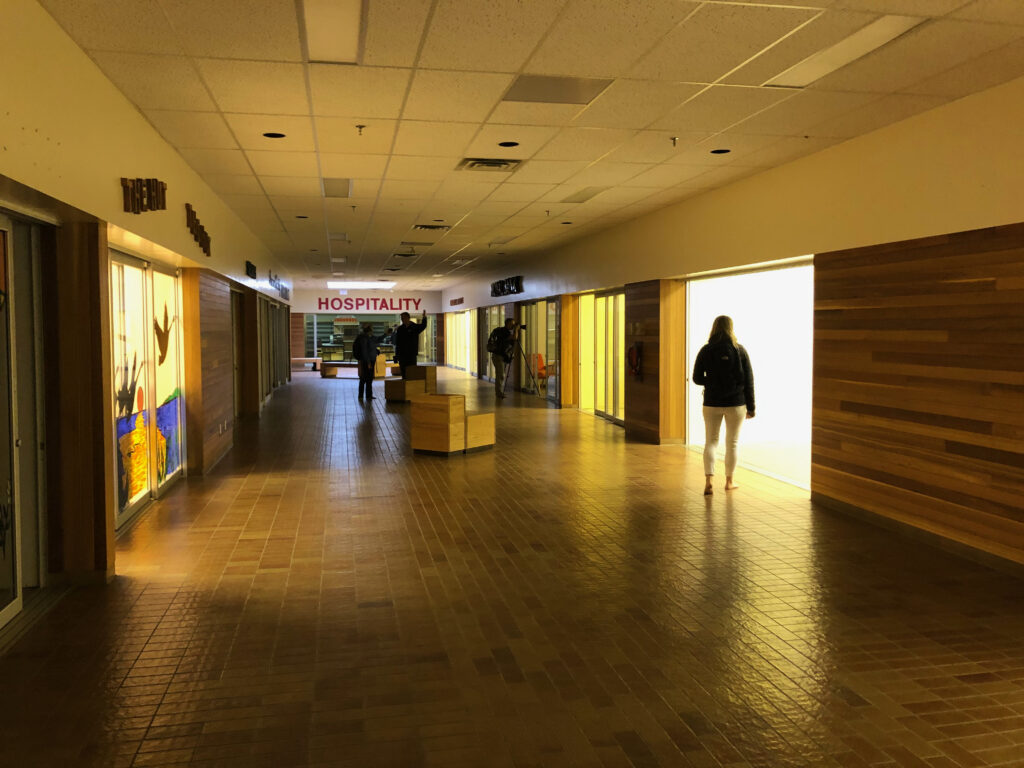
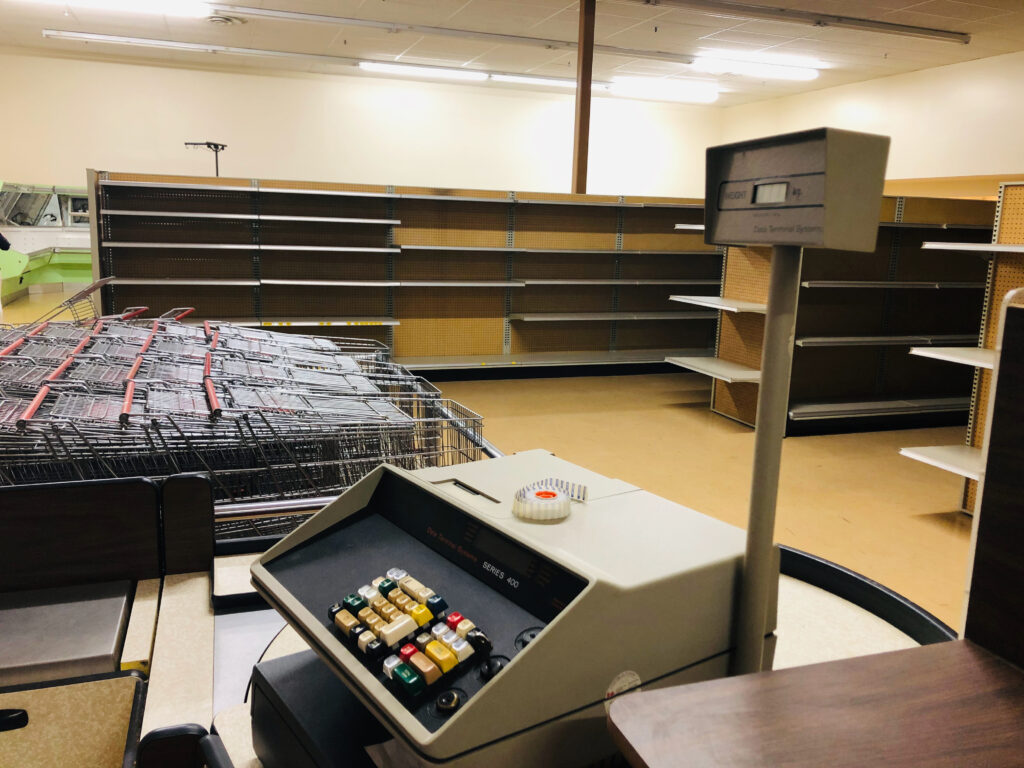
Nostalgia hits me when I enter the shopping mall. Aromas of a different age linger: the smell of linoleum with traces of cigarette, cheap perfume, and industrial cleaning solvents. The supermarket is surprisingly modern, with barren shelves and fridges awaiting products and vegetables. Dozens of shopping carts are stacked up front, and only the old cash registers betray the era. The mall had a few shops, including a restaurant with the menu still stuck on the glass out front: Fish & Chips: $4.50; Grilled Cheese: $2.75.
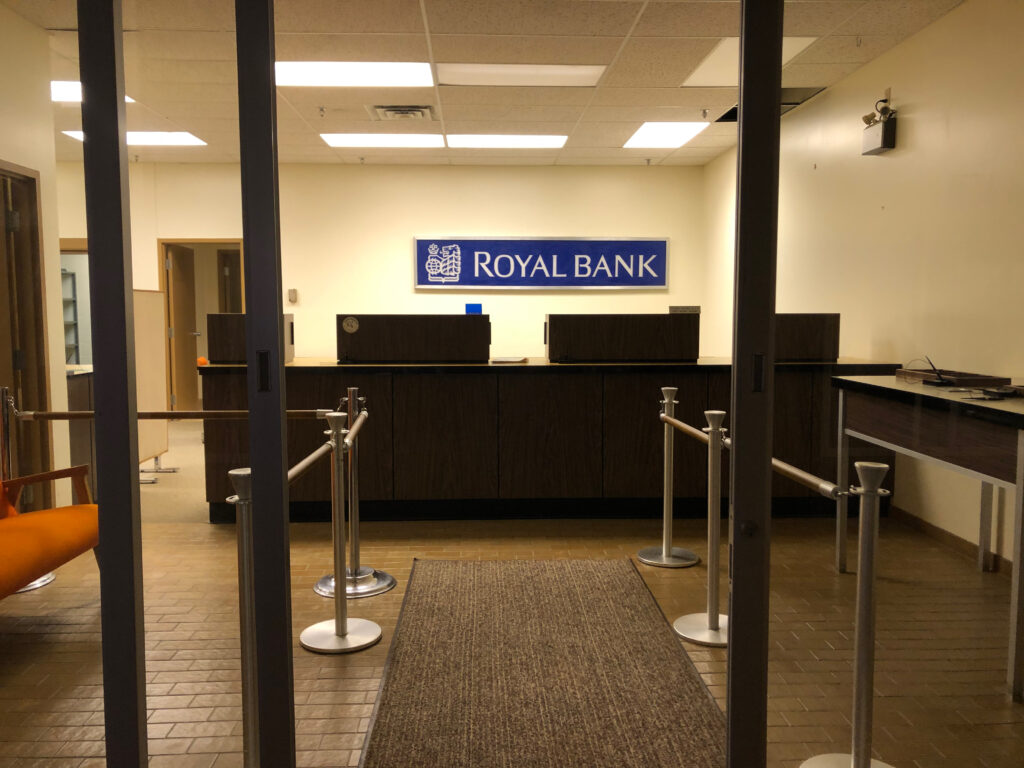
I wander through the skeleton of a post office, a Sears depot, and a few empty stores. The Royal Bank still has its industrial safe, customer ashtrays and wood panelling. If you designed sets for an early 1980s movie, I expect you would be overwhelmed by the authenticity of it all.
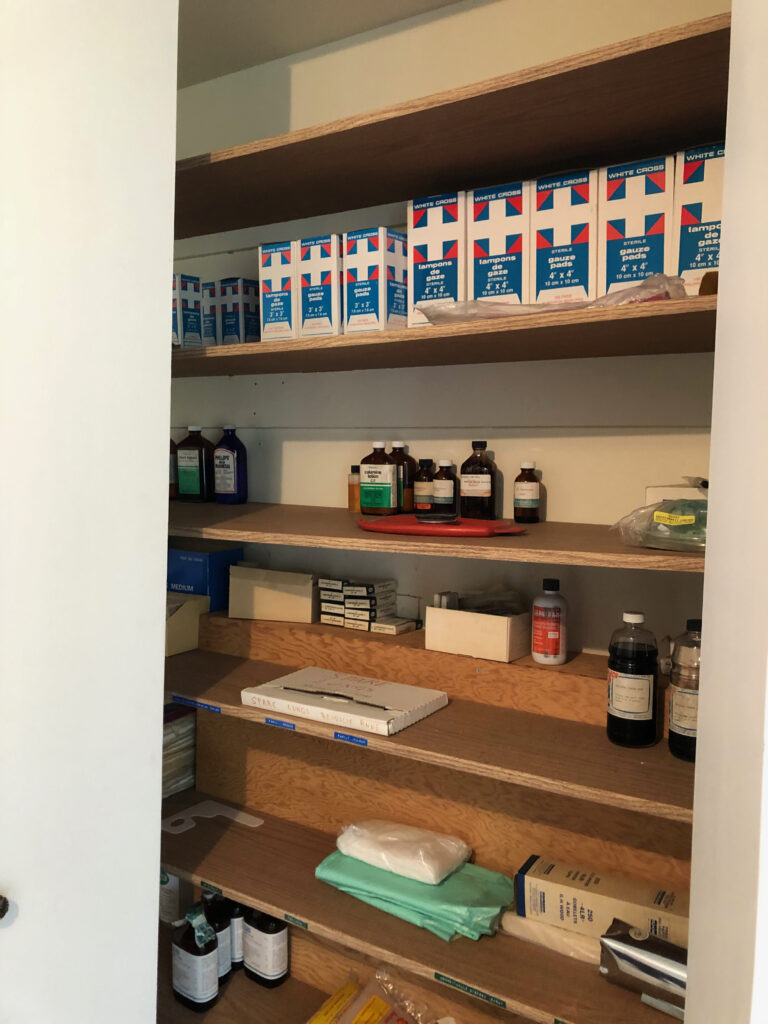
Exploring the town with an ATV, I enter some of the 90 residential homes, many fully furnished, as if the inhabitants just popped out to get some milk. The medical clinic offers another postcard in time: magazines, newspapers and medical journals from the early 1980s pine for readers in the waiting room. An abandoned X-ray machine, operating table and examining room feels strange, but the sheer amount of medical equipment in the closets — gauze, medications, needles, antiseptics, gas canisters — feels stranger still. In a zombie apocalypse, here is everything you’d need to beat back the zombies, heal the sick, and build a new corner of humanity in a forgotten part of the world.
It all feels like the set of a small-town Stephen King adaptation, perhaps explaining Kitsault’s appearance in international film location databases. The town also feels like a quick, if eccentric, solution to transplant thousands of political or climate refugees. If you don’t mind Kitsault’s isolation, retro architecture and dreadfully long winters, it could welcome a move-in-ready community.
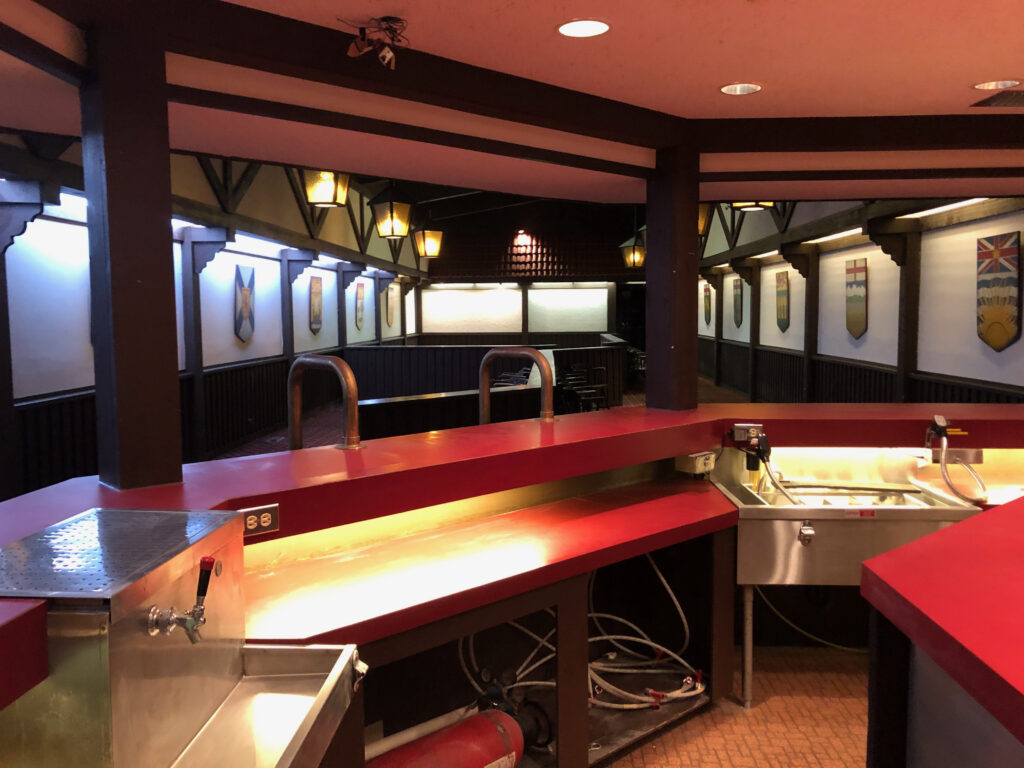
I wave to a maintenance worker outside the town’s recreation centre. This building saw activity for several years, and while it feels more lived in, I’m once again struck by how clean and tidy it is, all dressed up with nobody to party. The pub has shields on the walls representing Canada’s provinces and sits adjacent to a large curling rink with dozens of stones stacked to the side. All it needs is ice. Downstairs is an old theatre that doubled as a venue for church services, and down the corridor, I turn on the lights in two racquetball courts. You could eat off the clean wooden floors, and there are no ball marks on the walls, because ghosts play a clean game.
Kitsault’s enigmatic owner, Krishnan Suthanthiran, was born in India and educated at Ottawa’s Carleton University. He made his medical fortune in the U.S., and currently runs an assortment of companies and foundations with an affinity for ‘Best’ in their titles. His flowery Team Best biography reveals a rags-to-riches story, but doesn’t explain his obvious obsession with the abandoned mining town in northern B.C. It does, however, contain proverbs and quotes, including this one from Albert Einstein: “If at first the idea is not absurd, then there is no hope for it.”
Suthanthiran’s current plan is to ambitiously create a pipeline corridor from the Hudson Bay and transform Kitsault into a major hub for Canadian energy exports. He boldly claims it can double Canada’s GDP and even balance the Federal Budget in 15 years. The infrastructure is in place, and its geographic location is promising — it just needs several billion dollars in investment. So far, he’s had little luck getting interest from either federal or provincial governments, but as Canada aspires to reposition itself as a global energy superpower, perhaps that will change. Forty years after the miners packed up and left, Kitsault remains suspended between the past and possibility, but thanks to the deep pockets and big dreams of an optimistic owner, life might yet return to Canada’s most unusual ghost town.
For information about Kitsault, visit: https://www.kitsault.com/
Environment
Vancouver might just be home to the greenest building in the world. Meet the geography professor who brought it to life.

Environment
Ghost gear — lost or abandoned fishing gear — is a major problem in our oceans, but renewed efforts are underway to clean it up
Travel
Canadian Geographic’s Bucket Listed columnist Robin Esrock explores domestic tourism, national pride and the evolution of Canadian travel in the third edition of his bestselling book, The Great Canadian Bucket List
Travel
Two award-winning travel journalists discuss why family travel, even the kind that pushes us outside our comfort zones, is one of the most powerful investments we can make